Snowboarding
Arbor Carbon Koda Review: A Stiffer, More Aggressive Take on the Koda
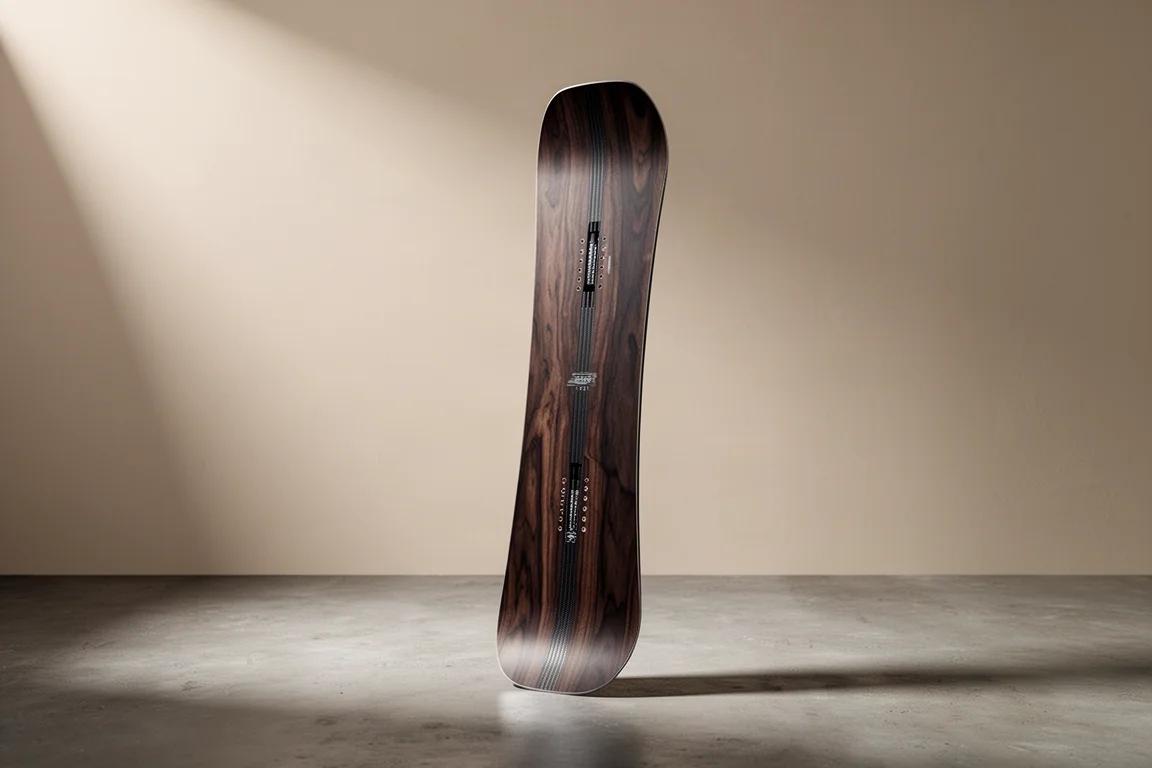
The Arbor Carbon Koda adds a carbon web to the regular Koda formula, delivering more pop, more power under the back foot, and a ride aimed squarely at aggressive and backcountry terrain.
Introduction
The Arbor Carbon Koda takes the regular Koda and pushes it firmly toward the aggressive end of the spectrum. With a carbon web running nose to tail and a directional camber profile, it is built for riders who want more snap, more power, and a board that rewards effort. After riding it through flat light, wind, and choppy resort conditions, here is how it performed.
The Camber Profile Explained
The Carbon Koda uses Arbor’s directional camber, which means you get camber from contact point to contact point, but the apex is shifted back a little more toward the back foot. That shift gives you extra power coming off the back foot when you need to drive turns, pop an ollie, or get more float on the nose, letting the front of the board rise naturally. The board comes in 155, 158, 159W, and 161 sizes.
First Impressions on the Mountain
Testing took place at Copper Mountain, where a sunny chairlift ride quickly gave way to flat light, blowing snow, and wind that never quite turned into a full storm. The board was paired with Jones Mercury bindings and Ride Fuse boots.
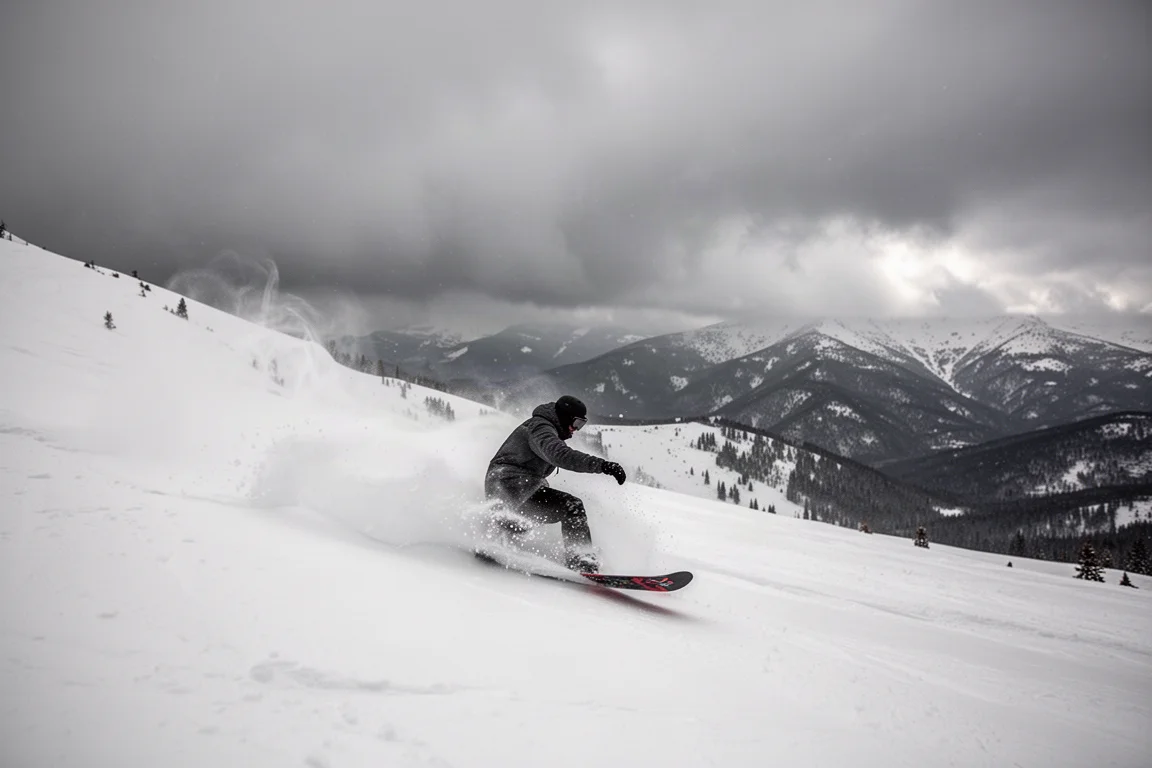
The flex is stiffer than the middle of the road thanks to that carbon web, which makes it feel a bit more aggressive on edge. There is more girth in the tail compared to the regular Koda, so you can step on it to really power through turns. The nose is a little softer than underfoot, giving you plenty of real estate for foot steering. It is foot steerable, but you will need to put in a bit more effort and stay attentive.
Stability and Edge Hold
The board is stable, but at very high speeds it still wants to skip out on larger chundery piles. On smooth groomers and smaller piles, it blasts right through without issue; the bigger piles are the ones to watch. Edge hold while popping off jumps is genuinely good, and the board has plenty of landing gear. If you are dropping off a cliff or landing on the tail, it brings you back down to bolts with confidence.
Pop and Ollies
This board pops noticeably better than the regular Koda because of the carbon web. You feel a lot more snap out of the tail. The trade-off is that it takes more to load up. This is not a quick, abrupt ollie board where you think of the jump and you are already in the air. It is more of a “see the lip coming, get ready” kind of pop, and the payoff is a stable, well-supported landing.
Buttering and Pressing
Buttering takes effort. On the tail, you have to shift way back, almost putting your hip over the tail and nearly dragging a hand to get the nose to pop up. The sweet spot sits right behind the binding, closer than expected. On the nose, the sweet spot is larger, right on the contact point, and while you still shift your weight into it, it does not demand quite as much as the tail.
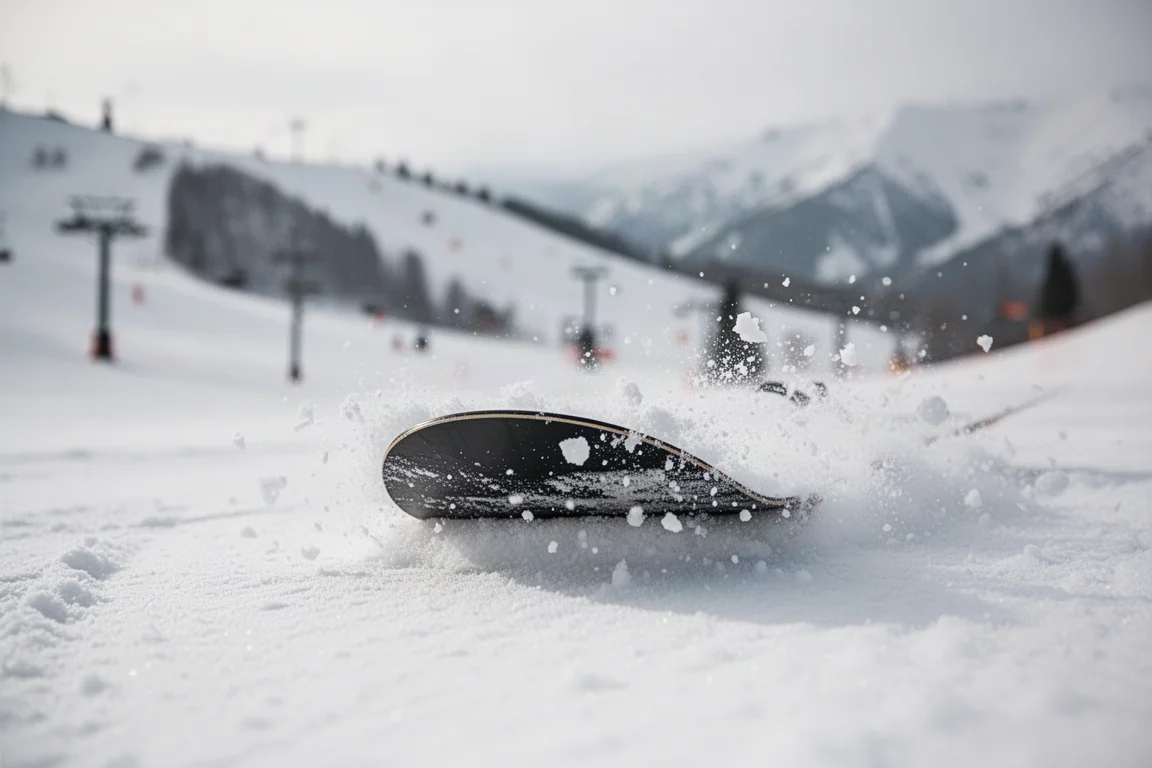
There is not a lot of flex between the feet for really steep presses, but it holds well. Exiting butters, the tail snaps out for you, while the nose needs a small extra pop before it releases.
Carving Performance
The Carbon Koda carves just like the regular Koda with a little extra guts. On perfect groomers, whether high speed or low speed, short or long carves, it does it all. You can dip into a carve, press your knee toward the center of the board, flex into that camber zone, and use the stored power to drive out.
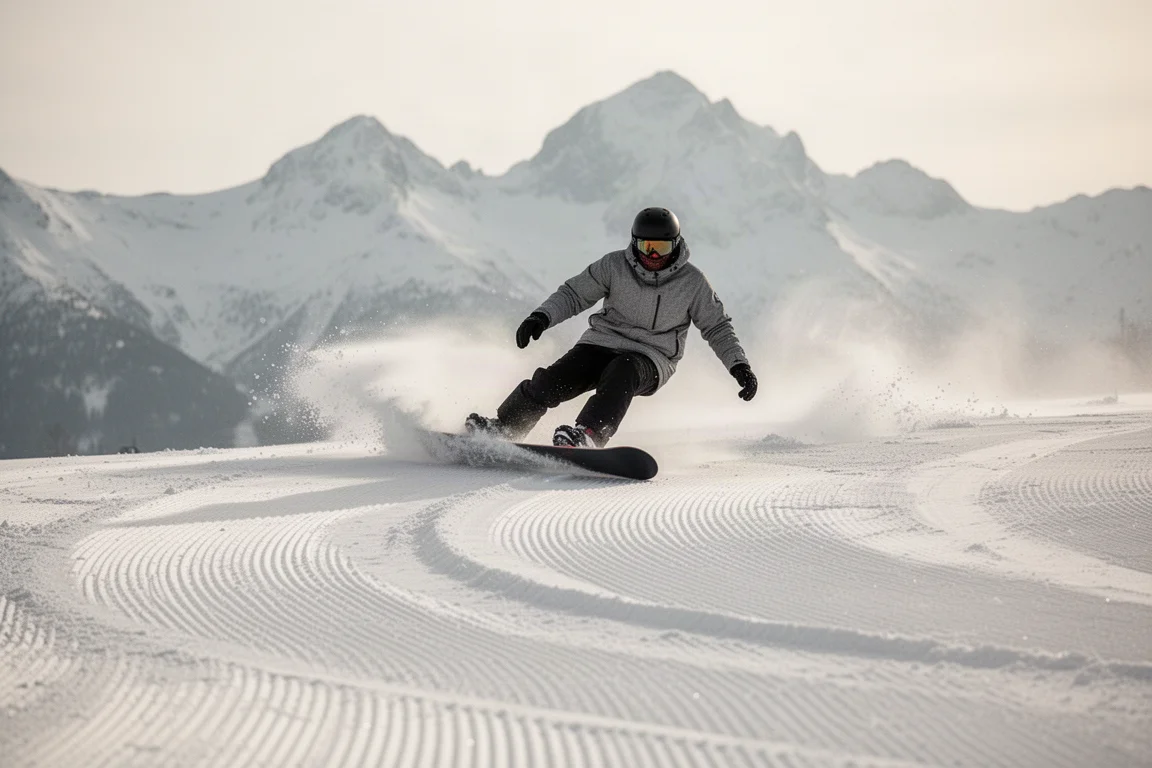
In choppier sections and medium carves, it is less sketchy than the regular Koda thanks to added dampening, and it does not skip and jump over push piles as much. Long drawn-out carves still feel a touch choppy, but the board powers through rather than flopping around. It will Euro carve too, and it handles micro adjustments well, just make sure you are not Euro carving straight into a push pile or you will skip right over it.
Who Should Ride This Board
The rider in mind for the Carbon Koda is someone spending time in the backcountry and sidecountry, riding more aggressive terrain and staying away from busy resort groomers as much as possible. The groomer and push pile performance left some room for improvement, but in the terrain it is made for, steep lines and big drops, this board should genuinely excel.
Comparisons and Setup
Comparable boards include the K2 Alchemist, the Ride Deep Fake, and the Jones Flagship Pro. Recommended bindings are the Arbor Cypress, the Jones Mercury, and the Ride A-10. Pairing it with a binding in that stiffness range helps the board respond the way it is designed to.
Buying Advice
If your days are mostly spent charging aggressive lines, riding powder, and dropping into terrain where landing on the tail matters, the Carbon Koda is a strong pick and arguably better than the regular Koda for that style. If your riding is mostly resort laps through push piles and mellow groomers, this is probably more board than you need. Consider whether your typical day matches what this board is built for before committing.
Conclusion
The Arbor Carbon Koda is a stiffer, more powerful evolution of the Koda line, with better pop, solid landing gear, and a directional camber profile that rewards an aggressive back-foot riding style. It is not the easiest board to butter or the smoothest through resort chop, but for riders pointing it at backcountry and big-mountain terrain, it looks like exactly the tool for the job.
Product link
View more details for Arbor Carbon Koda
This product is mentioned in the review. Check the specifications, options, and compatibility before buying.
View more details for Arbor Carbon KodaFurther reading
Related Reviews
Snowboarding
2025 Snowboard Gear List: Five Picks That Earned Their Place on the Mountain
From Zeiss-lens goggles to a hybrid step-in binding, here are five pieces of 2025 snowboard gear that held up across a full season of riding.
Snowboarding
2026 Snowboard Gear List: Boards, Bindings, Boots and Outerwear Worth a Look
A season-ready snowboard setup built from the bottom up: base layers, Strafe outerwear, Ride and Union boots, Union bindings, and two new Capita boards.
Snowboarding
32 Cold World Review: A Playful Hybrid Camber Board for Park Laps
The 32 Cold World blends classic camber underfoot with flat nose and tail sections for a predictable, butter-friendly ride aimed at intermediate park riders.