Snowboarding
Arbor BioStrap: A Plant-Based Binding Strap That Actually Works
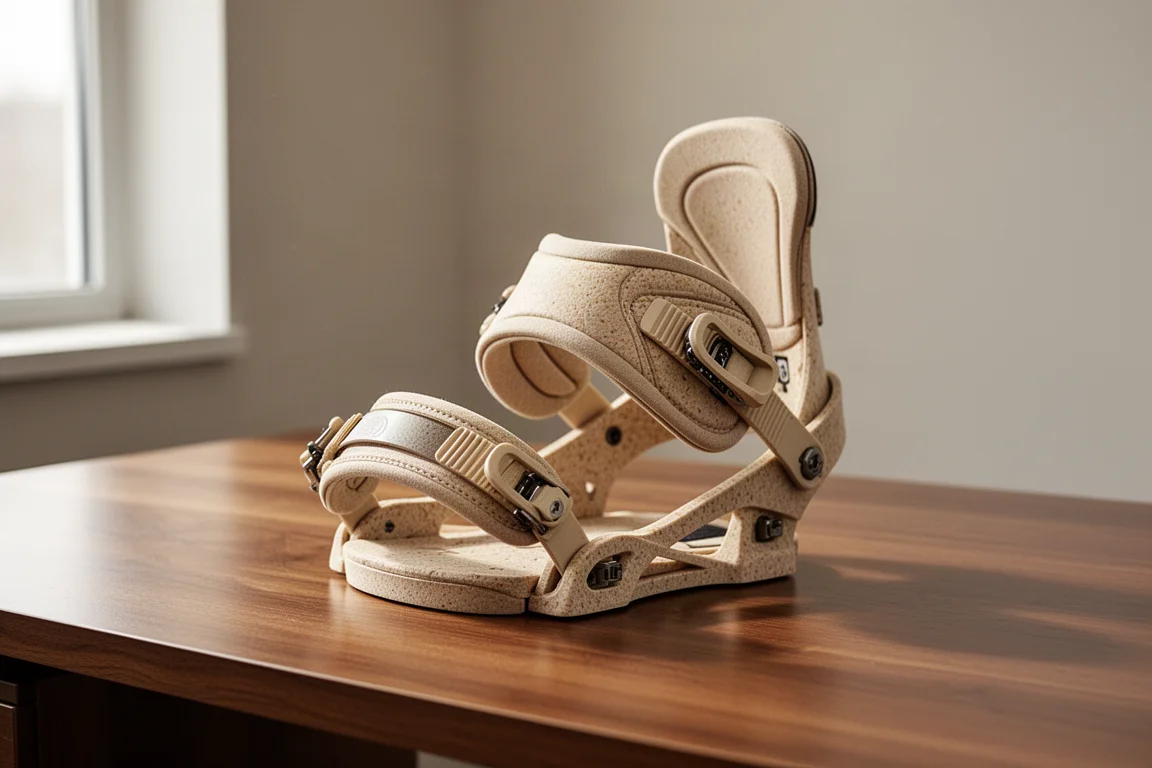
Arbor's BioStrap replaces petroleum-based plastic in snowboard binding straps with a castor bean-derived material that stays flexible in cold temperatures.
Introduction
Snowboard gear is slowly getting more sustainable, and Arbor’s BioStrap is one of the more tangible examples. Rather than a vague eco claim, it swaps the petroleum-based plastic in binding straps for a material derived from castor beans, and the interesting part is that it changes how the strap behaves in the cold. Here is what it is, how it works, and whether you should care.
What the BioStrap Actually Is
The BioStrap is Arbor’s take on making binding straps from a non-petroleum-based plastic. Instead of relying entirely on conventional polymers, the strap uses a more renewable source material, which makes it less detrimental to the environment.
Skeptics might call this greenwashing, but the material has a track record: it performs well in gear built with castor bean-based components, and the BioStrap itself works as a strap should. It grips reliably and does its job without feeling like a compromise. Arbor positions it as the first of its kind, though other companies are working on similar materials, so we will let brands argue over who did it first and simply be glad functional technology is arriving.
Why the Cold-Weather Flex Matters
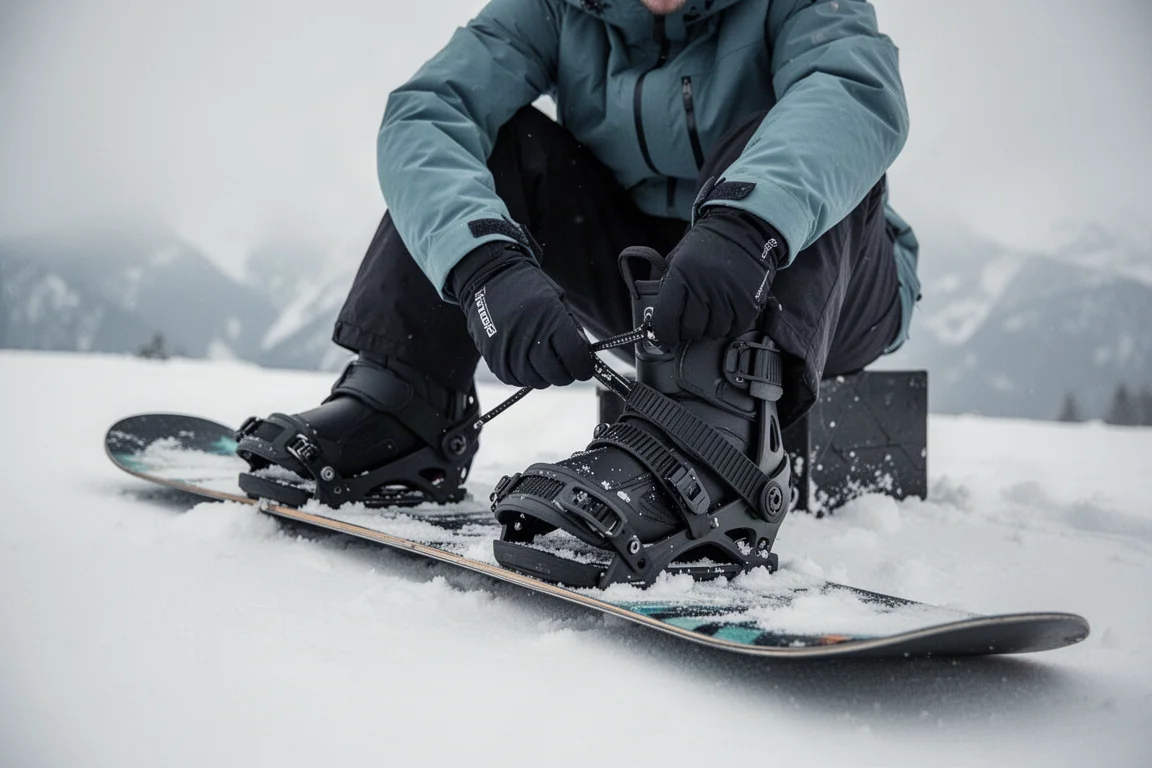
The most practical difference shows up in low temperatures. In colder conditions, conventional straps tend to stiffen and become more rigid, but the BioStrap stays more resilient and flexes better instead of freezing up.
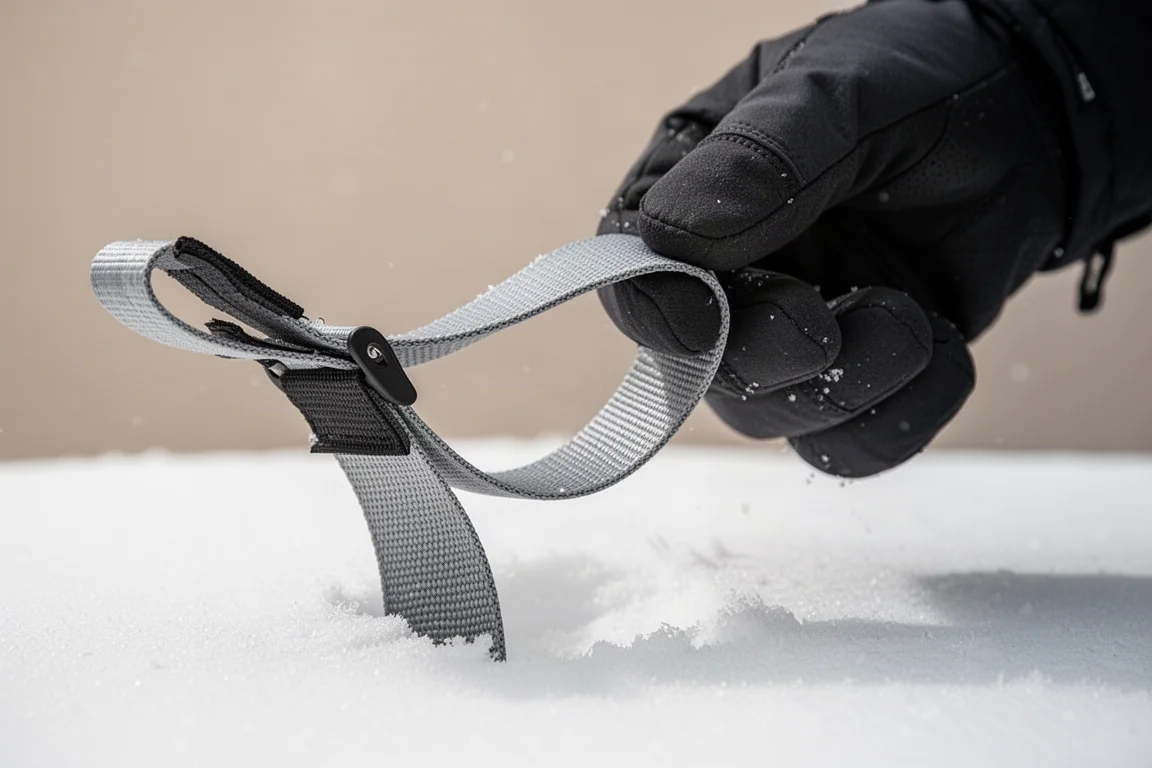
That flexibility has a long-term benefit too: if you ride in consistently cold areas, the strap is less likely to crack over time. For riders in places with genuinely frigid winters, this durability angle may be the strongest reason to value the material.
How It Performs on the Mountain
In use, the strap grips well and does what a binding strap is supposed to do. It is not the most rigid option available, and it can flex through under strong pressure if you lean on it hard.
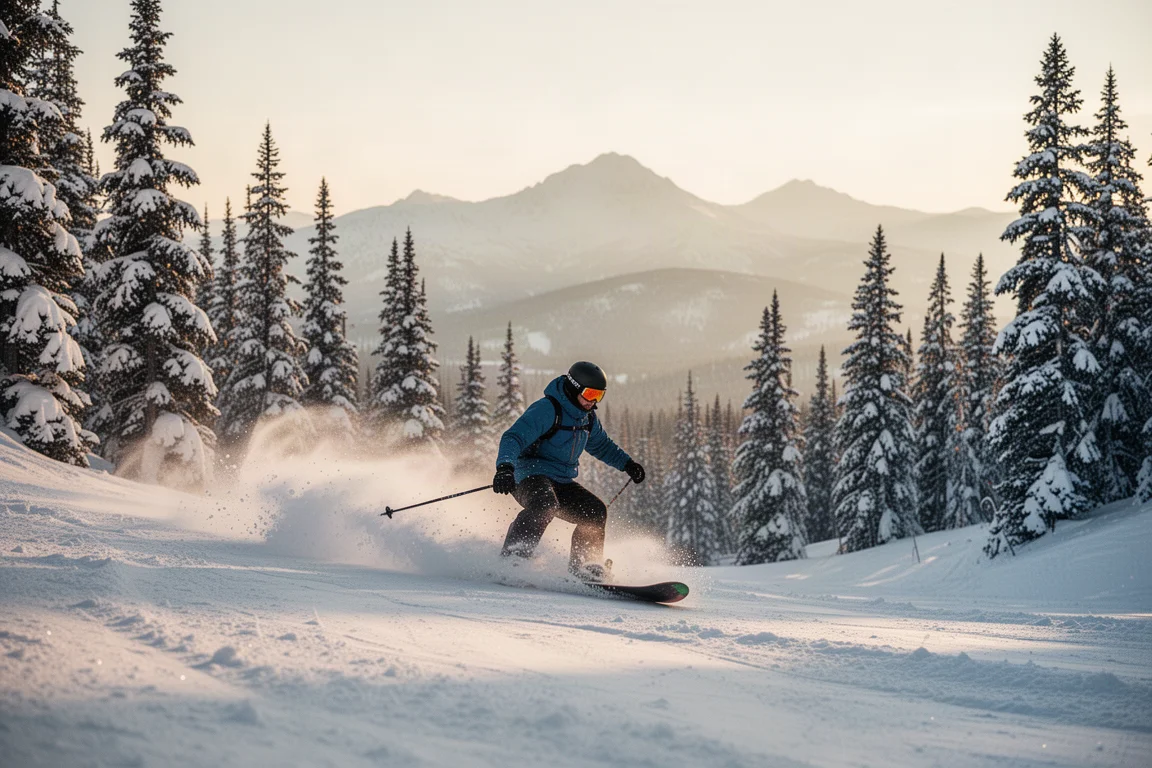
That flex felt more noticeable on one board than another, likely due to different days and different temperatures, so real-world feel may vary with conditions. Overall, though, it performs like a functional strap rather than an experiment.
Do You Need It?
If you are buying an Arbor binding, the BioStrap is simply what you get, and it works. There is no separate upgrade decision to make.
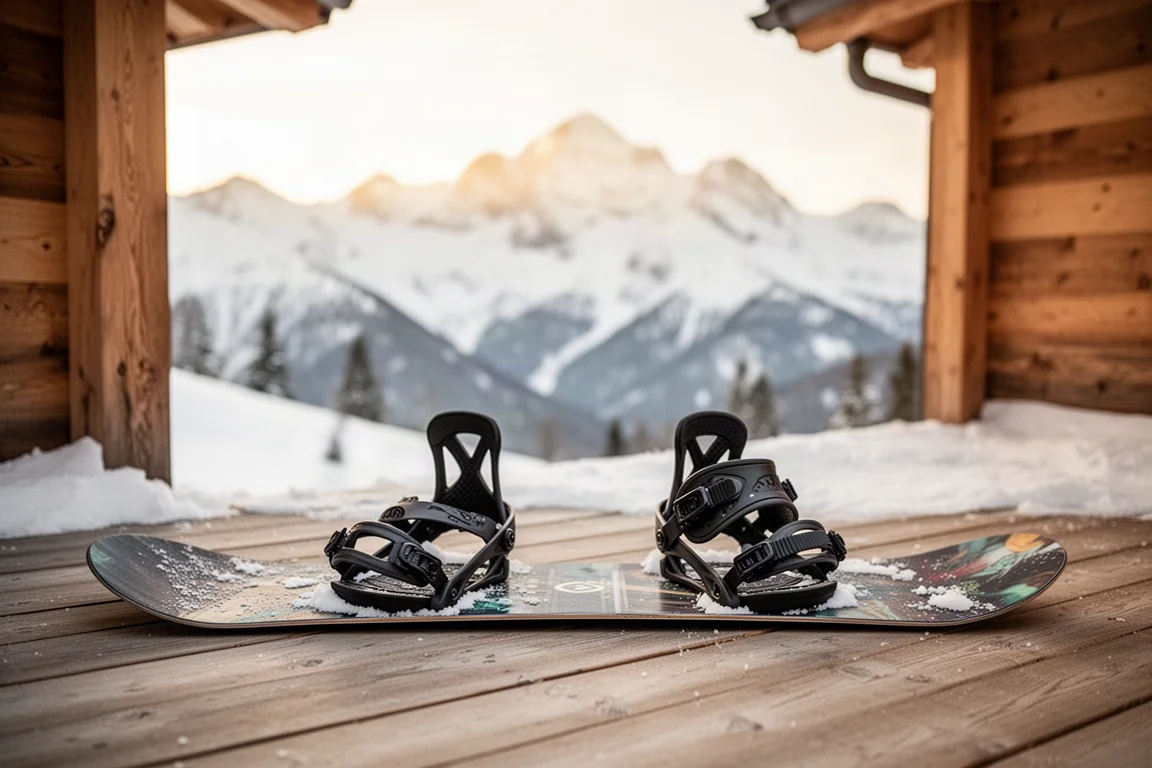
If you want to feel a little more environmentally friendly about your setup, that comes along for the ride. The realistic caveat: a plant-based strap does not offset every other choice in your day, from the drive to the mountain to lunch on the way. It is a step in the right direction for binding materials, and it is likely where strap design is headed next.
Conclusion
Arbor’s BioStrap is a genuinely functional plant-based binding strap, notable not just for its renewable material but for staying flexible and crack-resistant in cold temperatures. If you are already shopping Arbor bindings, you get it by default, and there is little downside to embracing it.
Product link
View more details for Arbor BioStrap
This product is mentioned in the review. Check the specifications, options, and compatibility before buying.
View more details for Arbor BioStrapFurther reading
Related Reviews
Snowboarding
2025 Snowboard Gear List: Five Picks That Earned Their Place on the Mountain
From Zeiss-lens goggles to a hybrid step-in binding, here are five pieces of 2025 snowboard gear that held up across a full season of riding.
Snowboarding
2026 Snowboard Gear List: Boards, Bindings, Boots and Outerwear Worth a Look
A season-ready snowboard setup built from the bottom up: base layers, Strafe outerwear, Ride and Union boots, Union bindings, and two new Capita boards.

Snowboarding
32 Cold World Review: A Playful Hybrid Camber Board for Park Laps
The 32 Cold World blends classic camber underfoot with flat nose and tail sections for a predictable, butter-friendly ride aimed at intermediate park riders.