Snowboarding
Arbor Annex Review: A Stiff Directional Freeride Snowboard Built for Speed
The Arbor Annex is a $699 directional freeride snowboard with a stiff flex, carbon-reinforced flex control, and a ride that rewards confident, aggressive riders.
Introduction
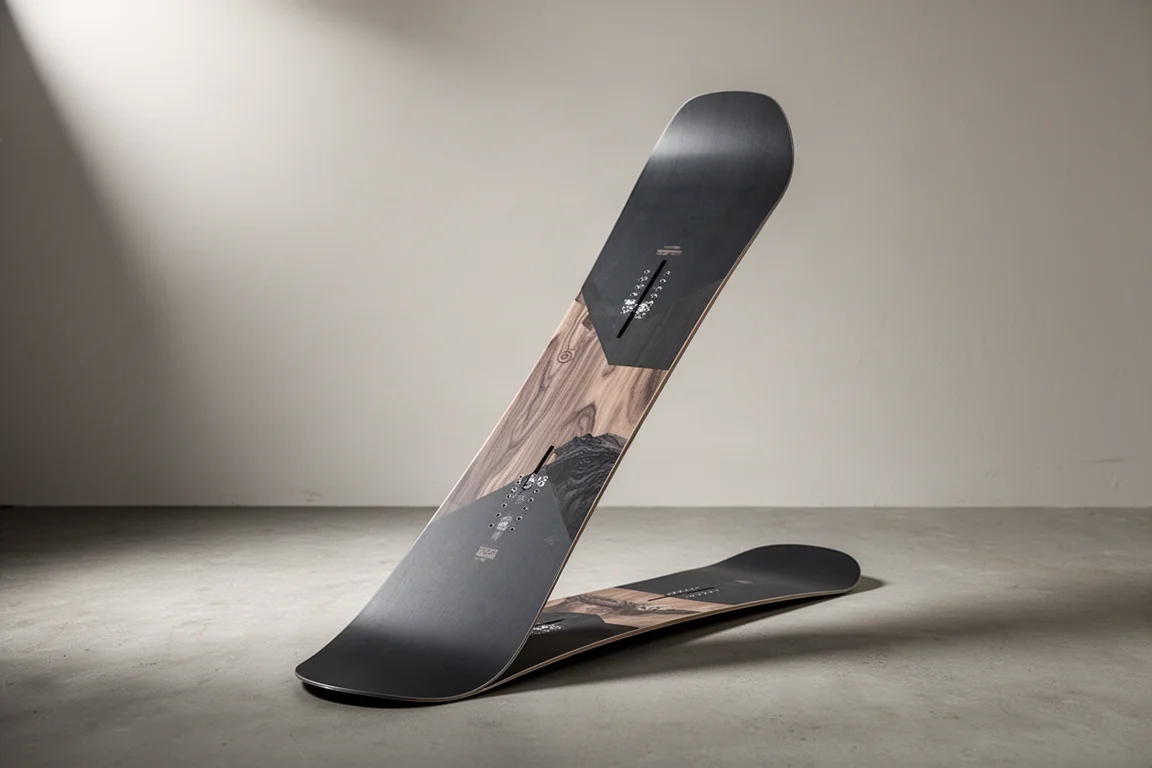
The Arbor Annex is a newer addition to the Arbor line, and it is positioned at the top end of what the brand offers for all-mountain freeride riding. It is a directional board with a little taper, a setback stance and camber underfoot, and it retails at $699.
That price and that shape tell you most of what you need to know before you ever strap in. This is not a forgiving, do-everything deck aimed at riders who are still building their fundamentals. It is a stiff, stable, speed-oriented machine that assumes you already know how to load an edge, hold a line and commit to a turn.
Who the Arbor Annex Is For
The Annex is built for riders who ride fast and aggressively. The design brief here is stability: a board that stays planted at high speed and holds firm through the arc of a turn rather than washing out when you push it.
The directional shape is the other clear signal. With a little taper and a setback stance, the board is set up for riders who spend their time pointing downhill rather than switching back and forth between regular and switch. If your days are mostly spent riding forward, hunting for speed and clean carves, this shape is working in your favour rather than against it.
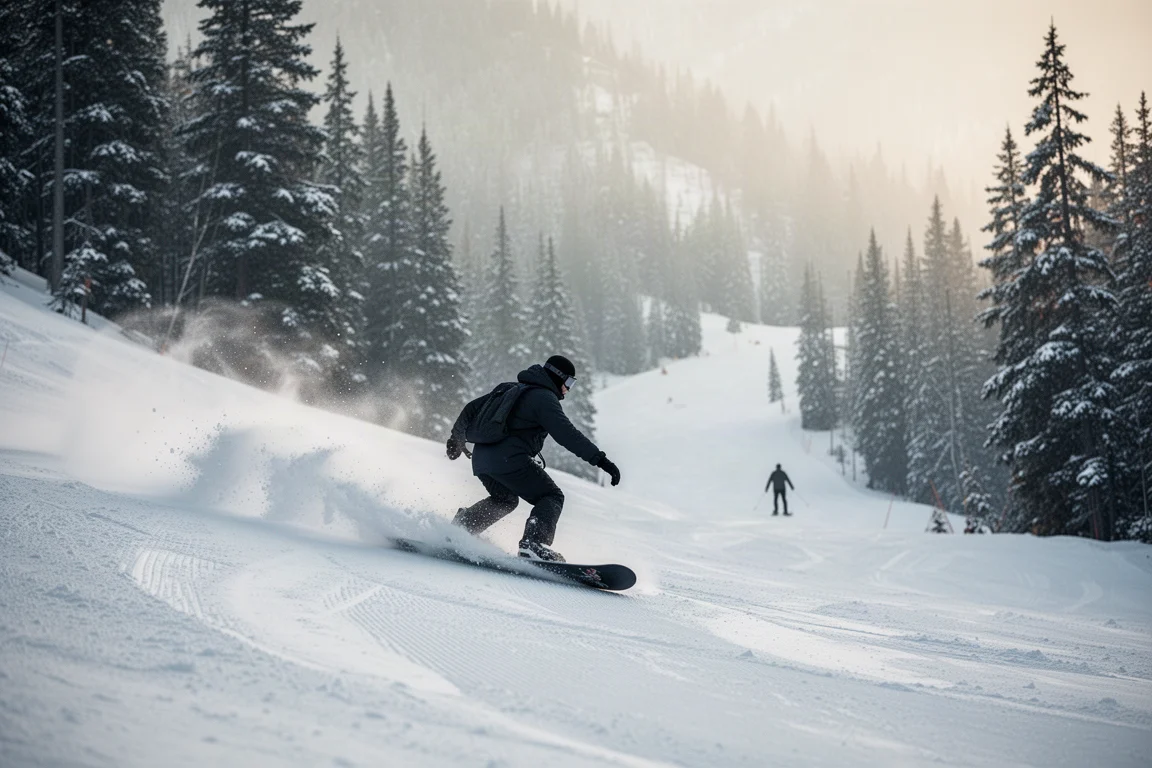
It also suits riders who want one board that can handle a full day on the mountain. The Annex is demanding, but it is not a one-trick freeride specialist. It can be ridden across varied terrain by someone with the technique to manage a stiff flex.
Main Strengths
The defining strength of the Annex is how much it gives back when you ride it hard. A stiff flex paired with a stable directional shape produces a ride that feels locked in at speed and reassuringly solid through turns.
Feedback from on-snow testing was emphatic: the board earned an overall rating of 10. That is a strong signal for a board that makes no attempt to be mellow. It suggests the Annex does exactly what it was designed to do, and does it for the rider it was designed for.
There is also more range here than the stiff flex first suggests. The Annex is not a playful board by nature, but that does not mean side hits, small drops and natural features are off the table. Riders who like to mix a bit of improvisation into a fast day will still find the board willing.
Design and Construction Details
Arbor has applied a lot of its technical toolkit to this board. The most notable element is the carbon netting laid into the construction, which manages both longitudinal flex and torsional flex. In practice that means the board resists unwanted twisting while still flexing in a controlled, predictable way along its length, which is a big part of why it feels so settled underfoot.
The profile is camber, paired with the directional shape, slight taper and setback stance. Together these elements push the ride toward forward-facing, high-speed performance.
The tip and tail also feature what Arbor calls powder fenders: three-dimensional shaped sections at the tip, tail and contact points where the board is turned up slightly. The intent is a more forgiving feel, with easier turn entry and easier turn exit, without giving up the stiffness that defines the rest of the ride.
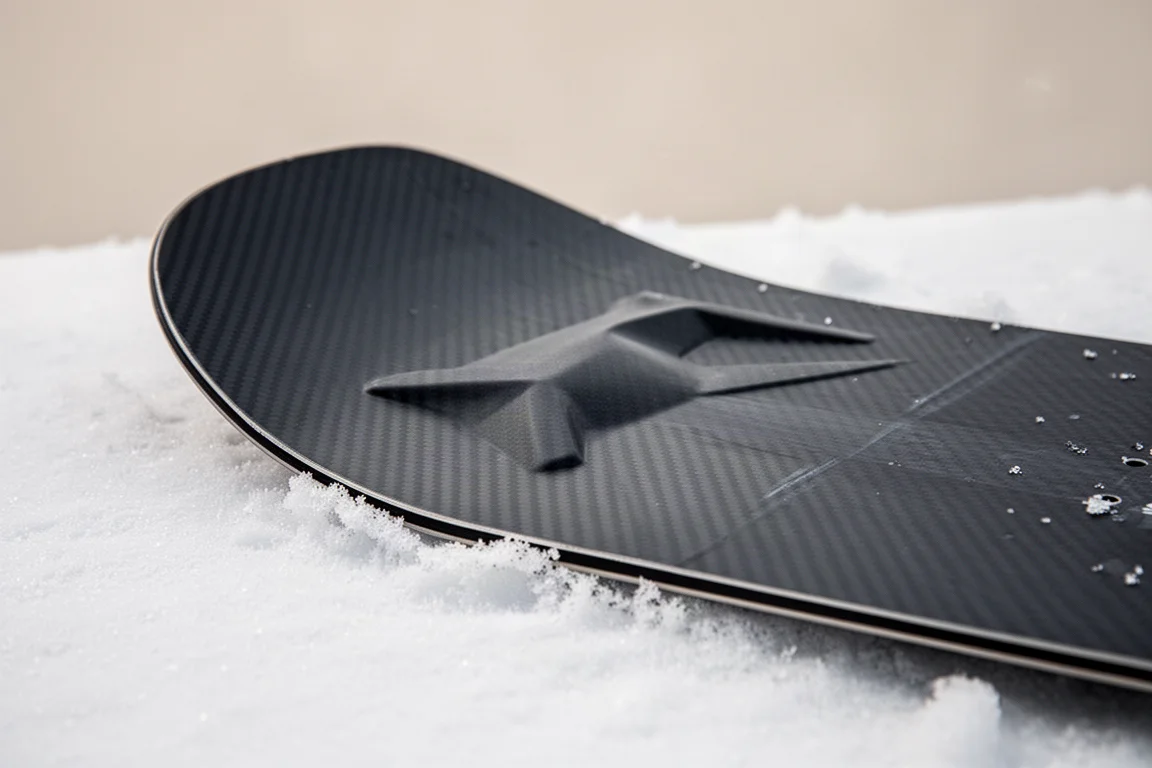
A hand flex confirms the character of the build. This is a board that is all there, with no soft spots to find, and that stiffness is deliberate rather than accidental.
How the Annex Rides on Snow
On snow, the Annex feels like a board that wants to be driven. It rewards an aggressive, committed riding style and asks for real input in return. Riders who are used to softer, more forgiving decks will notice the difference immediately, because this board does not smooth over lazy technique.
What it does instead is deliver stability. At high speed it stays composed, and through turns it holds to the snow rather than skittering away. The powder fenders contribute here too, softening the transition into and out of a turn so the board feels less abrupt at the contact points than its stiffness might imply.
The trade-off is effort. It takes a lot to ride a board like this, and the Annex does not hide that. What you get in exchange is a ride that feels planted and predictable when conditions and speed allow you to use it properly.
Things to Consider Before Buying
The first thing to be honest about is the flex. The Annex is stiff, and stiff boards are demanding. If you are still refining your turn shape, or if you ride mostly at moderate speeds, this board will feel like more work than it is worth. It is not a platform that flatters developing technique.
Second, the shape. A directional board with taper and a setback stance is not the tool for riders who spend significant time riding switch or who want a symmetrical feel underfoot. That is a design choice, not a flaw, but it matters when you are deciding what to buy.
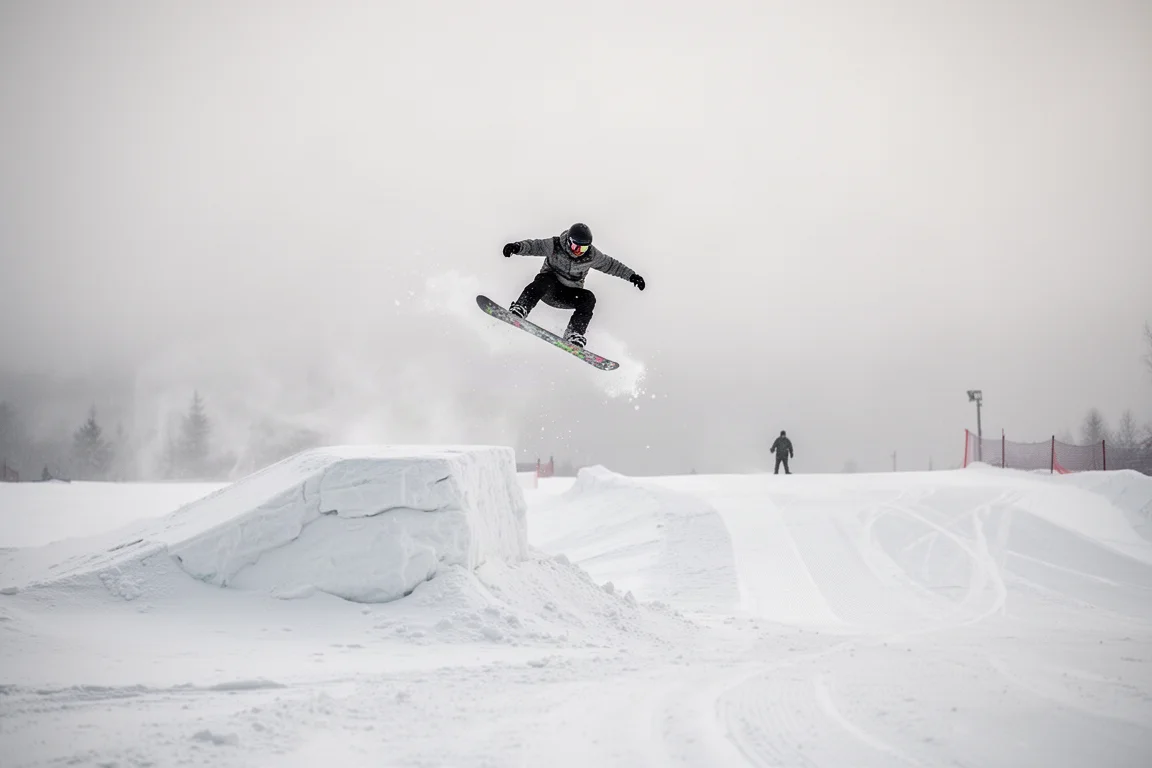
Third, the playfulness question. The Annex is not on the playful side. It can handle side hits and drops, but if your riding is centred on jibbing, butters and low-speed creativity, the character of this board will work against you rather than with you.
Finally, the price. At $699 the Annex sits in the upper tier, so it makes sense to be confident that your riding style matches what the board is built to do.
None of these points make the Annex a bad board. They simply define the rider it was made for, and being clear about that up front is the difference between a purchase you love and one you regret.
Price and Value
At $699, the Arbor Annex is priced as a high-end freeride board, and the construction reflects that positioning. The carbon netting, the directional shape work and the powder fenders are all part of what you are paying for, and they are the elements that shape how the board actually rides.
For the right rider, that is a reasonable trade. The Annex is designed to be ridden hard for a long time, and the stiffness and stability that make it demanding are the same qualities that make it rewarding once you are comfortable on it. The value case rests entirely on whether your riding matches the brief.
Buying Advice
The cleanest way to decide on the Annex is to start with an honest look at how you ride. If you ride fast and aggressively, prefer to stay forward-facing, and want a board that feels stable and stuck to the snow at speed and through turns, this board is built for exactly that.
If, on the other hand, you are earlier in your progression, or you want a board that feels loose and playful underfoot, or you split your time evenly between regular and switch, the Annex is likely to feel like the wrong tool. That is not a knock on the board, it is a mismatch of purpose.
It is also worth thinking about the kind of terrain you spend most of your time on. The Annex is comfortable being pushed, and it makes the most sense for riders who have the confidence and the technique to push it.
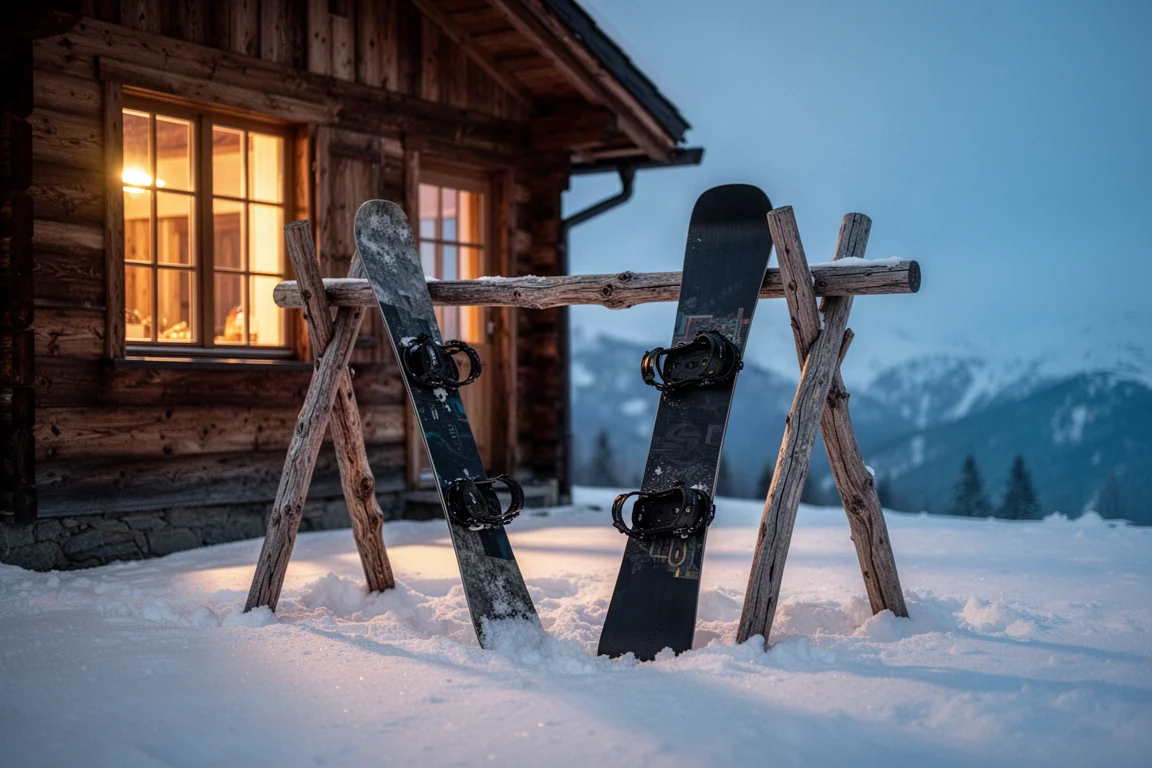
If you are on the fence, weigh the stiffness and the directional shape first, because those two characteristics shape everything else about the experience. Riders who know they want a demanding, stable, speed-oriented board will find the Annex does precisely what it promises.
Conclusion
The Arbor Annex is a purpose-built freeride snowboard: stiff, directional, cambered, with carbon netting managing its flex and powder fenders smoothing the contact points. At $699 it is a serious purchase aimed at a specific kind of rider.
That rider is experienced, aggressive and forward-facing, and wants a board that stays stable at speed and holds an edge through a turn. For them, the Annex delivers a ride that earned top marks in on-snow testing. For everyone else, the stiffness and the directional shape are worth thinking through carefully before committing. If the description fits how you ride, the Annex is a confident choice.
Product link
View more details for Arbor Annex
This product is mentioned in the review. Check the specifications, options, and compatibility before buying.
View more details for Arbor AnnexFurther reading
Related Reviews
Snowboarding
2025 Snowboard Gear List: Five Picks That Earned Their Place on the Mountain
From Zeiss-lens goggles to a hybrid step-in binding, here are five pieces of 2025 snowboard gear that held up across a full season of riding.
Snowboarding
2026 Snowboard Gear List: Boards, Bindings, Boots and Outerwear Worth a Look
A season-ready snowboard setup built from the bottom up: base layers, Strafe outerwear, Ride and Union boots, Union bindings, and two new Capita boards.
Snowboarding
32 Cold World Review: A Playful Hybrid Camber Board for Park Laps
The 32 Cold World blends classic camber underfoot with flat nose and tail sections for a predictable, butter-friendly ride aimed at intermediate park riders.