Telescopes
Aputure 60 EDR Review: A Compact Apochromatic Doublet for Astrophotography
A 60mm apochromatic doublet refractor that balances portability, imaging performance, and visual appeal at a fraction of the price of a high-end triplet.
Introduction
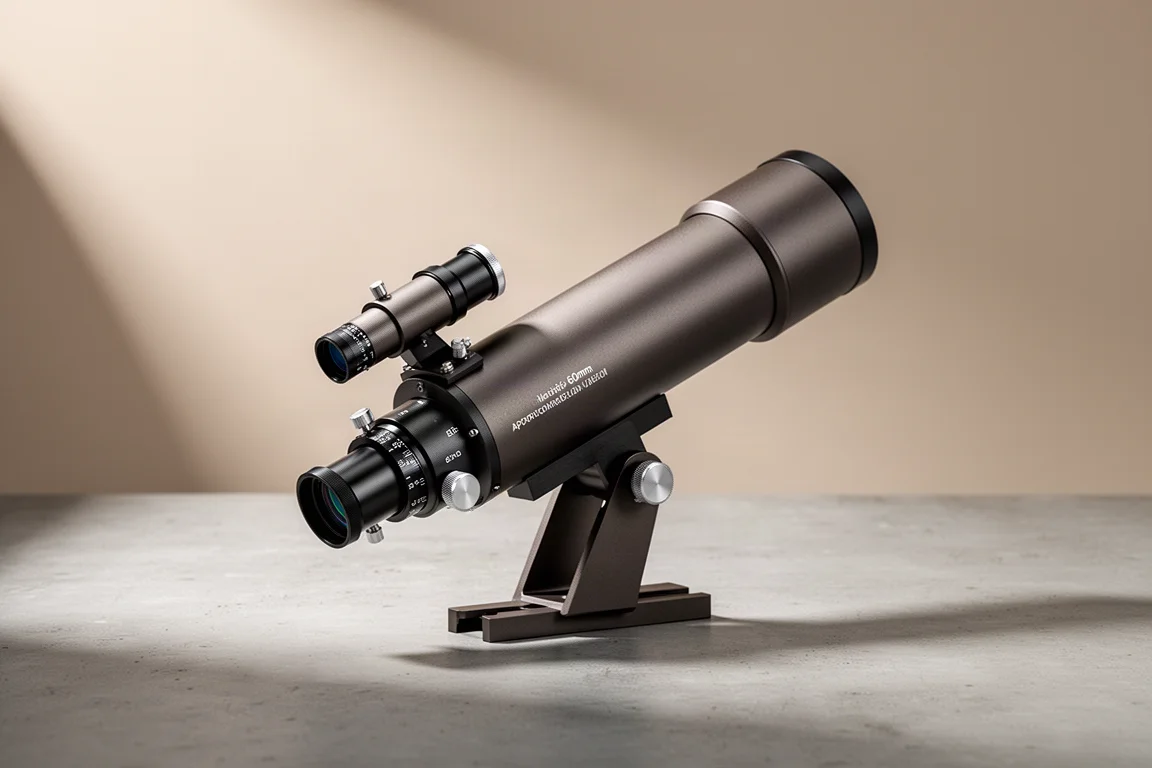
The Aputure 60 EDR is a 60mm apochromatic doublet refractor with a short focal length, aimed squarely at imagers who want a portable scope that can handle large nebulae and galaxies. It also holds its own for visual observing, which makes it a genuinely flexible first or second telescope rather than a one-trick imaging tool. This review covers what it does well, where it sits compared to pricier designs, and what you should plan for before buying.
Who This Telescope Is For
If you are starting out in astrophotography and want something smaller and more manageable, the 60 EDR fits the brief. Its compact size makes it realistic to pack for a camping trip, and its wide-field focal length suits large nebulae and galaxies, the targets beginners most often want to shoot.

Visual observers get a real benefit too. Under dark skies with a wide-field eyepiece, the scope delivers high-contrast views with tack-sharp stars, and scanning the Milky Way with this kind of setup is a genuinely rewarding experience.
Main Strengths
The build quality stands out first. The dual-speed focuser makes achieving fine, sharp focus straightforward, which is especially helpful when dialing in focus with a Bahtinov mask. Small mechanical details like this matter more than they appear once you are imaging in the dark.
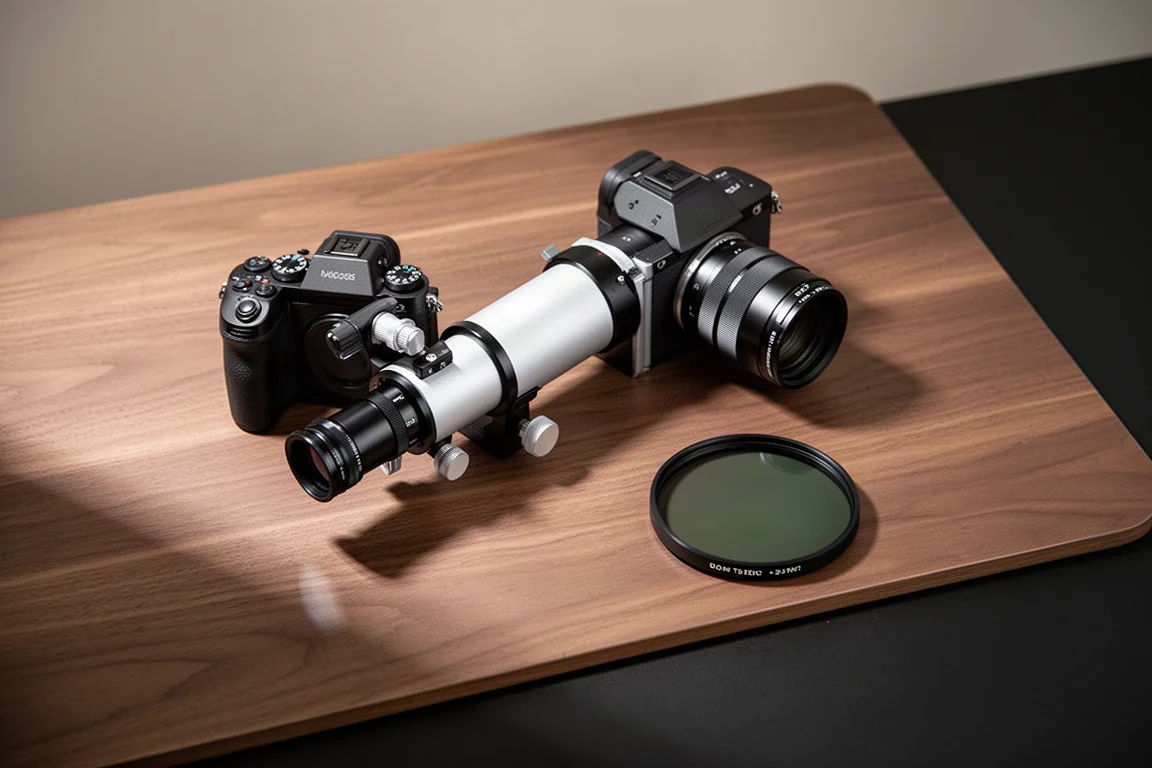
The included camera rotator lets you adjust camera orientation at any time, so you can frame your target exactly how you want it without breaking down your imaging train. The scope also includes M48 filter threads that accept 2-inch light pollution filters, both narrowband and broadband. For anyone imaging from a city, that threading is a practical contrast boost.
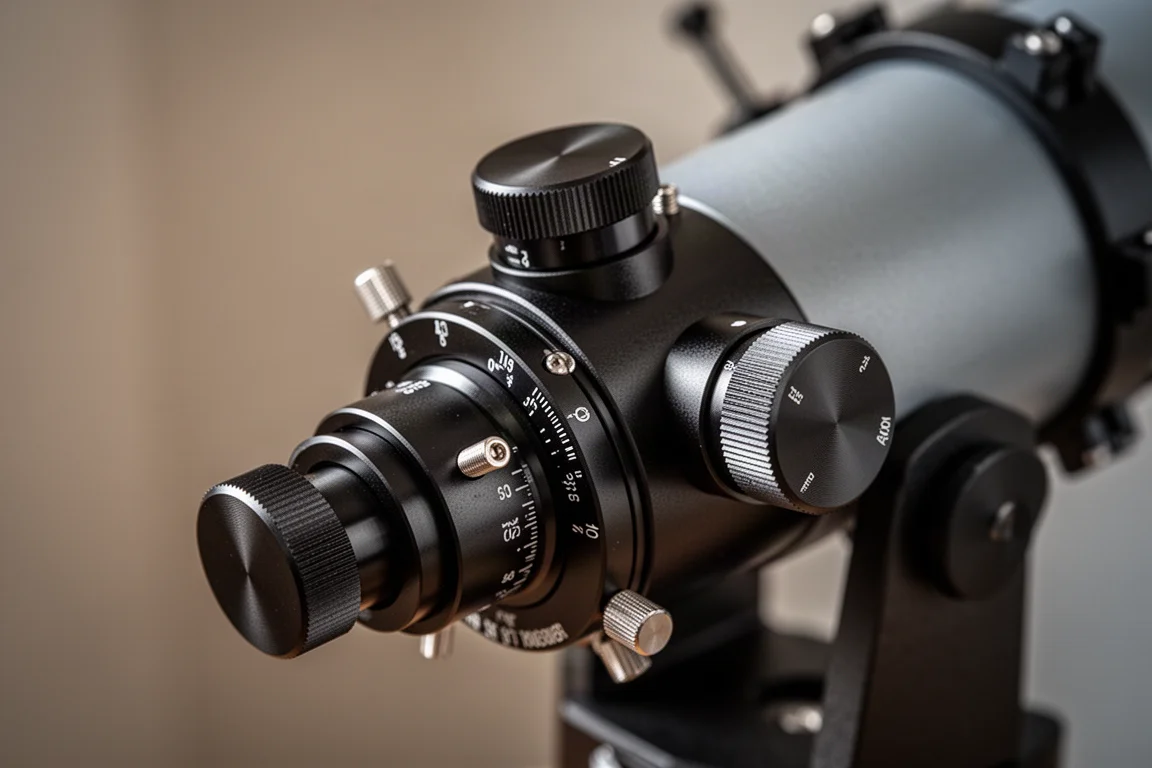
The dovetail is reversible, which helps with balancing an assembly that is slightly back heavy. On top of that, the matching Aputure field flattener, included in the kit version, is designed to work with both the 60 EDR and the 72 EDR doublet and supports full-frame camera sensors.
Things to Consider Before Buying
Two practical points are worth planning for. First, the manufacturer recommends pairing the scope with a 4-inch or 7-inch fixed-style dovetail so you can attach it to your equatorial mount reliably. Second, as with most doublet refractors, stars are slightly sharper in a high-end triplet design. That is the main optical trade-off at this price point.
The counterweight to that trade-off is value. Compared with a high-end triplet apochromatic refractor, the 60 EDR is a fraction of the price while still delivering results that come close to triplet-like performance. For many imagers, that balance is exactly the right one.
Buying Advice
Choose the 60 EDR if portability, wide-field imaging, and value matter more than the last few percent of star sharpness that a triplet provides. It suits beginners who want a scope that grows with them and experienced imagers who want a travel-friendly second scope. Budget for the recommended dovetail, add filters if you shoot under light-polluted skies, and you have a capable, compact imaging platform that also rewards visual nights under dark skies.

Conclusion
The Aputure 60 EDR packs strong build quality, thoughtful imaging features, and genuine dual-purpose use into a compact doublet refractor. Its star sharpness sits a small step behind a high-end triplet, but the price is in a different league, and the results remain impressive. For beginners and wide-field astrophotographers, it is an easy recommendation.
Product link
View more details for Aputure 60 EDR
This product is mentioned in the review. Check the specifications, options, and compatibility before buying.
View more details for Aputure 60 EDRFurther reading
Related Reviews

Telescopes
Sightron SJ75 UF and Sky-Watcher HS125: Two Telescopes Worth Watching
A look at two notable telescopes from a recent camera and optics expo: a sharp new astrograph from Sightron Japan and a compact fast reflector from Sky-Watcher.

Telescopes
SV503 102ED Review: A Budget 102mm Refractor That Surprises
The SV503 102ED is an affordable 102mm doublet refractor that delivers surprisingly decent star shapes and a smooth focuser, despite some chromatic aberration and light falloff.

Telescopes
SVBony MK127 Review: A Compact Maksutov-Cassegrain That Surprises
The SVBony MK127 is a 127mm Maksutov-Cassegrain telescope with a unique 0.65x reducer, making it a versatile option for visual astronomy and even some deep-sky imaging.