Smartwatches
Apple Watch Ultra vs Garmin Epix 2: Two Smartwatch Approaches to Serious Running
The rugged Apple Watch Ultra and the Garmin Epix 2 both target runners, but they trade punches in very different areas. Here is how they compare in design, GPS accuracy, heart rate, sports tracking and battery life.
Introduction
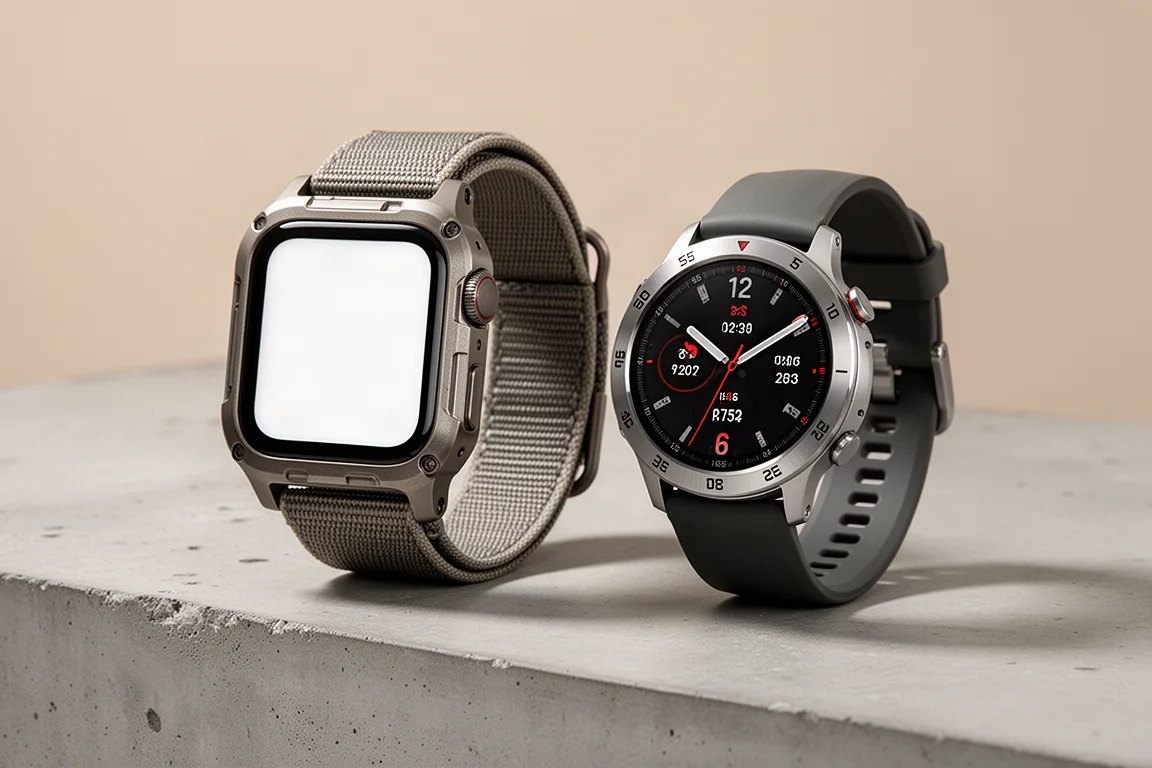
The Apple Watch Ultra is Apple’s first serious attempt at a watch for the sports market, and it arrives with a price to match: $799 or £849, nearly double the cost of the Series 8. The Garmin Epix 2 sits about $100 or £100 above it, offering Garmin’s core run tracking experience with built-in maps and training analysis.
Both watches are premium, both are genuinely good for running, and both make compromises. The question is which compromises you can live with.
Design and Wearability
The Ultra is the biggest Apple Watch so far, with a 49mm titanium case that wraps around the sapphire crystal screen to protect it from bumps. Titanium sections also cover the buttons on the right side. On slim wrists it looks big at first, but it does not weigh heavy on runs, and it is about the same weight as a Garmin Enduro.
The new action button on the left side is the headline addition. Set to workout mode, it works as a proper lap button on an Apple Watch for the first time. It also makes pausing a workout easier: hold the two bottom buttons together, rather than swiping through screens mid-run. That feels far more natural while running, and the action button can also launch a workout or take a split directly.
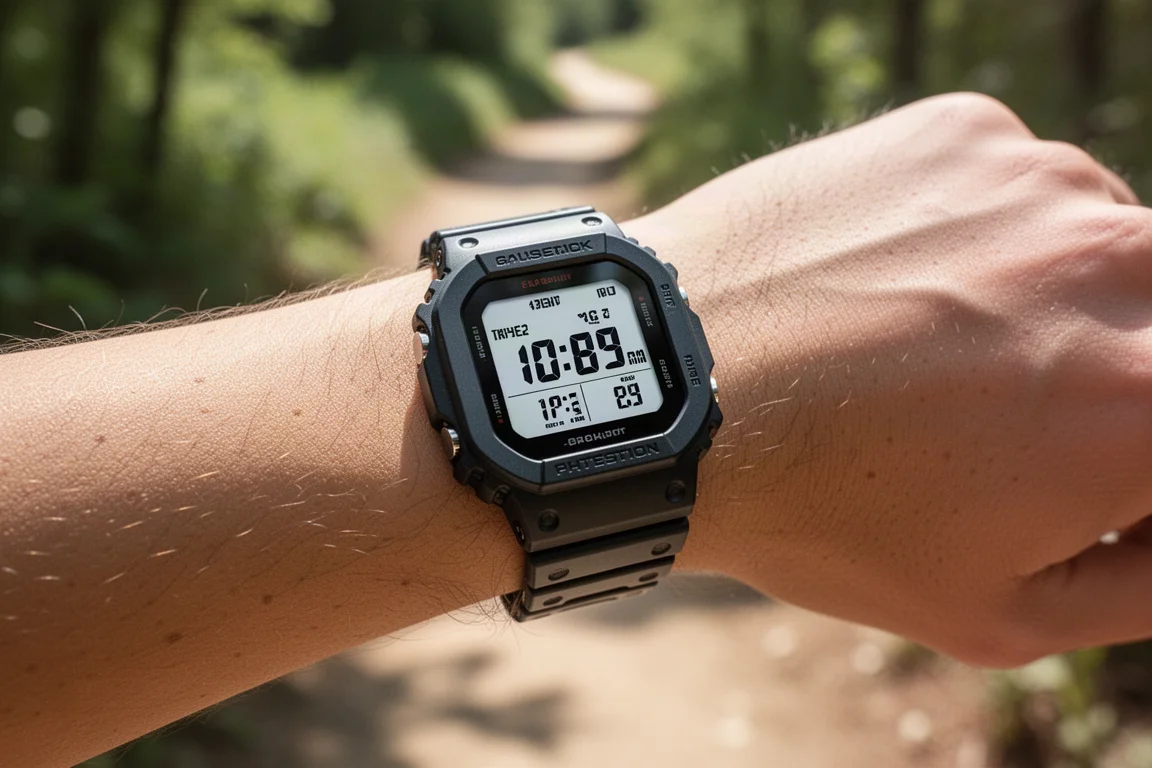
The screen is a genuine highlight. At up to 2,000 nits, Apple claims it is twice as bright as the Series 8, and in practice it stays easily readable in bright outdoor conditions, even in always-on mode. The beefed-up digital crown is easy to use, though it occasionally caught on the forearm when rotating, and scrolling through workout screens sometimes needed an extra turn.
The new bands are the weak point here. The Alpine Loop with its G hook was difficult to tighten into a snug fit, and the Ocean Band was also a bit of a faff. Older 44mm or 45mm bands from the Series watches fit the Ultra perfectly and are a sensible alternative. One more nitpick: it is not as elegant as a classic Apple Watch, with the metal button guards jutting out on the right side, though the rugged look grows on you.
The Garmin Epix 2, by comparison, is a round multisport watch that long-term users find easy to live with and attractive to look at, with a bright AMOLED screen of its own.
Sports Tracking and Training Features
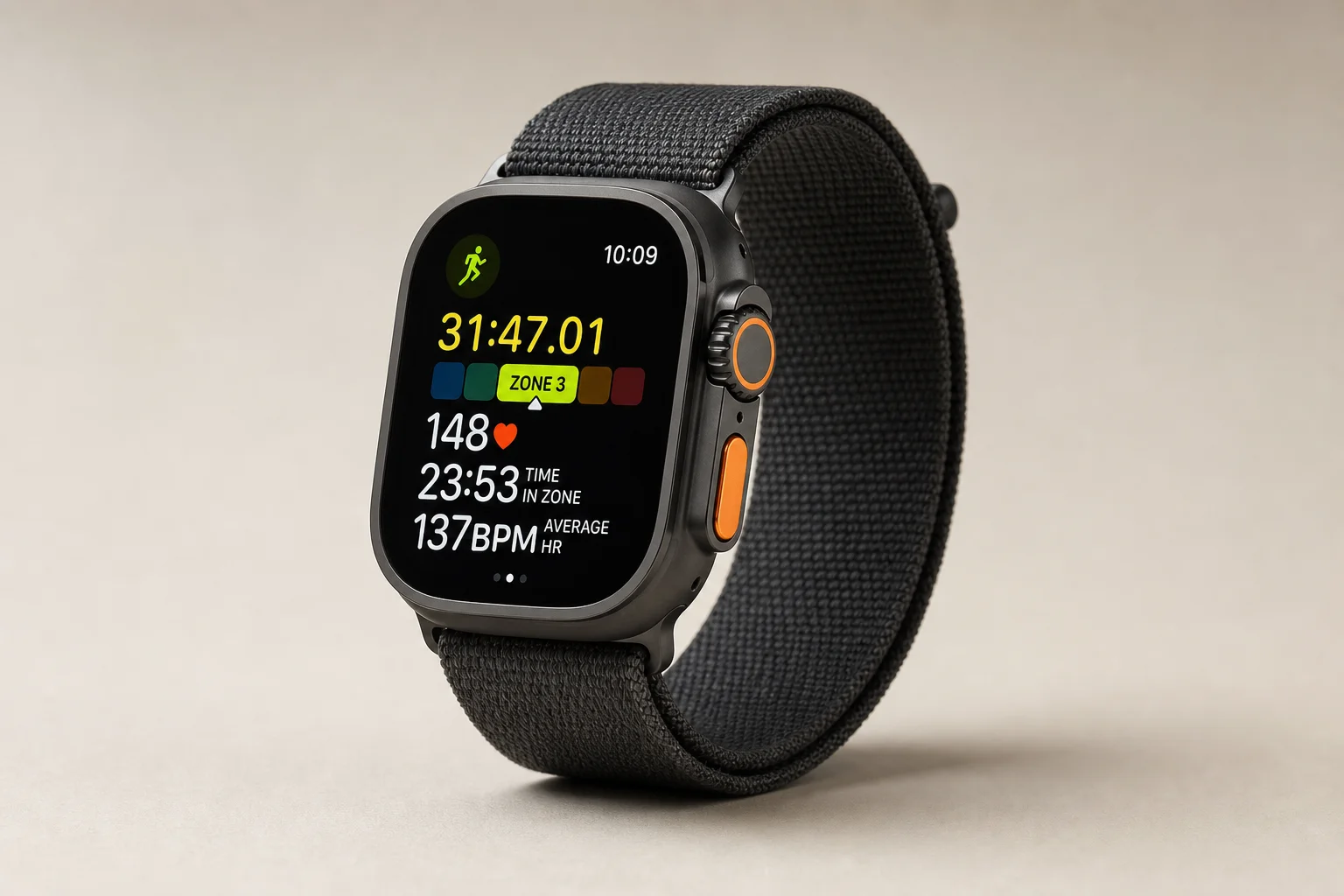
watchOS 9 is a massive upgrade to Apple’s native sports tracking, and on the Ultra it is topped off with the lap button. You can mark segments and see live segment pace and distance, plus split pace and split distance, with both manual and automatic laps. For anyone who trains on lap pace, that is a major quality-of-life improvement that should have existed long ago.
The structured workout builder is excellent. Creating workouts directly on the watch is easy, even beyond basic repeats, and guidance through each segment is accurate with no real faults. The workout app now shows up to six metrics on a single screen, though it is limited to three data screens, and there is no option to make one stat larger than the others.
Not everything lands. Running technique stats did not match up well against a Garmin chest strap, with power and vertical oscillation readings differing noticeably, and their real-world usefulness remains uncertain. There is no native training analysis at all: the Ultra is very much a tracker, not an analyzer. And there are no integrated maps, so third-party apps with baked-in color maps still fill that gap.
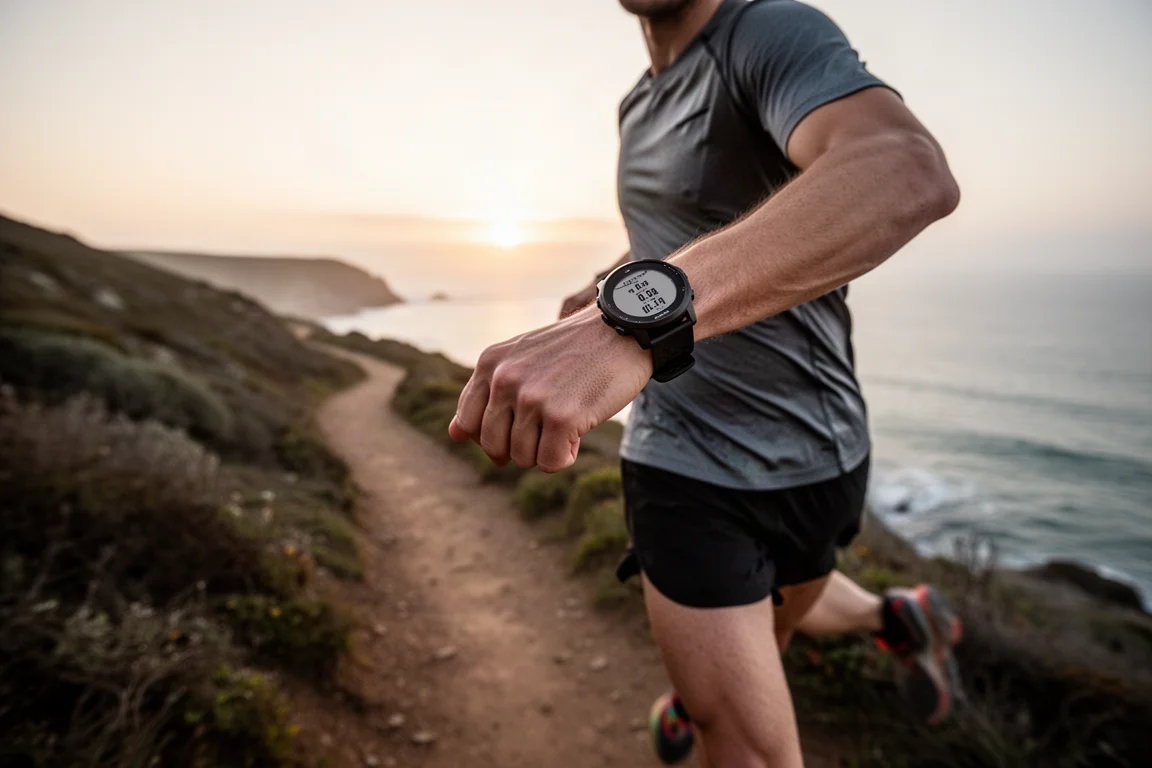
The Garmin Epix 2 is the stronger native sports tracker here. It delivers the full Garmin run tracking experience with training analysis built in, plus on-board maps, and there is a much longer track record of deep training data.
GPS Accuracy
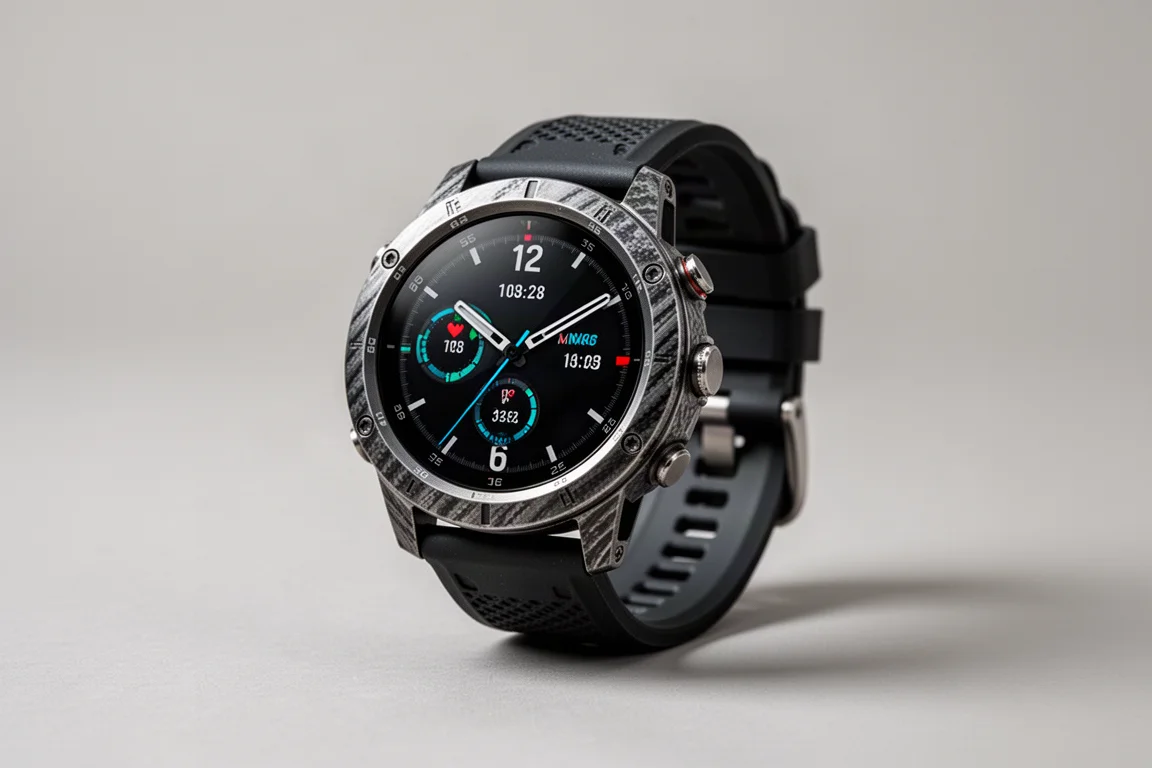
The Ultra carries dual-frequency GPS, and it is very good. Tested against the Garmin Epix 2, which is the most accurate watch tested this year, the Apple Watch matched up well on pacing and distance, and GPS tracks were great. It was one of only two watches, alongside the Epix 2, to handle a known GPS dead spot without adding phantom distance.
Real-time pacing matched a Garmin Enduro, overall distances landed within the usual margin of error, and there were no route gaps running through buildings or fields. On a running track it was not quite as pinpoint as the Epix 2 in track mode, but a dedicated track mode is coming to Apple Watch, initially in the US only, that will let you choose your lane for more accurate results.
Navigation is where the Ultra falls short of the Epix 2. The upgraded compass app supports waypoints and backtracking to retrace your steps, which is genuinely useful, but it is not well integrated into the workout app and switching between apps mid-run is a faff. Backtrack testing also produced mixed results, occasionally steering slightly off the true path by half a metre to a metre, which matters in wilderness situations. The Epix 2’s built-in mapping remains far more integrated and capable for navigation during activities.
Heart Rate Accuracy
This is where the Ultra disappoints relative to recent Apple Watches. Since the Series 4 generation, Apple’s optical heart rate sensor has been among the best available, and the Series 7 was arguably the most reliable on any smartwatch for running. The Ultra did not hold that standard in early testing: readings occasionally grayed out entirely, and when they did register they often ran three to four beats per minute higher than a chest strap, with lag and drift when shifting pace and overshoot after stopping at traffic lights.
That said, this is largely textbook optical heart rate behavior, and pairing an external chest strap resolves it if heart rate guides your training. Distance tracking and average heart rate on easier runs held up well against a chest strap, though max heart rate readings spiked a little high.
Battery Life
Battery life is the Ultra’s big selling point and its biggest limitation at the same time. It lasts up to 36 hours of general use, up to 12 hours of GPS tracking, and a low power mode extends general use to 60 hours while keeping full GPS and heart rate tracking during sports, at the cost of the always-on display. A further low power mode with less frequent GPS and heart rate readings is due later this year.
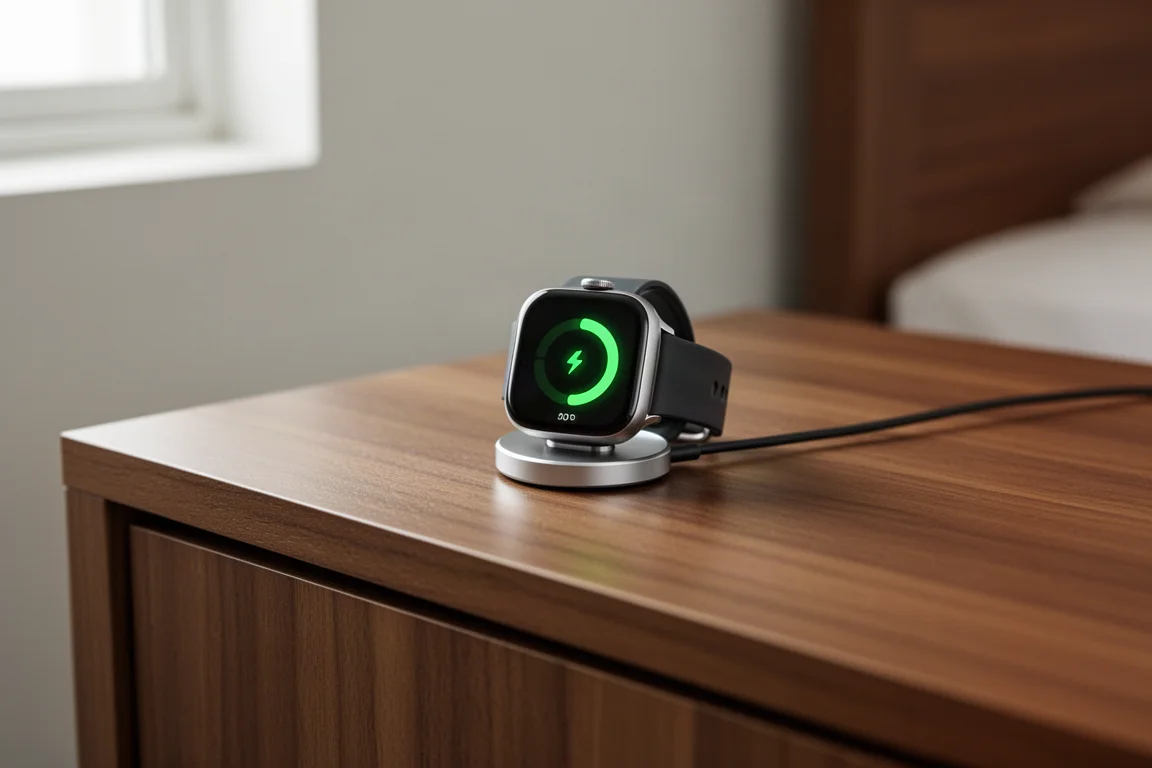
Real-world results are solid for a smartwatch: about three and a half days of general use with an hour-long run in the middle, two and a half days factoring in run tracking, and a 22-mile, three-hour-plus run consuming roughly 23 percent of the battery. A one-hour run with full GPS burned 8 percent. Charging is reasonably fast, and two days of use with always-on display, notifications and daily outdoor activity tracking is reliably achievable. That roughly halves the charging routine of a Series 7.
But it is nowhere near a dedicated sports watch. The Epix 2 lasts four to five days when running 100K weeks, and watches like the Fenix or Enduro stretch to weeks rather than days. Apple’s marketing imagery of an ultra runner in a multi-stage desert event is a stretch: this watch would need charging after maybe two or three stages. If battery life is your top priority, you are still shopping outside the smartwatch category.
Overall Buying Advice
The Apple Watch Ultra is a dream for anyone who wants an Apple Watch for its smarts, design and best-in-class app store, but refuses to lose out on sports tracking anymore. The native experience is now genuinely excellent, the lap button works, GPS is superb, and the screen is the brightest in the business. You pay a lot for that privilege, heart rate accuracy is inconsistent, and battery life still trails every dedicated sports watch.
The Garmin Epix 2 costs about $100 or £100 more and gives you a stronger native sports tracker: training analysis, built-in maps, and four to five days of battery life rather than two. If sports are the priority and you only need key smarts like music storage and payments, a Garmin Forerunner 255 does that job for less, while cheaper Apple Watches like the Series 8 get the watchOS 9 sports tracking upgrades at half the Ultra’s price, minus the lap button, bigger screen and extra battery life.
Conclusion
The Apple Watch Ultra stands up well against true sports watches if you do not mind charging it every two to three days, and it is the best native sports tracking experience of any true smartwatch. The Garmin Epix 2 remains the safer pick for runners who prioritize analysis, maps and battery life. Choose the Ultra if the Apple ecosystem and daily smarts matter most; choose the Epix 2 if the sport comes first.
Further reading
Related Reviews
Smartwatches
Best Budget Smartwatches 2026: Five Affordable Options That Actually Work
Five budget smartwatches tested for real daily use. From entry-level options to premium features at fraction of the cost, here's what actually delivers.
Smartwatches
Best Smartwatches on AliExpress 2026: Five Practical Options for Different Needs
Five smartwatches with strong customer feedback and competitive pricing, each suited to different priorities: premium design, battery life, outdoor durability, advanced health tracking, and sports versatility.
Smartwatches
Best Smartwatches Under $300: 9 Practical Options for Every Need
A curated selection of nine smartwatches under $300, each excelling in health tracking, durability, battery life, or fitness features. Find the right match for your lifestyle.