Smartwatches
Apple Watch Ultra 4 Review: A New Heart Rate Sensor and Smarter Health Tracking
The Ultra 4 keeps the same exterior as the Ultra 3 but rebuilds the heart rate sensor, adds HRV and readiness tracking, and brings new audio intelligence features.
Introduction
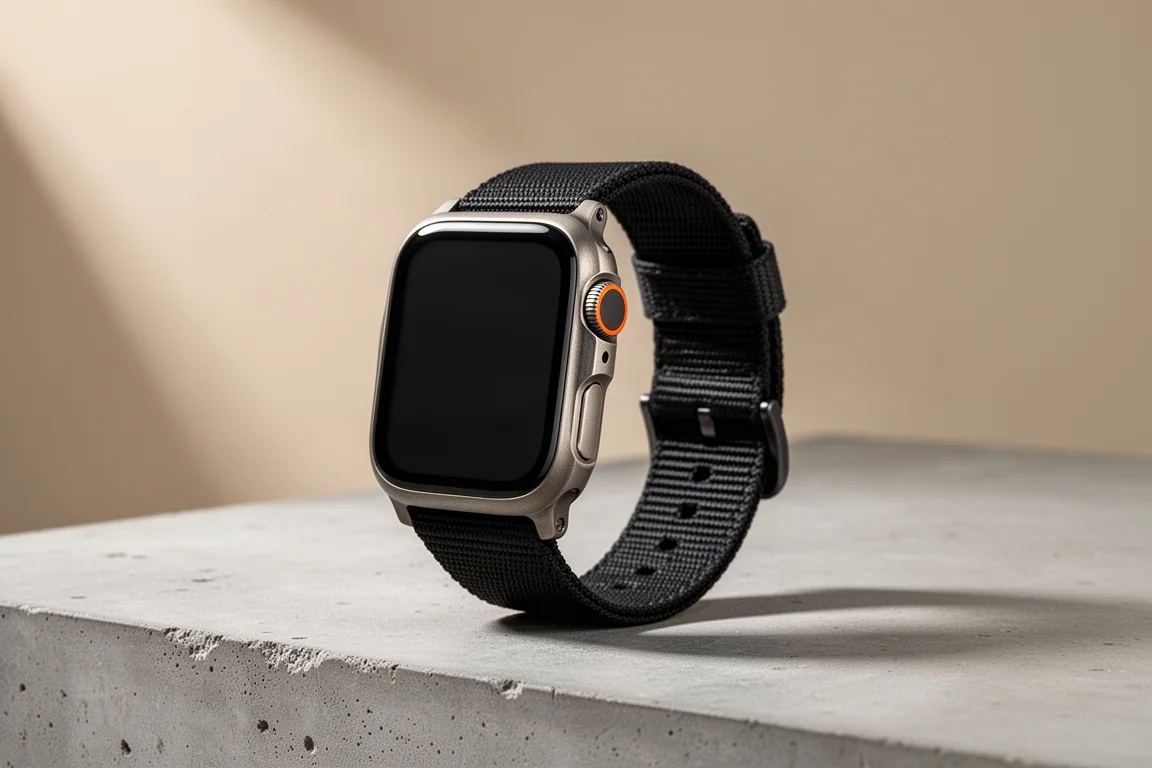
The Apple Watch Ultra 4 is one of those updates where the biggest changes are hidden on the inside. The case and external design are identical to the Ultra 3, with the same display specs and the same two color options, a silvery finish and a black finish. What is genuinely new sits on the back of the watch and inside it: a rebuilt optical heart rate sensor, a new S11 chipset, a much faster background sampling rate, and a set of new health and audio features. After swimming, cycling, and running with it, the short version is that this is a very strong upgrade for owners of older Ultra models, but a harder sell if you already own an Ultra 3.
Design and New Internals
Externally, nothing has changed. The case design, display, and the two color options carry over from the Ultra 3, though Apple has added new bands this year, including a translucent ocean band and new colors such as a purple tone. All previous bands remain fully compatible since the case is unchanged.
Inside, the Ultra 4 uses the new S11 chipset, which pulls from the A20 chipset in the latest iPhones, particularly for the audio capabilities and the new audio intelligence features. Beyond those features, you will not notice the new chipset in everyday use. The meaningful upgrade is the heart rate hardware, which is where Apple has focused almost all of its effort this year.
The New Optical Heart Rate Sensor
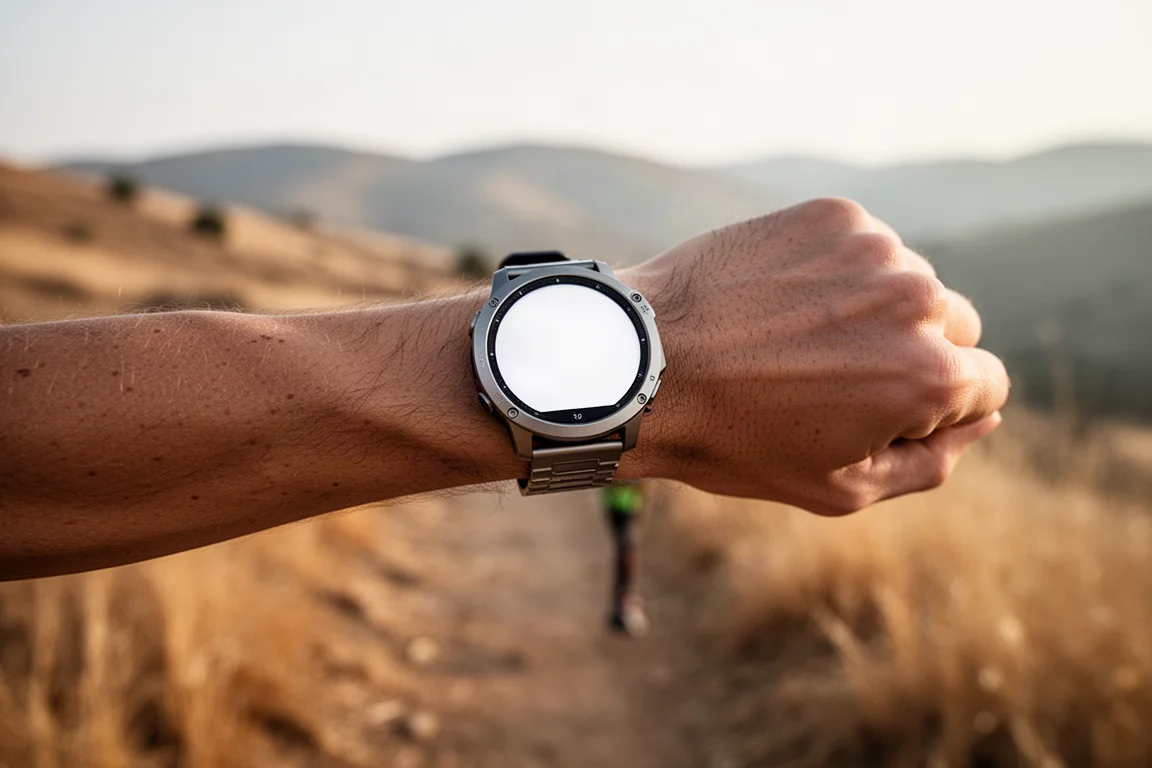
Apple’s new sensor brings three core hardware changes. First, the electrodes around the back have 24% more surface area, which mainly benefits ECG readings. Second, the photodiode layout has changed from four small windows to a full circular pattern, doubling the number of photodiodes. Third, there is a new LED array that improves 24/7 background heart rate recording, with each color type isolated so the watch can lean on the green LED for better daytime readings instead of infrared alone.
On the software side, all-day background readings jumped from every 5 minutes to every 5 seconds, roughly 60 times more data than before and close to the rest of the industry, which typically samples every 1 to 2 seconds. Nightly HRV recordings also improved dramatically, moving from a couple of times per night at best to every 5 minutes, and HRV now appears as a metric in the Vitals app. The baseline takes 7 days of data with at least 4 hours of sleep per night before it develops.
Heart Rate Sensor Accuracy in Real Testing
Apple published a nine-page study claiming this is the most accurate heart rate sensing in a wearable, comparing against devices from Garmin, Google, Huawei, Oura, and Whoop with more than 1,300 participants. The study’s construction sounds solid, but there are caveats: it was published by Apple, is not peer reviewed, and contains only summary comparisons rather than raw data.
There is also a methodological wrinkle worth knowing. The watch records a data point only when the sensor’s internal quality bar is met. If confidence in a reading is too low, it records nothing at all rather than an uncertain value. That sounds reasonable, but in the study Apple only graded the readings it actually listed, meaning every skipped second was never scored as wrong. It is a bit like a test where blank answers count as correct. Competitors plot a value every second, so their occasional misses count against them.
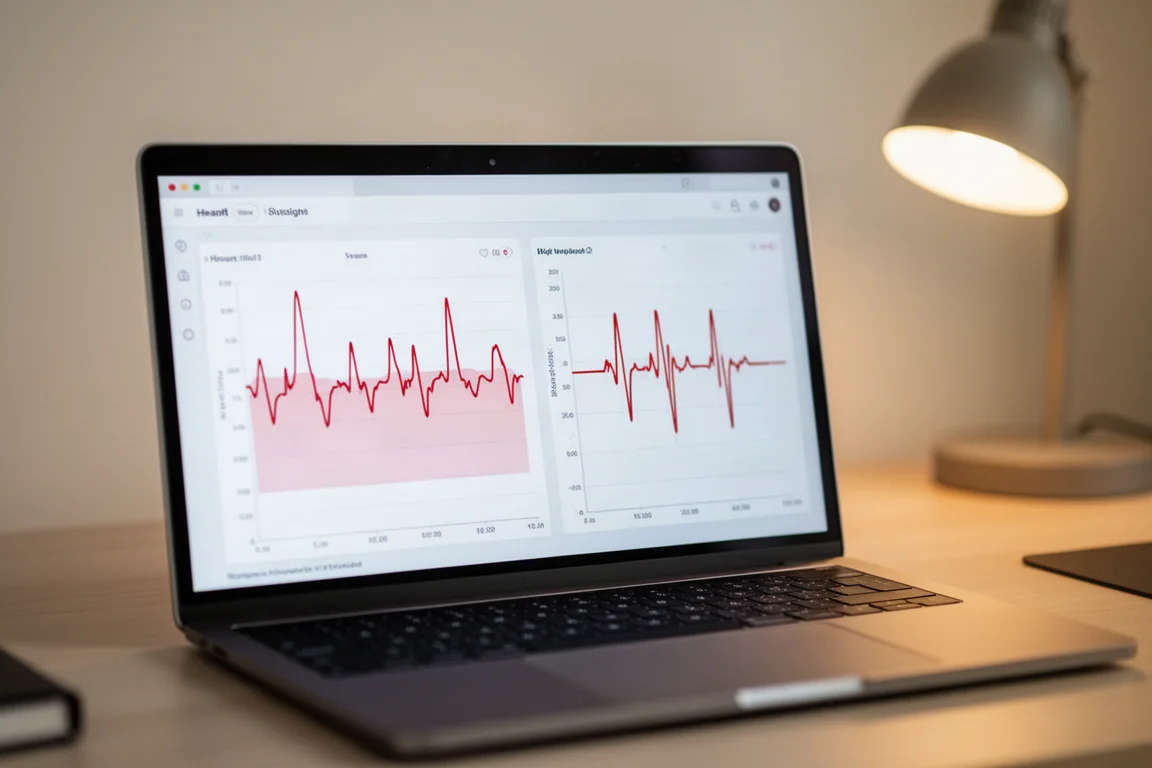
In practical testing, the sensor is very accurate. On a stable trail run, high-level plots looked excellent with only brief gaps, the longest around 11 seconds. On a 45-minute Peloton ride with strong intervals, results looked great overall, though the on-watch display only updates every 5 seconds, so the shown number lags during sharp changes. Outdoor road cycling, one of the hardest scenarios for optical sensors due to handlebar vibration, produced genuinely strong plots, though gaps of 14, 18, and 20 seconds appeared during intervals. Rowing, tough because of constant hand motion, also performed well. On a track run, there was one spike of about 5 to 7 beats high for nearly 40 seconds at an interval peak. None of these are major issues, but the gaps exist in real life even when they would not show up in Apple’s own study.
One open question is cold weather, where optical sensors typically struggle most. Testing so far has been in warm conditions, so winter testing will be the real test.
Readiness Score and Daytime HRV
The Ultra 4 introduces a readiness score similar to what Garmin and Google already offer. Each morning you get a number from 0 to 10 plus one of four descriptors, based on your activity, sleep, and vitals data including HRV. The score is dynamic and updates through the day: a morning score of 7 dropped to 5 after a moderate couple-hour mountain ride, then to 3 after a hard evening track workout. Those values roughly matched how the day actually felt, which is the best thing you can say about a readiness score.
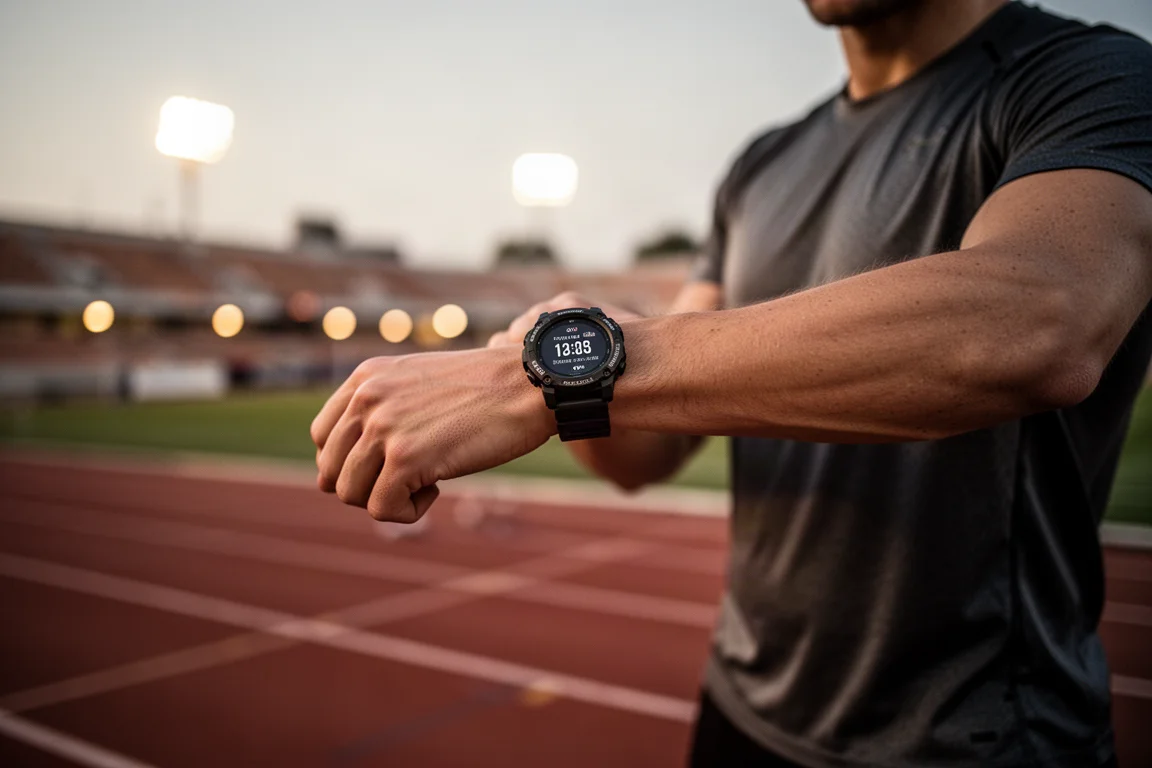
The catch is seeding time. You will not get a score until you have slept 7 nights with the watch, at least 4 hours each night, and Apple’s baseline extends up to 49 days. The feature also has rough edges: the score can take minutes, or even hours, to update or appear at all, which suggests some sync timing issues still need fixing.
Daytime HRV is the more experimental addition. Apple records HRV in hourly time slices starting 2 hours after waking, excluding any movement periods, and compares them to your historical averages. It needs 7 days of clean data per time slice, which makes baselines nearly impossible for anyone with an irregular workout schedule. Even then, it is not obvious what to do with the numbers, since Apple does not feed daytime HRV into a stress score the way most competitors do. Nightly HRV is the more immediately useful metric, particularly for spotting fatigue, recovery trends, and illness, though keep in mind that caffeine, sleep, jet lag, and hard workouts all move the numbers too.
GPS, Battery Life and Sport Modes
GPS sees only a minor change: Apple removed the GLONASS satellite constellation, similar to what Garmin did with a recent Fenix, and claims it has no accuracy impact. Testing agrees. Repeated neighborhood loops traced spot-on to the road, mountain switchback rides tracked cleanly at both slow climbs and high-speed descents, and on trail runs the Ultra 4’s multi-band GPS was visibly more accurate than the non-multi-band Series 12. That said, a Garmin Fenix 9 still edged out the Ultra 4 in precision on some crossings and technical sections.
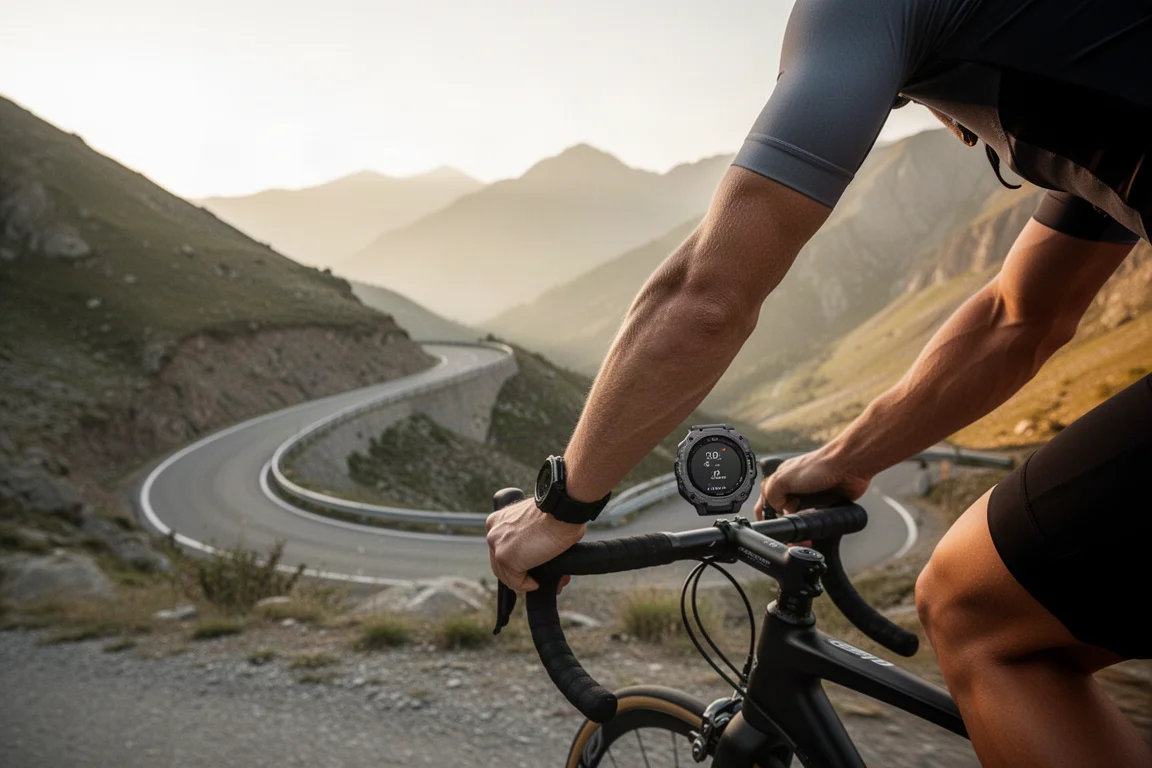
Battery life is now rated at up to 50 hours of all-day use, just over 2 days, and testing held that up even with frequent GPS activities. Apple also renamed its low-power GPS modes into two new options, Extended and Max Extended, found in a sport profile’s settings. For ultra-distance events, these tradeoffs are perfectly workable: long 14 to 15 hour mountain outings are entirely feasible, at least for straightforward recording. Onboard navigation remains the weak point and mostly falls apart without third-party apps.
Health App and Audio Intelligence
A completely revamped Health app arrives later this year, bringing features like a standing VO2 max test, the ability to pull in lab data, and a health age metric. It is worth keeping an eye on, but it is a separate release from the watch itself.
The audio intelligence features are enabled by the S11’s audio capabilities and require a newer, Apple Intelligence-capable iPhone. Two features are live now. Sound recognition pushes text alerts to the watch when it detects sounds like a doorbell, a breaking window, or a crying baby, with all audio processing done on the watch. Instantaneous Shazam shows the song playing the moment you raise your wrist, working from a continuously running background listener and sending only a small signature rather than a full audio clip.
Two more features come later this year. Live rewind keeps a trailing 15-second transcript buffer you can view by double-pressing the digital crown, useful for catching something a waiter said too quickly. It shows text only, never raw audio. The more controversial Siri recap summarizes nearby conversations into a note-style summary. Apple says it will not name speakers or provide full transcriptions, with narrow exceptions for named tasks, and the feature can be limited to specific locations or days, or turned off entirely. Even so, the privacy questions for the people around you are real, and there is no getting around the fact that the watch is summarizing conversations others did not consent to.
Pricing and Who Should Upgrade
Pricing stays at $799 for the base unit, with specialty versions such as Hermès models costing more, and the new band lineup including a translucent ocean band and fresh colors.
If you are coming from an Ultra 1, which does not support the latest watchOS, this is a good upgrade, covering both this year’s features and last year’s brighter screen. If you own an Ultra 3, the case is identical and the gains come down to the readiness score, the HRV improvements, and the eventual audio intelligence features. Unless those specifically appeal to you, skipping this year is a reasonable call.
Conclusion
The Apple Watch Ultra 4 is not a redesign, but it is a meaningful refinement. The new heart rate sensor is genuinely accurate in real-world testing despite some methodological questions around Apple’s own study, the readiness score is easy to understand and mostly believable, and the HRV and battery improvements make it a better everyday training companion. For older Ultra owners, it is an easy recommendation. For Ultra 3 owners, wait unless the health and audio features are exactly what you have been waiting for.
Product link
View more details for Apple Watch Ultra 4
This product is mentioned in the review. Check the specifications, options, and compatibility before buying.
View more details for Apple Watch Ultra 4Further reading
Related Reviews
Smartwatches
Best Budget Smartwatches 2026: Five Affordable Options That Actually Work
Five budget smartwatches tested for real daily use. From entry-level options to premium features at fraction of the cost, here's what actually delivers.
Smartwatches
Best Smartwatches on AliExpress 2026: Five Practical Options for Different Needs
Five smartwatches with strong customer feedback and competitive pricing, each suited to different priorities: premium design, battery life, outdoor durability, advanced health tracking, and sports versatility.
Smartwatches
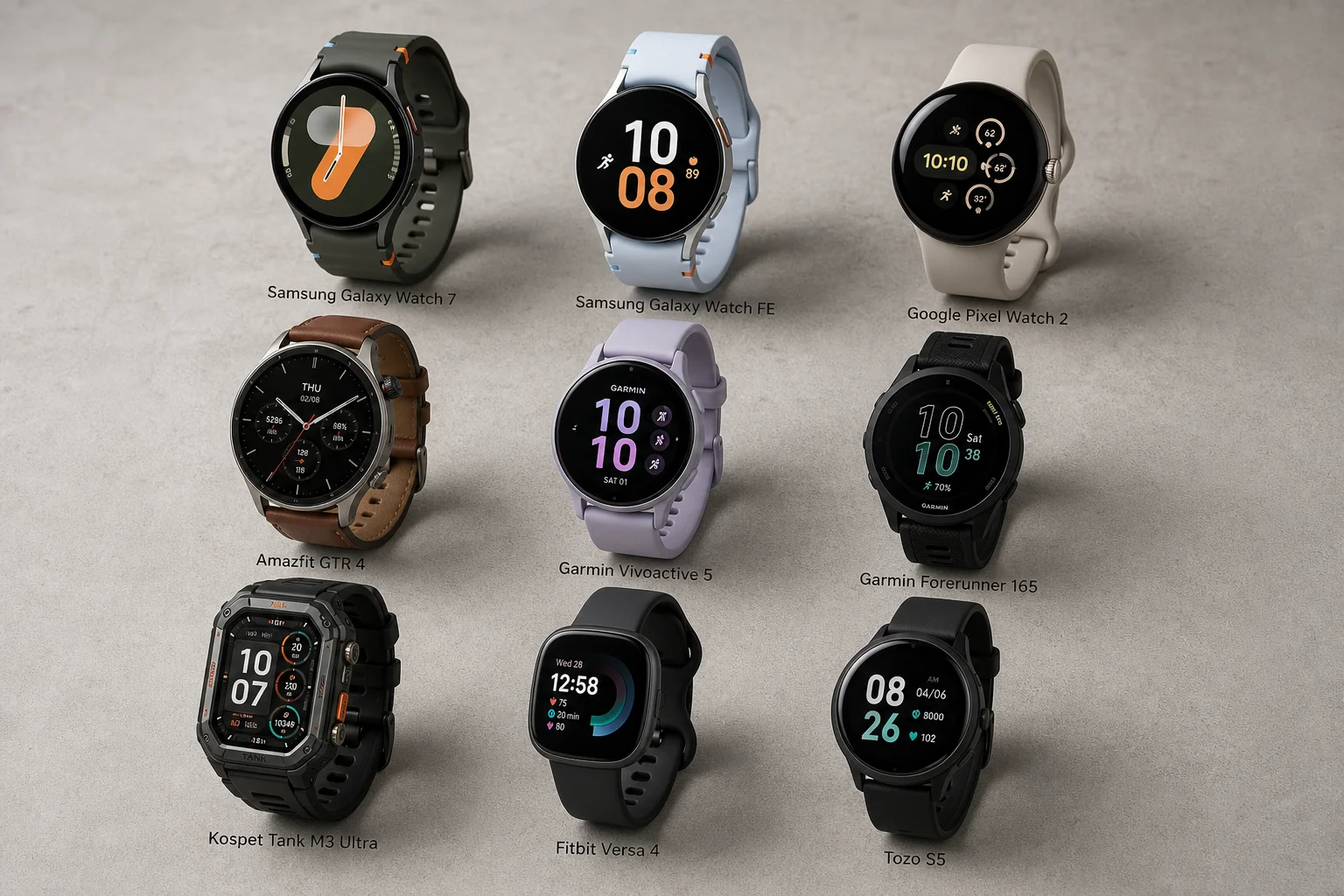
Best Smartwatches Under $300: 9 Practical Options for Every Need
A curated selection of nine smartwatches under $300, each excelling in health tracking, durability, battery life, or fitness features. Find the right match for your lifestyle.