Smartwatches
Apple Watch Ultra 4 First Look: New Heart Rate Sensor, HRV, Readiness Score, and Battery Modes
A closer look at the Apple Watch Ultra 4's redesigned heart rate sensor, new S11 chipset, readiness scoring, extended battery modes, and the privacy questions around its new audio intelligence features.
Introduction
The Apple Watch Ultra 4 arrives with a set of changes that go well beyond a typical yearly refresh. Apple is promoting its most accurate heart rate sensor yet, a new S11 chipset, a long list of software features built around sleep, HRV, and readiness, plus a batch of audio intelligence tools that are genuinely new territory for a wrist wearable.
Some of these features are easy to recommend. Others, particularly the always-on audio features, raise questions you should think about before you buy. Here is a full walkthrough of what is new on this watch and where each change actually matters.
Who This Watch Is For
The Ultra 4 remains a premium titanium wearable aimed at people who train seriously and want endurance-focused battery life. It shares its new S11 chipset with the Series 11, but several headline features, including the new readiness score, are exclusive to the Ultra 4 or the newer mainline models.
If you already live in the Apple ecosystem and you track sleep, workouts, and health metrics closely, this generation introduces more meaningful change than a typical incremental update. If you mostly want a rugged everyday watch with basic notifications, the same positives apply but you will be paying for sensor and software depth you may not use.
A Redesigned Heart Rate Sensor Under the Hood
The biggest hardware story is the new optical heart rate package on the back of the watch. Apple calls it, in its own words, “the most accurate heart rate sensing in a wearable,” and has even published supporting material comparing it against competitors such as the Garmin Forerunner 970, a Samsung watch, the Whoop Band, and the Oura Ring.
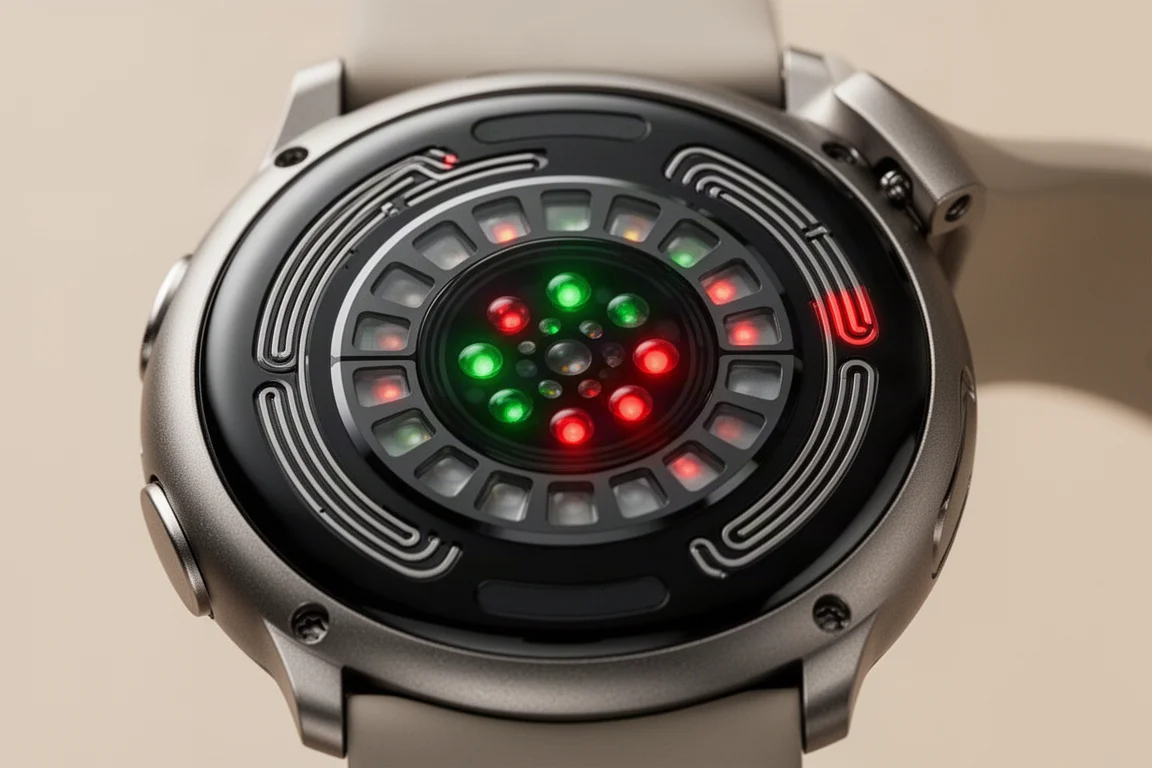
Because that comparison material is company-sponsored, independent accuracy testing will be the real test. That said, the hardware changes themselves are concrete. The ECG electrodes have been completely redesigned with a pedal-style layout, increasing electrode surface area by 24%, which should support more accurate ECG readings.
Below that, the photodiode layout has grown from four pockets in a circular design to eight separate windows. The LED array has also been rearranged so that all four green, four red, and four infrared diodes are clustered together by color type. That grouping matters because background readings have shifted from the infrared sensor to the green LEDs.
HRV Tracking and Daytime Exposure
The sensor redesign unlocks a big change in how background data is collected. Previously the watch recorded heart rate once every five minutes in the background. Now it records every five seconds around the clock. Workout recording behavior is unchanged, but the background sampling is dramatically denser.
HRV benefits directly. Instead of a handful of overnight readings, HRV is now sampled every five minutes, and that data finally appears in the Vitals app alongside breathing rate and SPO2. Your baseline takes seven nights to establish, and each night needs at least four hours of sleep to count.
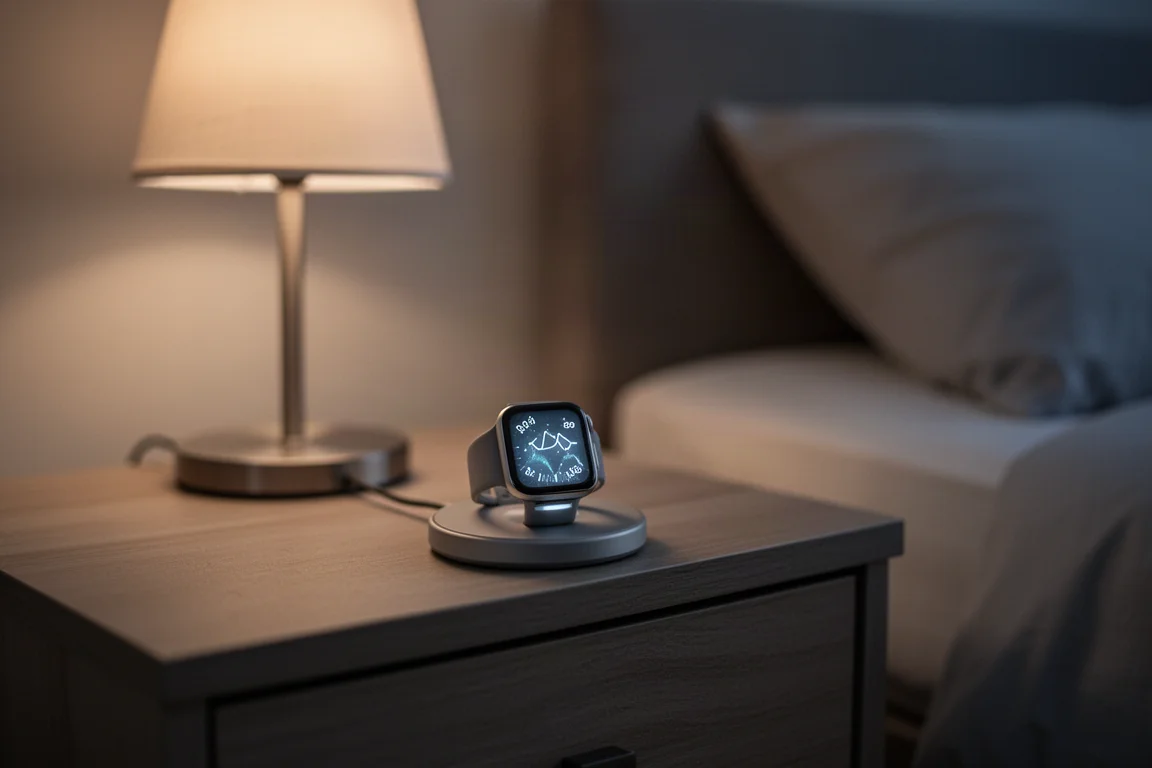
One genuinely notable addition is daytime HRV exposure. Two hours after you wake, daytime readings begin appearing in the app and update through the day. Very few mainstream wearables show this number to consumers in a readable way. For the data-minded, the watch also exposes both RMSSD and SDNN values depending on the source and time of day, which makes cross-comparison with other platforms and developer access far easier than before.
The New Readiness Score
With richer HRV data in place, Apple joins the readiness score camp. The score runs from 0 to 10 and maps to four categories: recover, pace yourself, ready, or go for it.
It draws on your activity rings, workouts, training load, overnight vitals, and sleep scores compared to your baseline, and it updates throughout the day. A hard workout will pull it down; a red-eye flight recovery will push it up. You can view it on the watch or in the mobile app.
Note the requirement: the readiness score needs the new heart rate sensor data, so it is limited to the Ultra 4 or the newer Series 12 model. It is not coming back to older watches.
The Redesigned Health App
A major Health app redesign arrives later this year, in beta and English first, for phones that support Apple Intelligence. It brings free AI summaries and recommendations based on your day, in a space where competitors typically charge a subscription.
A new longevity tab groups your history across nutrition, metabolic and movement, sleep, hearing, heart, and mental well-being. There is also a health age estimate, based on sleep, VO2 max, HRV, heart rate, exercise minutes, steps, and optionally lab data, which can now sync automatically through partners or be entered manually.
The most surprising feature is a six-minute VO2 max test you can complete at home, guided step by step by your phone. Alongside it come flexibility, movement mechanics, strength, and sit-and-stand style assessments. These are rolling out gradually, so check availability for your region and language.
New Sport Modes for Ultra-Endurance Battery
Two battery changes matter for endurance athletes. First, overall battery life is now rated at up to 50 hours, a little over two days, with the audio intelligence features enabled.
Second, the old low-power modes have been reworked into two new sport modes found directly on the sport profile page. Extended mode stretches GPS time from 20 to 25 hours by disabling the always-on display and running form metrics, plus some cellular trimming, while GPS and heart rate recording stay at full fidelity.
Max extended mode goes further, reaching up to 48 hours of GPS. It keeps 1-second GPS recording but drops from multi-band to single-band, keeps normal high-fidelity heart rate recording on the sensor side while showing only a rolling 5-minute average on the watch, and drops splits, alerts, and custom workouts. For an ultra-length event, that trade-off is easy to live with.
Audio Intelligence and Privacy Questions
The Ultra 4’s S11 chipset enables four audio intelligence features, and each can be toggled individually. The first is sound recognition, which sends on-watch notifications for events like a doorbell, baby crying, or sirens, aimed at users needing hearing assistance.
The second is live rewind, a 15-second rolling transcription buffer shown on the watch itself. All processing happens on the device, and you can ask Siri about the captured text or save it to the Siri app, text only, never audio.
The third is the Siri recap, and it is the controversial one. Around the clock, the watch transcribes and then summarizes conversations, producing meeting-style notes with bullets and headlines. It does not attribute quotes to specific speakers, and it does not keep a full transcript, though manually saved 15-second snippets do flow into the recap. You control when and where it is active with fine-grained, focus-mode-style scheduling by location and day.
The honest take: meeting notes and daily summaries are genuinely useful, but a device that quietly summarizes every conversation of your day is a significant privacy consideration, and history suggests even secure implementations can fail. The fourth feature is instant Shazam song identification, which now sends only a small digital signature rather than an audio snippet, thanks to continuous on-device analysis. Apple has not fully explained the battery impact beyond noting that the 50-hour rating includes audio intelligence enabled, and these features arrive in beta later this year, so real-world behavior will need hands-on testing.
Buying Advice
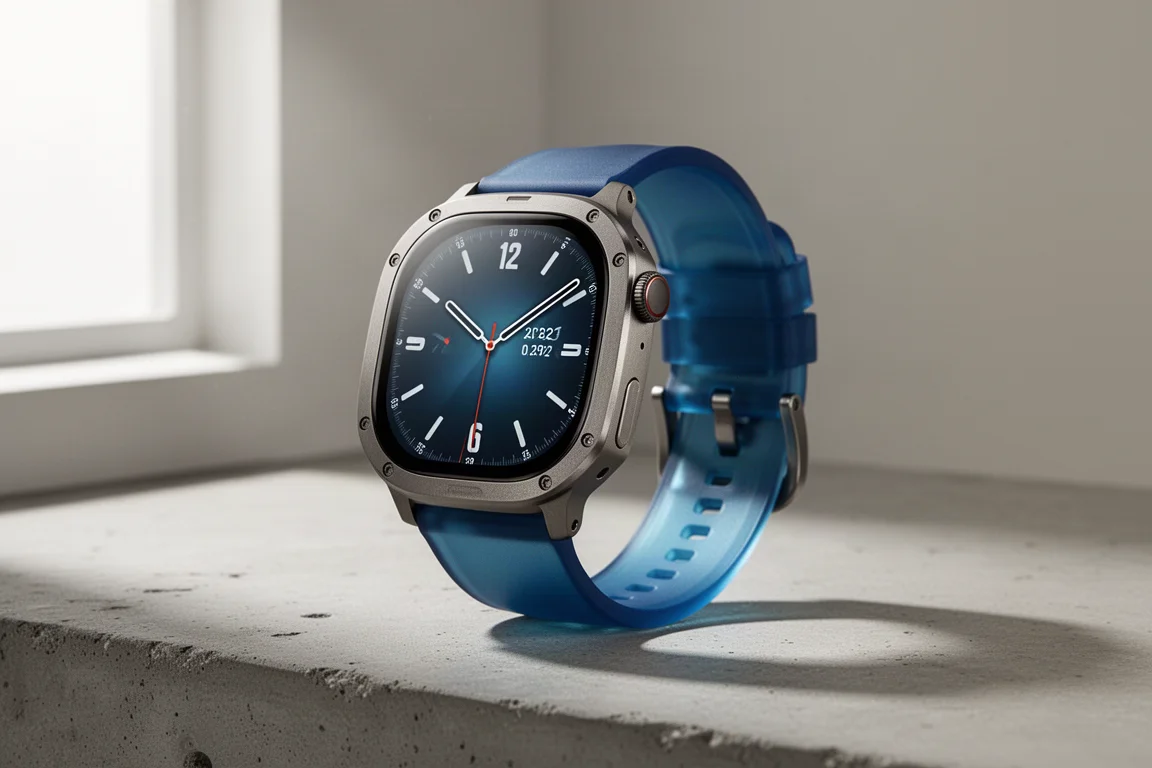
At a starting price of $799, the Ultra 4 is a significant investment, and pricing climbs quickly with premium edition options and new bands, including translucent ocean bands. Orders open shortly before availability begins the following Friday, so early buyers will see units shipping fast.
The smart approach is to wait for independent heart rate accuracy testing before treating Apple’s claims as settled, and to think carefully about whether the audio intelligence features fit your comfort level, since they can be disabled entirely. If readiness scoring, daytime HRV, dense background tracking, and ultra battery modes align with how you train, this is the most compelling Ultra generation yet.
Conclusion
The Apple Watch Ultra 4 is the first Apple Watch to feel like a genuine rival to dedicated training wearables on the software side, with HRV exposure, a readiness score, and endurance-focused sport modes closing long-standing gaps. Add the redesigned sensor and the S11 chipset, and this is a strong generation for anyone who trains seriously. The audio intelligence features are impressive engineering but demand an honest conversation with yourself about privacy. Weigh both, and this watch is easy to recommend to the right buyer.
Product link
View more details for Apple Watch Ultra 4
This product is mentioned in the review. Check the specifications, options, and compatibility before buying.
View more details for Apple Watch Ultra 4Further reading
Related Reviews
Smartwatches
Best Budget Smartwatches 2026: Five Affordable Options That Actually Work
Five budget smartwatches tested for real daily use. From entry-level options to premium features at fraction of the cost, here's what actually delivers.
Smartwatches
Best Smartwatches on AliExpress 2026: Five Practical Options for Different Needs
Five smartwatches with strong customer feedback and competitive pricing, each suited to different priorities: premium design, battery life, outdoor durability, advanced health tracking, and sports versatility.
Smartwatches
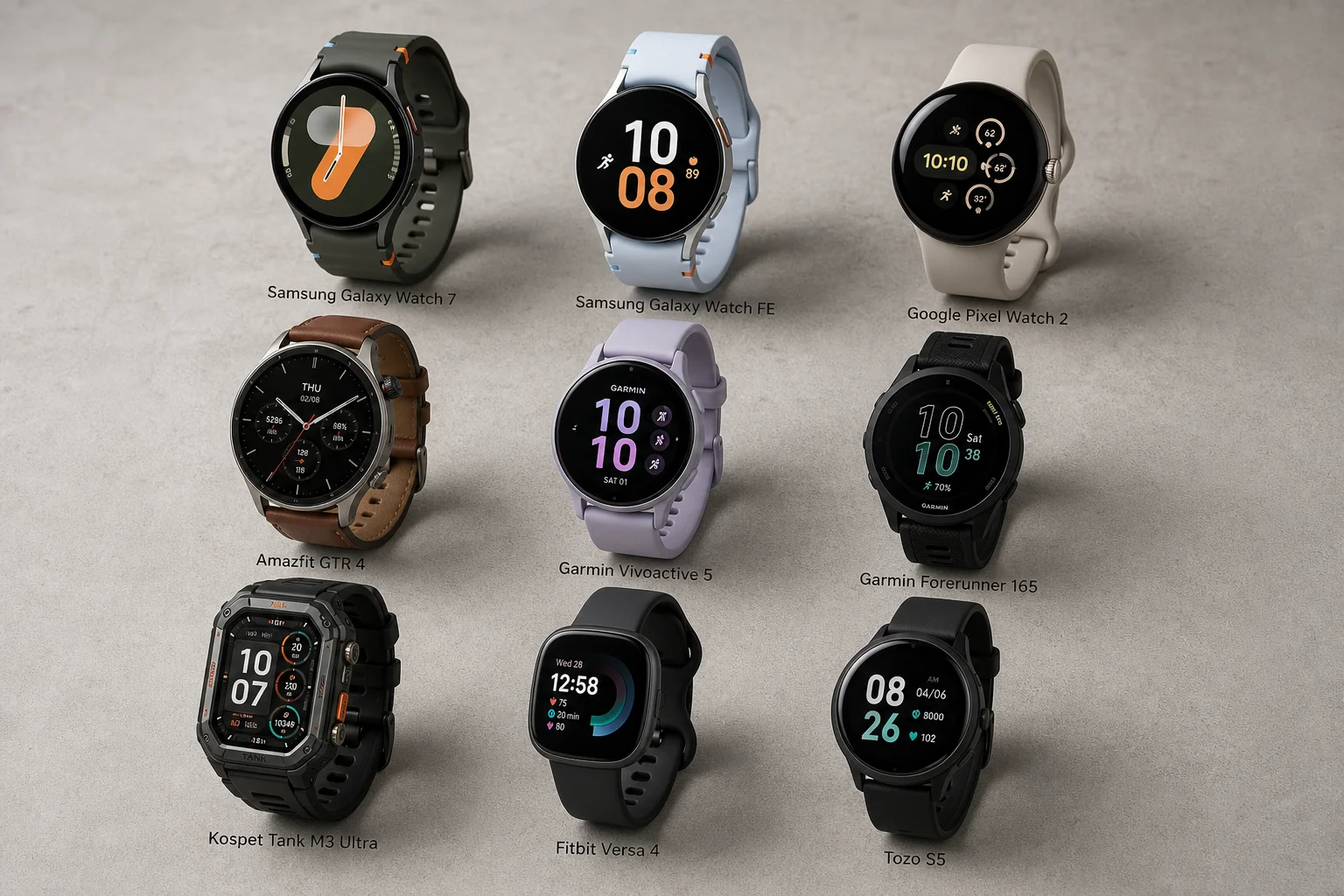
Best Smartwatches Under $300: 9 Practical Options for Every Need
A curated selection of nine smartwatches under $300, each excelling in health tracking, durability, battery life, or fitness features. Find the right match for your lifestyle.