Smartwatches
Apple Watch Ultra 3 vs Series 11: Which Apple Watch Should You Buy?
Both watches run the same watchOS 26 feature set, but satellite messaging, battery life, diving, and price split them. Here is how the differences actually stack up.
Introduction
The Apple Watch Ultra 3 and the Apple Watch Series 11 share so much that picking between them comes down to a short list of genuinely meaningful differences. There are more than 30 differences between these two watches once you count the small stuff, but a surprising number of them are tiny things you may never notice. The bigger story is actually the huge overlap, so this comparison walks through the differences first and then the things that are identical, so you can decide which watch fits your wrist, your sports, and your budget. Both watches were put through the paces across swimming, cycling, running, and everyday use.
Price and Case Sizes
The Apple Watch Ultra 3 is priced at $799, unchanged from before, and includes a choice of three strap options at that base price, some of which received slight updates this year. The Apple Watch Series 11 starts at $399 for the 42mm model and $429 for the 46mm model, with a whole slate of sport and non-sport bands available as the included base option. Additional bands can be bought from Apple or third parties for either watch.
Cellular is a key price fork. Every Apple Watch Ultra edition has always included cellular, and the Ultra 3 continues that with 5G. On the Series 11, you pay roughly $100 more for cellular, bringing the 42mm to $499 and the 46mm to $529. The titanium edition of the Series 11 only ships with cellular included, and all cellular editions across the 2025 lineup now include 5G, which matters mostly for power efficiency rather than big downloads.
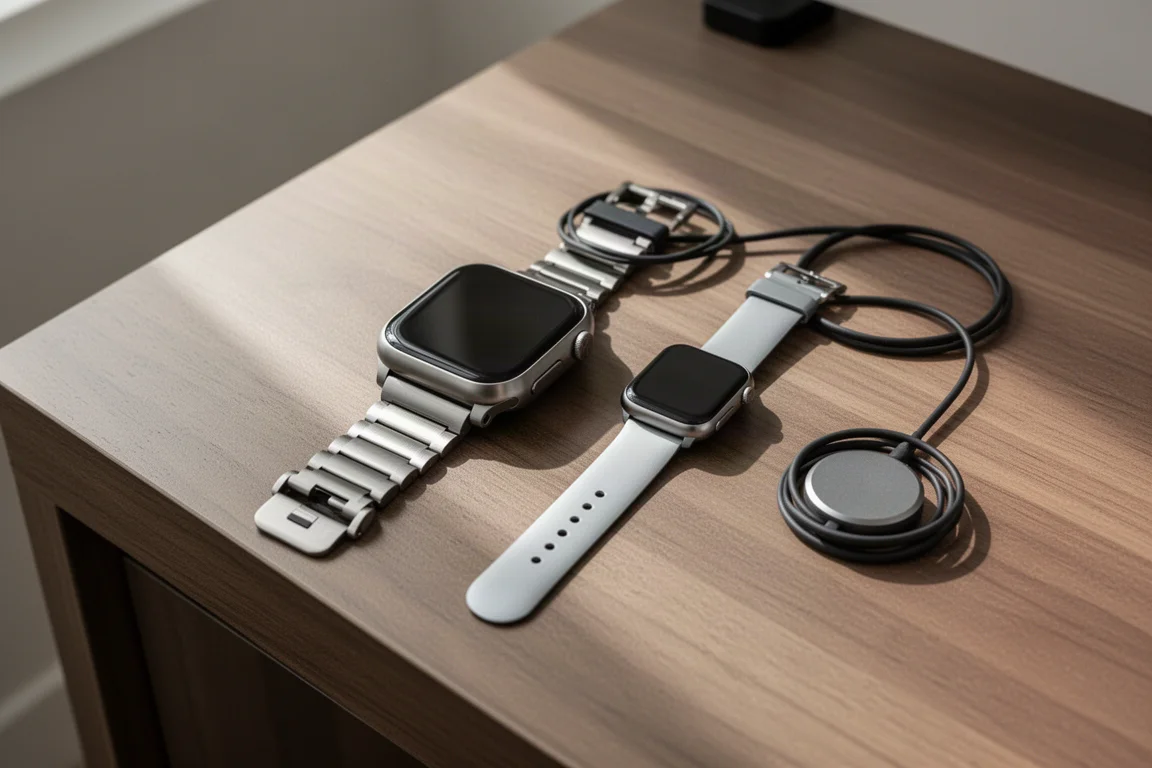
On case sizes, the Ultra 3 is a single 49mm titanium case, while the Series 11 comes in 46mm and 42mm options. Most people comparing these two are looking at the larger case sizes anyway, so the practical choice is between the 49mm Ultra and the 46mm Series 11.
Case Materials, Thickness, and Durability
Both editions of the Ultra 3 are titanium, and the black titanium version gets a DLC coating that theoretically improves scratch resistance; the natural grayish titanium does not. Real-world experience with a well-used Ultra 2 shows mostly slight scratches on the bezel edge after roughly 365 days of continuous activity, with the rest holding up well, even for someone who treats watches roughly in mountains, woods, and the ocean.
The Ultra 3 hardware has practical exterior extras the Series 11 lacks: an action button on the left side, a button guard that protects against accidental presses when wearing a coat, and a larger digital crown that is easier to handle with gloves while skiing or underwater.
The Series 11 is the thinner watch at 9.7mm, while the Ultra 3 is listed at 12mm. Notably, the Ultra 3 case itself is identical to last year’s; Apple simply changed how it measures the case size to exclude the sensor bump, matching the method used for other watches. The case thickness figure is a measurement change, not a hardware change.
The Ultra 3’s back case is ceramic and sapphire glass, while the Series 11 uses a metal and sapphire glass back, neither of which changed this year. The Ultra 3 also meets milspec durability standards that the Series 11 does not.
Displays
The Ultra 3 uses a sapphire crystal display, the same as the titanium Series 11, while the base Series 11 models use an Ion-X display with a new ceramic coating Apple claims makes it two times stronger than before. Both watches are extremely durable in practice; display damage on modern Apple Watches is genuinely hard to produce.
The Ultra 3 peaks at 3,000 nits versus 2,000 nits on the Series 11, but that is peak brightness held only for seconds at a time, and in bright sunny conditions both displays are easy to read. Both watches share the same 1-nit minimum brightness, so neither will blind you in the middle of the night, and both can now show the second hand in the dim always-on state, a feature the Ultra series only gained this year.
Screen technology is identical too, with both using LTPO3 panels, which in theory improves off-angle visibility. The Ultra 3 has flat display glass while the Series 11 is slightly curved, which can subtly change how the display is perceived. The Ultra 3 also received a tiny 5% display area bump this year, putting it slightly ahead of the Series 11 in display area.
Workout Features and GPS
The action button is Ultra-exclusive. It opens the workout app by default and can be customized to other functions. Combined with precision start, which pre-locks GPS and heart rate so you press the button exactly when you cross a race start line, it is the more race-friendly watch. The Series 11 uses a 3-2-1 countdown and only then searches for GPS and heart rate lock.
The Ultra 3 offers seven customizable workout data fields including the time in the upper corner, versus six on the Series 11, and both support additional customizable data pages.
The Ultra 3 also has a dual-frequency multiband GPS chipset and antenna, which usually improves tracks in tough GPS environments like downtown high-rise corridors or beside mountain cliffs. In side-by-side testing, though, the two watches produced virtually identical tracks on land, so this matters less than the spec sheet suggests.
Satellite Messaging: The Biggest Practical Difference
The Ultra 3 adds two-way satellite messaging, letting you communicate where there is no cellular coverage at all, within supported coverage regions. Coverage spans roughly 17 regions, essentially North America and a large chunk of Europe, with Apple continually adding more. It delivers three core features: emergency SOS to contact emergency response centers, non-emergency two-way texting via iMessage or SMS, and updating your Find My location via satellite, such as letting family know you reached camp.

The satellite antenna redesign also brought a secondary antenna that can power up when coverage is marginal, helping maintain calls in areas where you might previously have dropped them. None of this is available on the Series 11, and for anyone who runs, hikes, or rides in cell-iffy areas, it is the single strongest reason to pick the Ultra 3.
Battery Life and Charging
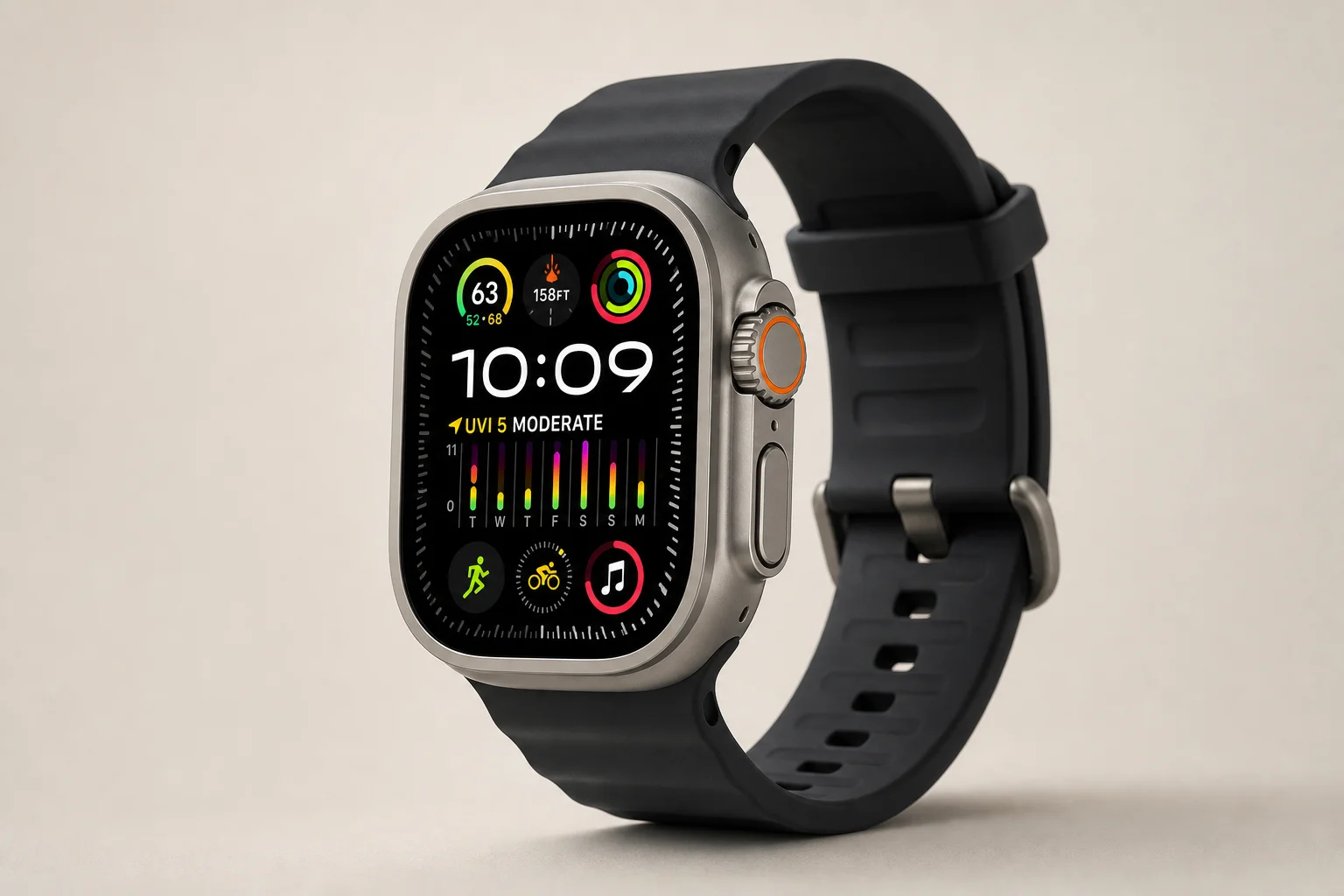
The Ultra 3 delivers roughly two to two and a half days per charge, versus about a day and a half of strong use on the Series 11. The Series 11 received a battery boost this year, moving from Apple’s traditional 18-hour all-day figure to 24 hours. The Ultra 3 also got a boost, mostly visible in its GPS-mode battery claims, which real-world use in the mountains has slightly exceeded in the past.
Both watches offer a low power mode that substantially extends battery life at the cost of some background features. On charging, the Ultra 3 goes from 0 to 80% in 45 minutes, 15 minutes faster than the Ultra 2, though you are still charging a battery that lasts roughly twice as long.
Water, Depth, and the Outdoors
The Ultra 3 is water resistant to 100 meters versus 50 meters on the Series 11. The Ultra 3’s depth gauge is rated to 40m and is fully certified to scuba standards, making it a genuine diving watch, though the built-in depth gauge only shows depth; you need the Oceanic Plus app to turn it into a full scuba computer. The Series 11’s gauge is good to about 6m, squarely in snorkeling territory for playing near the surface.
The Ultra series also carries an emergency siren that carries a long way in the wilderness, something the Series 11 does not have.

Smaller Differences That May or May Not Matter
The Ultra 3 has three microphones to the Series 11’s one, using the extras for noise cancellation on calls, plus two speakers versus one. Measured side by side with a decibel meter, though, there was no perceivable difference in speaker output. The Ultra 3 also gets two unique watch faces, Modular Ultra and Waypoint, plus a red-tinted night mode that the Series 11 does not offer.
What Is Exactly the Same
Because both watches run watchOS 26, the overlap is enormous, easily thousands of features when you count every toggle. Both include the new sleep score feature, the hypertension notification feature, the same optical heart rate sensor, blood oxygen readings, medically certified ECG, medically certified sleep apnea detection, high heart rate notifications, and wrist temperature tracking.
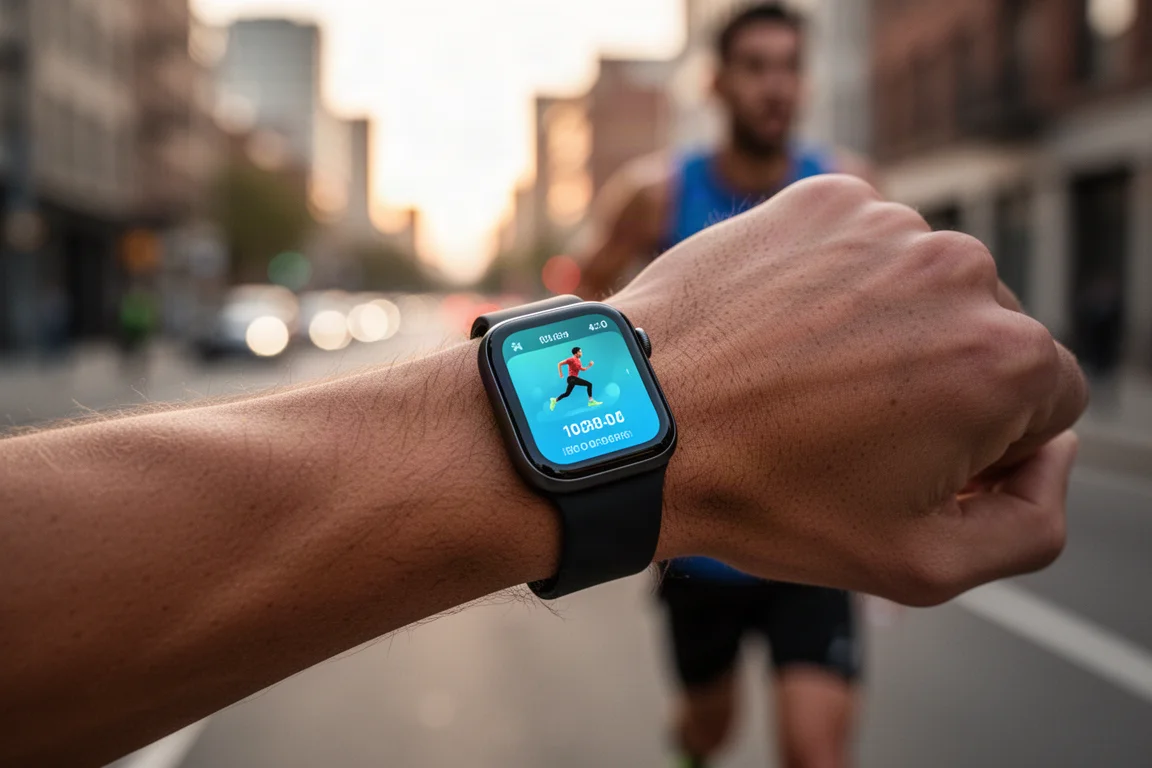
Both watches share identical sport profiles, the ability to push workouts from your phone via the new custom workout creator, a compass, full offline maps downloadable to the watch, and offline route creation through Apple Maps, though the offline trail map dataset is stronger in North America than in Europe. Both can play music through the speaker, both have 64GB of storage, both use the same four-core neural engine, and both include water temperature sensors.
Which One Should You Buy
If you spend time beyond cellular coverage, dive, ski, or simply hate charging daily, the Ultra 3’s combination of satellite messaging, longer battery life, milspec durability, and certified diving depth makes it the obvious pick. The $799 price is significant, but the satellite features alone are a genuine safety upgrade for remote activity.
If you live a connected urban life, the Series 11 gives you essentially the same health features, the same software, the same screen technology, and a thinner, lighter case for hundreds less. Its new 24-hour battery life narrows one of the historical reasons to step up to the Ultra. Pay extra only if the Ultra’s outdoor and endurance advantages map to how you actually spend your days.
Conclusion
The Ultra 3 and Series 11 are far more alike than different, which makes this choice easier than the 30-plus differences imply. Choose the Ultra 3 for satellite messaging, multi-day battery, and serious water sports; choose the Series 11 for the same core experience at a friendlier price with a slimmer case.
Further reading
Related Reviews
Smartwatches
Best Budget Smartwatches 2026: Five Affordable Options That Actually Work
Five budget smartwatches tested for real daily use. From entry-level options to premium features at fraction of the cost, here's what actually delivers.
Smartwatches
Best Smartwatches on AliExpress 2026: Five Practical Options for Different Needs
Five smartwatches with strong customer feedback and competitive pricing, each suited to different priorities: premium design, battery life, outdoor durability, advanced health tracking, and sports versatility.
Smartwatches
Best Smartwatches Under $300: 9 Practical Options for Every Need
A curated selection of nine smartwatches under $300, each excelling in health tracking, durability, battery life, or fitness features. Find the right match for your lifestyle.