Smartwatches
Apple Watch Ultra 2 vs Series 9: Which One Makes Sense for You
Two of Apple's best smartwatches share most features. Here is where they actually differ, and which type of buyer each one suits.
Introduction
The Apple Watch Ultra 2 and Apple Watch Series 9 arrived together as Apple’s newest smartwatches, bringing brighter displays and new processors to the previous Ultra and Series 8. Those new internals unlock features like on-device Siri and the double tap gesture, and both watches are arguably among the best smartwatches available right now.
The real question is whether twice the price buys twice the features. The short answer: not quite. These two watches share roughly 95 percent of the same feature set, and the difference that remains comes down to durability, wearability, and convenience. This comparison matters most if you own a Series 7 or older, or if you are buying your first Apple Watch and want to pick correctly the first time.
What These Two Watches Share
Both watches are Apple Watches to the core, with tight iPhone integration: replying to texts by keyboard or voice, taking calls on the wrist via the built-in microphone and speaker, and cellular versions that let you do all of this without your phone nearby. On the sports side they are nearly identical, tracking everything from running and cycling to gym activities and outdoor recreation, including the newer software features like running power, cycling power meter support, a live activity view for cycling, and offline topo maps used in conjunction with your iPhone.
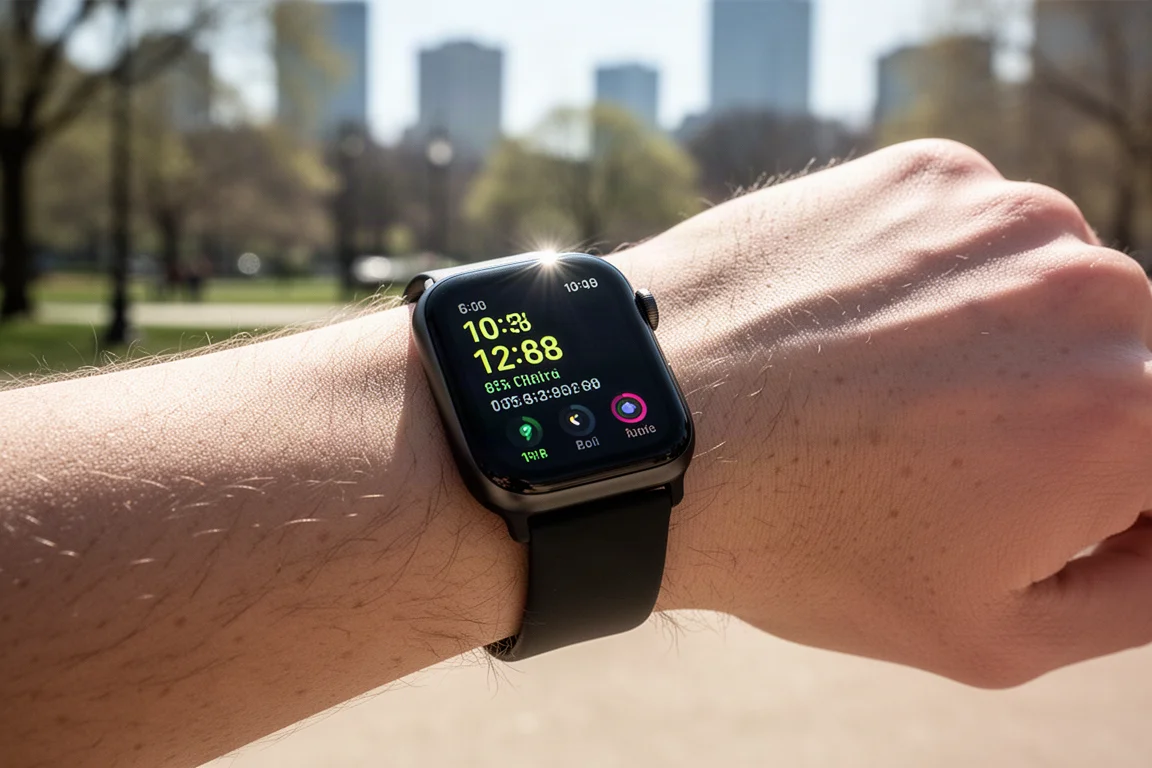
The 2023 updates are shared too. Both use the new S9 chip, a faster processor that enables on-device Siri requests, the ability to ask Siri for health data the watch has collected, and the new double tap interface. Both also carry a second-generation Ultra Wideband chip, which pairs with the matching chip in iPhone 15 models to enable a Precision Finding feature that works much like a tracker, showing proximity and direction to a lost iPhone. On iPhone 14 or older, the watch still triggers an audible alert on the phone through Find My.
Size, Weight, and Case Materials
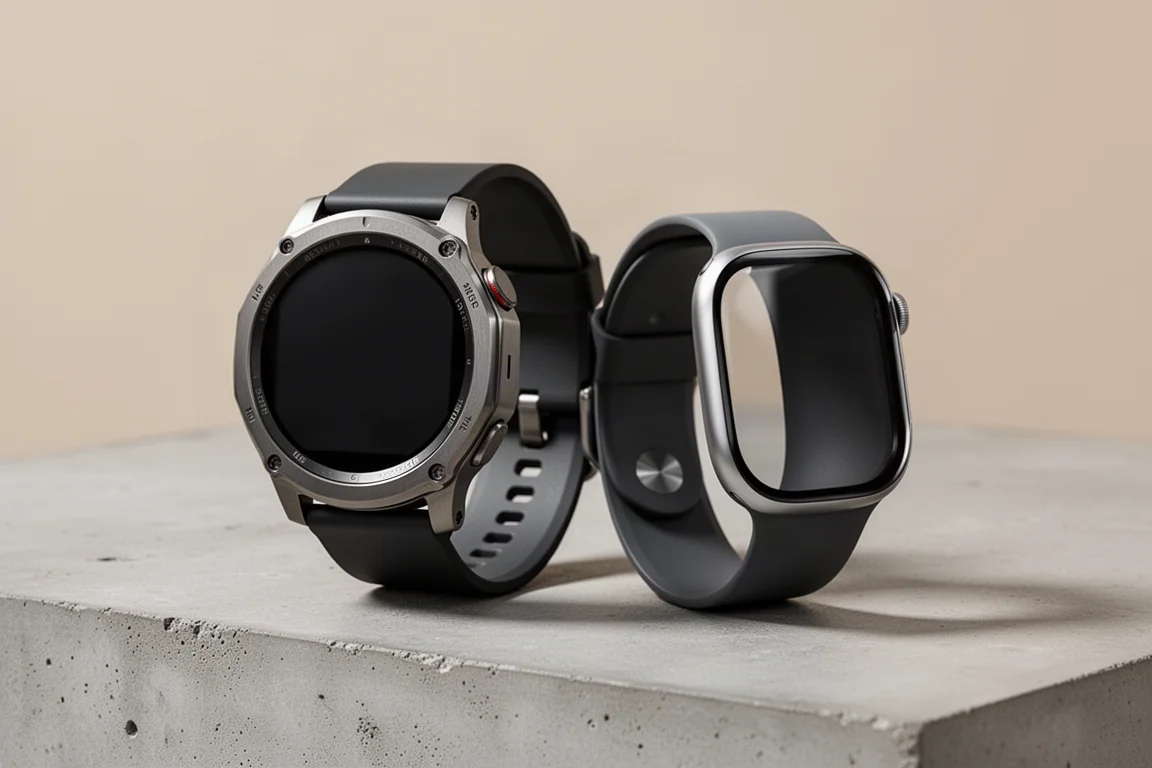
The Ultra 2 comes in a single 49mm case that is 14.4mm thick and weighs 61.4 grams. The Series 9 offers two sizes, 41mm and 45mm, with the 45mm case about 10.7mm thick and weighing 51.5 grams. That ten-gram difference sounds small, but it is noticeable on something that weighs only 50 or 60 grams total.
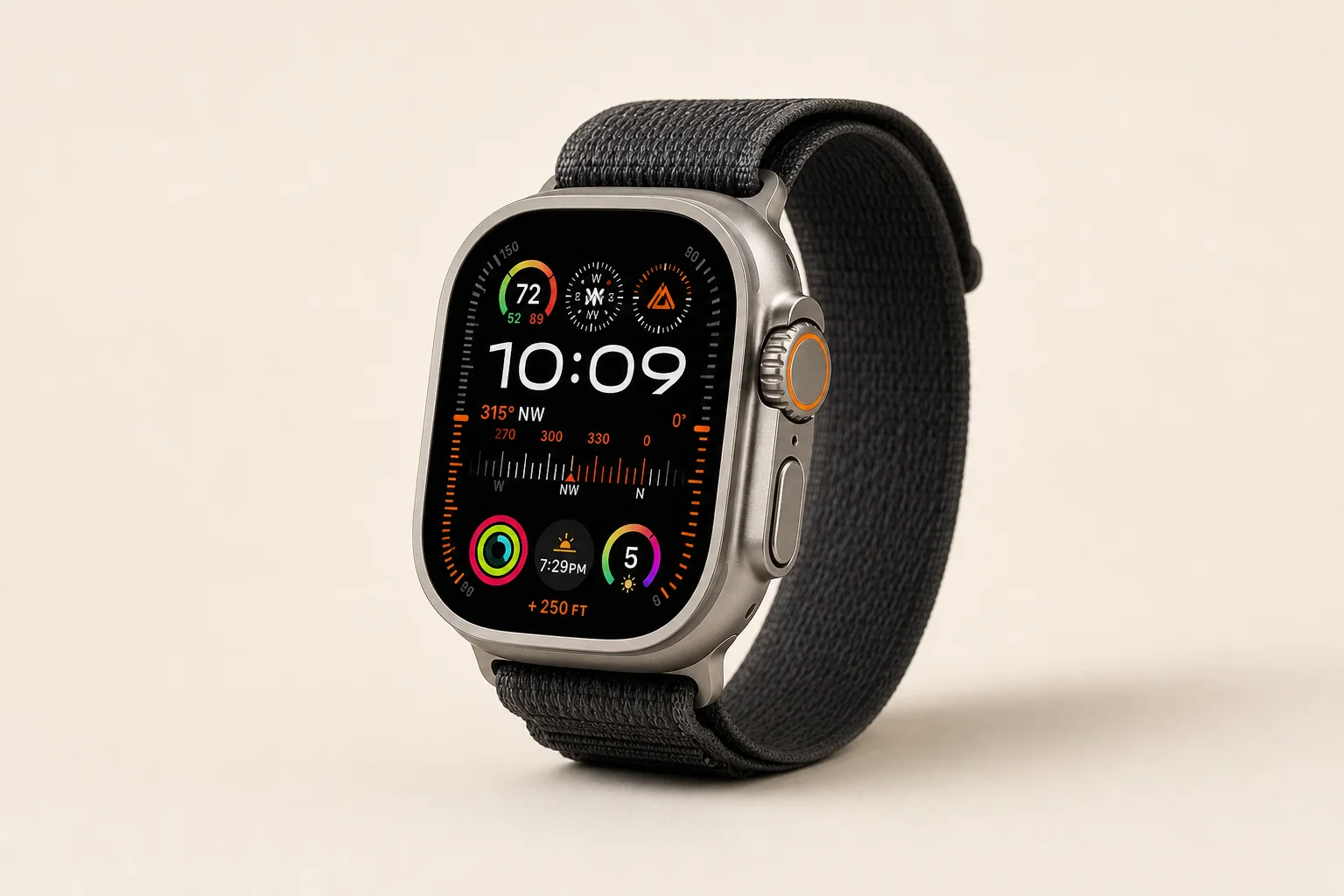
Materials differ too. The Ultra 2 uses a titanium case with a beefed-up design, including a button guard around the digital crown and side button to prevent accidental presses, plus a larger crown with a more aggressive texture that is easier to use with gloves. The Series 9 uses aluminum. The Ultra 2’s sapphire lens is extremely scratch resistant and shrugs off accidents like brushing against concrete, while the Series 9’s Ion-X glass is fine for everyday use but more vulnerable. The Ultra 2 also has a flat display that reaches the edge of a protective metal bezel, whereas the Series 9’s glass wraps around the edge without that surrounding protection. A stainless steel Series 9 adds sapphire, but it costs nearly as much as an Ultra without delivering titanium, the longer battery life, the Action Button, or the siren.
On pure comfort, the smaller and lighter Series 9 wins, sitting lower on the wrist. For looks, the Ultra 2’s rugged, more distinctive design appeals to many people, though it has become increasingly common to see on wrists too.
Display Differences
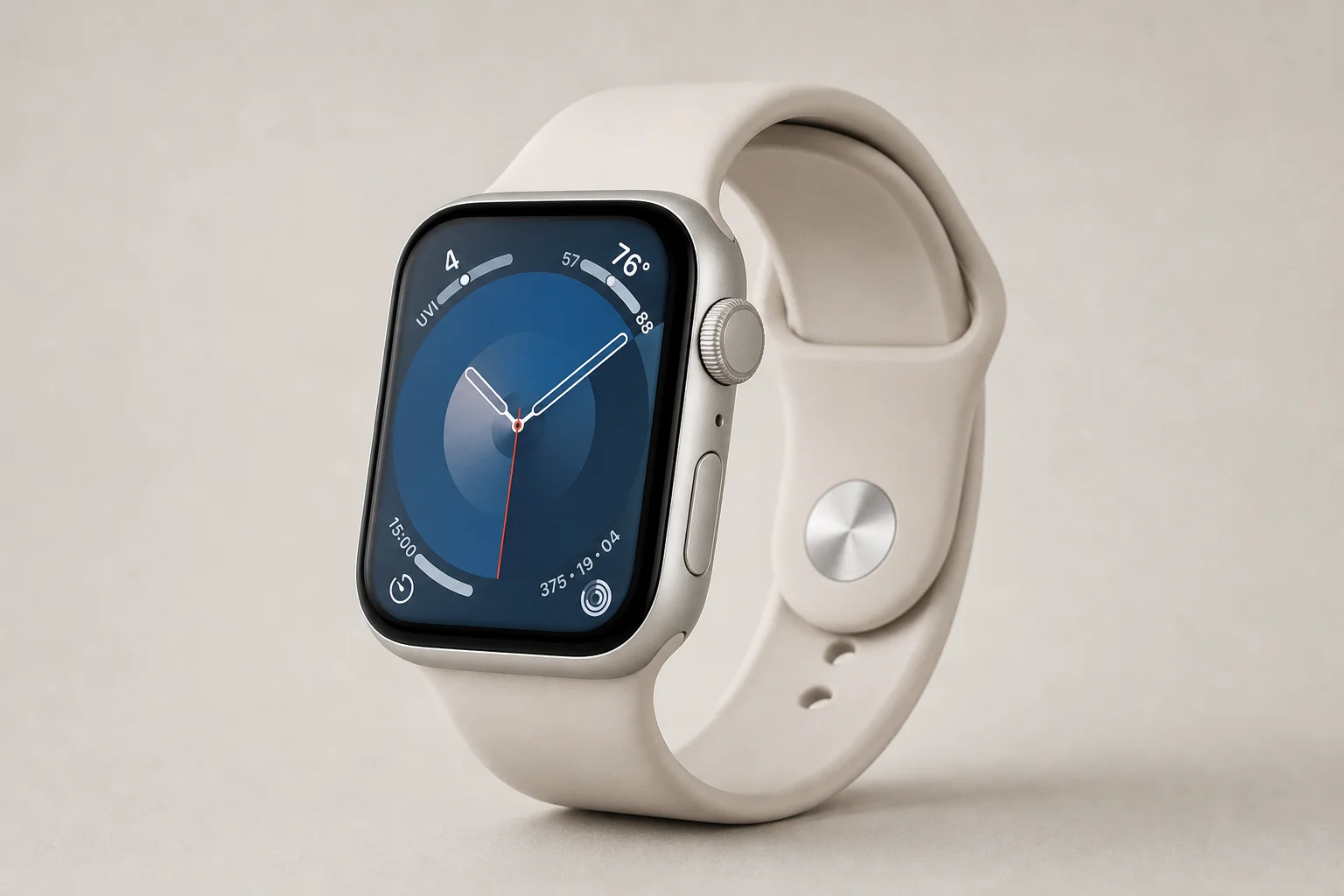
The Ultra 2’s display is larger, with a resolution of 410 by 502 pixels, versus 396 by 484 on the 45mm Series 9 and 352 by 430 on the 41mm model. The Series 9’s display is by no means small; the Ultra 2 simply offers more screen real estate, which also lets certain watch faces carry more complications and data at once.
Both watches got a brightness upgrade this year: the Ultra 2 reaches 3,000 nits at peak, while the Series 9 reaches 2,000 nits. In practice the Series 9’s 2,000 nits is still excellent, and unless you spend a lot of time outdoors in direct sunlight wearing sunglasses, either display serves well. Both also dim down to a minimum of one nit, which is easier on the eyes at night and less likely to disrupt sleep.
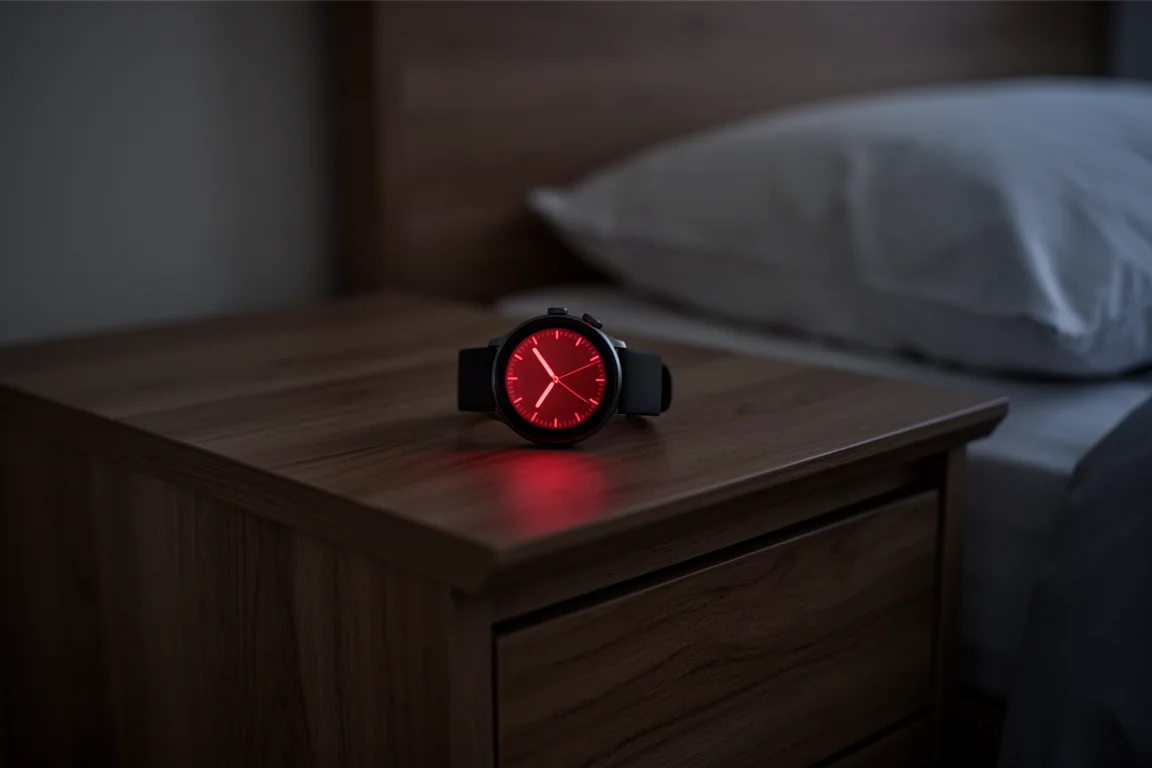
The Ultra 2 adds one night-specific trick: with certain watch faces, an ambient light sensor triggers an automatic red watch face mode at night, which is gentler on your eyes and less disruptive to sleep than standard blue light.
Action Button and Workout Start
The Ultra 2’s Action Button performs quick actions like starting a workout, launching a stopwatch, enabling the flashlight, or triggering a shortcut, and it works with some third-party apps as well. It can also trigger the Ultra’s audible siren, a loud tone intended for situations of distress.
For workouts, the Action Button enables a Precision Start feature in the Workout app. Apple Watches normally start workouts with a simple countdown, but Precision Start gives you a holding screen with a GPS signal indicator so you can wait until you have a satellite fix, then press the Action Button to begin. You can also pinch the Action Button with one of the other buttons to pause a workout, which is slightly easier than the two-finger side press the Series 9 requires using the digital crown and side button together. Notably, the Series 9 already supports the pause and resume combination, so similar functionality there is plausible.
GPS and Heart Rate Accuracy
Both watches have built-in GPS for tracking outdoor activities without a phone, capturing speed, pace, distance, and elevation. The difference is the chipset: the Series 9 uses single-frequency GPS, while the Ultra 2 uses dual-band, dual-frequency GPS, which aims for better accuracy in challenging environments like tall buildings, canyon walls, or heavy tree cover where satellite signals bounce.

In ordinary conditions, the difference is minimal; track detail between the two is essentially indiscernible, and the Series 9 is plenty accurate. Heart rate hardware accuracy is strong on both, as Apple Watches tend to be among the best in the smartwatch space. That said, the smaller and lighter Series 9 can sometimes produce more accurate heart rate readings during rough activities, because a larger, heavier watch bounces more on the wrist. On bumpy gravel rides, for example, the Ultra 2 moved around more and produced less accurate results.
Battery Life and Charging
The Series 9 is advertised at around 18 hours of typical use, which translates to roughly a full day of real-world use before recharging. The Ultra 2 claims around 36 hours, and in practice delivers about two days. Apple’s claims tend to be conservative, but results vary.
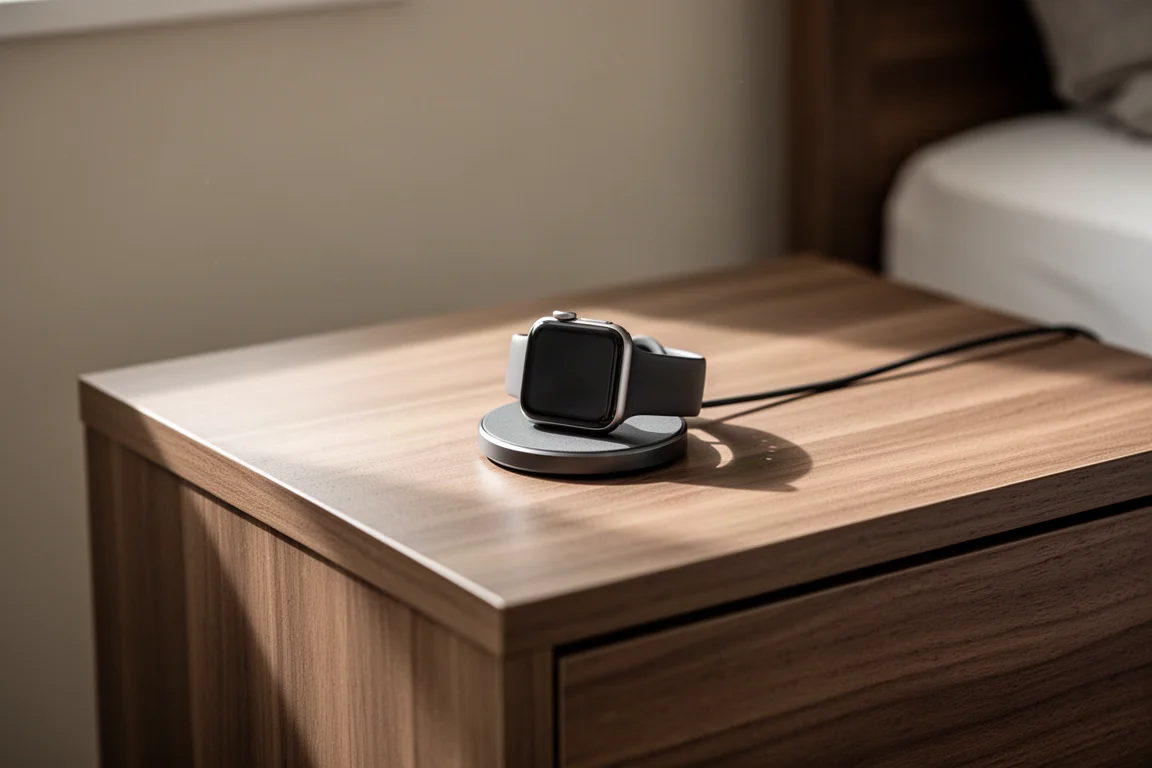
Charging every day is not necessarily a burden. Many people take their watch off for a couple of hours each morning anyway, making that a natural charging window, and a daily routine removes the risk of discovering a nearly dead watch just before a run. On the other hand, not charging as often is simply convenient. Both watches support fast charging, which softens the inconvenience either way. For long outdoor activities, the Ultra 2’s larger body records longer, but the Series 9 remains good enough for a marathon or longer.
Which One Should You Buy
Three factors decide this: durability, battery life, and comfort. For durability, the Ultra 2 wins with its titanium case, sapphire lens, and protected display edges, making it the better pick for hiking, mountain biking, and other damage-prone activities. The Series 9 is not fragile, but its rounded edges are more susceptible in rough use.
Battery life also favors the Ultra 2, especially for outdoor activities longer than about seven hours, though a daily charging routine can make the Series 9’s shorter life a non-issue. For wearability, the Series 9 is more comfortable all day, during sports, and especially for sleep tracking, where a smaller watch is noticeably nicer. The Ultra 2’s larger display is a genuine benefit, but if you have never used an Ultra, you will not miss it; think of it like an iPhone Pro versus a Pro Max, where the bigger screen comes at the cost of carrying a bigger device.
Conclusion
If you want a watch you barely notice, with comfort as the priority, the Series 9 is the better bet. If durability and longer battery life top your list, and you can live with a larger, heavier watch, the Ultra 2 earns its premium positioning. Both are excellent, deeply integrated smartwatches, and the right choice comes down to which of those trade-offs matters more in your daily routine.
Further reading
Related Reviews
Smartwatches
Best Budget Smartwatches 2026: Five Affordable Options That Actually Work
Five budget smartwatches tested for real daily use. From entry-level options to premium features at fraction of the cost, here's what actually delivers.
Smartwatches
Best Smartwatches on AliExpress 2026: Five Practical Options for Different Needs
Five smartwatches with strong customer feedback and competitive pricing, each suited to different priorities: premium design, battery life, outdoor durability, advanced health tracking, and sports versatility.
Smartwatches
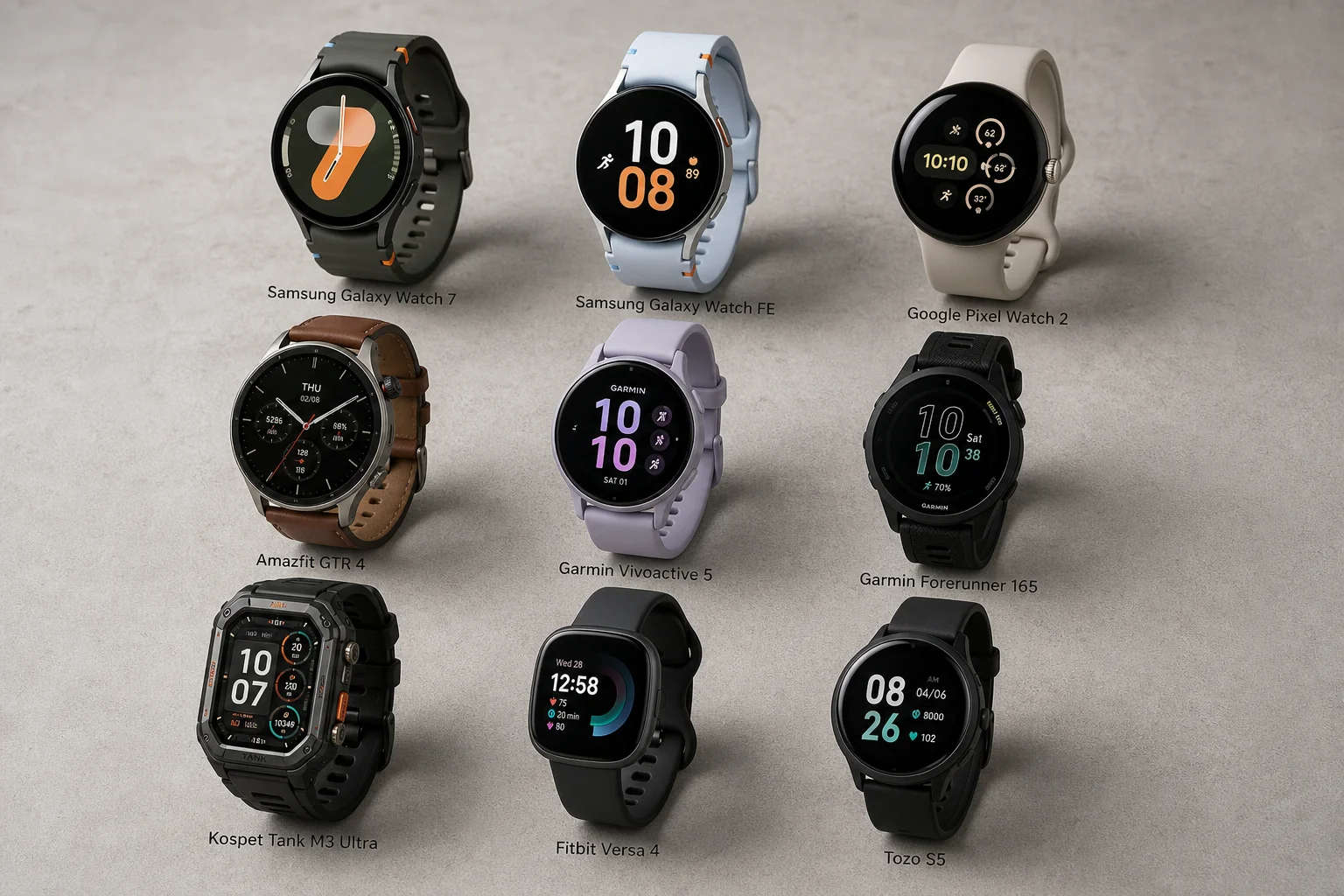
Best Smartwatches Under $300: 9 Practical Options for Every Need
A curated selection of nine smartwatches under $300, each excelling in health tracking, durability, battery life, or fitness features. Find the right match for your lifestyle.