Smartwatches
Apple Watch Ultra 2 vs Apple Watch Series 10: Every Difference That Actually Matters
More than 30 real-world differences separate the Ultra 2 and Series 10, from battery life and dive hardware to case finishes and charging speed. Here is what matters before you buy.
Introduction
The Apple Watch Ultra 2 and Apple Watch Series 10 look similar on a spec sheet, but there are more than 30 differences between them once you put both on your wrist. Some are big, like battery life and water depth ratings. Others are small details you may never notice. This comparison walks through every difference that matters, plus the long list of features the two watches share, so you can pick the right one with confidence.
Pricing and What You Get
The Apple Watch Ultra 2 is priced at $799, while the Series 10 starts at $399 for the 42 mm model or $429 for the 46 mm model. Both include watch bands at the base price. The Ultra 2 offers three core band styles with a couple of color options each, and the Series 10 comes with a choice of different materials and colors at those base prices. More expensive bands are available beyond that from Apple and other companies.
Design, Case Sizes and Materials
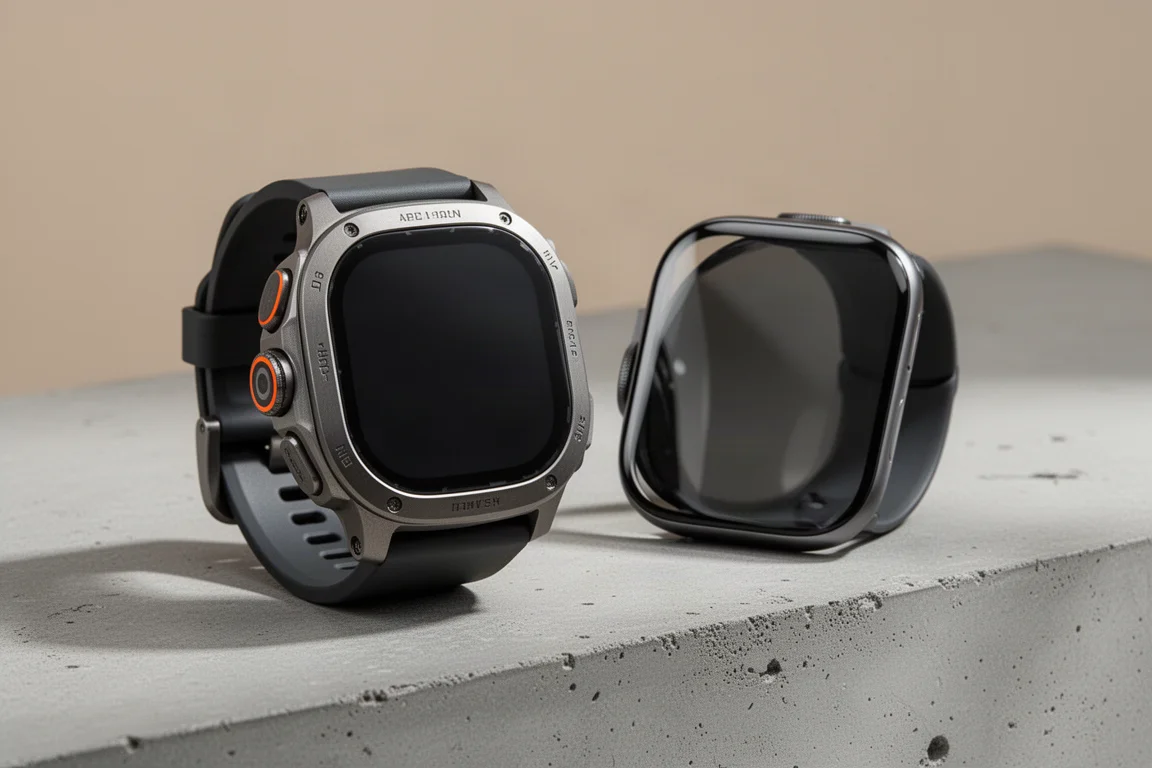
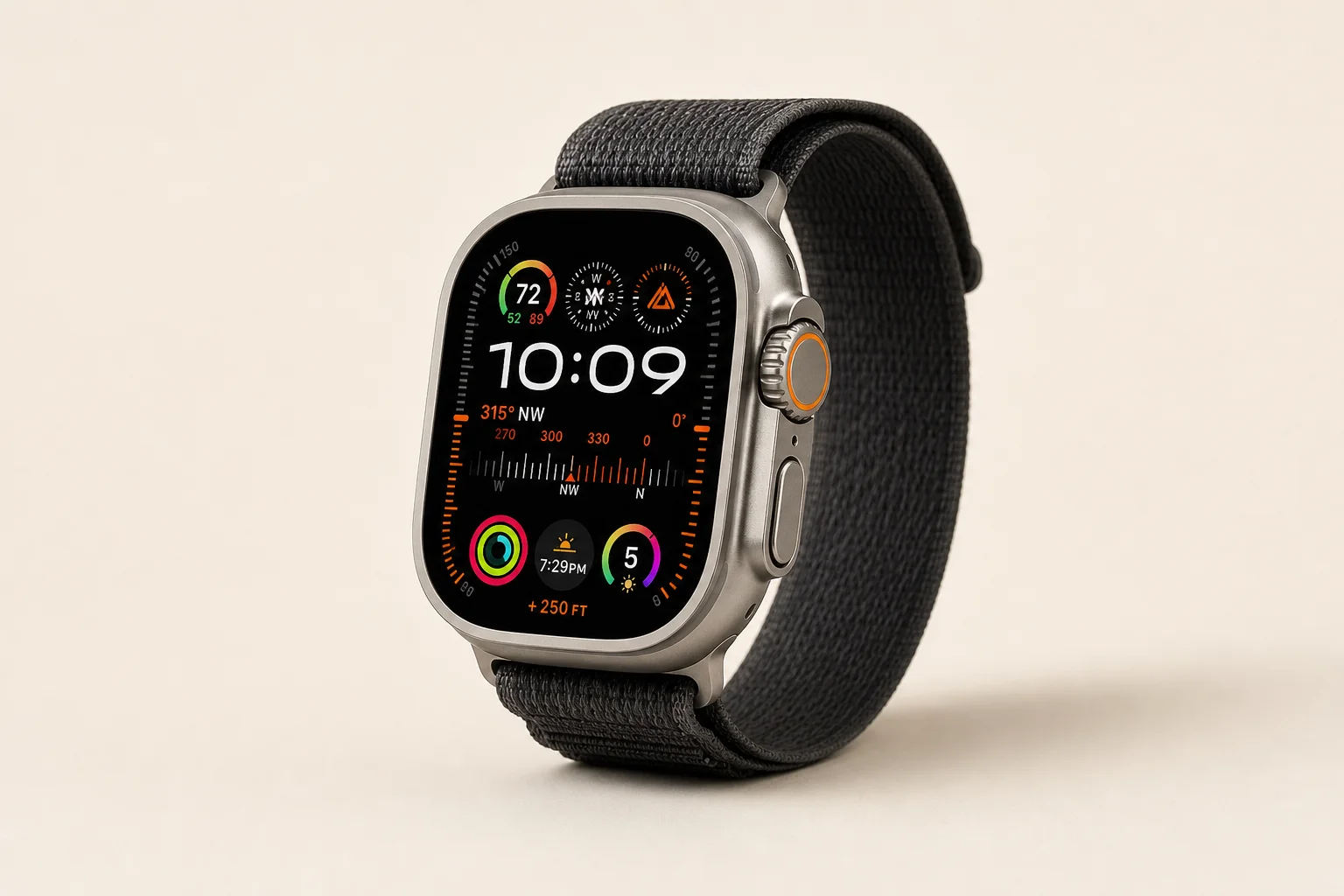
The Ultra 2 comes in a single 49 mm titanium case, available in the original natural titanium gray or a new black finish. That black version uses a DLC finish on the outside, making it substantially stronger and more scratch resistant. In everyday abuse, including a slip against a concrete pool edge, it has held up without scratches.
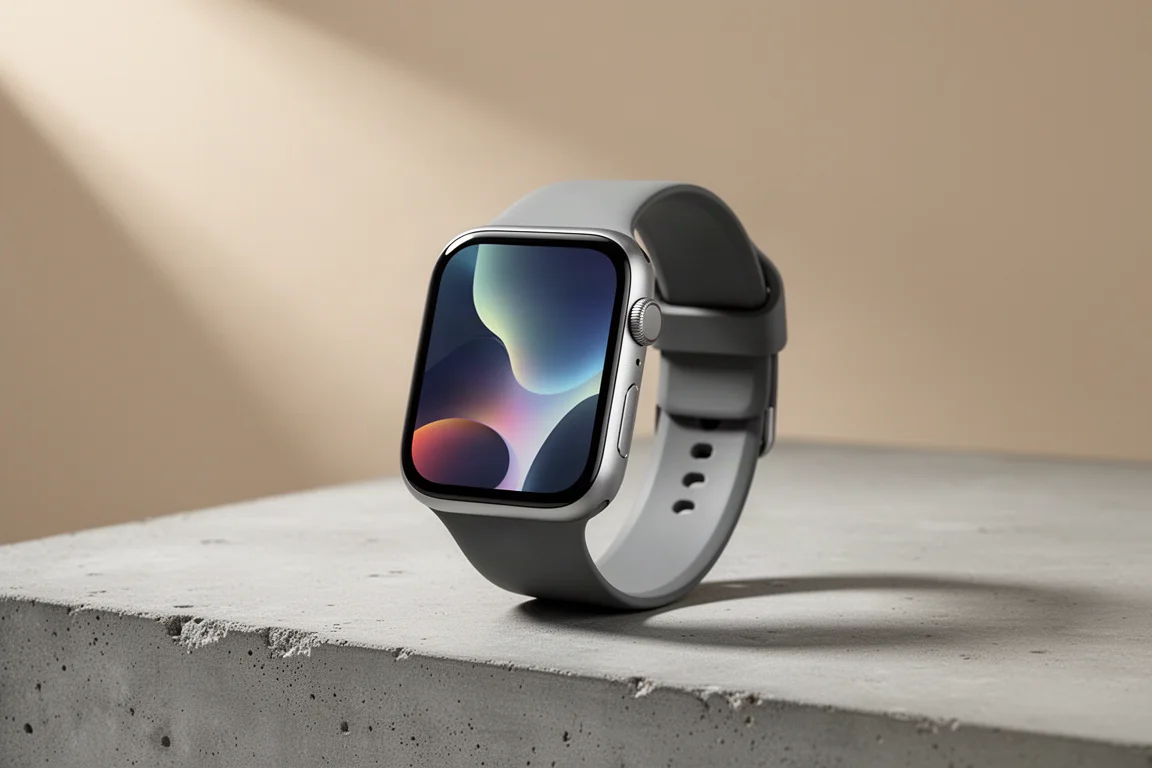
The Series 10 comes in 42 mm and 46 mm sizes. The default case is aluminum, and a titanium edition costs considerably more. If you are cross-shopping against the Ultra 2, the larger 46 mm size is the more natural comparison.
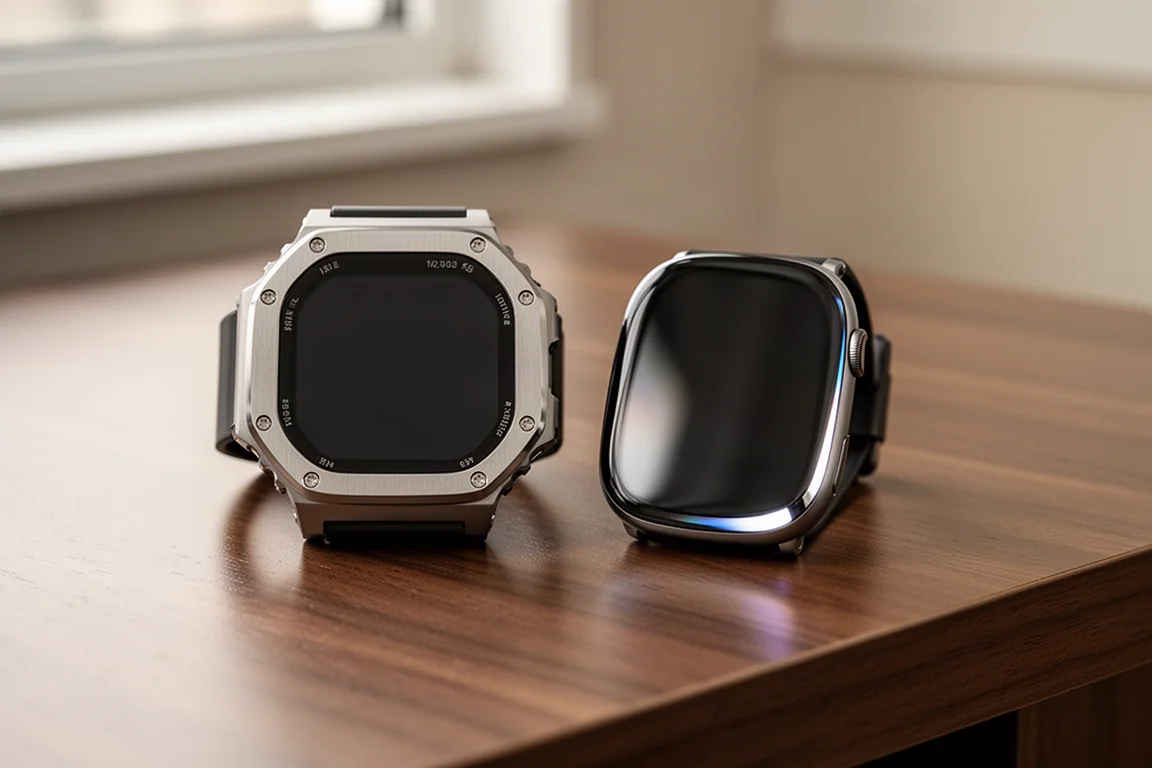
There are also meaningful hardware details on the sides and back. The Ultra 2 has an Action Button on the left, button guards around both the side button and the Digital Crown to prevent accidental presses from jackets or coats, and a much larger Digital Crown that is easier to use with gloves, whether scuba gloves underwater or ski gloves in winter. On thickness, the Series 10 is the thinnest Apple Watch ever made at 9.7 mm versus 14.4 mm for the Ultra 2, roughly a 50 percent difference. The Ultra 2 has a ceramic and sapphire crystal back, while the Series 10 uses a metal and sapphire crystal back. The Ultra 2 is also validated against mspec standards; the Series 10 is not.
On the front, the Ultra 2 has a sapphire crystal display, as does the titanium Series 10, while the standard aluminum Series 10 uses Ion-X glass. Even so, display durability is not something to overthink: a dropped watch with the same glass as the Series 10 took a small divot, but that was the first injured Apple Watch display in about ten years of hard use.
Displays: Brightness, Panels and Watch Faces
The Ultra 2 reaches 3,000 nits of maximum brightness versus 2,000 nits on the Series 10. In practice, both are well beyond overkill even on bright beaches or mountain tops, and many competitors get by fine at 1,000 nits. Side by side, the two are effectively indistinguishable in brightness. Both drop to a 1 nit minimum for nighttime use.
One small trick goes to the Series 10: in its dim state, it keeps showing the second hand on watch faces, while the Ultra 2 drops the seconds when dimmed.
Under the glass, the Ultra 2 uses an older LTPO2 OLED panel while the Series 10 has a newer LTPO3 OLED display. The Series 10 also has a slightly larger active display area, but only by about 3 percent, which you will not notice. What your eye will notice is style: the Series 10 has curved glass edges where the display folds into the case, while the Ultra 2 is totally flat across the top with titanium bezels protecting the display. The Ultra 2 also gets a couple of unique watch faces, including the Modular face and a Night Mode, neither of which the Series 10 offers.
Sports, GPS and Workout Features
This is where the Ultra 2 earns its sportier reputation. Its Action Button opens quick-select actions by default in the workout app and can be customized to other Apple or third-party actions. The Ultra 2 also has Precision Start in workout mode, letting you select a sport mode and wait until the activity actually begins while confirming GPS and heart rate lock, which is useful for races. The Series 10 does not have that feature.
In custom workout screens, the Ultra 2 shows up to 7 data fields versus up to 6 on the Series 10, of which 5 are customizable. The Ultra 2 also has dual-frequency multiband GPS for tougher conditions like mountains or tall buildings, though in side-by-side testing, including a run around high-rise hotels, GPS tracks showed no meaningful difference in the vast majority of scenarios.
Battery Life and Charging
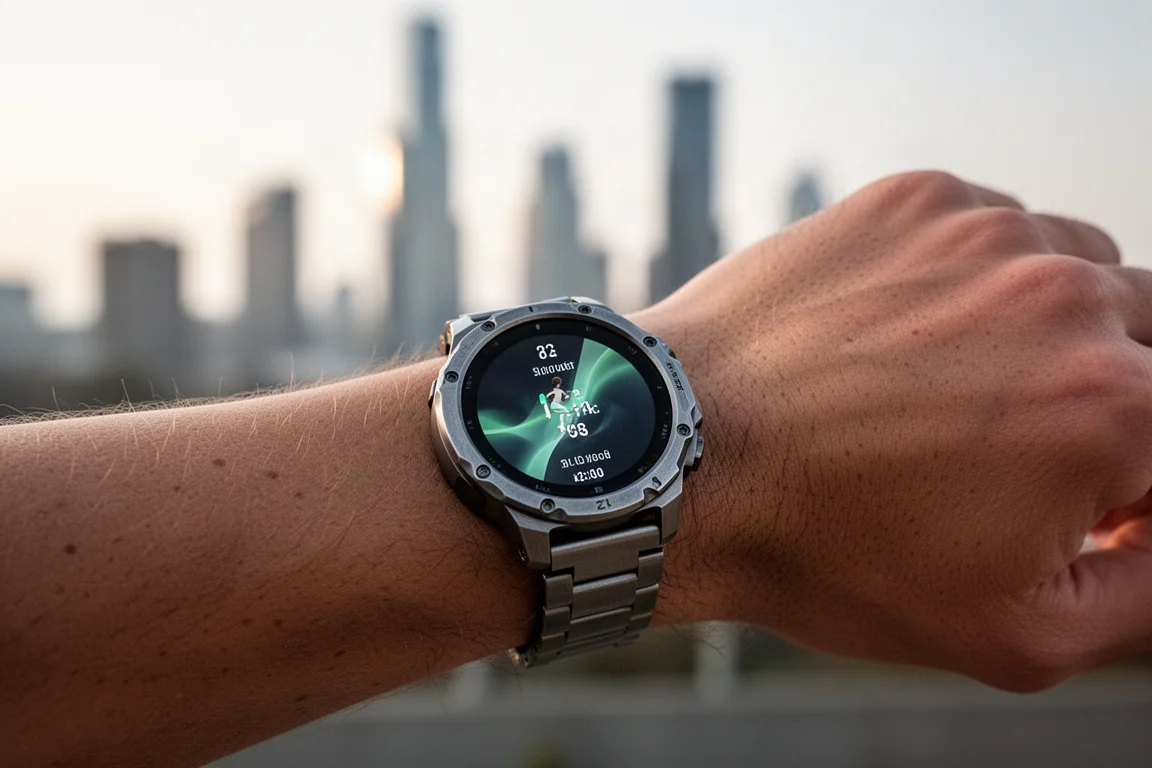
Real-world battery life is the clearest practical divide: the Ultra 2 lasts about two days, and the Series 10 about one day, typically including one to two hours of GPS workout time per day. Officially, that is 36 hours versus 18 hours. Low Power Mode extends both to 72 hours and 36 hours respectively.
For GPS workout time, the Ultra 2 is rated at 12 hours and the Series 10 at 7 hours, and both exceeded those figures in testing, with the Series 10 reaching around 8 hours and the Ultra 2 upward of 14 hours before Low Power Mode. Apple only publishes low-power GPS specs for the Ultra 2: 17 hours in low-power GPS, or 35 hours with fewer readings.
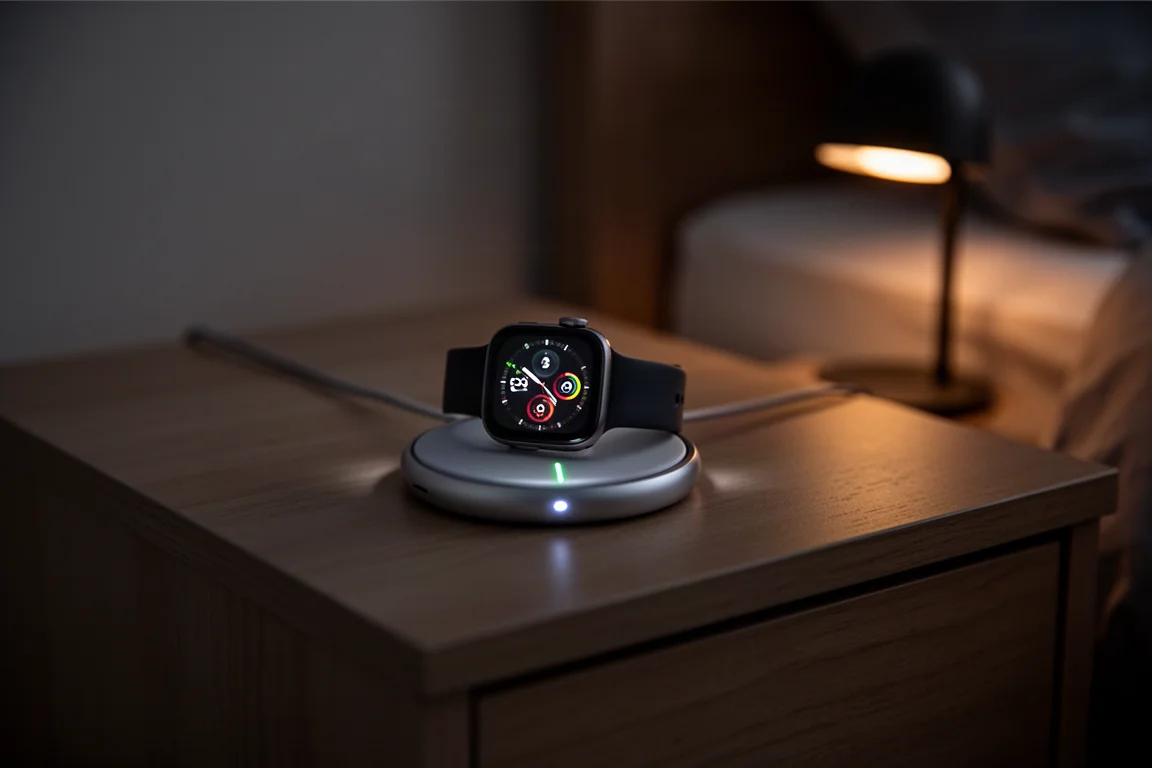
Charging is the one battery category where the Series 10 wins. It reaches 80 percent in about 30 minutes, which is genuinely impressive, while the Ultra 2 needs about an hour for the same level. On the other hand, the Ultra 2 lasts twice as long between charges.
Water, Depth and Outdoor Hardware
The Ultra 2 carries an 86 dB emergency siren that the Series 10 lacks, and it is water resistant to 100 meters versus 50 meters for the Series 10. Both have depth gauges, but they serve different purposes. The Ultra 2’s gauge is good to 40 meters (131 feet) and is certified to standards for diving safety. The Series 10’s gauge is good to just 6 meters (20 feet), is aimed at snorkeling, and is not certified to any standard.
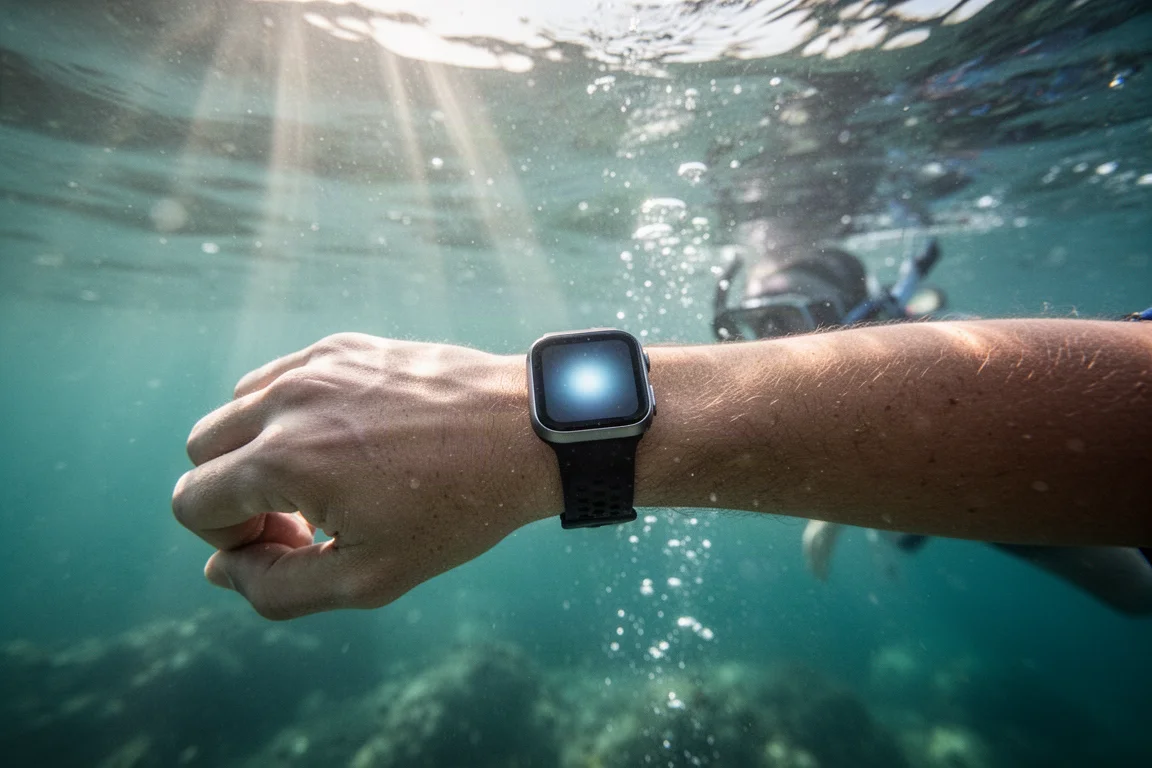
In real use, diving with the Ultra 2 realistically means adding the Oceanic+ app. Snorkeling with the Series 10 works with the built-in depth app, but it only shows your current depth and does not track the session like a sport mode, so the Oceanic app is useful there too.
Chipset, Audio and Future Software
The Ultra 2 uses the S9 chipset while the Series 10 uses the newer S10. Today, there is no practical difference in how the two watches use their chipsets. Based on Apple’s long history of gating newer software features to newer hardware, future watchOS versions may eventually leverage the S10 in ways the S9 cannot, but nothing official has been announced, so it should not factor into a buying decision. Buy the watch you need today.
One genuinely unique S10 feature is voice isolation: the Ultra 2 uses three microphones to cancel background noise, while the Series 10 uses a single microphone with the S10’s neural engine doing the isolation work instead. Functionally, they sound effectively the same. On speakers, the Ultra 2 has two versus one redesigned speaker in the Series 10, but both hit the same maximum volume and sound the same side by side.
What Is Exactly the Same
The vast majority of features are identical. Both run watchOS 11 with the new Vitals, Training Load and Tides apps. Both support Double Tap and offline Siri. Both share the same optical heart rate sensor, ECG functionality, wrist temperature, sleep apnea detection, and blood oxygen sensor, which is enabled outside the US and disabled within the US due to a patent dispute, though the hardware itself is identical.
Both offer the same sport modes, compass, Backtrack, offline maps, and route planning from watchOS 11. Both have 64 GB of storage, four-core Neural Engines, water temperature sensors, speakers that play music, and access to the depth gauge app and Oceanic+ for snorkeling. Only the Ultra 2 handles actual diving.
Which One Should You Buy
If battery life is your priority, the Ultra 2 is the easier watch to live with, since two days of battery means you are not charging every night. The Action Button for starting workouts is a nice bonus, and the dive hardware, siren, and tougher titanium build add real capability for outdoor and water use. If you want the thinnest, lightest everyday Apple Watch with fast charging and the same core health feature set, the Series 10 at $399 or $429 is the better value, especially since you can add cellular on the titanium edition. Choose based on how you actually spend your days, not on future software promises.
Conclusion
The Ultra 2 and Series 10 share thousands of features, so the decision comes down to a handful of meaningful differences: two-day versus one-day battery life, a rugged 49 mm titanium build versus the thinnest Apple Watch ever, dive-grade water hardware versus snorkeling depth, and faster charging on the Series 10. Pick the Ultra 2 if endurance and outdoor capability matter most, and the Series 10 if you want a lighter everyday watch at a lower price.
Further reading
Related Reviews
Smartwatches
Best Budget Smartwatches 2026: Five Affordable Options That Actually Work
Five budget smartwatches tested for real daily use. From entry-level options to premium features at fraction of the cost, here's what actually delivers.
Smartwatches
Best Smartwatches on AliExpress 2026: Five Practical Options for Different Needs
Five smartwatches with strong customer feedback and competitive pricing, each suited to different priorities: premium design, battery life, outdoor durability, advanced health tracking, and sports versatility.
Smartwatches
Best Smartwatches Under $300: 9 Practical Options for Every Need
A curated selection of nine smartwatches under $300, each excelling in health tracking, durability, battery life, or fitness features. Find the right match for your lifestyle.