Smartwatches
Apple Watch Ultra 2 Ultra Running Test: 100 Miles Around Lake Garda
A three-day, 100-mile ultra running test of the Apple Watch Ultra 2, covering battery life, GPS accuracy, heart rate tracking, and where it still falls short for ultra runners.
Introduction
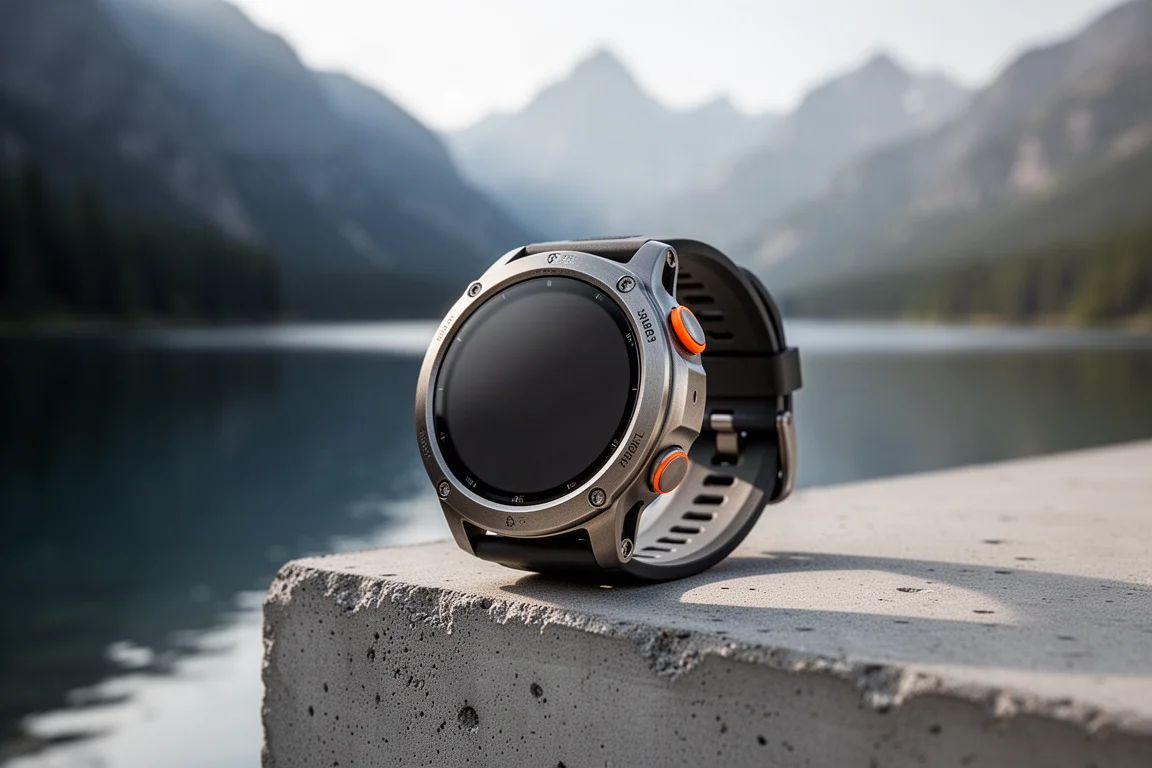
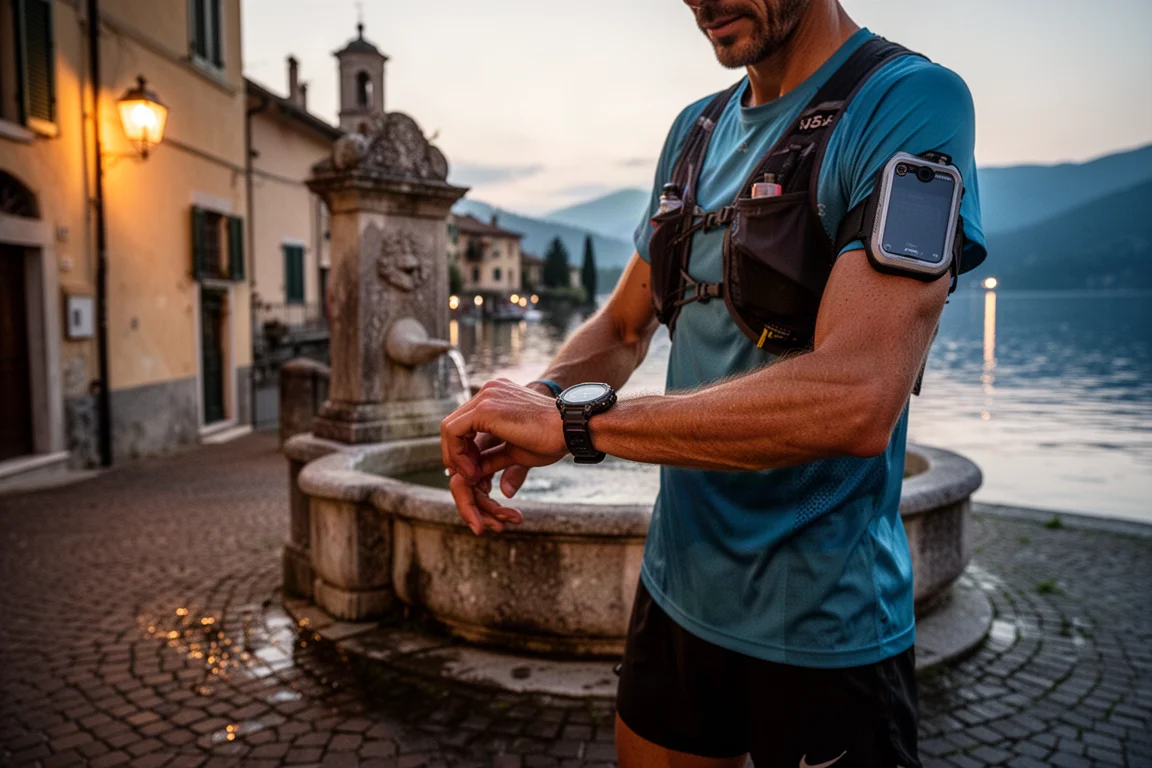
To test whether the Apple Watch Ultra 2 truly earns the “Ultra” in its name, we put it through the most literal test possible: a 100-mile run around Lake Garda in Italy, spread over three days. That meant roughly 50 km and 6 to 7 hours of GPS run time each day, with the watch compared against a Garmin Forerunner 965 and a Garmin HRM Pro Plus chest strap for GPS and heart rate accuracy. Each morning the watch came off charge at 100%, and each day a different power and accuracy mode was tested.
Who This Watch Is For
The Ultra 2 is not really a running upgrade over its predecessor. The improvements focus on the general smartwatch experience: a brighter screen, a more powerful processor, and clever new controls. For runners, the headline feature is Precision dual-frequency multiband GNSS using the L1 and L5 bands, which boosts distance and real-time pace tracking accuracy. Crucially, Apple says the brighter screen and faster processing do not cost battery life, though the rated battery remains unchanged: 12 hours of GPS in normal power mode, 17 hours in low power mode, and up to 35 hours in low power mode with heart rate and GPS frequency dialled right down.

If you want one watch that handles marathon race days, multi-day training blocks, and everyday smartwatch duties, the Ultra 2 is aimed squarely at you. If your priority is deep ultra-specific navigation and race planning, a dedicated Garmin may still fit better.
Battery Life Over Three Days
Battery is where the Ultra 2 finally puts an end to battery anxiety for most runners. There is enough single-charge juice to handle a marathon race day and still be alive the morning after, and it can stretch to three days without charging while training roughly an hour a day. When not running, with usage kept to a minimum, it averaged around 1% battery burn per hour.
The exception is overnight. In this test the watch was charged at night, but in other testing the overnight drain averaged around 10%, which is significant. That limits genuine multi-day ultra potential: it would not last a six or seven day stage race on a single charge, so you would need a way to recharge out on course.
In runtime endurance, the Ultra 2 could not quite match the Garmin Forerunner 965, but it put in a strong performance in all three power modes. In the lowest power, lowest accuracy mode, we would estimate close to 45 hours of run time, against roughly 55 hours on the Forerunner 965. That is genuine 100-mile and 100 km ultra potential for anything where you will be moving between 12 and 30 hours. In 17-hour low power mode with regular heart rate and GPS readings, it might stretch to 24 hours, enough for a 100 km race including travel to the start and a celebratory drink paid for with Apple Pay afterwards.
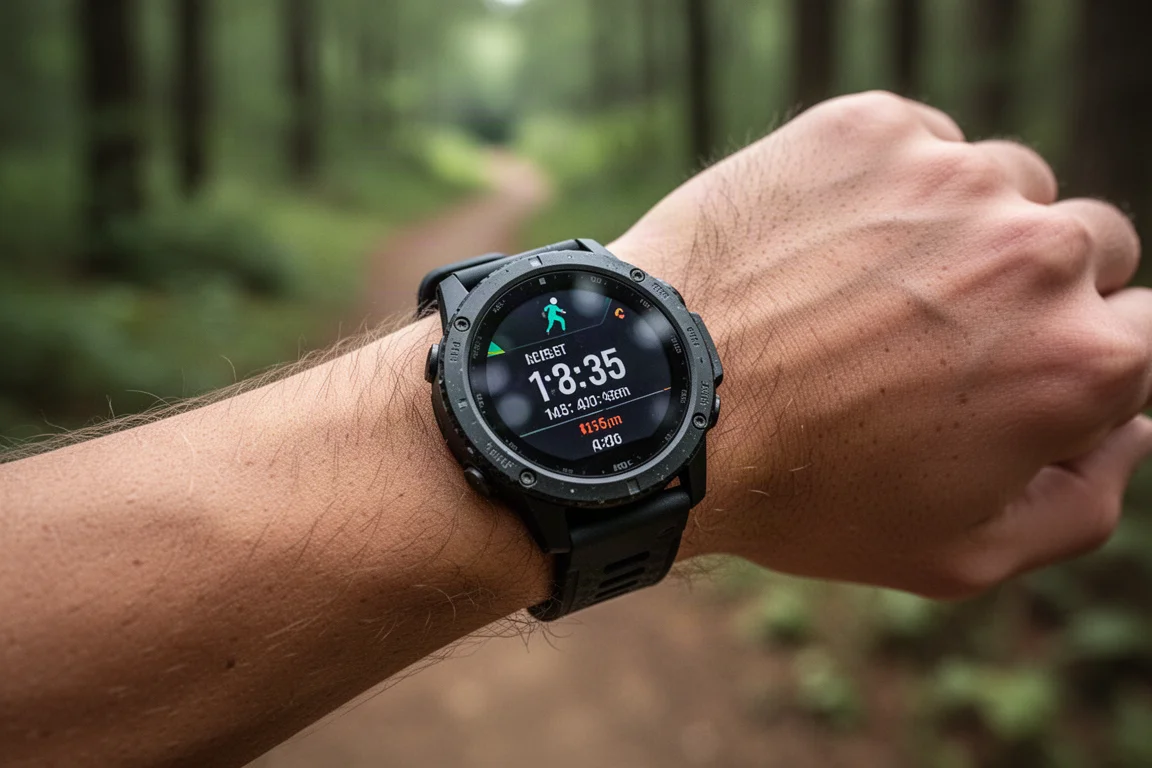
Perhaps most impressively, on day three the watch ran for seven and a half hours in the highest accuracy 12-hour mode and burned only about 37%. That suggests real-world runtime significantly exceeds Apple’s listed 12 hours, possibly stretching to 20 hours, which covers most runners for a 100 km ultra.
GPS and Pacing Accuracy
GPS is the straightforward win here. The Ultra 2’s multiband tracking was excellent across all power modes and matched the Garmin Forerunner 965 on overall distance and pacing, even in lower-frequency power saving modes. Digging into the tracks, the Apple Watch was actually noticeably better at locking onto paths and roads than the Forerunner 965. Real-time pacing, checked anecdotally on the move, was nicely responsive and well matched.

From a GPS perspective, the Ultra 2 has all the power you need for ultra running, even with GPS settings dialled down. That is a genuine win for endurance runners watching every percent of battery.
Heart Rate Accuracy
Heart rate is not always the most important metric during an ultra, but the Ultra 2’s optical sensor provided accuracy plenty strong enough for the demands of the distance. Regardless of power mode, average heart rate readings were within two beats of both the Garmin Forerunner 965’s optical sensor and the Garmin HRM Pro Plus chest strap, so the three were very closely matched.
The one quirk: the Ultra 2 occasionally read a higher maximum heart rate, sometimes 7 to 12 beats above the chest strap. Interestingly, those spikes happened in both the most accurate 12-hour mode and the 35-hour power save mode where readings are less frequent. For ultra running, the accuracy here is strong.
Things to Consider Before Buying
The big gap is navigation. You can piece together a Garmin-like experience using third-party apps, but it feels disjointed, and Garmin’s devices cater much more effectively for the navigational needs of ultra adventures outside of races. On this Lake Garda loop, it would not have been possible to leave the phone at home and rely on the watch alone for the route.
Where the Ultra 2 fights back is everything beyond running. Taking calls and messages, playing music, paying for emergency water or ice cream mid-run, a torch, a siren, an emergency waypoint back to where you last had signal, and even hailing an Uber if things go badly wrong: these proved genuinely useful when plotting a route through lakeside towns. It is by far the best running smartwatch, but probably not the best dedicated running watch. Apple’s approach is deliberately general rather than laser-focused on runners, and for a niche like ultra running, it does not quite go far enough.
Buying Advice
For single-day ultras up to 100 miles, where heavy navigation is not required, the Apple Watch Ultra 2 is a genuine contender. If you will have access to charging on multi-day events, its multi-day potential holds up too: GPS and heart rate accuracy are spot on, battery life stretches, and the screen is excellent in all light conditions.
Add in the smartwatch extras and the Ultra 2 is a far more rounded tool than its rivals. If, however, you need self-sufficient navigation for unsupported ultra adventures, a Garmin-style device remains the safer pick.
Conclusion
After 100 miles around Lake Garda, the Apple Watch Ultra 2 emerges as an excellent ultra-capable smartwatch: excellent GPS, trustworthy heart rate tracking, and battery that stretches far beyond Apple’s own ratings. It falls just short of being a complete ultra running tool because of its navigation gaps, but for most runners, and most ultras, it is more than enough.
Product link
View more details for Apple Watch Ultra 2
This product is mentioned in the review. Check the specifications, options, and compatibility before buying.
View more details for Apple Watch Ultra 2Further reading
Related Reviews
Smartwatches
Best Budget Smartwatches 2026: Five Affordable Options That Actually Work
Five budget smartwatches tested for real daily use. From entry-level options to premium features at fraction of the cost, here's what actually delivers.
Smartwatches
Best Smartwatches on AliExpress 2026: Five Practical Options for Different Needs
Five smartwatches with strong customer feedback and competitive pricing, each suited to different priorities: premium design, battery life, outdoor durability, advanced health tracking, and sports versatility.
Smartwatches
Best Smartwatches Under $300: 9 Practical Options for Every Need
A curated selection of nine smartwatches under $300, each excelling in health tracking, durability, battery life, or fitness features. Find the right match for your lifestyle.