Smartwatches
Apple Watch Series 7 Nike vs Apple Watch SE Nike: Which Nike Edition Makes Sense?
A side-by-side look at two Nike edition Apple Watches, covering displays, fitness tracking accuracy, charging, and the differences that actually matter.
Introduction
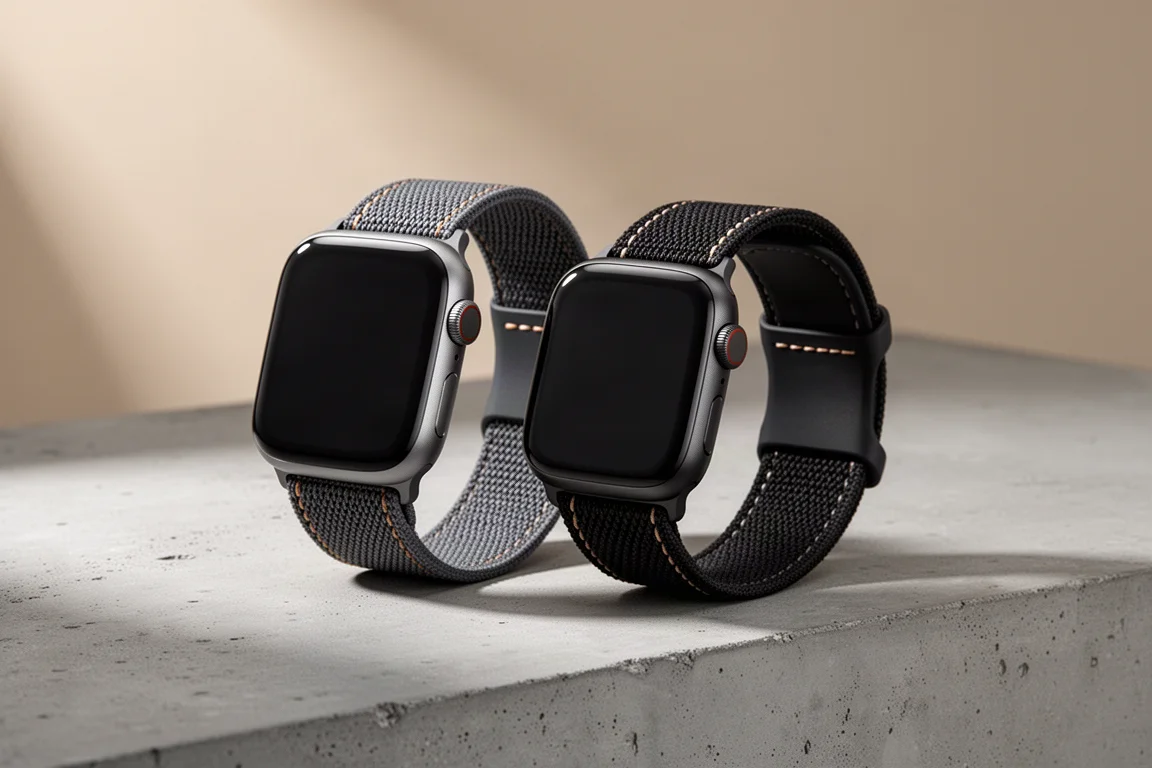
The Nike editions of the Apple Watch Series 7 and Apple Watch SE look like close siblings, and in many ways they are. Both were worn side by side during running, cycling, and weight training sessions to compare heart rate and GPS accuracy, and both did a genuinely good job. The differences between them are real but modest, and knowing which ones matter for your use case is the key to choosing well.
This comparison covers what the two watches share, where the hardware diverges, how each performs as a sports and fitness tracker, and which one makes sense depending on your priorities.
What Both Watches Share
These two watches overlap more than they differ. Both work as strong iPhone companions, receiving and replying to texts and handling calls through built-in microphones and speakers. Cellular models are available for both, useful if you want calls and texts without carrying your phone, and every version includes GPS for tracking outdoor activities phone-free.
Safety and connectivity features are also shared: fall detection that can contact emergency services if you fall and are unresponsive, and international emergency calling on the cellular models. Both track the same daily metrics, including steps, calories burned, and sleep, and both include high and low heart rate notifications along with irregular heart rhythm notifications. Rounding out the common ground are Bluetooth 5.0 for headphones, 32 GB of internal storage for offline music and podcasts, always-on altimeters, haptic feedback on the digital crown, and water resistance down to 50 meters.
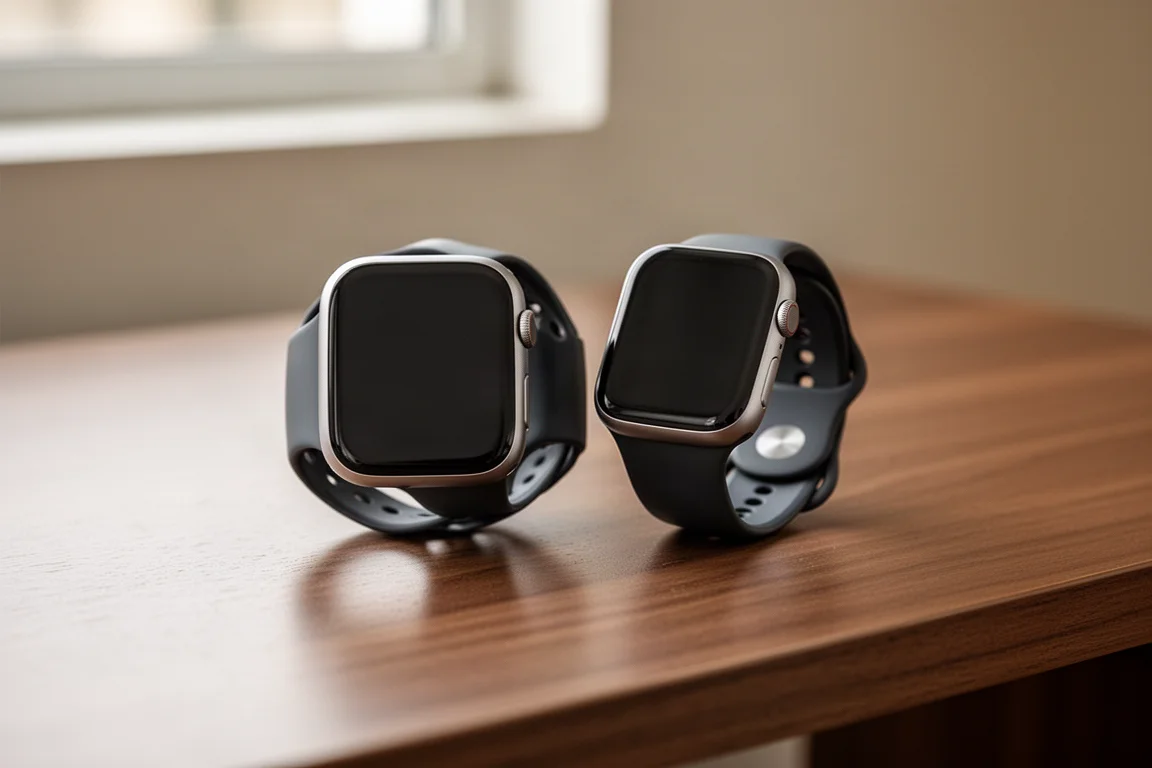
On the fitness side, the stock workout app is identical on both, covering walking, running, indoor and outdoor cycling, indoor and outdoor swimming, weight training, gym equipment like the elliptical and stair stepper, and a long list of other activity types. The Nike Run Club app comes pre-installed on both Nike editions, though it tracks running only. Data from it still syncs into the stock fitness app, and the Nike Run Club app can be installed on any Apple Watch anyway.
The Nike edition extras come down to three things: a special Nike Sport Band, exclusive Nike watch faces, and the pre-installed Nike Run Club app. If those watch faces and that band appeal to you, the Nike edition earns its place.
Display and Hardware Differences
Physically, the Series 7 is slightly larger. Both come in small and large sizes, but the Series 7 measures 45 mm and 41 mm while the SE comes in at 44 mm and 40 mm. With the screens off, the size difference is hard to spot. Turn them on and it becomes obvious: the Series 7 display is 20% larger with smaller bezels, giving it a screen that seems to bleed over the edge. The larger display is genuinely nice, and some watch faces on the Series 7 are specifically optimized for it, but the SE display is still great in its own right.
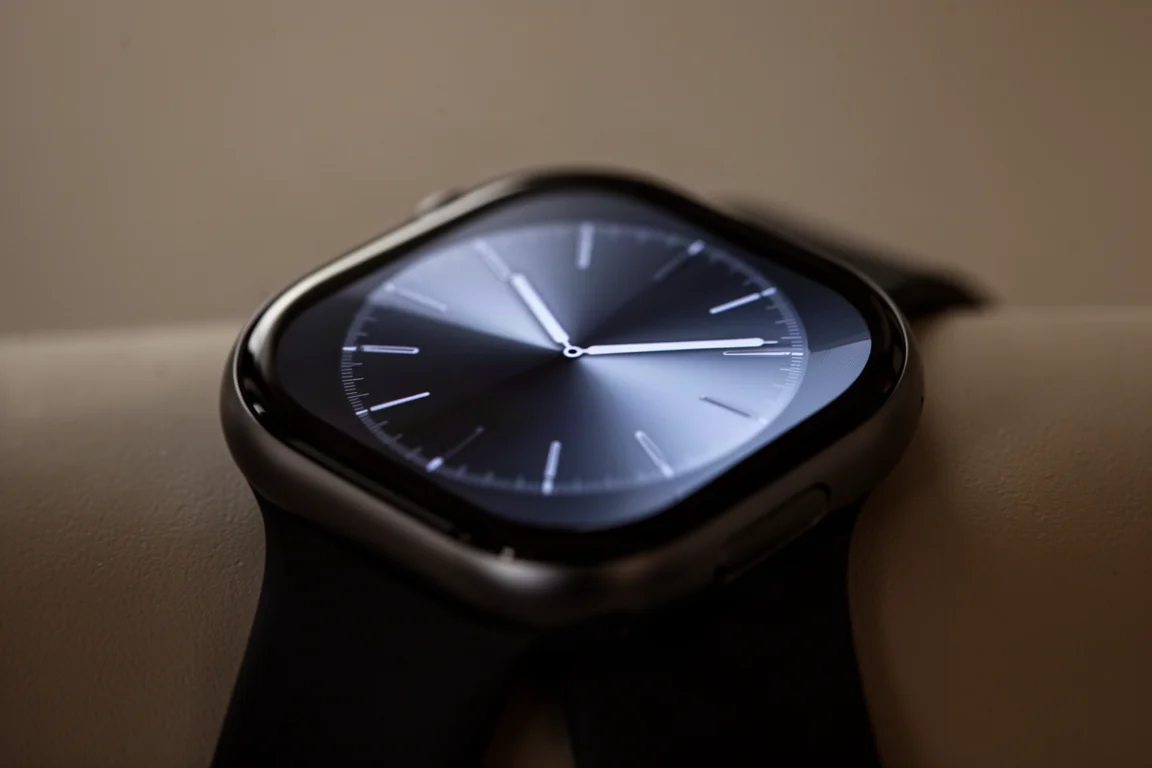
The always-on display is another Series 7 advantage. The SE times its screen out to save battery and wakes it with the raise-wrist gesture, which works reliably and intuitively. Being able to glance at the Series 7 without turning your wrist is a nice-to-have, and you can disable the always-on display if you would rather squeeze out extra battery life.
Under the hood, the SE runs the S5 chipset while the Series 7 uses the S7, which is claimed to be 20% faster. In practice, the difference is barely noticeable; both feel snappy with no perceptible lag. The Series 7 also adds IPX6 dust resistance on top of the shared 50-meter water resistance, a small extra measure of peace of mind.
The heart rate sensors are a couple of generations apart, but both watches offer high and low heart rate notifications and irregular rhythm notifications. The Series 7 goes further with two features the SE lacks: blood oxygen saturation measurement via a built-in SpO2 sensor, and the ability to record an ECG.
Battery and Charging
Battery life is essentially a tie, with both watches delivering about a day to a day and a half depending on how much you interact with them and how many outdoor activities you track. Neither is a multi-day battery champion, and daily charging is simply part of the routine.
Charging is where the Series 7 pulls ahead. It supports fast charging, going from empty to full in about an hour, while the SE takes roughly an hour and a half to two hours. In everyday use, this matters more than it sounds: a watch that lasts a full 24 hours with about 20% remaining can be topped up in 30 to 45 minutes and be ready for another full day.
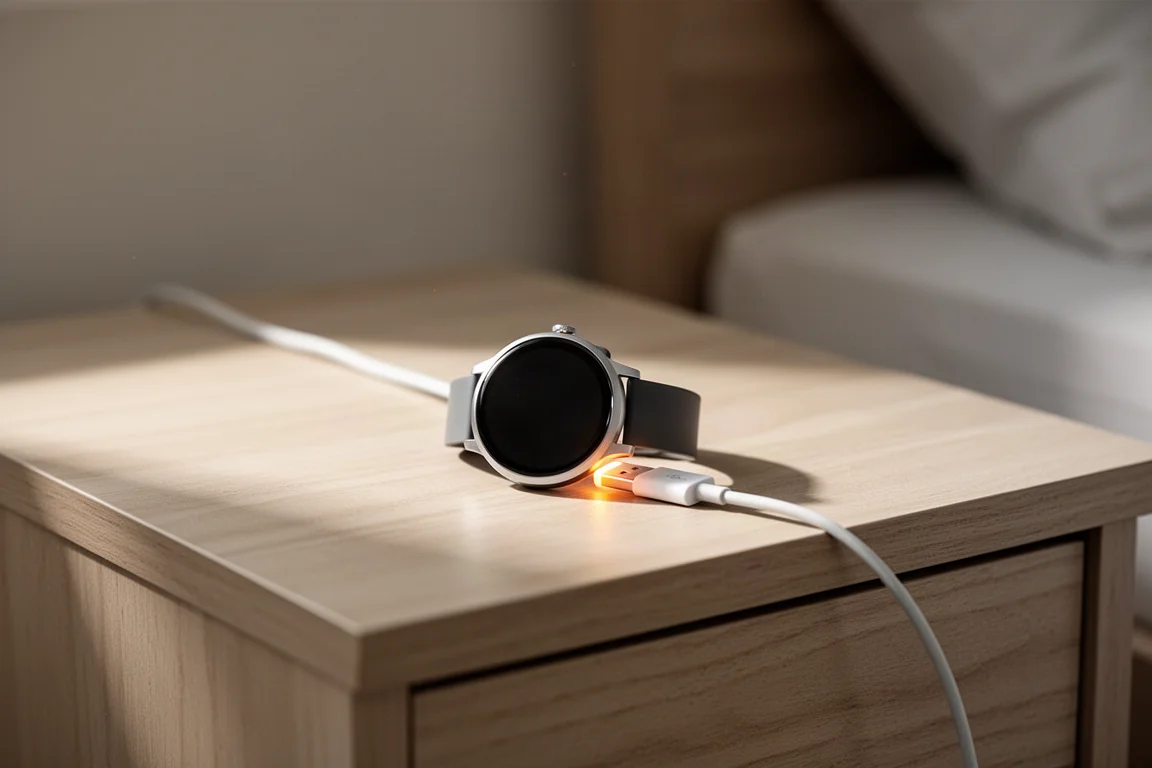
One detail worth knowing: both watches shipped with USB-C charging cables, but only the Series 7’s cable is optimized for fast charging. Using that same fast charging cable on the SE made no difference to its charge times, so the speed advantage is built into the Series 7 itself.
Sports and Fitness Accuracy
Wearing both watches simultaneously, one on each wrist, produced encouraging results. For GPS accuracy on outdoor runs and rides, distance, speed, elevation gain, and calories all lined up closely between the two. The GPS tracks were spot-on for nearly entire rides, occasionally matching or beating other devices, and both watches handled a tricky roundabout better than the competition. The SE showed only a handful of very minor drift spots, and it has visibly improved with firmware updates over the past year.
Heart rate accuracy told a similar story. On a steady run, both watches tracked closely against chest and arm heart rate monitors for the first 20 minutes, then both wandered slightly around the 23-minute mark, with the Series 7 recovering a bit faster. Indoor cycling was essentially perfect on both. On outdoor road rides, the Series 7 performed slightly better with fewer deviations, though neither showed dramatic spikes or drops, and switching wrists confirmed the same pattern.
Weight training, always a challenge for wrist-based optical sensors, saw both watches do a respectable job. The Series 7 was slightly slower to catch heart rate rises on bicep curls, the SE tracked a couple of tricep extension sets a little high, and each had one minor blip, but both handled the high-intensity intervals at the end well.
The verdict here is that both sensors do a really good job, and the Series 7’s newer generation only squeaks out a slim advantage. Either would be a solid choice for fitness tracking.
Which One Should You Buy?
If you are okay with charging your watch every day to a day and a half, both of these are easy to recommend. The core experience, from workout tracking to GPS and heart rate accuracy, is nearly identical.
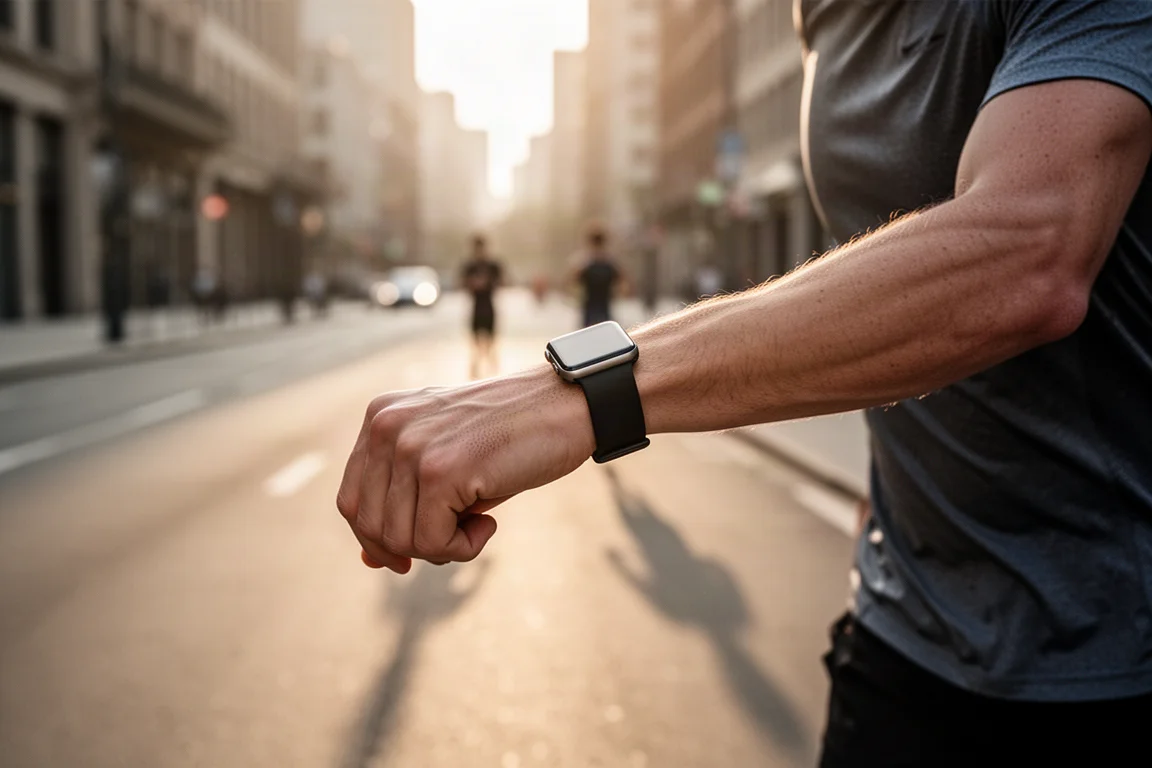
The Series 7’s appeal comes down to its bells and whistles: the SpO2 sensor, ECG, always-on display, fast charging, and the slightly larger display. If you are upgrading from an older Apple Watch, that larger screen is a noticeable step up. If this is your first Apple Watch, the display alone is not a compelling reason to spend more.
The SE, meanwhile, delivers the same fitness tracking quality and the full smartwatch experience at a lower tier, and the Nike edition adds the exclusive watch faces and band. Since the Nike Run Club app installs on any Apple Watch, the Nike edition decision is really about whether you want those watch faces and that band.
Conclusion
These two Nike edition Apple Watches are closer than their price gap suggests. The Series 7 wins on display, fast charging, and advanced health features like ECG and blood oxygen measurement, while the SE matches it where it counts for most people: accurate GPS, solid heart rate tracking, and the full Apple Watch experience. Choose the Series 7 if those extra features fit your daily routine, and the SE if you want the essentials done well.
Product link
View more details for Apple Watch Series 7 Nike edition
This product is mentioned in the review. Check the specifications, options, and compatibility before buying.
View more details for Apple Watch Series 7 Nike editionFurther reading
Related Reviews
Smartwatches
Best Budget Smartwatches 2026: Five Affordable Options That Actually Work
Five budget smartwatches tested for real daily use. From entry-level options to premium features at fraction of the cost, here's what actually delivers.
Smartwatches
Best Smartwatches on AliExpress 2026: Five Practical Options for Different Needs
Five smartwatches with strong customer feedback and competitive pricing, each suited to different priorities: premium design, battery life, outdoor durability, advanced health tracking, and sports versatility.
Smartwatches
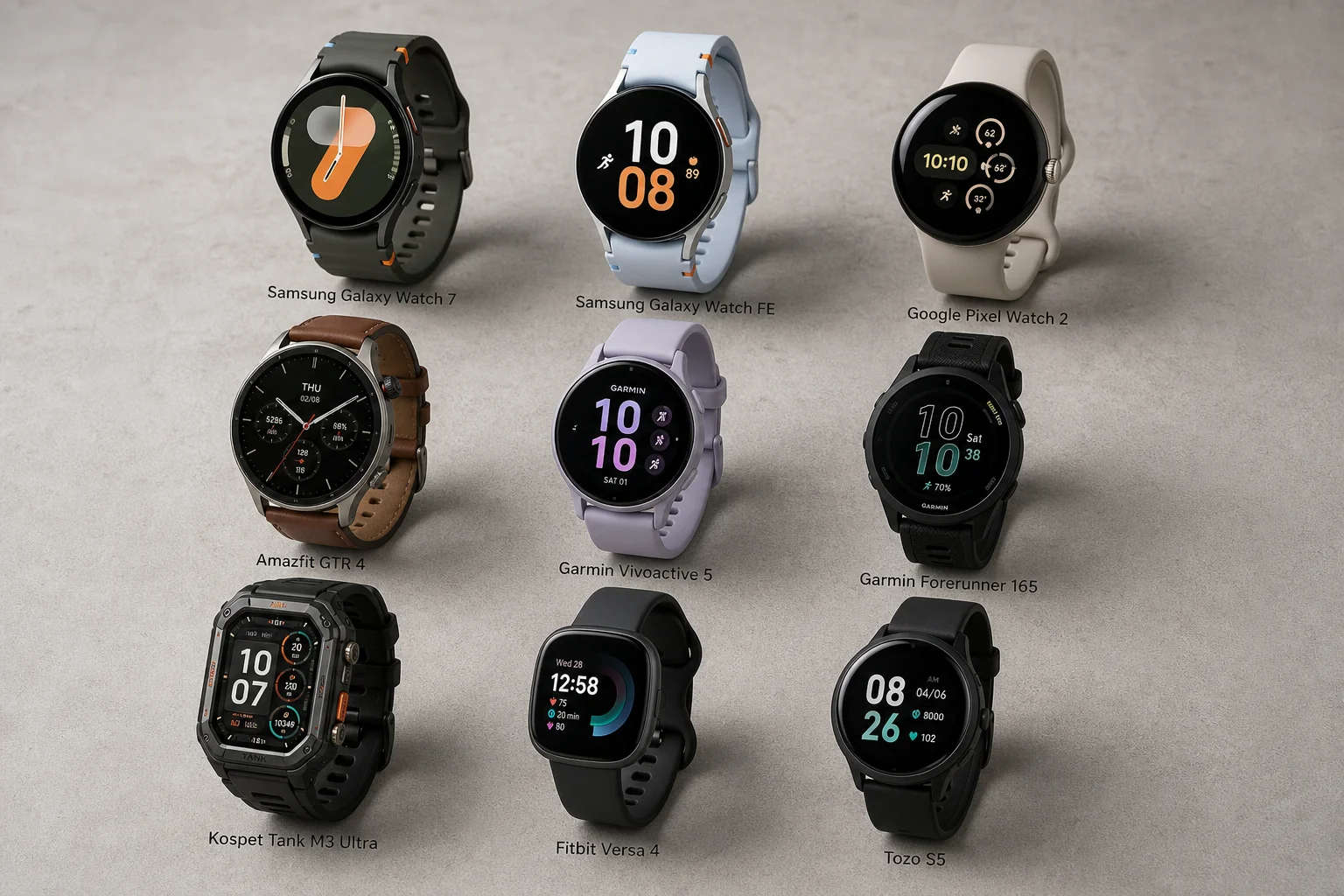
Best Smartwatches Under $300: 9 Practical Options for Every Need
A curated selection of nine smartwatches under $300, each excelling in health tracking, durability, battery life, or fitness features. Find the right match for your lifestyle.