Smartwatches
Apple Watch Series 7 Running Review: Still the Best Smartwatch for Runners
A month of real run testing with the Apple Watch Series 7, covering the bigger screen, GPS accuracy, heart rate performance, battery life, and the running apps that make it shine.
Introduction
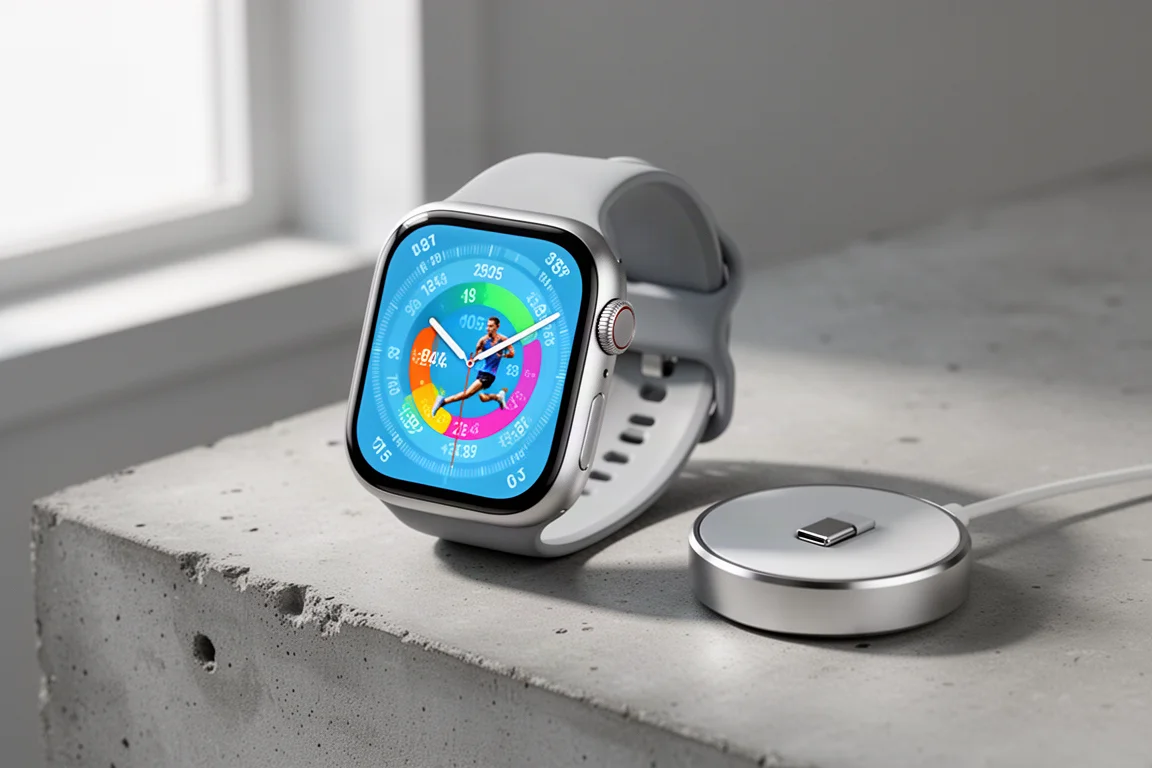
The Apple Watch Series 7 arrived with larger case sizes, a bigger screen, and improved dust resistance, and we spent a month of dedicated run testing with it to see how much of that translates into a better running experience. The short version: the running performance is very similar to the Series 6, but it remains arguably the best smartwatch experience a runner on iOS can buy.
Who This Product Is For
This is a smartwatch for runners who want a polished everyday watch that also delivers excellent GPS and heart rate accuracy, plus access to a rich library of third-party running apps. If you want multi-week battery life, a dedicated sports watch will suit you better.
What’s New in the Series 7
The headline change is the larger case: 41mm and 45mm options, up from 40mm and 44mm on the Series 6. That brings roughly 20% more screen space, which makes it easier to view more of your stats at once, introduces a full-size keyboard, and better hosts data-rich watch faces. Case material options remain aluminium, stainless steel, and titanium.
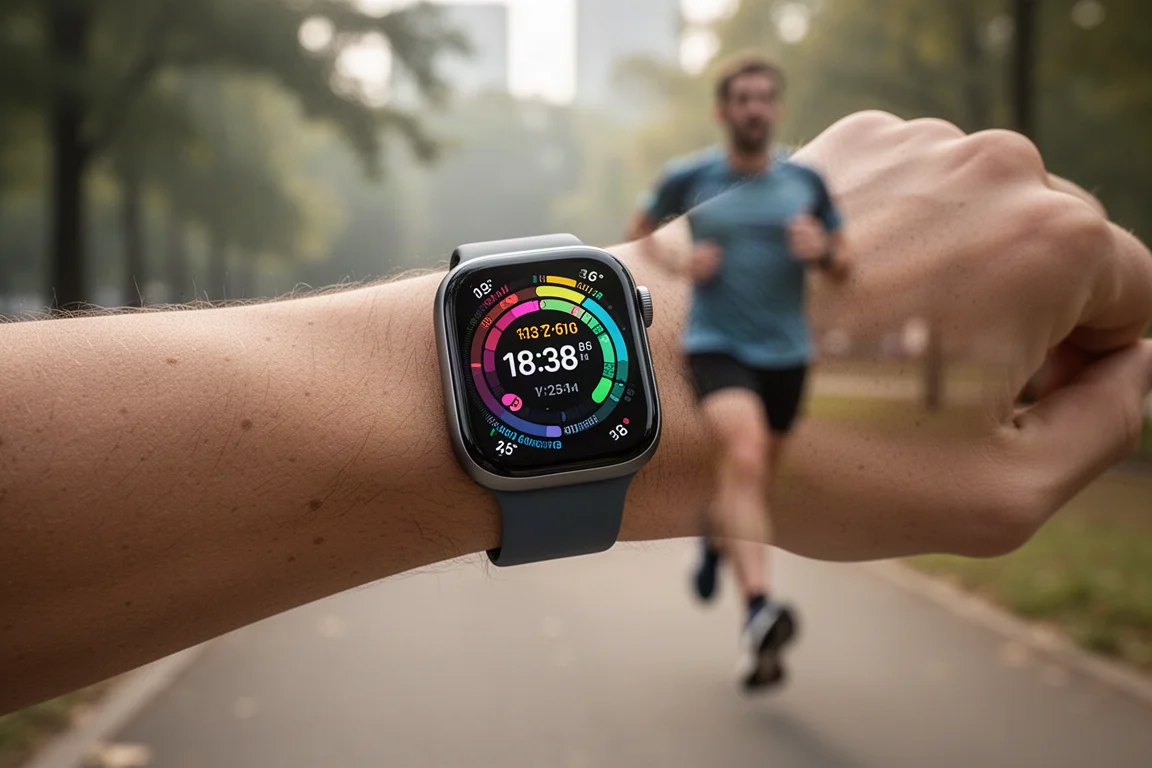
Apple also added an IP6X dust resistance rating to complement the existing 50-meter water resistance, making it better suited to off-road runs. On the hardware front, you get GPS plus GLONASS, Galileo, QZSS, and BeiDou support, an always-on altimeter, and the same third-generation optical heart rate sensor as the Series 6. WatchOS 8 is on board, though most of its new features are geared toward cyclists.
Running Performance: GPS and Heart Rate
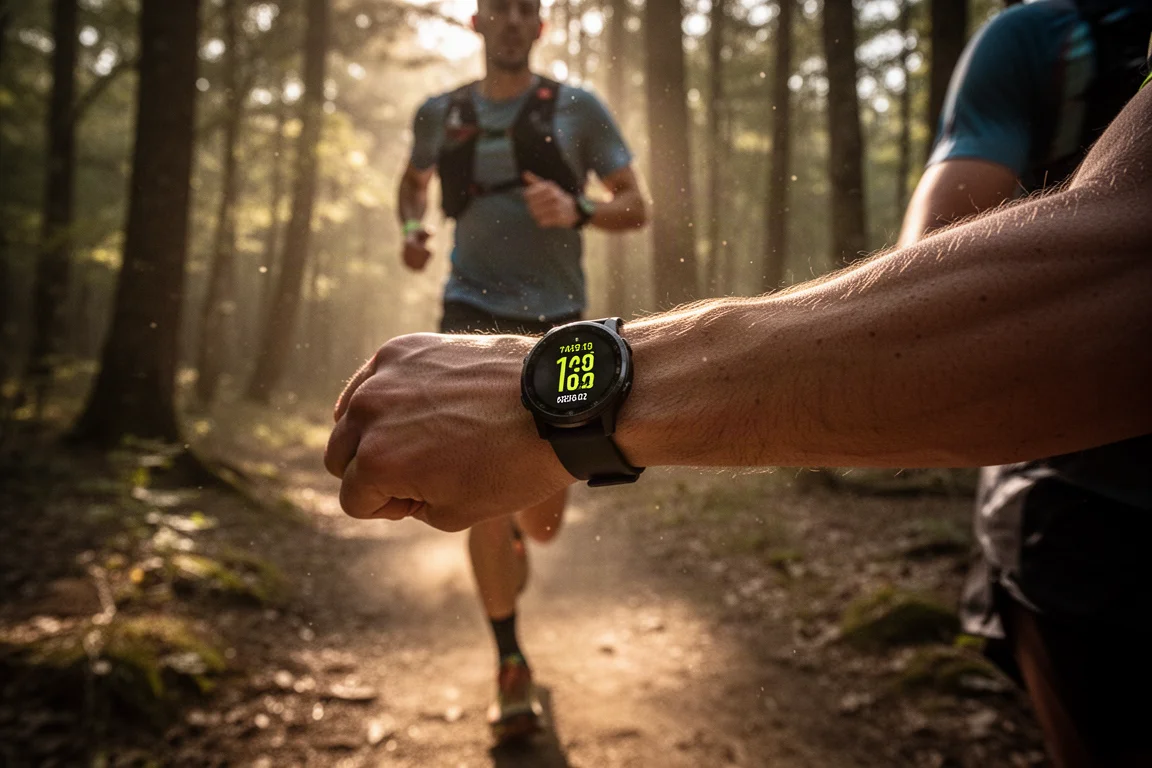
Over a month of testing, GPS performance proved consistently strong, closely matching Garmin devices in comparison runs, both piggybacking off a paired phone and standalone during a race. Heart rate tracking stands out as among the best wrist-based monitoring available, tracking very closely against a Garmin HRM Pro chest strap.
One practical tip: if you use third-party apps, occasionally record a run in the native app in clear areas, because that is what calibrates the GPS and accelerometer. The accelerometer then helps keep distance tracking accurate during periods of poor GPS signal.
Battery Life and Charging
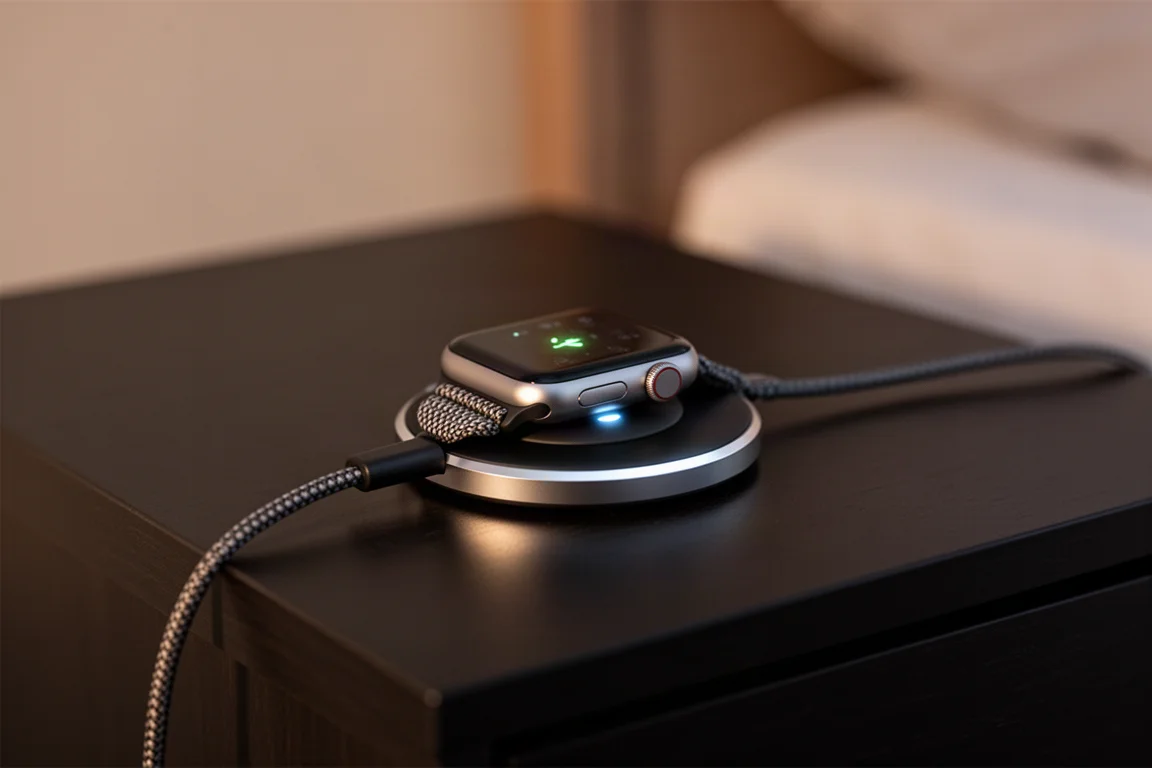
Battery life is unchanged at a quoted 18 hours, and it remains the biggest gripe. The new USB-C magnetic fast charger, identifiable by its silver trim, gets the watch from zero to 80% in about 45 minutes, which softens the blow for daily charging routines.
Everyday Running Experience
Details matter here. Raise-to-wake is responsive and works immediately, and the always-on display is bright enough to actually read your running stats mid-run, unlike many smartwatches where it is too dim for quick glances. The main annoyance is the button system: taking a lap requires a double tap or pressing both buttons at once, even in third-party apps, with no single-button lap press.
The Running App Ecosystem
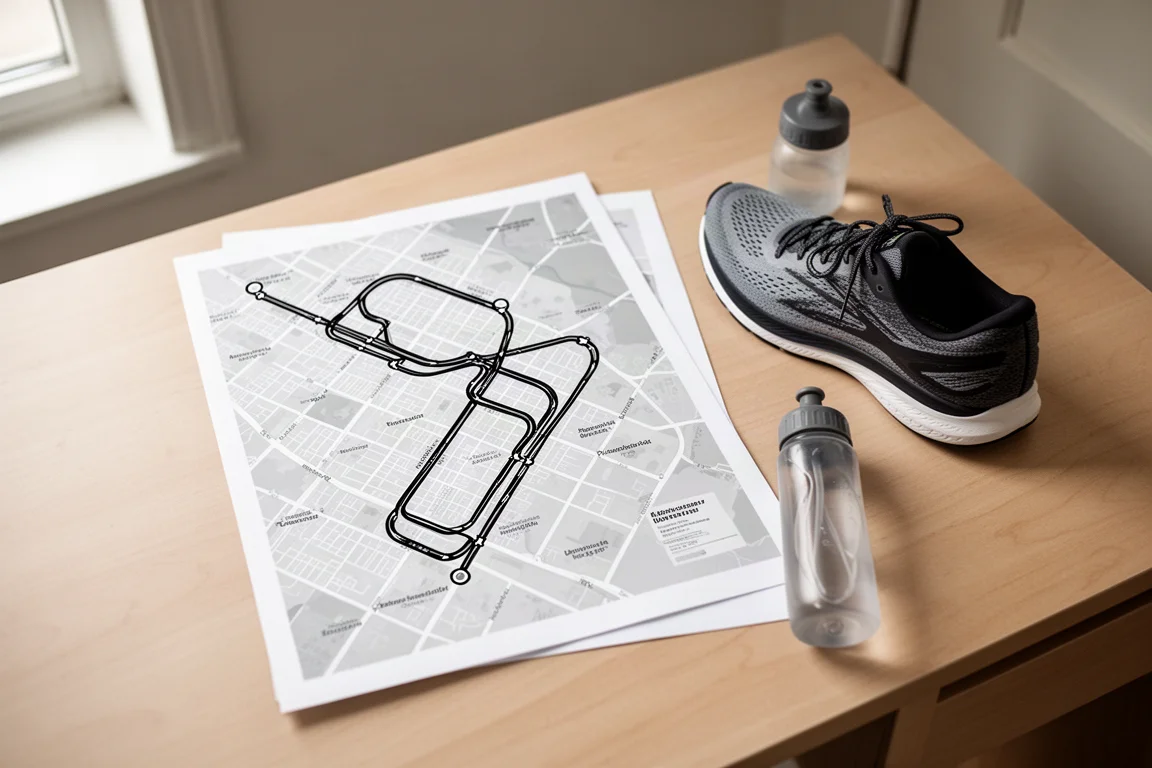
The native workout app is serviceable, but the real edge is in third-party apps. WorkOutDoors is the standout, turning the watch into something comparable to a dedicated sports watch with deep customization, colour maps, and breadcrumb routing for a one-time fee of around seven pounds. iSmoothRun is another strong tracker with excellent data customization and support for the Stryd pod.
There are also recovery-focused apps like Athlytic, which uses heart rate variability and sleep data to give daily recovery and exertion ratings. The breadth of this app marketplace is what elevates the running experience well beyond the native tracking.
Things to Consider Before Buying
Battery life remains the major drawback, and many third-party apps have not yet taken full advantage of the larger screen or the always-on display, so some may show a black ring around the interface for now. Android owners should look elsewhere entirely.
Buying Advice: Series 6 or Series 7?
Unless you specifically want the bigger screen, there is a strong argument for picking up a discounted Series 6 instead, since running performance is essentially the same. If you are coming from a Series 5 or earlier, the upgrade is noticeable, particularly the GPS improvements introduced with the Series 6 generation. The Apple Watch SE is a good smartwatch but lacks the sensors and always-on screen of the higher-end models.
Alternatives worth considering include the Huawei Watch GT 3 with its significantly better promised battery life, and the Garmin Venu 2, which offers rich Garmin sports tracking, longer always-on battery life, and easy pairing with external sensors like a heart rate monitor.
Conclusion
The Apple Watch Series 7 is the best smartwatch for running if you are on iOS, delivering accurate GPS, excellent wrist heart rate tracking, and an unmatched app ecosystem. The 18-hour battery life is a real compromise, and Series 6 owners can skip this generation, but for everyone else it remains the smartwatch to beat.
Product link
View more details for Apple Watch Series 7
This product is mentioned in the review. Check the specifications, options, and compatibility before buying.
View more details for Apple Watch Series 7Further reading
Related Reviews
Smartwatches
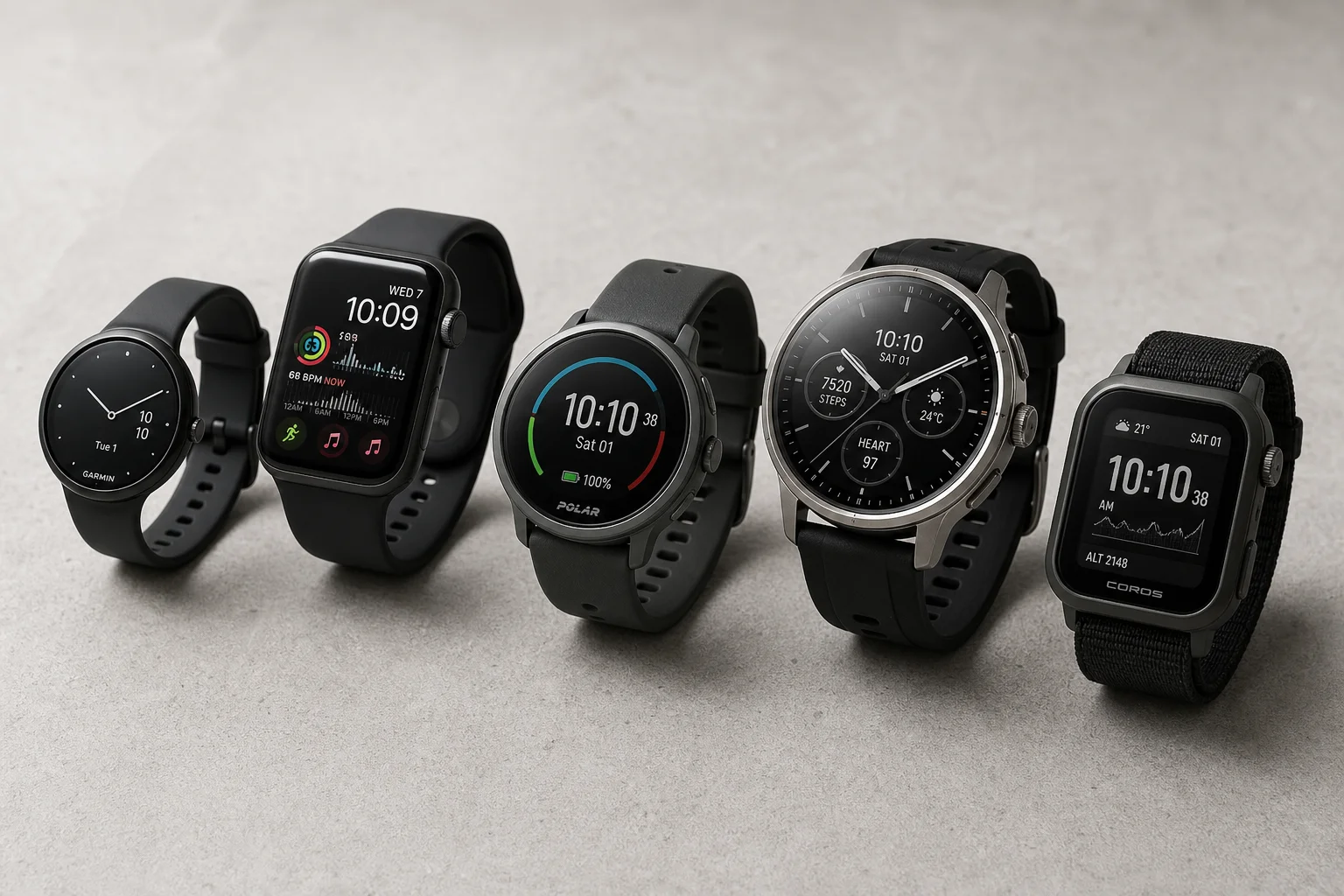
Best Budget Smartwatches 2026: Five Affordable Options That Actually Work
Five budget smartwatches tested for real daily use. From entry-level options to premium features at fraction of the cost, here's what actually delivers.
Smartwatches
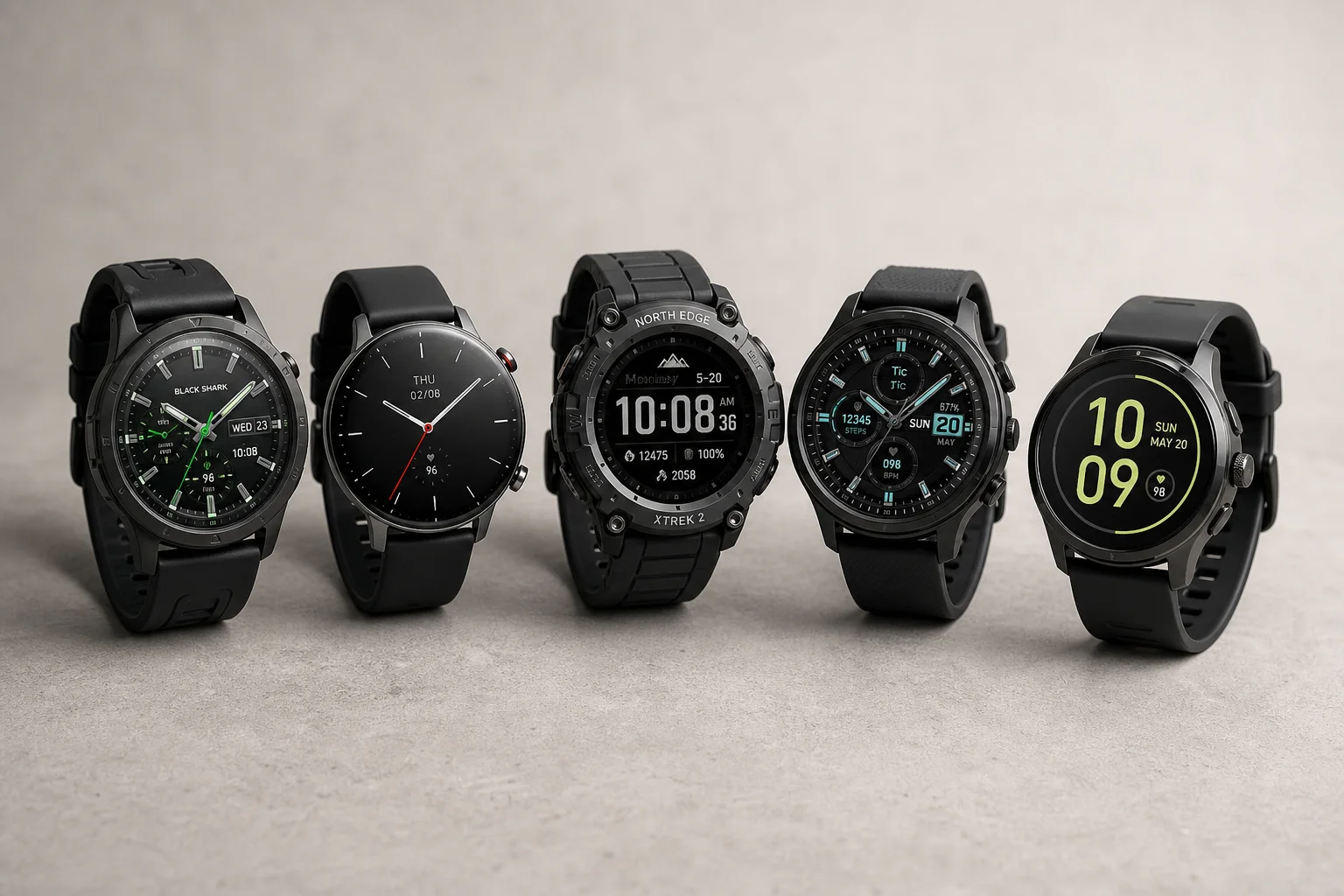
Best Smartwatches on AliExpress 2026: Five Practical Options for Different Needs
Five smartwatches with strong customer feedback and competitive pricing, each suited to different priorities: premium design, battery life, outdoor durability, advanced health tracking, and sports versatility.
Smartwatches
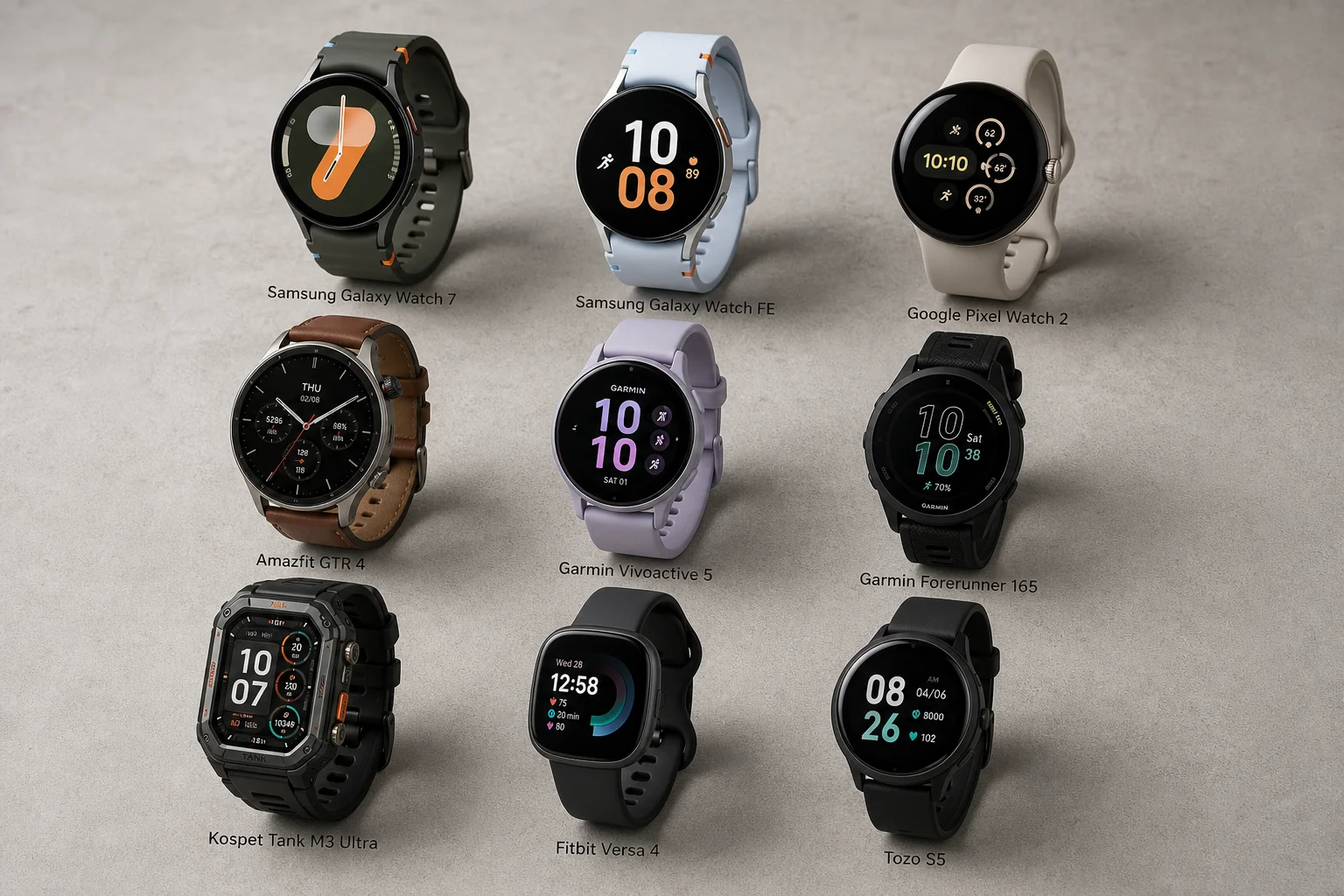
Best Smartwatches Under $300: 9 Practical Options for Every Need
A curated selection of nine smartwatches under $300, each excelling in health tracking, durability, battery life, or fitness features. Find the right match for your lifestyle.