Smartwatches
Apple Watch Series 7 First Run Review: A Modest Step Forward for Runners
The Series 7 brings a bigger, brighter screen and better durability, but the running experience stays largely the same. Here is what matters before you buy.
Introduction
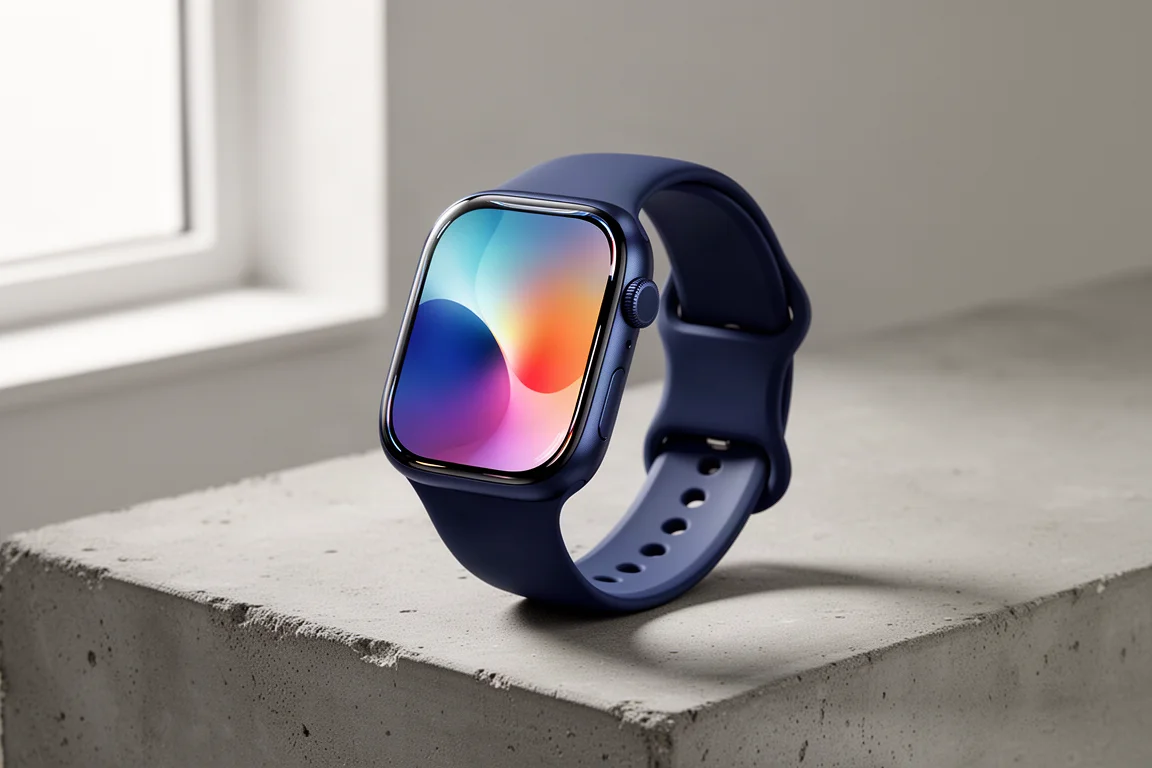
The Apple Watch Series 7 arrives with a familiar recipe: refine the screen, toughen the body, and keep everything else roughly where it was. After a first run with the watch, the early picture is clear. This is a good running watch and a great smartwatch, but whether you should upgrade depends almost entirely on which Apple Watch you own today.
A Bigger, Brighter Screen
The headline change is the display, which is 20 percent larger than the Series 6. Apple achieved this by thinning the borders around the screen, so the case itself is not dramatically bigger: 45mm and 41mm sizes versus 44mm and 40mm previously. On the wrist, it feels broadly the same and just as lightweight, and all watch bands from previous models remain compatible.
The screen also has slightly more curved, rounded edges with a subtle refraction effect visible from the side. In always-on mode it is brighter too, so glancing at the watch without turning your wrist fully is easier. In practice, though, the larger screen does not change much for a basic list of stats. It matters most in data-rich apps with color maps, more data fields, and route following.
Durability Improvements
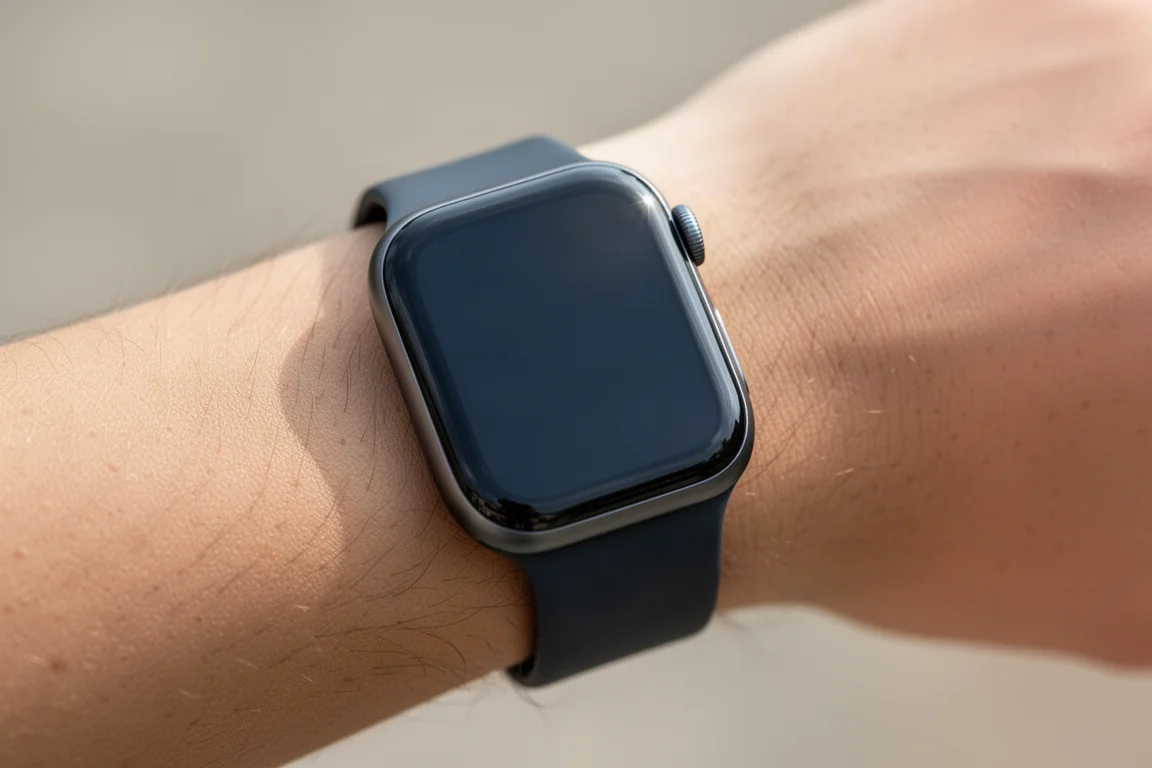
Water resistance is unchanged at 50 meters, and the watch remains swim proof. The Series 7 adds an IP6X dust-resistant rating, and the screen is thicker and more crack resistant than on previous models. Increased durability is always welcome, although the Series 6 already proved hardy in heavy rain and everyday abuse. The dust rating is most relevant if you run or cycle in very dusty environments.
Battery and Fast Charging
Battery life has not changed: you still get a claimed 18 hours, which is impressive given the larger screen. GPS usage varies from around four to six hours depending on music, heart rate tracking, and other settings. This is not a watch built for ultra marathons. It is designed to be charged every day, and that is how you should plan to use it.
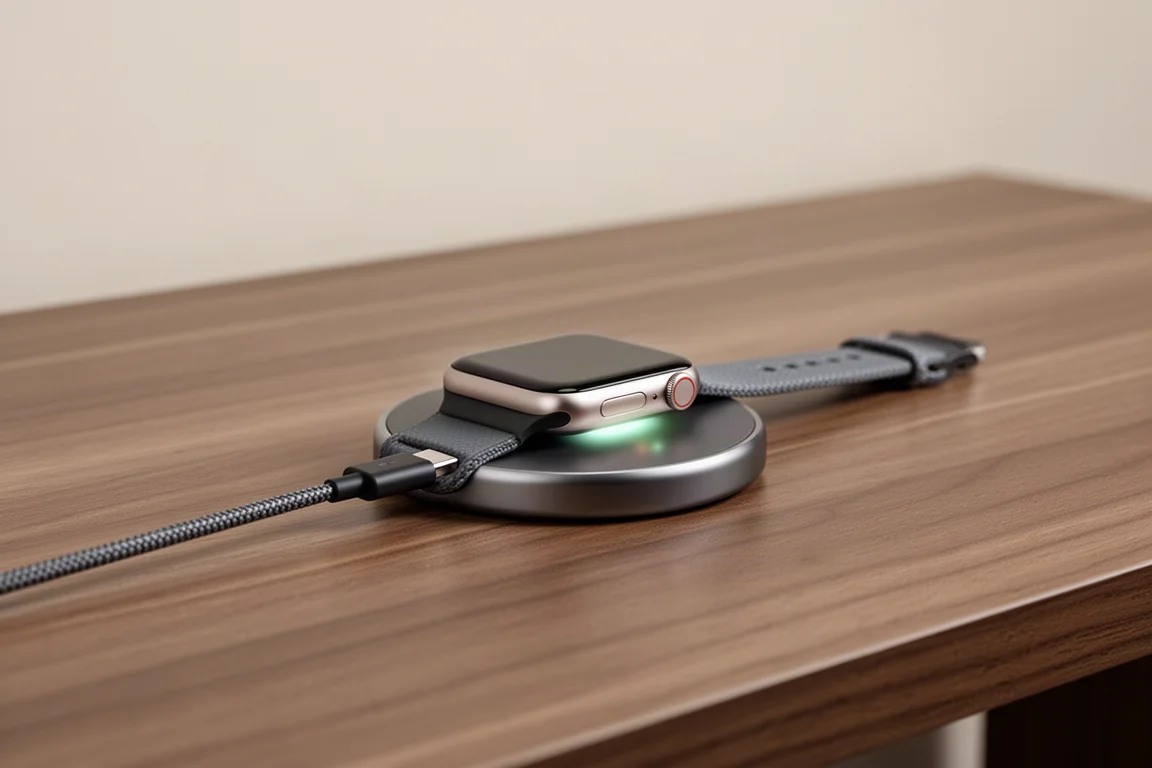
The upside is faster charging. The Series 7 ships with a new USB-C fast charge cable that takes the watch from zero to 80 percent in about 45 minutes. Fast charging requires both the new cable and the new watch, since the coils changed in both; older chargers still work, just at normal speed. There is also a clever trick: an eight-minute charge delivers eight hours of sleep tracking, so you can top up before bed and again in the morning.
How It Performed on a Real Run
On a progression 8km run with strides, the Series 7 performed genuinely well. GPS accuracy looked similar to the Series 6, which was one of the more accurate running watches tested over the past year. Running the same loop three times at increasing pace, the watch nailed the loop distance of roughly 2.4 to 2.5km each time and traced the path closely, smoothing only a couple of corners and outperforming a well-regarded GPS sports watch in the process.
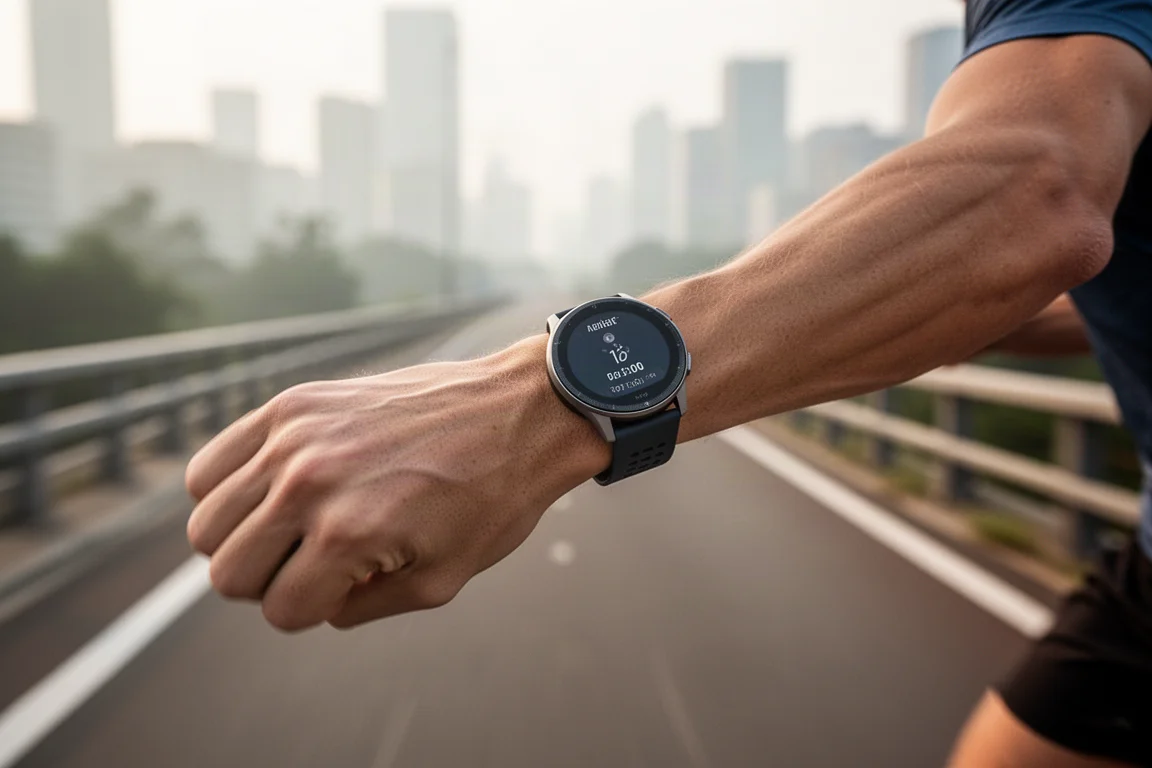
Heart rate tracking was equally impressive. Aside from one large spike at the start of the run, where it briefly appeared to lock onto cadence, the wrist readings followed a chest strap almost beat for beat. The Apple Watch remains one of the best wrist-based optical heart rate monitors around, and you can still pair a chest strap for maximum accuracy.
The usual limitations of the native Workouts app remain, however. There is no lap pace stat, and while you can take a split by double tapping the screen, you only get a quick flash of stats rather than ongoing split data like average pace, heart rate, and distance per split. The native app is basic, designed for casual everyday runs. Third-party apps such as WorkOutDoors fill that gap and will benefit from the bigger screen with color maps and more data fields.
Battery during real use matched expectations. Starting a run at 92 percent, the watch was down to around 75 percent three and a half hours later. Charging overnight and running during the day leaves you with 30 to 40 percent at the end of it, even after tracking something as long as a marathon. Only longer runs combined with sleep tracking force you to plan charging around your day.
New Features Worth Knowing
There are a couple of new watch faces, including a Contour face that wraps around the expanded screen. Five new aluminum colors join the lineup: Midnight, which is a very dark indigo rather than true black, a lighter blue, red, green, and the silvery-gold Starlight, alongside the usual stainless steel options.
Automatic cycling detection is another addition: start a bike ride and the watch will notice and prompt you to begin a workout. Calorie tracking in cycling mode has also improved, a nice touch for e-bike riders.
Pricing shifted slightly depending on region. In the UK it starts from £369, ten pounds less than the Series 6 launch price of £379, while in the US it remains from $399.
Buying Advice
If you already own a Series 6, there is not enough here to justify an upgrade. The bigger screen is a nice addition but unlikely to make a big difference in most situations, and the Series 6 already held up well against rain and general wear. If you run or cycle in dusty conditions, the new IP6X rating might tip the balance.

If you are coming from an older Apple Watch such as the Series 2 through 5, the picture is different. The GPS improvement introduced with the Series 6 made these watches genuinely viable as a main running watch, something earlier versions could not manage due to smoothed corners and shortened runs. The Series 7 carries that forward.
Conclusion
The Apple Watch Series 7 is a modest improvement on the Series 6: a nicer screen, better durability, and faster charging wrapped around an already excellent running and smartwatch experience. It still lacks the training analysis and multi-day battery life of dedicated sports watches, and it remains a charge-everyday device. But for runners who want a smartwatch first that can genuinely double as a running watch, it remains one of the strongest options available. Just do not expect a huge leap if you are upgrading from the previous generation.
Product link
View more details for Apple Watch Series 7
This product is mentioned in the review. Check the specifications, options, and compatibility before buying.
View more details for Apple Watch Series 7Further reading
Related Reviews
Smartwatches
Best Budget Smartwatches 2026: Five Affordable Options That Actually Work
Five budget smartwatches tested for real daily use. From entry-level options to premium features at fraction of the cost, here's what actually delivers.
Smartwatches
Best Smartwatches on AliExpress 2026: Five Practical Options for Different Needs
Five smartwatches with strong customer feedback and competitive pricing, each suited to different priorities: premium design, battery life, outdoor durability, advanced health tracking, and sports versatility.
Smartwatches
Best Smartwatches Under $300: 9 Practical Options for Every Need
A curated selection of nine smartwatches under $300, each excelling in health tracking, durability, battery life, or fitness features. Find the right match for your lifestyle.