Smartwatches
Apple Watch Series 11 Review: A Lovely Smartwatch That Is Almost a Running Watch
The Apple Watch Series 11 brings tougher glass, longer battery life, 5G and new health features, but dedicated sports watches still hold the edge for serious running.
Introduction
The Apple Watch Series 11 is the latest version of Apple’s standard smartwatch, sitting below the Apple Watch Ultra 3 in the lineup. It is a fair bit cheaper than the Ultra and not quite as sports-focused, but it is still a pretty competent running watch all round. It comes in at £369 or $399, so value matters to this review.
Compared with the previous model, the changes start with the colors: there are now seven options, including a new natural titanium finish. Both titanium and aluminum models are available, and across the board you get a tougher screen. The Ion-X glass on the standard aluminum watch is claimed to be two times more scratch-resistant than before, while the titanium model uses sapphire crystal. Battery life is boosted too, with 24 hours on a charge, up from 18 hours, plus 38 hours in low power mode and 8 hours of GPS workout tracking, up from 7 on the Series 10. There is also new 5G connectivity support.
Design and Everyday Wearability
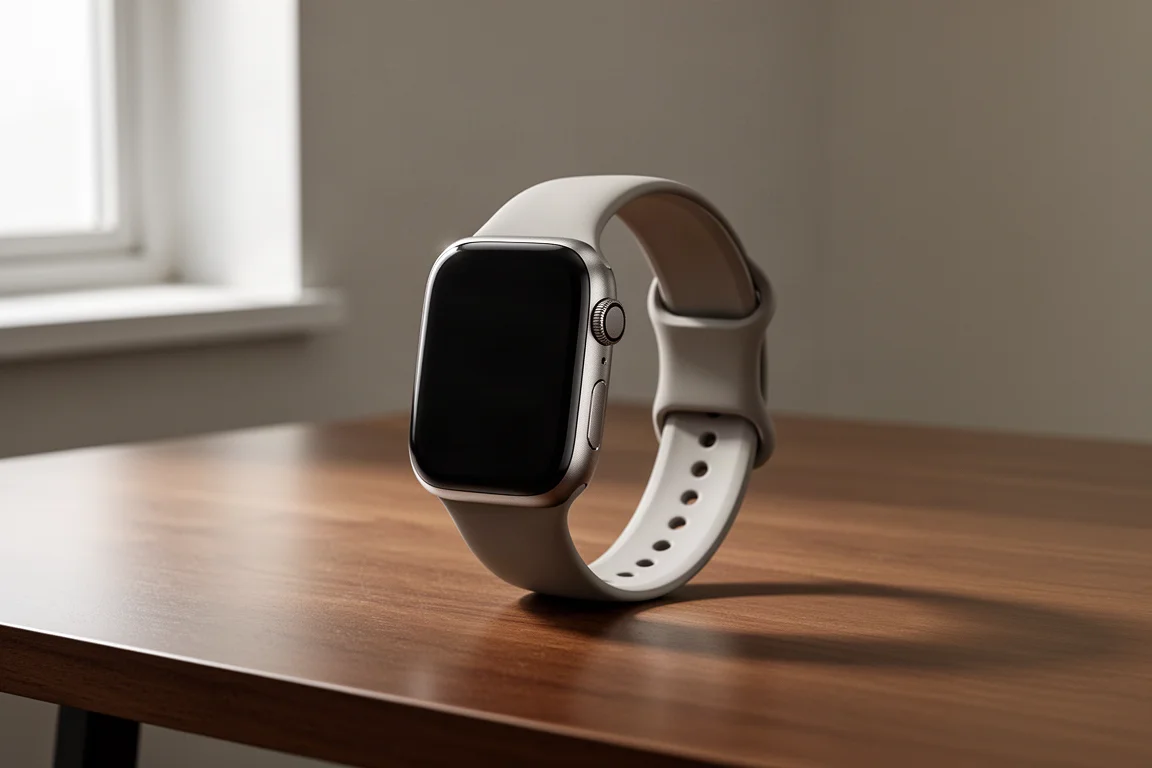
This is a small, thin, lightweight and attractive watch. You still get just two buttons, one of which is a digital dial, but there is no action button like on the Apple Watch Ultra, which means no dedicated lap button. The 46mm version strikes a nice balance between size, comfort, screen real estate and all-day wearability. It is among the lighter watches to wear and is easy to sleep in, yet still feels solid and robust on the wrist. Compared to the smaller Series 10, which felt a bit dainty, the larger Series 11 has a bit more heft, in a good way. If you have a smaller wrist, the compact smaller Series 11 fits that bill too.
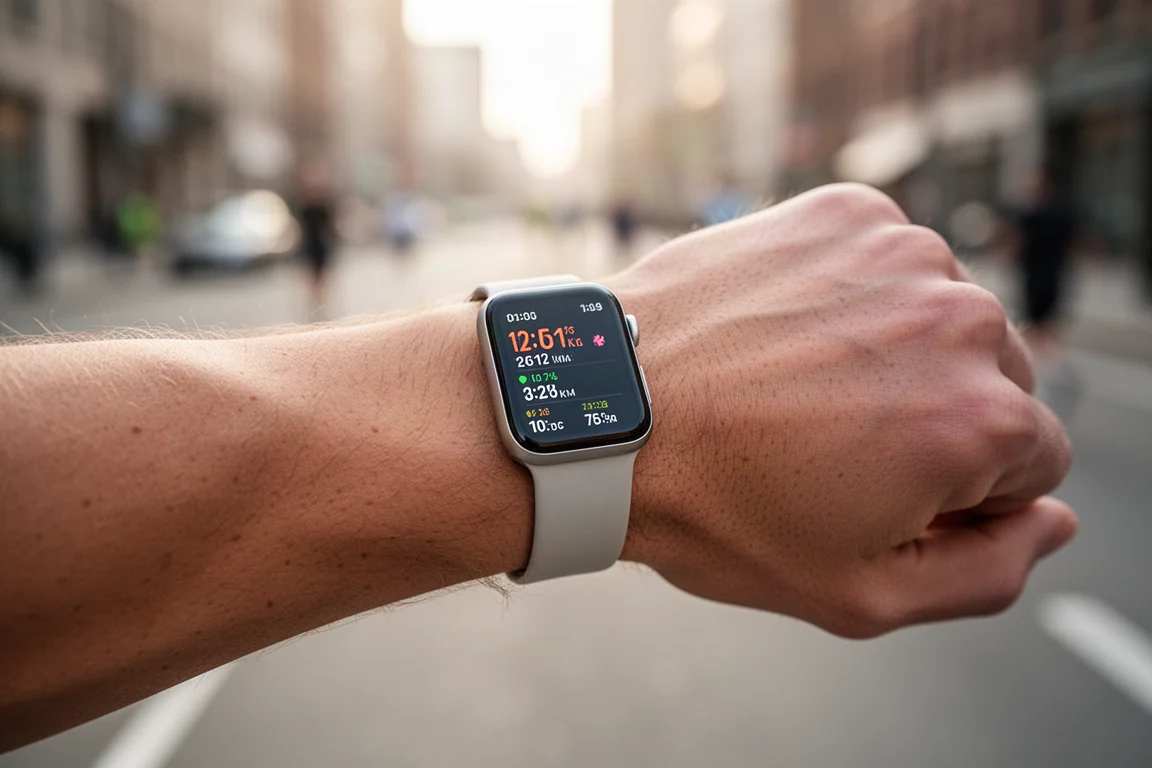
The display is good, though not the brightest available. Rivals pump out 3,000 nits compared to the 2,000 nits here, but it is still easy to read in all light conditions with plenty of real estate for stats. You can show around six stats on screen mid-run, customization is extensive, and you can pair it back to a single main metric if you prefer. The improved scratch resistance is very welcome, especially since the screen sits more exposed than on the Ultra’s bezel-protected design. In testing, the watch showed no wear and tear and no scratches.
Battery Life and Charging
Battery life has improved, with a qualifier: it is a genuine boost for a smartwatch, but nowhere near what dedicated running watches offer. In testing, the watch lasted around a day and a half with 2 hours of GPS tracking. For comparison, when used side by side on the same activities, the Apple Watch Ultra 3 was still on 40% battery when the Series 11 died. A one-hour GPS run burned between 11 and 15%, and in a 2-hour 50-minute marathon the Series 11 burned 32%, almost double what the Ultra 3 used over a similar race.
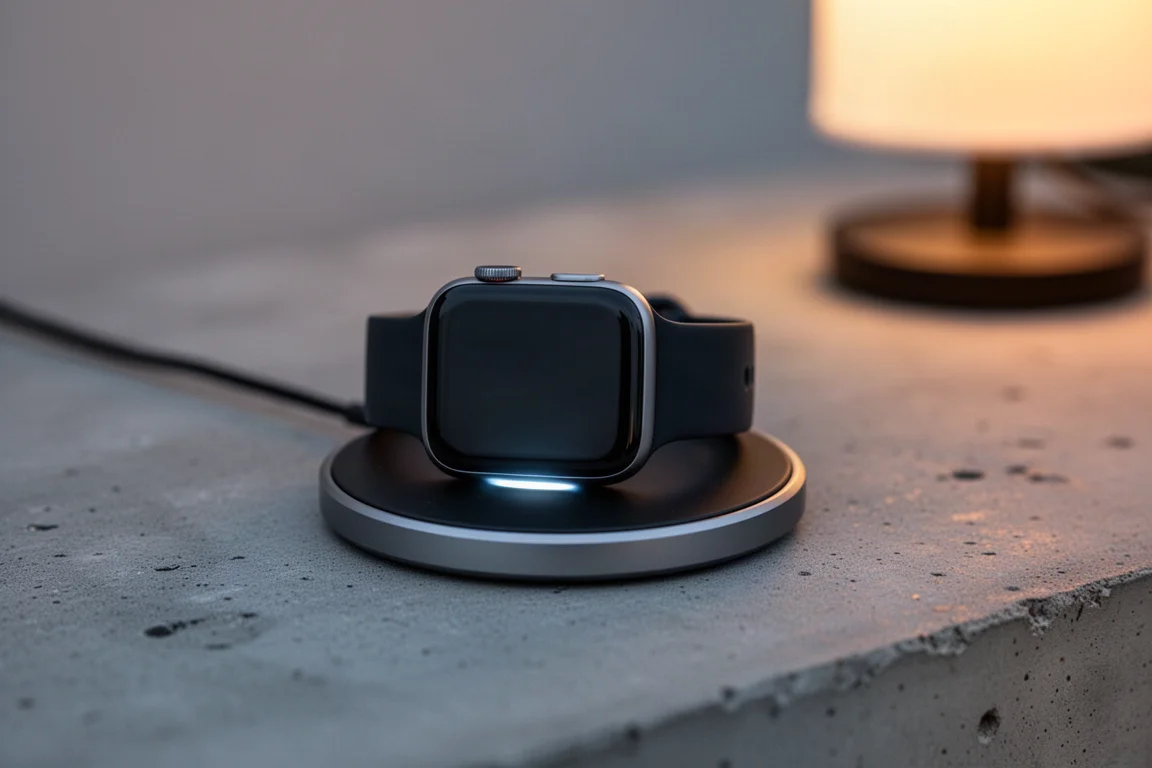
Overnight drain averaged around 13%, down from 17% on the Series 10, which is a positive. Fast charging goes a long way to offsetting the shortfall: 80% in just 30 minutes, and a short 15-minute top-up reportedly delivers around 8 hours of use. Even so, you will need to find time to charge it each day, which is worth thinking about if you travel or do long workouts regularly.
GPS and Heart Rate Accuracy
There is no multi-band GPS on this watch, which you do get on the Apple Watch Ultra 3 and most sports watches these days. Dual-band tracking is a bit more accurate than the all-systems GPS you get here. In practice, though, GPS performance was solid: in urban areas with underpasses and parks, and on a rural 9-miler, the watch locked to paths well and logged distances closely matching the pricier dual-band Ultra 3. In the Dublin Marathon it registered 42.5 km against the multi-band Garmin Forerunner 970’s 42.4 km, hitting the markers at the same times, which is bang on in practice.

Heart rate accuracy was largely reliable against a chest strap benchmark. During a steady 10K, average and max readings came in identical to the strap. On a hillier 9-miler with intensity shifts, averages came in about three beats per minute higher, and the max read noticeably higher at 172 bpm against 164 from the strap. That is pretty standard optical heart rate behavior, and readings have been consistent even in colder conditions with a tightly fitted nylon strap. Tracking can take a while to kick in at the start of a workout, and you can always pair a chest strap over Bluetooth for more reliable readings.
Health and Sleep Features
New software features arriving with the Series 11 include hypertension notifications, which use the heart rate sensor to detect patterns in blood flow that might indicate hypertension. These kick in, or not, after about 30 days of tracking, and any notification is worth confirming with a proper blood pressure monitor.
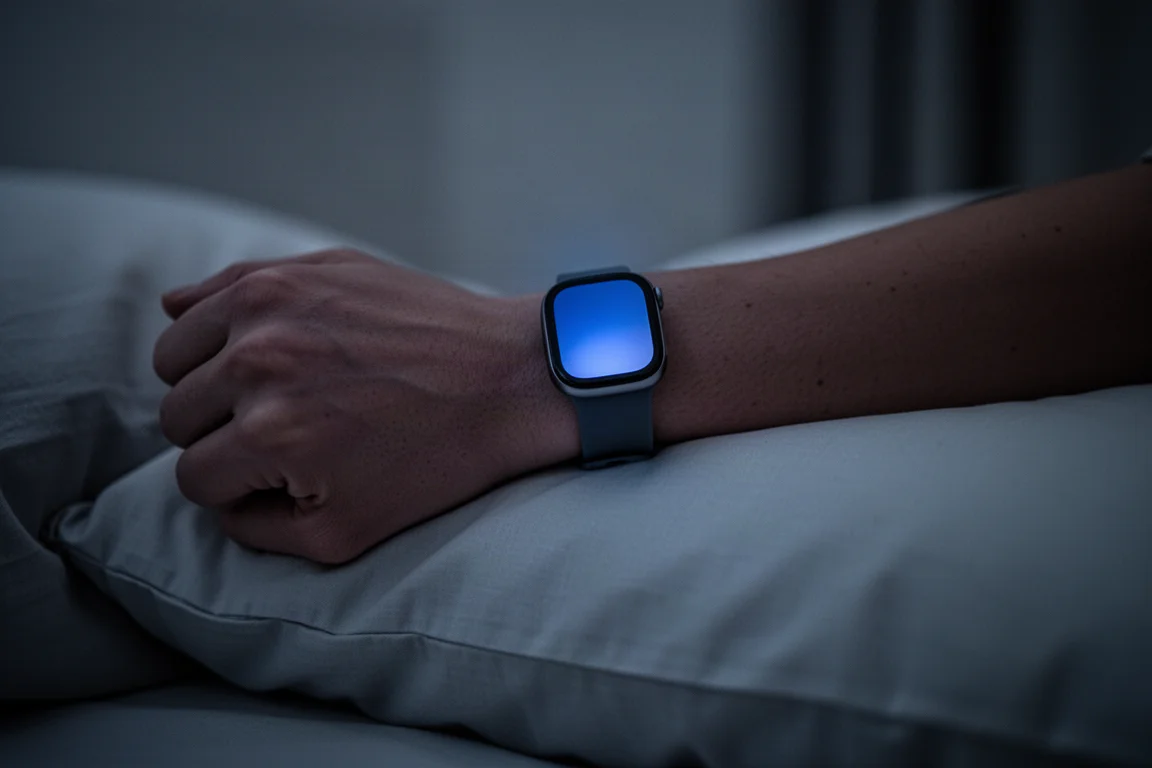
There is also Apple’s new sleep score, rating your sleep out of 100 based mainly on duration, bedtime consistency and interruptions. What stands out is the transparency of how it is calculated: you can see exactly where you score points across each category. One caution: two Apple Watches worn simultaneously sometimes produced sleep scores around 10 points apart, so it is sensible to focus on sleep and wake times and take the rest with a pinch of salt. Apple’s workout buddy also adds a bit of voice guidance during workouts, chatting about pace over your last split or yearly mileage.
Things Runners Should Consider
For keen amateur runners, a few niggles add up. The lack of a lap button is a pain: even with third-party apps like WorkOutDoors that let you configure buttons for laps, you have to press two at once, while other two-button watches let one act as a lap button. If you configure segments in advance, the reported pace and distance at the end of a segment can change slightly in the app afterwards, which is fiddly for structured track sessions.
Training analysis is also limited compared to dedicated sports watches. The native system relies on you rating your exertion for each workout, which is a good idea, but it is far less extensive than the training load data and suggested workouts you get from Garmin, Suunto or Coros. Third-party apps can plug some gaps, but they did not feel as on point for an experienced runner. The overall running experience also feels somewhat disjointed, with data spread across the Fitness and Health apps, and the Series 11 brings nothing fundamentally new for core run tracking compared to the Series 10.
Buying Advice
If you own a Series 10, there is little reason to upgrade: the tougher glass and longer battery are welcome but not game changers, and Apple rolls out feature updates to older models too. Coming from a Series 8 or earlier, this is a definite step up and a notable upgrade.
If running is your priority, dedicated sports watches at the same price or less are strong alternatives: the Coros Pace Pro, Suunto Run and Garmin Forerunner 165 all offer excellent sports features, with better battery life and deeper training analysis. The Garmin Venu 4 is a solid middle ground with music storage, NFC payments and a small app store. If you go ultra distances or need multi-day battery, the Apple Watch Ultra 3 (or Ultra 2) is the better running watch, adding dual-band GPS, a lap button and precision start, at the cost of a bulkier design. And if you spot the Series 10 on sale, it remains very much worth considering over this.
Conclusion
The Apple Watch Series 11 is a lovely piece of kit: small, slim, slick and packed with smart features, with increasingly good running credentials and reliable GPS and heart rate tracking. It is arguably still the smartest running watch in the business for taming daily life. But it falls short as a dedicated running watch, with short battery life, no lap button and lighter training analysis. Buy it for everything it does well beyond running, and treat the running as a bonus. As a runner, a Garmin makes more sense; as a smartwatch that can handle running, the Series 11 deserves a place on the short list.
Product link
View more details for Apple Watch Series 11
This product is mentioned in the review. Check the specifications, options, and compatibility before buying.
View more details for Apple Watch Series 11Further reading
Related Reviews
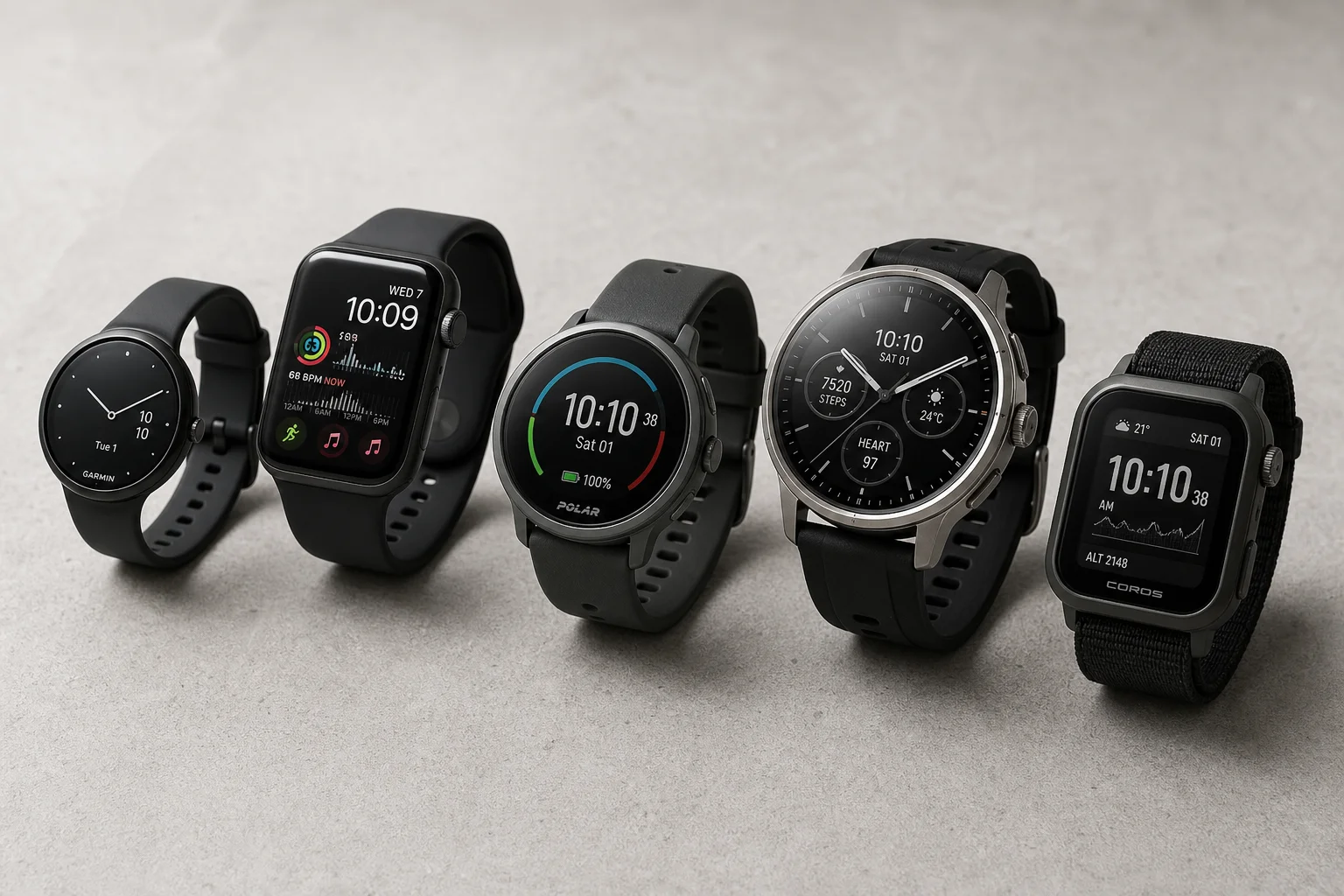
Smartwatches
Best Budget Smartwatches 2026: Five Affordable Options That Actually Work
Five budget smartwatches tested for real daily use. From entry-level options to premium features at fraction of the cost, here's what actually delivers.
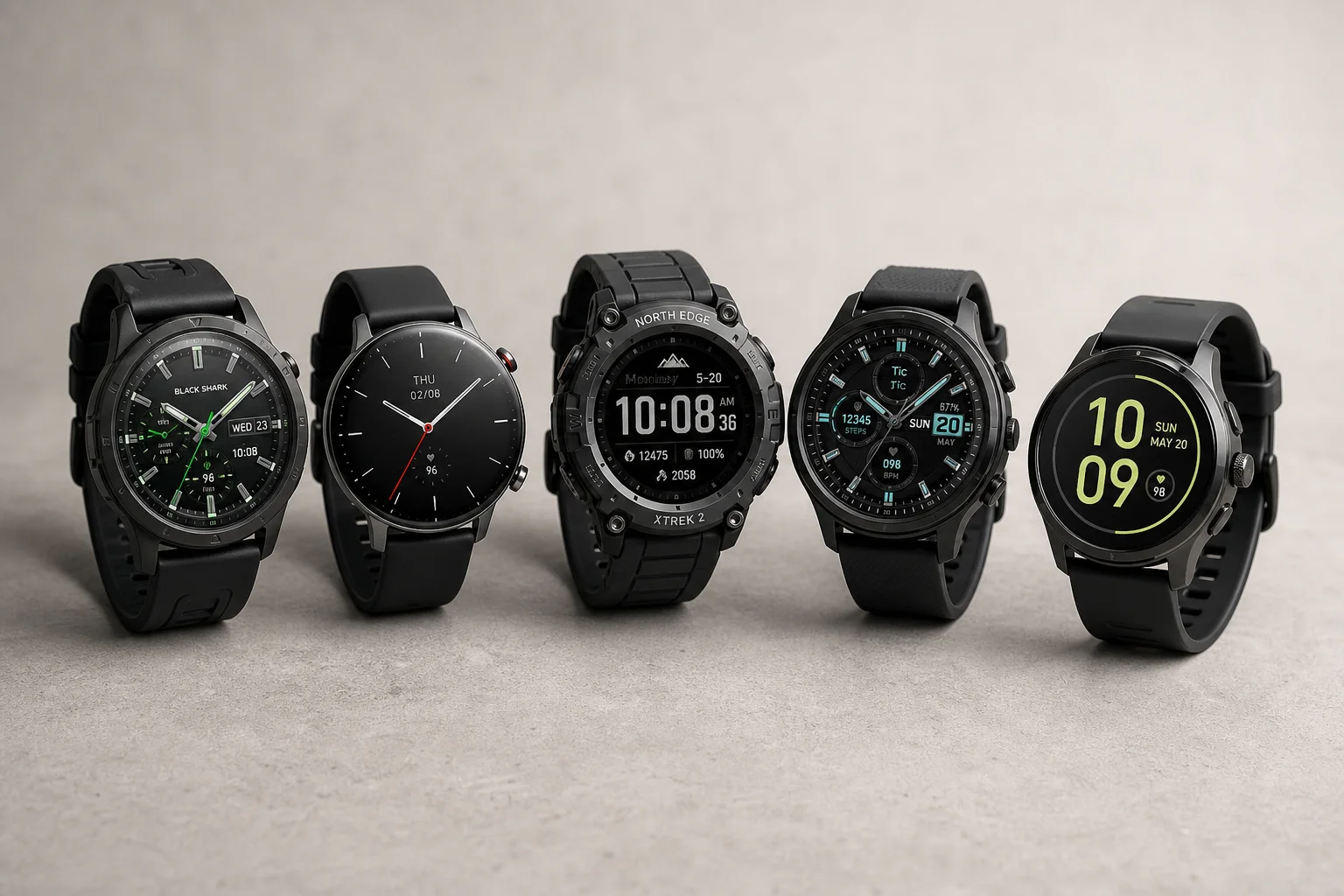
Smartwatches
Best Smartwatches on AliExpress 2026: Five Practical Options for Different Needs
Five smartwatches with strong customer feedback and competitive pricing, each suited to different priorities: premium design, battery life, outdoor durability, advanced health tracking, and sports versatility.
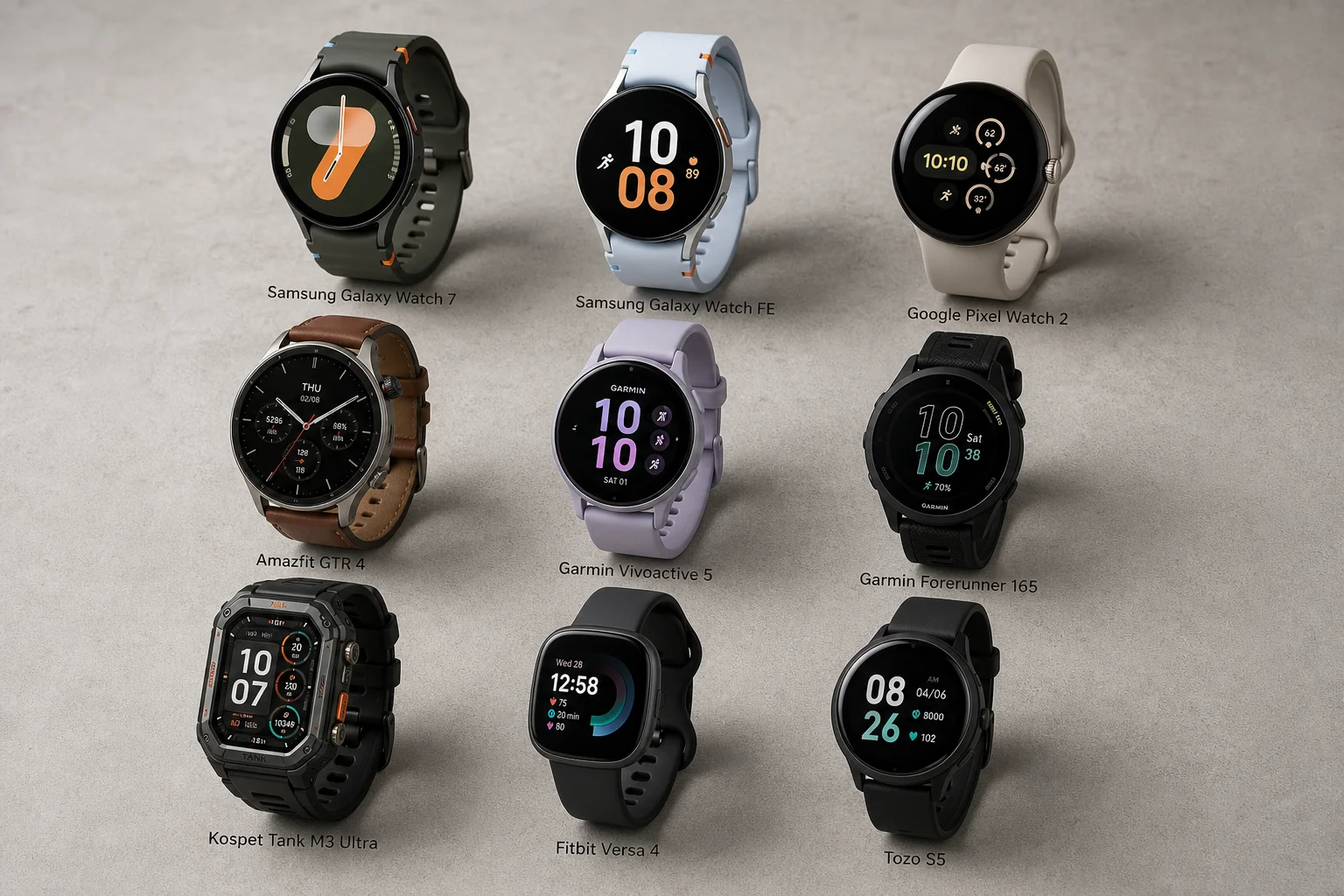
Smartwatches
Best Smartwatches Under $300: 9 Practical Options for Every Need
A curated selection of nine smartwatches under $300, each excelling in health tracking, durability, battery life, or fitness features. Find the right match for your lifestyle.