Smartwatches
Apple Watch Series 11 First Impressions: More Battery, Tougher Glass, and a Familiar Formula
Early running and everyday testing of the Apple Watch Series 11, covering battery life, GPS and heart rate accuracy, sleep score, and whether it earns an upgrade from the Series 10.
Introduction
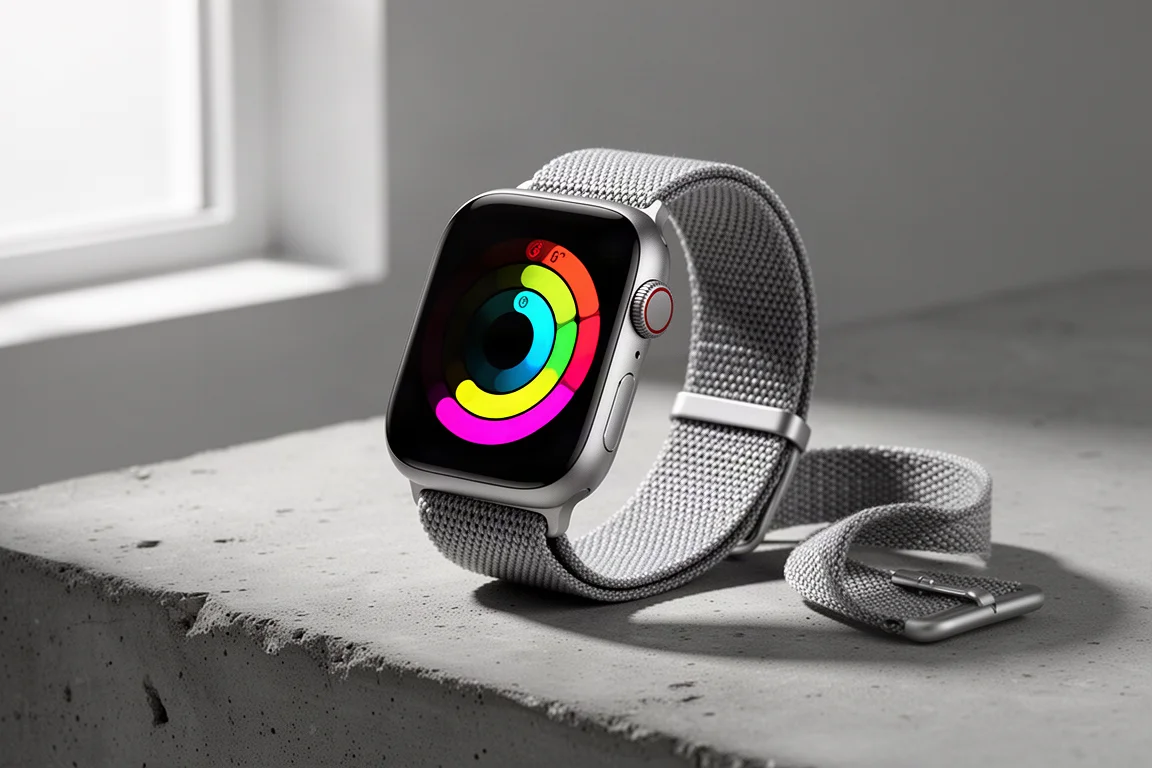
September launch season has delivered another round of Apple Watches, and the Apple Watch Series 11 is the one most runners and everyday users will actually consider. After several days of wear and a handful of runs, the headline is familiar: this is very much the Series 10 formula, refined rather than reinvented. You get a slightly longer battery life, tougher screen glass, new 5G connectivity, and fresh health features like hypertension tracking and a sleep score. The design, sensors, and core running experience remain largely unchanged.
That is not necessarily a bad thing. The Series 10 was already one of the sleekest and most capable smartwatches you can wear, and the Series 11 keeps those strengths while nudging the weak spots in the right direction. The question is whether those nudges are enough, especially if you already own a recent model.
What’s New on the Series 11
The design is nearly identical to the Series 10. You get the same two sizes and the same thickness, with the main differences arriving in color choice and screen protection. There are seven finishes instead of six, including a new natural titanium option. Aluminium models now use tougher Ion-X glass against scratches, while the titanium version gets sapphire glass.
On the inside, the GPS and heart rate sensors are the same as the Series 10, and it runs watchOS 26, which will also roll back to the previous model. That software brings features like Workout Buddy and the ability to create and track structured workouts on the watch. The genuinely new hardware addition is 5G connectivity, which the Series 10 does not offer.
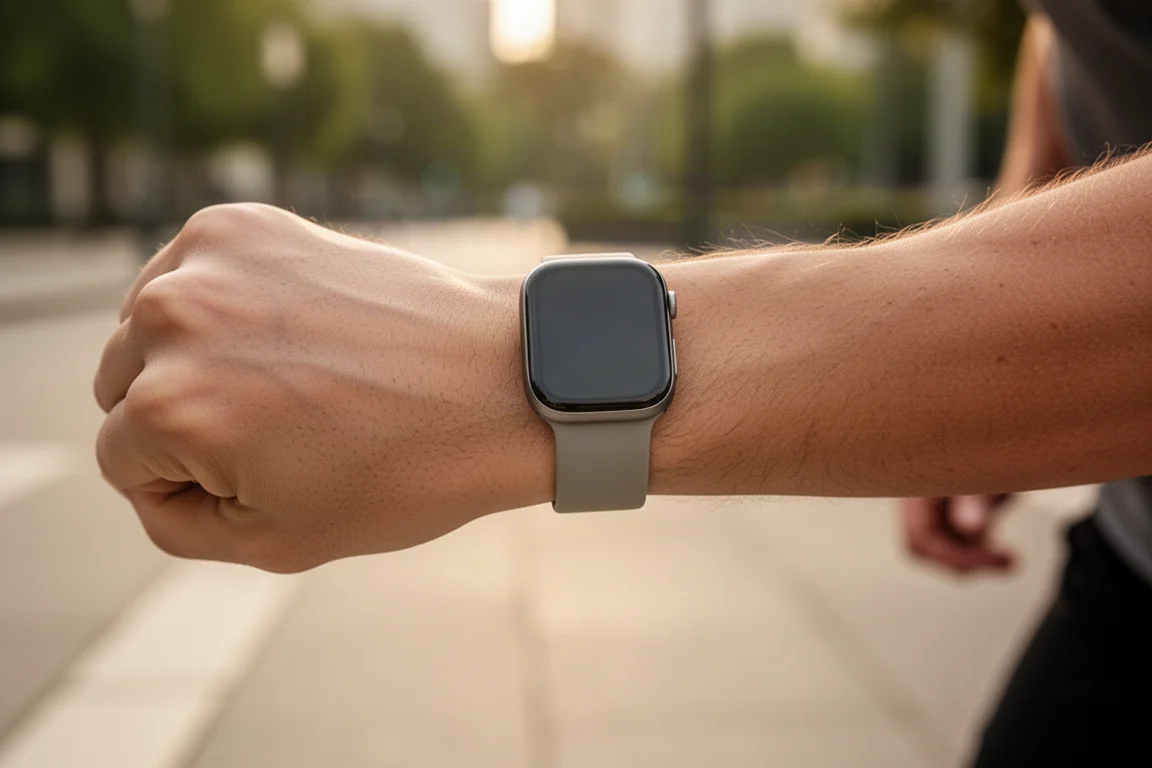
Battery life is the other meaningful change. Apple has pushed the claimed battery life from 18 hours to 24 hours, with low power mode extending from 36 to 38 hours and GPS battery life moving from 7 to 8 hours. These are not dramatic gains, but they lift the flagship series model closer to something you can wear through a full active day without thinking about the charger.
Design and Everyday Wear
The slim, sleek profile remains the standout. Despite the large screen, it feels small and weightless on the wrist compared with bigger sports watches, and the 46mm version strikes a nice balance between size and wearability. It is light enough to sleep in, yet feels solid and robust. The display is sharp, bright, and easy to read, with plenty of real estate for stats. Apple’s flagship Ultra gets the brighter panel, but for most conditions the Series 11 screen is excellent.
Two design limitations carry over. There is still no dedicated button for taking laps during workouts, which seems like an easy fix given the watch has two buttons, and there is no dual-band GPS. Both were gripes with previous models, and both remain.
Battery Life in Early Testing
The improved battery is noticeable in use. A full day passes comfortably even with a long run included, and you are vaguely aware of always having a bit more left than with previous models. In one test cycle, the watch lasted a day and a half with two hours of GPS tracking and medium smartwatch use before dying. Overnight burn measured 13 percent, down from 17 percent on the Series 10.
During roughly hour-long runs, the watch consumed between 11 and 15 percent of battery, slightly faster than the official figures implied and a touch higher than what earlier tests on the Series 10 recorded. A 40-minute run with a warm-up on top cost less than 10 percent. Dedicated running watches still go up to a week on a charge, but the fast charging helps: 80 percent in 30 minutes goes a long way toward offsetting the shorter endurance.
GPS and Heart Rate: Reliable With Limits
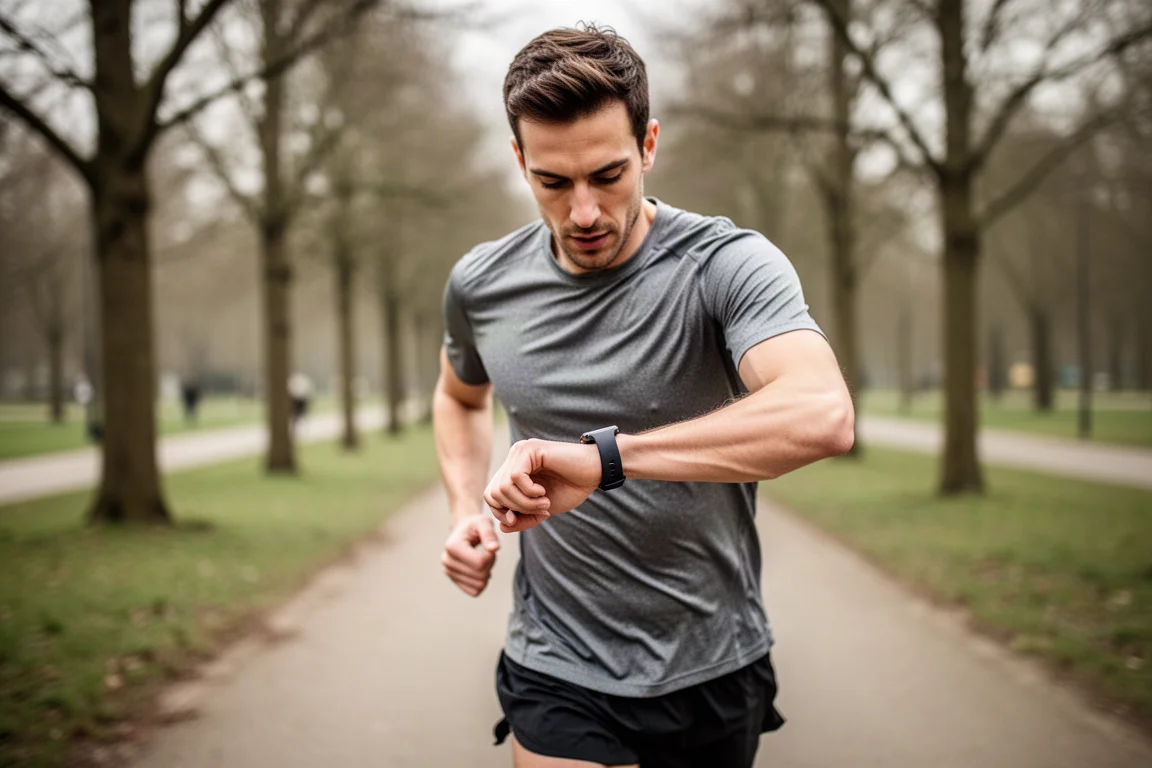
The Series 11 uses the same single-band GPS setup as the Series 10, so it does not have the dual-band precision of the Ultra models. In practice, GPS tracks were a bit more erratic at corners compared with dual-band watches, though overall pacing and distance stats were solid. On a 10K through urban areas with underpasses and parks, and a nine-miler in open countryside, it stayed locked to paths and logged distances closely matching the Ultra 3. For general use, most runners will not notice the difference, though dense city centers may expose it.
Heart rate performance has been strong. During a steady 10K, the averages and max reads matched a chest strap exactly. On a hillier nine-mile run, the average came in three beats per minute higher and the max read 172 versus 164 on the strap. Some good, some not perfect, but very respectable for an optical sensor, and in one comparison it actually tracked better than the Ultra 3.
One long-standing frustration has been fixed: split pace no longer reads too slow at the start of each lap before gradually correcting. Since recent software updates, split pace information is genuinely solid, which makes a real difference in races and steady sessions.
Still missing are the sports-specific extras. There is no precision start showing GPS and heart rate lock before you begin, something that feels unnecessarily restricted to the Ultra line, and the lap button limitation mentioned above. The new workout app layout is an improvement, and creating structured workouts in the Fitness app on the phone works well with the watch.
Sleep Score: Accurate Tracking, Generous Scoring
The new sleep score is a welcome addition, even if most rivals have offered one for years. The transparency of the scoring is genuinely useful, showing how points accumulate across duration, consistency, and interruptions. The underlying sleep tracking is very accurate, better at catching nighttime interruptions than some rival systems.
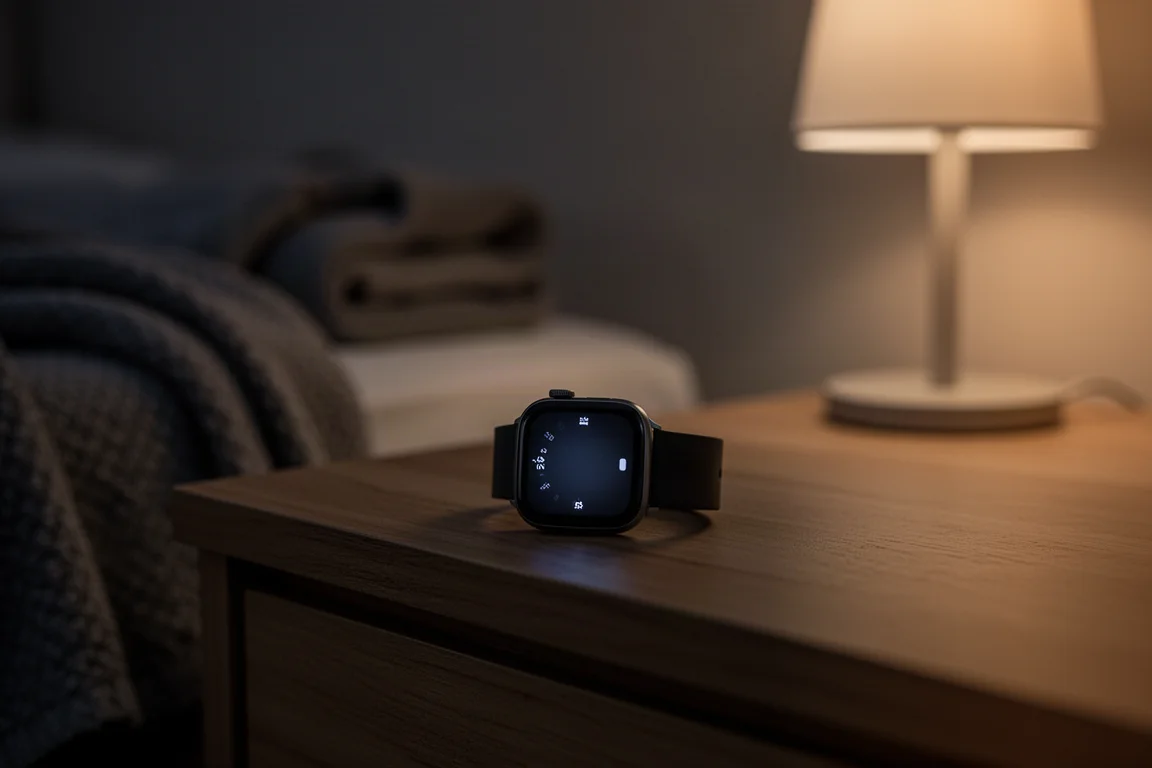
The score itself, however, can look artificially generous. Consistent bedtime and total duration alone can deliver 60 or 70 points, so even a badly interrupted night can still produce a high number. Testing side by side with another watch also produced scores that sometimes differed by 10 points. Take the final number with a pinch of salt; the raw tracking underneath is the more trustworthy part.
Workout Buddy, the new AI-powered feature, has been less impressive. So far it mostly repeats your stats in a slightly different way at each split, without adding anything you could not already see on your wrist. There is scope for it to become more useful once it accumulates more of your data, but in its current form it feels more marketing than substance.
Series 11 vs Series 10: Should You Upgrade?
If you own a Series 10, the honest answer is probably not yet. The design is near identical, the sensors are the same, and the headline watchOS 26 features roll back to the older model. The real differences are battery life, tougher glass, 5G, and the new blood pressure and sleep score features. Those may be enough for some buyers, but nothing here feels like a big leap forward.
If you are coming from an older Apple Watch or entering the ecosystem for the first time, the Series 11 is now the best Apple Watch you can buy, and its price has held steady while many sports watch rivals have gone up in price this year. That makes its value proposition look sharper, especially against competitors that now cost considerably more.
Buying Advice: Who Should Choose the Series 11
Choose the Series 11 if you want the smartwatch first and the running watch second. Nothing in this bracket rivals Apple for daily life tools, third-party apps, interface polish, and build quality, and the Series 11 is increasingly capable as a running companion. With the right third-party apps, it can do almost everything a dedicated run watch can.
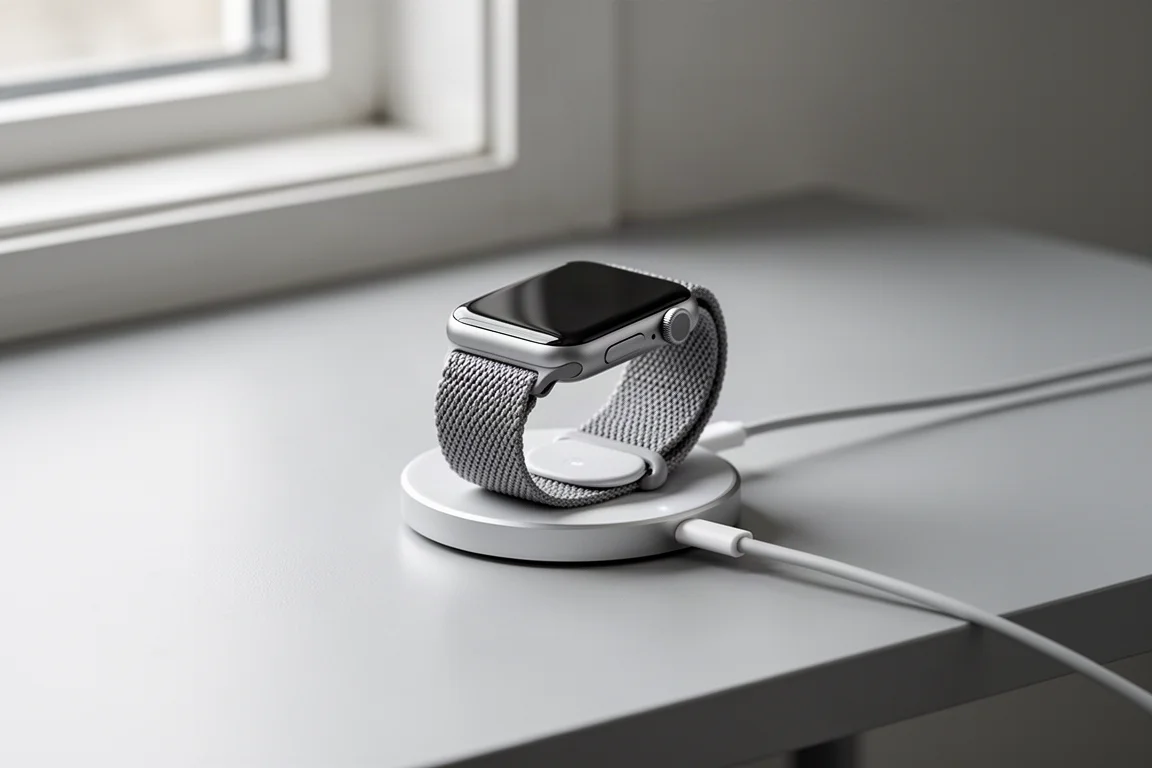
If you are primarily a runner who wants buttons in the right places, multi-band GPS precision, and multi-day battery, dedicated sports watches still do that job better, and some now cost less than this watch. For ultra distances or regular off-grid adventures, the Ultra line with its satellite messaging and safety tools remains the Apple option to pick. Everyone else gets a beautifully made, accurate, and polished watch that lasts about a day and a half per charge.
Conclusion
The Apple Watch Series 11 refines rather than reinvents. You get a lovely design, reliable GPS and heart rate tracking, a very good display, better battery life, and new health features including a sleep score and hypertension tracking. It still lacks the run-specific features of dedicated sports watches and the precision GPS of the Ultra, but at a steady price in a market where rivals have climbed in cost, it remains one of the smartest and most attractive fitness watches you can buy. Owners of a Series 10 can wait; almost everyone else can buy with confidence.
Product link
View more details for Apple Watch Series 11
This product is mentioned in the review. Check the specifications, options, and compatibility before buying.
View more details for Apple Watch Series 11Further reading
Related Reviews
Smartwatches
Best Budget Smartwatches 2026: Five Affordable Options That Actually Work
Five budget smartwatches tested for real daily use. From entry-level options to premium features at fraction of the cost, here's what actually delivers.
Smartwatches
Best Smartwatches on AliExpress 2026: Five Practical Options for Different Needs
Five smartwatches with strong customer feedback and competitive pricing, each suited to different priorities: premium design, battery life, outdoor durability, advanced health tracking, and sports versatility.
Smartwatches
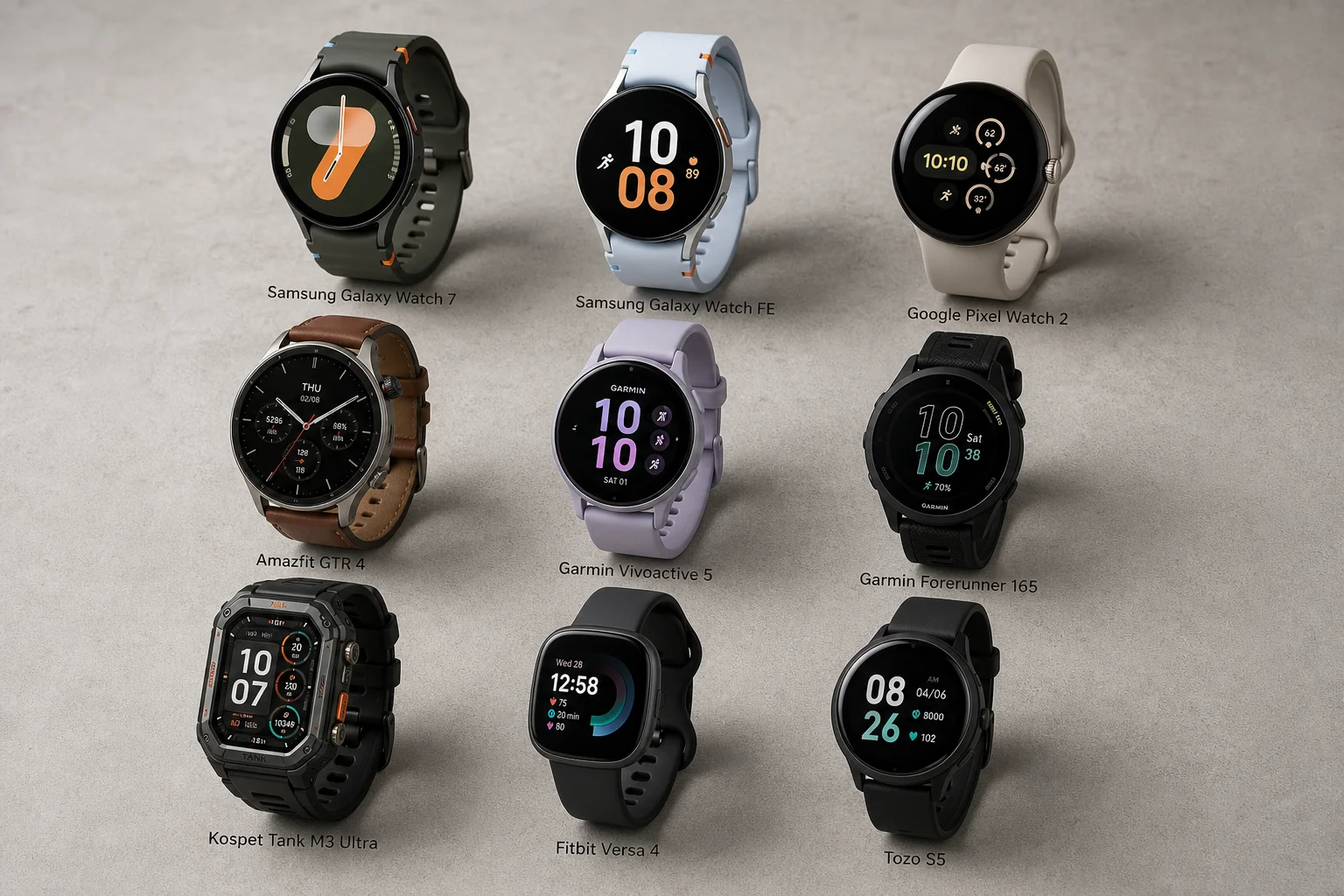
Best Smartwatches Under $300: 9 Practical Options for Every Need
A curated selection of nine smartwatches under $300, each excelling in health tracking, durability, battery life, or fitness features. Find the right match for your lifestyle.