Smartwatches
Apple Watch Series 10 vs Ultra 2: Which One Actually Fits You Best?
They share roughly 90% of the same features, so the real decision comes down to battery, durability, size, and price.
Introduction
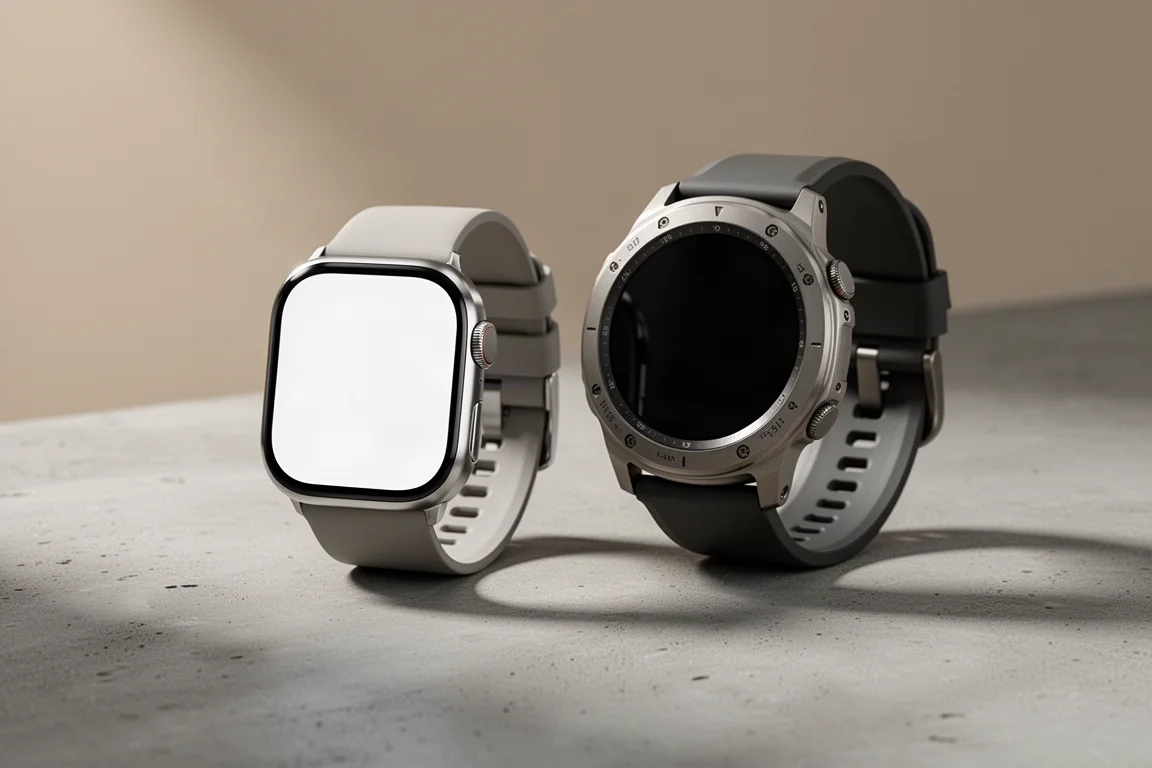
Apple made some big changes with the Series 10 this year: larger sizes, a thinner case, its largest Apple Watch display yet, and a depth gauge for snorkeling. That raises an interesting question, because at their core the Series 10 and the Ultra 2 are virtually the same watch, sharing around 90% of the same features. That extra 10% on the Ultra 2 could be the deciding factor, but is it worth roughly double the price?
The Series 10 starts at $399 and the Ultra 2 starts at $799, with plenty of configuration options in between for the Series 10, including different case materials and optional cellular. This comparison focuses on the cheapest Series 10 versus the cheapest Ultra 2, since that is the clearest picture of what you actually get for the money.
What They Share
Both watches deliver the best smartwatch experience available for an iPhone. Integration with the Apple ecosystem is incredibly tight, with the watch acting as a mirror of your phone for texts, calls, Siri, Apple Pay, and third-party apps. Apple Maps even mirrors turn notifications from your phone, and both models support the double tap gesture.
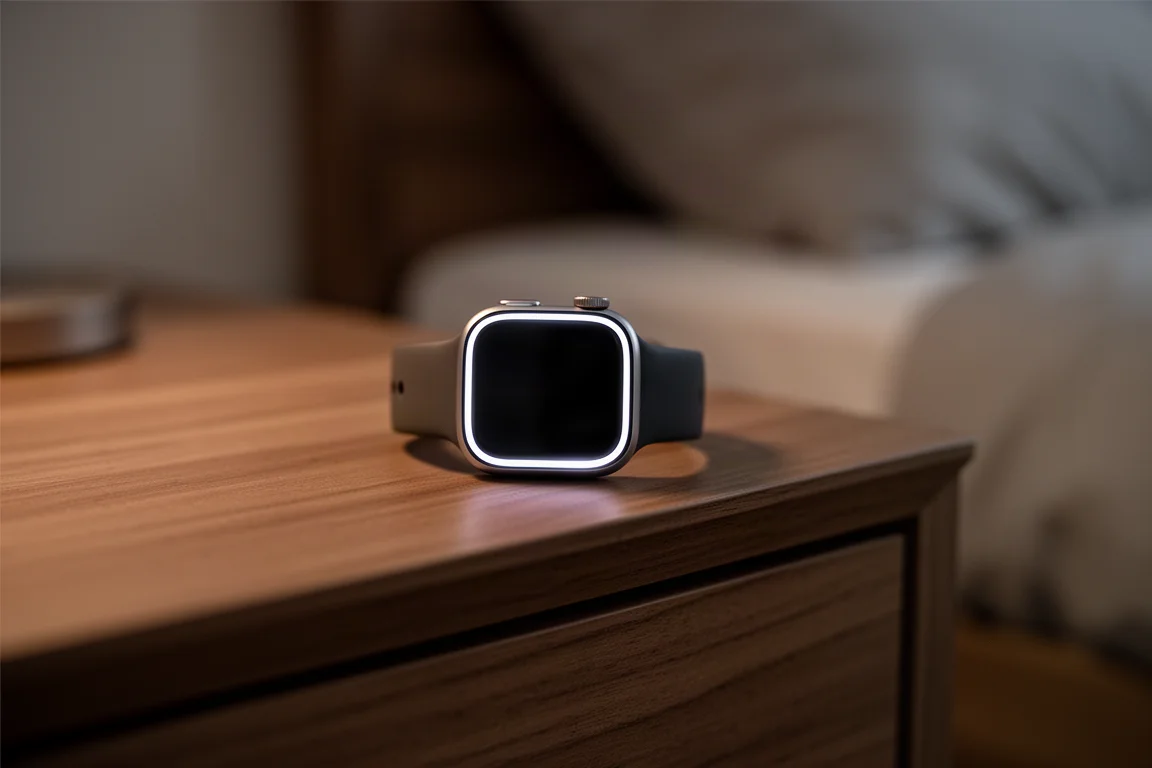
Health features are identical. Both offer strong heart rate sensing, ECG, sleep tracking, skin temperature tracking, the Vitals app for monitoring multiple metrics overnight, and the sleep apnea tracking feature introduced with watchOS 11. Both also include blood oxygen saturation tracking, though in the US that feature is disabled due to legal disputes.
On the sports side, they track nearly all the same activities: running, cycling, gym workouts, outdoor recreation, and more, with the same watchOS 11 features like effort ratings and training load. Both support offline topographic maps, running power, and pairing with external cycling sensors such as power meters and speed and cadence sensors.
One small difference on the smartwatch side: the Ultra 2 has cellular built into every model, while on the Series 10 it is a $100 option. If you don’t need it, the Series 10 lets you skip paying for it.
Battery Life
Battery life is the first big difference. The Series 10 is advertised at around 18 hours, and in typical use with about an hour of outdoor activity tracked daily, it comfortably gets through a full day before recharging.
The Ultra 2 roughly doubles that, with around 36 hours advertised and about two days of real use. Apple’s battery claims tend to run a little conservative, but results vary with settings and usage. Daily charging becomes a routine, usually 30 to 45 minutes on the charger while getting ready in the morning, which is generally enough. The every-other-day rhythm of the Ultra 2 is convenient, but it can also be easier to forget, leaving you with a low watch before a ride.
The Series 10 also charges faster than the Ultra 2, though the Ultra 2’s larger battery is a factor there. For long activities, the Ultra 2 lasts up to 12 hours in its highest accuracy GPS setting versus around 7 hours for the Series 10. Seven hours is enough for most marathons, but longer efforts favor the Ultra 2.
Size, Weight, and Comfort
The Ultra 2 is a fairly big watch that comes in a single 49mm case size. The Series 10 comes in 46mm and 42mm options, giving you more choice. Thickness differs noticeably too: the Series 10 slimmed down from the Series 9 to about 9.7mm, while the Ultra 2 measures 14.4mm. The Ultra 2 case weighs around 61.2 grams versus about 36 grams for the 46mm aluminum Series 10.
Weight matters most in dynamic activities. On mountain biking rides, the heavier Ultra 2 moves around the wrist more, and the bulk can catch on long sleeves when pulling a cuff over the watch. On a 185mm wrist, both fit well, but the Series 10 wins on pure comfort: it is smaller, lighter, and sits lower.
Comfort during sleep is worth real consideration this year, since both watches now track sleep apnea, and a smaller watch is simply easier to sleep in. One handy note: bands are interchangeable between the 46mm Series 10 and the Ultra 2, so an Alpine Loop or similar band works on either.
Durability
Durability is a hands-down win for the Ultra 2. It has a titanium case with a sapphire lens, while the base Series 10 uses an aluminum case with an Ion-X lens. Sapphire offers meaningfully better scratch resistance.
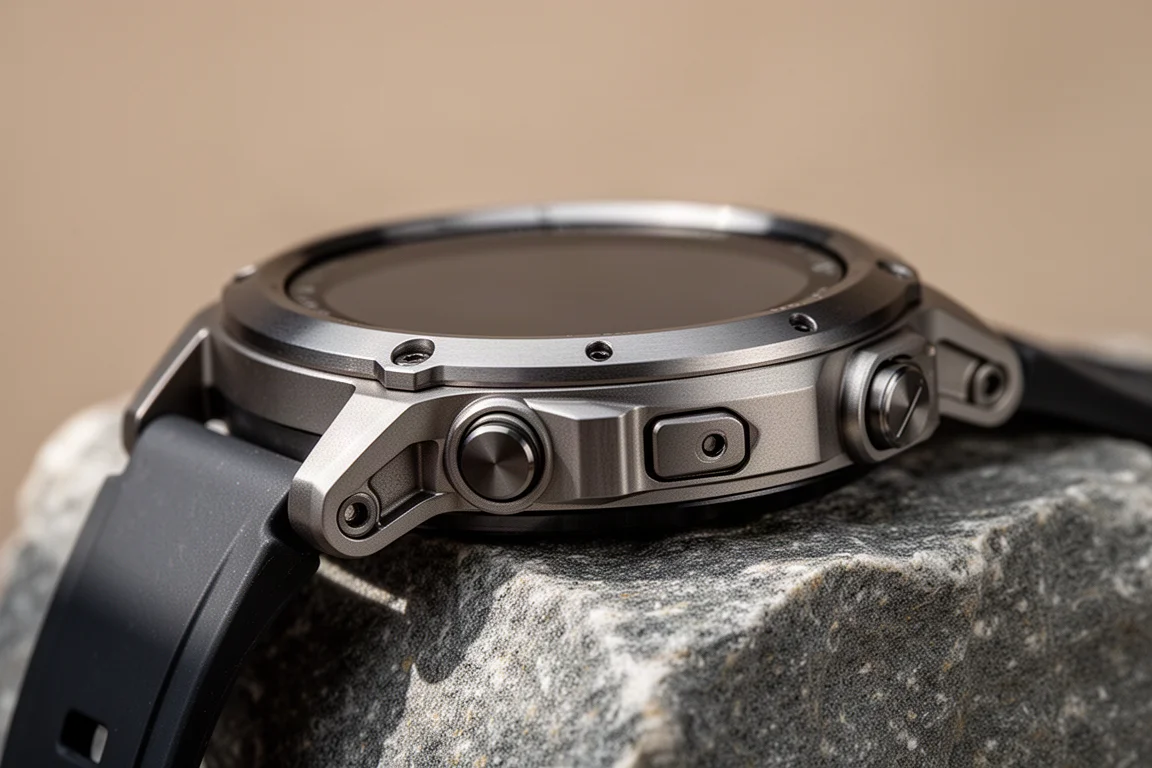
The Ultra 2 also has a metal bezel surrounding the display, protecting edges that are more exposed on the Series 10’s rounded glass. Its buttons get guards around the digital dial and side buttons, protecting them from damage and accidental presses. The Series 10 is not fragile by any means, but it is a bit more susceptible if you hike or mountain bike regularly.
Displays and the Action Button
With the Series 10, Apple introduced its largest Apple Watch display yet, slightly larger than the Ultra 2, though only by around 3%, so it is not a night-and-day difference. The new wide-angle display is easier to read at off angles, again a refinement rather than a transformation.
The Ultra 2’s display reaches 3,000 nits versus 2,000 on the Series 10, but the Series 10 remains plenty bright even in direct sunlight. Two small Ultra 2 extras: a red night mode on certain watch faces that is easier on the eyes before sleep, and watch faces with more complications. The Ultra 2 also shows one extra data field on a workout view.
The action button is the Ultra 2’s standout hardware extra. It can start a workout, control a stopwatch, enable the flashlight, or trigger a shortcut, and watchOS 11 adds a medium-press menu for reassigning it. The most useful application is Precision Start: hold the action button, see a GPS indicator confirming a satellite fix, and press to start your workout exactly when ready. On the Series 10, starting a workout brings up a 3-2-1 countdown instead. You can pair the crown and side button on either watch to pause and resume, though the Ultra 2’s pinch gesture is a bit more natural. A long press on the action button also triggers the Ultra 2’s built-in siren.
Sports Tracking and GPS Accuracy
Both watches track essentially any sport, from running and cycling to swimming, triathlon, and a long list of outdoor recreation profiles. The Series 10 gains a depth gauge for snorkeling this year, while the Ultra 2 goes further and supports recreational scuba diving, which could be a deciding factor if you dive.
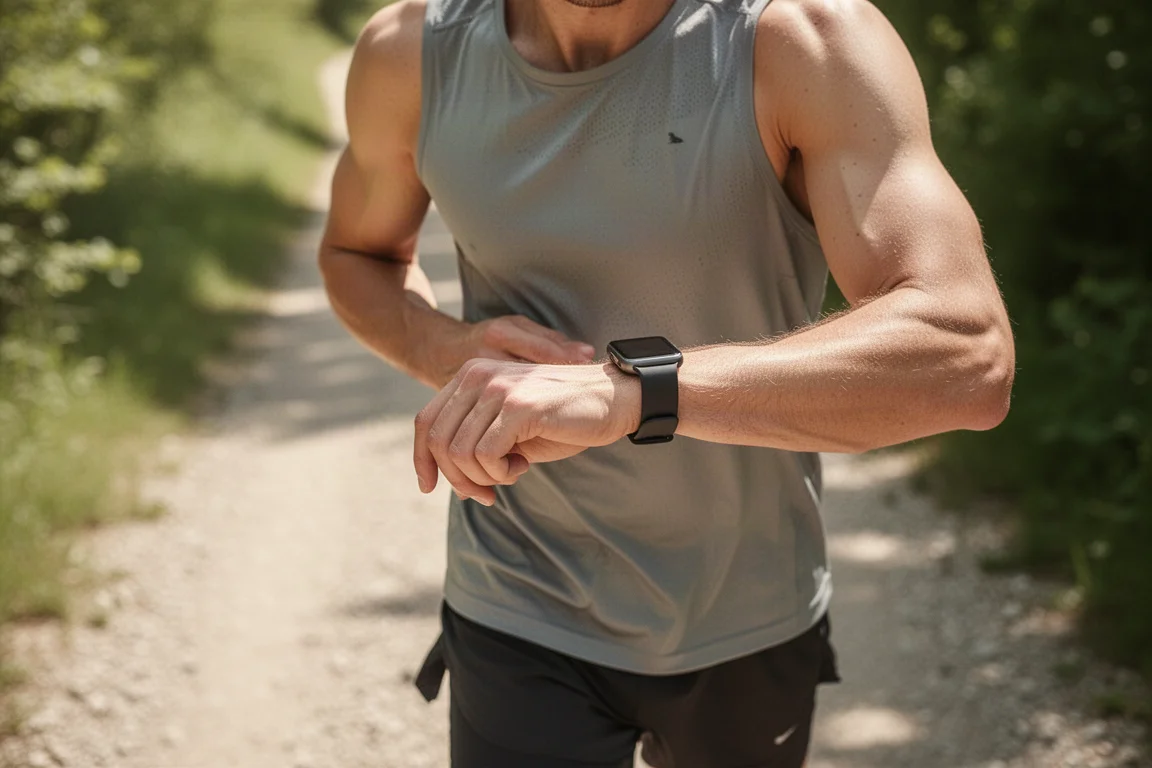
For GPS, the Series 10 uses a single-frequency chipset while the Ultra 2 uses dual-band, accessing multiple satellite systems and frequencies. The aim is better accuracy in challenging environments like tall buildings, heavy tree cover, and canyon walls, where signals bounce. In practice the Series 10 is plenty accurate and matches the Ultra 2 in most conditions. The main gaps appear in those difficult environments and around fast corners in cycling, where the Ultra 2 stayed slightly more precise.
Heart rate accuracy is strong on both; Apple Watches rank among the best in smartwatches here. Interestingly, the lighter Series 10 can have a slight edge, since heavier watches bounce more on the wrist and can disturb the sensor during rough terrain. On a bumpy gravel ride, the Ultra 2 was occasionally a little less accurate. Neither difference is significant enough on its own to choose one watch over the other.
Which One Should You Buy?
The biggest differences come down to durability, battery life, and comfort. The Ultra 2 wins durability with its titanium case, sapphire lens, and protective bezel, making it the better pick for hiking, mountain biking, or anything with impact risk. It also wins on battery life, but that comes at the cost of size and weight.
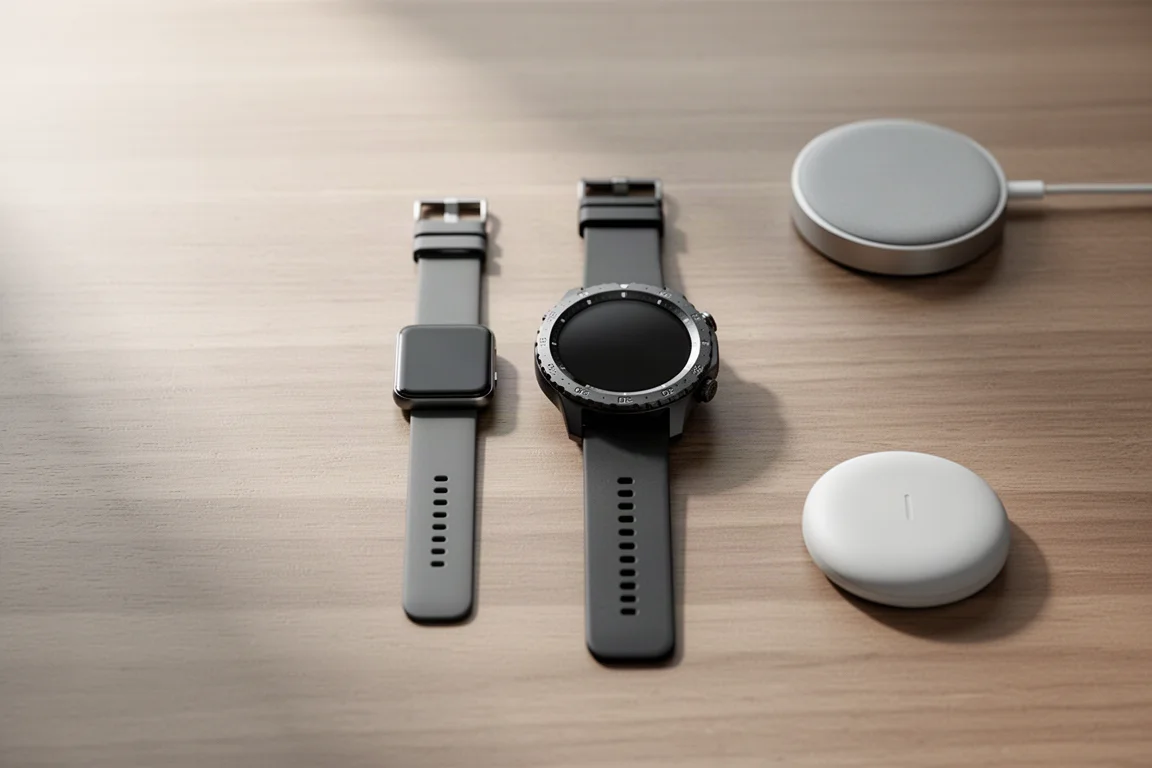
If comfort and wearability lead your list, the Series 10 is the more pleasant watch to live with, especially for sleep tracking. There is also style to weigh: the Ultra 2 has a distinct rugged look, particularly in the new satin black finish, while the Series 10 looks great with the right band.
Conclusion
For half the price of the Ultra 2, the Series 10 can do a remarkable amount, and the shared feature list between these two watches is genuinely long. If you want maximum durability, longer battery life, dual-band GPS, or scuba diving support, the Ultra 2 is worth the premium. If you want the most comfortable watch with nearly all the same health and sports features, the Series 10 covers it for considerably less.
Product link
View more details for Apple Watch Series 10
This product is mentioned in the review. Check the specifications, options, and compatibility before buying.
View more details for Apple Watch Series 10Further reading
Related Reviews
Smartwatches
Best Budget Smartwatches 2026: Five Affordable Options That Actually Work
Five budget smartwatches tested for real daily use. From entry-level options to premium features at fraction of the cost, here's what actually delivers.
Smartwatches
Best Smartwatches on AliExpress 2026: Five Practical Options for Different Needs
Five smartwatches with strong customer feedback and competitive pricing, each suited to different priorities: premium design, battery life, outdoor durability, advanced health tracking, and sports versatility.
Smartwatches
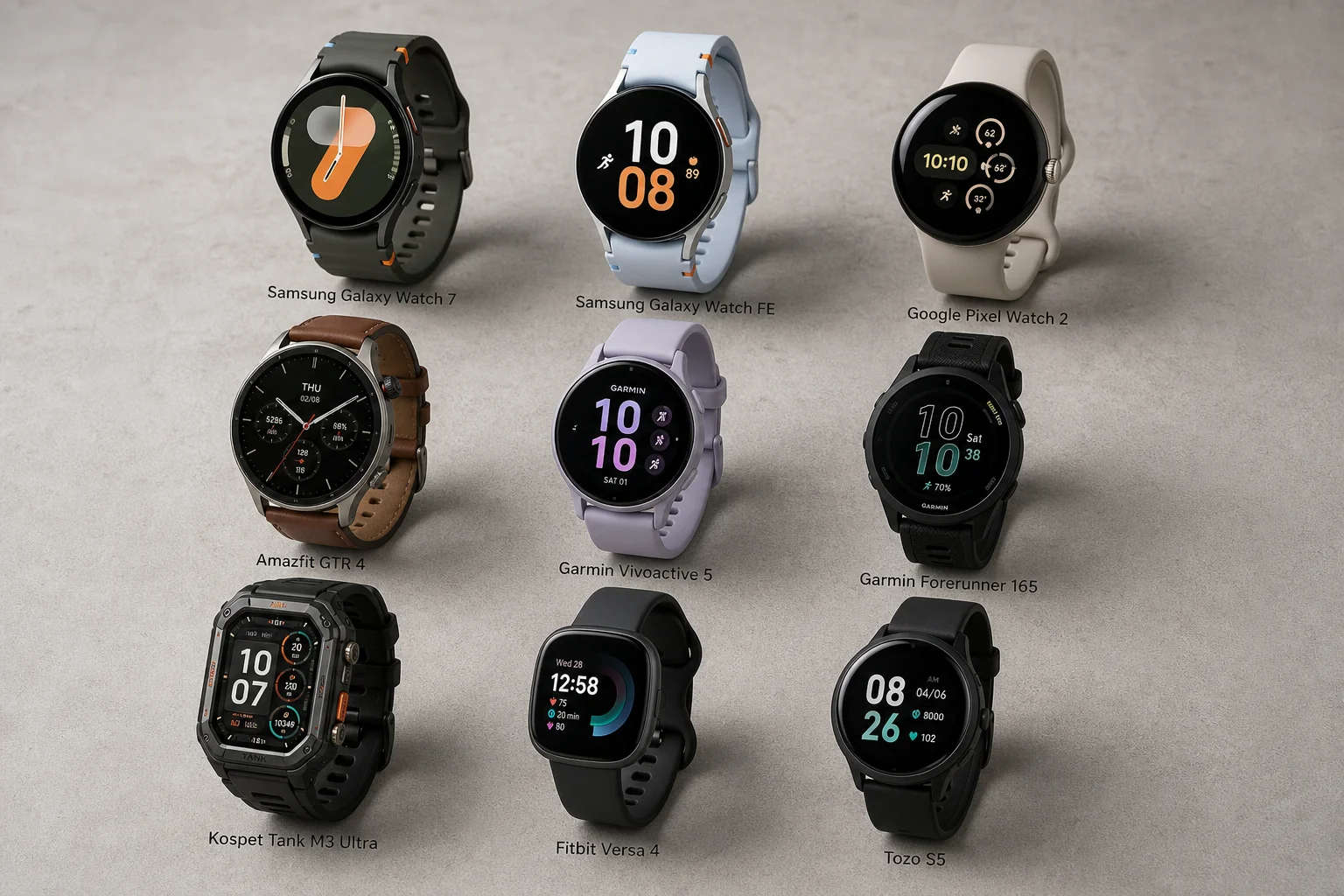
Best Smartwatches Under $300: 9 Practical Options for Every Need
A curated selection of nine smartwatches under $300, each excelling in health tracking, durability, battery life, or fitness features. Find the right match for your lifestyle.