Smartwatches
Apple Watch Series 10 Titanium vs Ultra 2: Which Premium Apple Watch Makes Sense
Both share titanium cases, sapphire lenses, and cellular, and both cost about the same. Here is how the Series 10 Titanium and Ultra 2 actually differ.
Introduction
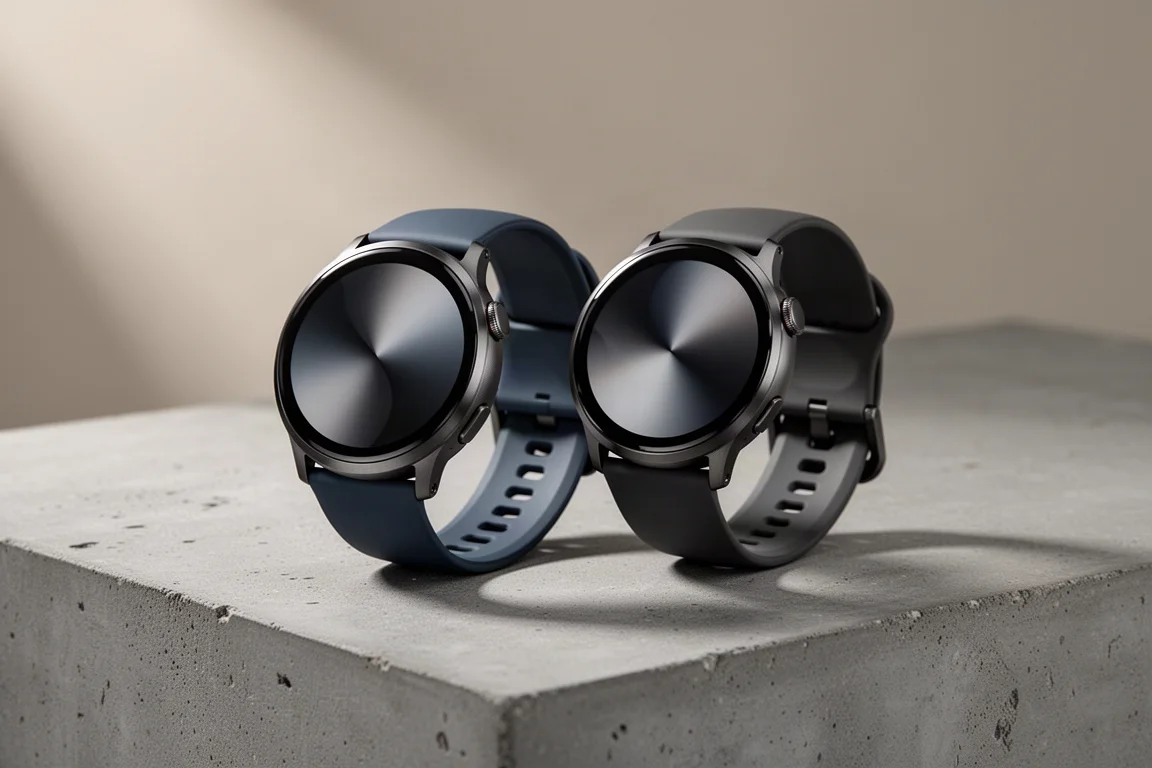
Apple’s premium smartwatch lineup is an interesting place this year. The Series 10 Titanium replaces the stainless steel option from the Series 9 era, and it lands in a strange spot: it shares titanium cases, sapphire lenses, and cellular connectivity with the Ultra 2, and the two cost pretty much the exact same. That makes the decision less about budget and more about which design and feature set actually fits how you live.
This piece walks through what the Series 10 Titanium offers, how it differs from the aluminum Series 10, and why the Ultra 2 comparison matters so much this year.
Design and Materials: Polished Titanium
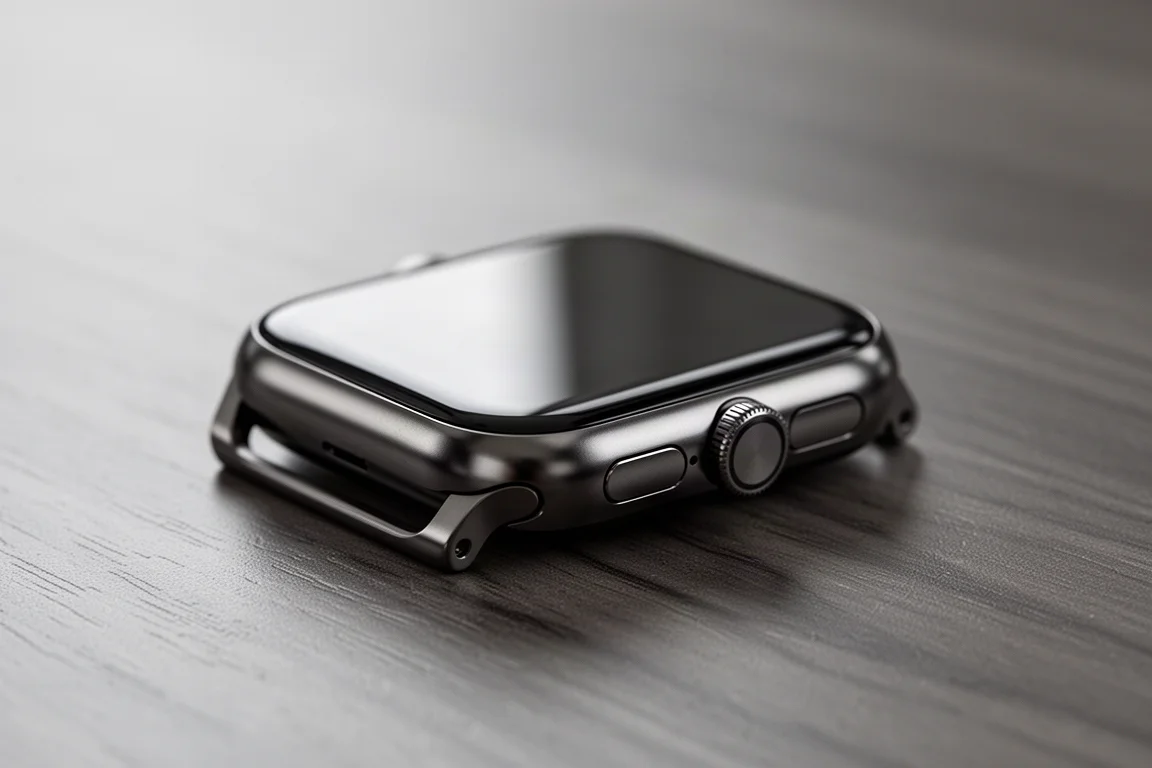
The big material change for the premium Series 10 is the move from stainless steel to titanium. Apple uses the same aerospace-grade titanium found on the Ultra and Ultra 2 as well as the iPhone 16 Pro, made from 95% recycled titanium. The headline benefit is weight: the titanium case weighs about 20% less than the stainless steel Series 9 from last year, while still weighing just slightly more than the aluminum Series 10.
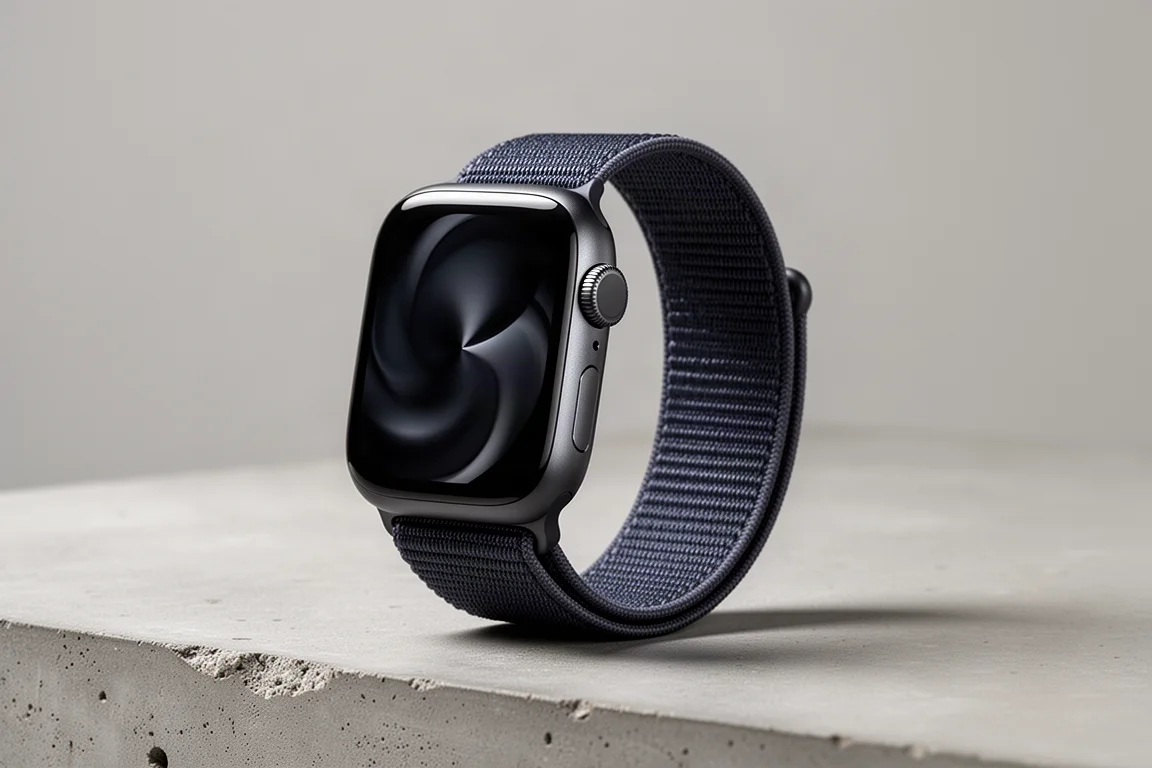
The three finishes, natural, gold, and slate, are achieved by polishing the titanium first and then applying a PVD coating on top. The slate finish reviewed here has a distinctly high-gloss look, and next to the jet black aluminum Series 10 it reads as slightly more grey, with the polish carrying over to the matching digital crown. At certain angles the difference from the aluminum model is clear, and the titanium version does look more premium.
There is one open question worth keeping in mind: long-term durability differences between this titanium case and the Ultra 2 are not yet documented, so real-world wear results will take time to surface.
What the Sapphire Lens Gets You
The strongest argument for stepping up from the aluminum Series 10 is the lens. Sapphire is more durable and more scratch resistant than the Ion-X glass on the base aluminum model, and that matters if your watch lives a rougher life. Sapphire can reflect a bit more and look slightly cloudier on some watches, but next to the aluminum model the screen behavior looked largely the same, including at off angles on the wide-angle display.
The other key upgrade is cellular, which is included here. On the aluminum model you would have to pay extra for a cellular-capable version on top of GPS.
Display and Always-On Refresh
The Series 10 carries Apple’s largest watch display yet, in a case that grew to 46 mm from 45 mm on the Series 9, both in height and width, while case thickness dropped by about 1 mm to roughly 9.7 mm. That thinner case makes a noticeable day-to-day difference, particularly with cuffs, which clear the watch more easily.
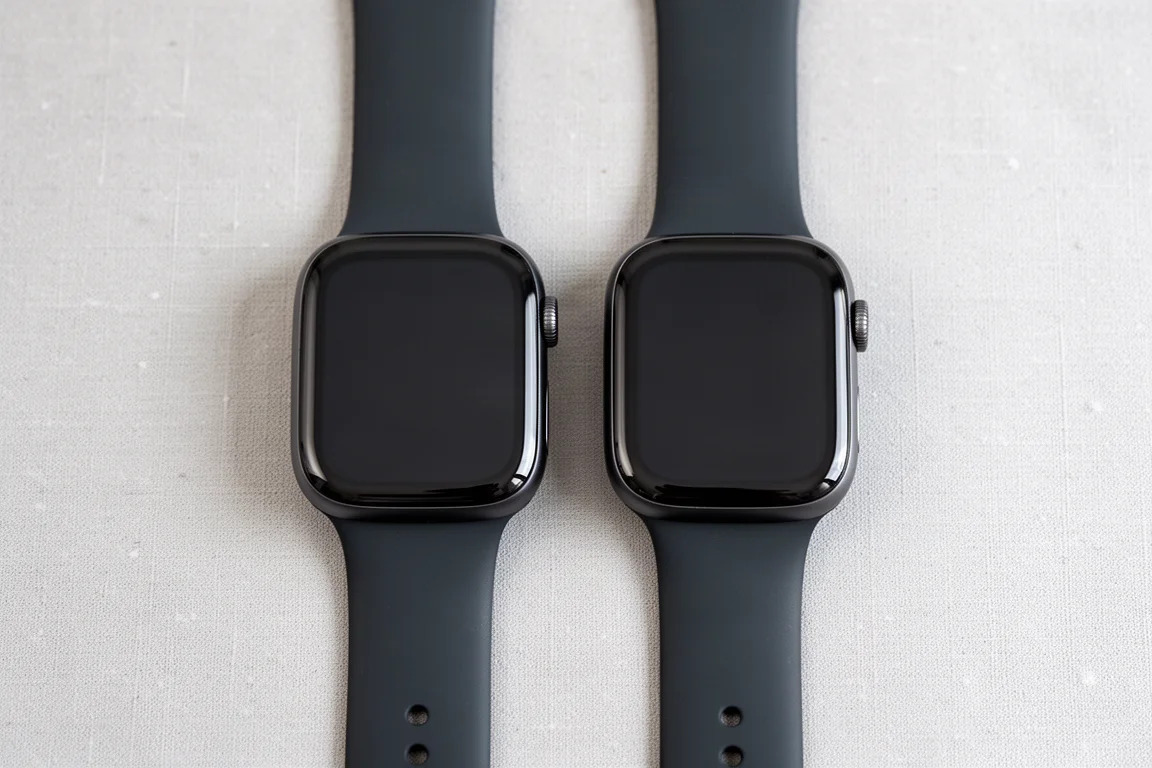
Side by side with the Ultra 2, the display area difference is hard to spot; the Series 10 technically has more active pixels, but in practice the two read as very similar in size. The bigger jump is from a Series 9 or older model, where the added screen area is obvious. Always-on behavior also improved: the display refreshes once per second, which powers watch faces like the new Reflections face that keeps the second hand active in always-on mode, a detail that suits the premium titanium look nicely.
Bands and Styling
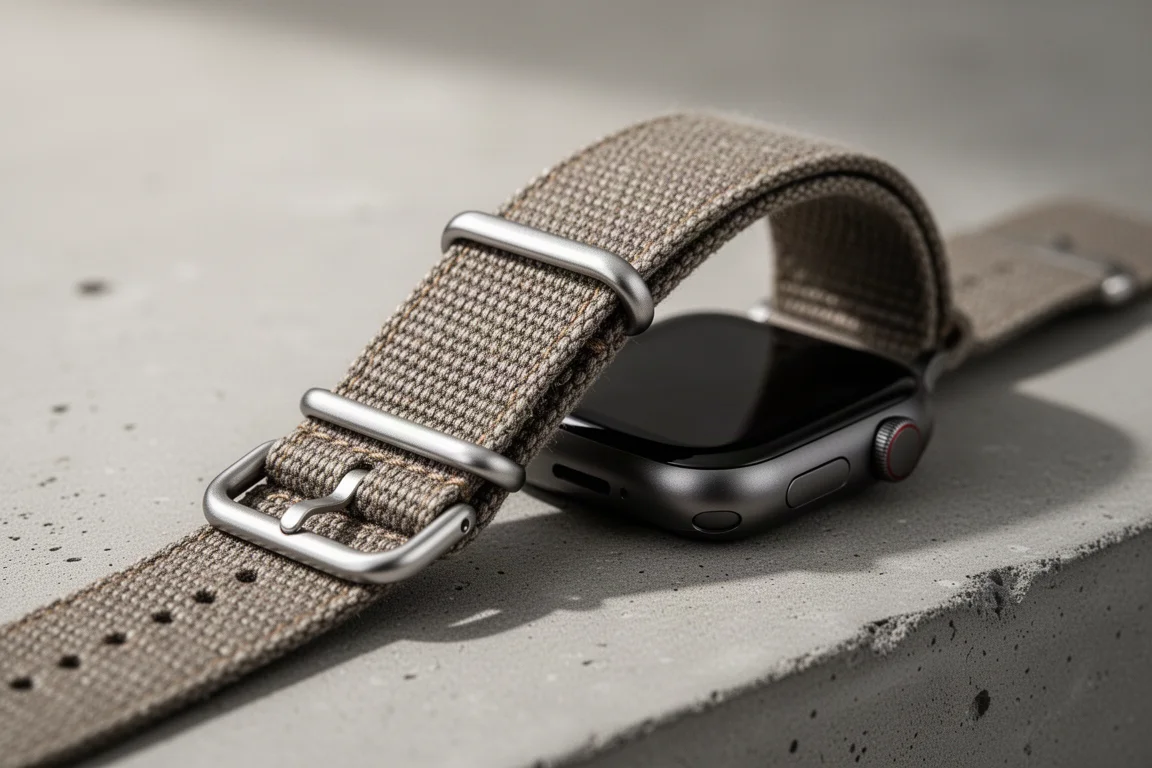
Band choice matters more than usual here because of the color-matched options. The Milanese loop and link bracelet made for the Series 10 Titanium are stainless steel rather than titanium, which feels like a mismatch on a titanium watch. A titanium Milanese loop designed for the Ultra is a more natural pairing.
In practice, several Ultra bands pair beautifully with the slate titanium case. A black Trail Loop with black hardware looks excellent, and a green Alpine Loop with color-matched hardware is another standout. A sport loop keeps things casual and closer to the aluminum experience.
Apple Watch Ultra 2: The Other Titanium Option
The Ultra 2 shares the same core premium ingredients: a titanium case, a sapphire lens, and cellular, at essentially the same price as the Series 10 Titanium. Its advantages are practical rather than cosmetic: longer battery life, the Action Button, and recreational scuba diving capability. The trade-off is size. The Ultra 2 is simply a larger watch, and for some wrists it does not fit at all.
If those adventure-focused features are not part of your routine, the Ultra 2’s bulk is a cost without much payoff. If they are, the identical price makes it an easy call.
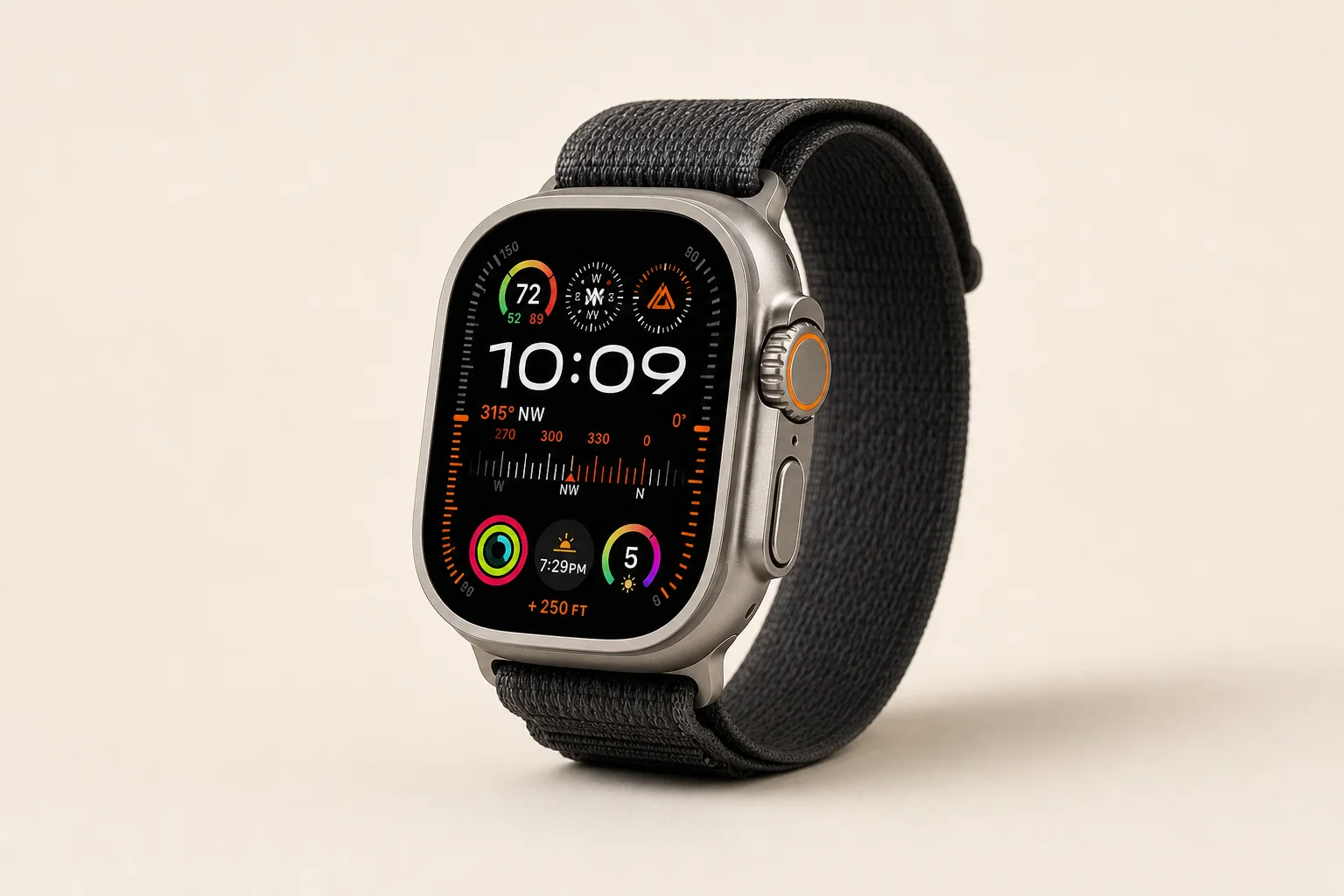
Apple Watch Series 10 Titanium: The Slimmer Premium Pick
The Series 10 Titanium gets you the sapphire lens, the polished titanium case, and built-in cellular in a body that is thinner and lighter on the wrist than the Ultra 2. Under the hood it is otherwise the same watch as the aluminum Series 10: the larger display, a depth gauge rated to 6 meters for snorkeling, and the watchOS 11 feature set including training load, the Vitals app, and sleep apnea notifications.
Which One Should You Buy
At essentially the same price, the decision comes down to form factor and features. Choose the Ultra 2 for battery life, the Action Button, and dive capability, as long as its larger size works for you. Choose the Series 10 Titanium if you want premium materials and durability in a slimmer, more traditional watch, and are happy trading away the Ultra-specific extras. Long-term durability differences between the two titanium cases remain to be seen.
Conclusion
The Series 10 Titanium is a meaningful refinement of Apple’s premium line: lighter than steel, thinner than before, and finally in a material that matches the Ultra family. Whether it is the right pick over the Ultra 2 depends almost entirely on whether you need the Ultra’s battery and ruggedness, since everything else that used to justify the premium tier now exists in both.
Further reading
Related Reviews
Smartwatches
Best Budget Smartwatches 2026: Five Affordable Options That Actually Work
Five budget smartwatches tested for real daily use. From entry-level options to premium features at fraction of the cost, here's what actually delivers.
Smartwatches
Best Smartwatches on AliExpress 2026: Five Practical Options for Different Needs
Five smartwatches with strong customer feedback and competitive pricing, each suited to different priorities: premium design, battery life, outdoor durability, advanced health tracking, and sports versatility.
Smartwatches
Best Smartwatches Under $300: 9 Practical Options for Every Need
A curated selection of nine smartwatches under $300, each excelling in health tracking, durability, battery life, or fitness features. Find the right match for your lifestyle.