Smartwatches
Apple Watch SE3 vs Series 11 vs Ultra 3: Which One Makes Sense for You
Apple refreshed its whole watch lineup, and the budget SE3 now shares far more with its pricier siblings. Here is how the three models compare for everyday use, health tracking, and sport.
Introduction
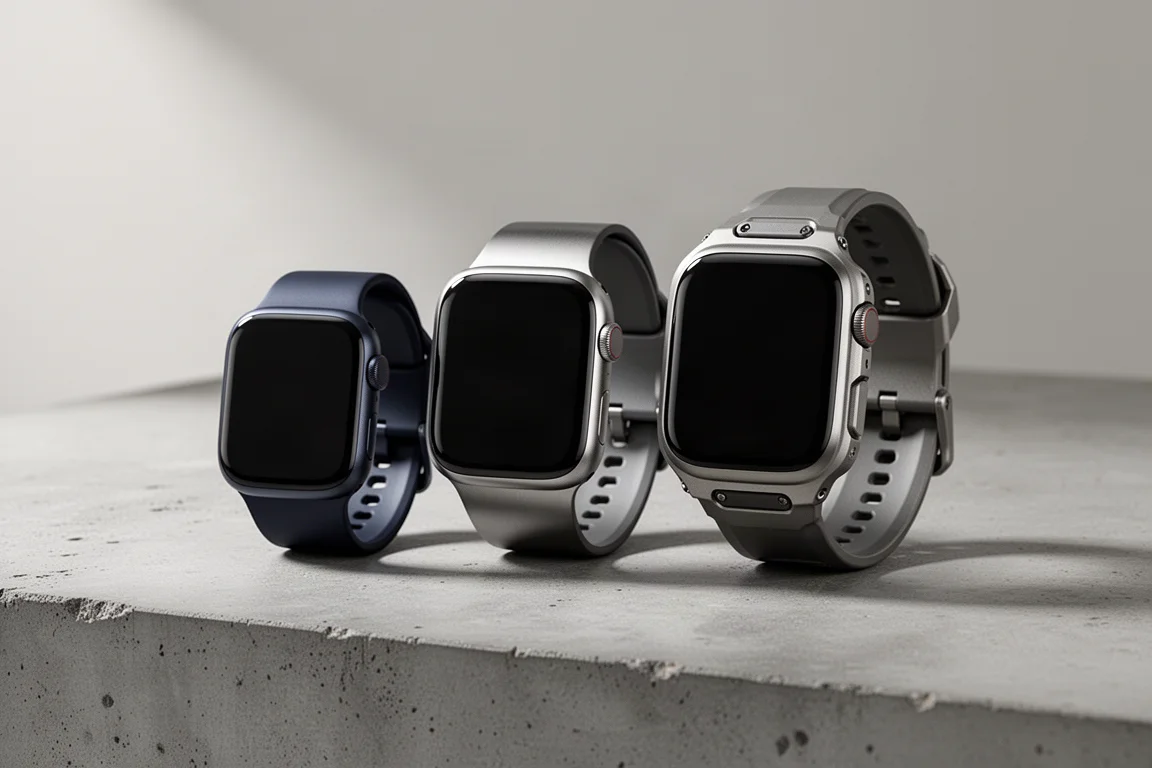
Apple refreshed all three of its watch lines at once, and the most interesting story is not the flagship. It is the entry-level Apple Watch SE3, which closes much of the gap that used to separate the SE line from the Series models. With prices starting at $249, it is an easy entry point for a first Apple Watch, and it now brings features like an always-on display, the S10 chip, and faster charging that were previously out of reach at this price.
The amount of overlap across the lineup is genuinely surprising. Apple keeps most software features identical across every watch, so the real differences come down to hardware: display size, case materials, health sensors, and battery life. This guide breaks down where the SE3, Series 11, and Ultra 3 actually differ, with particular attention to fitness and sports tracking.
Apple Watch SE3: The Budget Pick That Stopped Feeling Budget
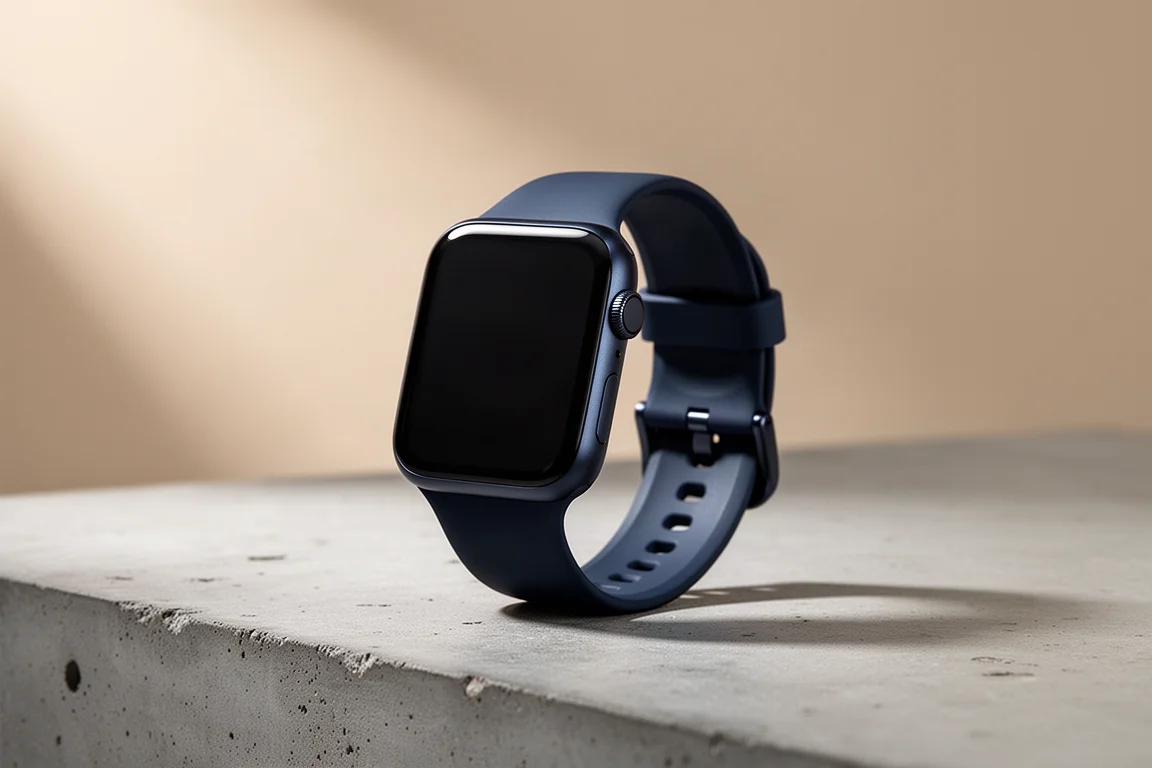
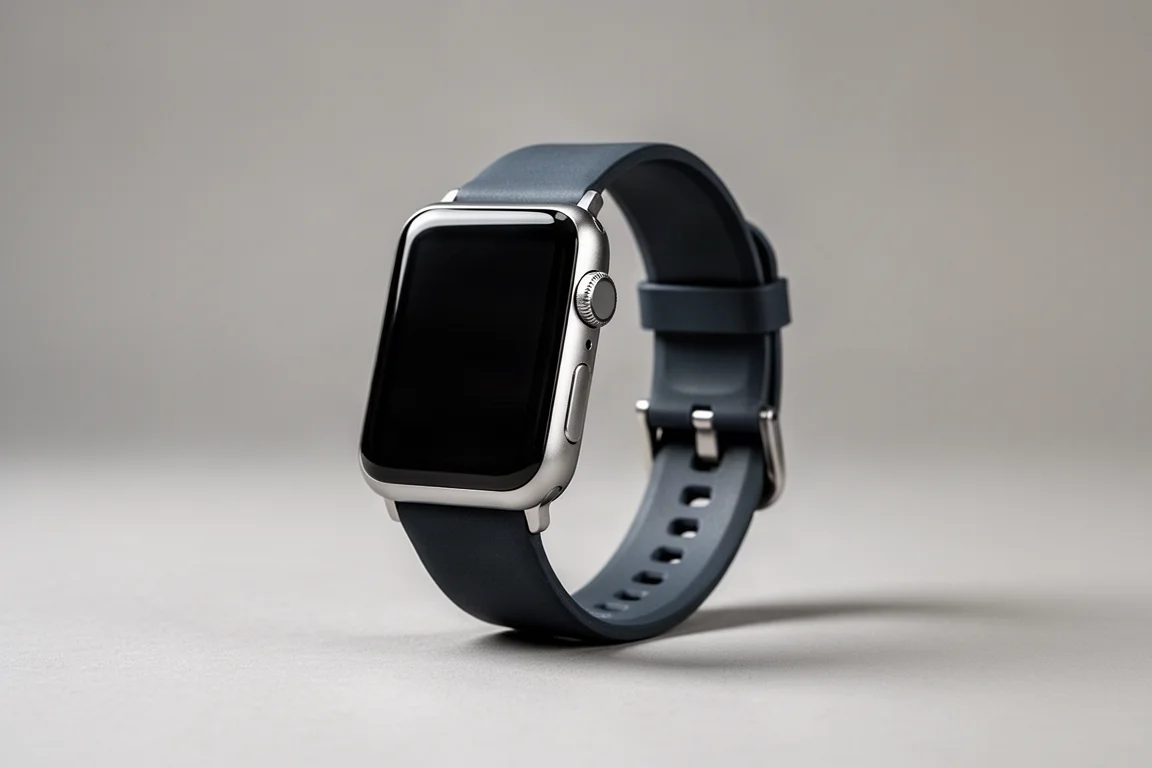
The SE3 comes in 40mm and 44mm sizes, in midnight and starlight aluminium with an Ion-X front glass. Wi-Fi models start at $249 for the 40mm and $279 for the 44mm, with cellular versions adding roughly $50. The cellular option brings 5G connectivity for texts, calls, and music streaming without your phone nearby, though that requires an optional carrier plan that varies by region.
This year every cellular Apple Watch also gained a new 5G modem that is faster and more power efficient than before. Band compatibility is generous too: the 44mm SE3 works with the larger band size, including Ultra bands, so you have a huge range of options.
The biggest upgrade over the SE2 is the always-on display, which dims when idle so you can check the time and your stats at a glance. It also works during workouts, letting you see data without raising your wrist. The new Ion-X glass is claimed to be four times more scratch resistant than before, and while the Series 11 and Ultra 3 use tougher glass, practical scratch risk has historically been low.
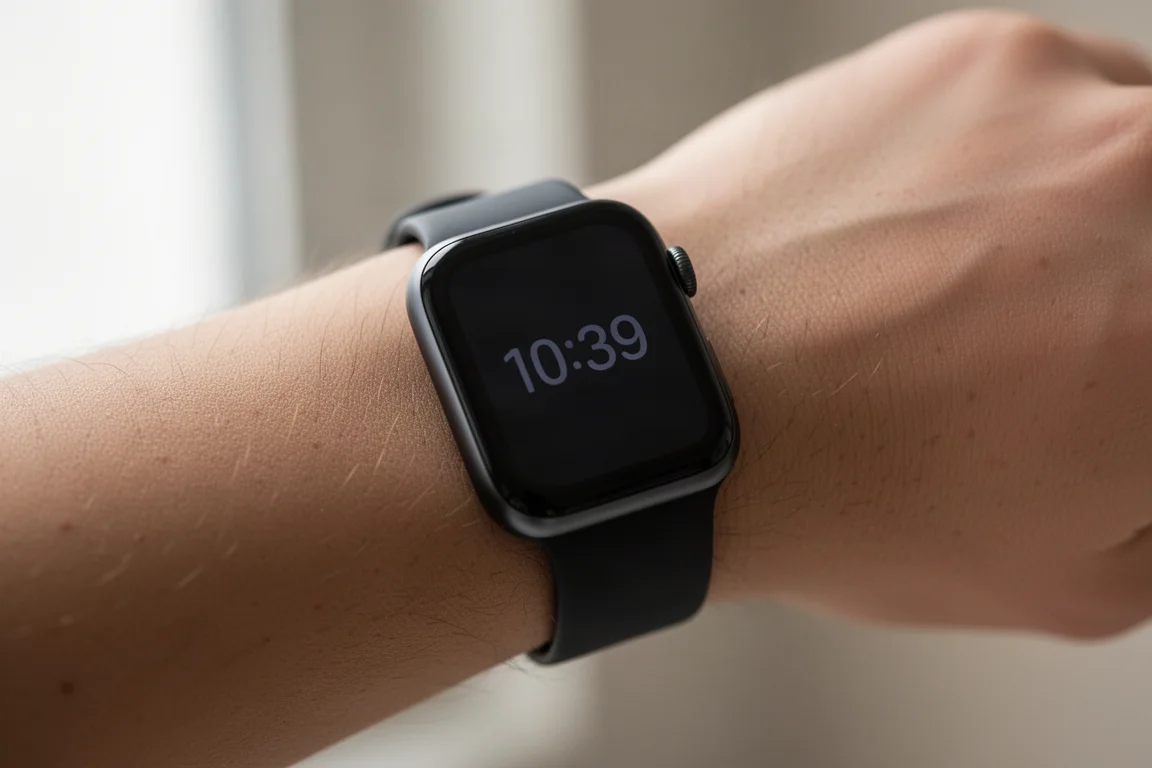
The S10 chip unlocks one-handed gestures. Double tap lets you open widgets or snap a photo with one hand, and a wrist flick silences incoming calls. You also get on-device Siri, full iMessage with voice dictation, and a surprisingly decent built-in speaker for media playback. The main omissions versus the Series 11 are the precision Find My feature for locating your iPhone and a slightly smaller display.
Battery Life and Charging
Apple claims up to 18 hours of battery life for the SE3, which it calls all-day battery life. In practice that figure tends to be conservative, with real-world results often landing in the 20 to 24 hour range even with an hour-long outdoor activity recorded daily, though heavier use can bring it down. Lowering display brightness and disabling the always-on mode both help stretch it further.
For outdoor activity tracking, the claim is up to 7 hours, and real-world testing comfortably exceeded that even with always-on display enabled and no phone connected. Charging is a strong point: the SE3 charges twice as fast as the previous generation, includes the fast charging cable, and a 15 minute top-up adds roughly 8 hours of use. A short charge during your morning shower or evening routine easily covers the day.
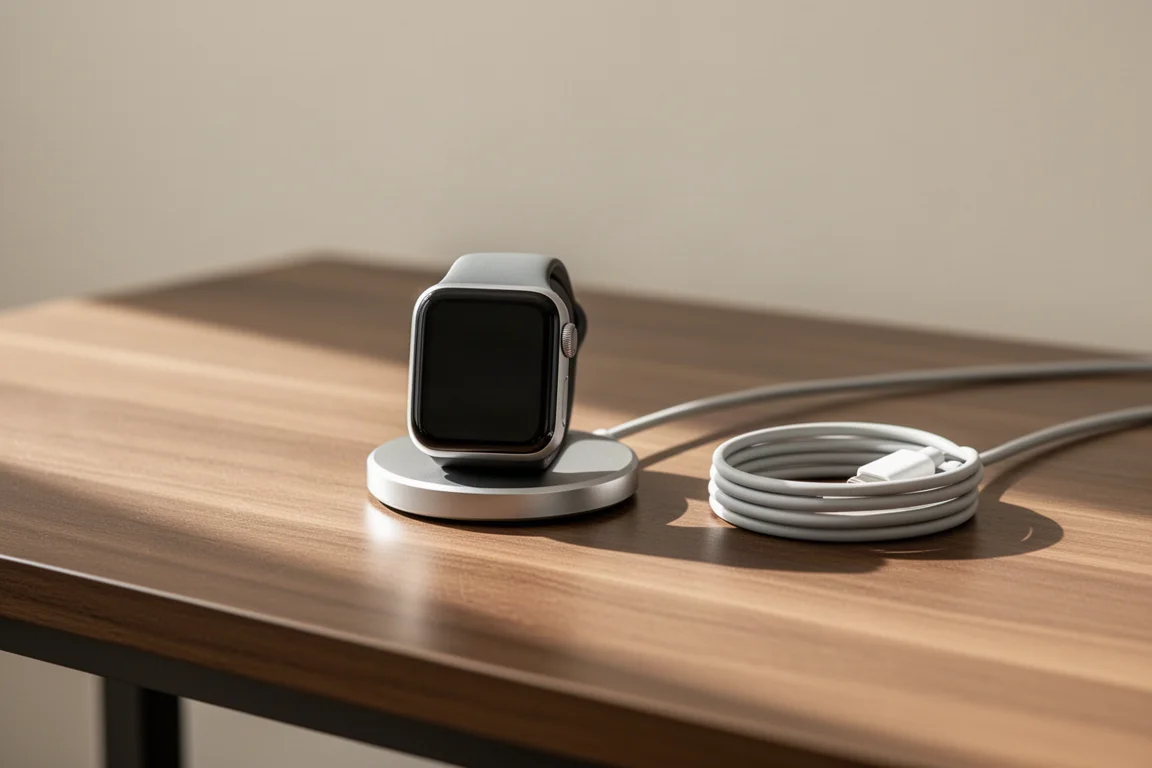
The Series 11 claims up to 24 hours versus the SE3’s 18, but both watches realistically call for some form of daily charging routine.
Health Tracking
The SE3 tracks heart rate with high and low heart rate alerts, respiratory rate, and now wrist temperature during sleep. It also supports sleep apnea notifications: after a 30-day evaluation period, it can flag signs of breathing disturbances, which are a prompt to consult a medical professional rather than a diagnosis.
The new sleep score feature rates your night based on sleep duration, bedtime consistency, and nighttime interruptions. Notably, it does not factor in health metrics like resting heart rate or heart rate variability the way some other brands do, so a night with an elevated resting heart rate can still score highly. Pairing the sleep score with the vitals app, which monitors metrics like resting heart rate, respiratory rate, and wrist temperature during sleep and alerts you when they trend out of range, gets you a fuller picture.
The key hardware difference sits in the heart rate sensor. The SE3’s sensor is an older generation than the Series 11’s, which means no blood oxygen readings, no ECG, and no hypertension alerts feature. Safety features are well covered regardless: fall detection, car crash detection, emergency SOS, and international emergency calling in over 120 regions on cellular models.
Fitness and Sports Tracking
For fitness, the SE3 covers all the common sport profiles, including indoor and outdoor running and cycling, walking, hiking, pool and open water swimming, plus gym profiles for weight training, HIIT, yoga, and pilates. The Series 11 adds a depth gauge and a snorkeling profile, but beyond that the capabilities are virtually identical. Both watches include the latest watchOS training features like effort rating and training load, which help you monitor workout intensity and manage training volume over time.
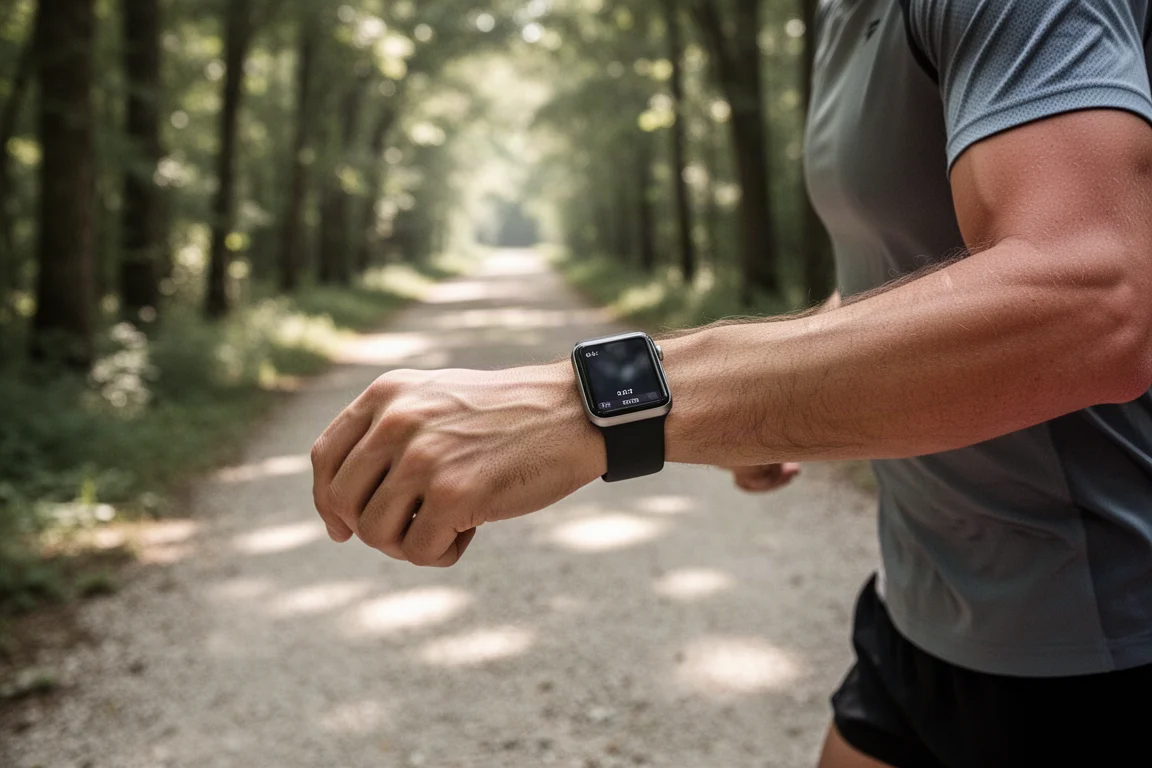
Running metrics are comprehensive: pace, distance, cadence, stride length, vertical oscillation, and running power. GPS tracking works without your phone on both Wi-Fi and cellular models, and accuracy across weeks of testing, from short runs to three-hour rides, stayed consistently close to reference devices, with elevation gain from the built-in altimeter lining up well. The single-band GPS traces slightly less detail in tight corners than dual-band watches, but total distance, the number that matters most, matched reliably.
Heart rate accuracy was strong across the board: excellent indoors, very good on road and gravel rides, and surprisingly usable during weight training and HIIT, which are normally the hardest activities for wrist-based sensors. For even better data, you can pair an external Bluetooth heart rate strap, use the AirPods Pro 3 as a heart rate sensor, or connect a cycling power meter or smart trainer.
Apple Watch Ultra 3
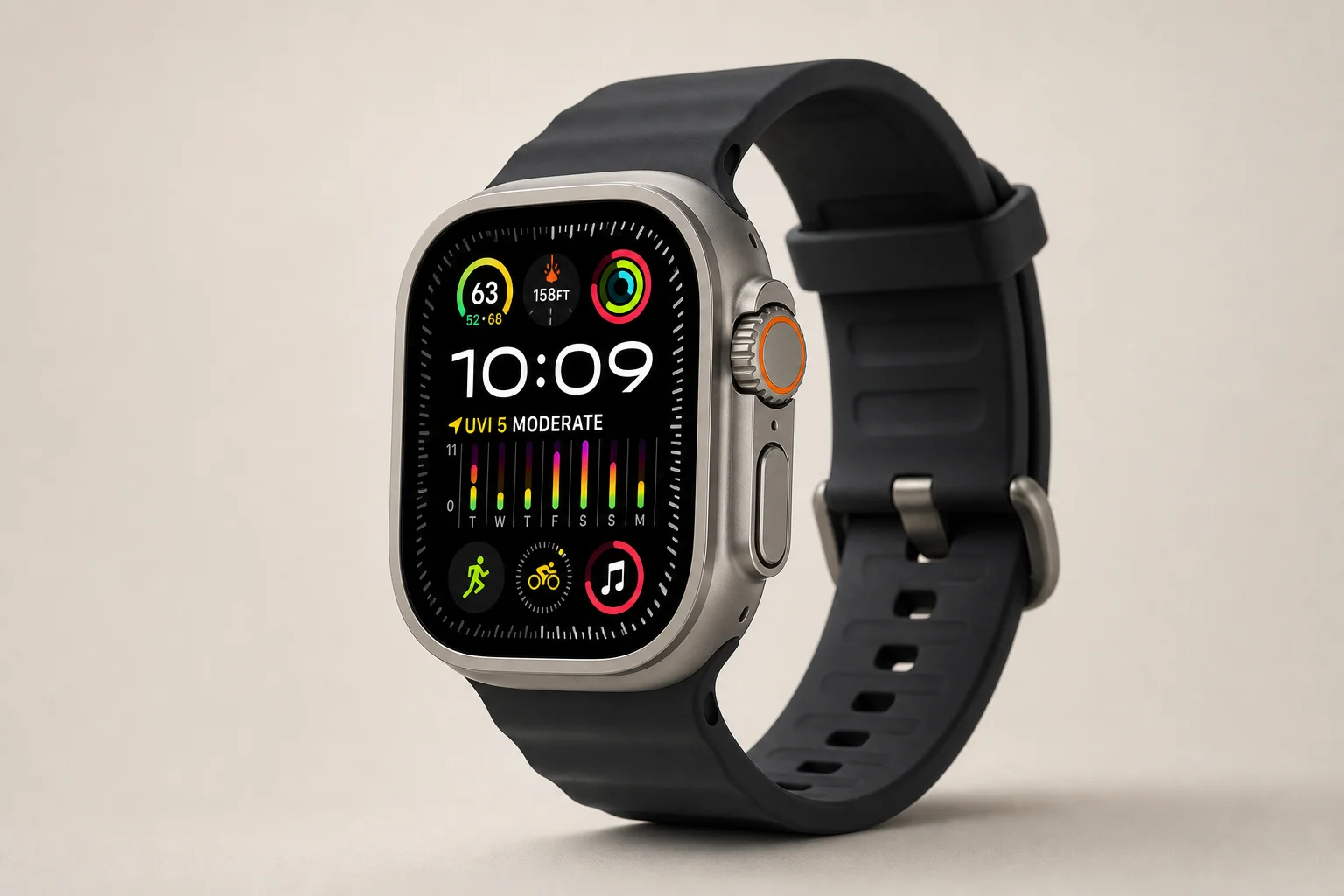
The Ultra 3 sits at the top of the lineup with a dual-band satellite chipset that captures noticeably more GPS detail on corners and curves, a more scratch-resistant build, and the hypertension alerts feature shared with the Series 11. It is also roughly three times the price of the SE3.
For most runners and gym-goers, that premium buys detail rather than fundamentally different capability, since the core software experience and sport profiles are shared across the lineup. The Ultra 3 makes sense for users who want the most rugged hardware and the most accurate GPS traces available in an Apple Watch.
Buying Advice
Choosing between these three comes down to what you actually need. The SE3 delivers the overwhelming majority of the Apple Watch experience for $249 to $279, including the always-on display, S10-powered gestures, sleep scoring, and very solid sports tracking. It is the obvious pick for a first Apple Watch or an upgrade from an older SE.
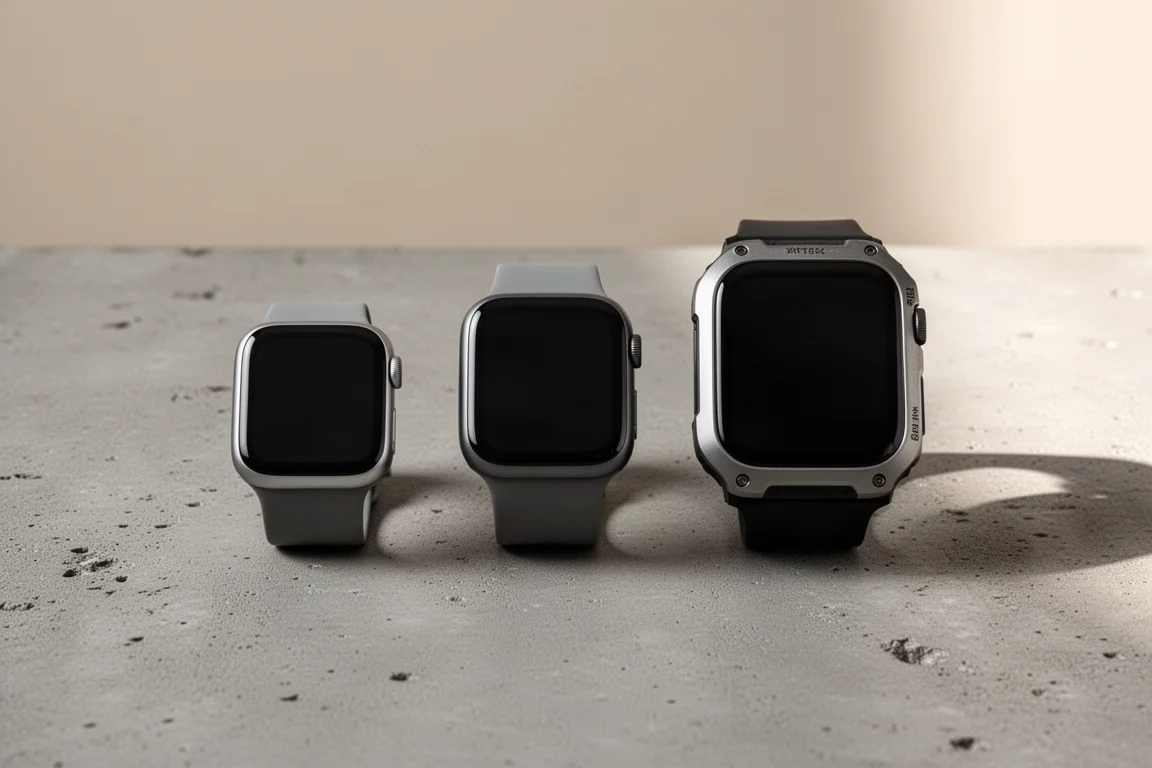
Step up to the Series 11 if the health features matter to you: ECG, blood oxygen readings, and hypertension alerts are the most meaningful differences, alongside a larger, brighter display, a thinner case, and a longer 24-hour battery claim. Go Ultra 3 only if you specifically want the rugged build and dual-band GPS detail and are comfortable paying roughly three times the SE3’s price.
One practical tip regardless of model: keep a screen protector or case in mind if you want extra peace of mind, and plan a short daily charging slot that fits your routine.
Conclusion
The SE3 makes the strongest case in Apple’s current lineup simply because it now shares so much with its more expensive siblings. If the Series 11’s advanced health sensors are important to you, the upgrade is worth it. If you need maximum durability and GPS precision, the Ultra 3 delivers. For everyone else, the SE3 is a remarkably complete smartwatch for the money.
Further reading
Related Reviews
Smartwatches
Best Budget Smartwatches 2026: Five Affordable Options That Actually Work
Five budget smartwatches tested for real daily use. From entry-level options to premium features at fraction of the cost, here's what actually delivers.
Smartwatches
Best Smartwatches on AliExpress 2026: Five Practical Options for Different Needs
Five smartwatches with strong customer feedback and competitive pricing, each suited to different priorities: premium design, battery life, outdoor durability, advanced health tracking, and sports versatility.
Smartwatches
Best Smartwatches Under $300: 9 Practical Options for Every Need
A curated selection of nine smartwatches under $300, each excelling in health tracking, durability, battery life, or fitness features. Find the right match for your lifestyle.