Smartwatches
Apple Watch SE vs Apple Watch Series 3: Which Budget Apple Watch Makes More Sense?
Both of Apple's more affordable smartwatches deliver a polished experience and solid fitness tracking, but a few key differences decide which one you should buy.
Introduction
Apple’s smartwatch lineup can look intimidating at the top end, but the two more affordable options, the Apple Watch SE and the Apple Watch Series 3, remain very capable smartwatches and activity trackers. The flagship Series 7 has more bells and whistles, but it also costs considerably more, which is exactly why these two stay on so many shopping lists.
They actually share a surprising amount: both have Retina displays, heart rate sensors, GPS for outdoor activities, altimeters, and water resistance down to 50 meters. The differences that do exist, though, may be enough to push you one way or the other. Here is how they compare.
Smartwatch Experience and Connectivity
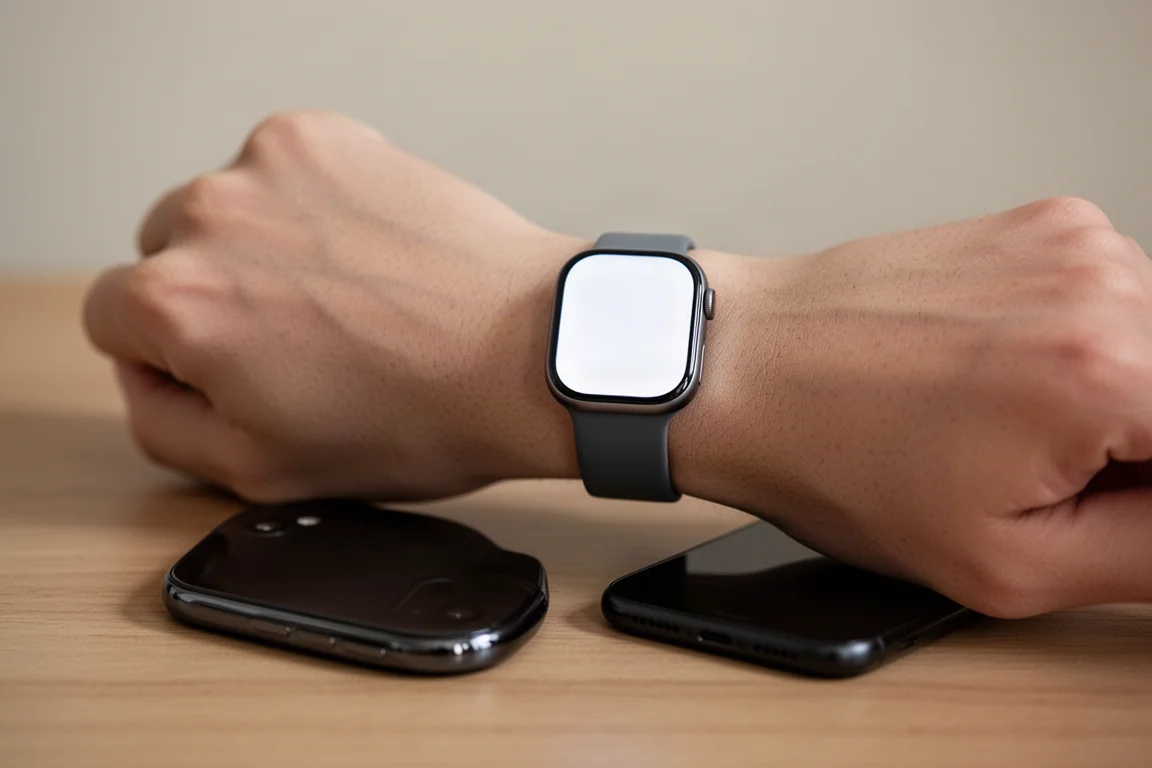
Both watches provide a genuinely good smartwatch experience and feel like a natural extension of your iPhone. You can receive and reply to text messages using quick responses, write on the screen, use emojis, or fall back on voice dictation. For calls, you listen through the built-in speaker and talk into the built-in microphone, and the SE is about 50 percent louder than the Series 3, which helps in noisier environments.
The bigger connectivity split is cellular. The SE comes in a GPS version or a GPS plus cellular version, while the Series 3 is only offered as a GPS model. With the Series 3, calls and texts require your phone to be in range. With a cellular SE, you can stay connected without your phone, though that service costs an additional fee on top of your existing cell phone plan. The cellular SE also unlocks international emergency calling and Family Setup, which lets a family member use the watch without their own iPhone, provided you have an iPhone to set it up initially.
Design, Sizes, and Displays
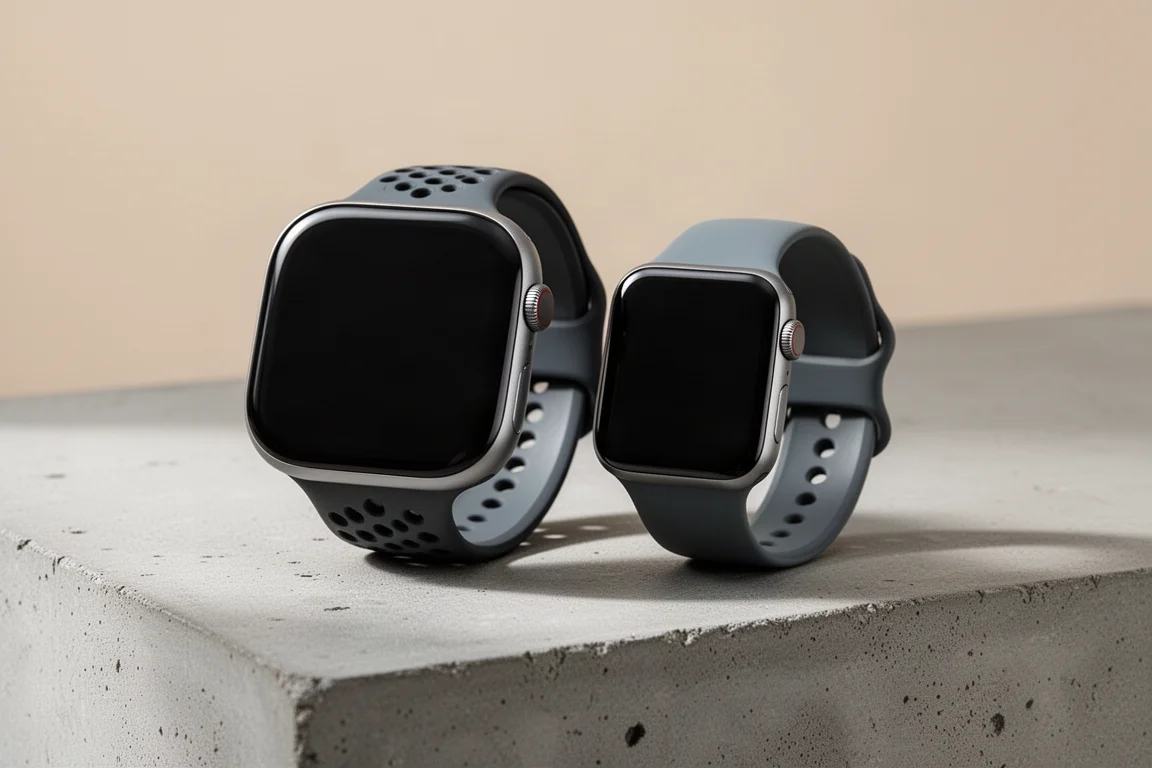
Both watches come in small and large versions depending on wrist size. The Series 3 is available in 38mm and 42mm cases, while the SE comes in 40mm and 44mm. Bands are interchangeable within size families, so you can swap a band between a 42mm Series 3 and a 44mm SE, or between the 38mm Series 3 and the 40mm SE.
Both have quite stunning Retina displays, but the SE display is about 30 percent larger and blends into the case more seamlessly, with rounded corners. The Series 3 has more squared-off screen edges, although many interface screens use black backgrounds that hide them in practice. For colors, the Series 3 comes in silver with a white band or space gray with a black band. The SE adds a gold case option and a Nike edition with a special band, a couple of extra watch faces, and the Nike Run Club app pre-installed.
Both watches use a touchscreen plus two physical buttons, including the Digital Crown dial for scrolling and zooming. The SE adds subtle haptic feedback when you turn the crown, which is nice to have but not a standout difference.
Performance, Battery, and Storage
Both watches run watchOS 8, Apple’s latest operating system at the time, and Apple has a good history of supporting older devices with software updates. The practical difference is speed: the SE has a faster processor and feels a little snappier when navigating. The Series 3 is still responsive with smooth animations, but side by side the gap is noticeable.
Battery life is very similar, with roughly 18 to 24 hours depending on how much you interact with the watch and how many outdoor activities you track. Storage is where they really separate: the Series 3 has 8GB of internal storage while the SE has 32GB. If you plan to download music to the watch for listening without your phone nearby, the SE’s extra space matters. If your phone is always with you, it will not make much difference.
Health Features
On the health side, both watches have heart rate sensors with high and low heart rate notifications, irregular heart rhythm notifications, step and activity tracking, and sleep tracking. The SE adds two safety-oriented extras: fall detection, which attempts to contact emergency services if you take a hard fall and are unresponsive, and noise monitoring that alerts you when noise levels may be unsafe.
Sports and Fitness Tracking
Both watches track a long list of activities, from walking, running, weight training, and gym-based workouts like the elliptical, to yoga, indoor and outdoor swimming, and hiking. Both have onboard GPS, so you can track outdoor activities without your phone. If you do carry your phone, the watches will attempt to use its GPS, which saves a small amount of battery.
To test the watch GPS chips themselves, testing was done with the phone turned off or left behind. On a run, total distance lined up nearly perfectly between the Series 3 and the SE, and both were very close to reference devices. At a high level the GPS tracks are hard to tell apart, but zooming in reveals minor differences: on one corner the Series 3 swept just a smidge wide while the SE was a bit more accurate. Recent software updates have improved GPS accuracy across Apple Watches generally, particularly around corners.
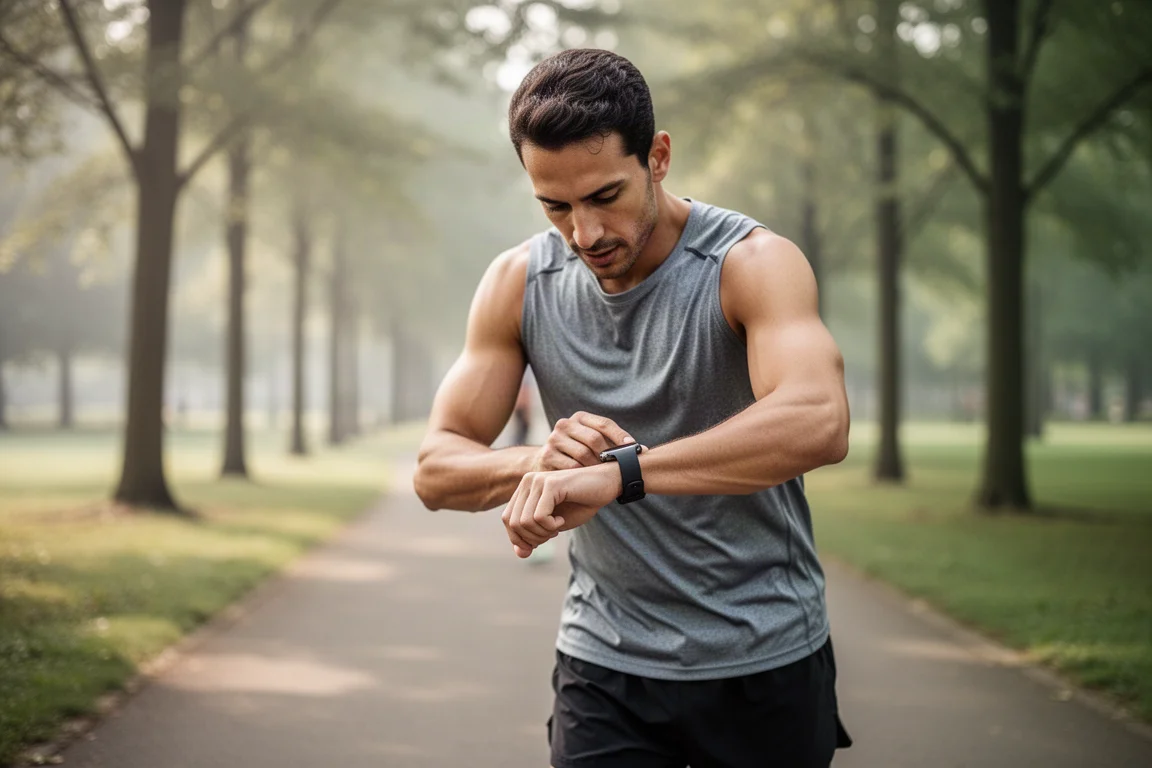
For longer activities like road cycling at higher speeds, both watches again did fine on total distance. In the fine detail, the Series 3 tended to be slightly less accurate at speed, sweeping a little wider around corners. In the whole scheme of things this is not a make-or-break difference, but the SE holds an edge.
Heart Rate Accuracy
The two watches have heart rate sensors a few generations apart in technology, yet both produce very good results, with the SE just slightly more accurate.
For indoor cycling, one of the easiest activities for a wrist-based optical sensor, both watches essentially lined up perfectly with chest and arm heart rate monitors used as reference. On an outdoor run, results were nearly perfect for both, with the Series 3 showing slightly more deviation, reading a touch high on one dip and reacting a little slowly to a rise in heart rate. Nothing concerning either way.
Road biking outside is a harder test. Both did great for nearly the entire ride, with just a couple of small blips from the Series 3. Mountain biking, with constant gripping and vibration from rough terrain, exposed a few more imperfections: both lost track slightly on a rough section of trail, and the Series 3 got a little shaky later on, but overall these are good wrist-based results for this kind of riding.
Weight training is one of the hardest activities for wrist-based optical sensors, and here both produced good results, with the Series 3 reading slightly high on a couple of sets. Nothing wild from either device, and both tracked the high-intensity intervals at the end well. Neither will steer you wrong, but the SE is a touch more consistent.
Treadmill Runs and Swimming
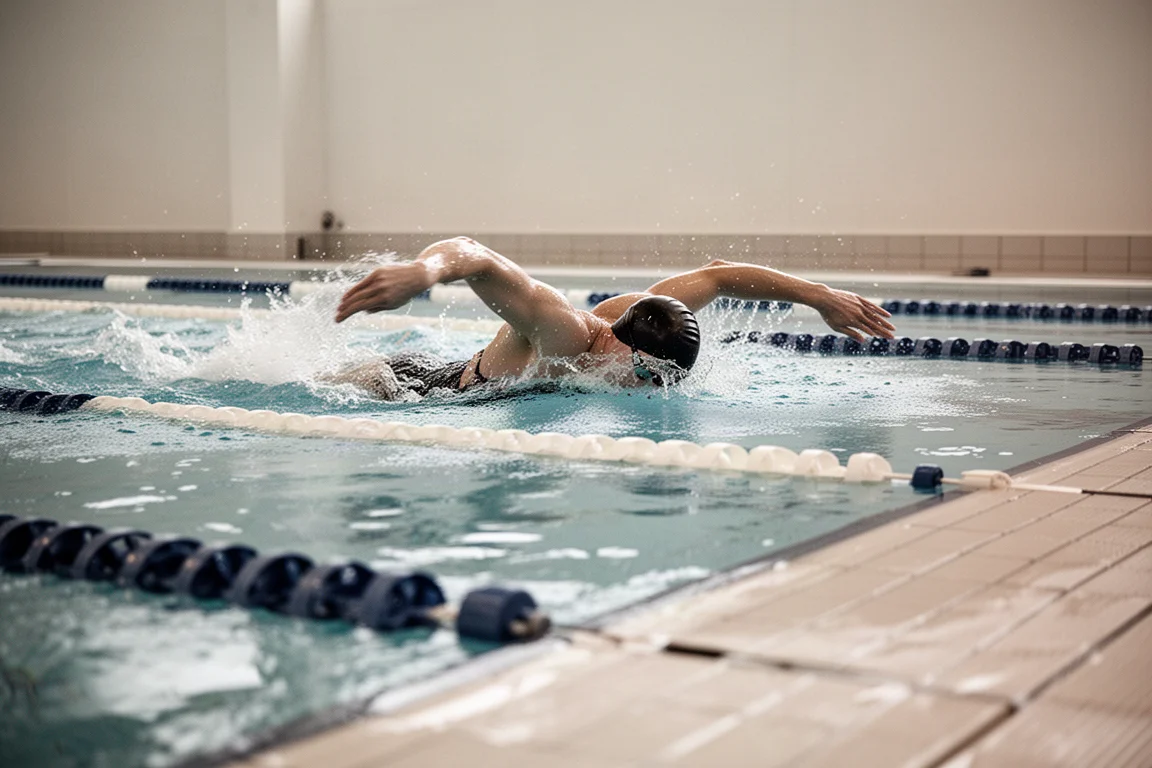
For treadmill running, the Series 3 came in just slightly over the treadmill distance while the SE was a bit closer, but both did a good job. For pool swimming, both watches automatically track distance and laps with no button presses, and both distinguish swim time from rest between sets while detecting stroke type. Apart from a small difference in the first set, all other sets lined up perfectly.
Buying Advice: Which One Should You Get?
When it comes to sports and fitness, there is not much separating these two. Both track a huge range of activities, both have very good heart rate sensors, and both support automatic workout detection. The Series 3 is a nice inexpensive way into an Apple Watch and still performs great, but it is getting a little dated at this point.
At full asking price there is an $80 difference between the two, and the recommendation is clear: if you can, get the SE. The extra money buys you a faster processor, a bigger display, more storage, and the option of cellular connectivity with Family Setup and international emergency calling. The good news is that both watches tend to go on sale during the holiday season, so it is worth checking the latest pricing before you commit.

Conclusion
The Apple Watch Series 3 remains a genuinely capable budget entry point, but the Apple Watch SE is the better buy for most people thanks to its faster chip, larger display, more storage, and cellular option. Whichever you choose, both deliver an excellent smartwatch experience and fitness tracking you can rely on.
Product link
View more details for Apple Watch SE
This product is mentioned in the review. Check the specifications, options, and compatibility before buying.
View more details for Apple Watch SEFurther reading
Related Reviews
Smartwatches
Best Budget Smartwatches 2026: Five Affordable Options That Actually Work
Five budget smartwatches tested for real daily use. From entry-level options to premium features at fraction of the cost, here's what actually delivers.
Smartwatches
Best Smartwatches on AliExpress 2026: Five Practical Options for Different Needs
Five smartwatches with strong customer feedback and competitive pricing, each suited to different priorities: premium design, battery life, outdoor durability, advanced health tracking, and sports versatility.
Smartwatches
Best Smartwatches Under $300: 9 Practical Options for Every Need
A curated selection of nine smartwatches under $300, each excelling in health tracking, durability, battery life, or fitness features. Find the right match for your lifestyle.