Hiking Gear
Appalachian Trail Thru-Hiking Gear: 9 Pieces Worth Carrying
A practical Appalachian Trail thru-hiking gear list built around nine pieces that balance weight, warmth, and cost across a March to October season.
Introduction
A thru-hike of the Appalachian Trail asks a specific set of things from your gear. The season usually starts in March and runs into mid-October, which means cold, wet mornings at both ends and months of humid heat in between. Most of the walking happens under a green tunnel of leaves rather than in direct sun, and the East Coast damp means anything you carry will spend days at a time feeling slightly wet.
That shapes the priorities. Weight matters, but so does staying warm at night and being able to dry out. This list covers nine pieces that came through a full Appalachian Trail thru-hike and that still make sense to buy today at a mid-range budget, where you are not spending freely but you are not limited to the cheapest option either.
What Matters Most on a Long-Distance Hike
Weight is the first filter. Anything you carry for roughly 2,000 miles is carried thousands of times, and the difference between a two-pound item and a four-pound item compounds over a season. That said, cutting weight in the wrong place usually costs you sleep.
Sleep is the second filter. A pad or a bag that leaves you cold and restless will wear you down faster than a heavier pack will. Nighttime recovery is what makes the next day’s miles possible, so this is the last place to skimp.
Budget is the third filter, and it is the one most people have the least control over. The sensible approach is to buy the best gear you can afford at the price point you actually have, and to spend first on the items that touch your body and your sleep.
The good news is that the range of workable gear is wider than the marketing suggests. Lightweight equipment has improved a great deal, and a carefully chosen mid-range kit can be genuinely comfortable for a full season.
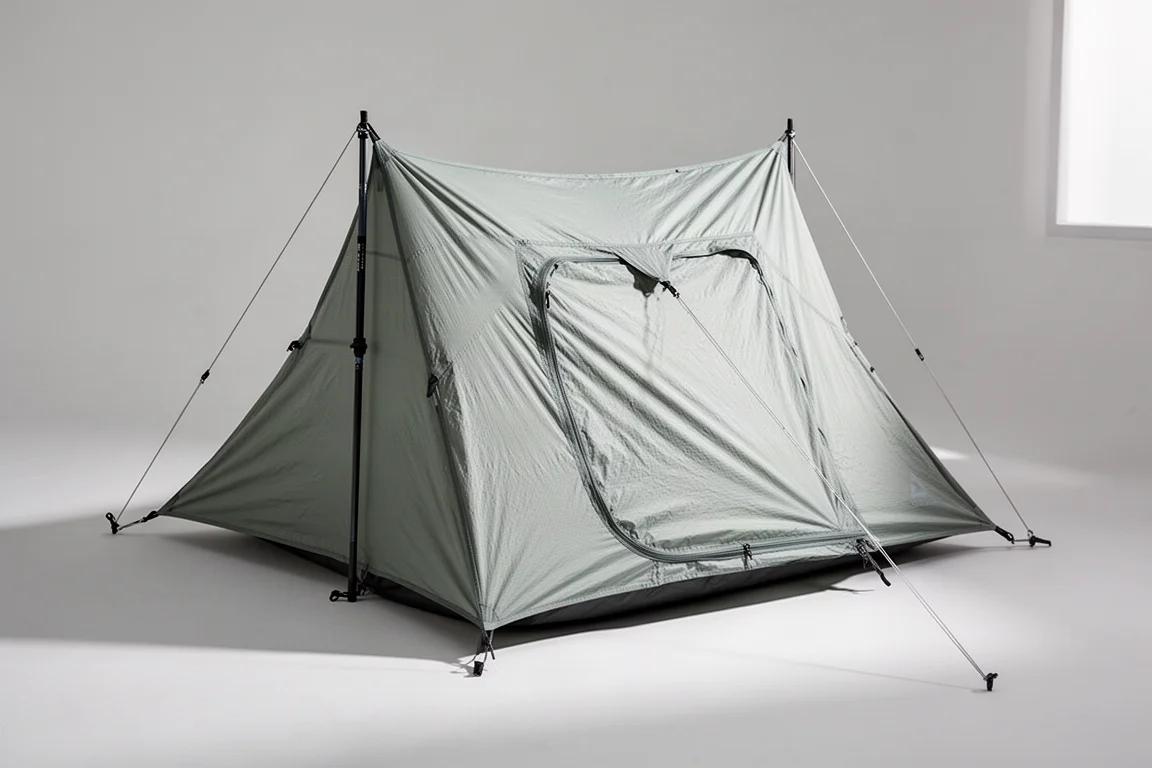
Shelter: Gossamer Gear The Two
The Two is a two-person shelter that pitches with trekking poles, weighs 23.5 ounces, and costs around $375. The trekking-pole design means it takes a little more practice to set up than a semi-freestanding tent with its own pole set, and the honest advice is to pitch it a few times at home before you rely on it in the rain. Once the sequence is familiar, the payoff is real: the poles you are already carrying become the structure, so nothing extra goes into your pack.
Ground coverage matters with any shelter in this class. The Two does not have a dedicated footprint for sale, but a polycryo sheet cut to fit costs about $11 and weighs 3.65 ounces, which is lighter than most branded footprints and cheap enough to replace. That is an approach worth copying for any tent that needs a ground cloth.
Backpack: ULA Ohm 2.0
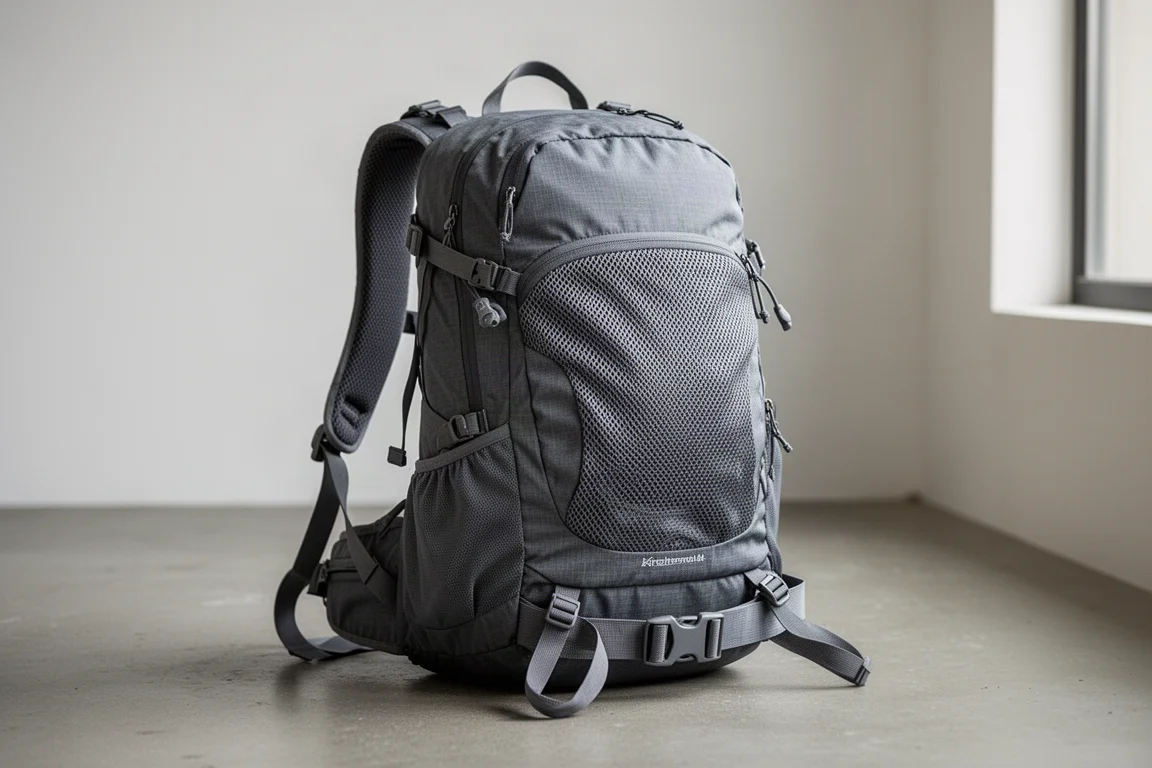
The Ohm 2.0 is a 63-litre pack, a figure that includes the external pockets and bottle holders rather than the main body alone. It weighs 33.1 ounces, just over two pounds, and costs around $260. The manufacturer lists a 30-pound maximum recommended load, which is a fair guide to how it carries most comfortably.
Capacity is worth thinking about honestly. A 50 to 65 litre range is the useful window for a thru-hike, and anything much larger tends to fill up with gear you did not actually need. Limiting yourself a little is usually a benefit rather than a compromise.
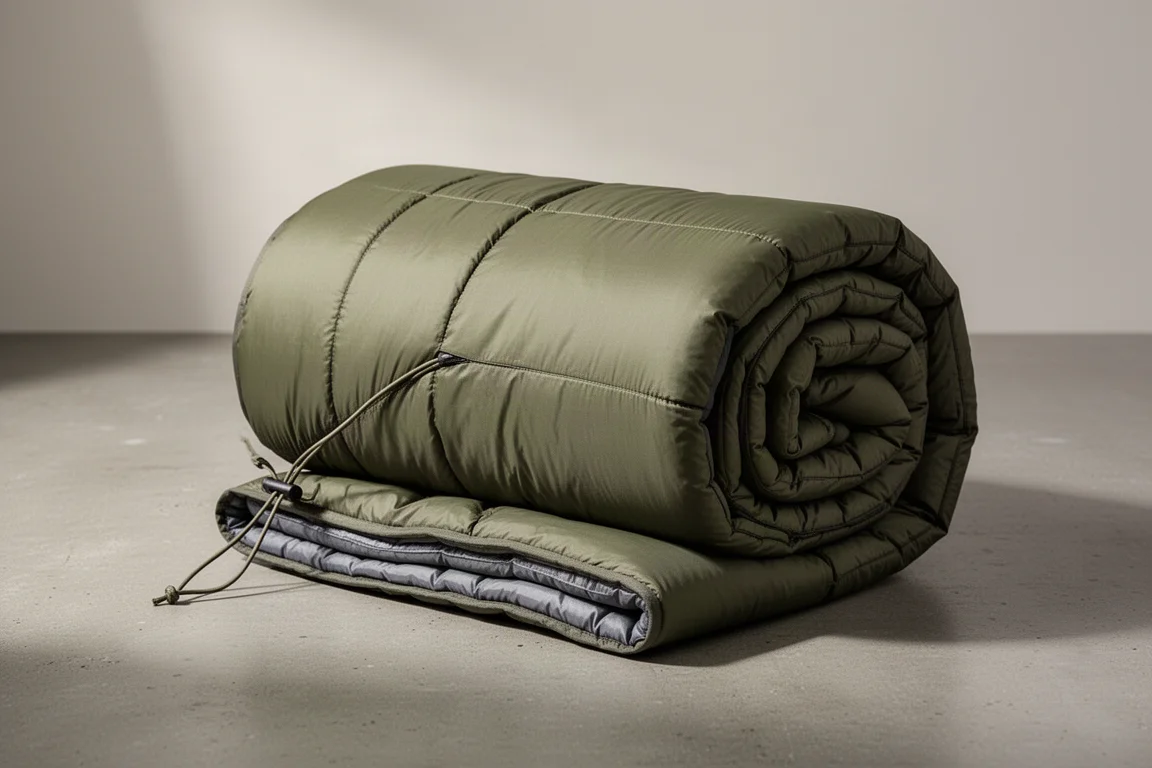
Sleep Insulation: Enlightened Equipment Enigma Apex Quilt
The Enigma Apex is a 20-degree synthetic quilt. At 26.8 ounces and around $230, it lands in a similar weight and price range to a mid-range down bag while being lighter than many of them. Quilts take a night or two to get used to if you have only slept in bags, since there is no hood and the draft management is up to you.
The synthetic fill is a genuine advantage on the East Coast. Down loses most of its insulating value once it gets soaked, while synthetic fill keeps working when damp. In a climate where condensation and humidity are constant, that peace of mind is worth a lot, and it makes the quilt a forgiving choice for a first long hike.
Sleeping Pad: Therm-a-Rest NeoAir XLite
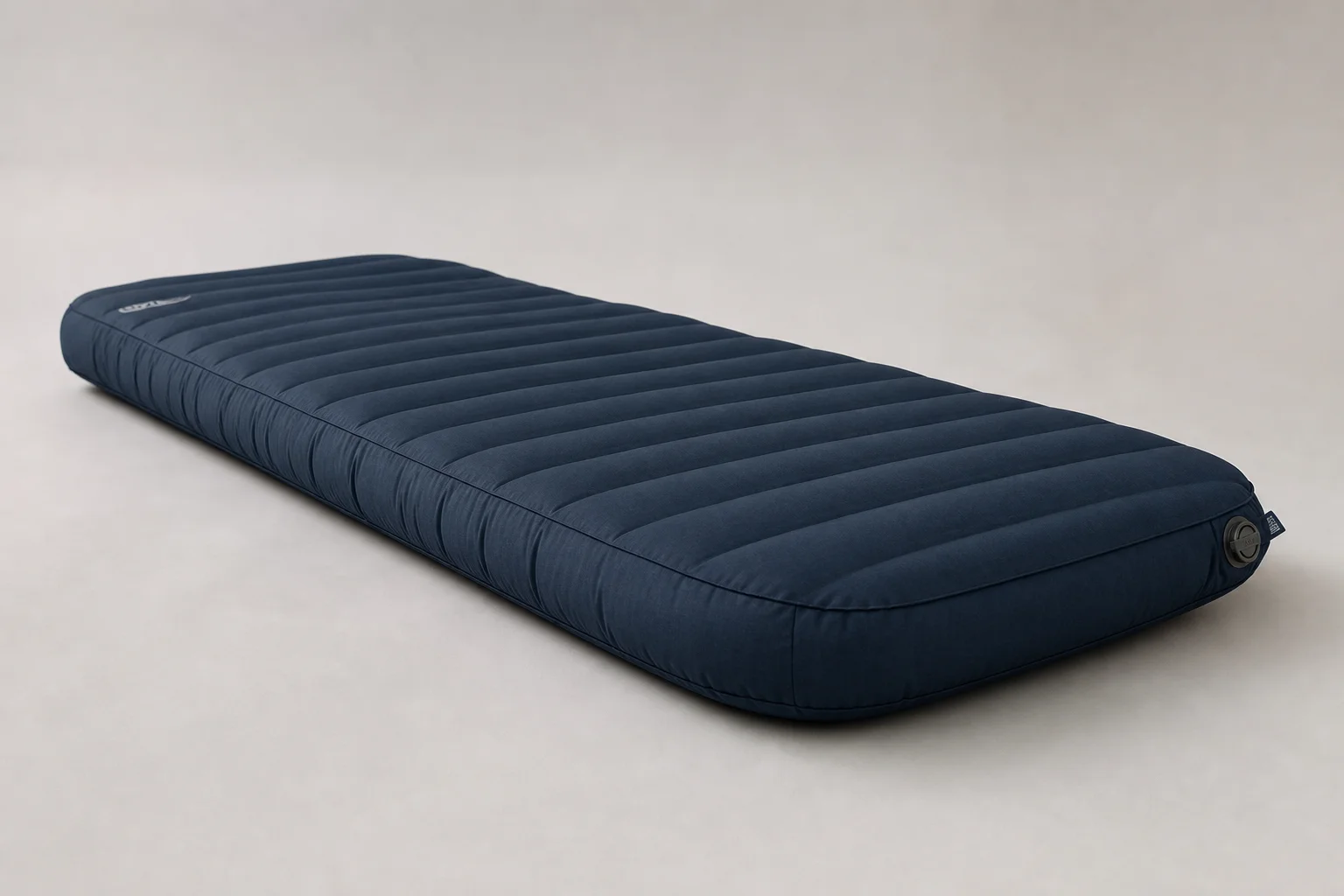
Inflatable pads are the single biggest comfort upgrade on a long trail. Closed-cell foam pads are cheap, nearly indestructible, and can be trimmed to length, but most hikers eventually reach a point where poor sleep becomes the limiting factor on their mileage.
The NeoAir XLite is the long-standing answer here. It weighs between 8 ounces for the short version and 16 ounces for the longer versions, and prices run from around $150 to $230 depending on the size you choose. A short pad that runs from your head to your knees, with your pack placed under your legs, is a common weight-saving arrangement.
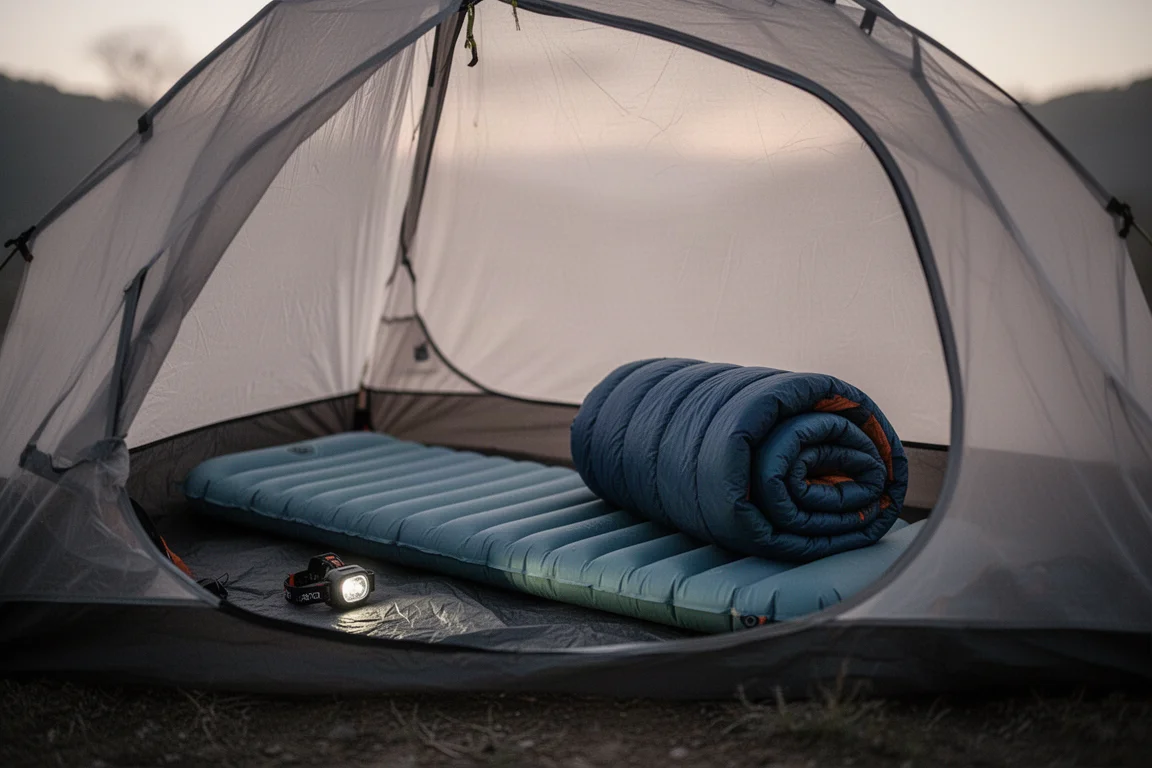
Sleeping position matters when you choose. If you sleep on your back you can get away with more, but side sleepers should treat a good inflatable pad as a priority rather than a luxury.
Water Treatment: Sawyer Squeeze
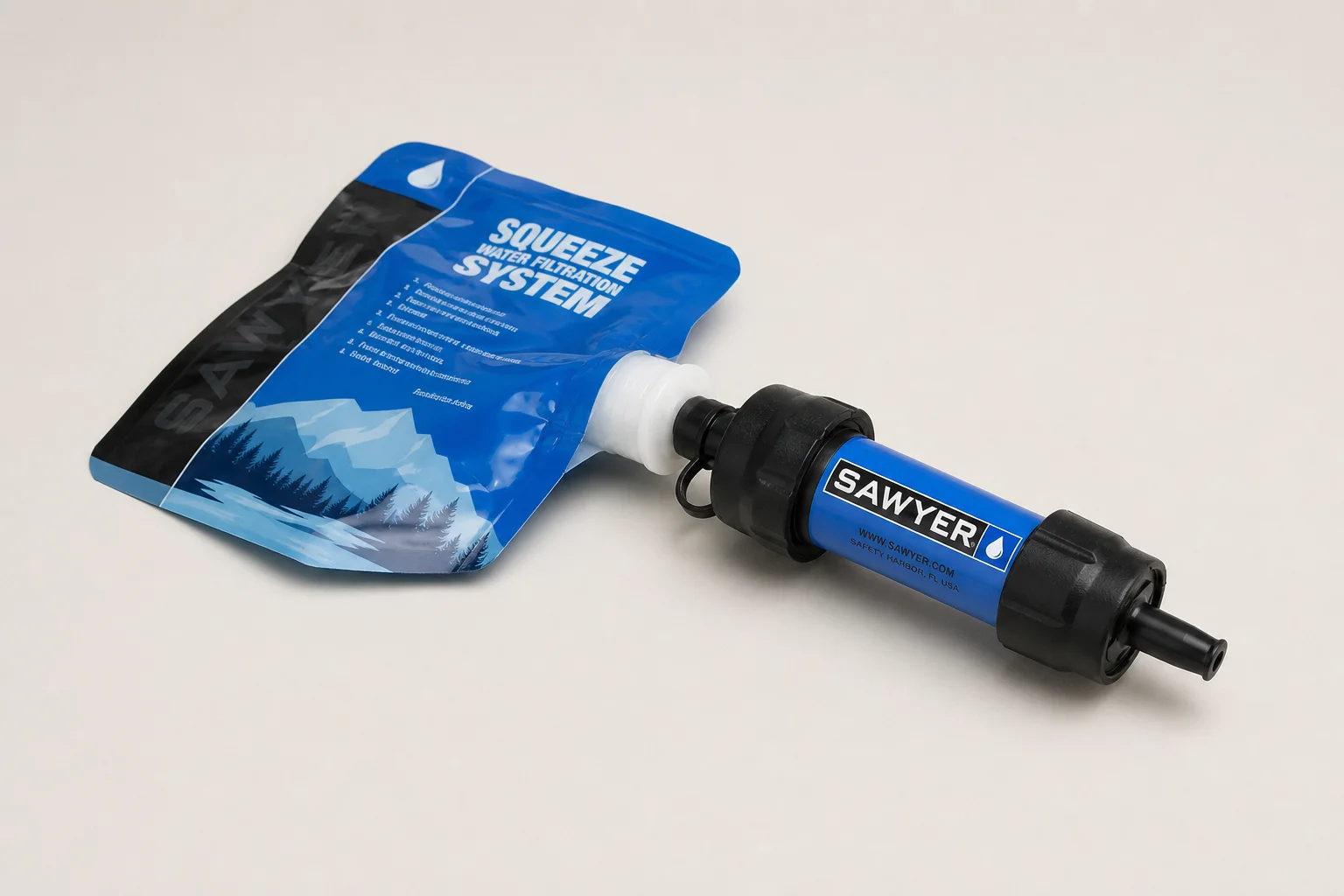
The Sawyer Squeeze costs around $40 and weighs 3 ounces, and it is the simplest water system on this list. You fill a bottle with untreated water, screw the filter onto the bottle, and drink straight through it. There is no separate clean bladder and no gravity rig to assemble at every source.
Gravity filter systems work, but they typically cost over $100 and weigh around 8 ounces, and they ask you to stop and unpack. With a squeeze filter you can keep your pack on, scoop water, screw the filter back on, and keep moving.
A second bottle reserved for clean water lets you mix drink powder without cross-contaminating the dirty side. It is a light and inexpensive system, and it is easier to live with over a full season than most of the alternatives.
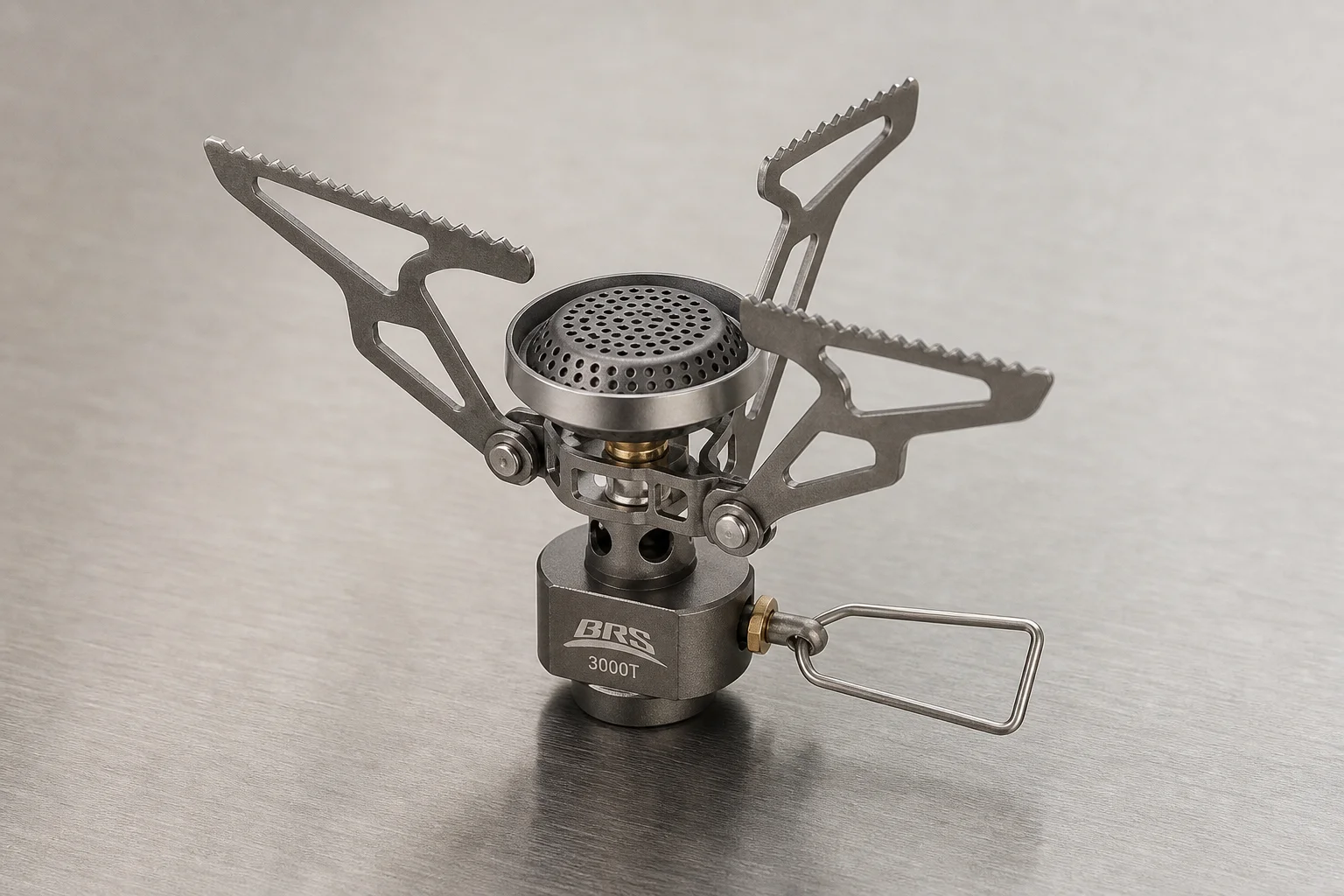
Cooking: MSR PocketRocket 2
The PocketRocket 2 is a canister stove that costs around $45 and weighs 2.6 ounces. It offers a stable pot support, which matters more than it sounds when you are cooking on uneven ground at the end of a long day, and it is efficient with fuel.
Lighter canister stoves exist, including models under an ounce that sell for around $15. They work, and they are a legitimate way to save both money and weight. The PocketRocket 2 remains the better all-round choice for anyone who wants a steadier cooking surface and does not mind the extra ounce and a half.
Lighting: Nitecore NU25
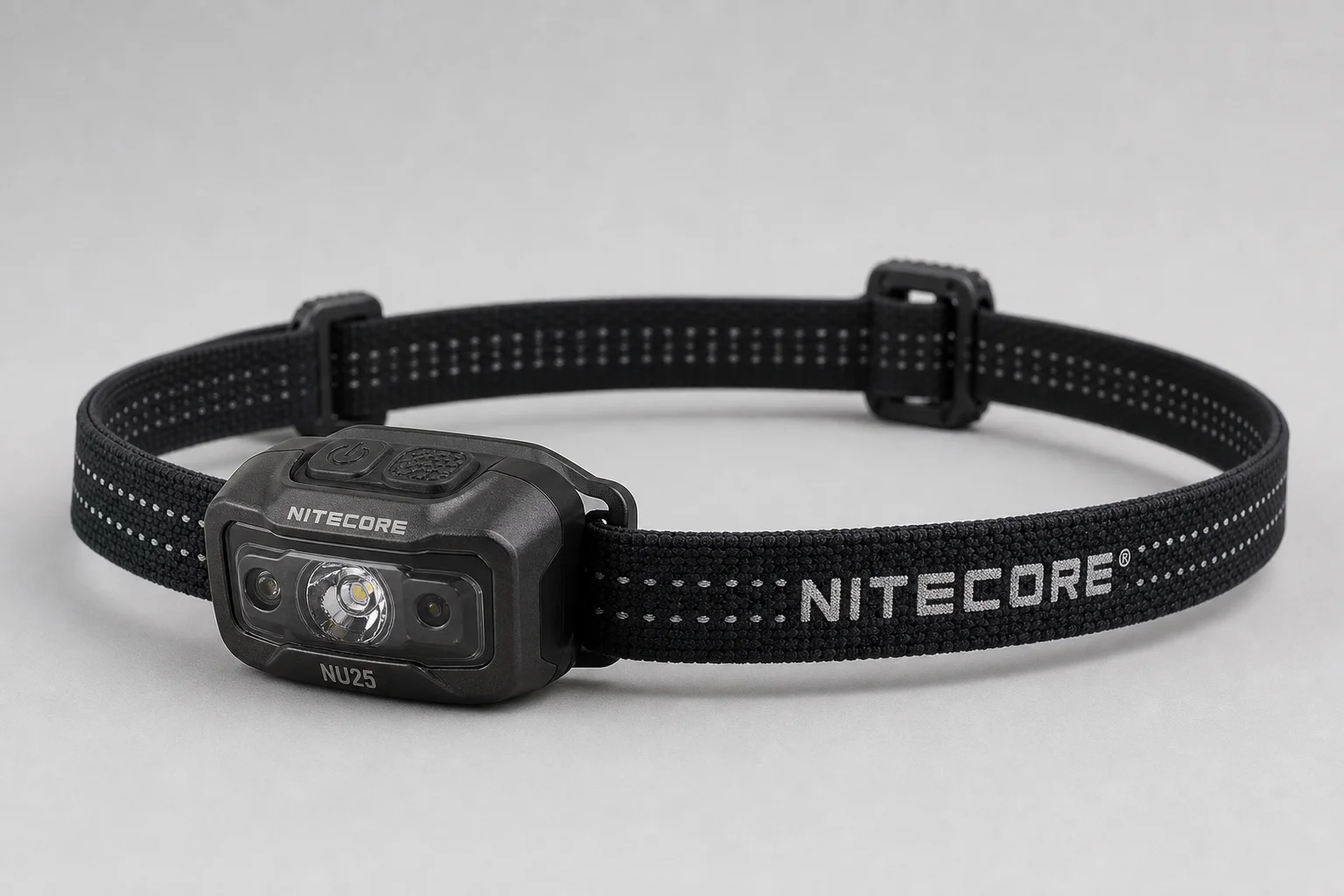
A headlamp is one of the few electronics that earns its place on every trip. The NU25 costs around $37, weighs 2 ounces, and is rechargeable, which removes the need to carry spare batteries for it.
Three features are worth insisting on. The first is rechargeable power, because it eliminates a consumable you have to plan around in town. The second is an adjustable head angle, so you can angle the beam downward while keeping your neck in a neutral position. The third is a red light mode, which lets you move around camp or pass other hikers without blinding anyone.
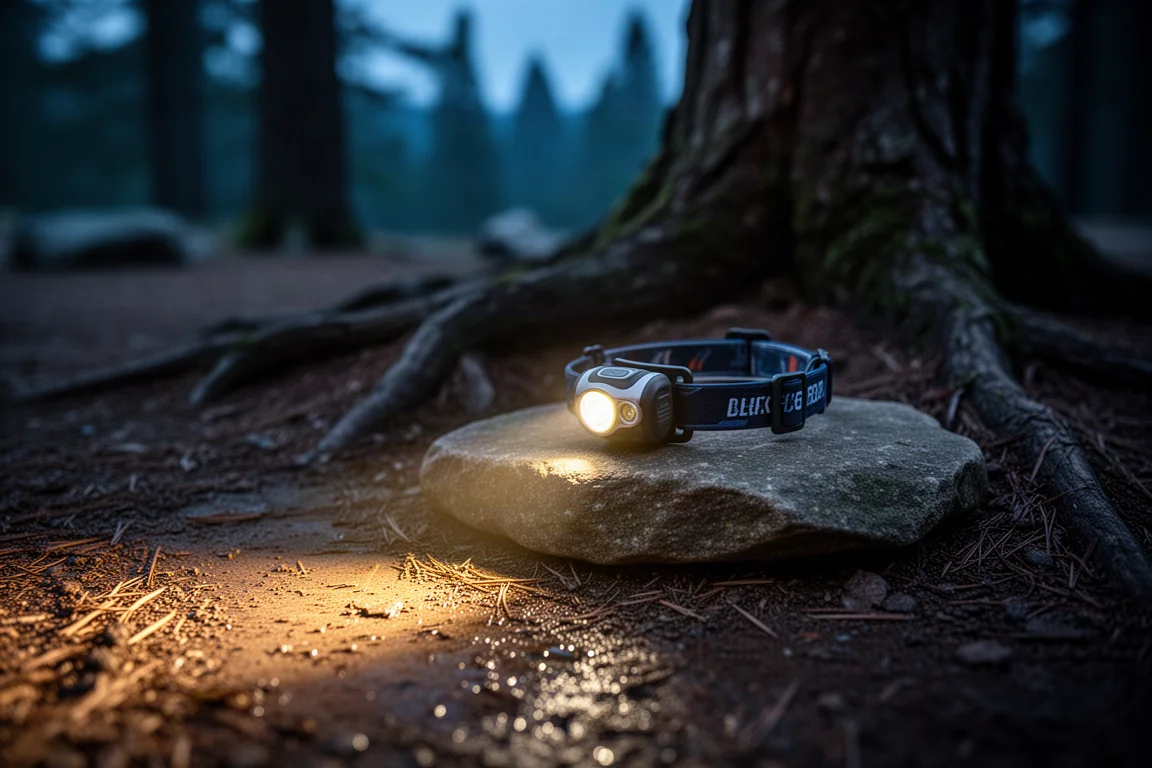
Weight and price are both reasonable here, and the feature set is exactly what a long trail asks for.
Footwear: Topo Athletic Terraventure 3
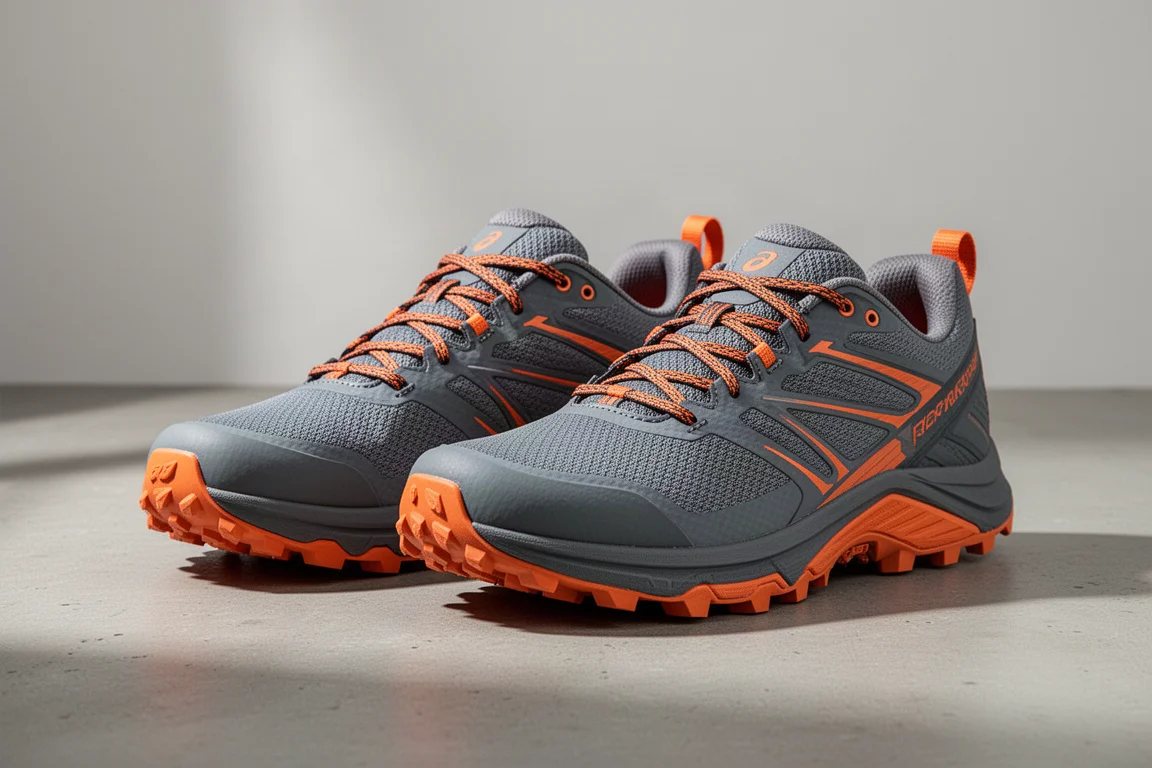
Footwear is the most personal category on this list, and the most consequential. Trail runners suit a lot of thru-hikers because they drain and dry faster than boots, and the Terraventure 3 is a good example of the type, with a wide toe box that gives your feet room to spread and a sturdy sole that handles rocky ground.
Wide toe boxes are worth prioritizing. Feet swell over long days, and a shoe that pinches at mile ten will be unbearable by mile twenty. Insoles are worth testing as well, and a supportive pair aimed at plantar fasciitis costs around $20 and often resolves the problem for a fraction of the price of custom orthotics.
Rain Gear: Frogg Toggs Rain Gear
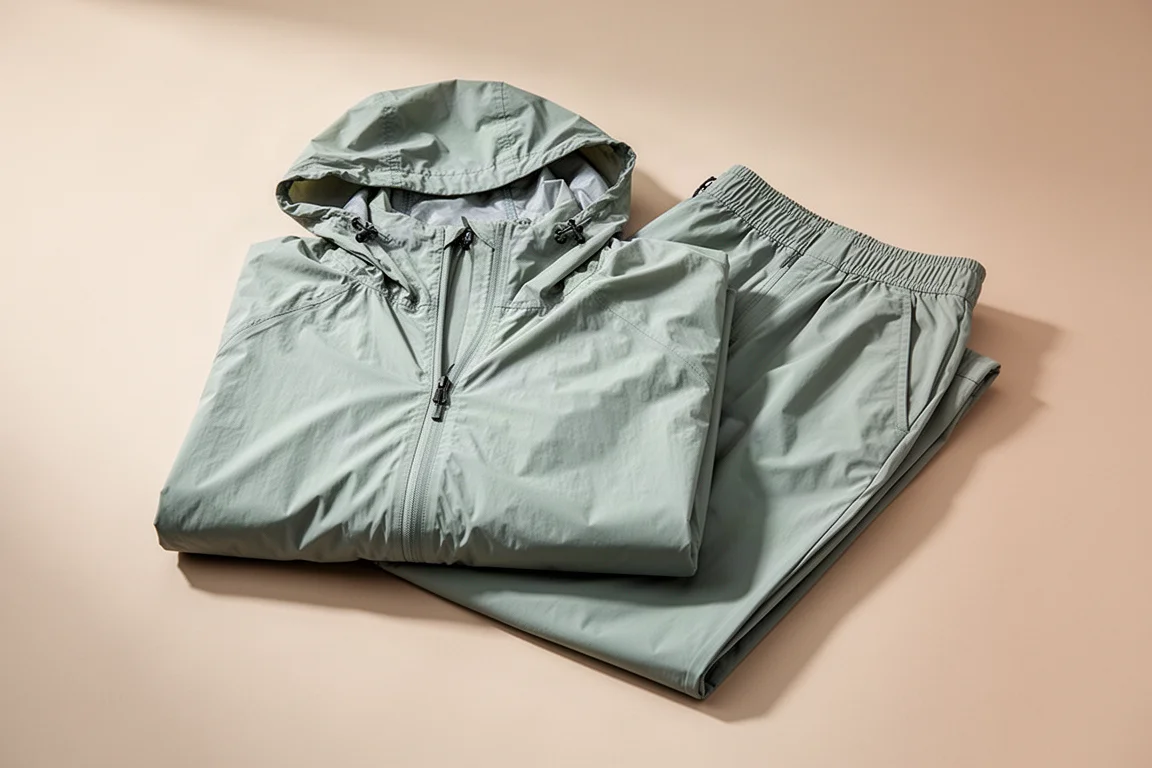
A rain jacket and rain pants for around $20 is the value play on this entire list. The Frogg Toggs set is not stylish and the material is not the most durable, so a set may need replacing partway through a long hike, but even two sets cost less than almost any lightweight alternative.
On the Appalachian Trail specifically, the wet is constant enough that the cheap option is genuinely defensible. The trade-off is longevity rather than performance, and the money you save can go toward the sleeping system or the shelter, where it makes a bigger difference to your daily comfort.
Budget and Layering Advice
Layering matters more than any individual garment. In cold rain, an extra thin synthetic base layer worn under your rain gear keeps you warm without soaking the sleeping clothes you want to keep dry for the night. On the coldest and wettest days, a lightweight fleece pullover over the base layer adds warmth without putting your insulated jacket at risk of getting wet.

A few smaller decisions add up. A lightweight umbrella of around 8 ounces is inexpensive and keeps rain off your face and torso, which helps you hold body heat when rain gear alone is getting overwhelmed. Thin insulating gloves paired with a waterproof shell glove give you warmth and dexterity at the same time. Rotating three pairs of socks on a wet trail is worth the small weight penalty, and a durable pair with a lifetime guarantee is a reasonable investment.
Conclusion
The gear that finishes a thru-hike is rarely the lightest or the most expensive. It is the gear that fits your budget, keeps you warm and dry enough to sleep, and does not fail at the worst moment. Every item on this list is a mid-range answer to a specific problem, and none of them require you to spend freely.
It is also worth remembering that the Appalachian Trail has been completed with far less. Grandma Gatewood finished it three times carrying a fraction of what most hikers carry today. Buy the best gear your budget allows, practice with it before you leave, and let the trail teach you the rest.
Further reading
Related Reviews
Hiking Gear
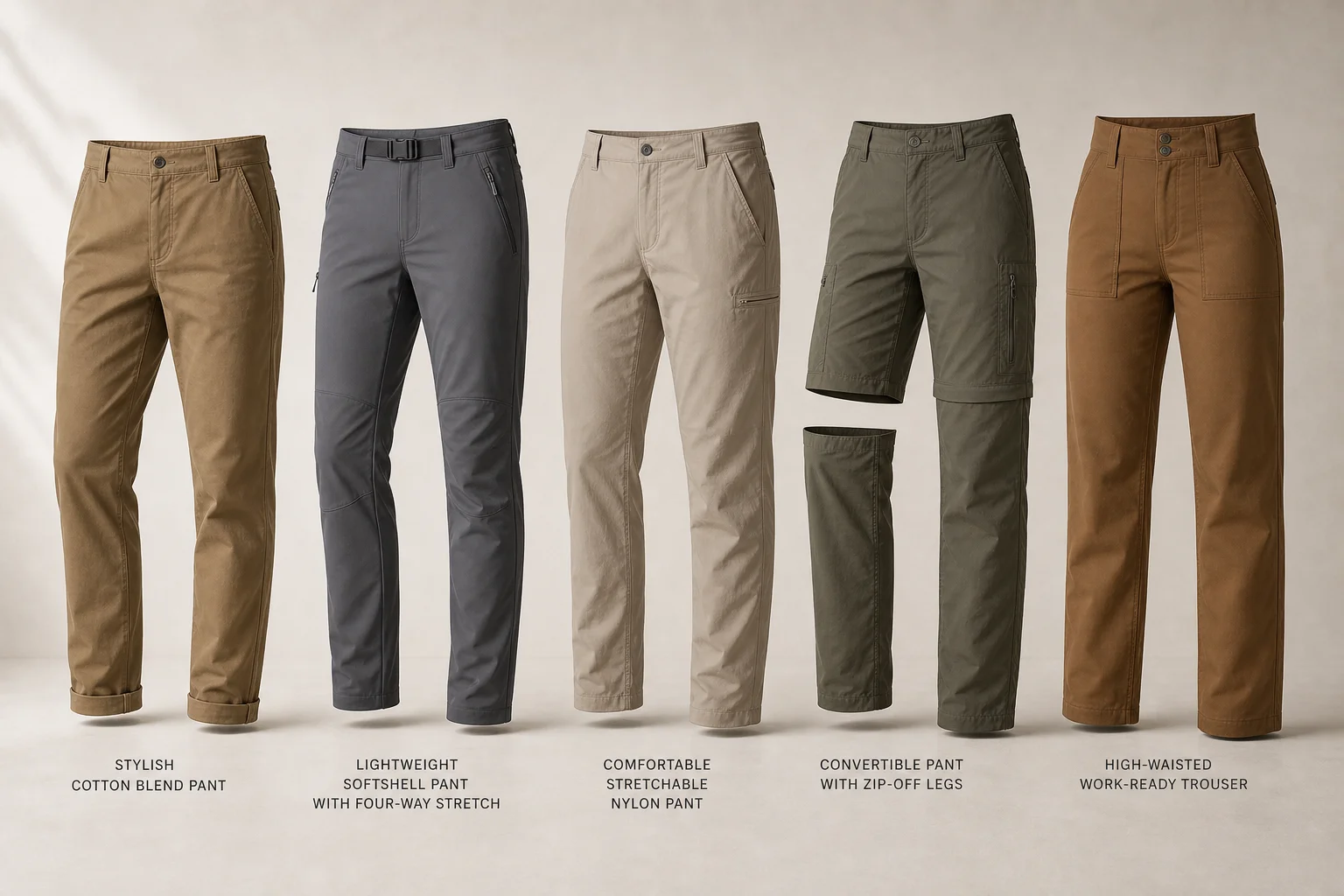
Best Hiking Pants on Amazon: Five Practical Options for Different Needs
A practical review of five hiking pants with clear strengths and trade-offs, from lightweight convertible styles to durable work-ready trousers.
Hiking Gear
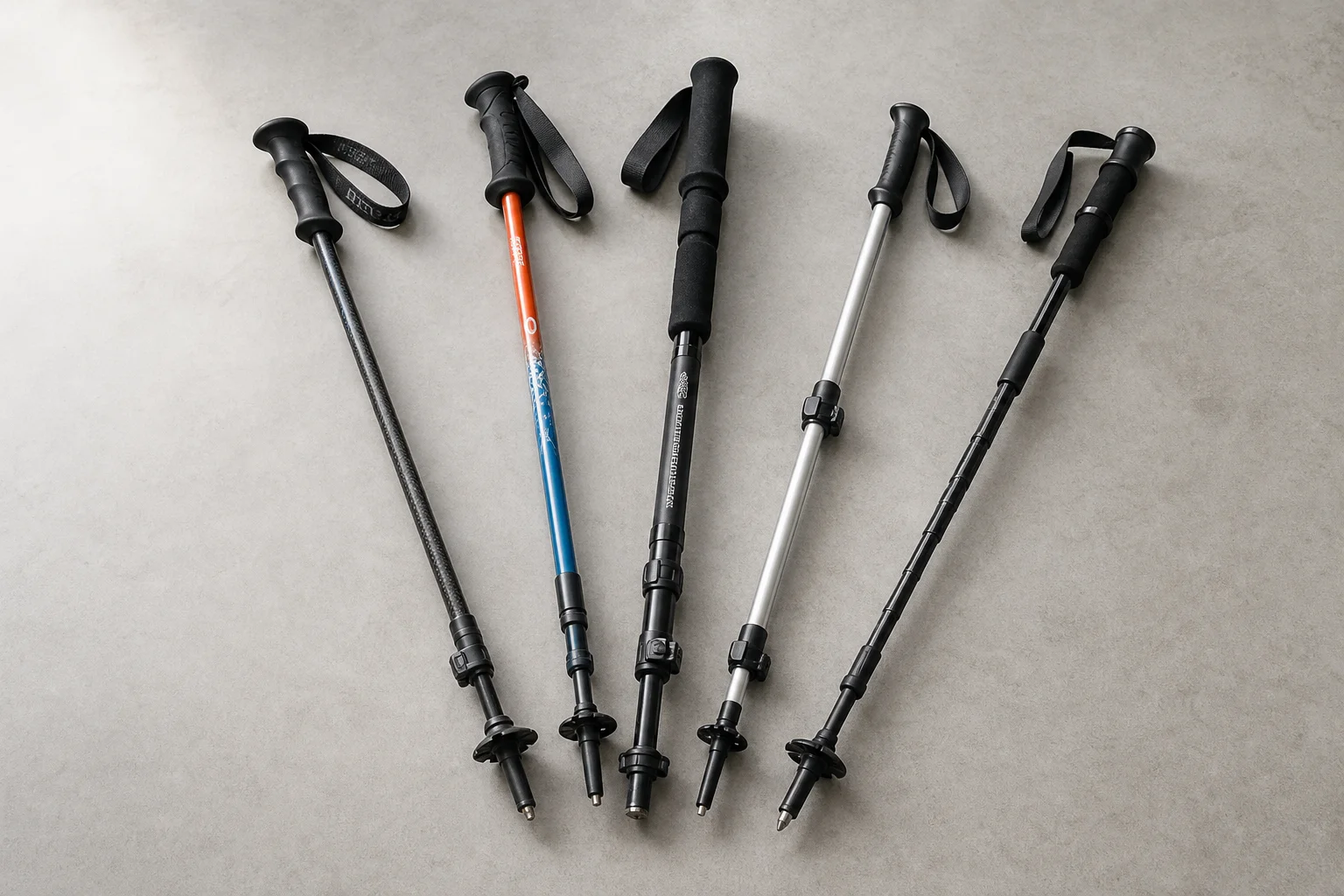
Best Hiking Poles 2026: Five Options for Different Trail Needs
A practical review of five hiking poles, from lightweight carbon designs to versatile all-terrain options, with clear strengths and trade-offs for each.
Hiking Gear
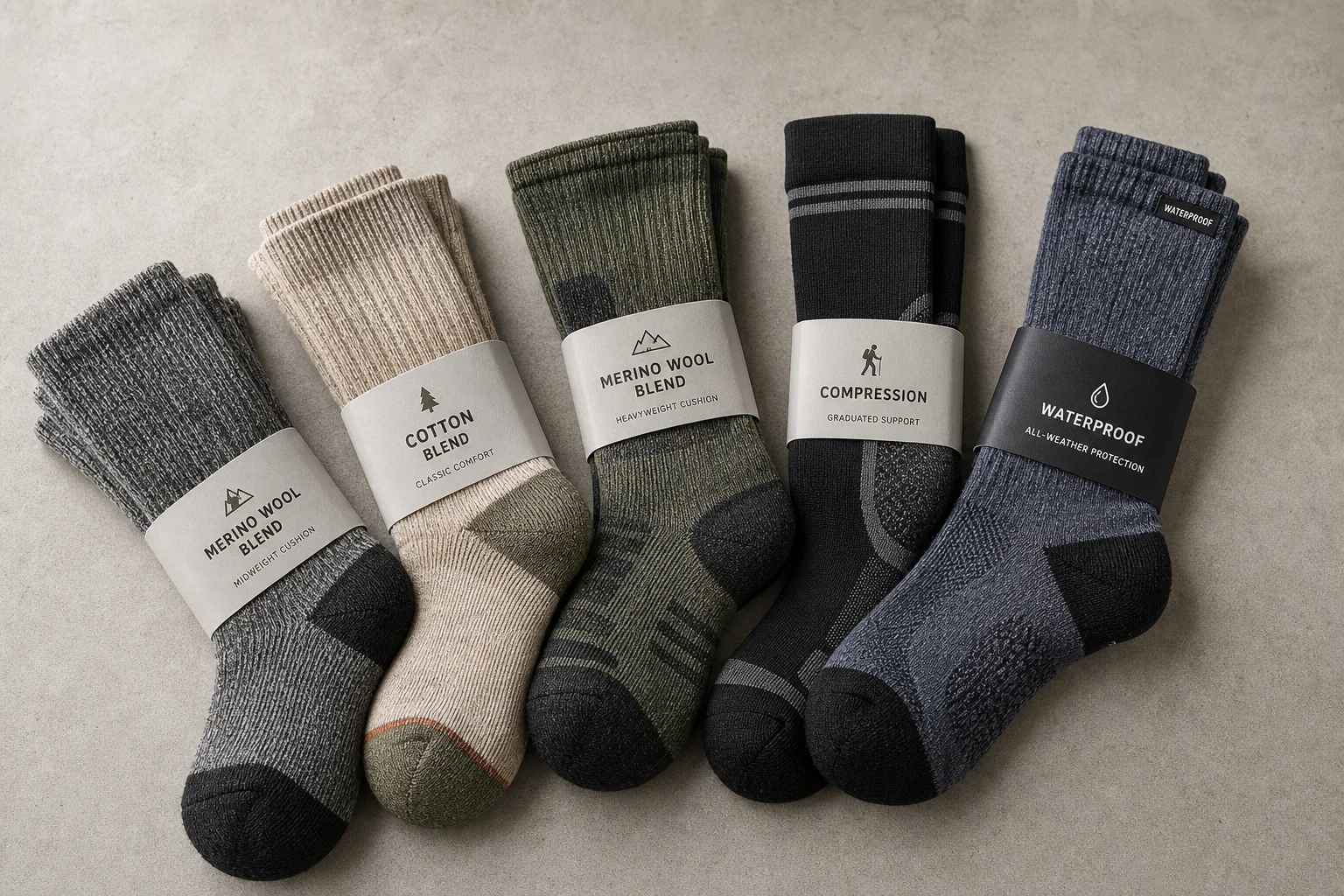
Best Hiking Socks 2026: Five Top Choices for Different Trail Needs
A practical roundup of five hiking socks, from lightweight merino options to heavy-duty compression styles, with clear guidance on which suits your outdoor activity.