Telescopes
Apertura Classical Cassegrain 6-Inch vs 8-Inch: The Original Cassegrain Design, Modernized
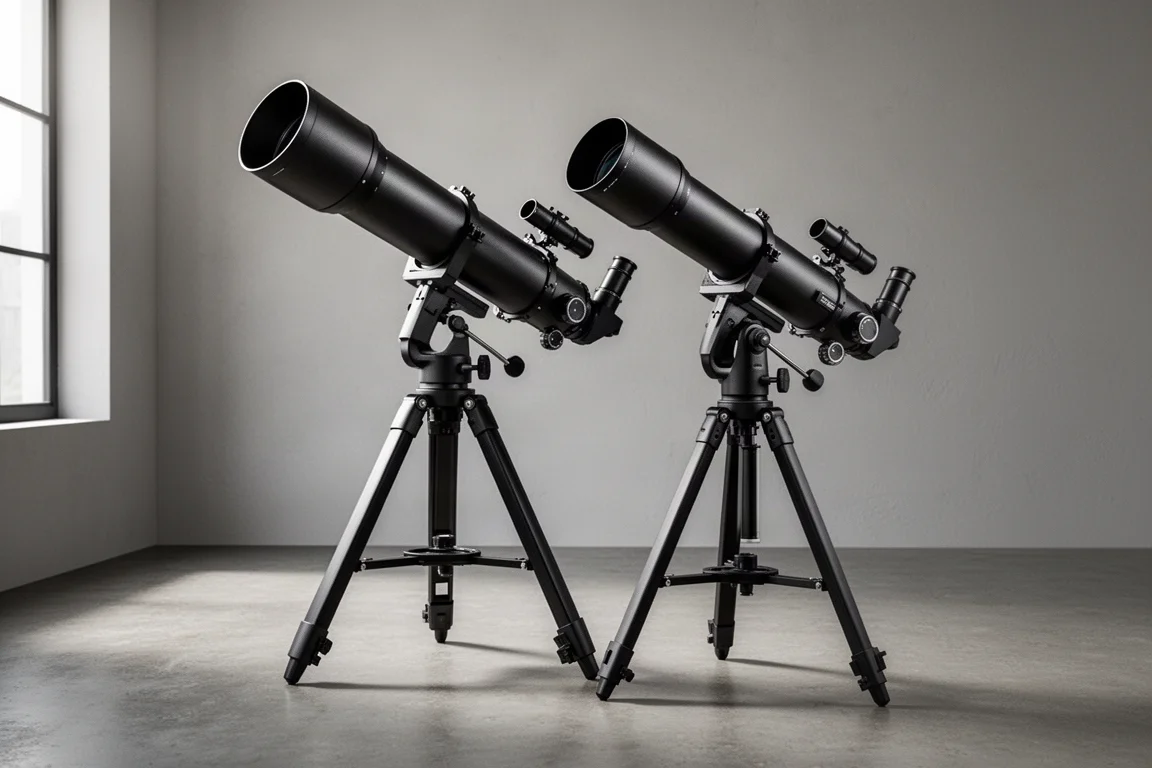
Two Apertura Classical Cassegrain telescopes bring the 1672 Cassegrain optical design back with modern touches: full-aperture secondary, knife-edge baffles, and an imaging-ready focuser.
Introduction
In 1672, French inventor Laurent Cassegrain proposed a telescope design that would lay the foundation for telescope innovation for generations. Unlike Newton’s classic Newtonian reflector, the Cassegrain reflector offered a longer focal length in a more compact body by reflecting light off a secondary mirror and through a hole in the primary mirror, rather than out the side of the tube.
Since then, several variations have found their way into the homes of amateur astronomers, with the Schmidt Cassegrain being the most popular. The Apertura Classical Cassegrain brings the original design back with a few modern changes, and it makes a strong case as a great option for discerning beginners and experienced users alike. Both the 6-inch and 8-inch models share the same core optical approach, so the real question is which aperture suits your observing style.
Why the Classical Cassegrain Design Still Matters
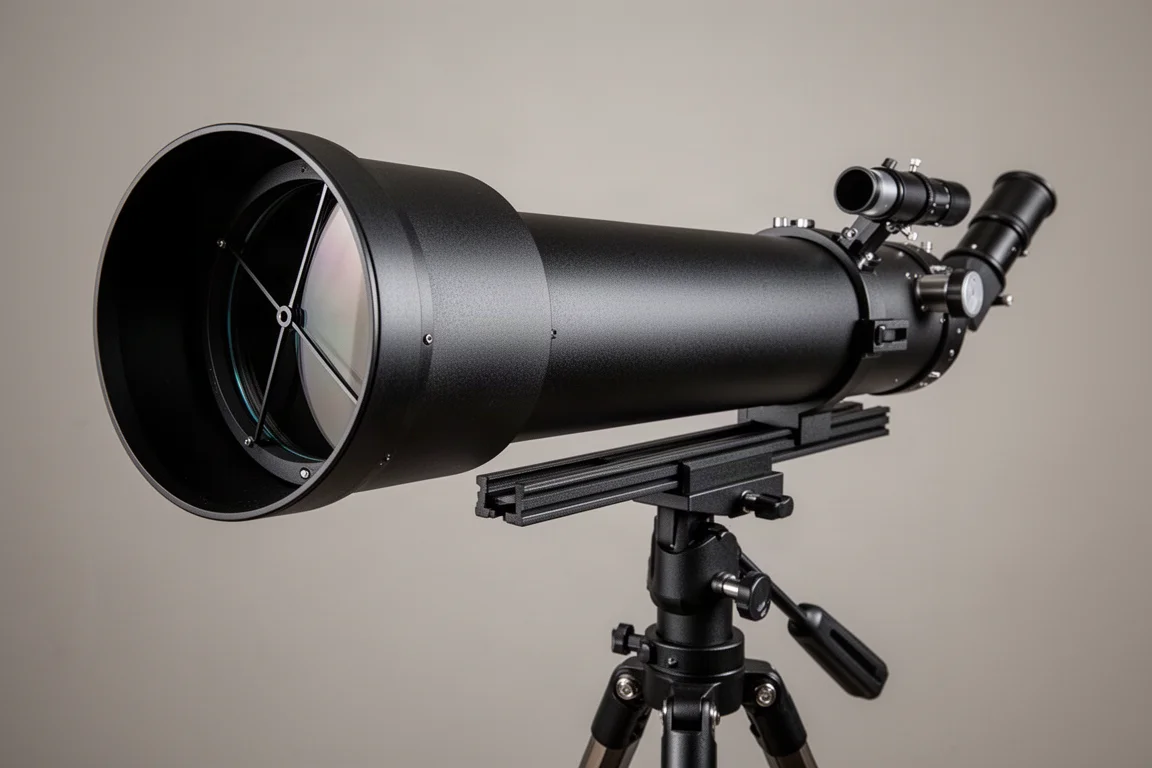
Classical Cassegrains are all about maximizing performance in a no-frills design. In true Cassegrain form, the secondary is a convex hyperboloid while the primary is a parabolic mirror. This combination offers virtually no spherical or chromatic aberration, a well-illuminated field of view, and substantial coma correction, all without the corrector plate found on the front of other Cassegrain variations.
The open tube design also means dew and condensation are no longer something you have to combat with accessories like dew heaters or dew shields. On top of that, the external focuser eliminates the dreaded mirror flop that plagues internal-focus designs like Schmidt Cassegrains. Simpler design means fewer issues to run into, and that is always a good thing.
Key Improvements Over Other Cassegrain Variations
With other Classical Cassegrains on the market, you cannot use the full size of the primary mirror because of an undersized secondary. Apertura solves this with a properly sized secondary, ensuring you gain access to the full aperture of the primary mirror.
Both models also feature 11 knife-edge baffles placed throughout the full length of the optical tube. These offer a huge reduction in stray light and increase contrast during your viewing sessions. These improvements come standard on both the 6-inch and 8-inch models.
What Comes in the Box
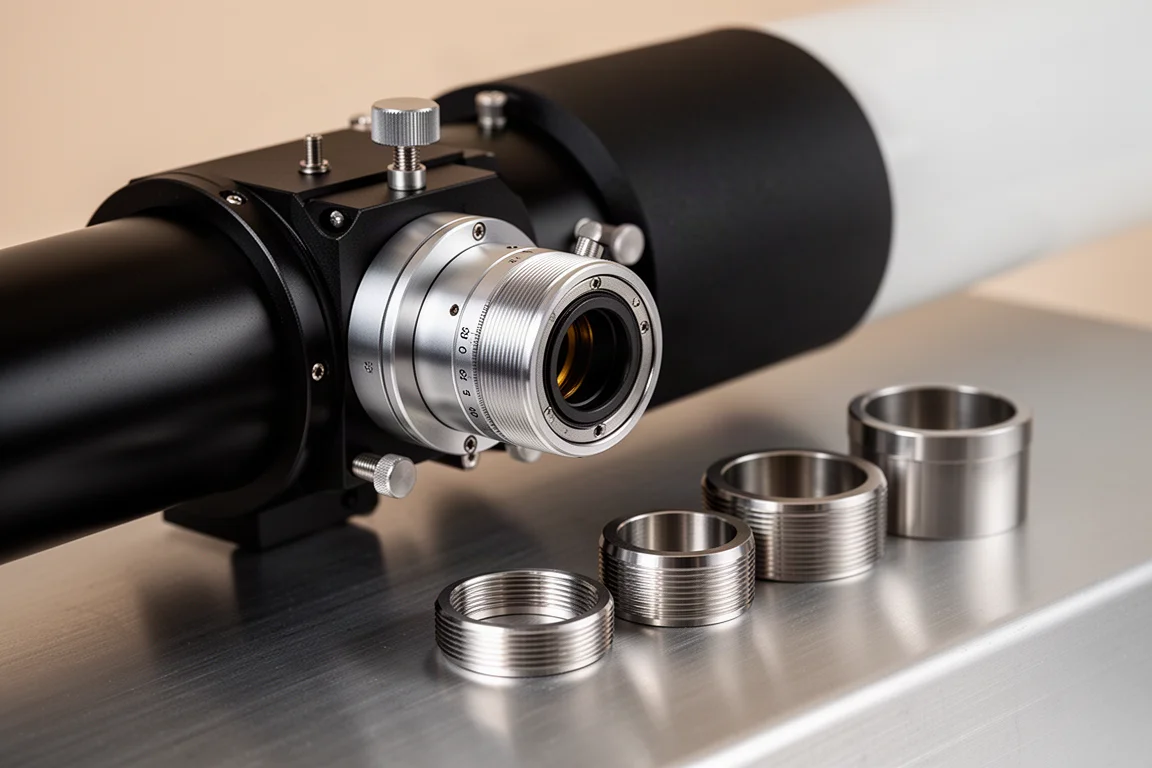
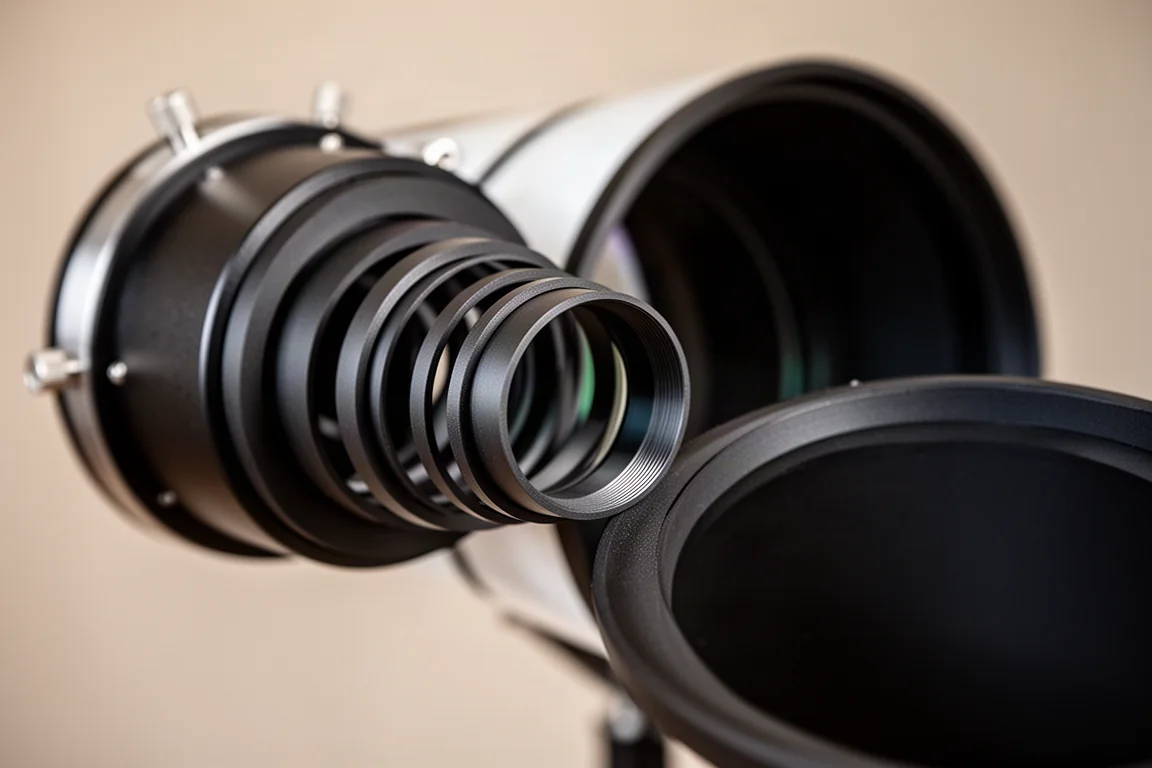
Both the 6-inch and 8-inch models include the modernized optical tube assembly with a Synta-style finder scope shoe with a set screw and locking screw, extension tubes for different visual accessories, and a dual-speed 10:1 linear bearing focuser with a 2-inch to 1.25-inch adapter that uses brass compression rings.
What really stands out is that the focuser comes threaded for accessories right out of the box. You get included M56, M54, M48, and M42 threaded adapters. Simply unthread the silver drawtube ring, choose the adapter you need, and you are set. This gives you tremendous flexibility and the option for a fully threaded connection when using heavy widefield eyepieces or quality-of-life accessories such as the Apertura rotator. Apertura has also created a systems chart in the manual covering the different connection possibilities.
The two models differ in mounting hardware. The 6-inch comes standard with a CNC-machined anodized Vixen dovetail with color-matching radius blocks, while the 8-inch includes both a Vixen and a Losmandy-style dovetail with color-matching radius blocks, giving heavier setups more mounting options.
Apertura Classical Cassegrain 6-Inch
The 6-inch model packages the full Classical Cassegrain experience, including the properly sized secondary, 11 knife-edge baffles, and the imaging-ready dual-speed focuser, in the more compact and manageable of the two formats. With its included CNC-machined anodized Vixen dovetail and color-matching radius blocks, it is straightforward to mount and easier to handle for newer observers.
For beginners, it offers the night sky experience as it should be, making it a strong starting point for years of enjoyment with minimal frustrations.
Apertura Classical Cassegrain 8-Inch
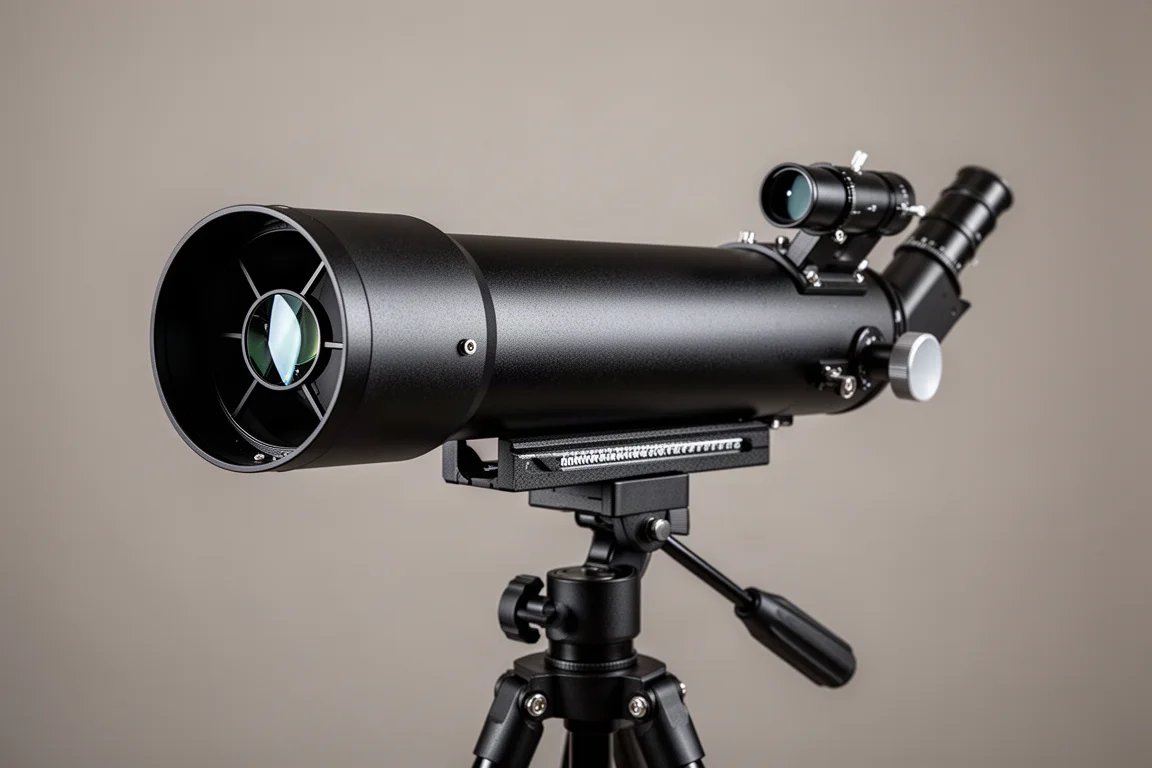
The 8-inch model takes everything that makes the 6-inch appealing and adds more light-gathering aperture, which is the single most meaningful upgrade in visual astronomy. It ships with both a Vixen and a Losmandy-style dovetail with color-matching radius blocks, so it is ready for the heavier mounts that its larger optical tube deserves.
For experienced visual enthusiasts who have grown tired of chromatic and spherical aberrations after years with other telescope designs, the 8-inch delivers the long focal length and clean contrast the Classical Cassegrain design is known for, with more aperture at the eyepiece.
Visual Observation and Astrophotography
With a long focal length and advantages like no chromatic or spherical aberrations and substantial coma correction, the Classical Cassegrain lends itself naturally to experienced visual observers. But it is not purely a visual instrument.
For those interested in imaging the night sky, the EAF-ready dual-speed linear bearing focuser turns this precise visual instrument into a planetary imaging or high-magnification deep space astrophotography powerhouse. The threaded focuser adapters reinforce this versatility, giving imagers a rigid, all-threaded optical train.
Which One Should You Buy?
If you are new to astronomy and want a telescope that grows with you rather than one you quickly outgrow, the 6-inch is the approachable entry point. You still get the full-aperture secondary, baffling, and focuser features of the larger model, in a package that is easier to mount and transport.
If you have spent years observing through other designs and want more aperture with the clean optics of the original Cassegrain formula, the 8-inch is the more rewarding choice, particularly with its dual dovetail options for heavier mounts.
Conclusion
The Apertura Classical Cassegrain range takes a design from 1672 and modernizes it in the ways that matter: a properly sized secondary that delivers the full aperture, 11 knife-edge baffles for better contrast, an open tube that shrugs off dew, and an EAF-ready dual-speed focuser that works for both visual observing and astrophotography. Between the two, the 6-inch suits beginners who want a frustration-free start, while the 8-inch rewards experienced observers with more aperture. Either way, both are strong alternatives to other Cassegrain variations on the market.
Further reading
Related Reviews

Telescopes
Sightron SJ75 UF and Sky-Watcher HS125: Two Telescopes Worth Watching
A look at two notable telescopes from a recent camera and optics expo: a sharp new astrograph from Sightron Japan and a compact fast reflector from Sky-Watcher.

Telescopes
SV503 102ED Review: A Budget 102mm Refractor That Surprises
The SV503 102ED is an affordable 102mm doublet refractor that delivers surprisingly decent star shapes and a smooth focuser, despite some chromatic aberration and light falloff.

Telescopes
SVBony MK127 Review: A Compact Maksutov-Cassegrain That Surprises
The SVBony MK127 is a 127mm Maksutov-Cassegrain telescope with a unique 0.65x reducer, making it a versatile option for visual astronomy and even some deep-sky imaging.