Telescopes
Apertura CarbonStar 8 Inch Imaging Newtonian: A Bigger Window on Deep Sky Targets
Apertura's 8 inch CarbonStar Imaging Newtonian brings larger aperture, APS-C optimization, and a carbon fiber build to amateur astrophotographers who want hassle-free imaging.
Introduction
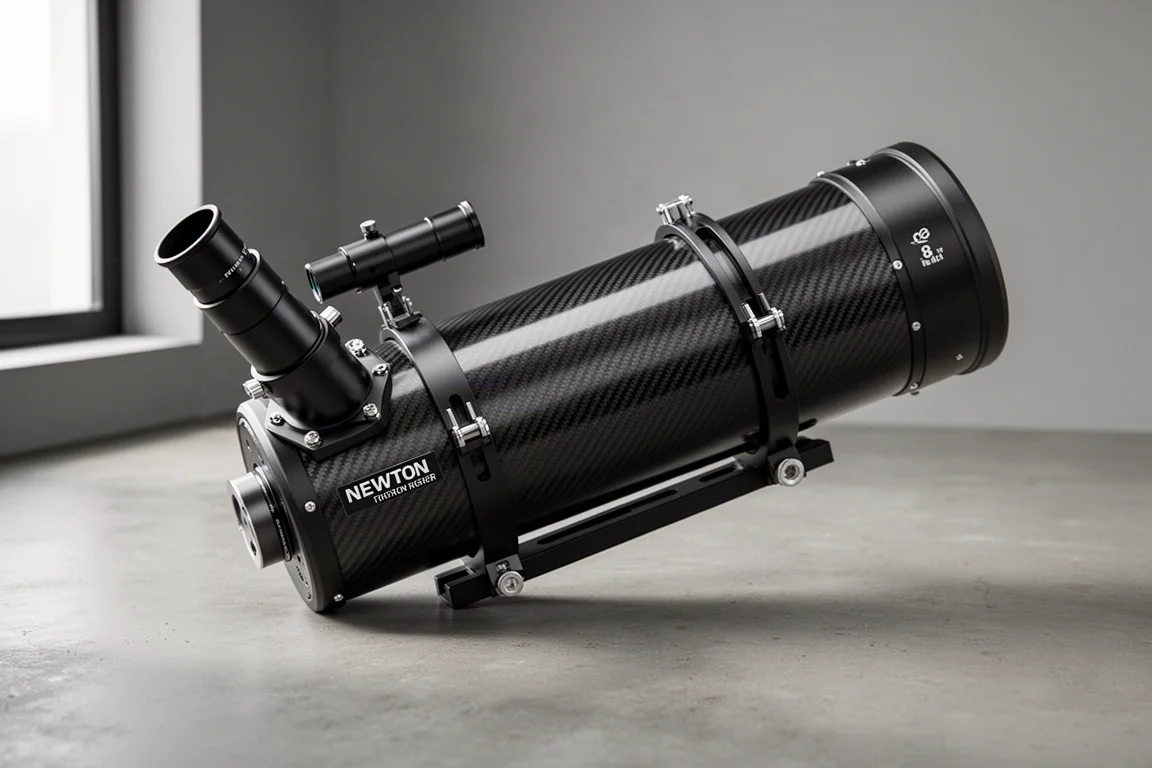
The Apertura CarbonStar line of Imaging Newtonians was created with one goal in mind: making out-of-the-box astrophotography a reality. After the release of the 150mm 6 inch model, Apertura was quickly asked for a larger option, and the answer is the CarbonStar 8 inch Imaging Newtonian.
Like its smaller sibling, the 200mm model pairs a full carbon fiber body with CNC-machined parts throughout, delivering the premium build quality the line is known for while keeping the experience as hassle-free as possible for amateur astrophotographers.
Why 8 Inches of Aperture Matters
Larger aperture means more light-gathering power, and that is obvious on paper. What is harder to overstate is the access that 8 inches of aperture gives you when it comes to bringing out and capturing detail in deep sky objects. It is exactly those details that make the 8 inch size so sought after in astrophotography.
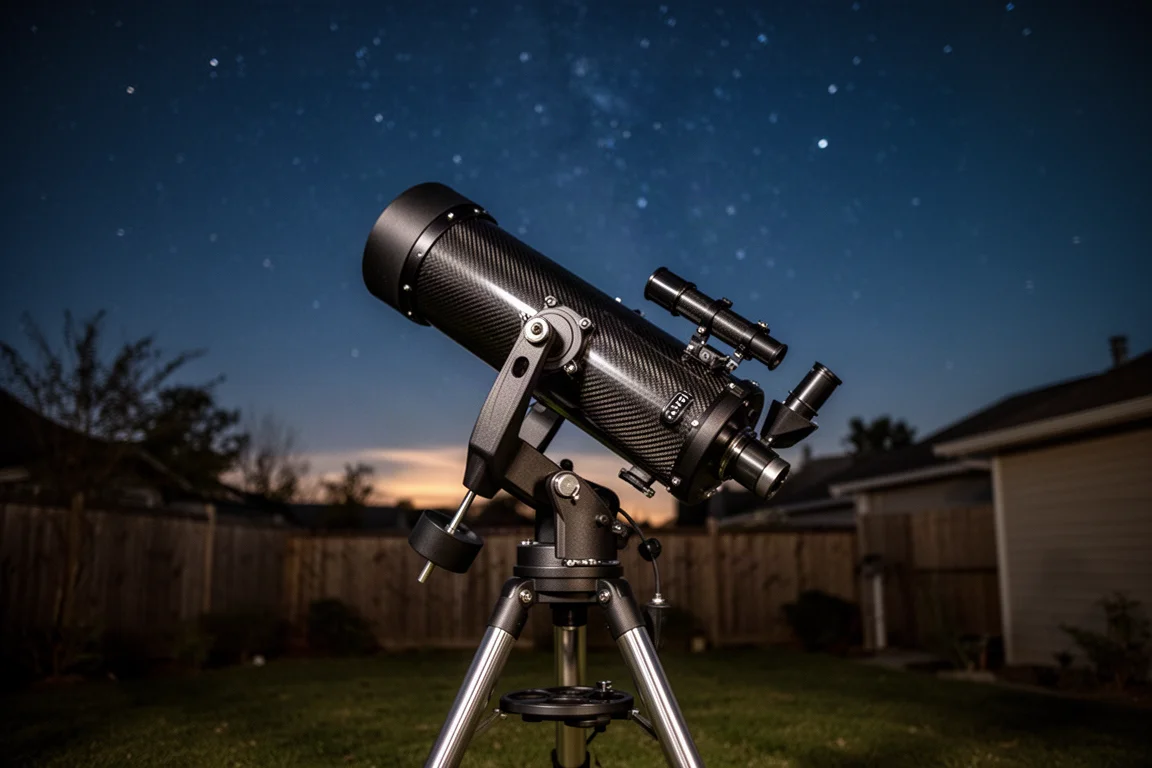
If you have been wanting more out of your astrophotos and are ready to take the next step in size, performance, reliability, and warranty, this aperture class is a natural fit.
Built for Rigid, Reliable Imaging
The CarbonStar 8 inch continues the line’s signature construction: a single-piece, CNC-machined secondary spider vane that prevents twisting and flexing during collimation, letting you hold collimation far longer than a traditional Newtonian.
Rigidity extends to mounting as well. The tube comes fitted with both a Vixen and a D-style dovetail, each with four mounting points. That stability when attaching the OTA to an equatorial mount eliminates the back-and-forth wobbling typical of traditional two-point mounting systems.
Focuser and Imaging Train Stability
To carry larger APS-C cameras and other accessories, the CarbonStar 8 inch uses a 2 inch rack and pinion dual speed 10:1 ratio focuser. The draw tube is designed with a tight fit to help minimize tilt in your imaging train, and the focuser is EAF compatible for automated focusing routines.
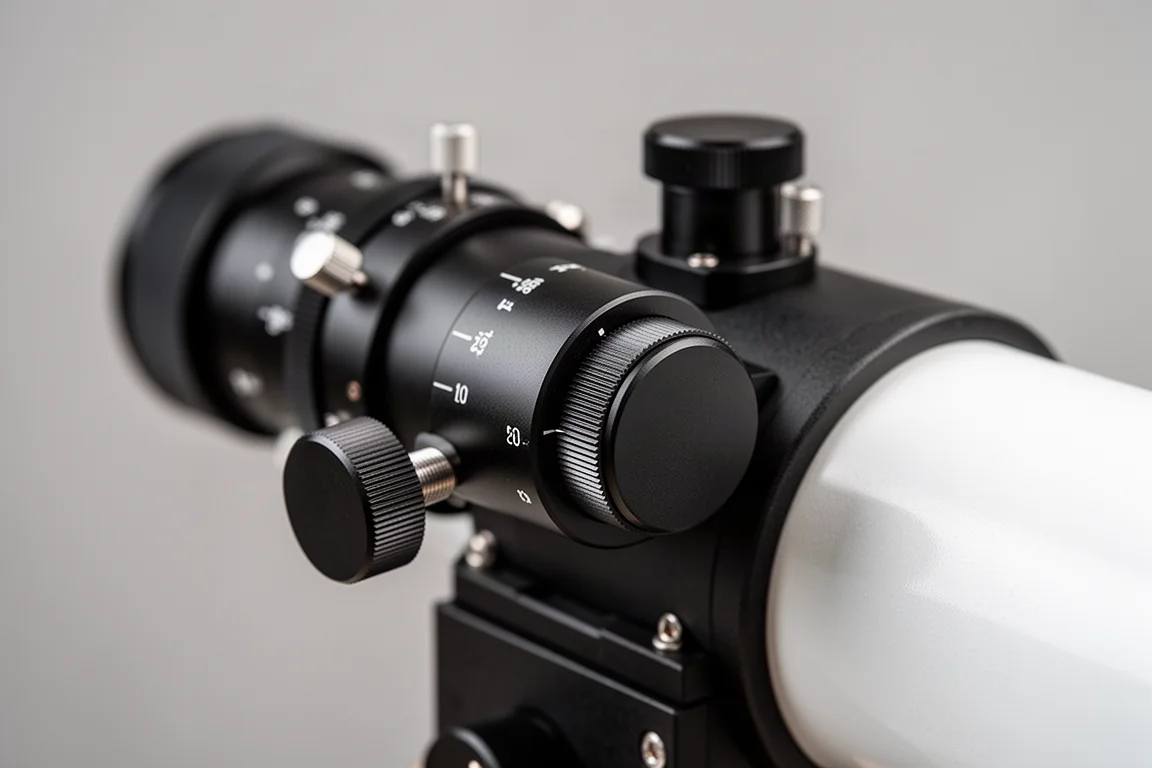
For anyone running heavier camera payloads, this combination is one of the practical details that keeps a night of imaging frustration-free.
Light Control: Baffles and the Solid Back Plate
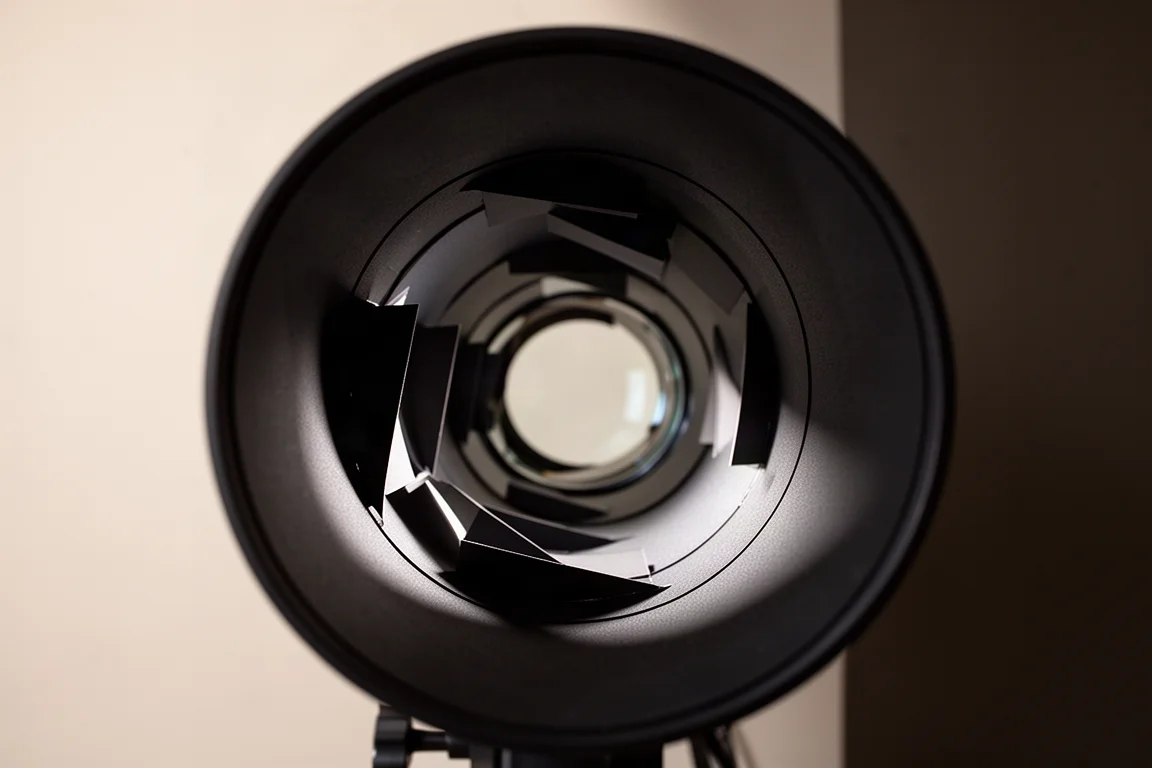
Looking down the optical tube, you will find 13 internal knife-edge baffles. Many traditional imaging Newtonians simply lack internal baffling, which lets stray light bounce around, hit the mirrors, and eventually reach the camera sensor, reducing contrast in your images.
Stray light from almost any source, whether the moon or a porch light, can also sneak up through the primary mirror cell and wreak havoc on individual subs. The gradients caused by this kind of light cannot be corrected with flat frames, which is why Apertura includes a solid back plate for the rear cell. It is a welcome addition to the CarbonStar line.
Optics Optimized for APS-C Sensors
The CarbonStar 150 was optimized for popular astronomy cameras like the 294, 585, and 533. The 200mm 8 inch model steps up to more sought-after sensors such as the ASI 2600, an APS-C size sensor. To accommodate this, Apertura increased the secondary mirror size to improve field illumination for APS-C chips.
The scope is available with or without the dedicated non-reducing coma corrector, which offers 2 inch filter threads and requires a standard 55mm of spacing. Together, these choices are designed to give larger-sensor shooters the field illumination they crave from an imaging system.
Standardized Focal Point: Less Time Hunting for Focus
One of the most convenient refinements is the standardized focal point. Instead of hunting for focus, simply adjust the focuser to the 35mm point and you will be in near precise focus. From there, use a Bahtinov mask and the dual speed focuser to fine-tune, or just run your EAF routine and get imaging sooner.
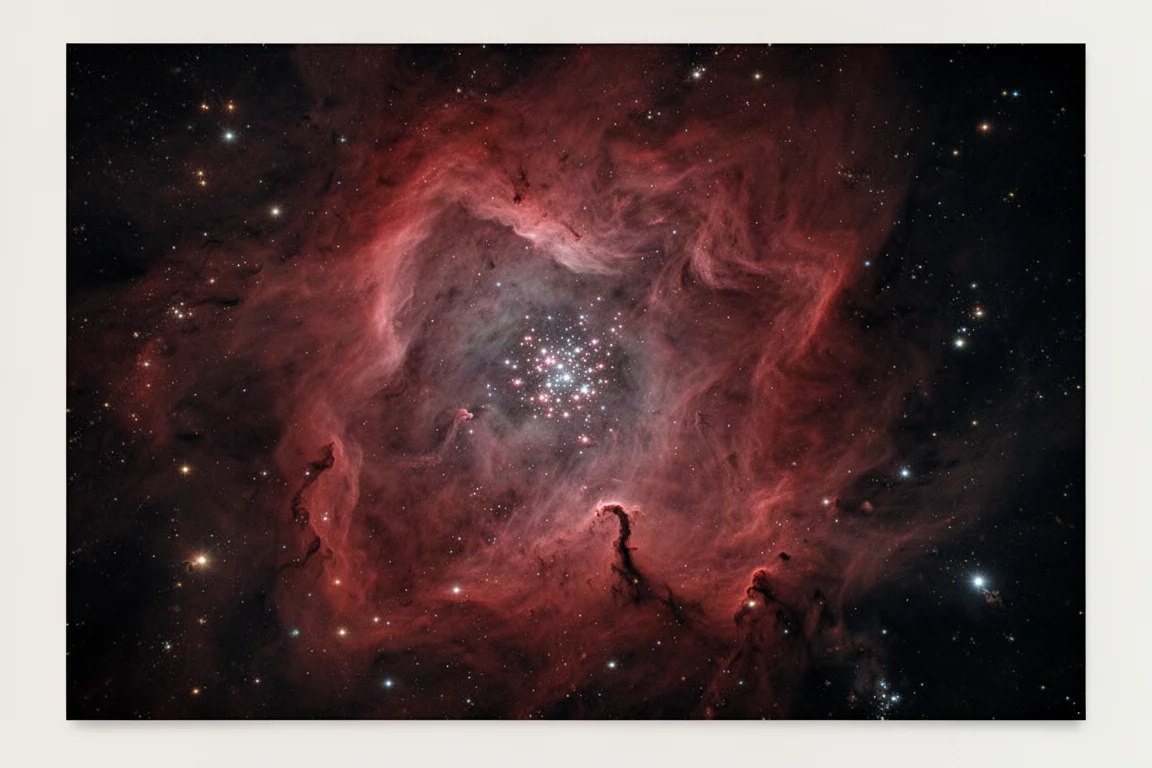
A Real-World Result: The Rosette Nebula
Having used the CarbonStar 150mm 6 inch Newtonian for over a year, the obvious question was how much detail the 8 inch model could achieve with a modest six hours of imaging. The answer was presented in the form of NGC 2237, otherwise known as the Rosette Nebula, a fitting showcase for what the larger aperture and APS-C optimization can deliver.
Conclusion
The Apertura CarbonStar 8 inch Imaging Newtonian takes everything that made the 6 inch model appealing and adds the light-gathering power, APS-C field illumination, and rigidity-focused hardware that serious amateur astrophotographers ask for. If you want an imaging Newtonian that works out of the box, this is an easy recommendation to make.
Product link
View more details for Apertura CarbonStar 8 Inch Imaging Newtonian
This product is mentioned in the review. Check the specifications, options, and compatibility before buying.
View more details for Apertura CarbonStar 8 Inch Imaging NewtonianFurther reading
Related Reviews

Telescopes
Sightron SJ75 UF and Sky-Watcher HS125: Two Telescopes Worth Watching
A look at two notable telescopes from a recent camera and optics expo: a sharp new astrograph from Sightron Japan and a compact fast reflector from Sky-Watcher.

Telescopes
SV503 102ED Review: A Budget 102mm Refractor That Surprises
The SV503 102ED is an affordable 102mm doublet refractor that delivers surprisingly decent star shapes and a smooth focuser, despite some chromatic aberration and light falloff.

Telescopes
SVBony MK127 Review: A Compact Maksutov-Cassegrain That Surprises
The SVBony MK127 is a 127mm Maksutov-Cassegrain telescope with a unique 0.65x reducer, making it a versatile option for visual astronomy and even some deep-sky imaging.