Telescopes
Apertura CarbonStar 150 Imaging Newtonian Review: A Fast f4 Astrograph Rebuilt From the Ground Up
A carbon fiber 150mm f4 imaging Newtonian with thoughtful fixes for the classic Newtonian frustrations, from stray light to focuser tilt.
Introduction
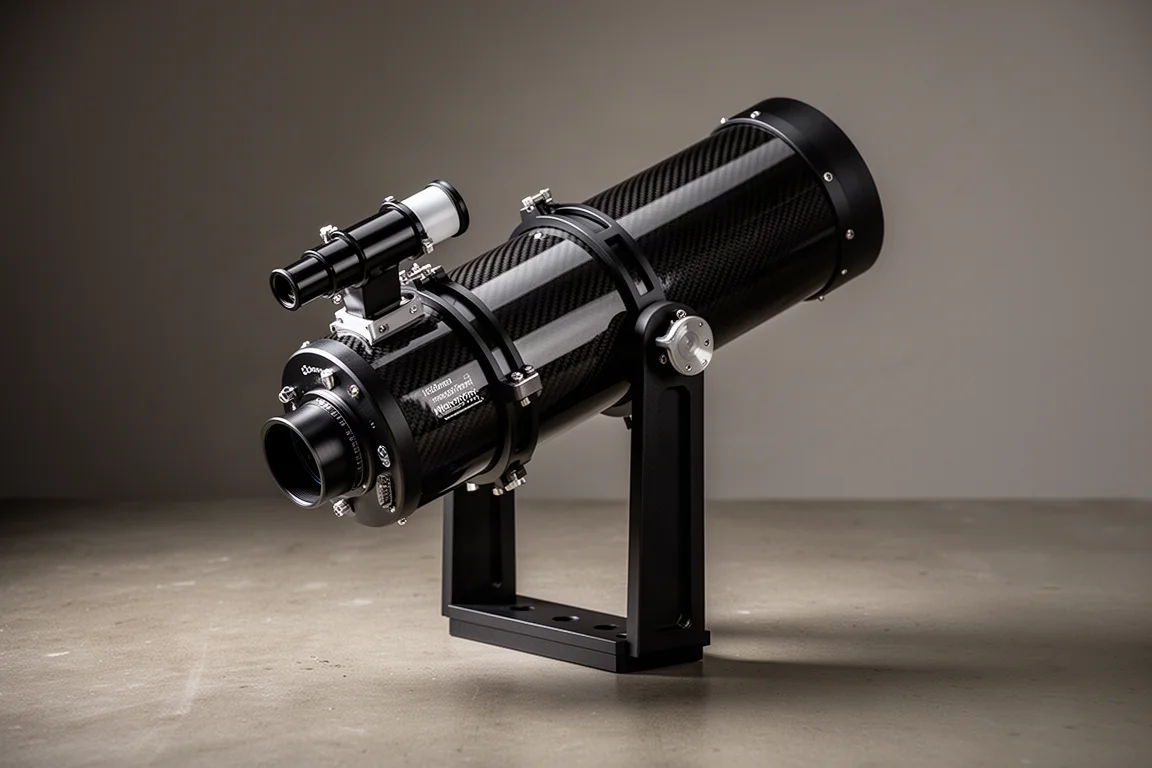
The Apertura CarbonStar 150 is a 150mm imaging Newtonian that is quickly becoming a go-to option for beginner and advanced astrophotographers alike. It pairs a 6-inch primary mirror with a 600mm focal length, making it a fast f4 system capable of collecting a lot of light in a short amount of time. It is available with or without the dedicated coma corrector, which also works as a 0.95x reducer and brings the focal ratio down to an ultra-fast f3.8.
What makes this telescope interesting is not just the optics. Apertura has reworked nearly every pain point associated with traditional imaging Newtonians, and the result feels like a genuinely modern astrograph rather than a repackaged visual tube.
Build Quality and Construction
The CarbonStar 150 is built with CNC machined parts throughout and a full carbon fiber body, a significant upgrade in construction and build quality compared to a traditional Newtonian. From the tube rings to the single-piece secondary mirror assembly, the build delivers a premium feel at an affordable price.
The CNC machined secondary design deserves particular attention. With the CarbonStar’s secondary, any twisting, flexing, or snapping is completely eliminated, which is one of the most common frustrations on conventional designs.
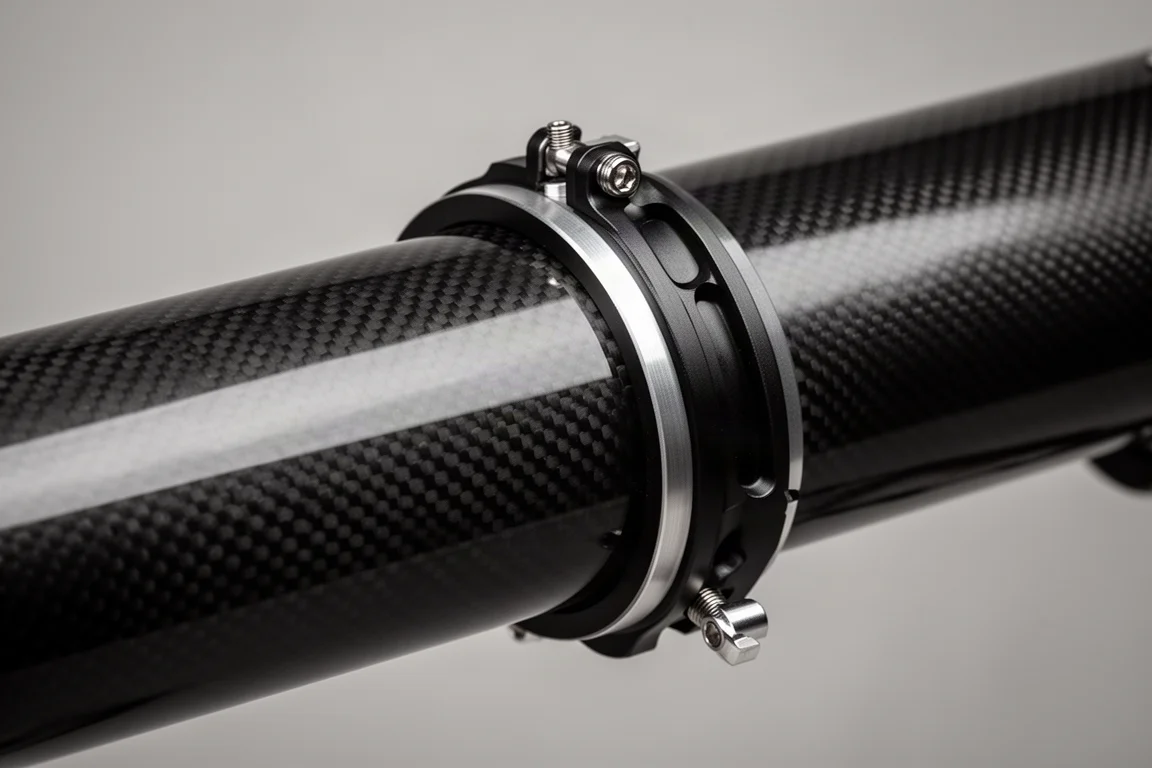
Another thoughtful detail: traditional Newtonians typically offer only one mounting hole on the OTA rings for a dovetail bar, which makes adding a D-series dovetail almost pointless because it adds almost no rigidity. Apertura includes both dovetail styles, so riders of either ecosystem are covered. Those who want improved stability can use the D-style dovetail, while mounts that only accept a Vixen-style dovetail still work with this scope.
Focuser and Imaging Train
Apertura includes a new and improved linear bearing focuser with a tight-fit drawtube to reduce tilt in the imaging train. The focuser base is EAF-ready, making installation and use of an electronic autofocus motor extremely simple.
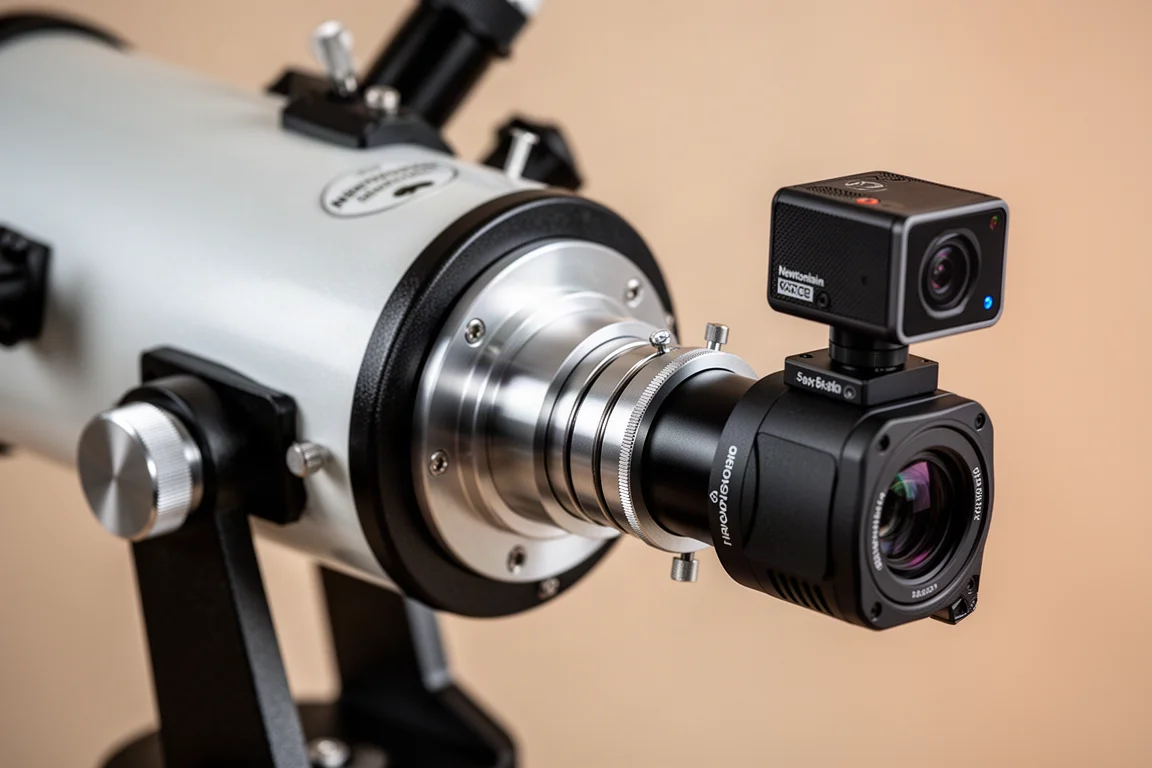
Stray light control is equally well handled. Internal knife edge baffles extend from the bottom of the OTA all the way up to the focuser drawtube, mitigating off-axis light from hitting the primary mirror. That helps increase contrast and reduce local light pollution gradients, whereas many traditional Newtonians only baffle halfway up the tube or have no internal baffling at all.
Light leaking through the back of the primary mirror cell is another classic Newtonian problem, producing an inconsistent gradient in the center of images that flat frames cannot remove. Apertura solves this with an insertable back plate that completely covers the primary mirror cell and prevents that light pollution entirely.
Optical Performance and Light Gathering
The CarbonStar 150 was optimized, not merely designed, for the most popular imaging sensors on the market: the ASI 533, 294, 183, and 585. Apertura modeled a number of different secondary mirrors, built and tested each one, and selected the size that provided the highest signal and best field illumination across those sensors.
The telescope is also designed so the focal plane sits as close to the telescope as possible while still allowing third-party accessories to work. These adjustments produce a 10 percent increase in signal at the center compared to the original 6-inch imaging Newtonian, and adding the dedicated 0.95x corrector reducer yields an additional 10 percent, for a total of a 20 percent signal increase.
Focusing is simpler too. By redesigning the body, Apertura standardized the focal point. You no longer have to hunt for stars when focusing: attach your imaging train to the dedicated coma corrector, insert it into the telescope, set it to the 20mm mark, and you will be very near precise focus.
Who Is the CarbonStar 150 For?
The short answer is everybody. With its carbon fiber tube weighing only 10.5 pounds, the telescope is compatible with almost any EQ mount on the market aside from the smallest star trackers. It carries all the benefits of a large fast aperture optic without the hassles and frustrations that come with a traditional imaging Newtonian.
Whether it is your first imaging system, an upgrade from a smaller refractor that left you wanting more in size and light gathering capacity, or you are already a veteran, this telescope is easy to recommend. It is a capable long-term platform that grows with your skills rather than outgrowing your mount.
Conclusion
The Apertura CarbonStar 150 manages something rare: it keeps the light-gathering appeal of a fast 6-inch Newtonian while systematically eliminating the annoyances that have long defined the category. Carbon fiber construction, dual dovetails, a tilt-reducing focuser, full-length baffling, a sealed mirror cell, sensor-optimized optics, and a standardized focal plane all add up to a telescope that works out of the box. For anyone stepping up to dedicated astrophotography or modernizing an existing setup, it deserves a close look.
Product link
View more details for Apertura CarbonStar 150
This product is mentioned in the review. Check the specifications, options, and compatibility before buying.
View more details for Apertura CarbonStar 150Further reading
Related Reviews

Telescopes
Sightron SJ75 UF and Sky-Watcher HS125: Two Telescopes Worth Watching
A look at two notable telescopes from a recent camera and optics expo: a sharp new astrograph from Sightron Japan and a compact fast reflector from Sky-Watcher.

Telescopes
SV503 102ED Review: A Budget 102mm Refractor That Surprises
The SV503 102ED is an affordable 102mm doublet refractor that delivers surprisingly decent star shapes and a smooth focuser, despite some chromatic aberration and light falloff.

Telescopes
SVBony MK127 Review: A Compact Maksutov-Cassegrain That Surprises
The SVBony MK127 is a 127mm Maksutov-Cassegrain telescope with a unique 0.65x reducer, making it a versatile option for visual astronomy and even some deep-sky imaging.