Telescopes
Apertura 75Q Review: A Petzval Refractor Built for Full-Frame Astrophotography
A compact Sharpstar-powered Petzval refractor with near-perfect color correction, full-frame compatibility, and no spacing headaches.
Introduction
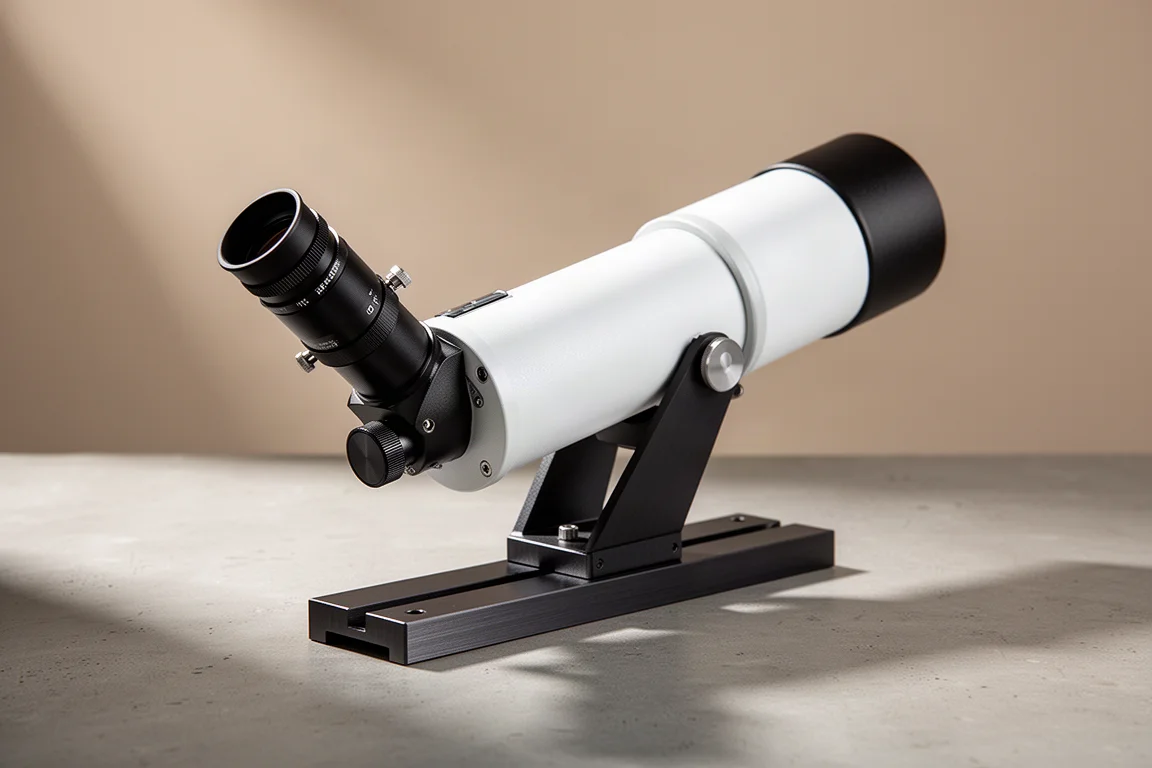
The Apertura 75Q is a new addition to Apertura’s line of refractors, powered by Sharpstar. High-quality refractor optics come from only a handful of manufacturers, and this telescope represents a new partnership designed to deliver a premium optic backed by Apertura’s quality control, support, and industry-leading warranty.
At its core is a Sharpstar 75mm Petzval optical design, and that Petzval layout is a big part of why this scope earns attention: it promises near-perfect color correction, full-frame compatibility, and the ability to capture deep-sky objects without fiddling with perfect back spacing.
Who This Telescope Is For
Because the optics and full-frame compatibility come in a light, small package, the 75Q makes a strong case as a first refractor. It is equally compelling for anyone upgrading from a smaller refractor or from a camera lens who wants sharper, better-corrected results.
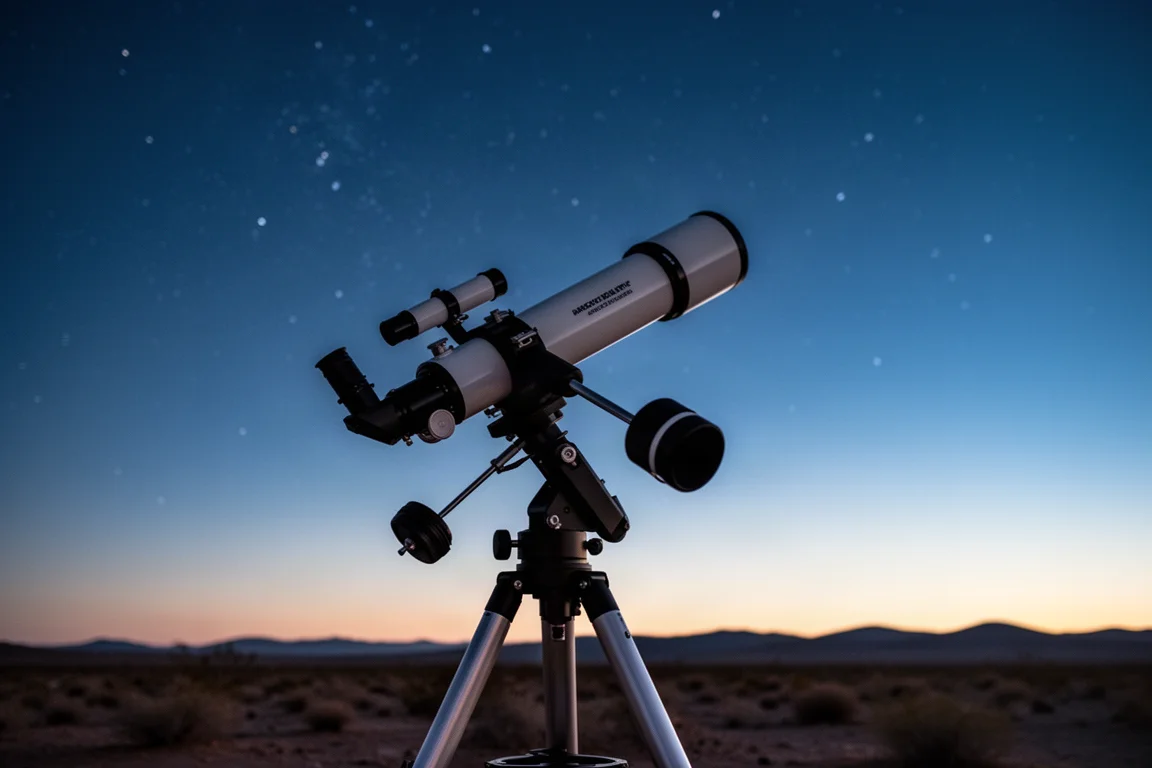
If you shoot deep-sky targets and want a scope you can just attach and focus, the Petzval design speaks directly to you. Spacing from the glass to the camera sensor is non-critical, which removes one of the most frustrating parts of setting up a dedicated imaging refractor.
Key Specs and Features
The Apertura 75Q uses five optical elements incorporating high-dispersion Hoya FCD100 glass. The focal length is 403mm at a focal ratio of f/5.4. Because the field flattener is built into the optical assembly, you only need to achieve focus; there is no need to hit a precise 55mm back-spacing to get a flat field across your sensor.
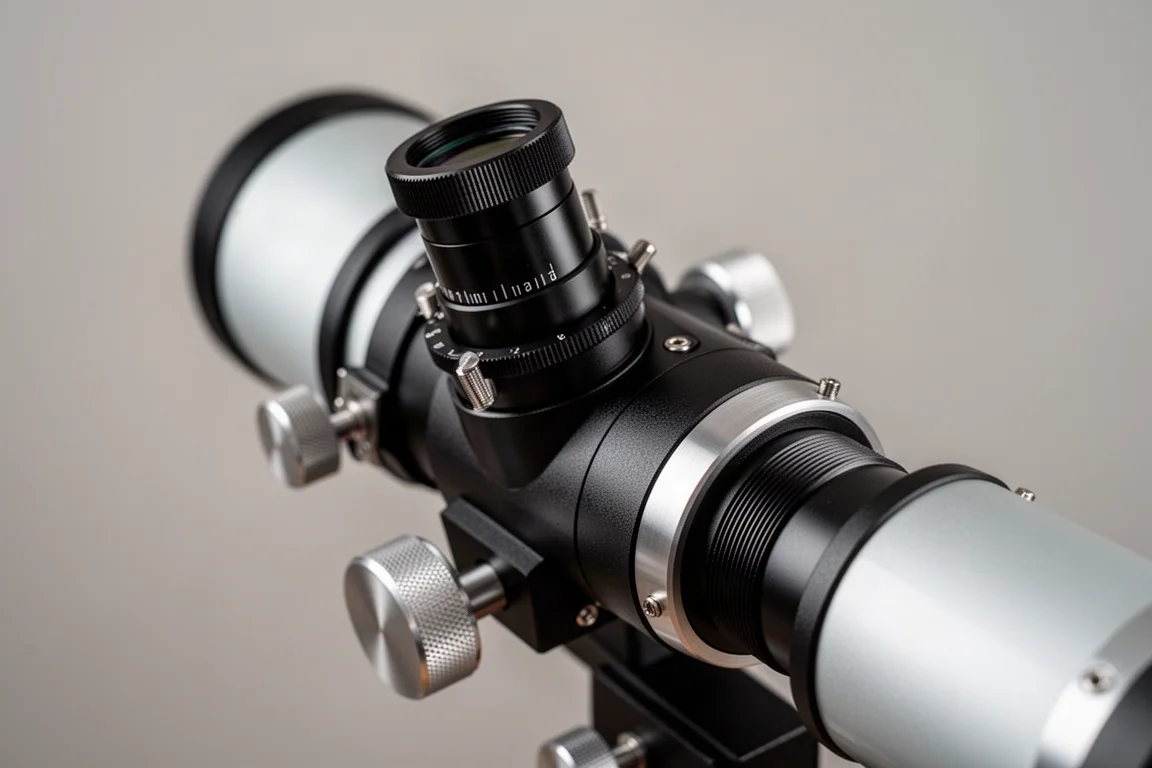
On the hardware side, the scope ships with a Losmandy-style dovetail for a steady base, plus an additional Vixen-style dovetail for equatorial mounts that only accept that format. There is a single Synta-style finder bracket for guide scopes and accessories, a focuser rotator, and at the rear an included filter cell that accepts any 2-inch or M48-threaded filter.
Real-World Performance: Corner to Corner
To test its full-frame credentials, the 75Q was paired with a full-frame ASI6200MC camera, a 178mm guide camera on an Apertura guide scope, and an ASIAIR handling the guiding, all riding on an iOptron CEM60. Over about nine hours of integration on the Andromeda Galaxy, even under a near-full Moon, the scope produced usable data worth examining closely.
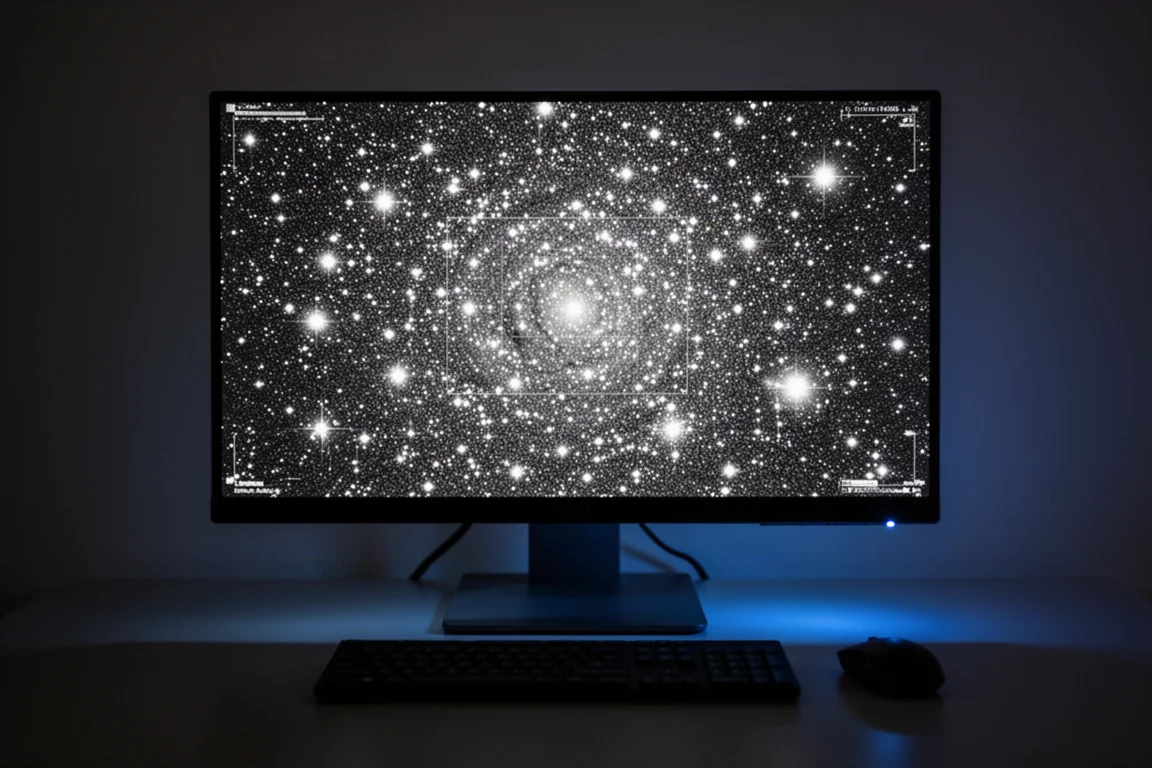
In the center of the frame, stars are perfectly round with good color, and fine detail such as dust lanes comes through crisply with pleasing resolution. Moving to the corners, the picture is nearly as good: the very far edges of the frame show just a slight amount of coma in bright stars, while the middle regions of each edge look noticeably better, and the bottom middle of the frame shows stars that are almost perfectly round. That is very well corrected for a full-frame camera.
Cropped to an APS-C-sized field, the frame is perfectly corrected all the way to the far edges and corners, which is genuinely impressive. As a bonus, faint catalog objects were still recoverable even under Bortle 7 skies.
Should You Buy the Apertura 75Q?
This telescope is light and small, which makes it a great candidate for a portable astrophotography system. Combine that with full-frame compatibility and high-quality Sharpstar optics, and it works well both as a first refractor and as an upgrade from a smaller refractor or a camera lens.
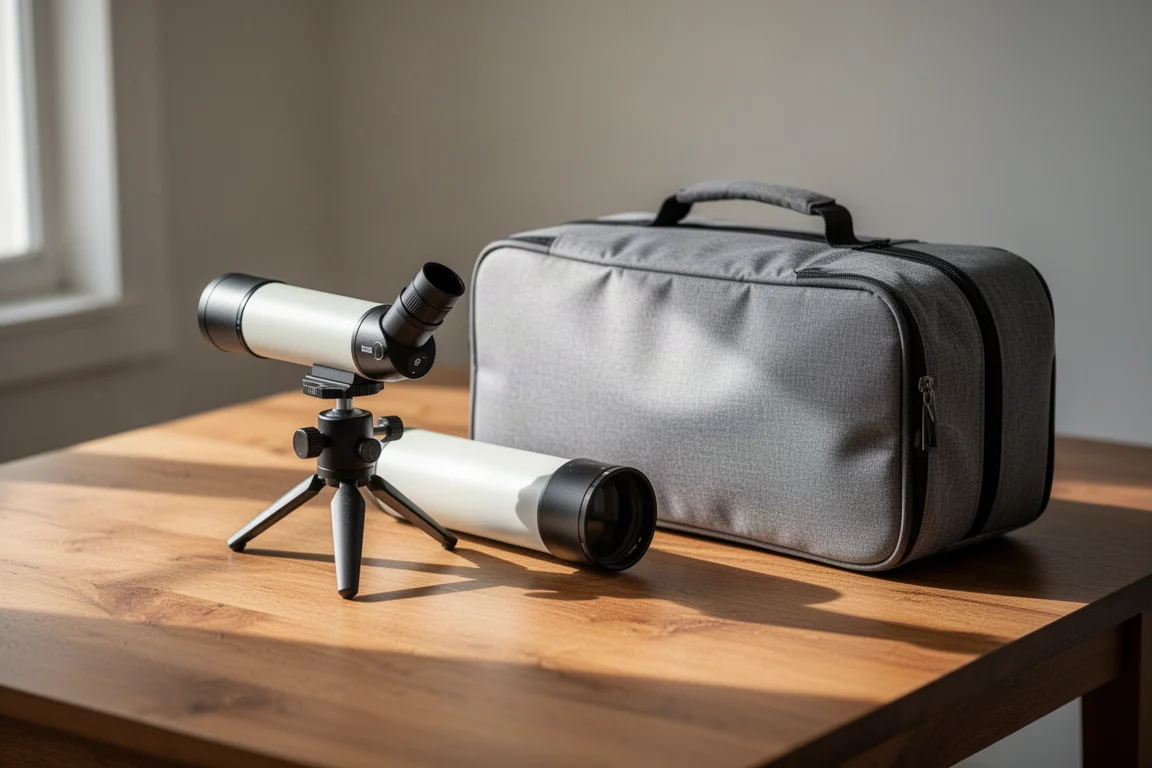
Add the included dovetails, finder bracket, focuser rotator, and filter cell, and you get a package that is ready to image with little extra shopping. The optics deliver top performance, while the quality control, support, and warranty from Apertura provide the surrounding peace of mind.
Conclusion
The Apertura 75Q makes a strong case for itself: a compact, light Petzval refractor with near-perfect color correction, full-frame coverage, and no critical spacing to manage. If you want a deep-sky imaging refractor that is easy to live with, this one belongs high on your shortlist.
Product link
View more details for Apertura 75Q
This product is mentioned in the review. Check the specifications, options, and compatibility before buying.
View more details for Apertura 75QFurther reading
Related Reviews

Telescopes
Sightron SJ75 UF and Sky-Watcher HS125: Two Telescopes Worth Watching
A look at two notable telescopes from a recent camera and optics expo: a sharp new astrograph from Sightron Japan and a compact fast reflector from Sky-Watcher.

Telescopes
SV503 102ED Review: A Budget 102mm Refractor That Surprises
The SV503 102ED is an affordable 102mm doublet refractor that delivers surprisingly decent star shapes and a smooth focuser, despite some chromatic aberration and light falloff.

Telescopes
SVBony MK127 Review: A Compact Maksutov-Cassegrain That Surprises
The SVBony MK127 is a 127mm Maksutov-Cassegrain telescope with a unique 0.65x reducer, making it a versatile option for visual astronomy and even some deep-sky imaging.