Kitchen Gadgets
Antique Kitchen Gadgets Tested: Built to Last or Best Left in the Past?
Four antique kitchen gadgets, from a Victorian Stilton spoon to a 19th century sausage stuffer, put to the test by home cooks to see which still earn a place in a modern kitchen.
Introduction
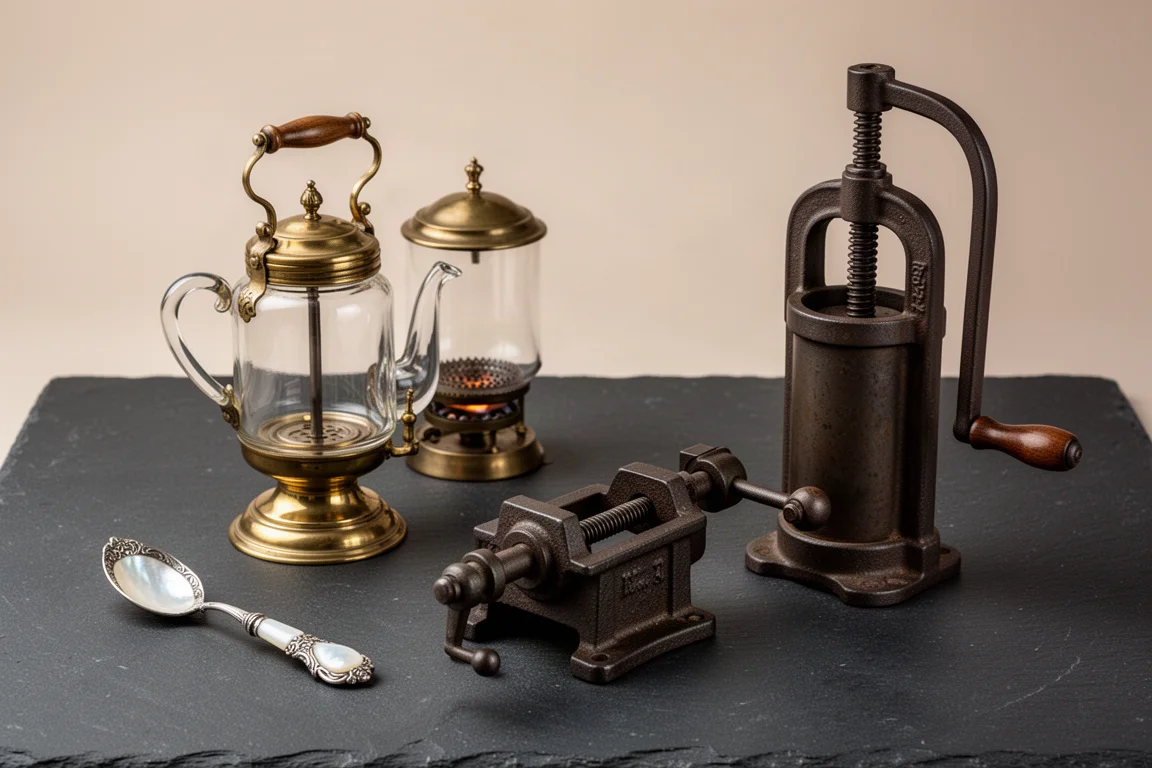
Antique kitchen gadgets occupy a strange space: most are no longer necessary, yet the best of them still work perfectly. We put four of them in front of two experienced home cooks to decide, gadget by gadget, which ones are built to last and which are best left in the past. The line-up covers a silver Stilton spoon, a Victorian coffee pot, a clamp-on marmalade cutter, and a cast iron sausage stuffer dating back to the 1880s.
How We Judged Each Gadget
Each gadget was tested the way it was originally intended to be used. The verdicts came down to three questions: does it still do its job, is it pleasant to use, and would it earn a place in a modern kitchen rather than just a display shelf.
Thomas Wilkinson Stilton Spoon
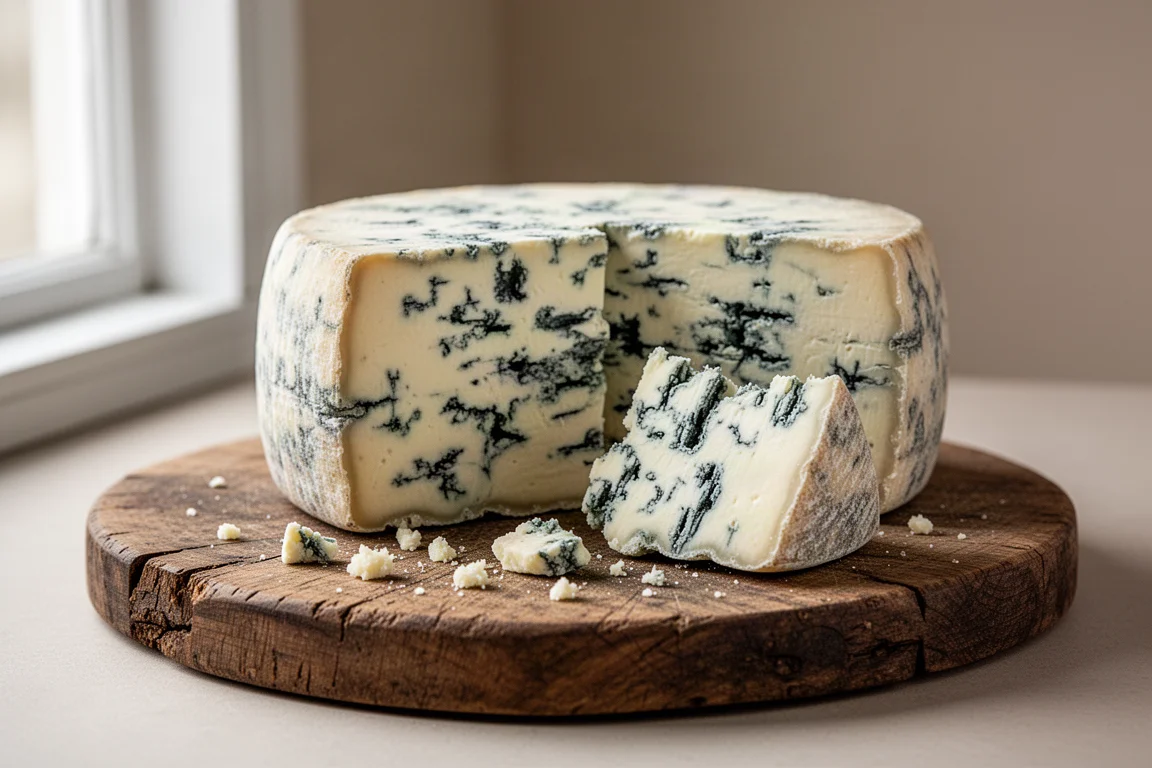
The Thomas Wilkinson Stilton spoon is believed to date from between 1815 and 1899. It is made of silver with a mother of pearl handle, and it exists because Stilton was a luxury item in the Victorian era, a status symbol for the upper classes. Etiquette allowed only two ways of serving the cheese: cutting around the edge, or scooping from the centre outwards with a Stilton spoon so the rind stays intact and in place. In practice, that means you dig out an entire wheel while leaving the rind undisturbed.
The makers had serious credentials: Wilkinson’s held a royal warrant for scissor making awarded by Queen Victoria and Prince Albert, and won medals at the Great Exhibition of 1861.
In testing, the verdict was honest. It works, but it essentially does what a spoon does, and many testers found themselves wanting to use it like an apple corer instead. At an auction price of 39.99, the consensus was that it is a fun heirloom rather than a practical purchase, something passed down through generations and brought out on special occasions. Verdict: best left in the past, even if it is appreciated for what it represents.
Antique Victorian Moka Pot
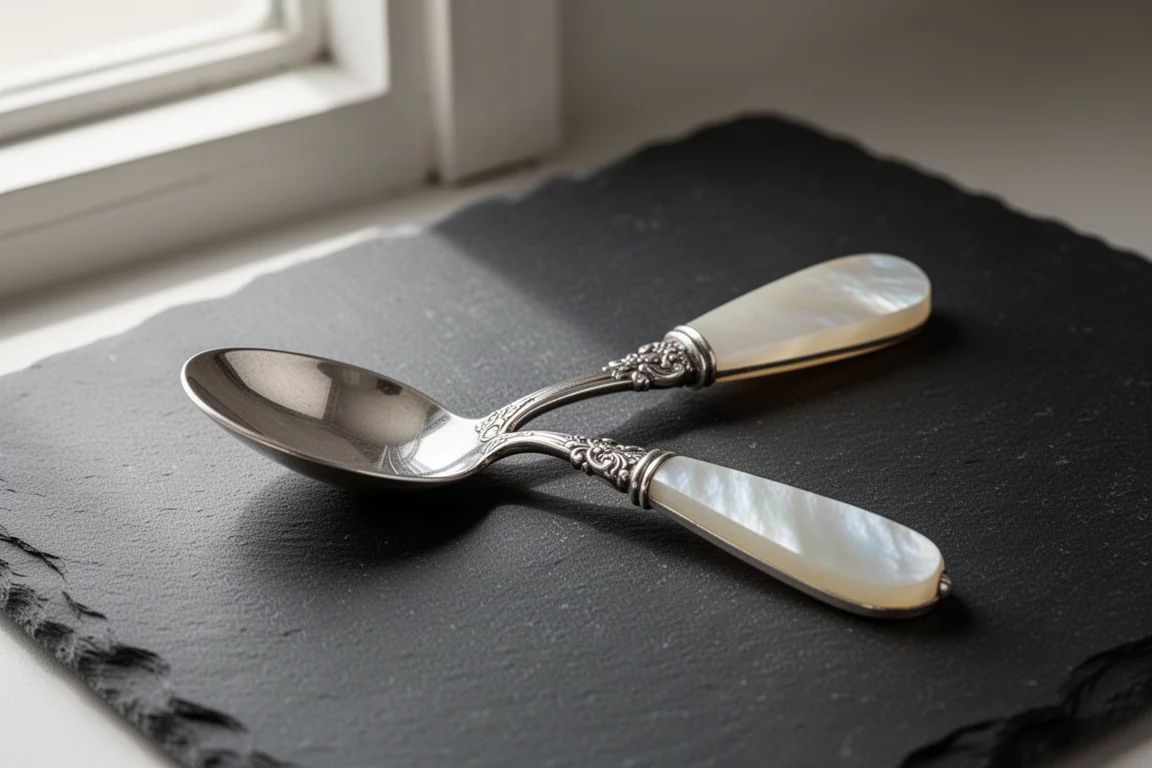
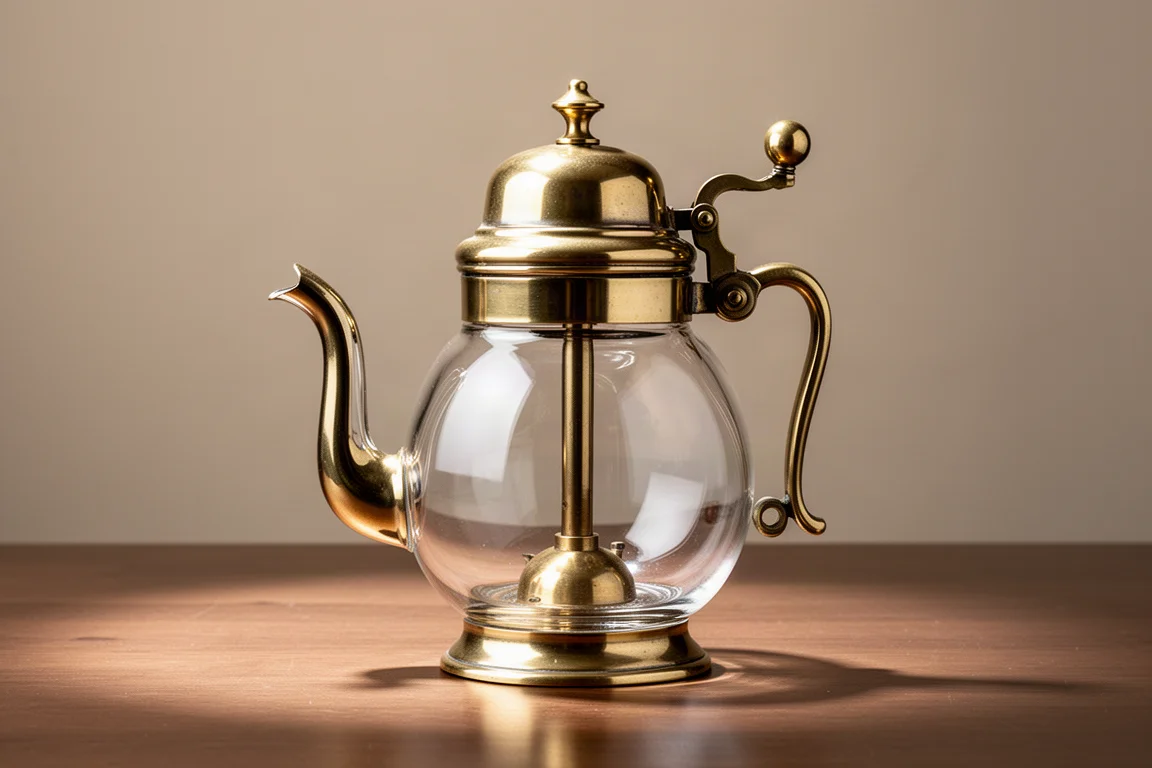
This antique Moka pot, a Victorian coffee pot with a glass body and brass fittings, was one of the first tabletop all-in-one coffee makers to include its own burner. Water boils in the bottom container, gets pushed up a central pipe into the coffee chamber, and drips back down into the pot. A wick burner provides the heat, and a clever swinging tilt mechanism lets you pour without removing the lid.
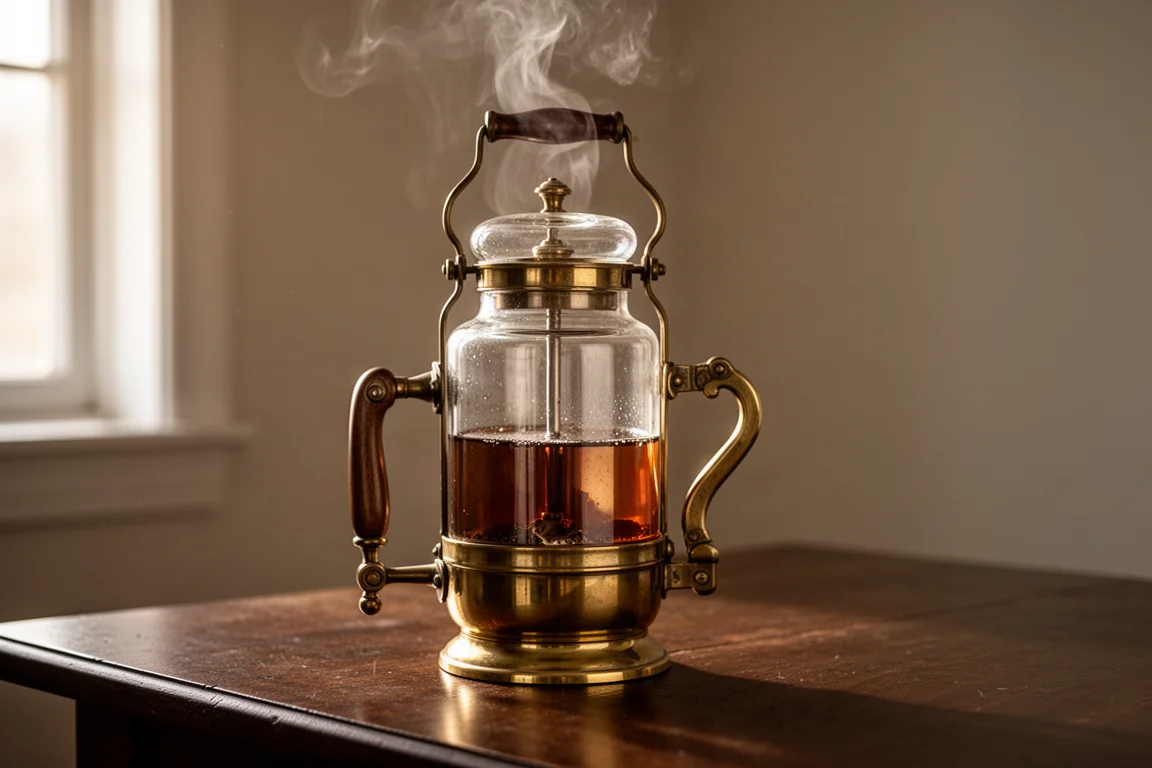
In testing, it made genuinely good coffee. The testers noted it is no more complicated to use than a modern Moka pot, apart from how slowly it heats cold water from scratch. Like any Moka pot, it takes a bit of practice to dial in: knowing when to take it off the heat and how much water to use. There is a bit of theatre to the process, and the glass top and polished brass make it feel like a proper piece of equipment. At an auction price of 45 pounds, the verdict was that it is well worth it, whether as a working machine or a mantle piece with a story. Verdict: built to last.
Follows and Bate Marmalade Cutter
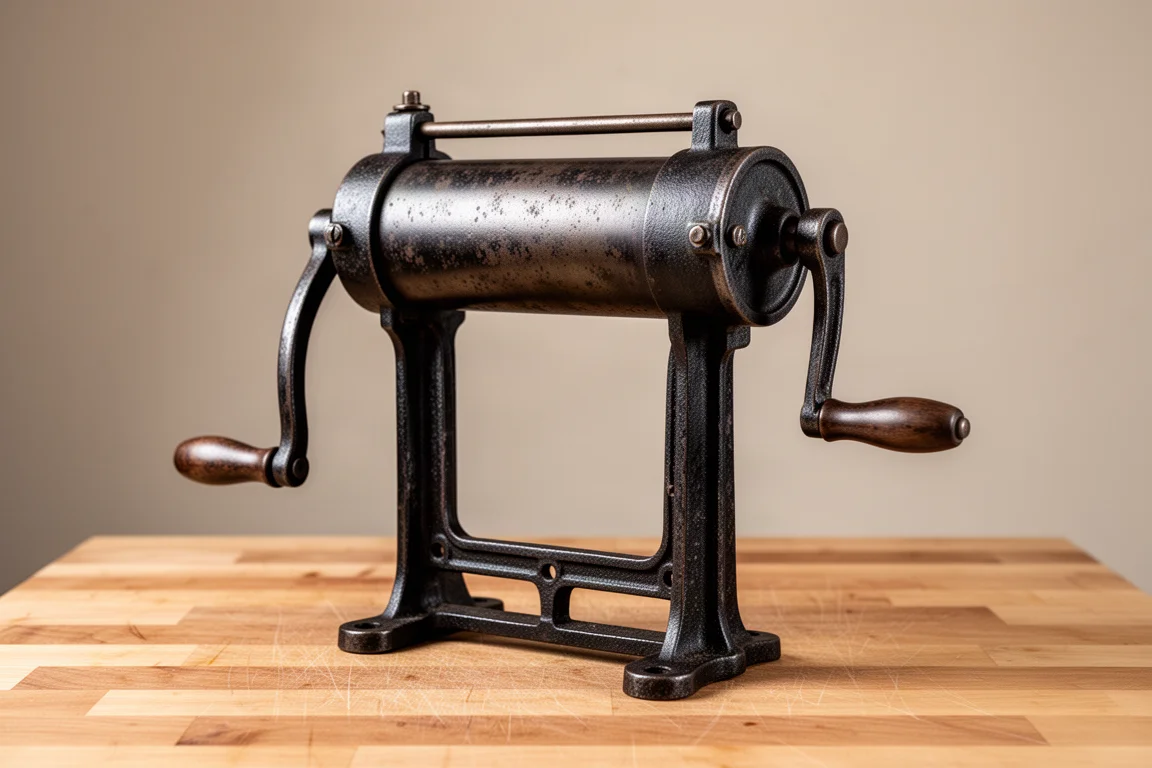
The Follows and Bate patent marmalade cutter dates somewhere between the 1780s and 1939. You clamp it to the table, stuff it full of orange peel, and crank the handle to slice the peel into pieces for marmalade. It arrived at the height of home marmalade production at the end of the 19th century, when steam engines were bringing oranges from Seville and preservation at home was at its peak.
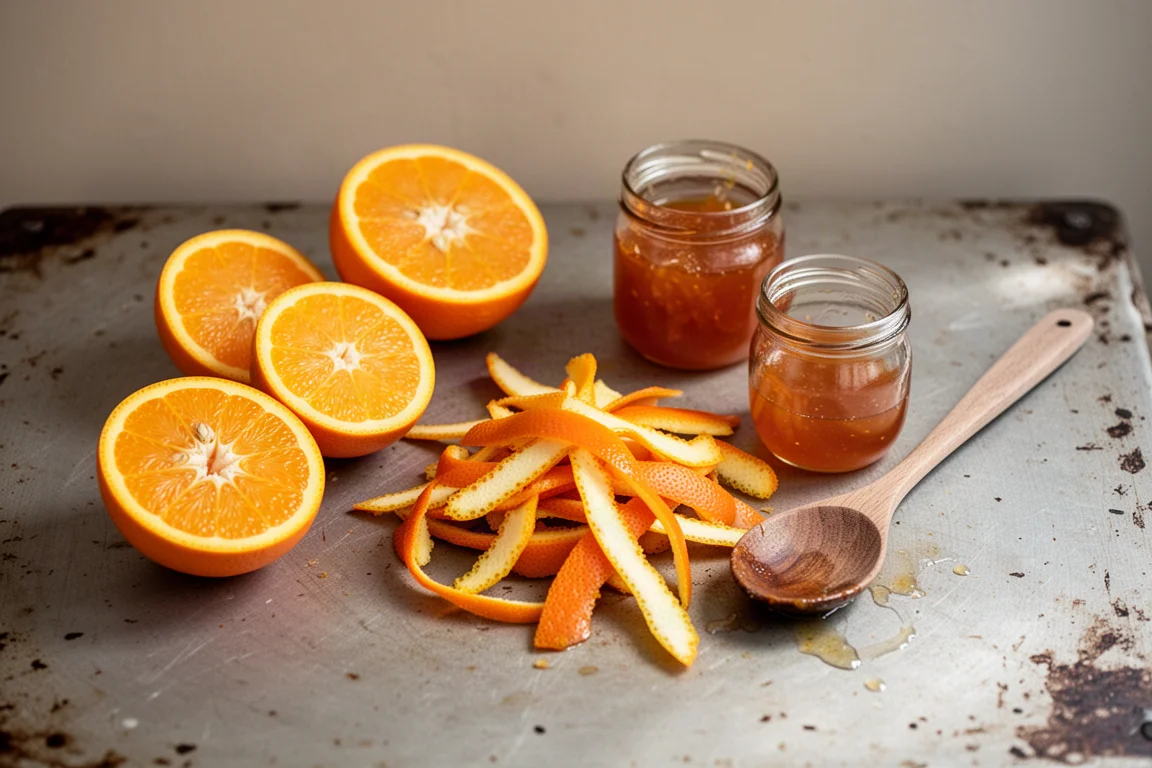
In testing, it worked, more or less. The cutters looked far from sharp, the machine was loud and angry in operation, rust was a problem, and the output was anything but uniform: higgledy-piggledy pieces rather than the thin, even strips of modern marmalade. At an auction price of 10 pounds, it was fun to use, but the conclusion was blunt: it is a big, heavy piece of equipment that replaces a knife. Verdict: best left in the past.
Enterprise MFG Co. Sausage Stuffer
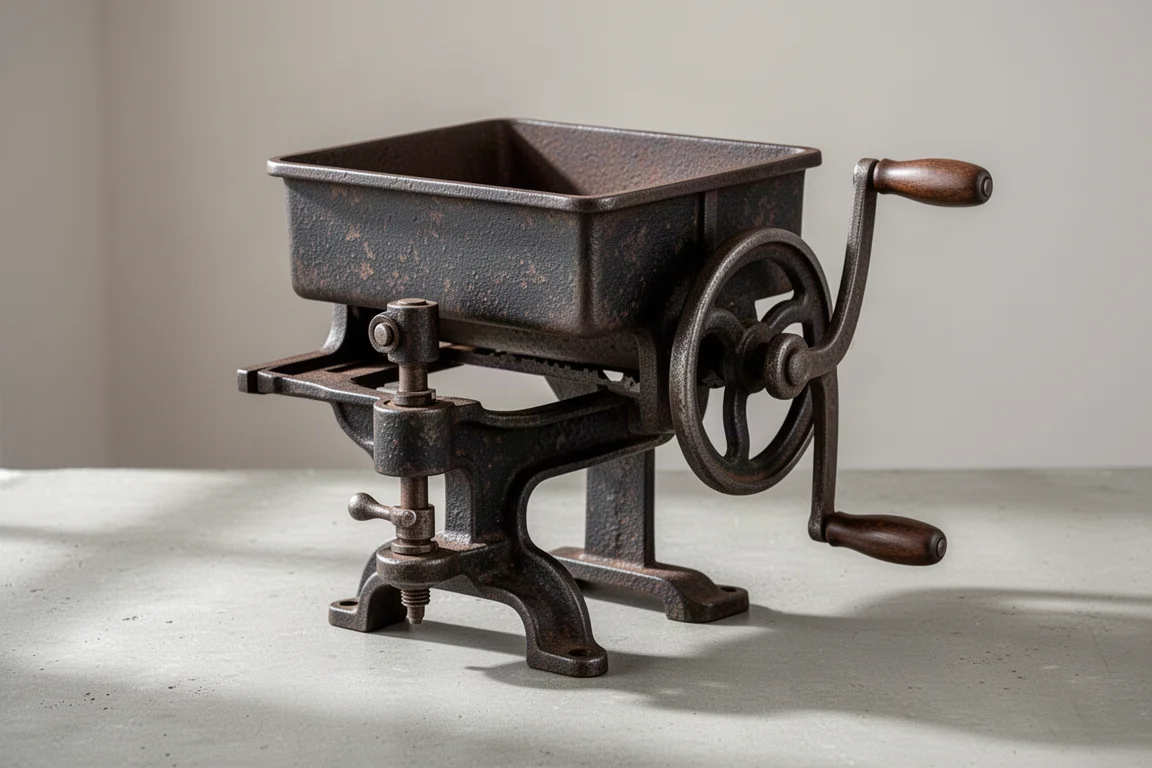
The Enterprise MFG Co. Sausage Stuffer was originally patented in July 1876, and this particular example is believed to have been built between 1880 and 1890, with a couple of replacement parts manufactured in modern materials. Enterprise MFG Co. originated in Philadelphia, Pennsylvania in 1865 and made a range of mechanical kitchen products including cherry stoners, food choppers and ice shredders.
In use, it is impressively sturdy. You fix the sausage casing onto the nozzle, load the meat, and crank. The results were a whopper of a sausage, filled steadily and evenly. The testers noted that the modern powered stuffers they have used work on exactly the same system, just with a motor, and this one still does the job it was built for nearly 150 years ago. At an auction price of 200, it is a serious investment, but it can produce a lot of sausage and it feels like it will outlast everyone in the room.
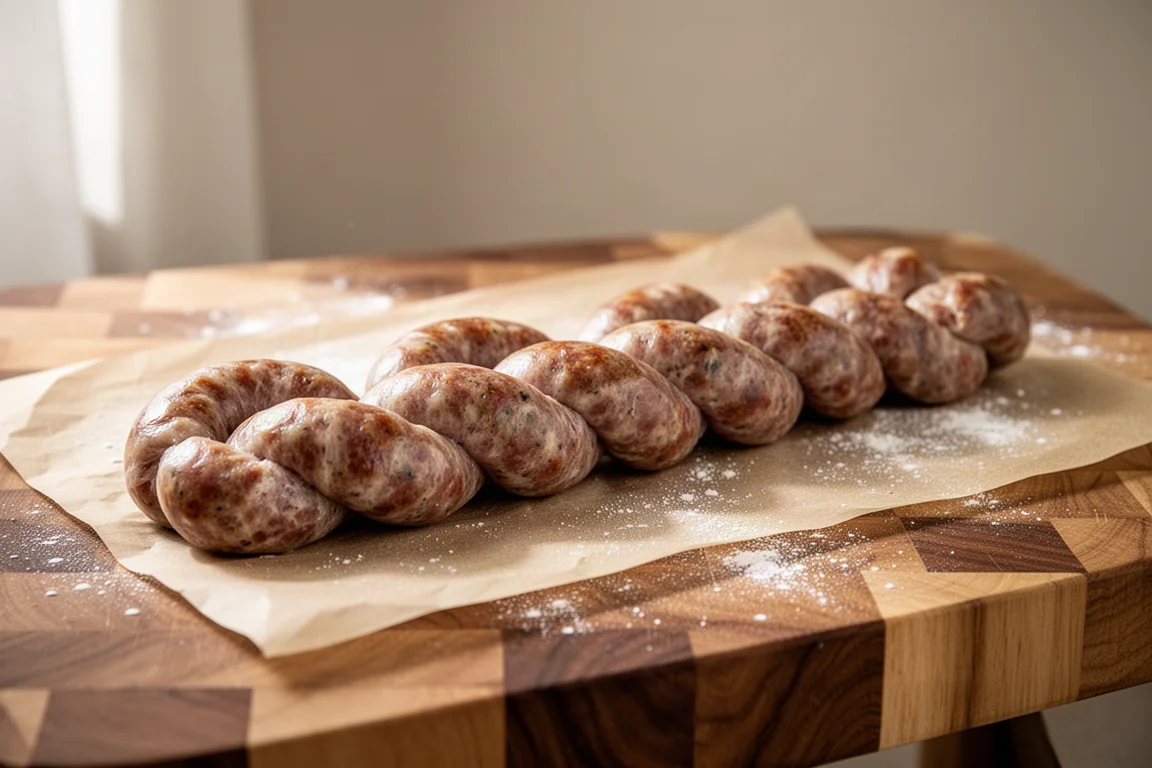
Verdict: built to last.
Overall Buying Advice
The pattern across these four gadgets is clear. Buy antiques to use, not just to display, and only when the mechanism still performs its original job. The Victorian coffee pot and the sausage stuffer earn their places because they genuinely work and feel solid. The Stilton spoon and the marmalade cutter are charming pieces of history, but modern tools do their jobs better, cheaper and with less effort.
Conclusion
Two of these four gadgets are built to last, and two are best left in the past. If you want an antique that earns counter space, look for sturdy mechanical devices with simple, proven systems. If you want a conversation piece with history, the decorative items deliver that, as long as you accept that their practical purpose has passed.
Further reading
Related Reviews

Kitchen Gadgets
Kitchen Gadgets Tested 2026: Five Tools Worth Considering
A practical look at five kitchen gadgets, from egg shapers to peanut butter stirrers, with honest assessments of what works and what doesn't.
Kitchen Gadgets
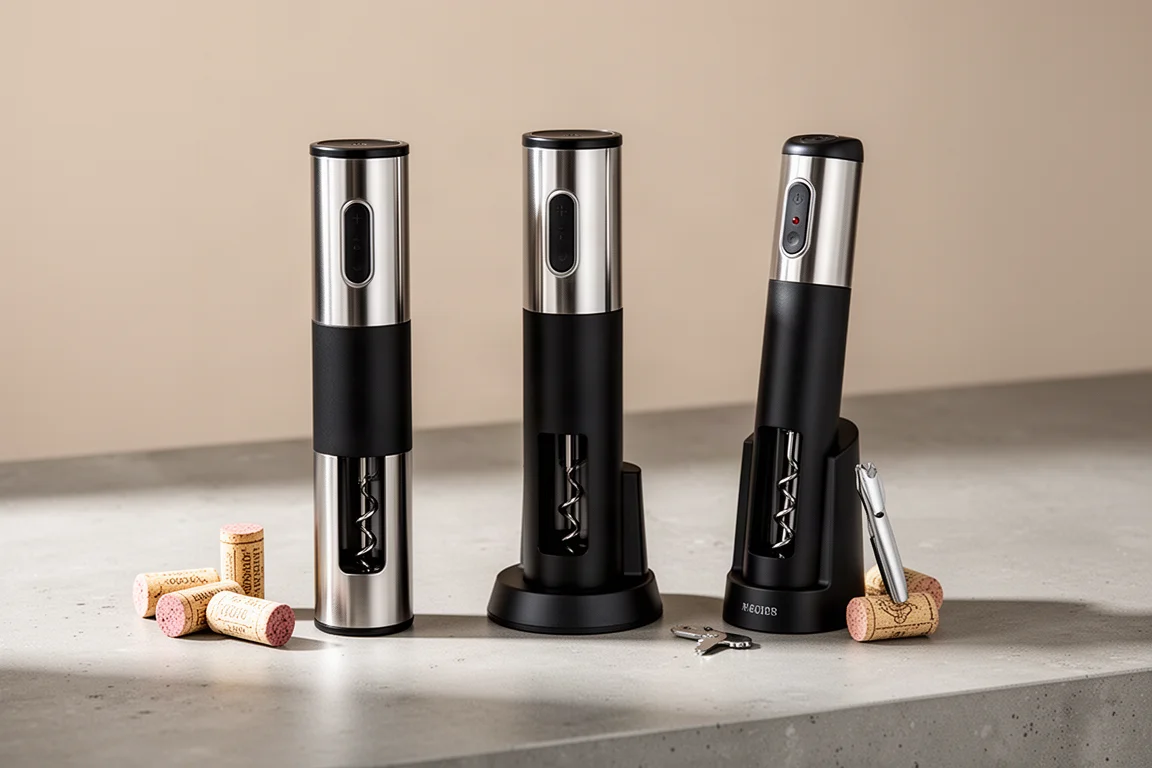
Best Electric Wine Openers: Our Top Picks From Eight Tested Models
We tested eight electric wine openers priced from $20 to $110 on hundreds of bottles. The Secura came out on top, with a Peugeot and a Rabbit model also worth knowing about.
Kitchen Gadgets
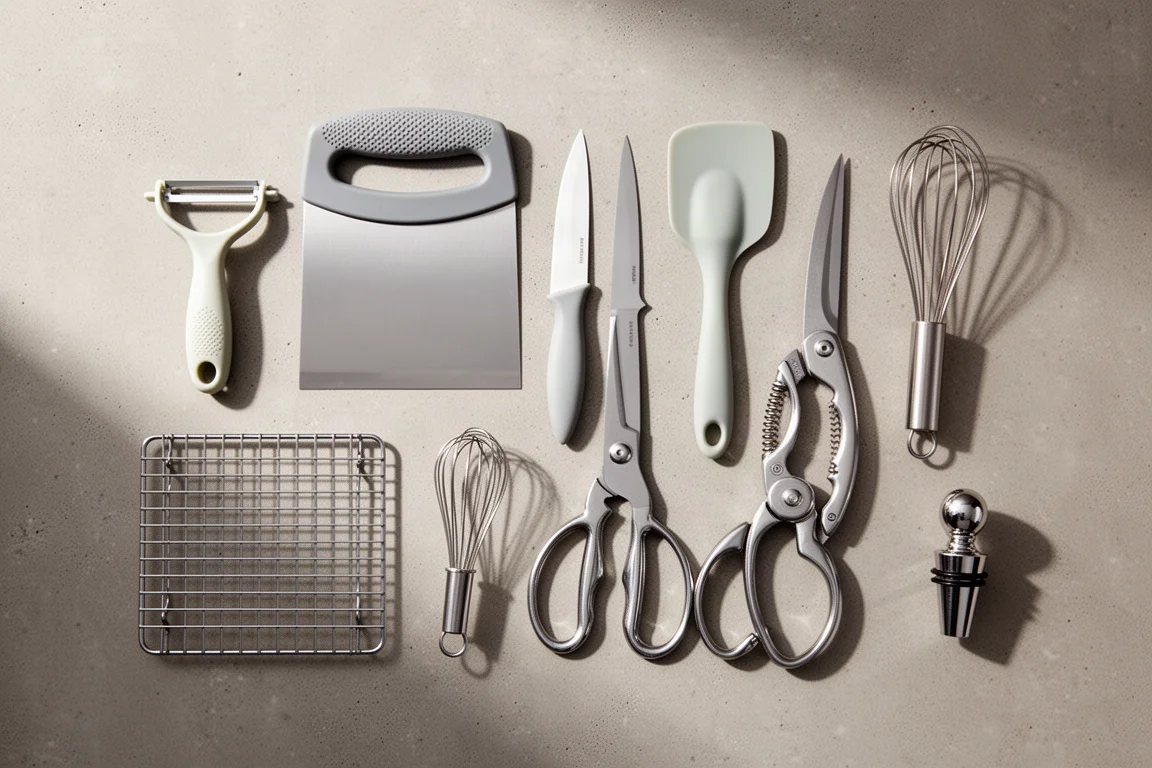
Best Kitchen Gadgets Under $15: Eight Small Tools That Earn Their Keep
Eight kitchen tools that cost less than $15 but perform like far more expensive gear, from a razor-sharp peeler to a champagne saver that really works.