Power Tools
Three Cutting Tools Compared: Milwaukee Cut-Off Wheel, Makita Cordless Grinder, DeWalt Corded Grinder
A hands-on comparison of a compact Milwaukee cut-off wheel, a Makita cordless angle grinder, and a DeWalt corded grinder cutting 3/16-inch flat bar.
Introduction
Angle grinders and cut-off wheels are the kind of tools that earn their place in a workshop through sheer usefulness. Whether you are cutting steel stock for a weekend project or grinding down welds on a fabrication job, having the right tool for the situation matters more than having one “best” tool.
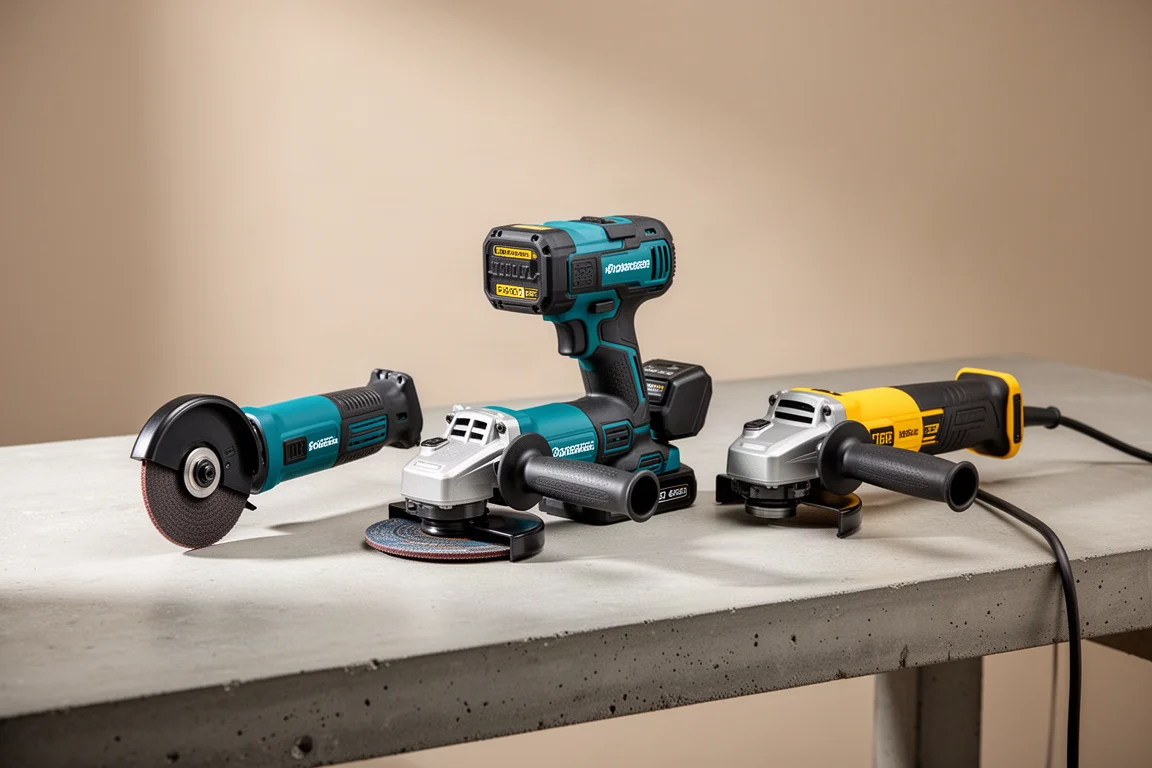
In this comparison, we look at three options that cover different working styles: a compact Milwaukee three-inch cut-off wheel, a Makita cordless angle grinder, and a DeWalt corded angle grinder. All three were put to work cutting 3/16-inch flat bar to see how they handled real material.
How We Tested
The test was straightforward and practical. Each tool was used to cut 3/16-inch flat bar steel, a common material thickness for home and light fabrication work. This kind of test reveals how quickly a tool moves through metal, how comfortable it is to control, and whether its design suits one-handed or extended work.

The point was not to crown a single winner, but to understand where each tool fits. A compact cutting tool, a battery-powered grinder, and a corded grinder each solve different problems, and the results made those differences clear.
Milwaukee 22-20 3-Inch Cut-Off Wheel
The Milwaukee 22-20 three-inch cut-off wheel is a compact cutting tool aimed squarely at DIY users. For the metal cutting test, the standard blade that ships with the tool was used, and it cut fast for its size. A big part of that comes down to the thinner blade, which slices through material with less resistance.
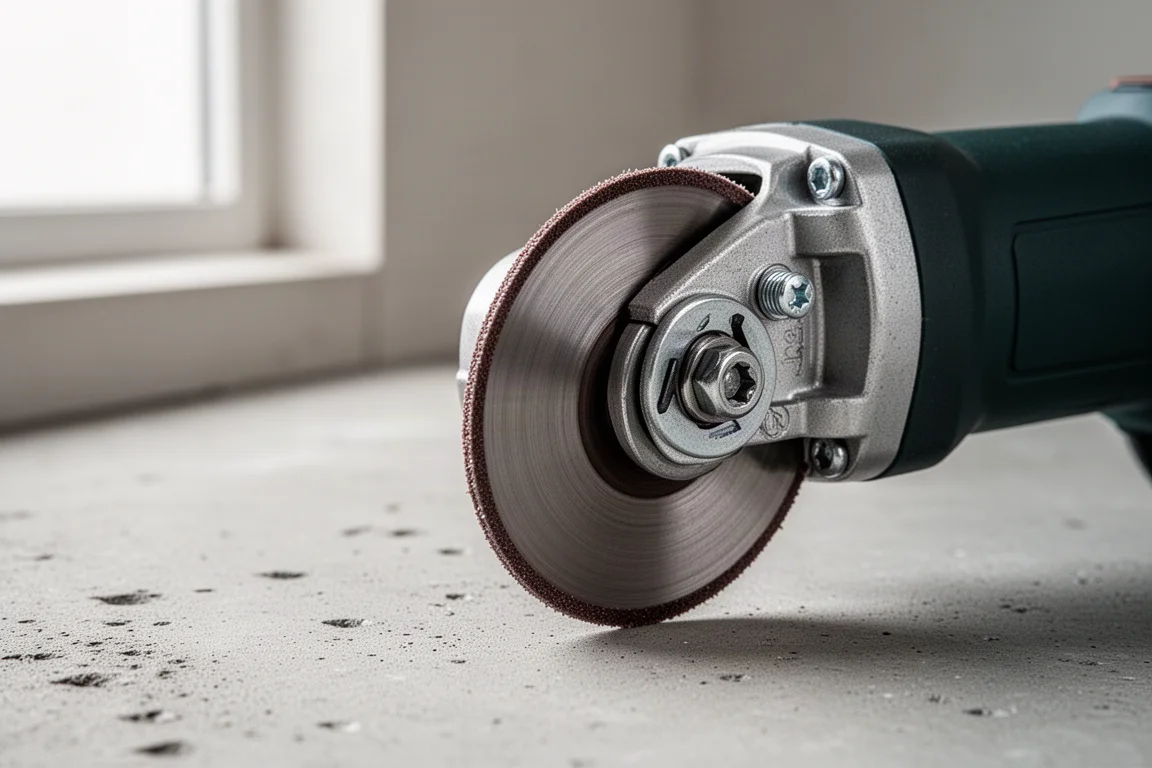
Two design details stand out. First, it supports both reverse and forward cutting motion, which is a nice touch for controlling the cut direction. Second, it has a simple lock with a set screw that makes blade changes easy. The whole package is built around one-handed cuts, which makes it especially handy for quick tasks around the house.
It is priced at $139 for the kit, which positions it as a convenient addition rather than a full grinder replacement. For average home users who need quick, one-handed cuts, it is a very practical choice.
Makita XAG04 Cordless Angle Grinder
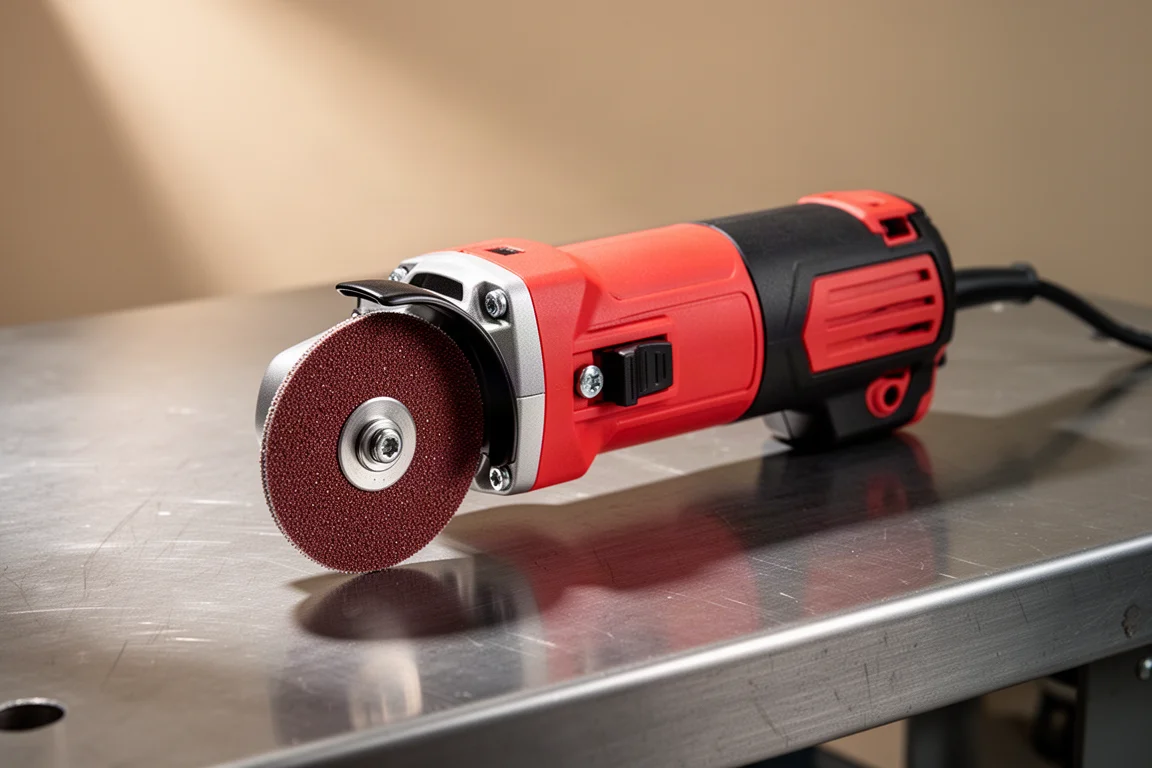
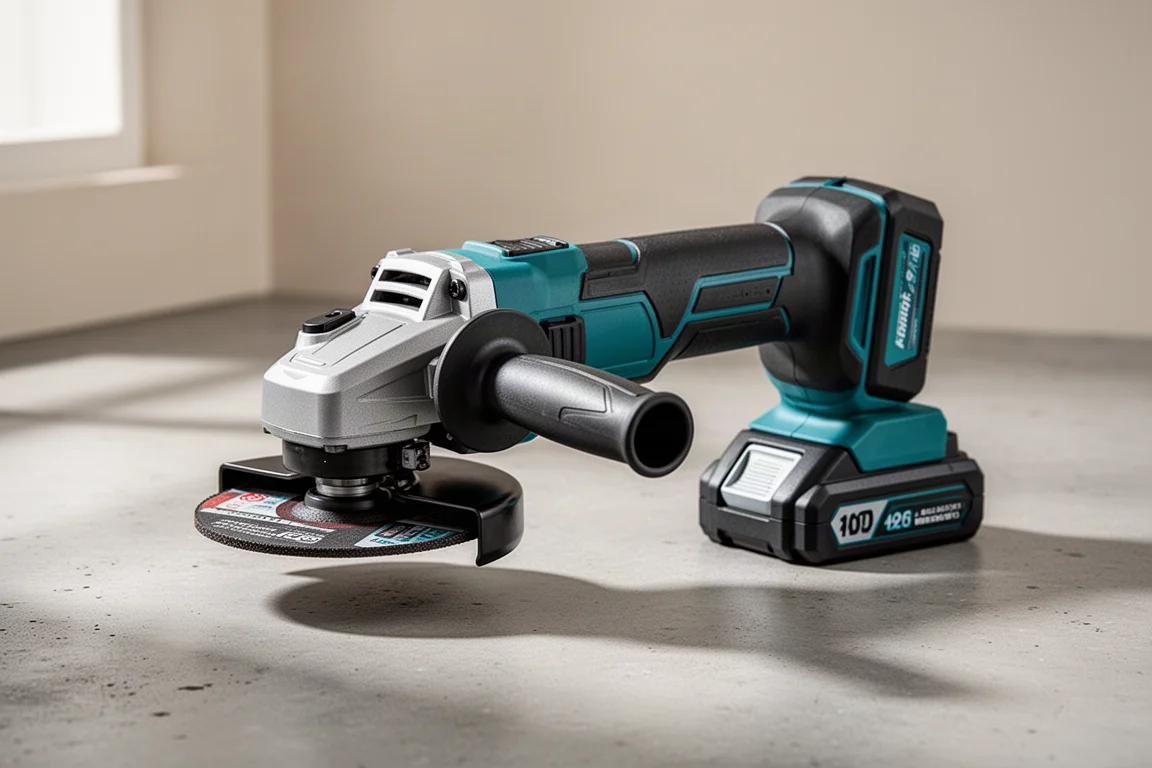
The Makita XAG04 cordless angle grinder was the favorite of the three tools tested. Its biggest advantage is versatility: with no cord to manage, it works anywhere, indoors or out, without hunting for an outlet or an extension lead.
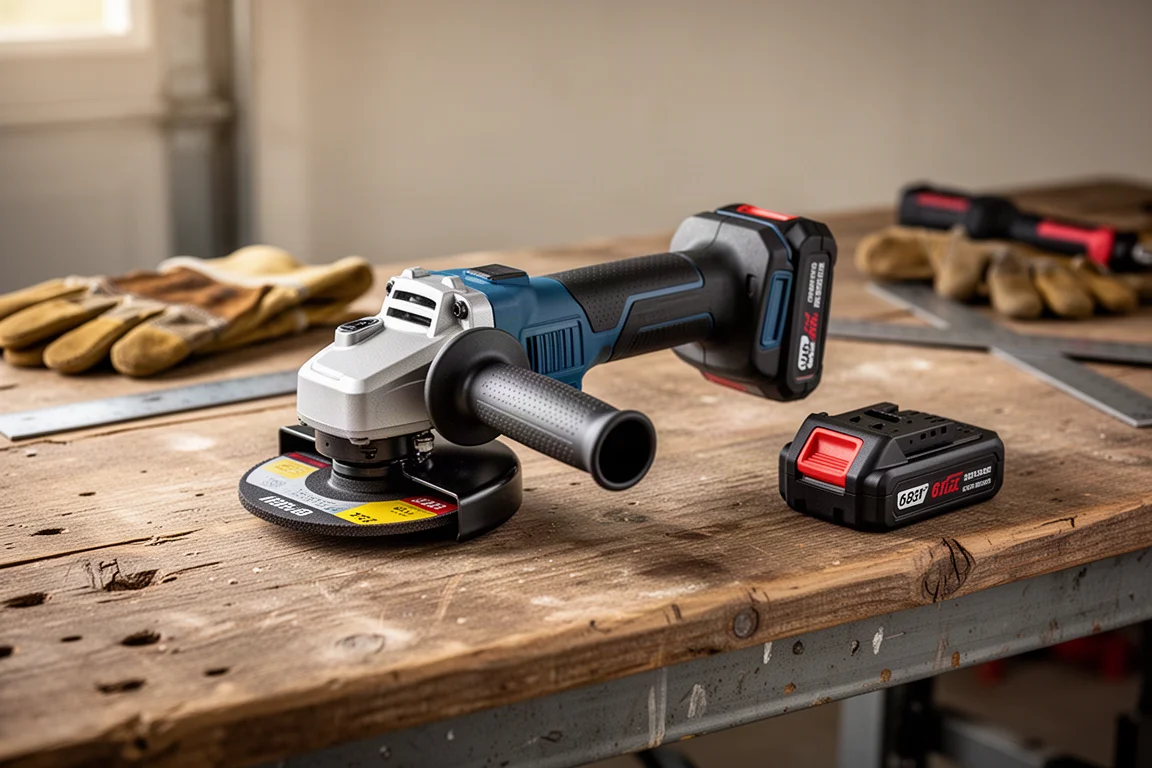
That freedom is especially valuable for outdoor work. There is no cable to route around, and no extension cord to worry about in damp or awkward conditions. For anyone choosing between a cordless and a corded option primarily for outdoor projects, the cordless route is the more flexible one.
The trade-off is familiar to anyone who runs battery tools: runtime depends on the batteries you have on hand. For long grinding sessions, a cordless grinder is only as strong as your battery supply, which is worth planning for before a big job.
DeWalt DWE4012 Corded Angle Grinder
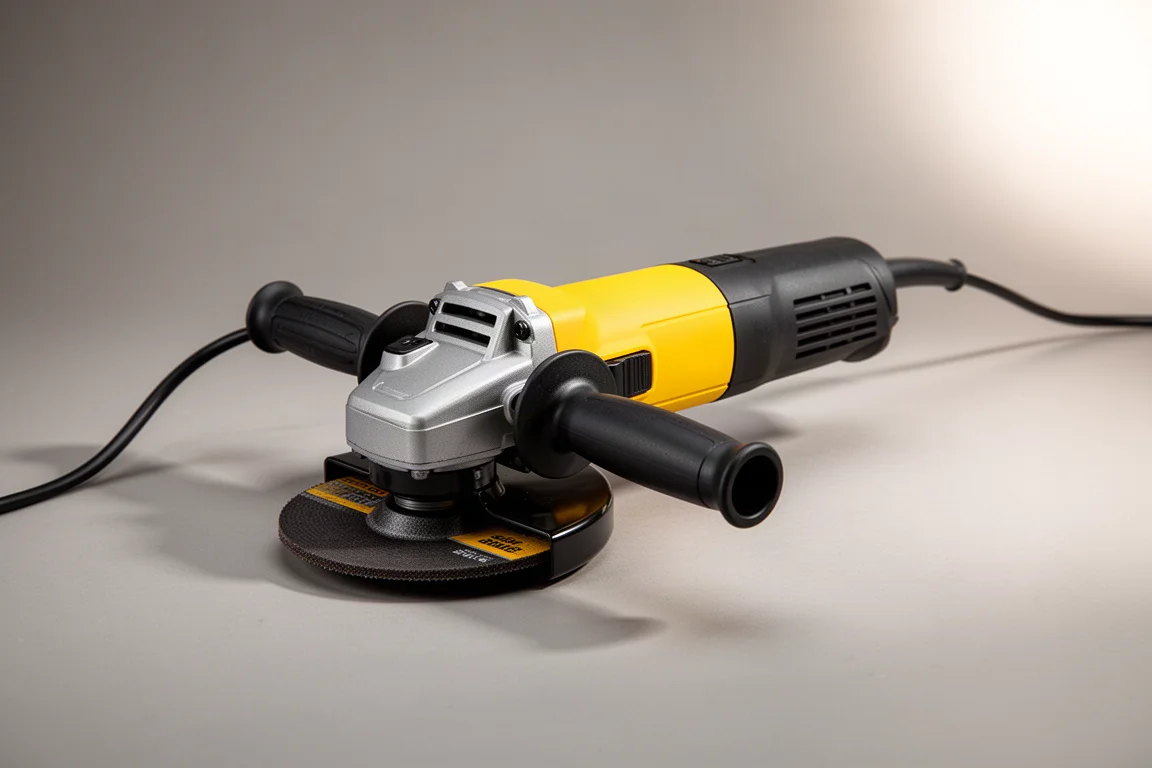
The DeWalt DWE4012 corded angle grinder represents the classic approach: plug it in and it keeps running. Corded grinders are tanks. For a long grinding job, the ability to work continuously without swapping batteries is a genuine advantage.
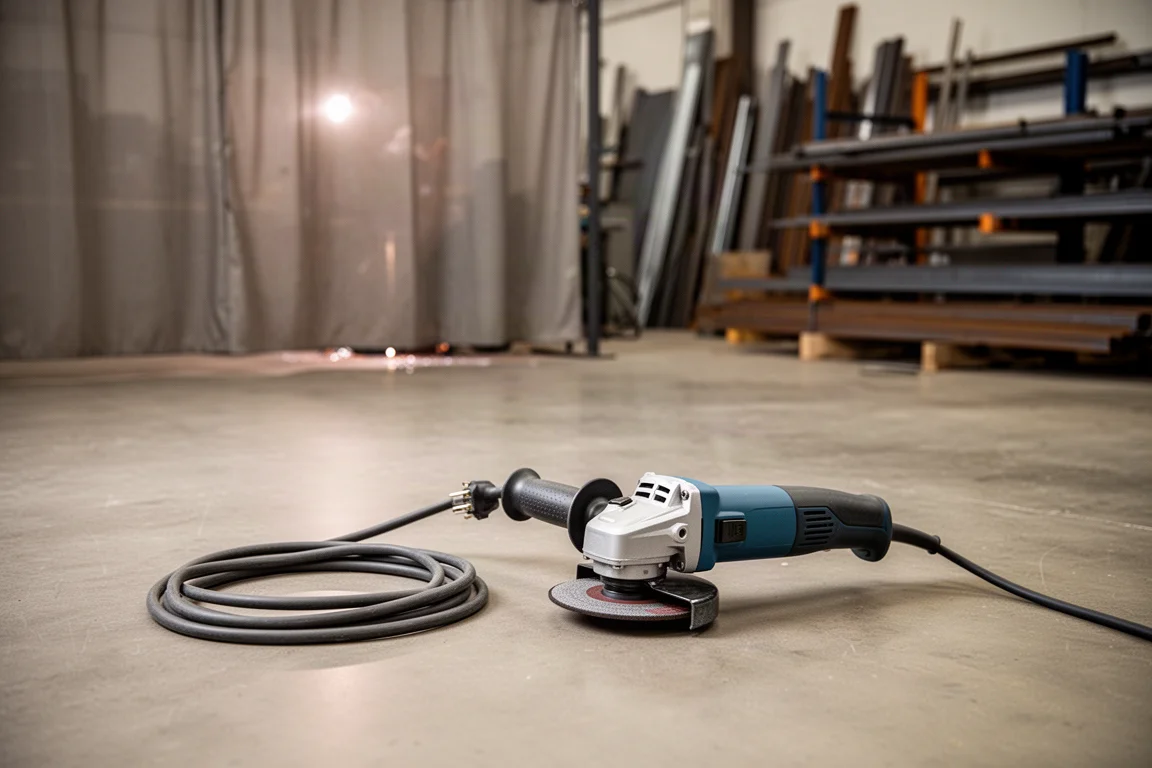
The obvious constraint is the cord itself. You need an outlet within reach and an extension cord for anything beyond that, which makes the tool less convenient outdoors or in tight spaces. There is also the simple fact that a cable follows you everywhere.
For indoor work, especially extended grinding sessions where batteries may be limited, the corded option is the one to reach for. It is the tool you want when the job is long and the outlet is close.
Buying Advice: Which One Fits Your Workshop
If there is a single lesson from testing these three tools, it is that there is real value in having options. Each tool earned its place for a different situation.
Choose the Milwaukee cut-off wheel if you mostly do quick, one-handed cuts at home. Choose the Makita if versatility matters most, especially for outdoor work where a cord is a liability. Choose the DeWalt if you spend long stretches grinding indoors and want uninterrupted runtime without worrying about battery supply.
Conclusion
Cutting 3/16-inch flat bar showed all three tools doing what they were designed to do well. The Milwaukee cut fast for its size and suits one-handed DIY cutting, the Makita offers the most flexible all-around cordless experience, and the DeWalt delivers dependable continuous power for long indoor sessions. Matching the tool to the job is what makes the difference.
Further reading
Related Reviews

Power Tools
Best 1-Inch Pistol Impact Wrenches: Three Heavy-Duty Options Compared
We compare three 1-inch pistol impact wrenches, from a budget-friendly Harbor Freight model to a premium Caterpillar unit, to help you choose the right one.

Power Tools
Best 3/4-Inch Impact Wrenches 2026: Five Contenders Compared
We compare five 3/4-inch impact wrenches across price and performance, from a budget Amazon option to Snap-on's most powerful model yet.

Power Tools
Best Budget Cordless Tools 2026: Walmart Finds That Punch Above Their Price
We tested five cordless tools from Walmart, including a high-torque impact wrench that trades blows with Milwaukee and a $35 duster that outperforms its price class.