Snowboarding
Amplid Morning Glory Review: A Directional Freeride Board Built for Hard Charging
A close look at the Amplid Morning Glory, a Cruise Camber freeride snowboard that rewards hard charging on groomers, chop, and soft snow.
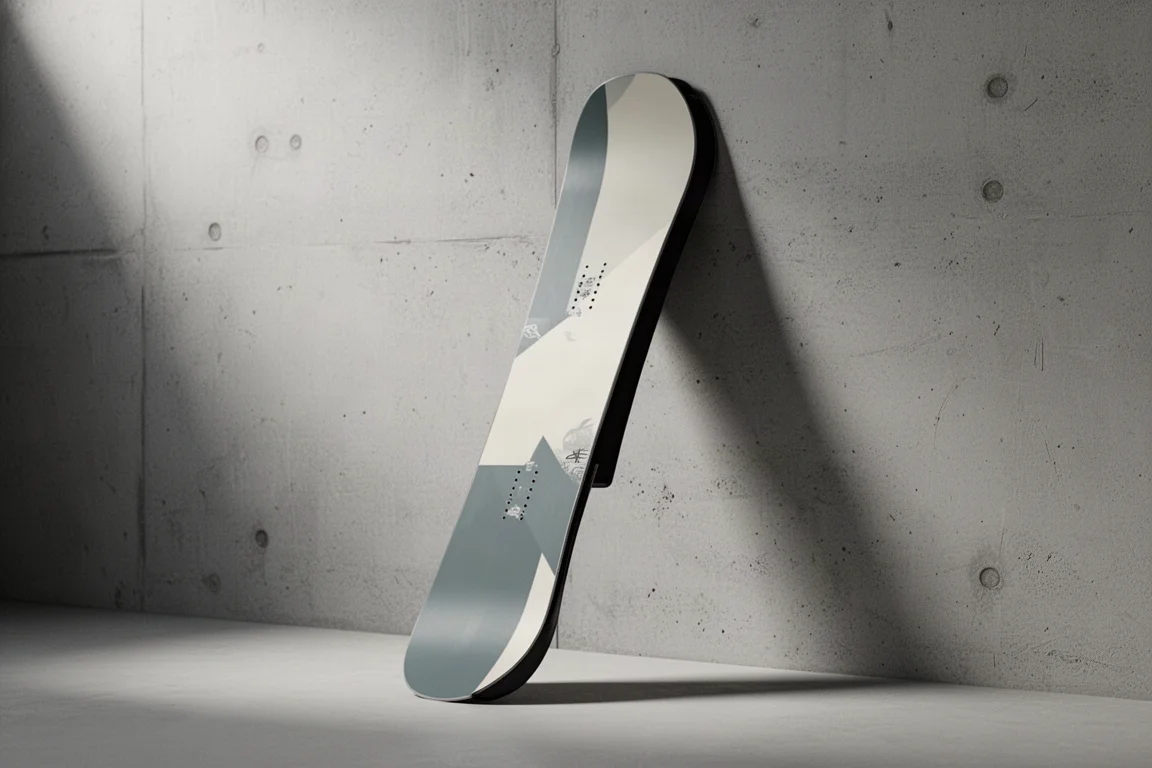
Introduction
The Amplid Morning Glory is a directional freeride snowboard that pairs Amplid’s Cruise Camber profile with a shape and flex pattern aimed at riders who like to drive hard. It is not a park deck, and it is not a beginner board. It is a board with a specific temperament, and the more a rider asks of it, the more it gives back.
That last point matters, because the Morning Glory does not make a dramatic first impression. Riders expecting instant fireworks may need a full day on it before its character becomes obvious.
Who the Amplid Morning Glory Is For
The cleanest description of this board is the resort ripping powder carver. It is aimed at riders who spend their days hunting soft snow, charging groomers on the way back, and who prefer a board that stays composed once the snow gets tracked out and lumpy.
It rewards a rider who drives hard. It can be ridden casually, but the Morning Glory responds best when it is pushed. It is subtle and nuanced in how it turns and how it reacts, and that quality becomes more apparent as conditions shift through the day.
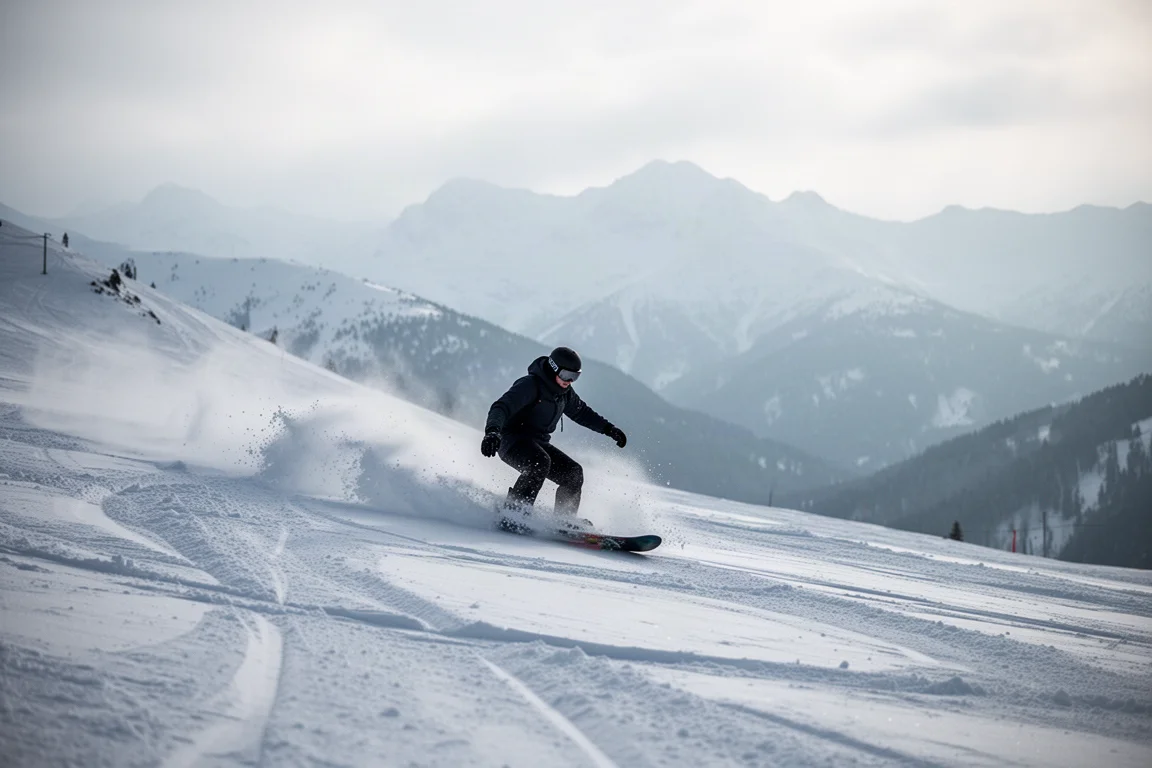
A rider coming from a soft, playful freestyle board will notice the difference immediately. The Morning Glory asks for weight, edge pressure, and intent rather than quick flicks and presses.
Main Strengths
The Morning Glory’s strengths come from the way its camber, flex, and shape work in conjunction rather than in isolation. Each element supports the others, and the result is a board that feels settled underfoot across a wide range of terrain.
Camber Profile and How It Rides
Cruise Camber is the foundation. It uses a more aggressive camber between the feet that tapers out and becomes more mellow as it approaches the contact points, with a section of rocker in the nose. The practical effect is that the board keeps the load and pop of a traditional camber profile underfoot, while the nose rocker adds powder float and makes entry and exit from turns easier.
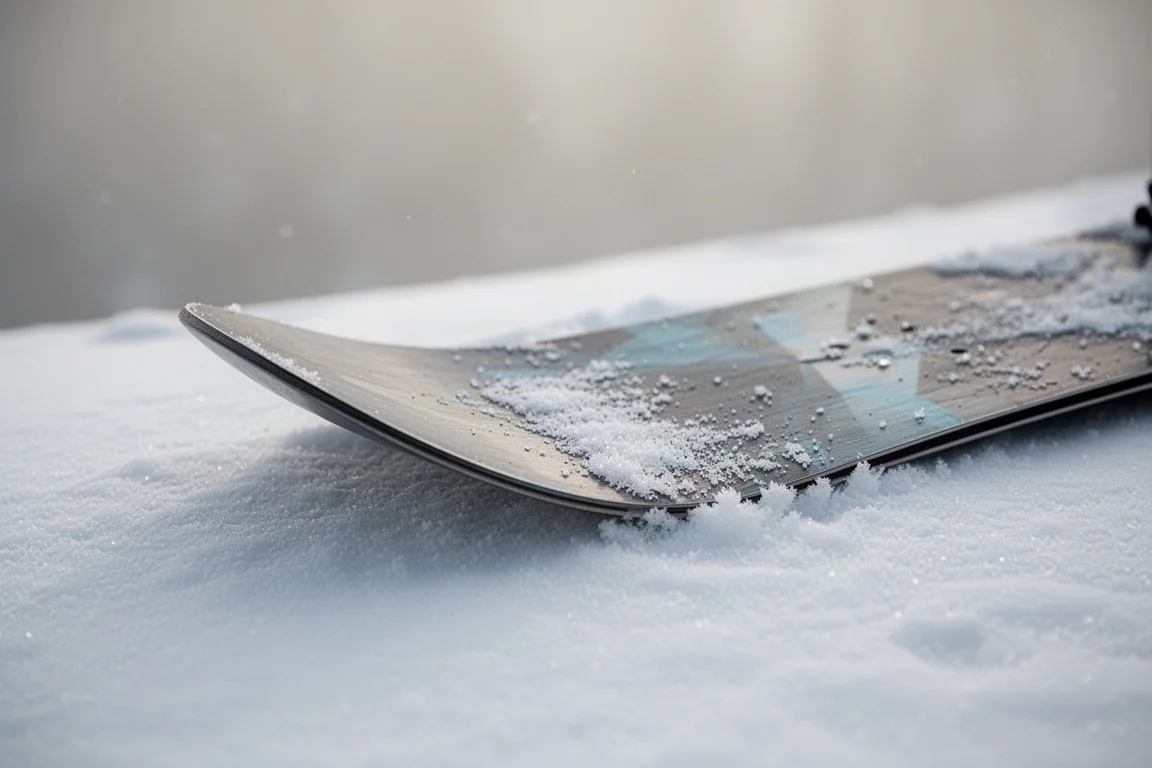
That combination is what lets the board feel planted on hardpack while still surfing well in soft snow. The camber does not deliver snap for free, though. It has to be loaded before it gives anything back.
Stability, Pop, and Playfulness
Stability is where the Morning Glory is most convincing. The camber, flex, and shape come together to produce a board that is very stable at speed. There is a little chatter in the nose, but it never resonates back to the rider’s foot, and in rutted out terrain the board plows through whatever is in its path.
Pop is predictable rather than explosive. The board has to be loaded to snap, and it is not the snappiest option in its category, but it engages easily. That is enough to clear a cat track gap or boost off a pillow, though riders should not expect to launch to the moon.
Playfulness is the trade-off. A directional shape with nose rocker might suggest easy 180s and buttering, but the Morning Glory resists both. It has to be levered far out onto the nose to engage, and it fights the press the whole way, with a rebound that pulls the rider back down. The tail is a small area sitting on the end of the camber section, so presses there demand weight, speed, and a wheely-back motion.
Carving Performance
Carving is where the Morning Glory separates itself from other boards in the same category. The roll from edge to edge is smooth and fluid rather than nimble or quick, and it comes with real power behind it.
The flex pattern is central to that. There are two clearly defined flex points, one just inside the front binding and one just outside the back binding. Rolling the board onto edge engages the front flex point, so pressure inside the front binding drives the turn. The rear flex point is less pronounced, but it lets the rider push off the tail and use the flex to slingshot out of the turn with more speed.
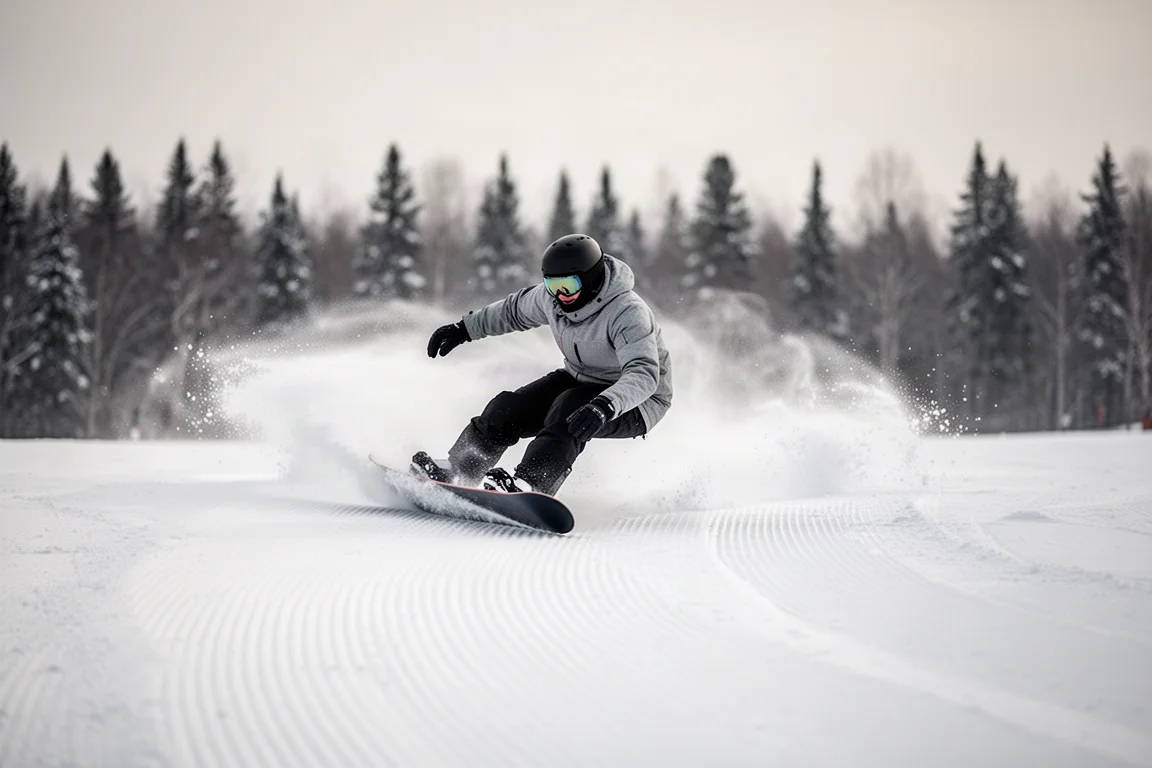
The result is a board that rails. Short tight turns, long drawn out carves, and medium mellow arcs all come easily, and the platform stays stable underfoot throughout. The nose is slightly softer, the section from outside the inserts through the middle is stiffer, and overall there is a little torsional flex rather than a lot.
Things to Consider Before Buying
The main consideration is fit rather than quality. This is not a board for everyone, and it is not a one-board quiver for riders who split their time between park laps and powder days.
Buttering and ground tricks are the weakest part of the package. Riders who want a pressable, freestyle-oriented feel will find the Morning Glory stubborn.
It is also not the ultimate powder board. It handles powder well thanks to the nose rocker, but riders whose seasons revolve around deep snow may prefer a more dedicated shape.
For context, comparable boards in this space include the Nitro Banker, the Rome Ravine Select, and the Telos DST.
Buying Advice
The Morning Glory makes sense for a rider whose days are built around carving, soft snow, and charging through chopped up terrain. It suits someone who wants a stable, planted board that gets better the harder it is pushed.
Bindings matter here. Recommended pairings include the Rome Black Label, the Now Select Pro, and the Bent Metal Actions, all of which are stiff enough to transmit the edge pressure the board asks for.
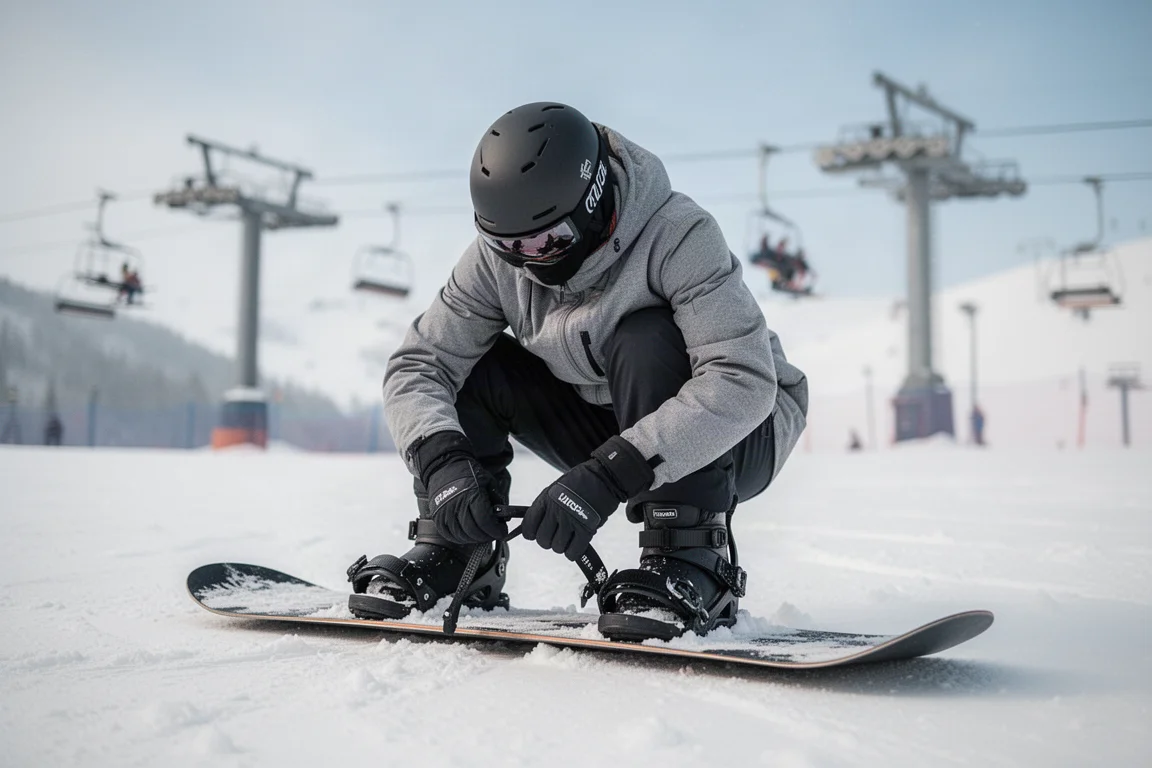
Riders should also be honest about how they ride. Someone who likes to press, butter, and spin will likely be happier elsewhere. Someone who wants a directional freeride board that holds an edge and stays calm at speed will find a lot to like here.
Conclusion
The Amplid Morning Glory is a specialist. It is not an instant crowd pleaser, and it will not suit every quiver, but it does an exceptional job of what it sets out to do. Riders who match its intent, driving hard through groomers, chop, and soft snow, get a stable, powerful, and rewarding ride that keeps delivering as the day wears on.
Product link
View more details for Amplid Morning Glory
This product is mentioned in the review. Check the specifications, options, and compatibility before buying.
View more details for Amplid Morning GloryFurther reading
Related Reviews
Snowboarding
2025 Snowboard Gear List: Five Picks That Earned Their Place on the Mountain
From Zeiss-lens goggles to a hybrid step-in binding, here are five pieces of 2025 snowboard gear that held up across a full season of riding.
Snowboarding
2026 Snowboard Gear List: Boards, Bindings, Boots and Outerwear Worth a Look
A season-ready snowboard setup built from the bottom up: base layers, Strafe outerwear, Ride and Union boots, Union bindings, and two new Capita boards.
Snowboarding
32 Cold World Review: A Playful Hybrid Camber Board for Park Laps
The 32 Cold World blends classic camber underfoot with flat nose and tail sections for a predictable, butter-friendly ride aimed at intermediate park riders.