Smartwatches
Amazfit T-Rex Ultra 2 Review: Big Hardware, Big Battery, Big Caveats
A rugged 51mm GPS sports watch with spot-on GPS, excellent battery life, and global maps, but software quality and pricing leave questions.
Introduction
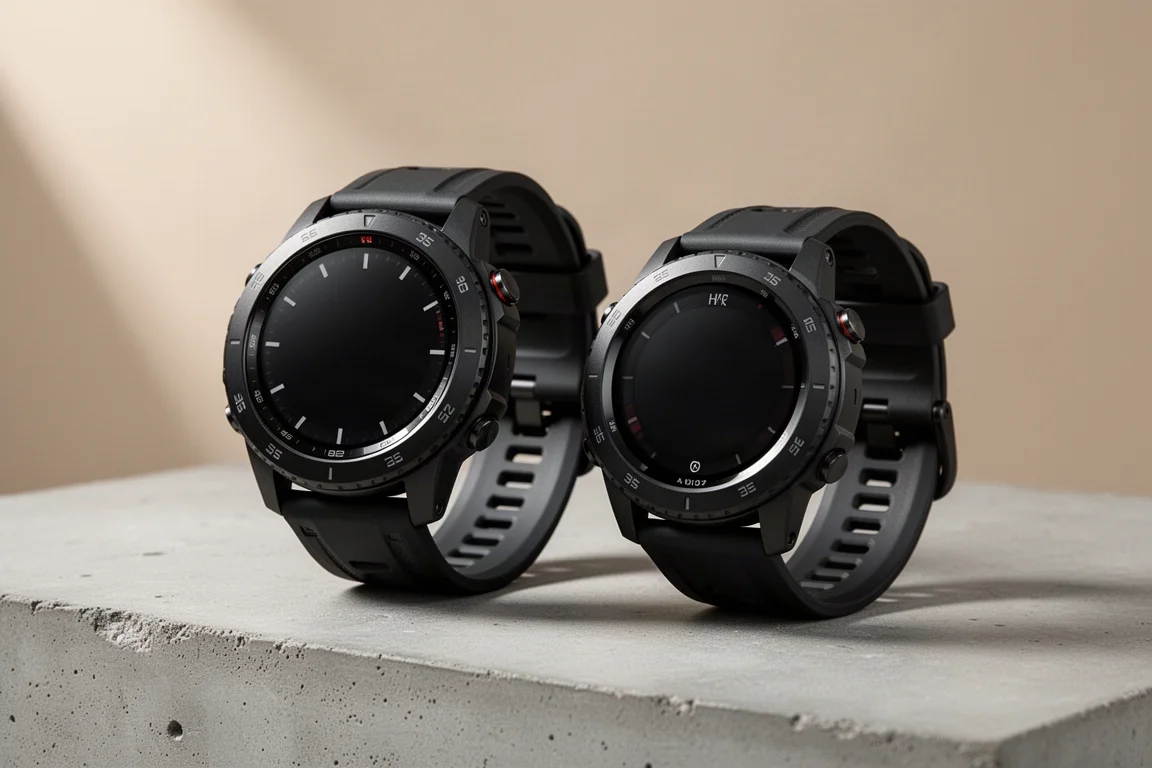
The Amazfit T-Rex Ultra 2 arrives only about six months after the T-Rex 3 Pro, and the two watches are far more alike than different. The Ultra 2 is essentially a bigger, heavier, more expensive version of the T-Rex 3 Pro with a handful of added features. Some of those additions work well in real use. Others, including the headline climb-classification feature, still feel unfinished. After many hours of trail running and cycling with both watches, here is where each one earns its price and where it falls short.
Design and Size
The first thing to know is that the Ultra 2 is a big, chunky watch. At 51mm, it is the largest case Amazfit has ever released, compared to the 48mm T-Rex 3 Pro. It is also 15g heavier, and the strap width has grown from the standard 22mm to 26mm, which makes sense proportionally and is not a complaint.
One visible change is the integrated LED flashlight on the watch front. The Ultra 2 offers green as its secondary color alongside white, while the T-Rex 3 Pro pairs white with red. In practice, most of the flashlight’s value comes from everyday moments, like finding things in the dark at home or in a hotel room. On faster trail runs, no watch flashlight of this kind throws enough light to replace a headlamp. The theory behind green is better night vision compatibility, and a new night vision goggle mode in the software reduces brightness noticeably. It is very similar to the existing night display mode on the T-Rex 3 Pro, and it may arrive on that watch in a future update.
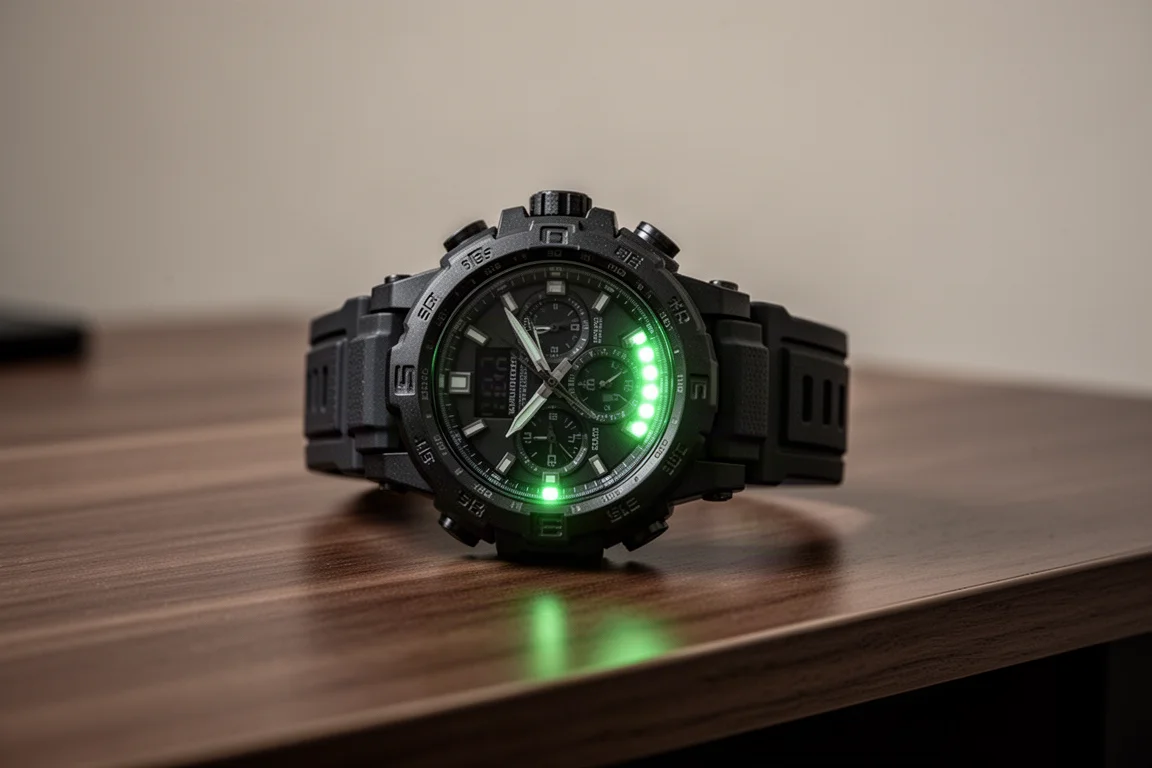
The Ultra 2 also swaps the plastic back casing of its sibling for a thin titanium cover, and doubles storage from 32GB to 64GB, which enables the onboard global base map.
Battery Life in Real Use
The battery capacity is about 25% larger than the T-Rex 3 Pro, and the real-world results back that up. On a two-hour trail run with the always-on display and standard data fields, the watch burned roughly 4%, or about 2% per hour. That is above the official always-on display spec.
On a longer run that started in daylight and continued into night, with navigation and the always-on display enabled, the watch started at 95% and finished a 3-hour session at 87%, roughly 2.7% per hour. Both results exceed Amazfit’s stated figures, which is genuinely impressive for this class of watch.

Maps and Checkpoints
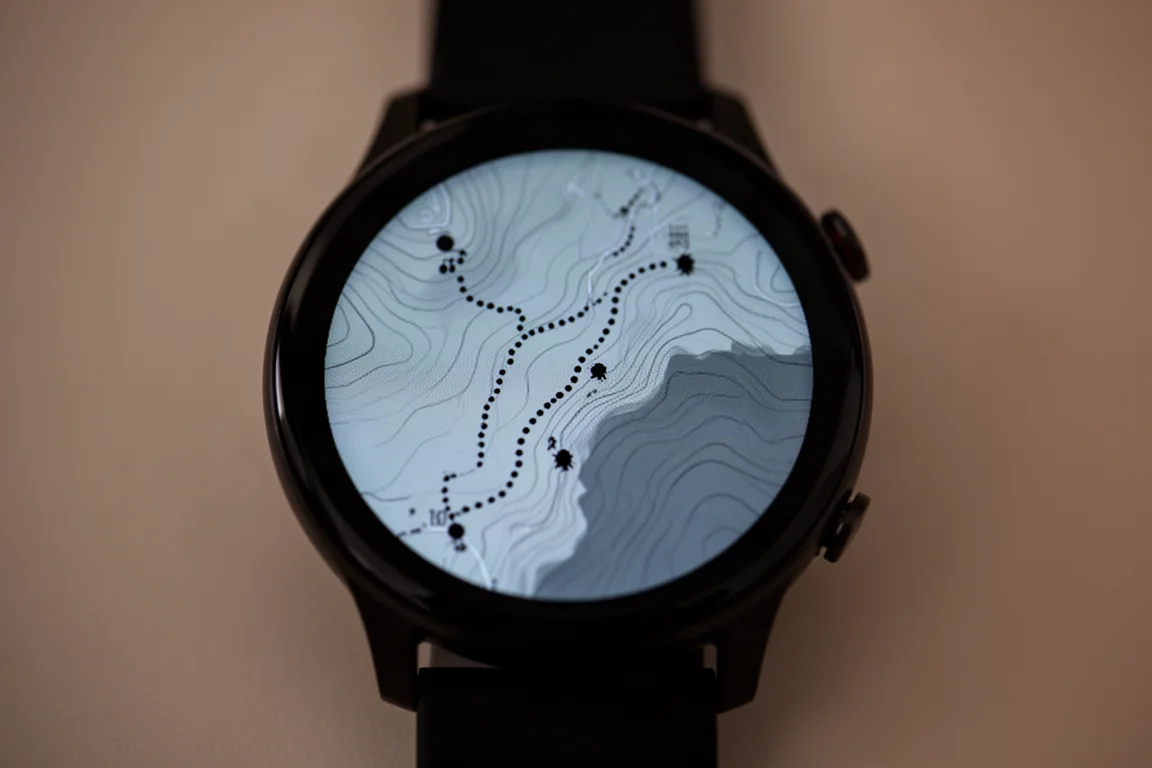
The doubled storage lets Amazfit pre-load a global base map, and detailed contour maps and ski maps can be downloaded free from the app. Contour map accuracy has improved as well: trails now render as dotted trail lines rather than roads, better honoring the underlying OpenStreetMap data. That is a real improvement for hikers and trail runners.
A new checkpoints feature lets you add waypoints to a route from either the app or the watch, with a variety of categories. The category list is oddly curated, though, with strange options like household and airport while missing basics such as shelter, campground, or dedicated water stops. Offline route navigation range has also increased from 30km to 100km, and the off-course warning has dropped from 500m to a claimed 100m, though in testing it triggered around 60 to 80m, which is actually better.
Climb Features: The Headline That Is Not Ready
Amazfit has added a Garmin Climb Pro-like function that automatically classifies climbs on a loaded route and, on the climb, shows time to the top and gradient details. It has potential, especially for mountain hiking and trail running, but right now it simply does not work reliably. It misses most climbs, sometimes skipping the very climbs it was built to find, and route classifications can even change between sessions. Amazfit has acknowledged the issue and says a fix is coming in the next firmware update, but given that the previous generation’s routing problems remain unresolved, patience is warranted.
Navigation quality generally is still mixed. On-watch route creation produces wonky results on both watches, and navigation prompts can include confusing phrasing instead of simple left or right instructions.
Features That Do Work
Not everything is rough. Grade adjusted pace normalizes your pace for steep or rolling terrain, which is genuinely useful for trail runners dealing with constant elevation change. A new voice memo feature during workouts works very well: hold the bottom-left button, tap record, and the memo is geotagged and attached to your workout. It is arguably cleaner than similar implementations elsewhere since it takes fewer button presses.
GPS and Heart Rate Accuracy
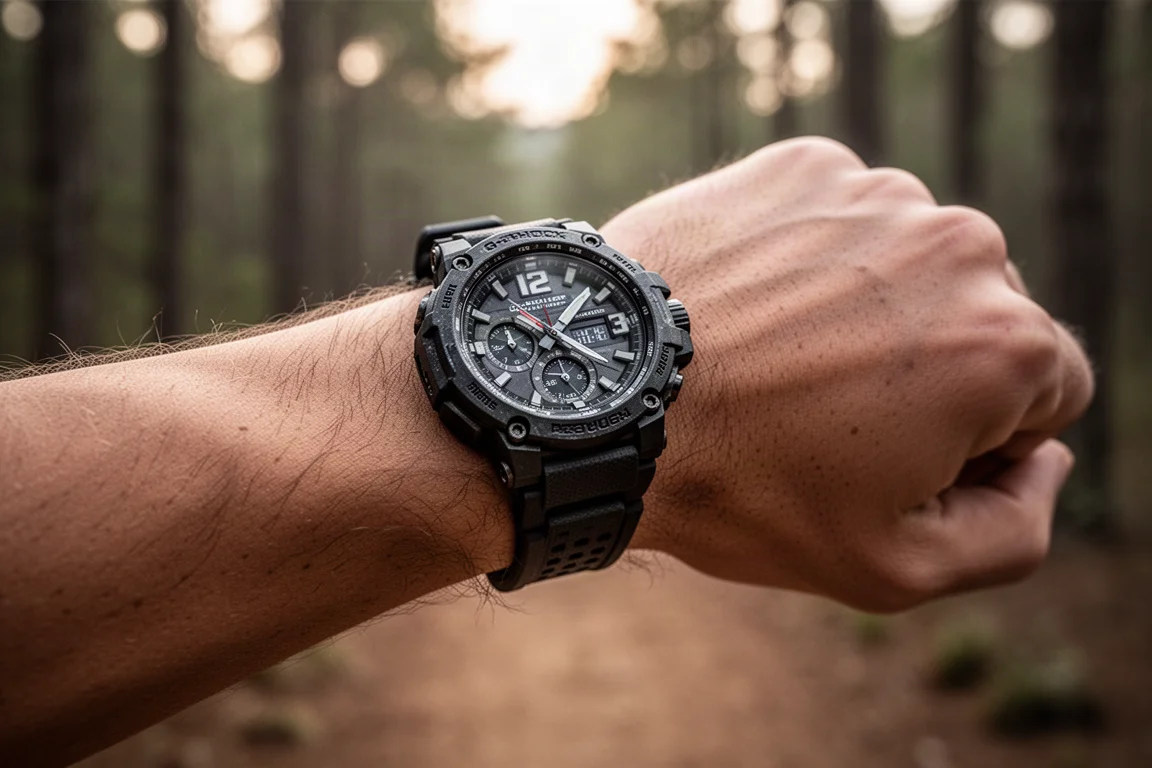
GPS accuracy has been spot-on. Across trail running and cycling, including tunnels and tricky cover, it matched other leading sports watches consistently. On the heart rate side, results are rougher. It is not terrible, but in many cases the optical sensor loses the plot and readings go simply off.
Pricing and Competition
This is where things fall apart most. The Ultra 2 costs $549, while the T-Rex 3 Pro is $399, a $150 jump for what is essentially a bigger watch with a green light. At that price you are competing against far more capable sports watches, such as models from Suunto and Garmin’s AMOLED flagship line, which regularly dip well below $549 on sale. The Ultra 2 holds some advantages in smartwatch features like its speaker and microphone, though its NFC payment support is limited outside China unless you use Curve.
If you want the sports capability, the competition is stronger. If you do not care much about sports features and battery life, the T-Rex 3 Pro at $399 is the far easier recommendation.
T-Rex 3 Pro: The Value Alternative
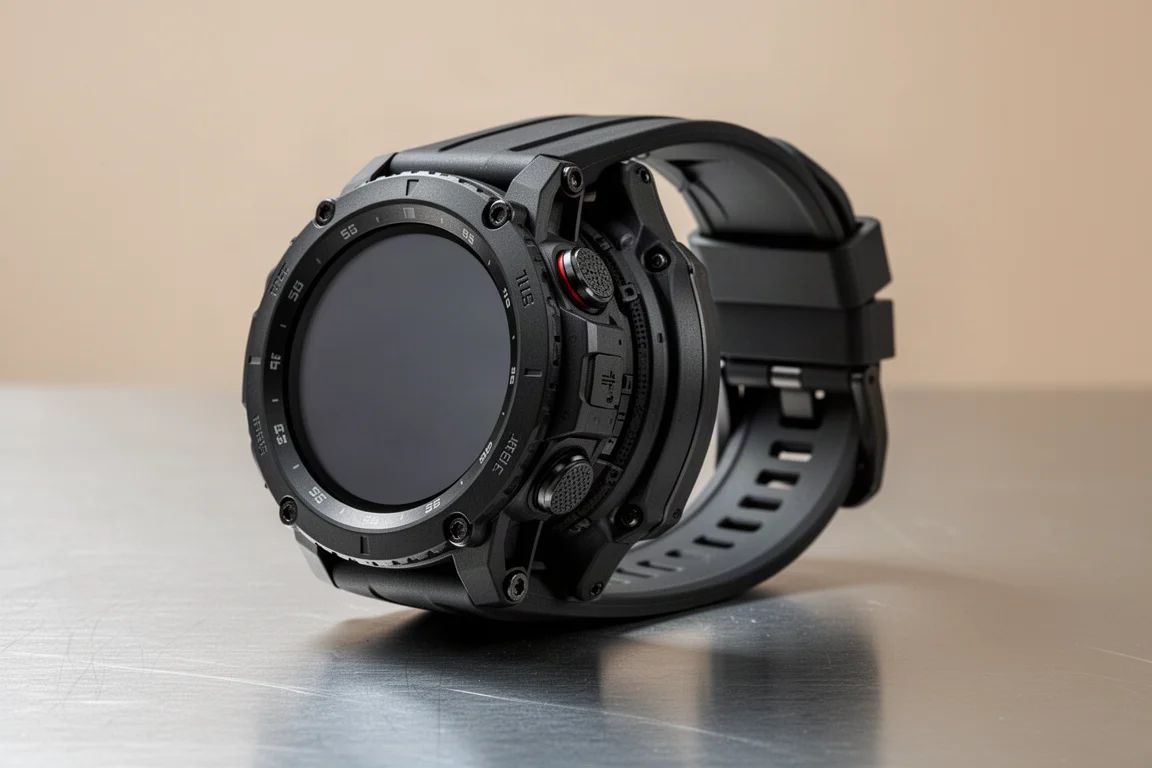
The T-Rex 3 Pro remains the watch that makes the most sense for most people. It shares the same core software experience, a very similar display, the same white flashlight, solid GPS accuracy, and strong battery life, all for $150 less. Its weaknesses, including routing quality and the promise of future fixes, carry over to the Ultra 2 anyway, so paying more for the Ultra 2 mainly buys you size, battery, titanium, storage, and the green flashlight.
Buying Advice
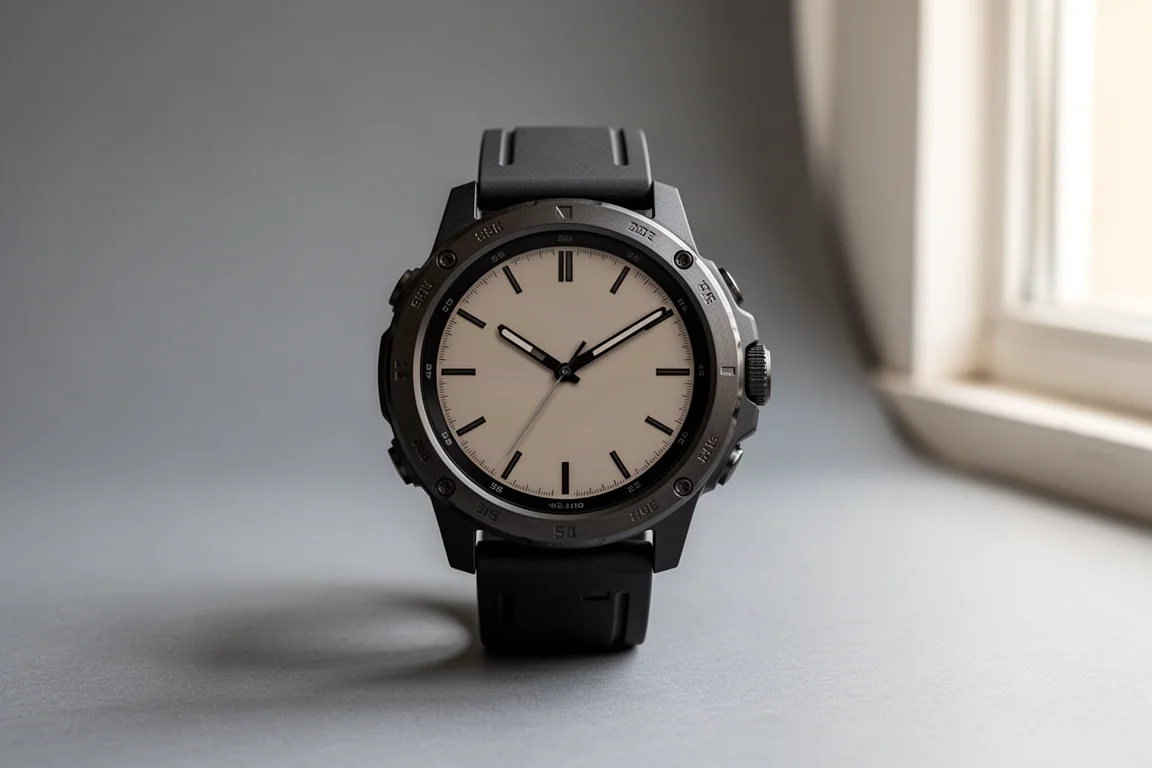
The hardware bones of the T-Rex Ultra 2 are good: GPS accuracy is excellent, battery results beat the spec sheet, global maps come pre-loaded, and the titanium back and doubled storage are welcome. The problem is software quality around the headliner features, which has a long history of promises followed by delays. Add a $549 price that seems overpriced against both competitors and Amazfit’s own lineup, and the case for the Ultra 2 becomes narrow. Buy it if you specifically want the biggest, longest-running rugged watch Amazfit makes. Otherwise, the T-Rex 3 Pro, or a competitor’s watch at this price, is the smarter spend.
Conclusion
The T-Rex Ultra 2 is a well-built, long-lasting rugged GPS watch with spot-on positioning and battery life that outperforms its spec sheet. But the climb-classification feature that headlines it does not work reliably out of the box, and the $150 premium over the T-Rex 3 Pro is hard to justify. Amazfit executes brilliantly in the budget segment, but this watch now competes in the premium tier, and it is not ready for that fight.
Further reading
Related Reviews
Smartwatches
Best Budget Smartwatches 2026: Five Affordable Options That Actually Work
Five budget smartwatches tested for real daily use. From entry-level options to premium features at fraction of the cost, here's what actually delivers.
Smartwatches
Best Smartwatches on AliExpress 2026: Five Practical Options for Different Needs
Five smartwatches with strong customer feedback and competitive pricing, each suited to different priorities: premium design, battery life, outdoor durability, advanced health tracking, and sports versatility.
Smartwatches
Best Smartwatches Under $300: 9 Practical Options for Every Need
A curated selection of nine smartwatches under $300, each excelling in health tracking, durability, battery life, or fitness features. Find the right match for your lifestyle.