Everyday Carry
Building the Ultimate Pocket Survival Tin: 9 Compact EDC Tools That Actually Earn Their Space
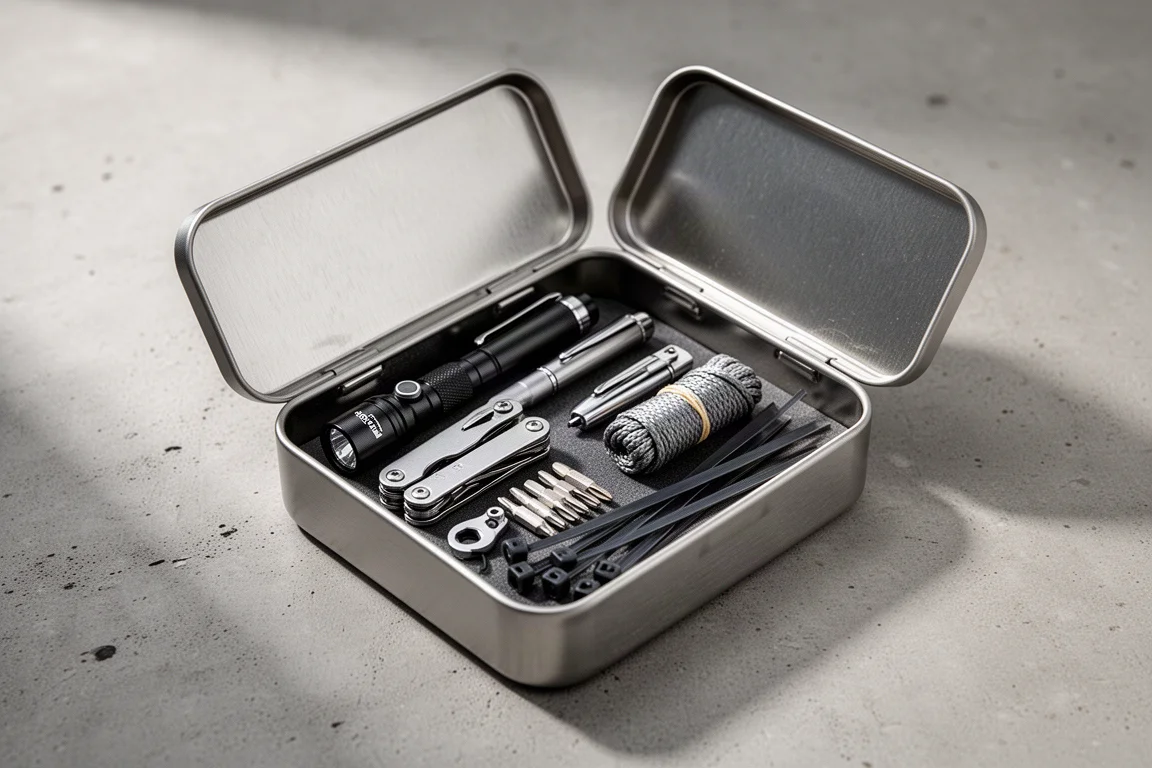
A packed Altoid-style survival tin works only when every tool justifies its size. Here are nine compact picks that fit together into one tight, useful kit.
Introduction
A pocket survival tin only works if everything inside it is genuinely useful. Fill it carelessly and you end up with a rattling box of filler. Pack it thoughtfully and you get something that barely moves around when you shake it, every piece doing a specific job. The kit described here is stuffed to the gills, and the interesting part is not the tin itself but the individual tools that make it work.
This collection is best understood as supplementary aid for the things you already carry. Most people have at least two or three ways to cut things on their person, so a tin like this does not need another premium knife. What it needs is small, dependable backups for jobs that come up unexpectedly.
What Goes Into a Survival Tin Like This
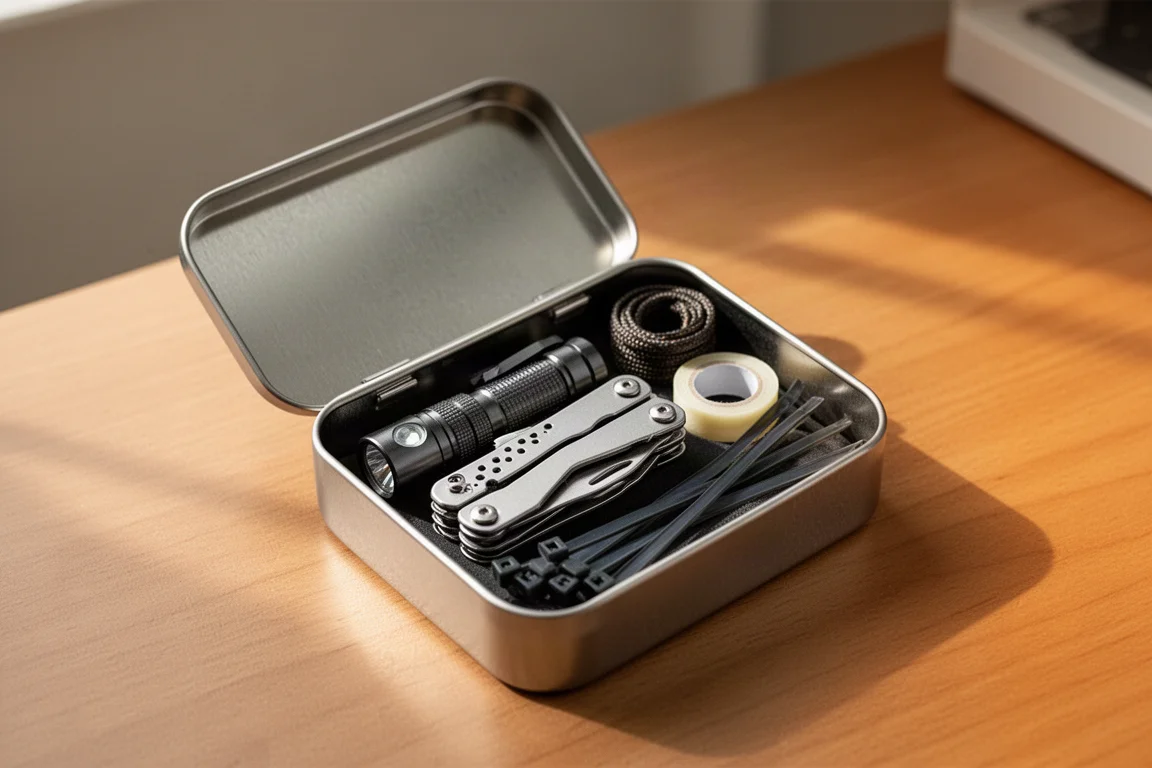
The build philosophy is simple: small, replaceable, and multi-purpose. A fingernail file handles hangnails and rough skin before they catch on everything. A bundle of zip ties, held together with more zip ties, covers cinching, bundling and countless odd jobs around the house, office or truck. A tiny pill bottle stores ibuprofen and an antihistamine for allergy season or visits to friends with cats.
A few feet of heavy-duty tape wrapped off the spool rounds out the repair side of the kit. One small magnetic tool also deserves a mention: a tiny, exceptionally strong magnet can be lowered on string or a zip tie to retrieve a dropped socket from a hard-to-reach spot, then stick in place until you need it again.
Backup Light: Olight i-Mini
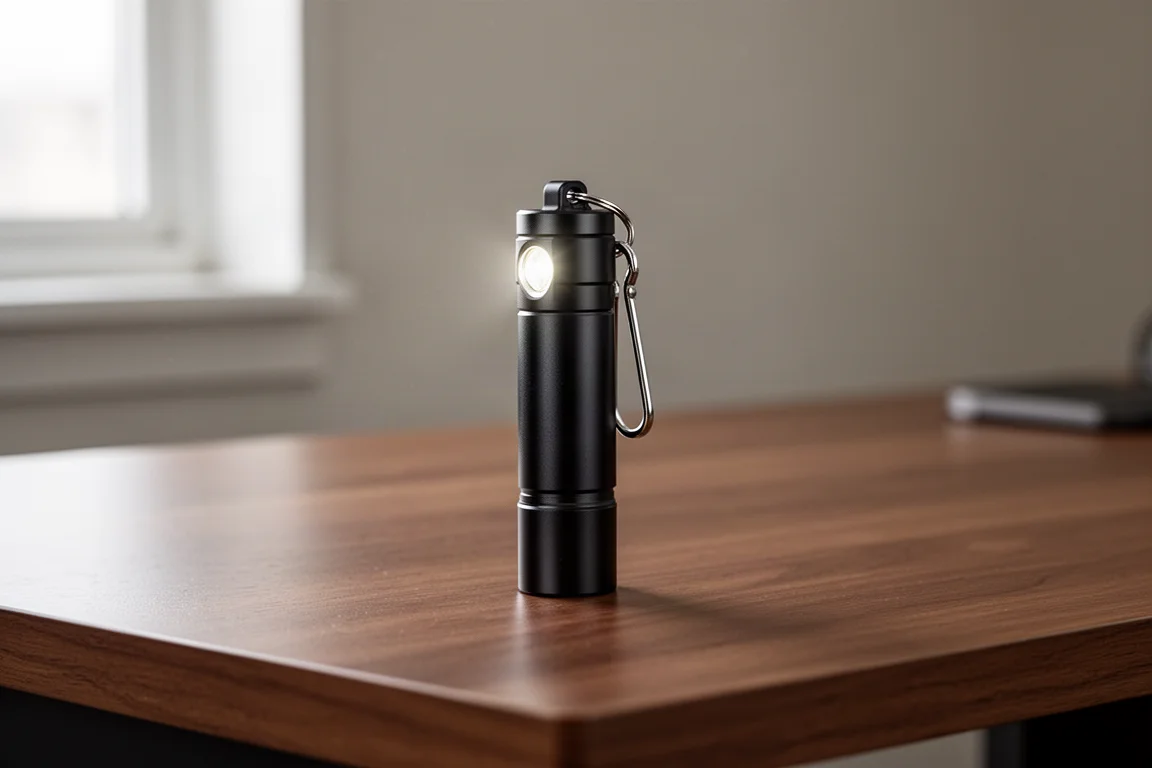
A backup flashlight does not need to be impressive. It just needs to be tiny, functional, and ready when your main light dies. The Olight i-Mini fits that brief: pull the body and it turns on, reseat it and it turns off.
The reason this particular light made the cut is its replaceable button cell batteries. Since the tin has no USB cable inside, recharging on the fly makes little sense; swapping cells bought at a convenience store does. It is not a light to rely on daily, but as a pocket-sized fallback stored in a truck console or pouch, it serves in a pinch.
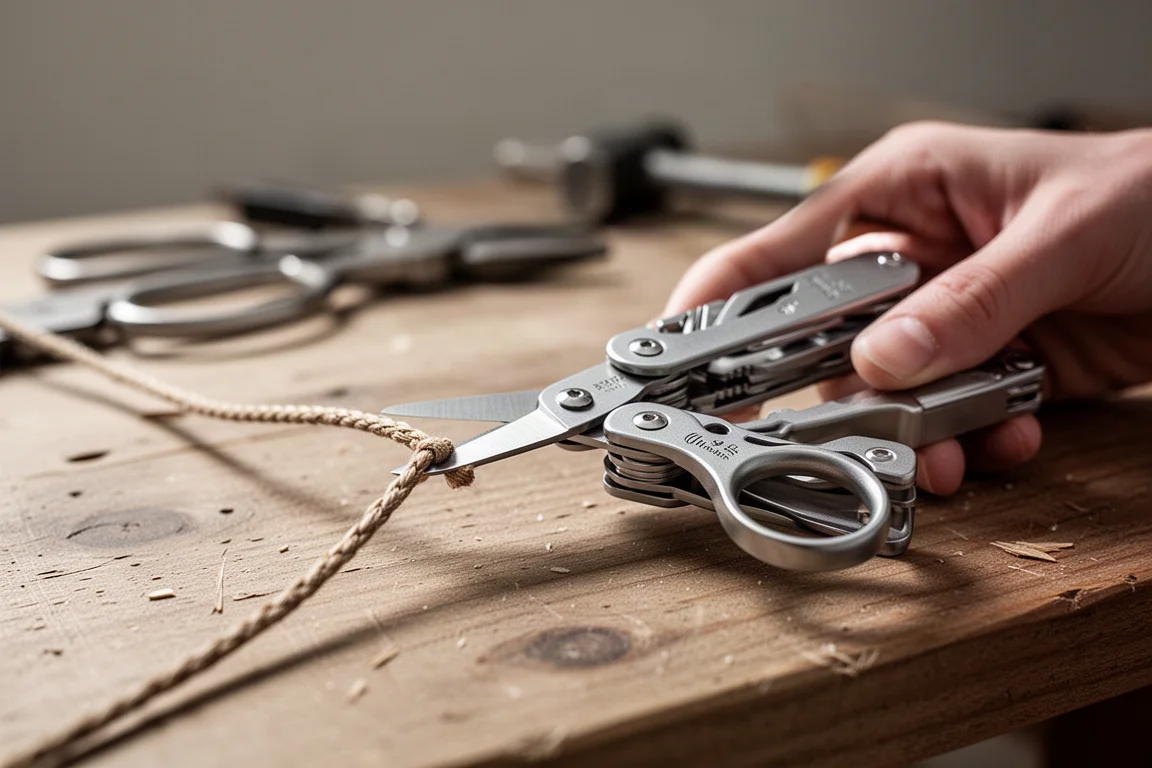
Cutting and Repair: Leatherman Micra
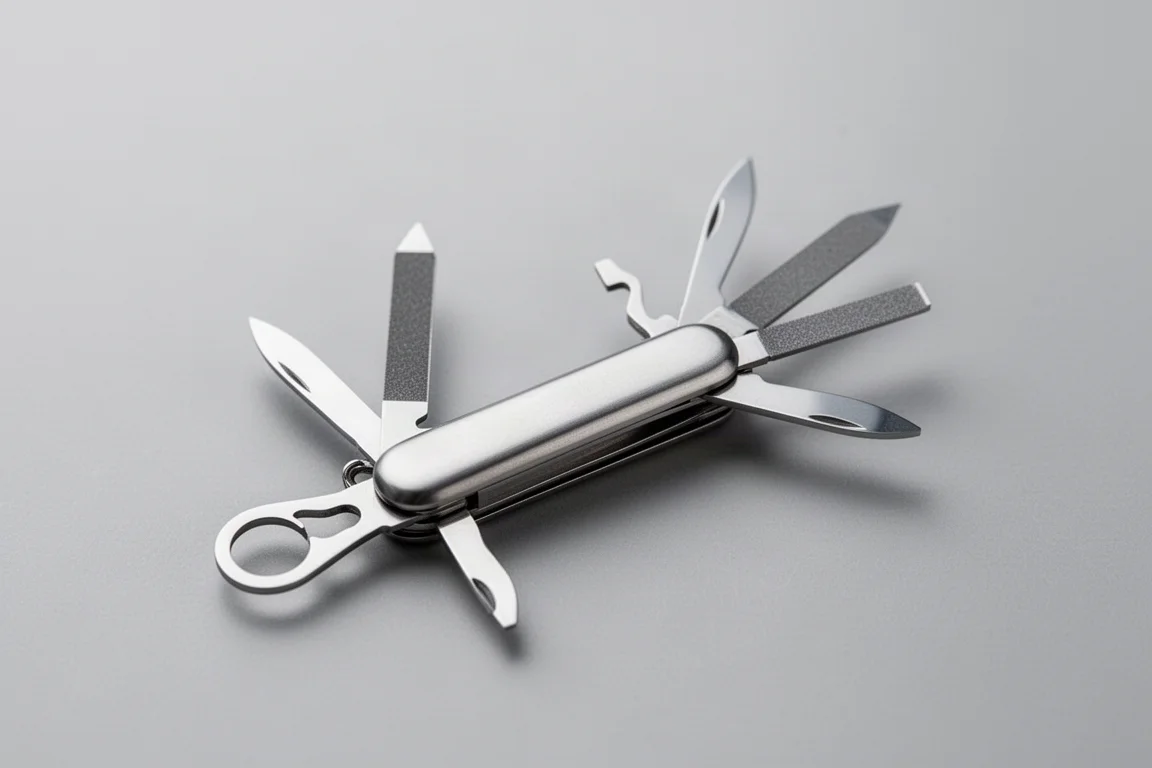
With good scissors, a compact multi-tool earns its place in a tin. The Leatherman Micra beats comparable small multi-tools here because its scissors are outstanding for the size, and that matters more than mediocre pliers that would never fit properly anyway.
The other tools are honest but unremarkable: an okay flat head, an okay knife, a passable Phillips, a serviceable bottle opener and a fingernail file. One weak point is notable, and it is worth planning around.
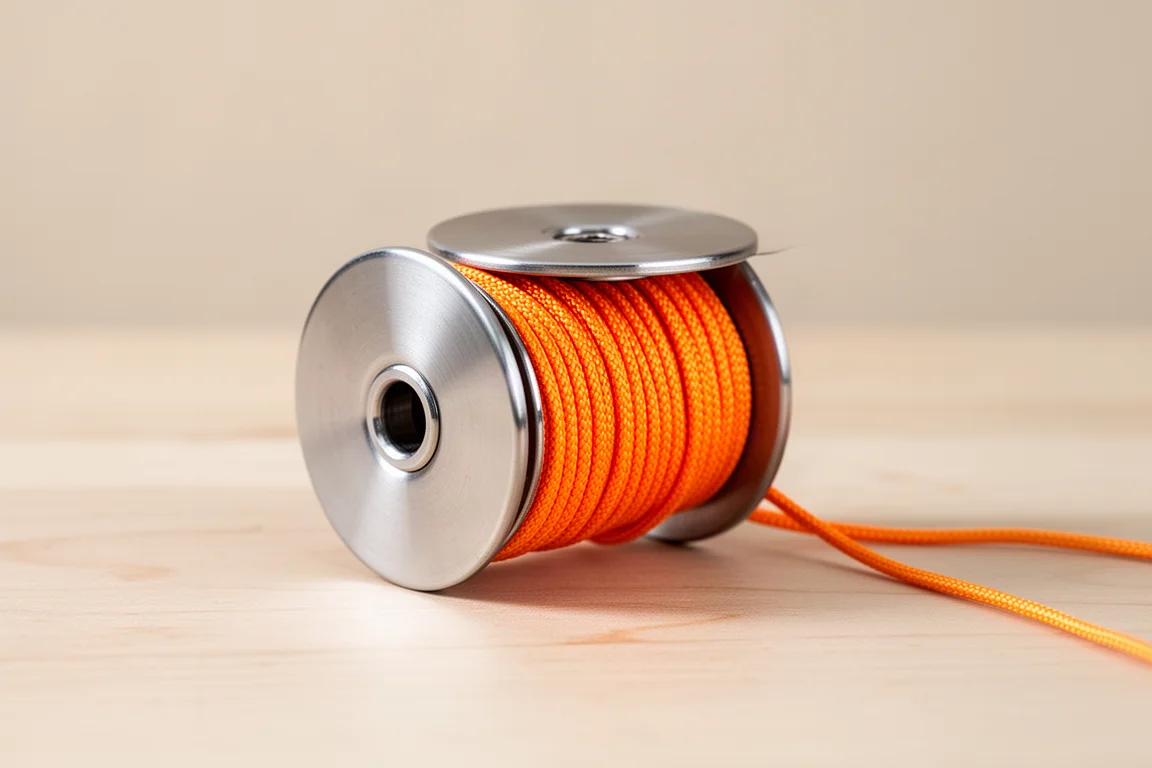
Cord and Tie-Downs: Grim Workshop Keychain Spool
A little bit of string goes a very long way. This keychain spool from Grim Workshop, makers of card tools, has been spooled with 40 feet of Spectra cord at 50-pound test. High tensile strength in a package smaller than a pinky is genuinely impressive, and it handles tying, bundling and even fishing duty.
The Spectra line comes from Wazoo, sold as fishing line but strong enough for far more. Between cord, tape and zip ties, the repair-and-secure category in this tin is well covered.
Writing: Big Idea Design Mini Pen
Everyone forgets their pen more often than they would like to admit, so a backup pen belongs in a kit like this. The Big Idea Design Mini Pen is very small, takes a D1 refill, and is barely big enough to write with honestly, but that is the point. Any smaller and it would stop working as a pen.
It fits neatly into the tin’s layout and sits there quietly until the day you actually need to write something down without borrowing a stub of pencil.

Leverage: American Blade Works Titanium Pry Bar
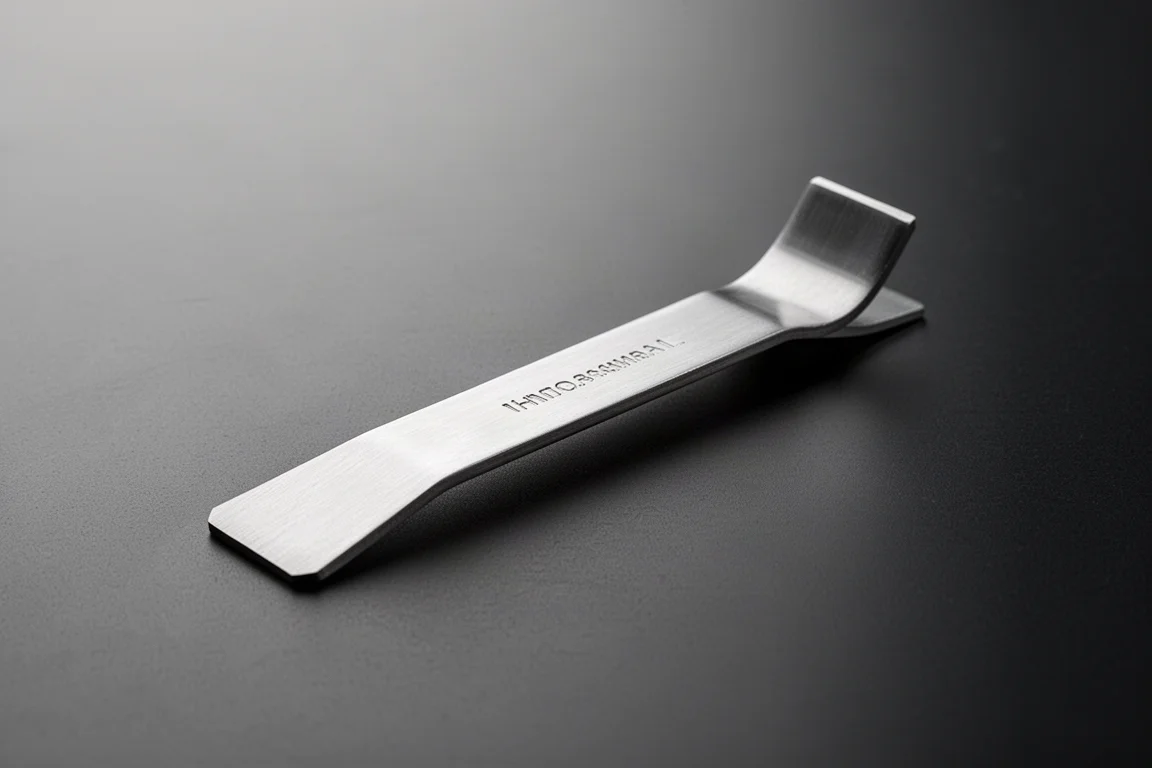
Pry bars are a love-or-hate category, but they have real uses. For camera plates, big flat-head applications and the occasional scraping job, a small pry bar is the right tool, and it is not always something you want taking up pocket space daily.
The American Blade Works titanium pry bar handles this role well at around forty dollars. A steel alternative such as a Griffin Pocket Tool runs roughly half that price, so titanium is a preference choice rather than a necessity.
Screwdriving: 711L EDC Ratchet
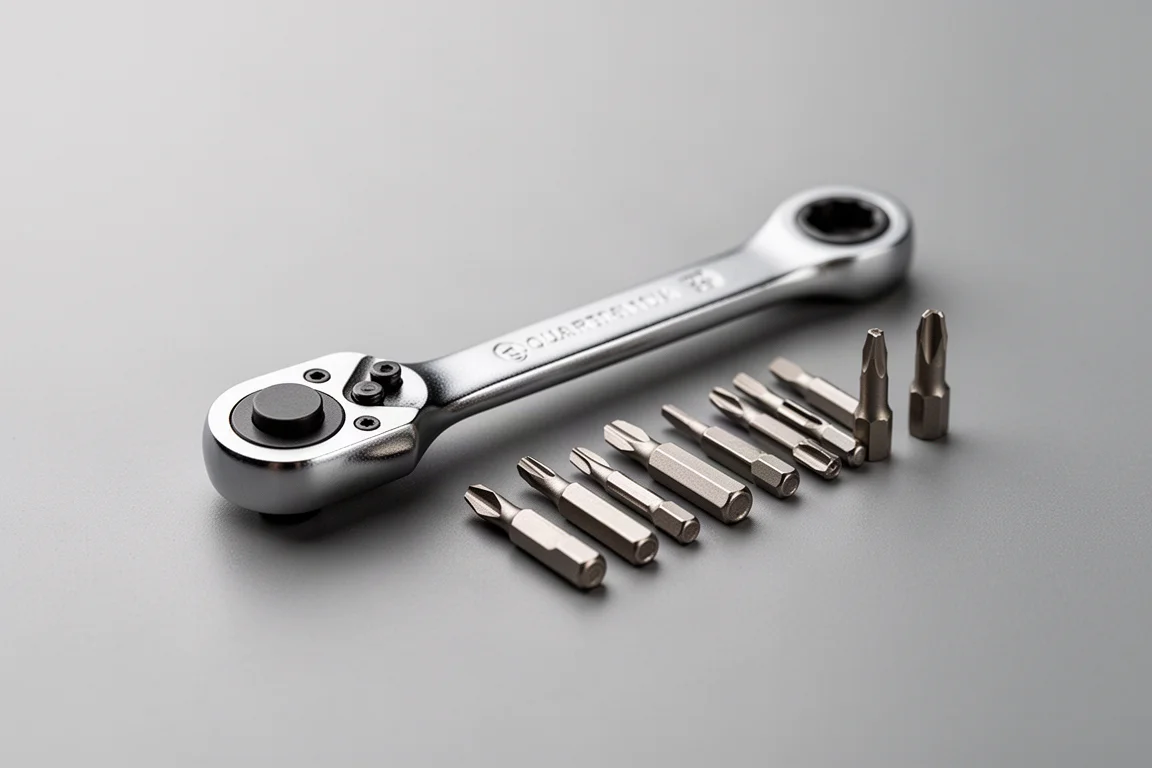
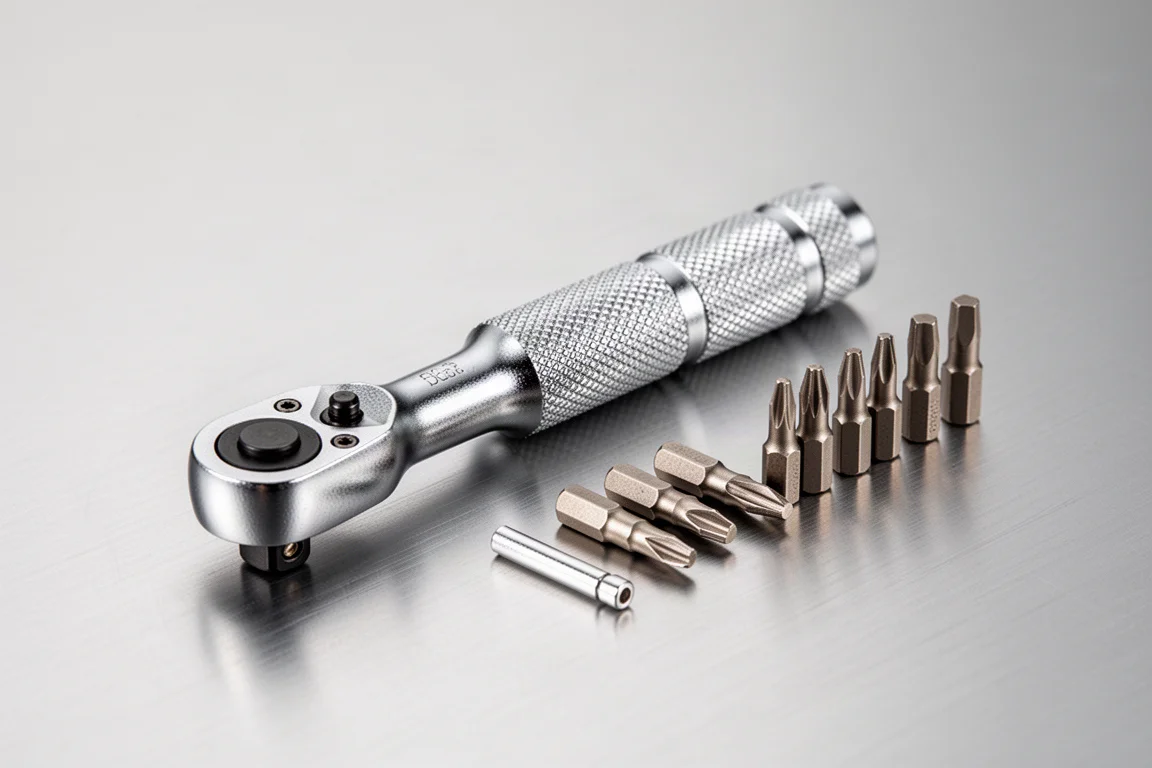
A full screwdriver kit in a tin this small seemed unlikely until the 711L EDC ratchet showed up. It has a quarter-inch bit driver in the end and works as a proper ratchet wrench: spin a screw quickly when resistance is low, then switch to the ratcheting direction when things get tighter and you need more torque.
An extension bar adds length when needed, and the included seven bits cover the practical bases: Torx, Phillips and a couple of flat heads, most of a standard bit kit packed into a tiny tin that nests perfectly inside the main one. It is extremely compact and extremely efficient.
Extending the Kit: Grim Workshop Bandit, Viking Whetstone and Cable Kit
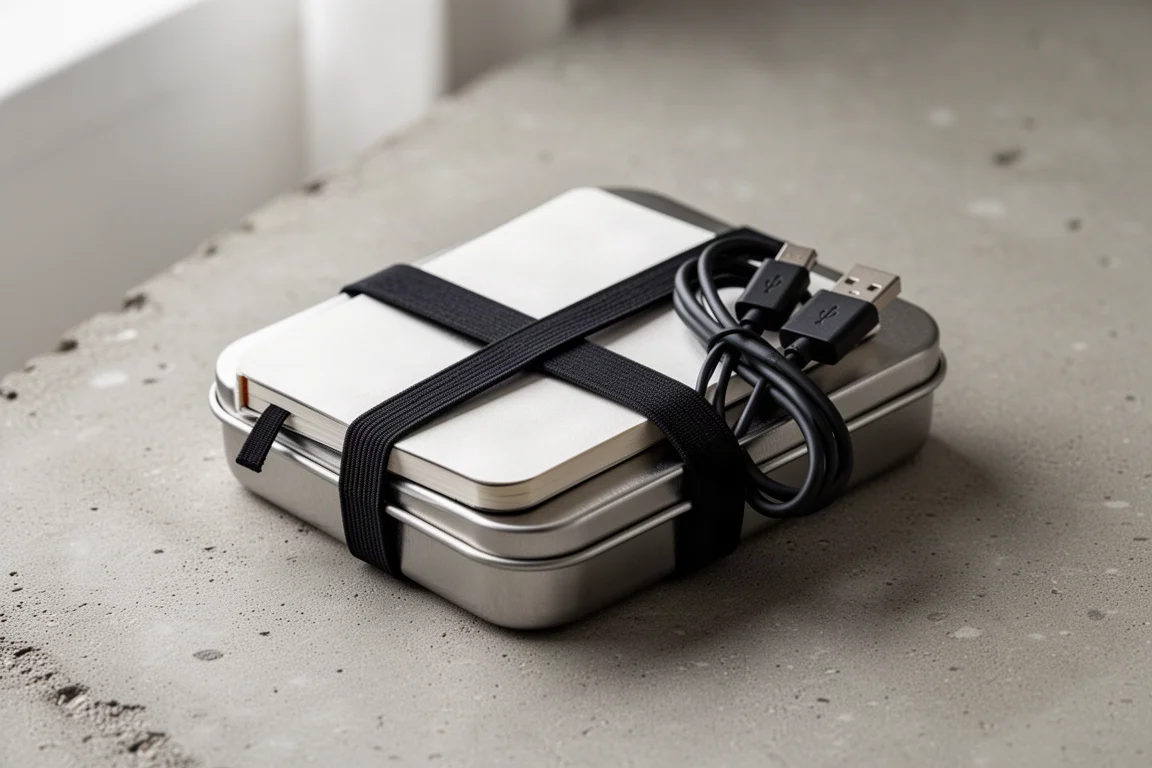
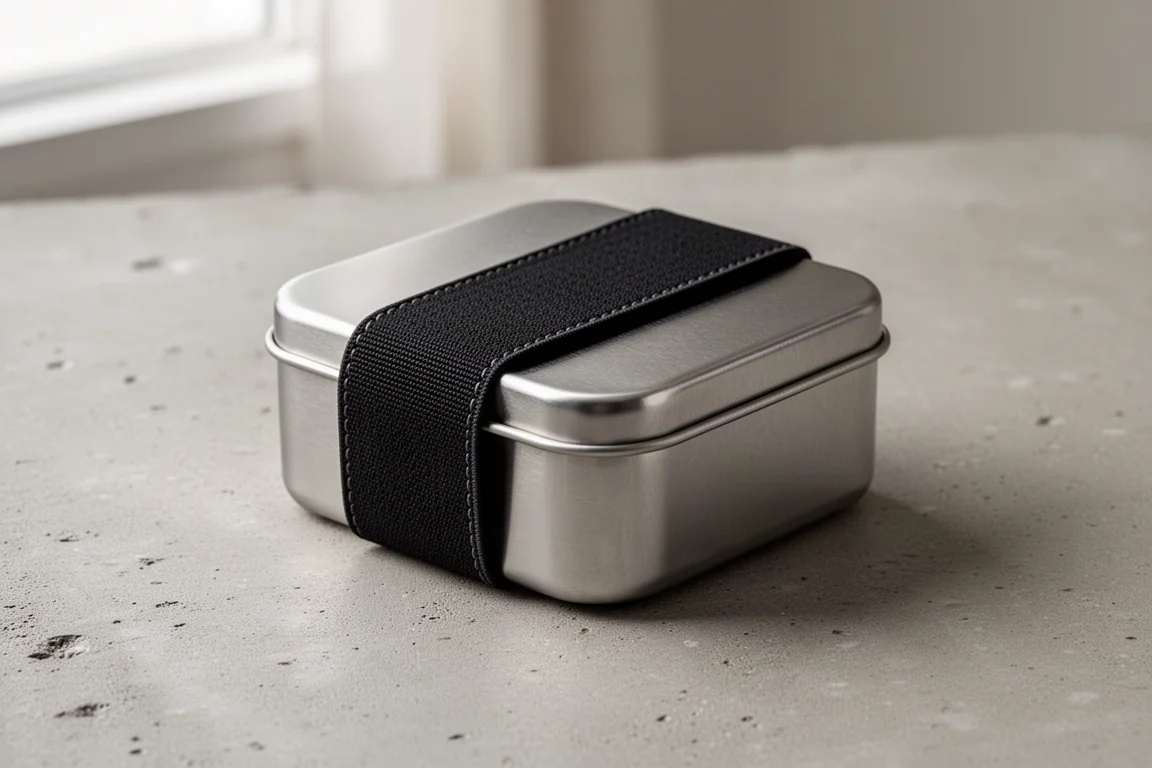
The cleverest trick with a packed tin is adding gear on the outside. The Grim Workshop Bandit is an elastic band that stretches around the tin, letting you attach bulkier items that would never fit inside while keeping the lid securely closed.
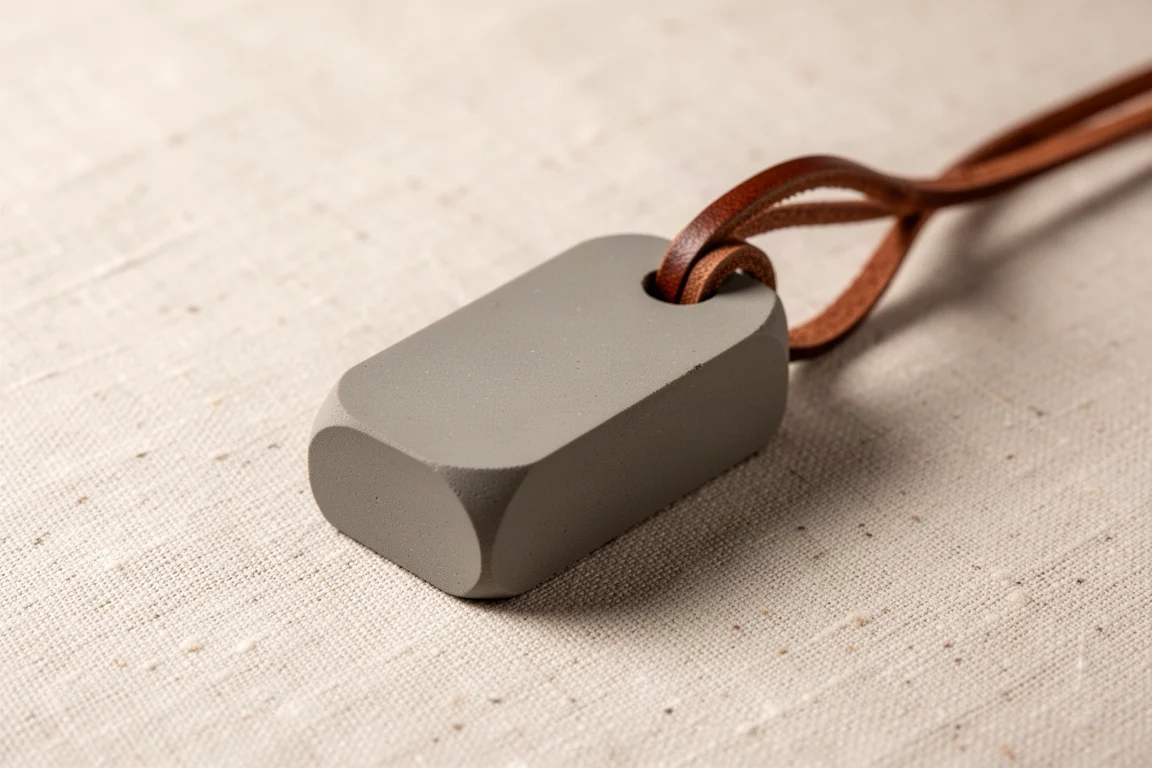
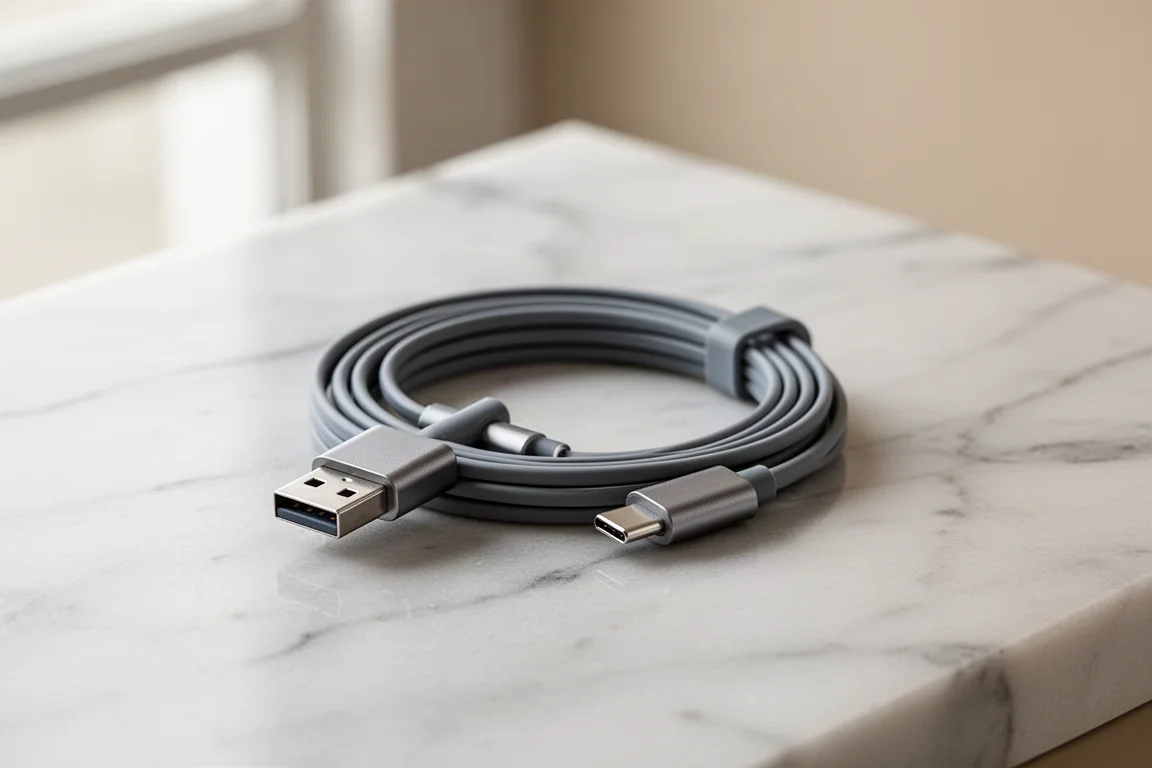
Three outside pieces make sense here. A Viking Whetstone from Wazoo handles knife sharpening when needed. The Lever Gear Cable Kit solves the missing-cable problem with a USB-A to USB-C adapter and a very short cable on the outside of the tin. And a small Rite in the Rain style notebook slides around the back, leaving a flat, pocket-friendly profile.
Buying Advice
If you are building your own version, start with the categories you actually use: cutting, light, cord, and a way to turn screws. Prioritize tools with replaceable batteries or refills over anything rechargeable if the kit has no cable, and allow some redundancy for items that wear out, like pins and shims. Storage matters too: this kind of tin drops neatly into a truck center console or a small waist pack without a second thought.
Conclusion
A survival tin is really a collection of answers to small problems: a stripped hangnail, a dead flashlight, a loose bolt, a forgotten pen. Each of these nine tools earns its spot by being small enough to fit and useful enough to matter. Build yours around the jobs you actually face, and the tin becomes something you carry for years rather than a novelty.
Further reading
Related Reviews

Everyday Carry
Everyday Gear That Deserved a Second Look
A roundup of solid everyday carry items: watches, pens, a pencil, a knife, and a smart ring that each earned a place on the table.

Everyday Carry
KORE Tactical Bifold Wallet Review: A Durable Everyday Carry Option
A close look at the KORE Tactical Bifold Wallet, a reinforced nylon wallet with magnetic closure and room for cards, cash, and IDs.

Everyday Carry
Krabby Wallet Review: A Slim, Simple Carry That Has Stood the Test of Time
A closer look at the Krabby Wallet, a slim canvas and elastic design with a loyal following and a simple, functional approach to everyday carry.