Travel Backpacks
How to Pack the Alpaca Elements Travel Backpack: Real Capacity, Cubes, and Layout
The Alpaca Elements is listed at 35 L but packs closer to 28 L. Here is how to fill it with the right packing cubes without bulging the exterior pockets.
Introduction
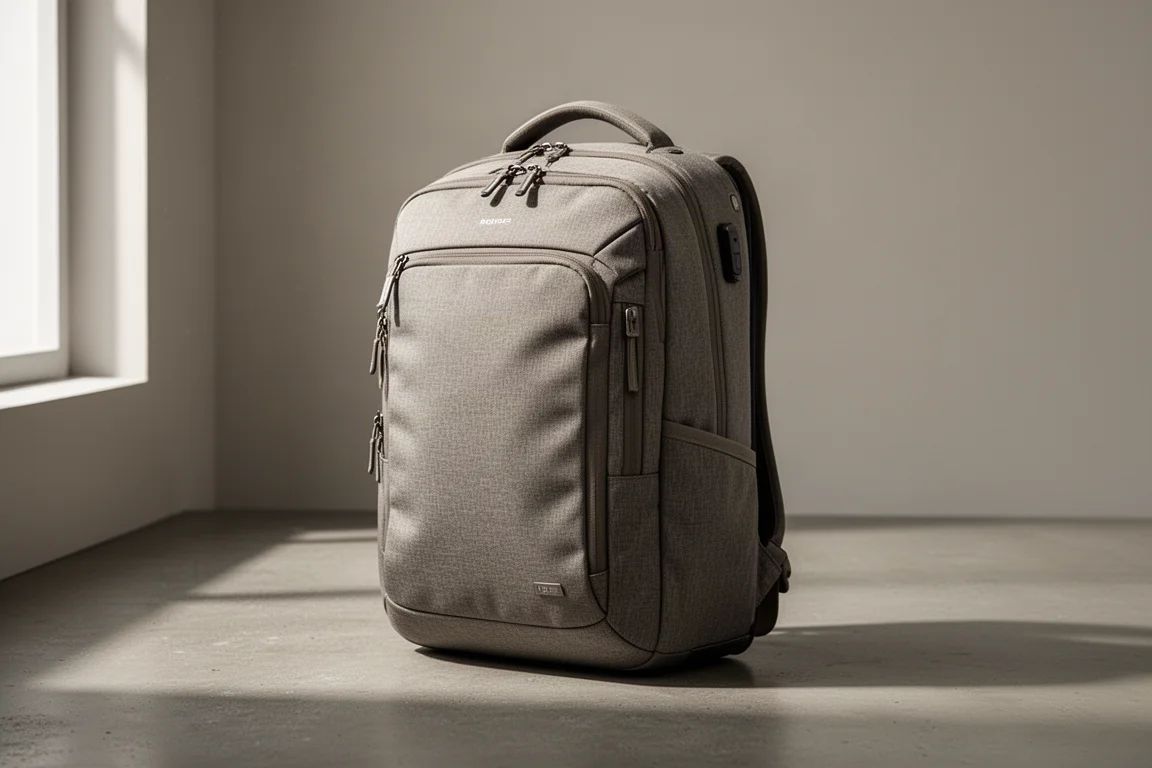
The Alpaca Elements travel backpack has a lot going for it as a compact one-bag travel option, but packing it well takes a bit of planning. Because it is a slimmer bag with a lot of internal structure, what you put in the main compartment directly determines how much room you have left for the exterior pockets. Getting that balance right is the difference between a tidy, comfortable carry and a bag that bulges at every seam.
What Actually Fits: Real Capacity and Dimensions
The product page lists the Elements as a 35 L travel backpack, but real-world testing tells a different story. Judging by the dimensions alone, this is a slimmer bag that could never reach that volume, and when packed fully with packing peanuts it tops out at roughly 28 L. Part of that gap comes down to what looks like a mislabeled capacity figure, and part of it comes from all the padding, pockets, and sleeves inside the pack eating into usable space.
That capacity question matters more than it might seem. How much you pack into the main compartment dictates how much pressure you put on the exterior pockets, which have very little volume of their own. Overfill the core and those outside pockets stop being usable.
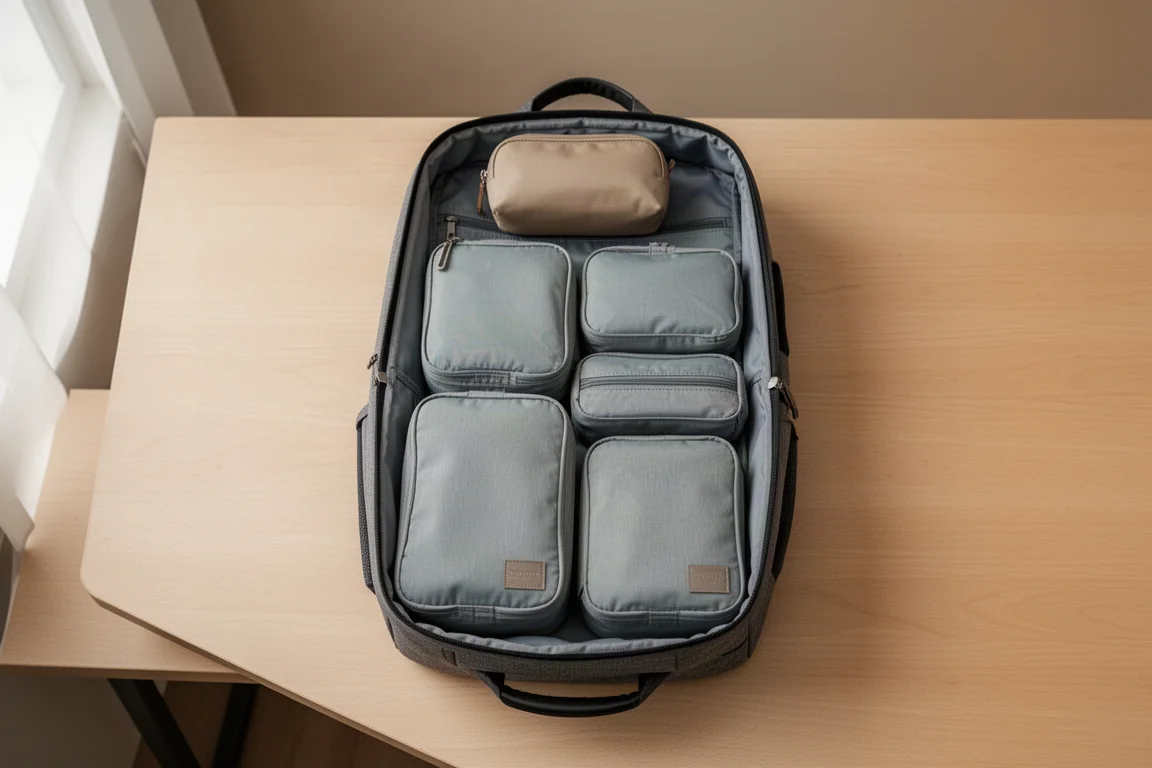
The main compartment itself is on the narrower side. Width is the key measurement to watch when choosing packing cubes, since the bag offers only around 12 inches of usable width. That immediately rules out wider 14-inch cubes and makes slimmer options the ones worth targeting.
Packing Cubes That Work Well
Because the Elements is thinner than most 35 L class bags, not every popular cube works here. The ones that consistently fit well share a similar narrow footprint, roughly 11 to 12 inches wide, so the width is the first spec to check before buying anything for this bag.
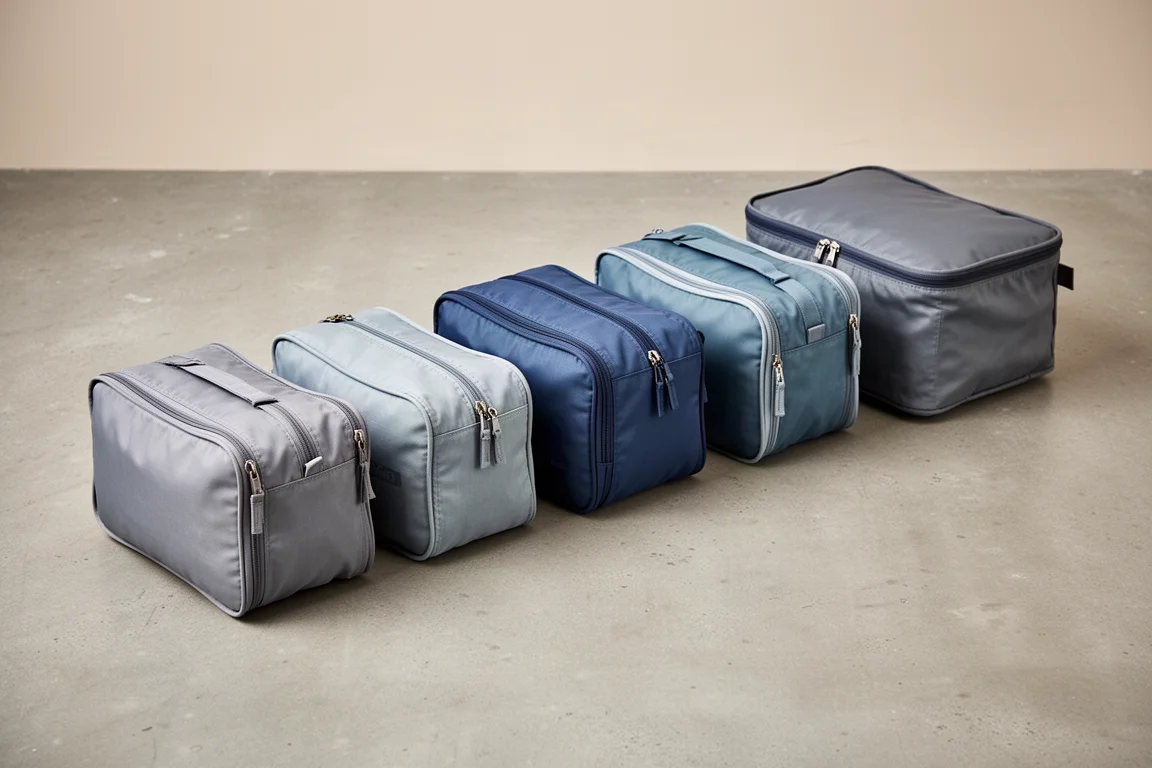
A few options stand out for different packing styles, each with its own trade-offs in bulk, compression, and leftover space.
Gonex Compression Cubes
The small Gonex compression cubes are a strong match for a thinner main compartment. Compression zippers let you squish clothing down and fit as much as possible into the limited width. Two of the small cubes fit nicely inside the main compartment while still leaving a little room on top, which is the perfect spot for a Sea to Summit toiletry bag with its rounded top. The key advantage is that nothing presses hard against the sides of the bag, preserving volume in the exterior pockets. If you want to squeeze in a light jacket as well, keep in mind the exterior pockets have little volume, so an overpacked main compartment will rob them of usable space.
Matador Packing Cubes
Matador’s packing cubes are about the same width as the Gonex cubes but slightly longer, and they come in a set of three. The large and medium sizes both fit, and you can use them in any combination to tune how much space remains at the top of the pack. You cannot fit all three at once. The large cube sits nicely in the bottom while leaving a bit of extra space on the sides, whereas the medium alone essentially takes up the full capacity of the bag.
The Matador gear cubes are another good option. These top-opening cubes squish from the side and come in a set of three where all sizes share the same width. They are a bit bigger than the standard packing cubes and fit fine, but they put slightly more pressure on the sides and pack the bag nearly to the top. Even so, you keep a little extra space for a tech pouch or toiletry bag.
Six Moon Designs Cubes
The Six Moon Designs packing cubes come in a set of three and are a little expensive for what they are, but they work well and are extremely lightweight. Their width is similar to the Gonex cubes, maybe a touch wider, and two of them fit almost perfectly inside the main compartment. As with the Matador gear cubes, you still have a bit of room at the top for a toiletry kit or a small tech cube.
Peak Design Compression Cubes
If maximizing clothing capacity is the goal, Peak Design compression cubes do an excellent job and are among the favorites in this category. The caveat is bulk: if you overpack them, they can round out like a football. You can fit the larger and smaller cubes inside the Elements, but you will be maxing out space in every dimension and putting some pressure on the sides.
Compass Rose Slim Cubes
For a different packing style, the four-pack of longer, skinnier Compass Rose cubes works nicely. Two of them fit into the main compartment with extra room on the sides and plenty of space at the top. Like the Gonex cubes, they are not as thick as the other options, so they do not sit flush against the zipper, leaving bonus vertical space for a light jacket.
A Practical Packing Setup That Works
The sweet spot for this bag is getting all your clothes into one slimmer packing cube. That leaves extra space at the top for a small sling bag, tech pouch, or toiletry bag, plus room for something bulky like a light jacket that would never fit in the exterior pockets. From a side view, a Matador cube sits right at the zipper line, so anything placed on top needs to avoid sticking up too far, because that top compartment is your main outside carry capacity and it only offers an inch or two of usable volume.
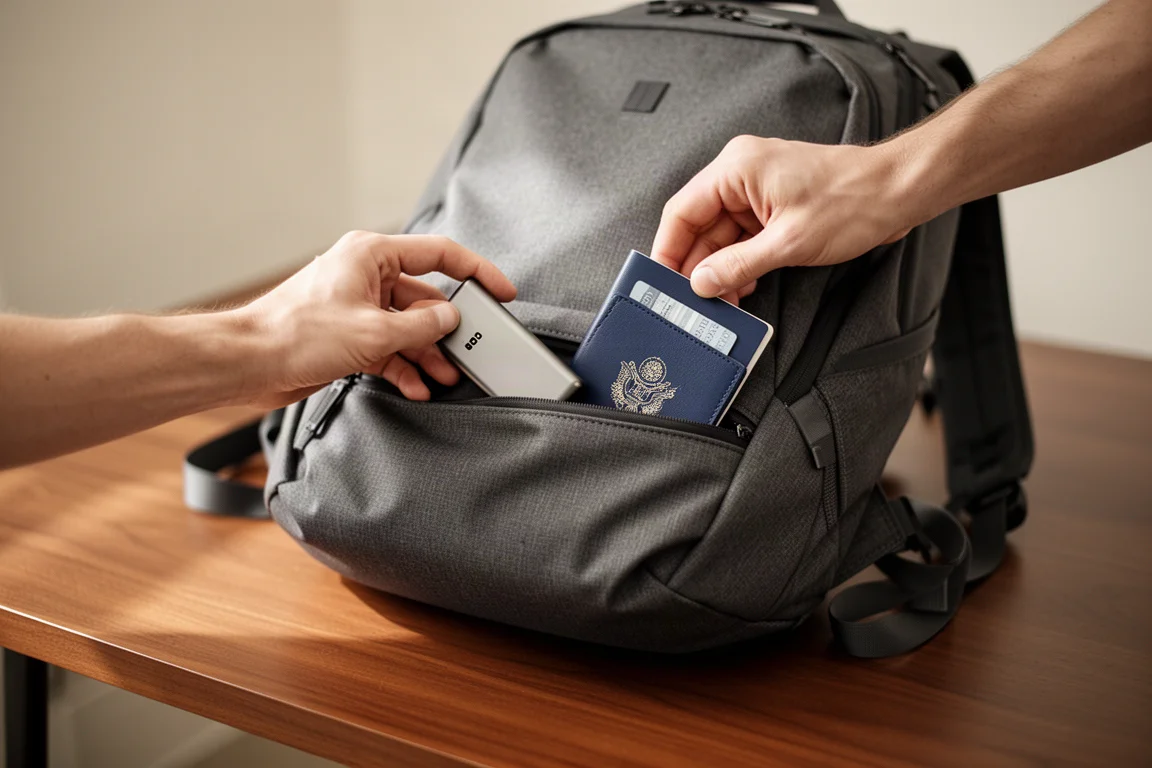
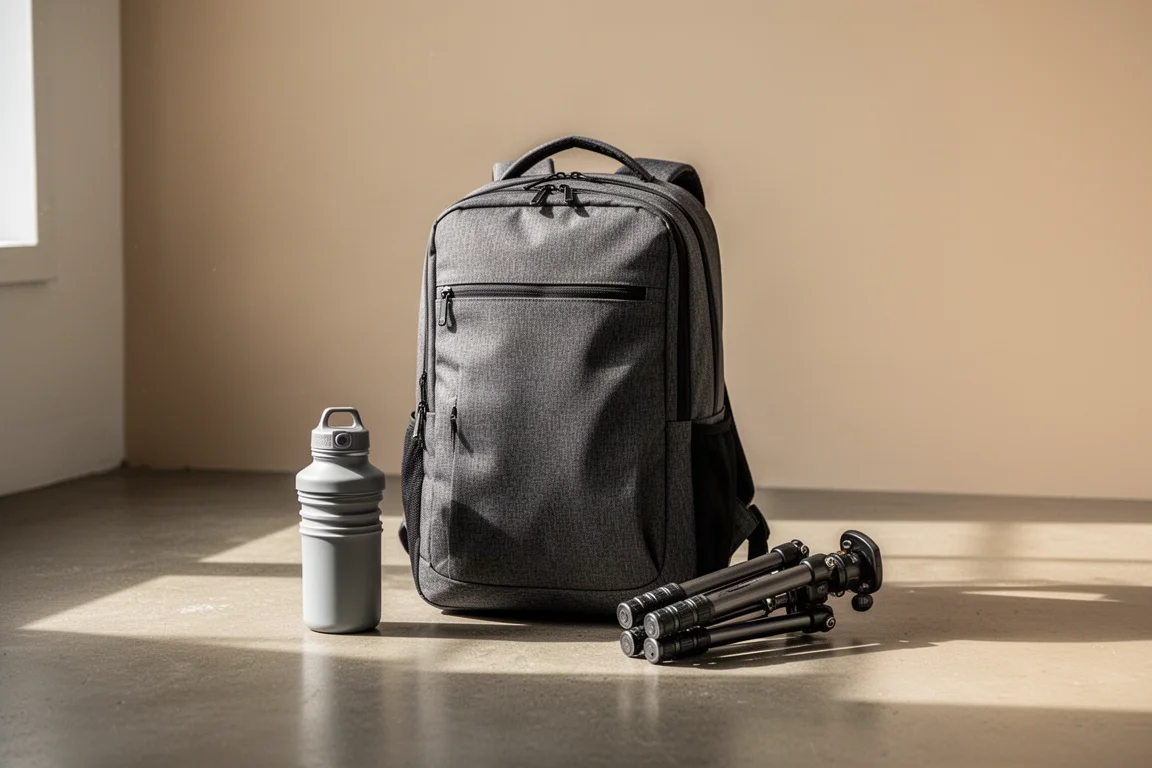
Once the main compartment is packed but not overpacked, the exterior pockets become genuinely useful. The side pocket handles a notebook, a small knife, a pen and pencil, and a pair of sunglasses in a case. The front pocket is very thin, so it suits flat items like a battery pack and a travel wallet. The front compartment has a generous number of pockets, but since they stack on each other and the compartment is not thick, thin items work best there. You can fit slightly bulkier things like travel chargers and earbuds, but too many thick items fill it out quickly.
The result is a bag that is full without being bulging. You keep plenty of room in the exterior pockets for gear and still have space outside the pack for a travel tripod or a water bottle.
Conclusion
The Alpaca Elements rewards restrained packing. Treat it as a roughly 28 L bag rather than the listed 35 L, pick narrow 11 to 12 inch packing cubes, keep the main compartment to one or two slimmer cubes, and save the thin exterior pockets for flat items. Packed that way, it carries a surprising amount of gear while staying comfortable and organized.
Product link
View more details for Alpaca Elements Travel Backpack
This product is mentioned in the review. Check the specifications, options, and compatibility before buying.
View more details for Alpaca Elements Travel BackpackFurther reading
Related Reviews
Travel Backpacks
Outdoor Vitals Dakota UL Review: One 45L Pack for Travel and Backpacking
A practical look at the Outdoor Vitals Dakota UL, a 45 liter pack that opens like luggage, carries a laptop, and converts for trail use with a removable frame and detachable hip belt.
Travel Backpacks
Outdoor Vitals Koda UL Review: One Bag From Terminal to Trail
A hybrid travel and backpacking pack with a sleek carry-on shape and a frame tuned for all-day comfort under a real multi-day load.
Travel Backpacks
Outdoor Vitals Kota UL Review: One Pack for Flights, Cars, and Backcountry Camps
A close look at the Outdoor Vitals Kota UL, a travel-first backpack designed to stay comfortable under backpacking loads and still slide into an overhead bin.