Power Tools
Alloy Power 20V vs Makita TD002G XGT: Budget Impact Driver Performance Compared
A $60 brushless impact driver kit goes head to head with Makita's premium XGT model on power, balance, and everyday usability.
Introduction
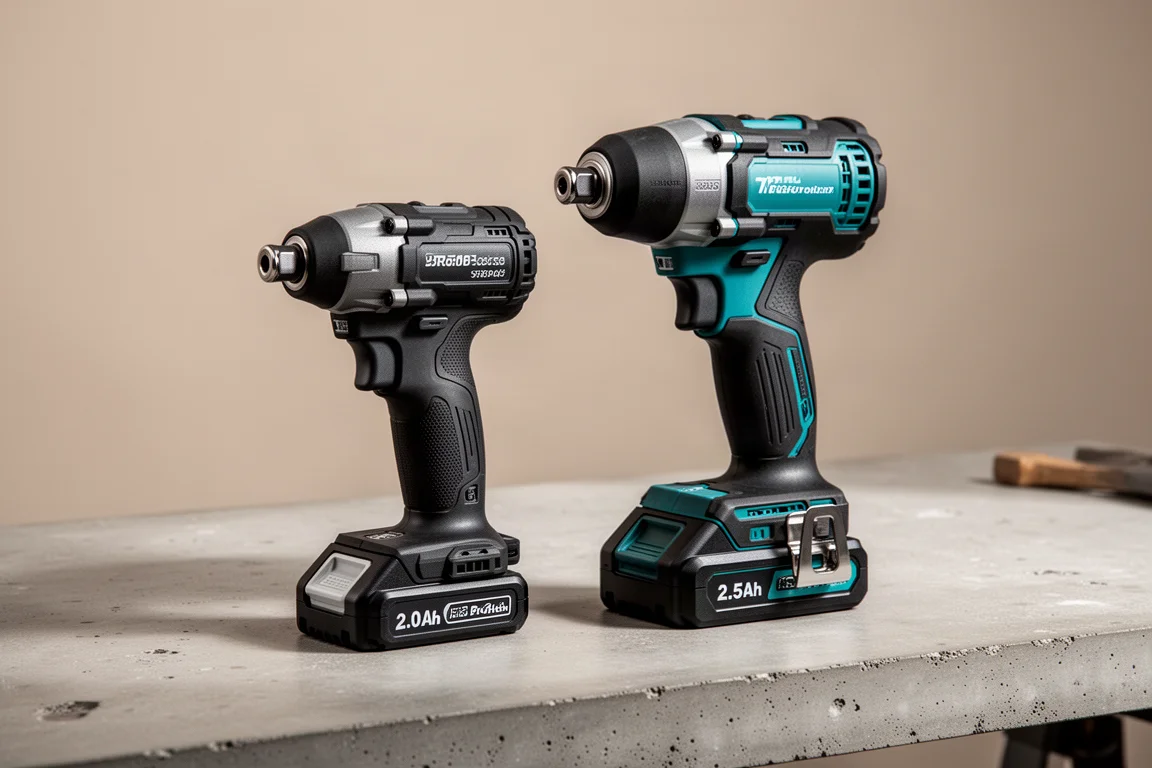
Finding a genuinely powerful impact driver at an affordable price has historically been tricky. Brands like Makita, Milwaukee, and DeWalt dominate the performance conversation, while budget options often trail well behind. The Alloy Power 20V impact driver changes that picture: it is one of the cheapest impact drivers we have tested, yet it claims 2,000 inch-pounds of torque, a figure that only a few flagship models from the big brands have reached. Makita itself tops out around 1,950 inch-pounds on its impact drivers.
This comparison pits the budget newcomer against the Makita TD002G XGT, a premium Japanese impact driver with similar speed and impact-rate specs but a much higher price. The goal is to show where the money actually goes, and where it does not.
Alloy Power 20V: A $60 Kit That Surprises
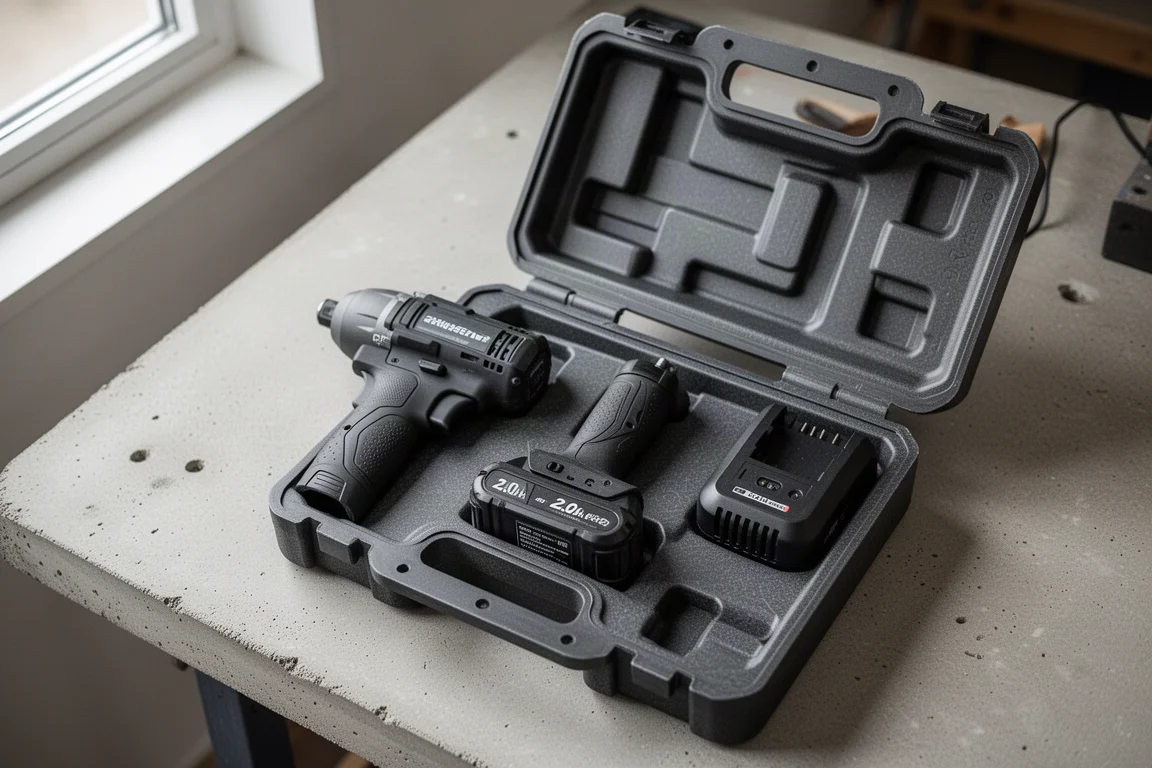
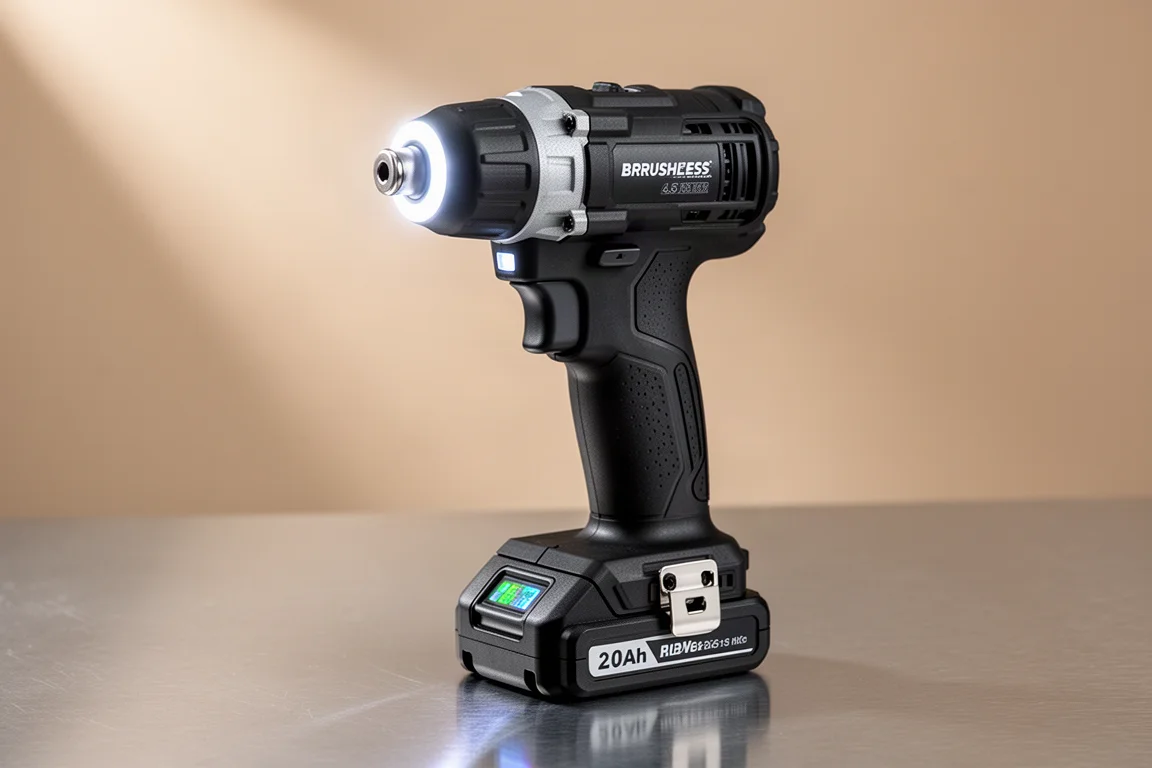
The Alloy Power kit ships with the impact driver, one 2.0Ah battery, a charger, and a hard case. For around $60, that is a complete setup, and the tool itself is brushless and roughly 4.5 inches long. The body styling resembles a DeWalt, but the battery system is entirely proprietary, so it is not compatible with other brands’ batteries or tools.
The 2.0Ah battery stands out with a soft rubber bumper around it, plus a green, yellow, and red fuel gauge that is far easier to read at a glance than the usual three-bar indicator. The tool is not featherweight at 3 lb 2.7 oz with the battery, but the smaller 20V pack keeps it well balanced in the hand.
Newton-Meter Modes Instead of Modes 1-4
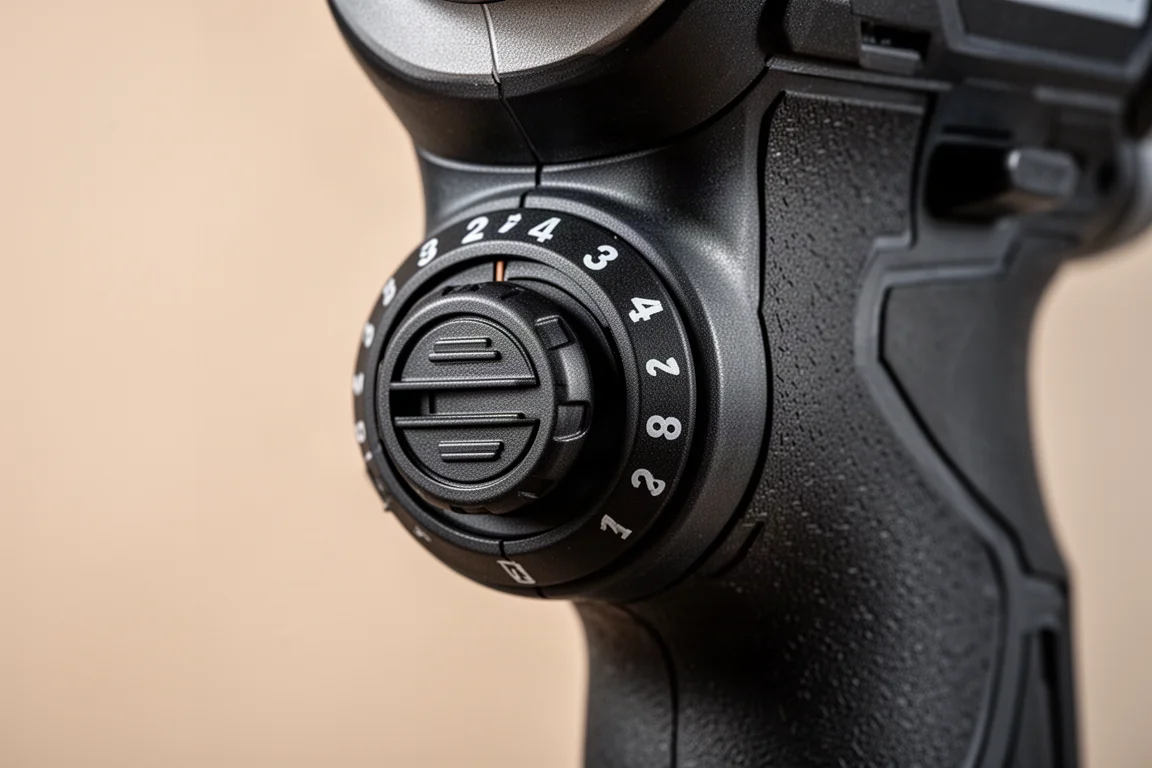
One of the most interesting features here is the mode selector. Instead of vague mode 1, 2, 3, 4 settings, the modes are labeled in newton-meters: 120, 150, 190, and up to 226 Nm at the top setting, which corresponds to the 2,000 inch-pound maximum. You know exactly how much power each setting delivers without referencing a manual.
It is a genuinely user-friendly touch that would be welcome on big-brand tools, and it pairs with a solid grip, a front-mounted LED light, and a 2-year warranty, which is reassuring at this price point.
Makita TD002G XGT: The Premium Benchmark
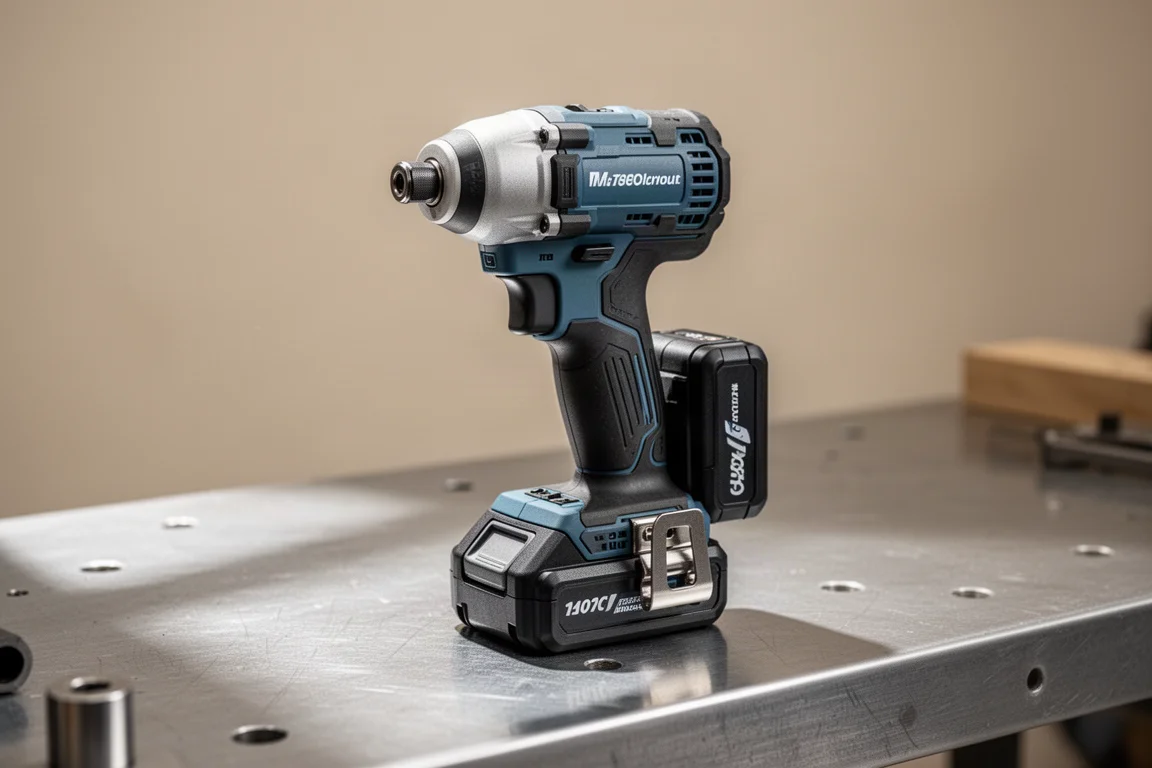
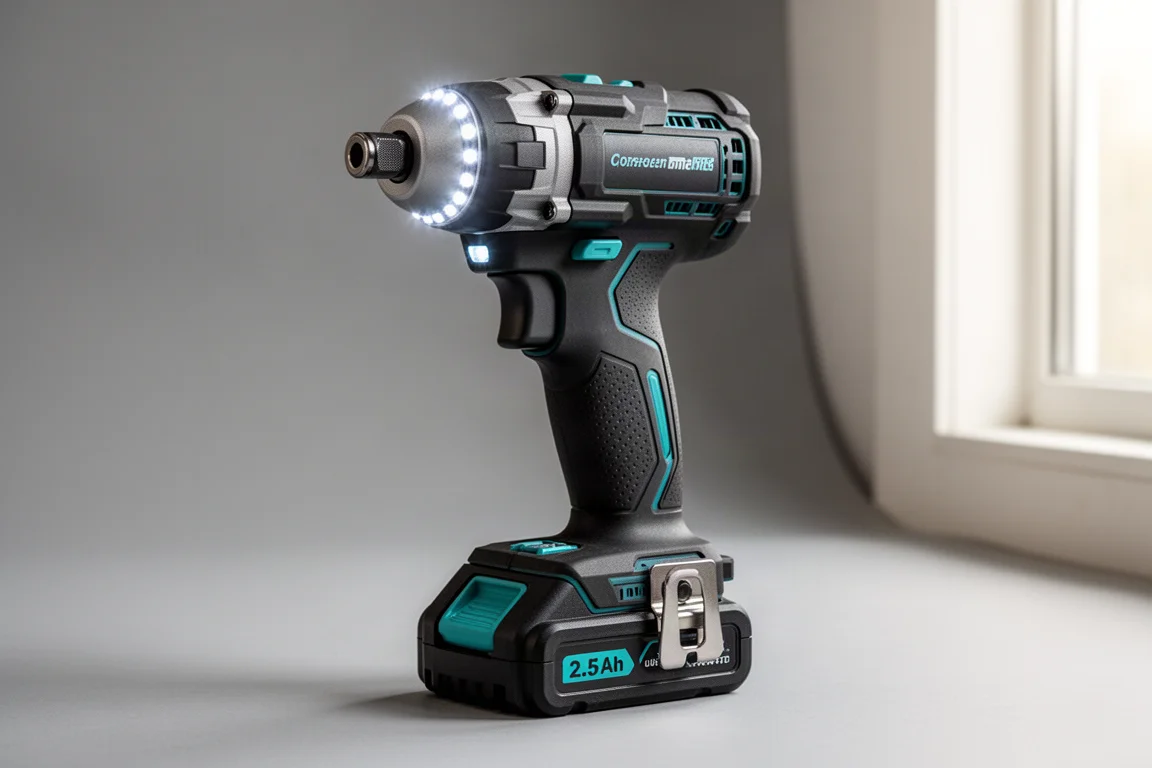
The Makita TD002G XGT runs on a 40V-class (XGT) platform with a 2.5Ah battery, delivering around 3,700 RPM and 4,600 impacts per minute, compared to the Alloy Power’s 3,600 RPM and 4,300 impacts per minute. Torque is around 1,800 inch-pounds, so the Alloy Power actually claims more raw power. Weight, however, favors the Makita only on paper: at 3 lb 12.5 oz with its larger battery, it is noticeably heavier, and the bigger pack interferes with balance, requiring more downward pressure at the head.
Trigger feel is where the Makita earns its price. Throttle response is essentially instant, reaching full speed with almost no wind-up. The Alloy Power has a noticeable quarter-to-half-second delay between pulling the trigger and reaching max speed on the highest setting, and its motor has a slightly whinier sound. The Makita also packs an LED lighting array around the head, while the Alloy Power keeps its light in the base. Interestingly, the two tools are very similar in width, with the Alloy Power about a tenth of an inch shorter and slightly more compact at the head.
Driving Performance
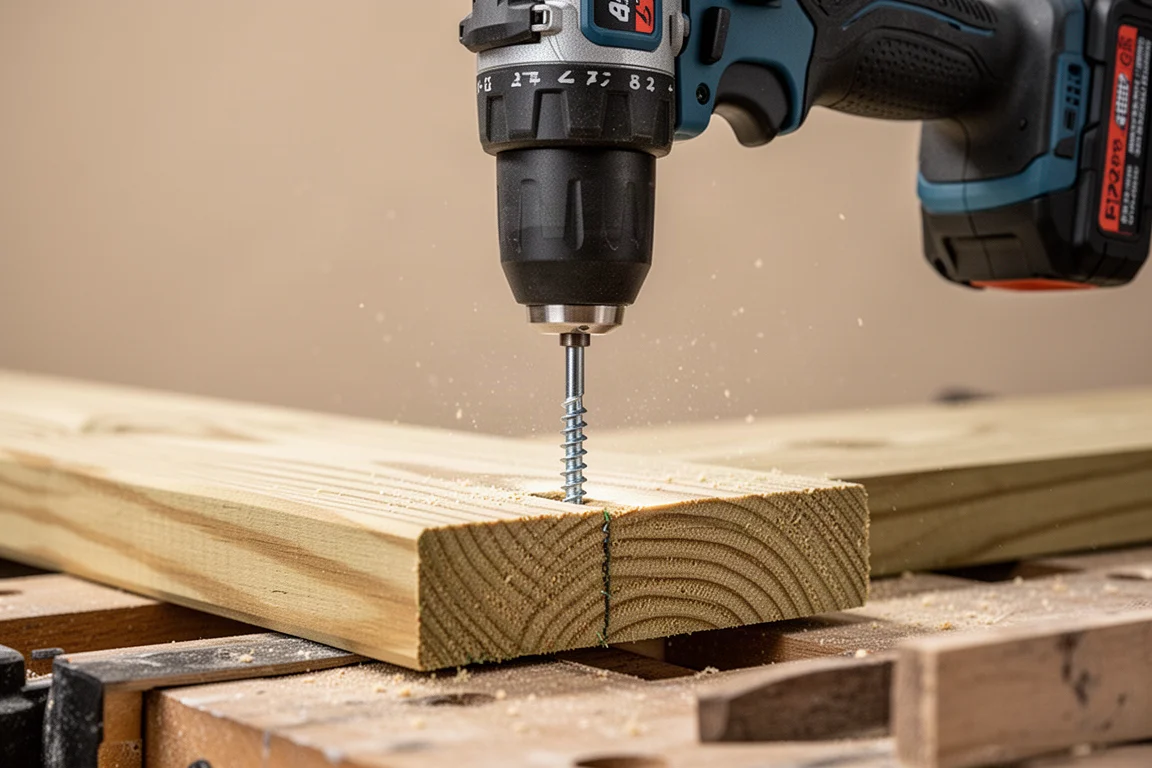
In decking screw tests, the Alloy Power did not need to hit its impacts as early as the Makita, suggesting the motor carries more reserve power, and it felt quicker overall. The Makita began hammering sooner as the screw seated. On the downside, the Alloy Power started to bog down slightly as screws got tight, likely a limit of the smaller battery pack; a stronger pack would probably give it even more punch.
Balance was the decisive comfort factor. The 20V tool with a light 2.0Ah battery required noticeably less effort to keep pressed down, which is a common criticism of higher-voltage impact drivers with large batteries.
What You Give Up at $60
The trade-offs are real but modest. The Alloy Power’s motor is whinier, the throttle has that slight wind-up delay, and the kit includes only one battery. It would be even better with a second battery or broader battery compatibility. Still, the tool does not feel cheap in the hand, the grip is good, and the feature set, including the newton-meter modes, is genuinely thoughtful.
The Makita counterpoints: better trigger feel, likely better durability, and near-instant throttle. But it costs at least four times as much once you add the battery and charger, which are sold separately, and it does not include a hard case.
Everyday Buying Advice
If you mostly drive decking screws, small lag bolts, and handle occasional household projects, raw power matters more than refined trigger feel, and the Alloy Power delivers that for around $60 with a full kit in the box. The price gap between budget tools and premium flagships has narrowed dramatically; performance that was high-end a few years ago is now available for pennies on the dollar.
If trigger refinement, instant throttle response, and long-term durability are priorities, and budget is flexible, the Makita TD002G XGT remains the more polished tool. But for most users, asking whether the premium option is worth four times the price is a fair question, and the honest answer is increasingly: probably not as much as it used to be.
Conclusion
The Alloy Power 20V impact driver is a genuinely surprising budget kit: brushless, compact, powerful, and loaded with smart touches like newton-meter mode labels and an easy-read battery gauge. The Makita TD002G XGT is better balanced in refinement, trigger feel, and build confidence, but at a steep premium. For value-focused buyers, the budget option now covers most real-world needs.
Further reading
Related Reviews

Power Tools
Best 1-Inch Pistol Impact Wrenches: Three Heavy-Duty Options Compared
We compare three 1-inch pistol impact wrenches, from a budget-friendly Harbor Freight model to a premium Caterpillar unit, to help you choose the right one.

Power Tools
Best 3/4-Inch Impact Wrenches 2026: Five Contenders Compared
We compare five 3/4-inch impact wrenches across price and performance, from a budget Amazon option to Snap-on's most powerful model yet.

Power Tools
Best Budget Cordless Tools 2026: Walmart Finds That Punch Above Their Price
We tested five cordless tools from Walmart, including a high-torque impact wrench that trades blows with Milwaukee and a $35 duster that outperforms its price class.