Snowboarding
All-Mountain Snowboard Setup: The Gear Behind a Full Riding Kit
From goggles and outerwear to boots, board, bindings and stance angles, a complete look at one rider's everyday all-mountain snowboard setup.
Introduction
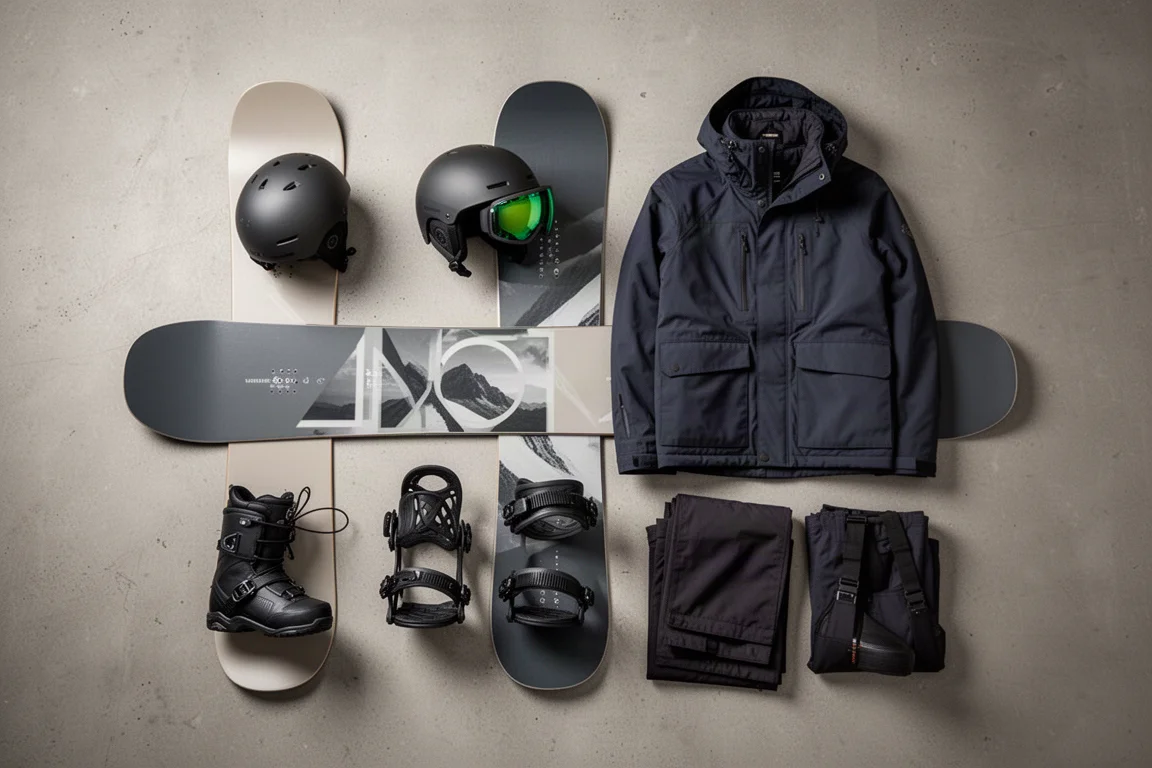
A dependable all-mountain setup does not need to be complicated. The goal is a kit you can ride every day, in every condition, without swapping pieces around or constantly adjusting your stance. This guide walks through one such complete setup: goggles, helmet, outerwear, boots, board, bindings, and even stance angles, with the reasoning behind each choice and what to check before buying your own.
Evaluation Criteria
Every piece here was judged on the same fundamentals: does it fit well, does it hold up in real mountain conditions, and does it make riding easier rather than more complicated. Comfort and fit come first, because even the best-spec gear is worthless if it does not suit your body and riding style. Durability matters too, since fewer moving parts and solid construction usually mean fewer failures mid-season.
Goggles: Sun God Vanguards
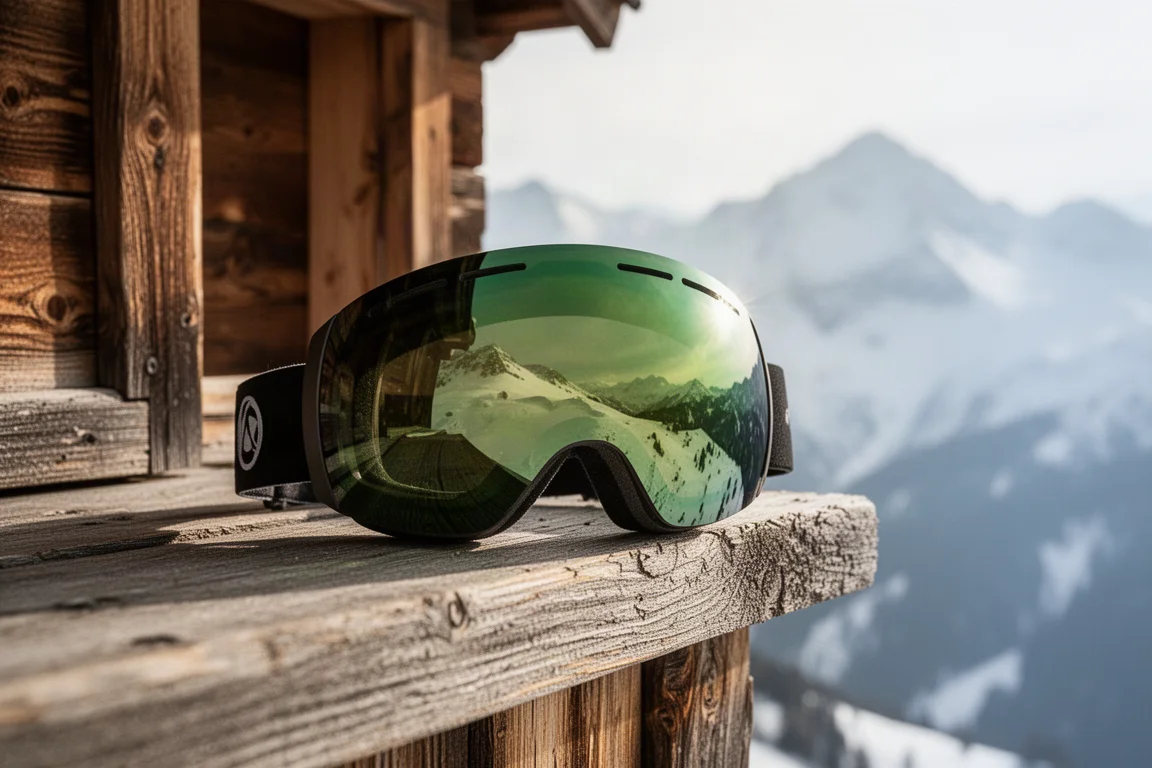
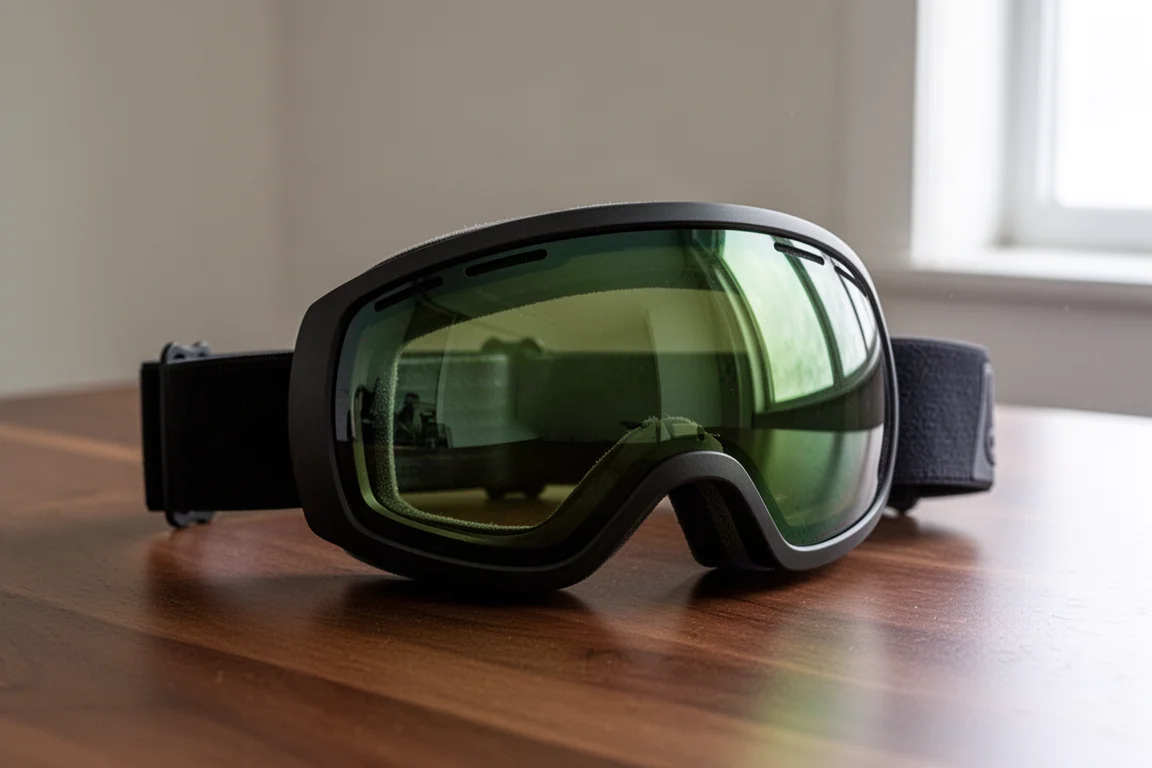
The Sun God Vanguards are simple spherical lens goggles that do their job without fuss. The green lens handles most conditions well, especially bright sunny days, which makes it a good single-lens choice if you do not want to carry spares. For most riders, a straightforward goggle that fits cleanly under the helmet is exactly what is needed.
Helmet: POC Fornix
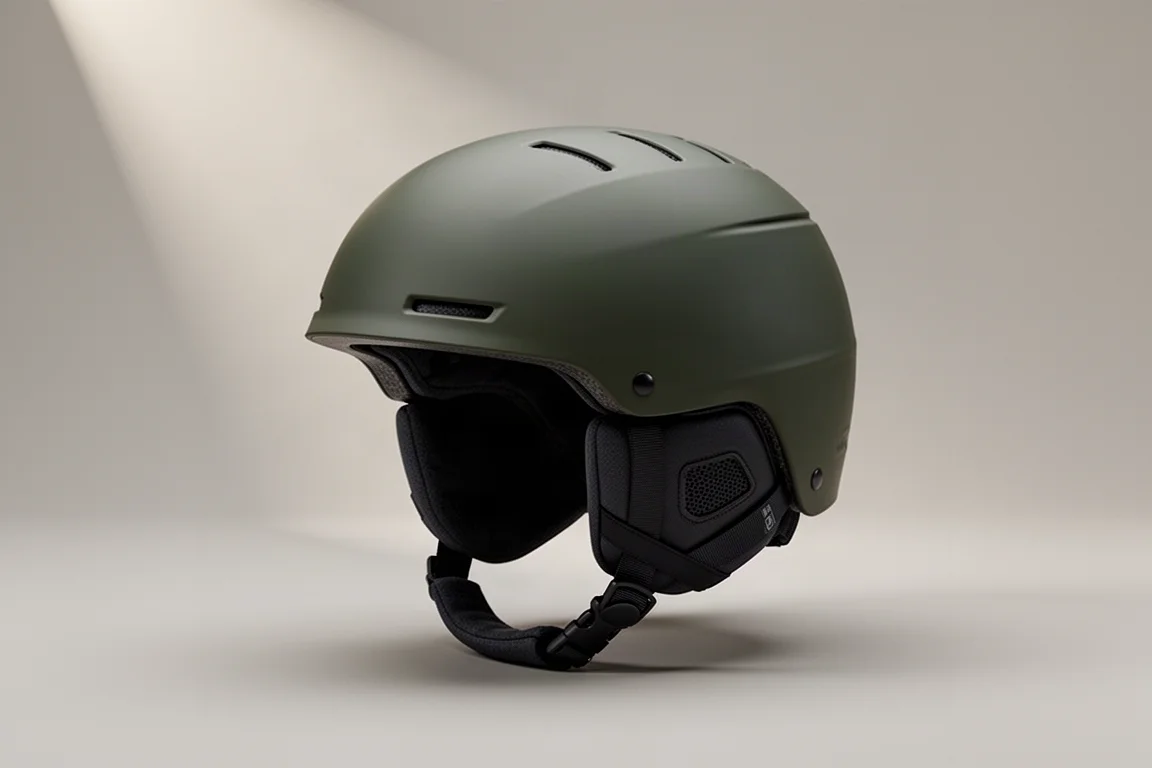
Two pieces of advice apply to any helmet purchase. First, buy one. Second, stick to a reputable brand that has passed proper safety testing, rather than a cheap no-name option. Beyond that, look for a helmet that fits well, stays comfortable, and sits nicely with your goggles without big gaps at the top. The POC Fornix covers all of those bases, and it has held up over several seasons of use. Whether you wear goggles under or over the helmet is personal preference; both work.
Outerwear: Yuki Threads Jacket
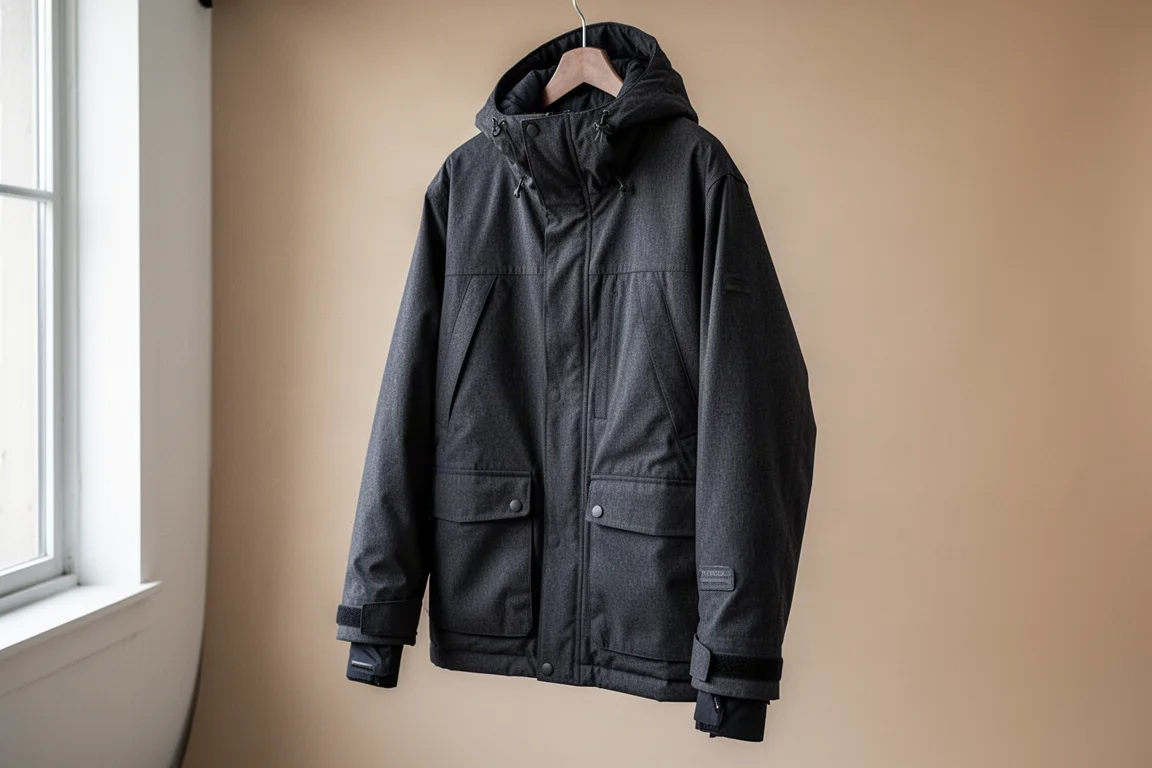
This jacket comes from Yuki Threads, a snowboarder-owned Australian brand. What sets it apart is its environmental and ethical approach: the garments are made from recycled materials, including recycled nylons, organic cottons, and recycled plastic, so the jacket is literally made from things like recycled plastic bottles. The brand also uses a water-based water repellent instead of the more common chemical-based treatments, and it commits to fair wages and safe working conditions across its manufacturing.
On the technical side, older recycled garments often fell short on breathability and waterproof ratings, but this one does not. Waterproof ratings, the numbers like 5,000, 10,000, 15,000 or 20,000 you see next to jackets, indicate how much water pressure the fabric resists before seeping through. Higher is better. After heavy rain in the Alps up to high altitudes, this jacket stayed completely dry through full days of teaching outside.
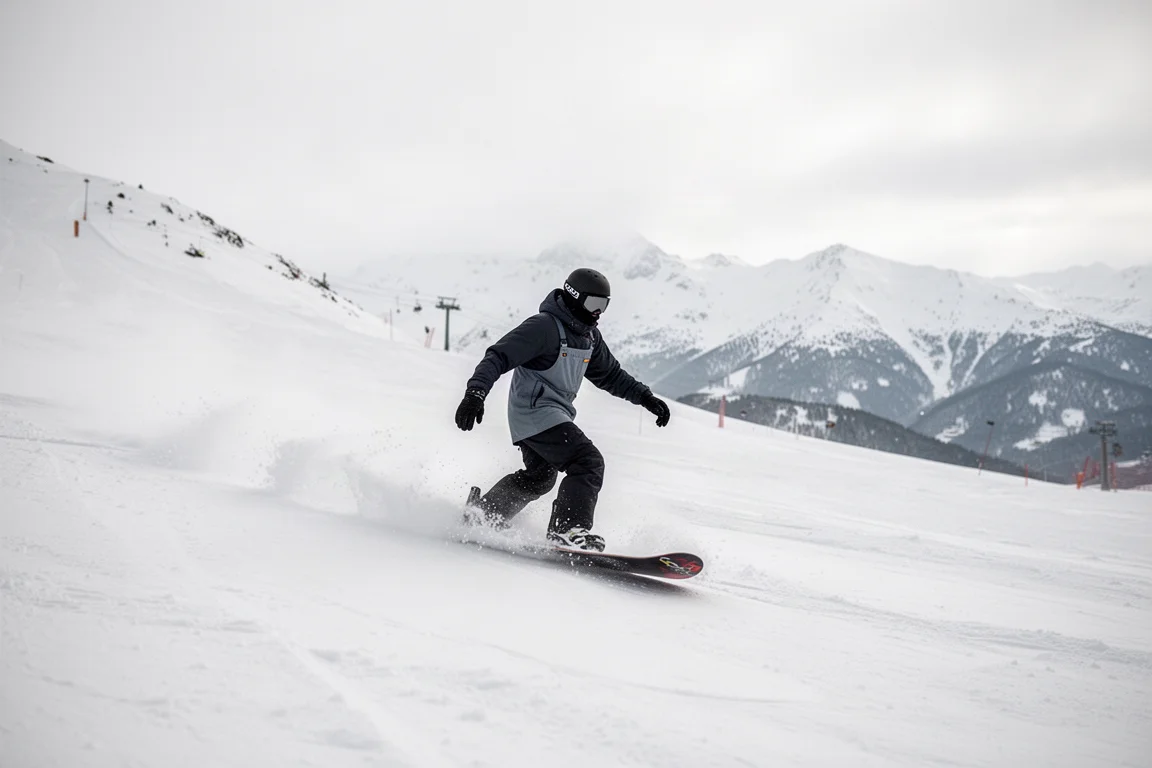
One feature worth prioritizing in any jacket is wrist gaiters. Put them over your wrists before pulling on gloves and you get a solid seal that keeps snow out, which matters enormously if you like riding on your edge or digging deep carves with your elbow down. Plenty of pockets also mean you can ride without a backpack, which many riders will appreciate.
Bib Pants: Yuki Threads
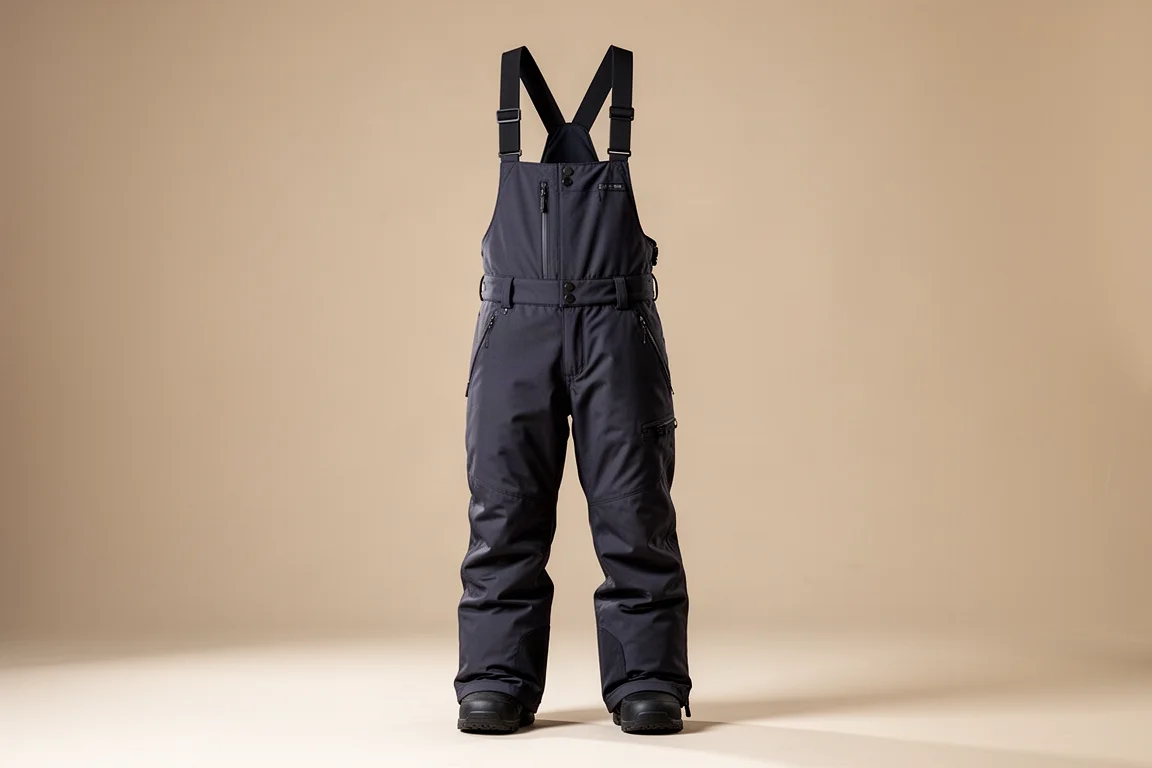
The matching Yuki Threads bib pants are essentially dungarees that come right up over the shoulders. That extra coverage keeps snow out when you fall in powder, which is the main reason to choose a bib over standard pants. They use the same material and carry the same waterproof ratings as the jacket, so the wet-weather performance carries through the whole outfit.
Boots: Burton Imperial
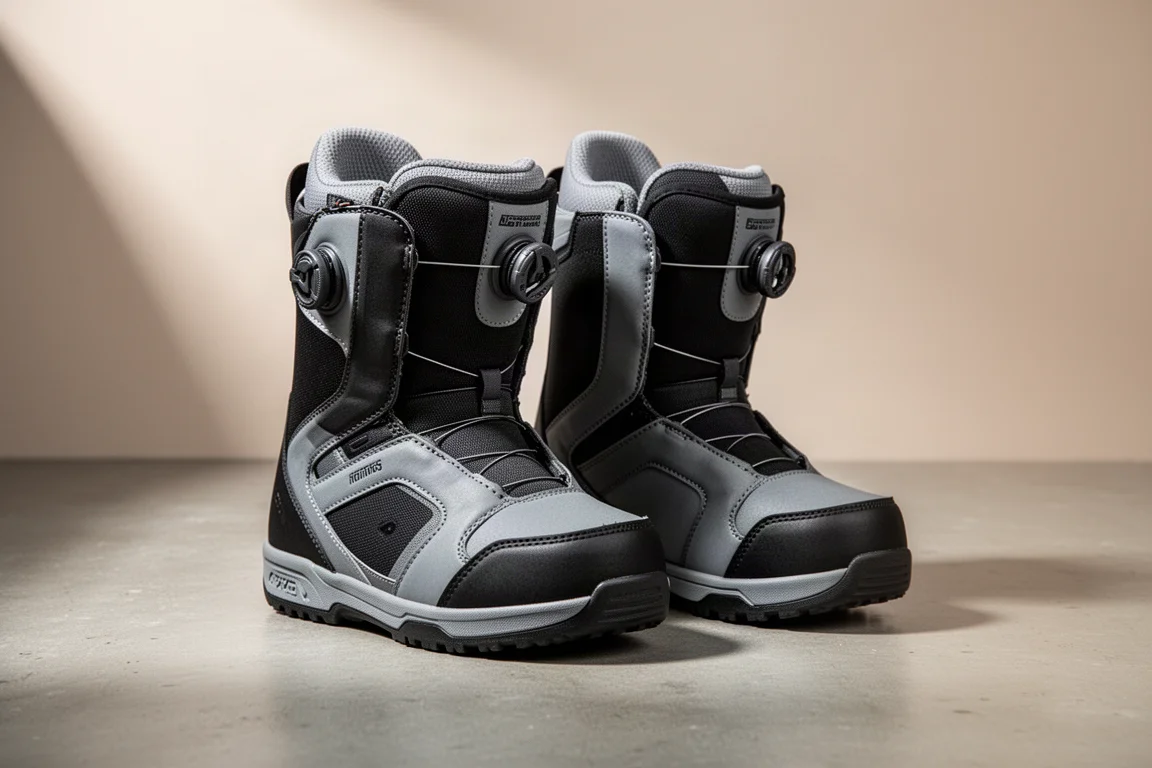
Boots are arguably the most personal piece of the setup, and the Burton Imperial has been the go-to for around six years of season models. Once you find a boot that fits, you can reorder it confidently knowing it will fit the same way. That is the key advice: visit a local snowboard shop and try boots on, because every brand and model fits differently.
What originally drew attention to the Burton boots is the reduced footprint. Burton keeps the boot as short as possible for a given shoe size, with no unnecessary material at the toe or heel. If you have larger feet, this is hugely important, because boots that stick out past the edge of the board cause toe or heel drag. On steep terrain with the board on a high edge angle, that drag digs into the snow, lifts the edge, kills your grip, and throws you off. It is not a technique problem, it is a boot-length problem. Burton is not the only brand doing this, but it is a spec worth checking on any boot with larger feet.
Board: Amplid Dada
The Amplid Dada is a new board for the season and fits firmly in the volume-shifted category: shorter in length but much wider across the waist. The selling point is that you get the surface area of a larger board in a shorter, more agile, more nimble package, and the surface area means you retain the float of a bigger board in powder. In practice, that marketing claim largely holds up.
They do feel different from regular boards and take a bit of getting used to, but they are genuinely fun to ride. This setup replaces the Ride Warpig, a volume-shifted board that was ridden and loved for a few seasons of different models. If you are curious about the category, the Warpig remains a proven starting point, while the Dada is the current favorite.
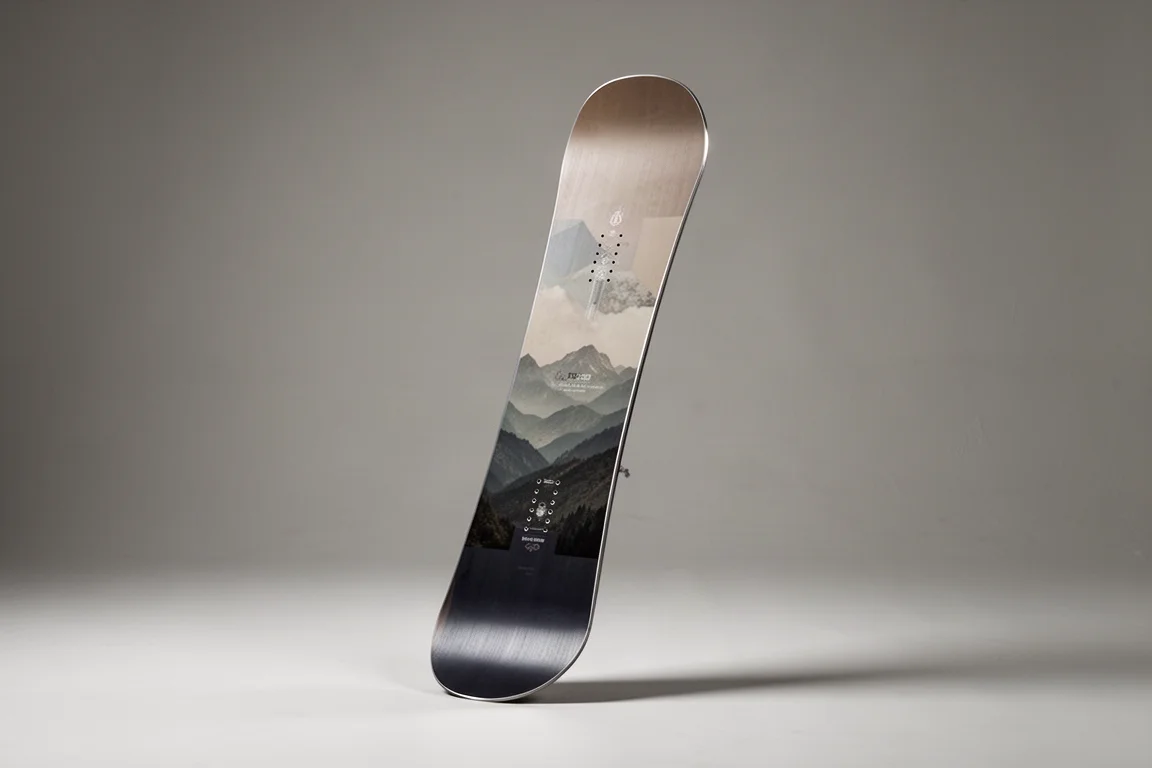
Former Favorite: Ride Warpig
The Ride Warpig deserves its own mention as the previous daily driver. It offered the same volume-shifted benefits, shorter length, wide waist width, strong float for its size, and it performed well across several seasons. Riders exploring shorter, wider boards for the first time will find it a well-established option in the category.
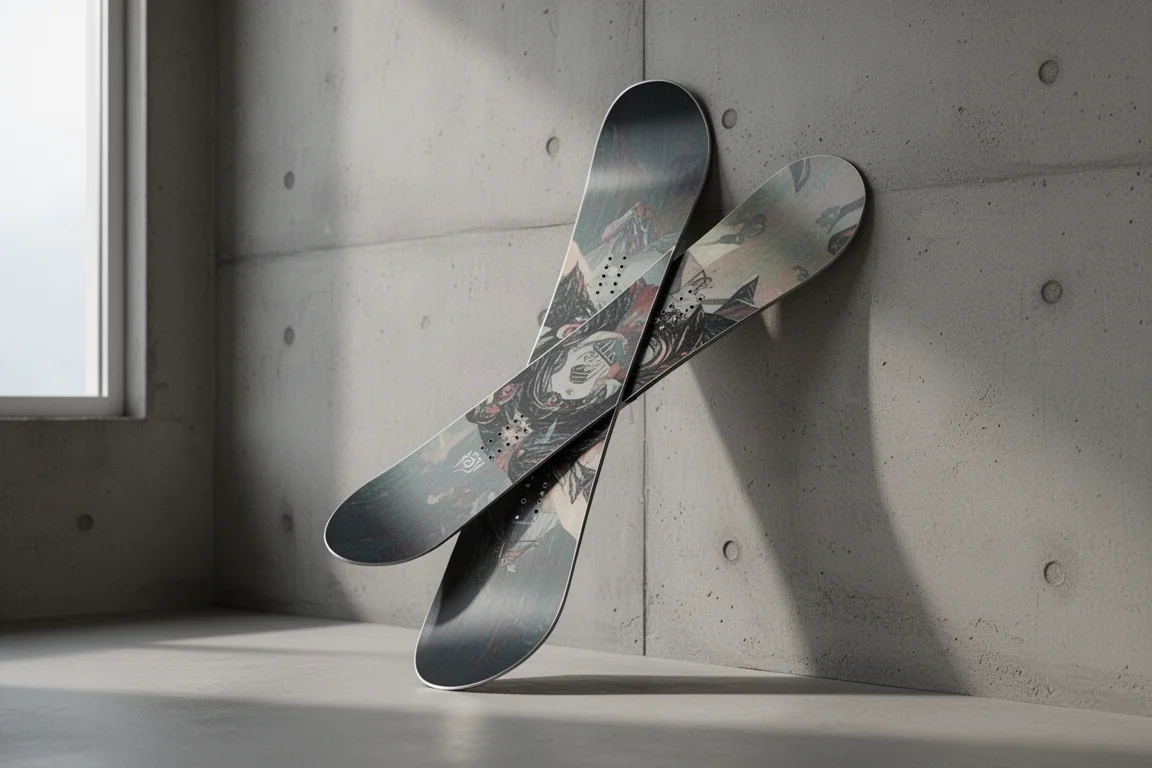
Bindings: Burton Cartel and Cartel X
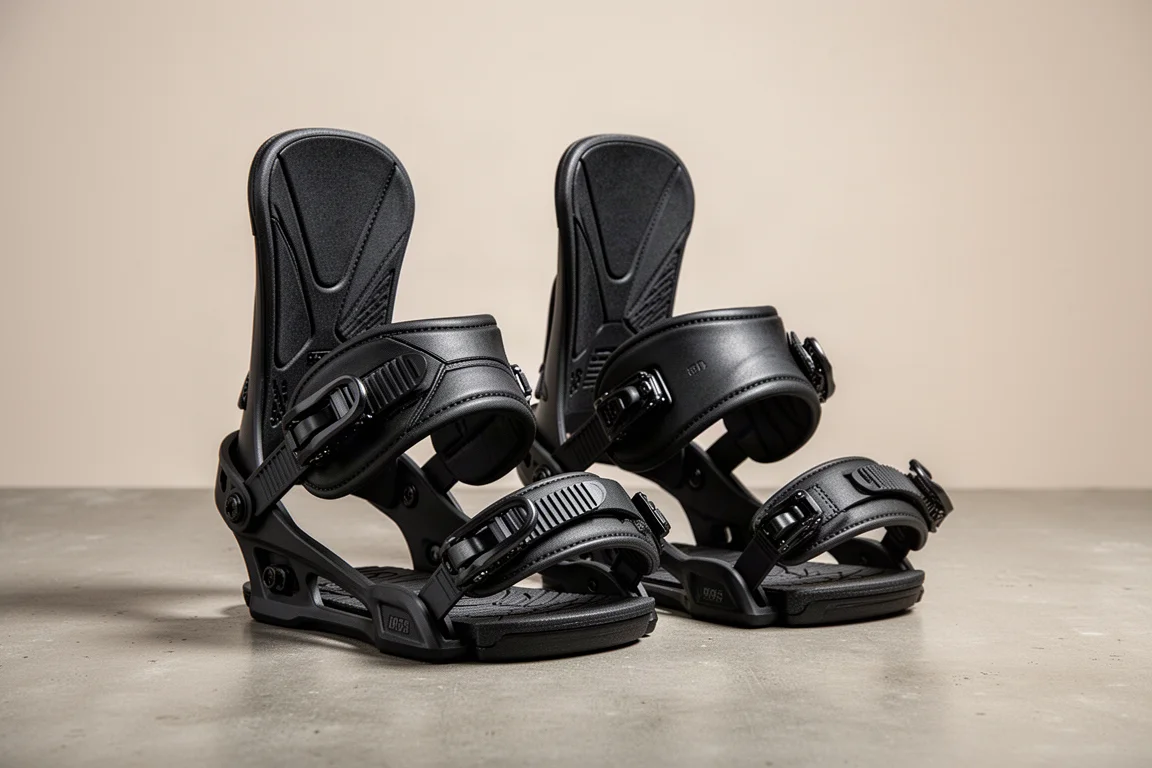
The Burton Cartel is a fairly basic binding that plenty of Burton team riders use, which says a lot about its reliability. A binding is really just the thing that connects your boot to the board. If it does its job well, you should barely notice it, and the Cartels do exactly that.
One important caveat: they are not very adjustable. The heel cup does not slide in and out, and you can only shift the binding about half a centimeter forward or back. So before buying, try your boot in one and check you can center the boot on the board. The same applies to most Burton bindings, like the Malavitas, which share similar construction.
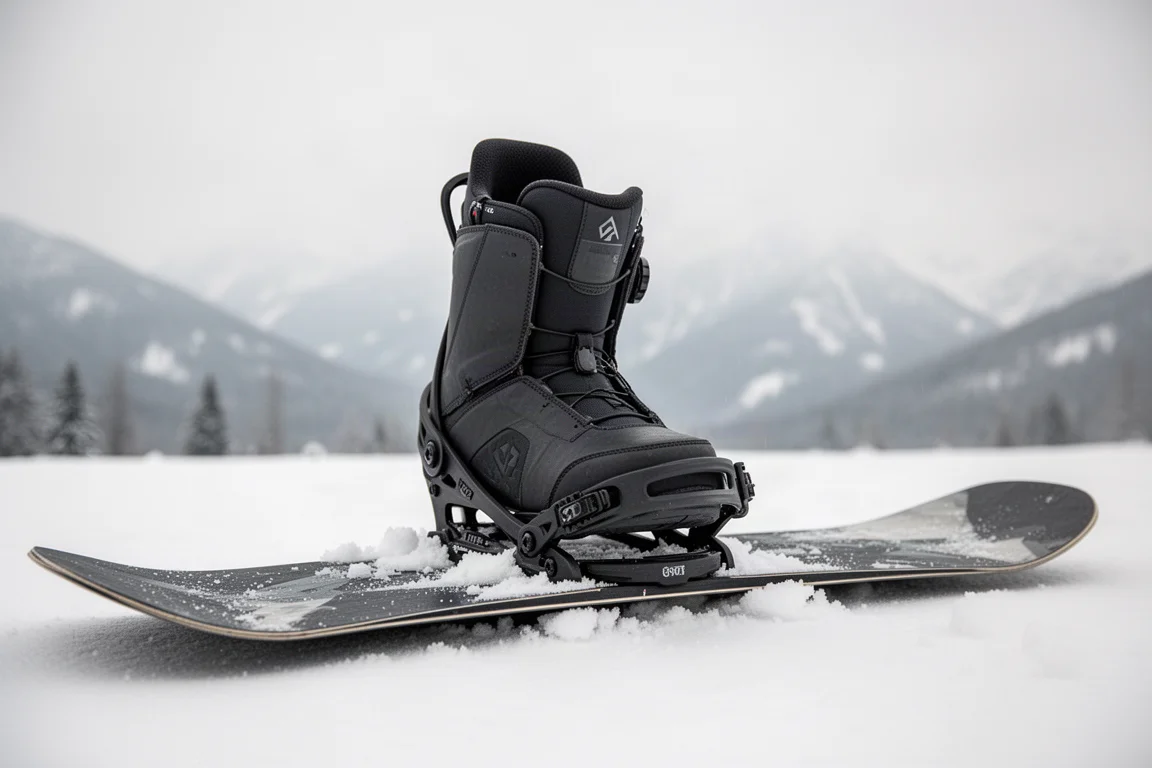
The flip side of limited adjustability is durability. Fewer moving parts means fewer parts to break, and these are solid, dependable all-mountain bindings. If you prefer a stiffer ride and like stiff highbacks, the Burton Cartel X is the newer release that essentially stiffens up the standard Cartel.
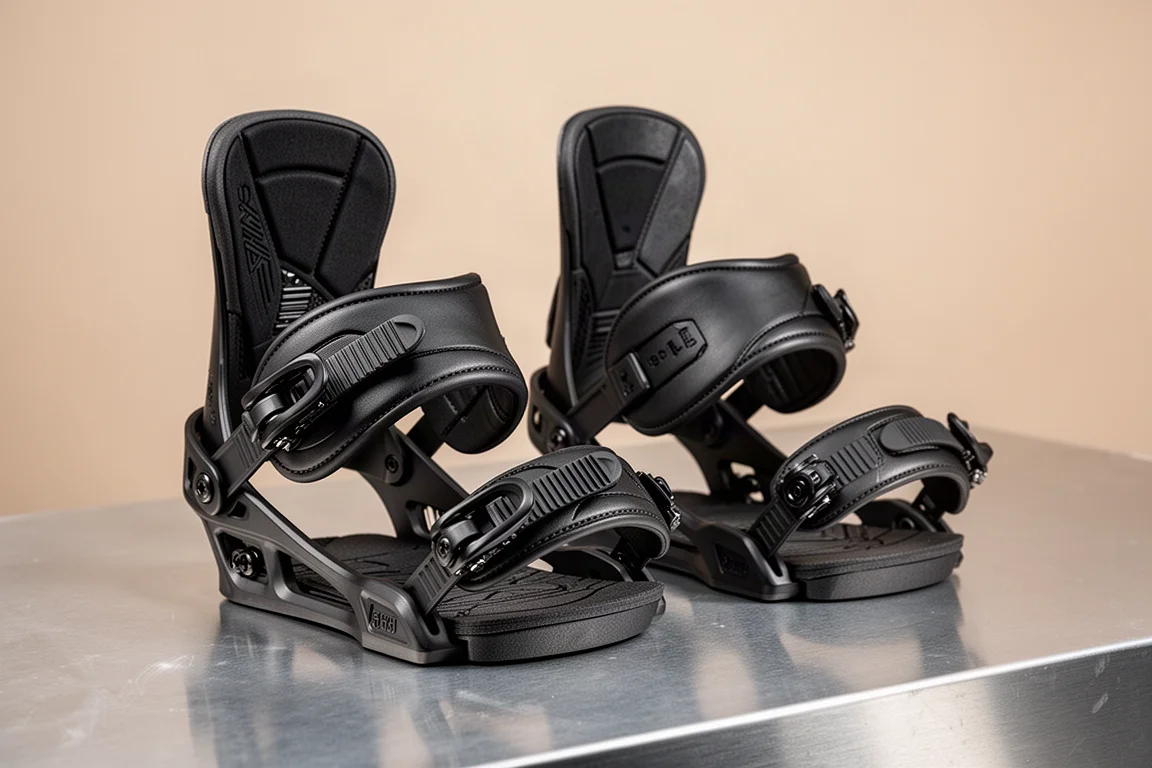
If you want that stiffer feel, the Cartel X is the one to look at instead.
Stance Angles and Final Setup Advice
Stance angles are personal, but the current setup runs the front foot at plus 18 and the back foot at minus 12, giving 30 degrees total between the feet. The previous setup was 15 and 15, still 30 degrees total, which keeps knees, ankles, and hips aligned comfortably.
The change to a more open stance came from an honest question: does that front foot really spend half its time riding switch? For most riders, the answer is no. Riding regular far more often, it makes sense to adopt a slightly more open, slightly stronger position for regular riding, without making switch riding unreasonably awkward. This setup has been ridden for about four years and handles everything well. Riders who genuinely spend a lot of time switch, like some carving-focused riders, may still prefer mirrored angles. Do whatever is comfortable for you.
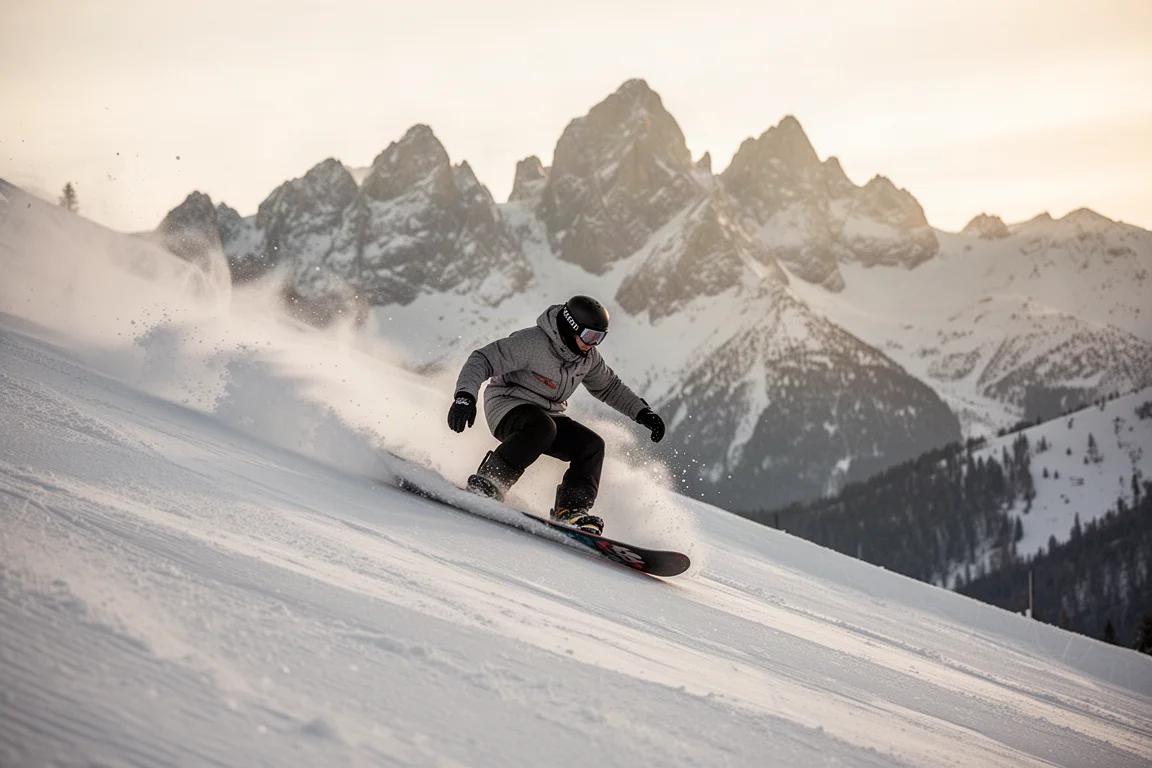
The bigger takeaway is that a true all-mountain setup should ride the same board all the time, in all conditions. You should not need to pull out a different board for certain snow, set your stance back, or change your angles. That is what all-mountain means here, and that is exactly what this kit delivers.
Conclusion
Every choice in this setup comes back to the same principles: gear that fits properly, survives real conditions, and stays out of the way while you ride. Get boots that keep your feet centered on the board, a helmet and goggle combination that fits together, outerwear with a real waterproof rating and wrist gaiters, a board that matches how you actually ride, and bindings you barely notice. Nail those basics and you have a setup that works everywhere on the mountain.
Further reading
Related Reviews

Snowboarding
2025 Snowboard Gear List: Five Picks That Earned Their Place on the Mountain
From Zeiss-lens goggles to a hybrid step-in binding, here are five pieces of 2025 snowboard gear that held up across a full season of riding.

Snowboarding
2026 Snowboard Gear List: Boards, Bindings, Boots and Outerwear Worth a Look
A season-ready snowboard setup built from the bottom up: base layers, Strafe outerwear, Ride and Union boots, Union bindings, and two new Capita boards.

Snowboarding
32 Cold World Review: A Playful Hybrid Camber Board for Park Laps
The 32 Cold World blends classic camber underfoot with flat nose and tail sections for a predictable, butter-friendly ride aimed at intermediate park riders.