Kitchen Oils
Algae Cooking Club Algae Oil Review: A Neutral, High-Smoke-Point Oil With One Big Catch
We cooked with Algae Cooking Club algae oil to see whether this trendy seed-oil-free option lives up to the hype, and whether the price makes sense for everyday cooking.
Introduction
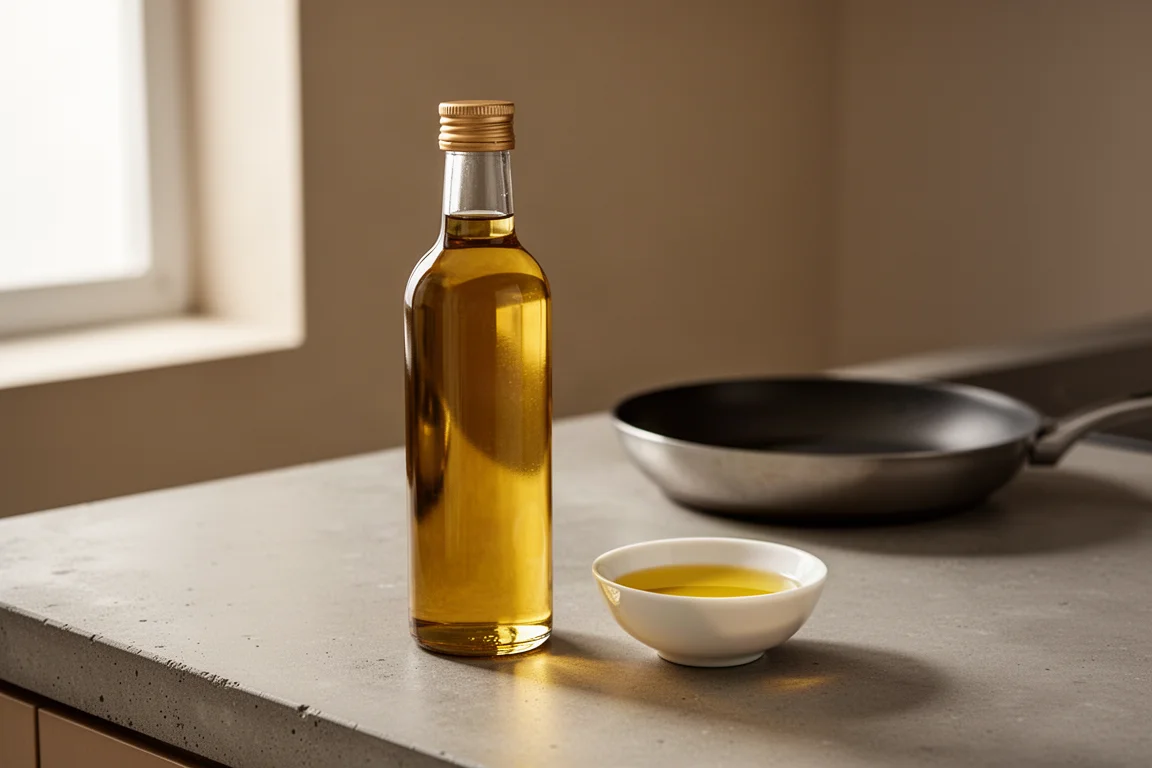
Algae oil has quietly become one of the most talked-about cooking oils of the moment, and Algae Cooking Club is one of the leading brands behind the trend. The pitch is appealing: an oil that is seed-oil free, neutral in flavor, and claims a very high smoke point of 535 degrees Fahrenheit, along with 133 grams of omega-9 fatty acids. We picked up a bottle at a local specialty grocer, did the research on where this oil actually comes from, and cooked with it to see if it earns a place in a normal kitchen.
First Impressions in the Kitchen
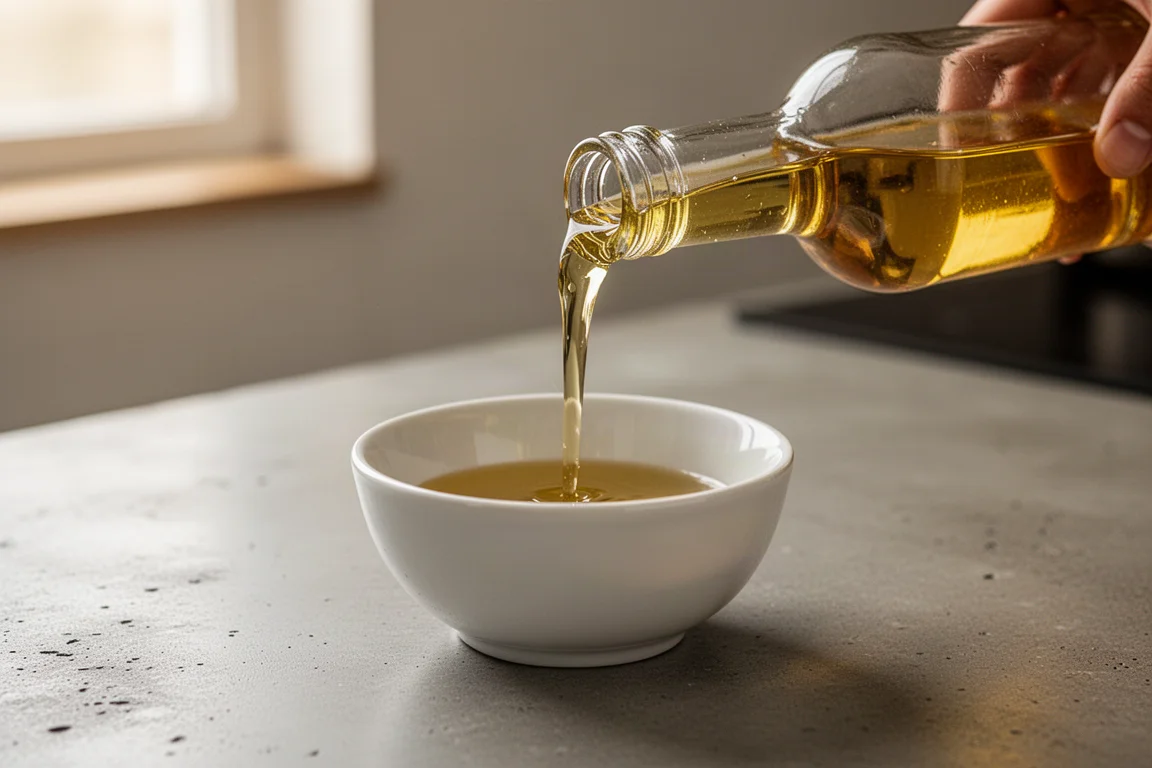
Out of the bottle, algae oil is remarkably neutral. Tasting it side by side with rice bran oil, our preferred neutral oil, the algae oil has only a very light, slightly green flavor. That is genuinely impressive. For comparison, canola oil often carries a noticeable fishy note, and even rice bran oil has a light, woody character. In a finished dish, though, the difference in neutrality is so small that it is hard to justify on taste alone.
The headline numbers matter too. A 535-degree smoke point sounds impressive, but it only really matters for deep frying. For searing, the sweet spot is usually 350 to 450 degrees, and most home cooks rarely go above 400. Nearly any neutral oil handles that comfortably, so the smoke point advantage is narrower than the marketing suggests.
How Algae Oil Is Made
The production story is more interesting than most people expect. The underlying technology dates back to World War II-era Germany, where researchers proposed cultivating microalgae to produce biofuel. Algae won out for practical reasons: it can grow almost anywhere, and under the right conditions it becomes extraordinarily efficient at storing fat.
In commercial production, algae is cultivated in large enclosed tanks where it is deprived of sunlight and nitrogen and fed a sugary substrate, which pushes its lipid content dramatically upward. Certain algae species can store fat at up to 75 percent of their biomass, far beyond what soybeans or corn can achieve in the same space. The oil itself is then extracted much like olive oil: the algae is dried, and the oil is cold pressed.

One honest note on the omega-9 claim: your body largely produces omega-9 fatty acids on its own, and you can easily get the rest from a normal diet. It is not a meaningful nutritional advantage, so treat it as marketing rather than a reason to buy.
Price: The Biggest Hurdle
This is where the enthusiasm fades. The bottle we tested cost $30 for 16 ounces, which is roughly typical for algae oil, with most brands landing between $28 and $30 for the same size. For the same $30, you can buy about a gallon of rice bran oil. That is two cups versus sixteen.

The math gets worse at scale. Deep frying with algae oil would mean spending roughly $70 per fry session, which makes no sense for a home kitchen. Unless the price falls dramatically, probably only through government subsidies similar to those that keep corn and soybean oil cheap, this will remain a curiosity rather than a staple. Rice bran oil, notably, is also an ecologically friendly choice since it comes from a byproduct of rice production.
Who Should Actually Buy It
If you are deeply committed to avoiding seed oils and want a neutral, high-smoke-point option, Algae Cooking Club algae oil does deliver on its core promises. It is genuinely neutral, it is cold pressed, and it handles high heat comfortably. It is also worth trying simply out of curiosity, since it is an interesting product with a genuinely novel production method.
For everyone else, a well-chosen conventional neutral oil such as rice bran oil will do the same job in the pan at a fraction of the cost, with a flavor difference you will not detect in the finished dish. Also worth knowing: concerns about seed oils in home cooking are largely overstated. The real issue is the volume of seed oils in processed junk food, not the couple of tablespoons you use in a home kitchen, and polyunsaturated fats compare favorably to saturated fats like butter and tallow in studies on heart health.

Our verdict: we appreciated the idea and the performance, but we are sticking with rice bran oil until algae oil can compete on price.
Conclusion
Algae Cooking Club algae oil is a legitimately interesting product with real strengths: true neutrality, a very high 535-degree smoke point, and a clean cold-pressed production process. But at roughly $30 for 16 ounces, it costs about eight times more per cup than comparable neutral oils, and its practical advantages over rice bran oil are marginal for everyday cooking. Buy it if seed-oil avoidance is a priority for you or you want to try something novel. Otherwise, spend the same money on a gallon of rice bran oil and enjoy the change.
Product link
View more details for Algae Cooking Club Algae Oil
This product is mentioned in the review. Check the specifications, options, and compatibility before buying.
View more details for Algae Cooking Club Algae OilFurther reading
Related Reviews
Cookware
Best 12-Inch Cast Iron Skillets: Premium Craftsmanship vs. Reliable Budget Option
Two standout 12-inch cast iron skillets tested for heat retention, surface finish, and durability. One premium choice and one budget-friendly alternative that both deliver.

Home & Kitchen
Best Non-Toxic Coffee Mugs: Four Safe Options for Daily Use
A practical guide to four non-toxic coffee mug options, each with distinct benefits for health-conscious drinkers seeking durability and comfort.

Cookware
Best Woks 2026: Five Practical Options for Home Cooks and Serious Chefs
A roundup of five woks with different strengths: traditional carbon steel models, modern non-stick options, and hybrid designs that suit various cooking styles and kitchen setups.