Pool & Outdoor
Aiper Scuba S1 vs S1 Pro: Two Cordless Robotic Pool Cleaners Compared
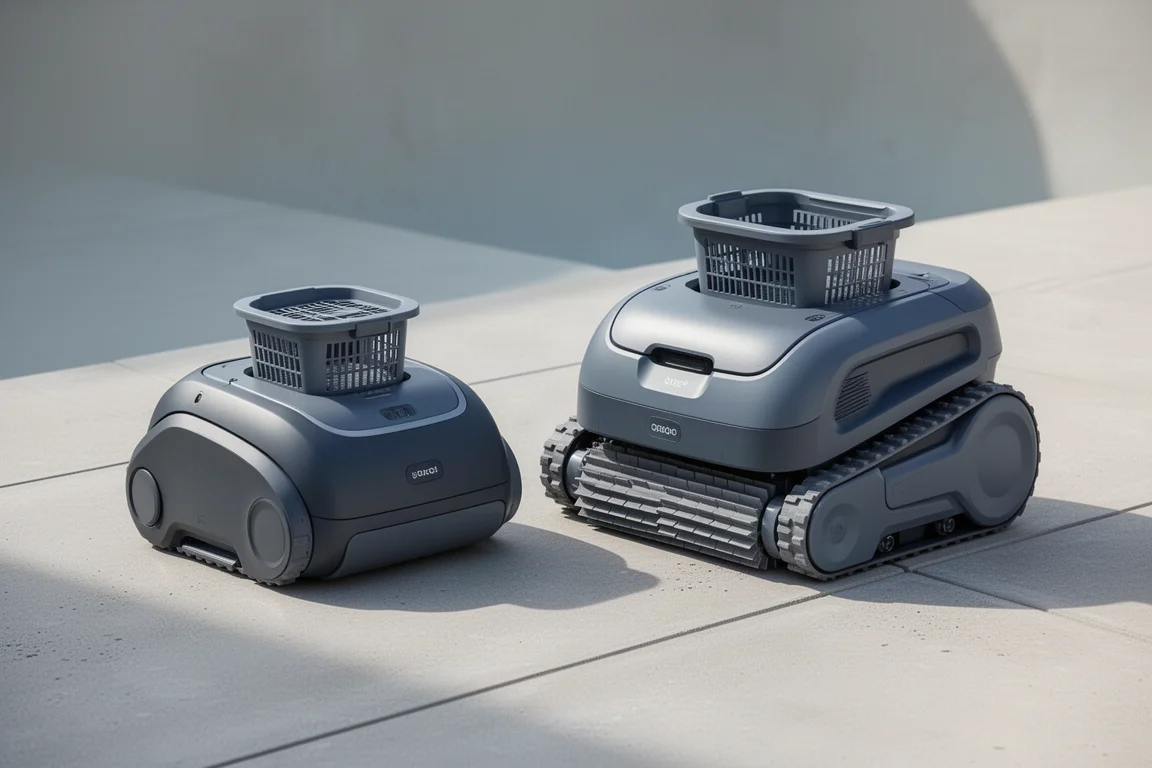
We put the Aiper Scuba S1 and Scuba S1 Pro side by side in a heavily used desert pool to see how each handles sand, dust, leaves, and pet hair.
Introduction
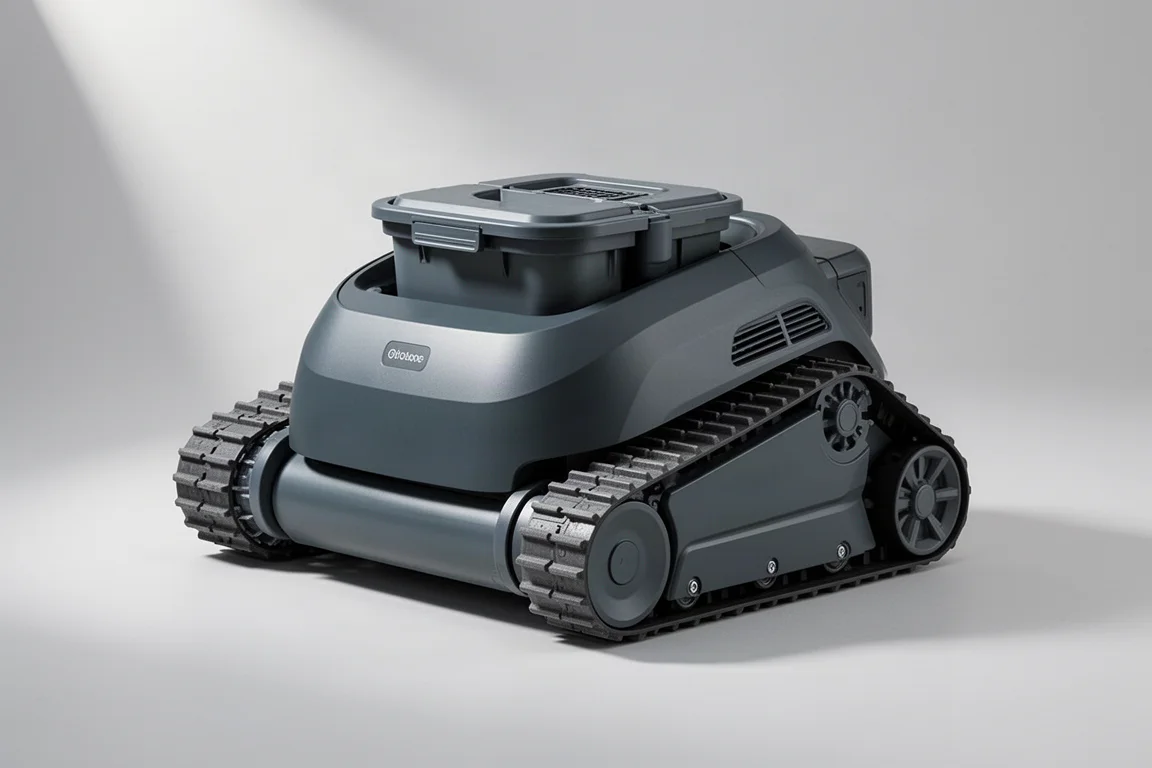
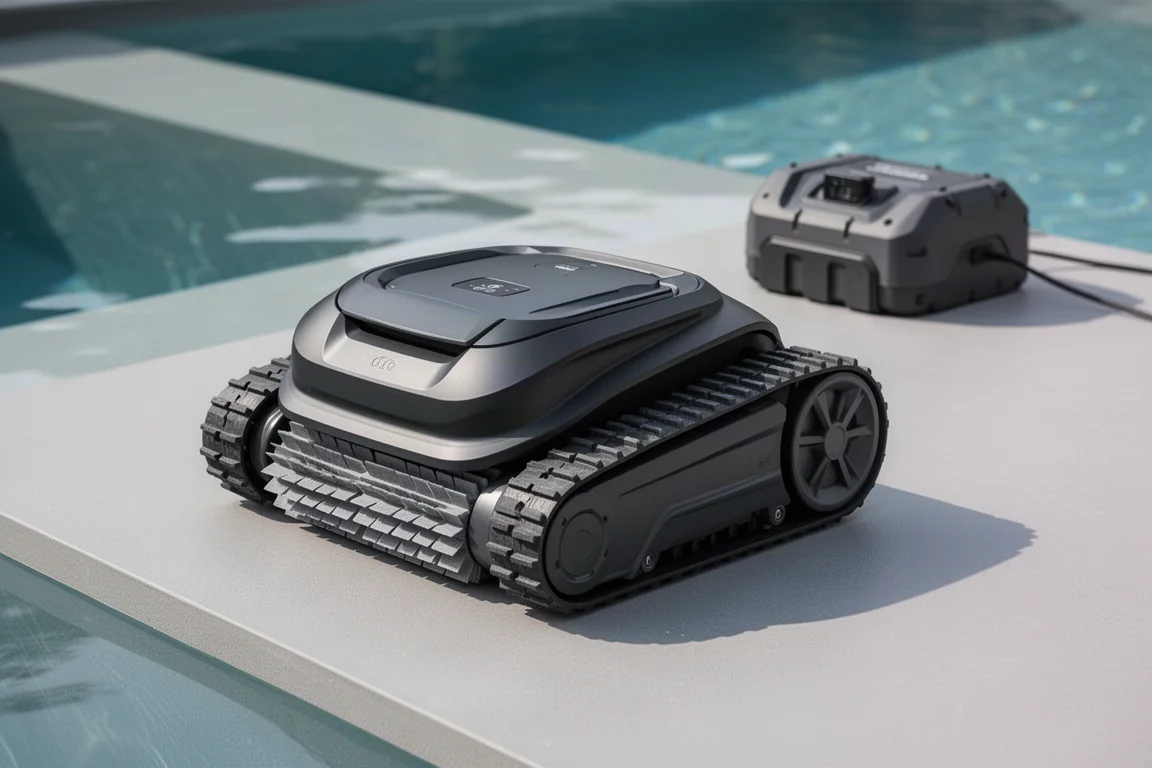
Aiper is one of the most established names in robotic pool cleaners, and its Scuba S1 and Scuba S1 Pro cover two very different kinds of pool owner. Both are cordless, both promise strong suction for sand, twigs, leaves, and pet hair, and both are built around caterpillar treads rather than wheels so they can cope with uneven floors and recessed drains without bottoming out.
The question is not which one is more impressive on a spec sheet. It is which one matches the size of your pool, the kind of debris you deal with, and the amount of money you want to spend.
What Both Models Share
A few things are common to the whole Scuba S1 family, and they matter more than any single spec.
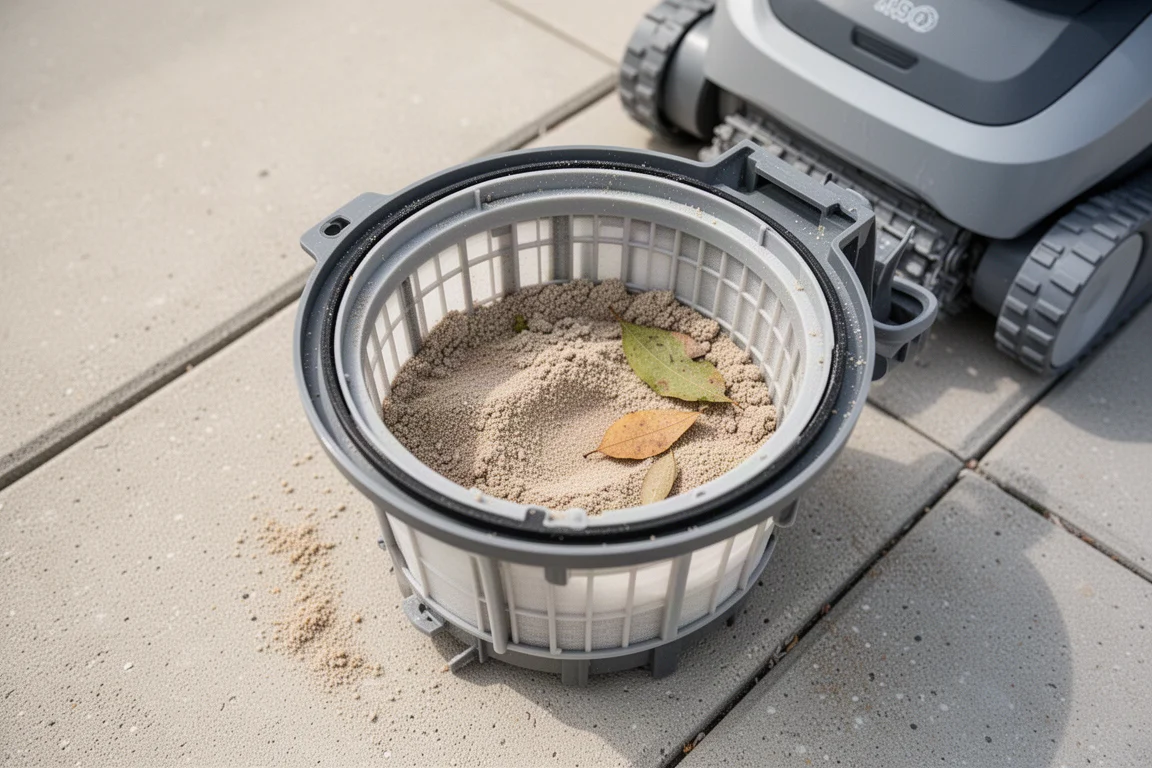
Wave Path Navigation 2.0 gives the bots real processing power: they map the pool, adjust their route, and know where they have been rather than wandering aimlessly. Wall and waterline scrubbing is standard on both, along with four cleaning modes: Auto, Wall, Floor, and Eco. The top-load filter basket is a small design win too. You press a button on top, pull the basket out, and empty it. No latches, no twisting, no fiddling with side panels.
Both units are also explicitly designed with pet owners in mind. Pet fur is notoriously hard on filtration, and Aiper treats it as a real problem rather than pretending the only debris in a pool is leaves and dust.
Real-World Cleaning Test: A Neglected Desert Pool
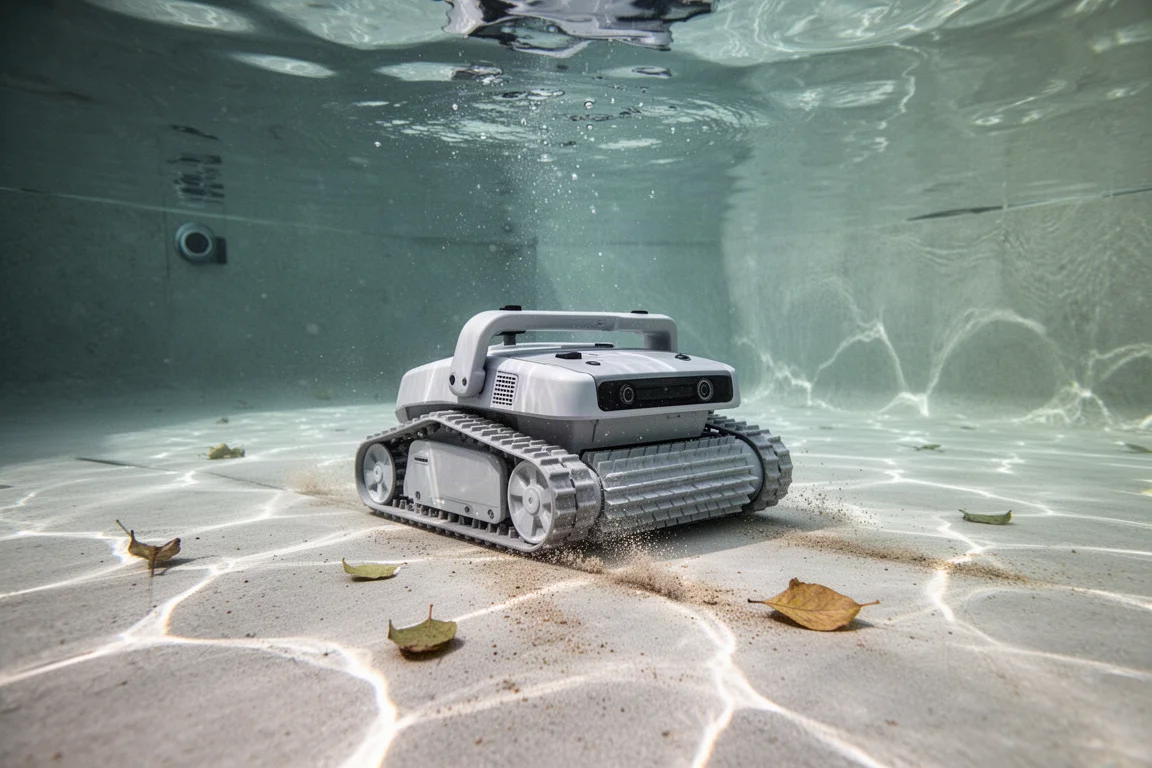
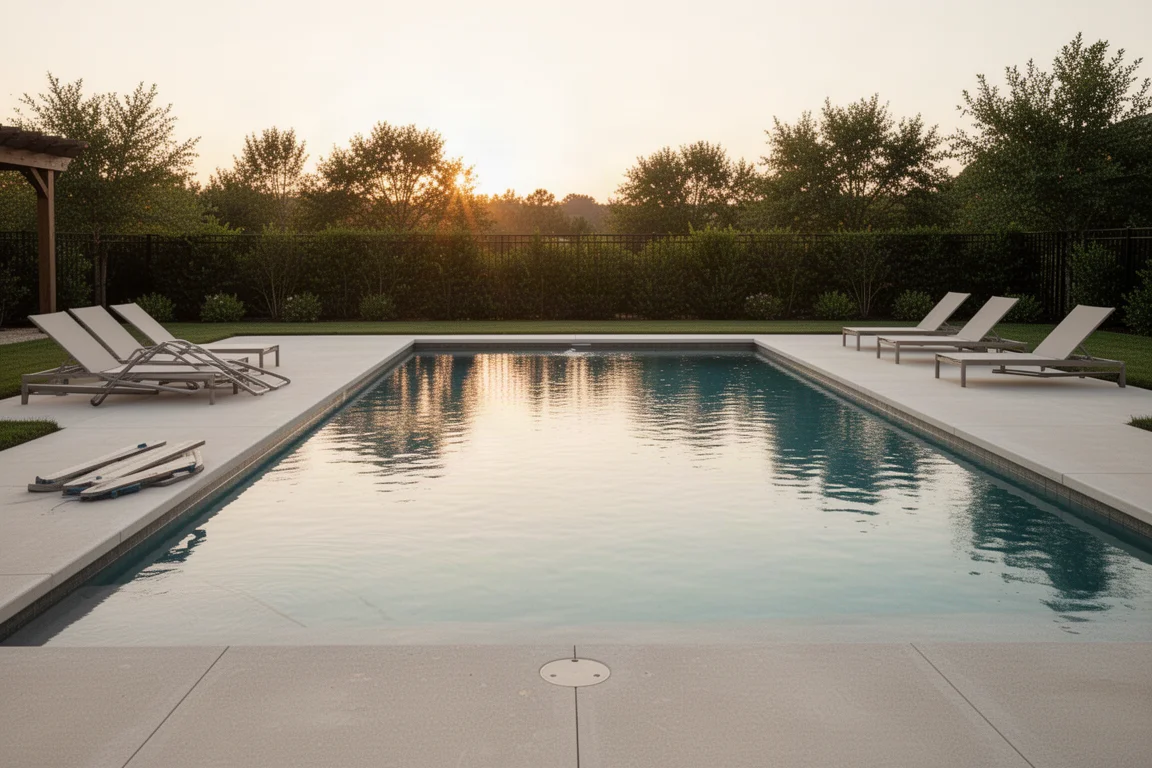
Both machines were tested in the same pool, under the same conditions, and it was not a pristine backyard pool. The test pool sits in a desert community south of Las Vegas, gets almost no professional maintenance, and takes constant abuse from wind, sand, gravel, dust storms, and leaves. If a cleaner can handle that environment, it can handle yours.
The Scuba S1 Pro handled corners and steps noticeably better. When it reaches a wall corner, it backs down, realigns itself, and climbs again, using dual rear jets that press it against the wall for more aggressive cleaning. Those jets also push more water through the unit, which speeds up cleaning. It has external sensing, so it sees what is in front of it and adjusts instead of just bumping into things and learning from them.
The standard Scuba S1 is more like a contact-based navigator. It takes a little longer to figure out a new pool and feels less sure of itself at first, wandering a bit before it learns the layout. Once it has mapped the pool, it settles into a proper cleaning pattern and gets the job done. On a second pass in the same dusty environment, its basket still filled up with a surprising amount of debris.
Footage from both tests showed the bottom of a visibly dirty pool being essentially erased, with no cables and no manual scrubbing. Neither bot is fast, and both move at their own deliberate pace, so patience is part of the deal.
Where the Scuba S1 Pro Pulls Ahead
The Pro earns its higher price with a longer list of capability. It is designed for larger pools, with a bigger battery and dual pumps instead of the standard S1’s single pump. Suction flow rate is a key difference: 100 gallons per minute on the Pro versus 70 gallons per minute on the S1. Dual filtration means a two-level filter setup, and the Pro’s top-load basket holds 5 liters versus 3.5 liters on the base model.
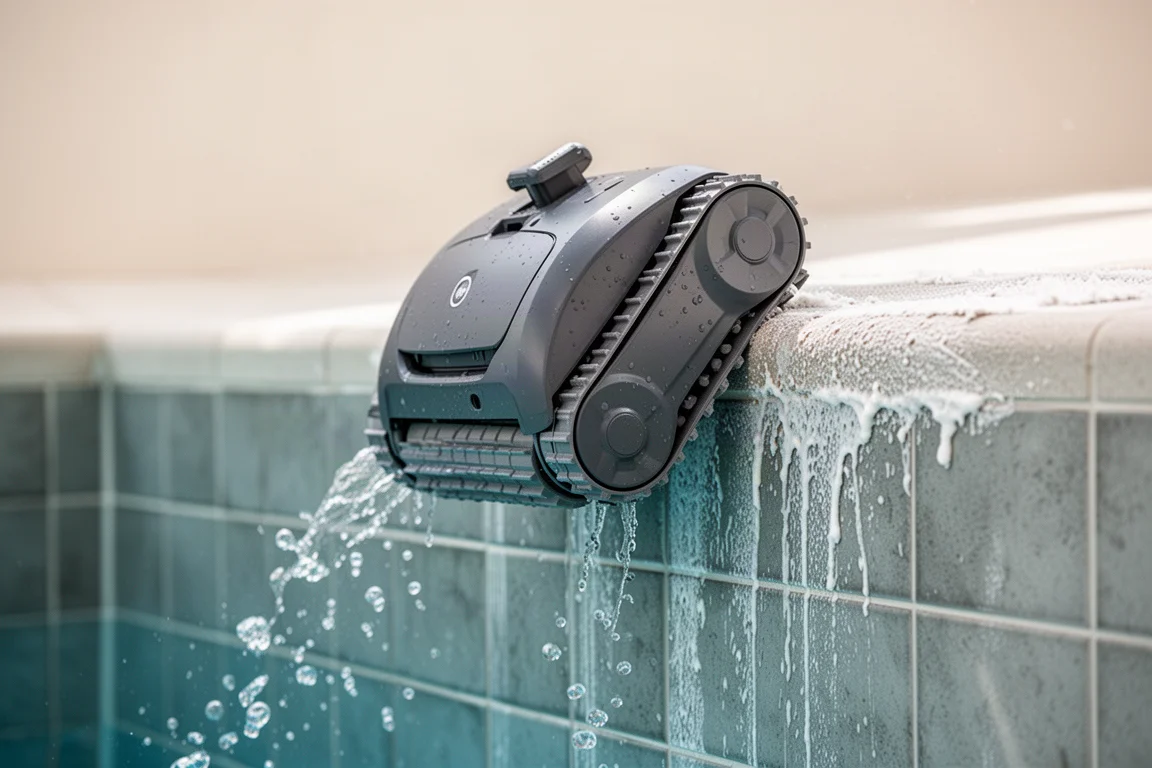
The Pro also adds an infrared sensor for obstacle avoidance, horizontal waterline cleaning so it can work straight along the waterline rather than just climbing vertically, and a mobile app for programming the unit when it is out of the pool. The app is a nice-to-have rather than a daily necessity, but data-focused owners will appreciate the extra control.
Key Pro advantages at a glance:
- Larger pool coverage: up to about 2,150 square feet versus roughly 1,600 square feet for the S1
- Longer runtime: 180 minutes versus 150 minutes, with a 4-hour charge versus 3.5 hours
- Higher-capacity battery: 25.2 versus 14.4
- Dual pumps, dual filtration, and the larger 5L basket
- Infrared obstacle avoidance and horizontal waterline cleaning
The Scuba S1: The Value Pick
The standard Scuba S1 gives up some intelligence and some features, but it still cleans floors, walls, and waterlines, handles stairs, uses the same Wave Path navigation, the same caterpillar treads, and the same easy top-load basket. It is rated for pools up to around 1,600 square feet.
If your pool is on the smaller side and you can live without horizontal waterline cleaning and obstacle avoidance, it covers the core job at a much lower price. It is not as nimble as the Pro in complex corners, but it learns the pool and does the work.
Scuba S1 Pro: The Full-Featured Option
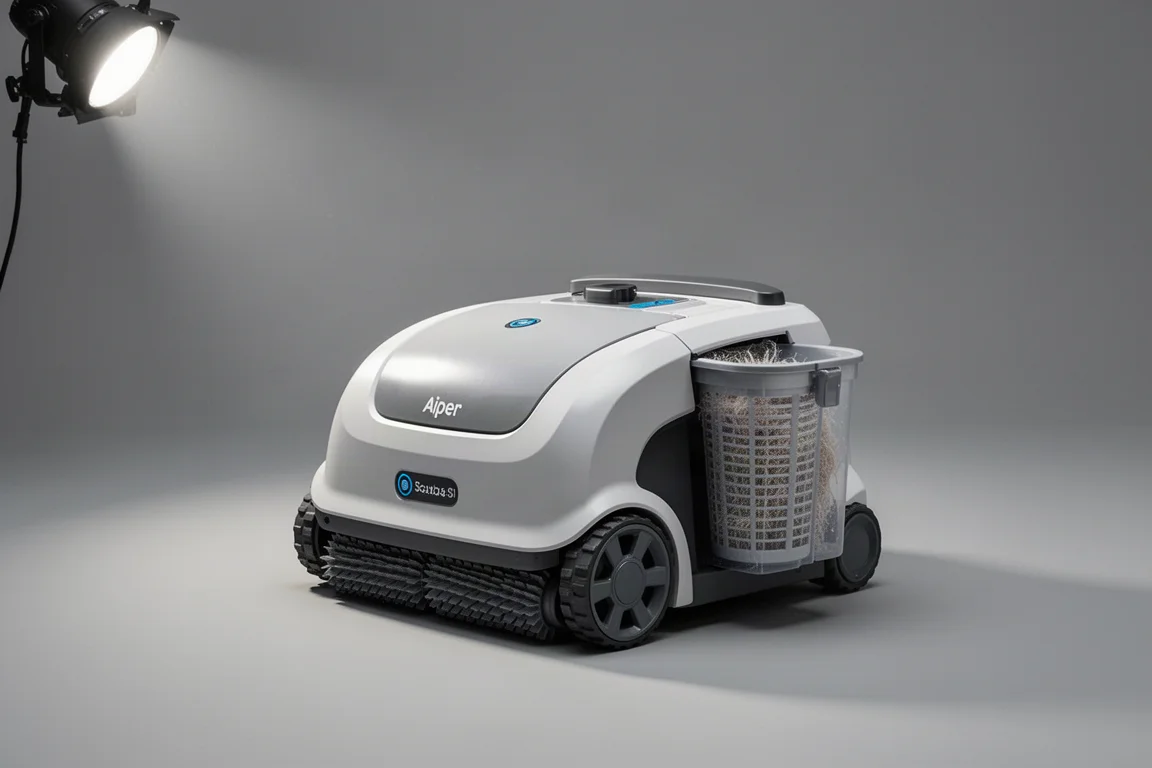
For larger pools, heavy debris loads, or anyone who wants the smartest navigation and the longest runtime, the Pro is the more complete machine. Dual pumps, dual filtration, infrared sensing, app programmability, and horizontal waterline cleaning add up to a noticeably more capable unit, and it still comes in under four figures.
Choosing Between Them
At the time of testing, pricing looked like this: the Scuba S1 normally sells for $700 and was on sale for $529. The Scuba S1 Pro normally sells for $1,100 and was discounted to $920, with the standard 2-year warranty extended to 3 years for purchases made by July 15. A solar charging panel is reportedly available separately for those who want it.
Neither model is a surface skimmer, so if your main complaint is floating debris on the top of the water, you would need a different product category. Both are best suited to in-ground concrete pools, and both cover floors, walls, waterlines, stairs, and the water surface.
Buying Advice
The decision comes down to three things: how big your pool is, how much debris it collects, and your budget.
If you have a smaller pool and do not need horizontal waterline cleaning, the Scuba S1 at the $500-ish price point with a 2-year warranty is the sensible buy. If you want the full feature set, app control, dual filtration, and a longer runtime for a larger pool, the Pro at $920 is a clear step up while still staying under $1,000.
One honest caveat: a robotic pool cleaner is a luxury item, not a necessity. It is aimed at owners who have a little extra to spend and would rather swim than scrub, or who would happily stop paying a pool service to do routine floor and wall cleaning.
Conclusion
Both the Aiper Scuba S1 and Scuba S1 Pro proved they can clean a badly neglected, dust-blasted pool without cables, hoses, or hand scrubbing. The S1 is the affordable workhorse for smaller pools, while the S1 Pro adds smarter navigation, stronger flow, bigger capacity, and a longer runtime for larger, messier pools. Match the machine to your pool and your budget, and either one will hand you back a lot of your summer.
Further reading
Related Reviews
Pool & Outdoor
Beatbot AquaSense Review: A Cordless Robotic Pool Cleaner That Cleans So You Don't Have To
A smart, cordless robotic pool cleaner with four brushes, wall-climbing treads, and app control. Here is what it does well and what to check before buying.
Pool & Outdoor
Beatbot iSkim Ultra Review: A Robotic Pool Skimmer With Solar Power and a Mind of Its Own
A solar-powered robotic surface skimmer that maps your pool, scrubs the edges, clarifies the water, and parks itself when done. Here is who it actually makes sense for.
Pool & Outdoor
Beatbot Robotic Pool Cleaner Review: A Self-Cleaning Pool Cleaner That Really Does the Work
A feature-packed cordless pool cleaner with self-cleaning filtration, app control, AI vision mapping, and a clarifier system that makes pool maintenance genuinely hands-off.