Power Tools
AEG vs Milwaukee M12 Rivet Tool: Which Compact Cordless Riveter Wins?
Two cordless rivet tools compared head to head: stroke, pulling force, nose piece design, and which one is easier on your body.
Introduction
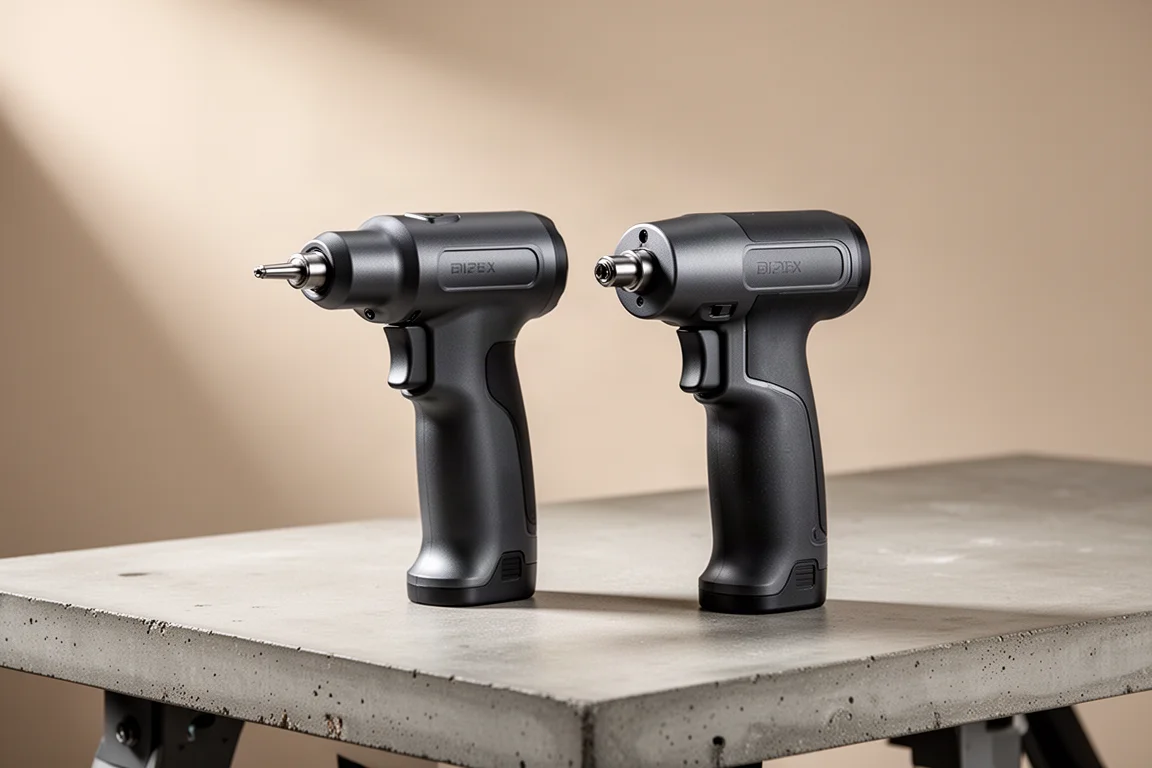
Rivet guns are one of those tools you never appreciate until you have pulled a few hundred stainless rivets by hand. Hand riveters are hard on your hand, your arm, and your elbow, and large stainless rivets can genuinely do your tendons no favours at all. A cordless rivet tool removes almost all of that strain, and in this comparison we look at two of the most talked-about compact options: the AEG rivet tool and the Milwaukee M12 rivet tool.
Both tools come from the same manufacturer, TTI, which makes the head-to-head comparison especially interesting. They share a lot of design thinking, but the differences show up in stroke, pulling force, and small usability details that matter once you are halfway up a ladder with a rivet in the nose piece.
AEG Rivet Tool: Small Body, Serious Pull
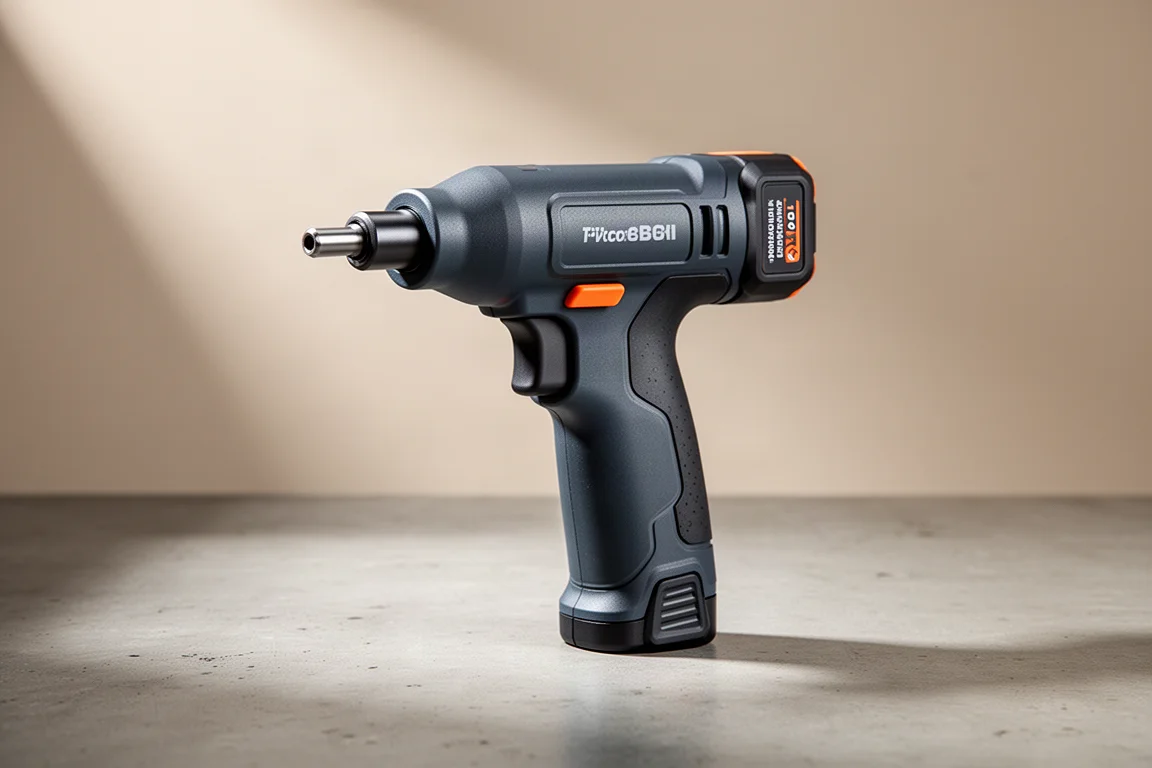
The first thing you notice about the AEG rivet tool is just how small the working end is. The nose section is shorter than the length of a hand and very narrow, which makes it genuinely useful for getting into tight spaces. The battery end is less flattering because the larger AEG batteries add bulk at the back, though newer batteries are noticeably better than the old ones.
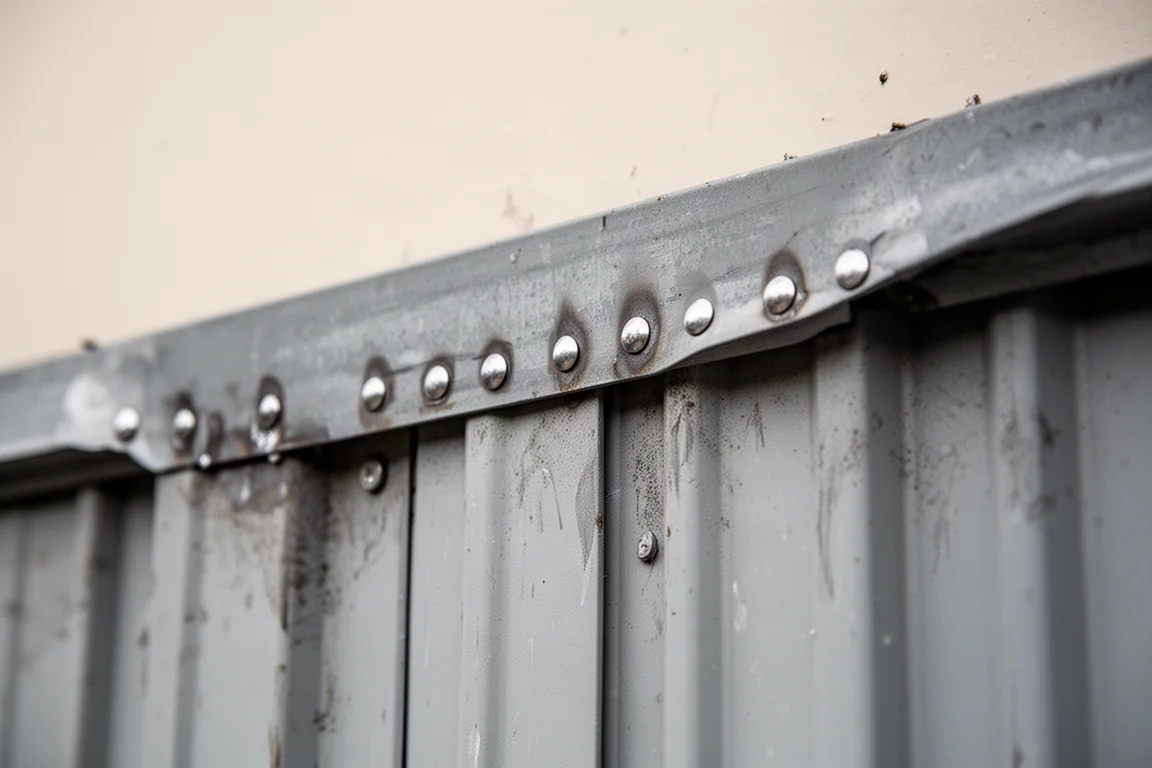
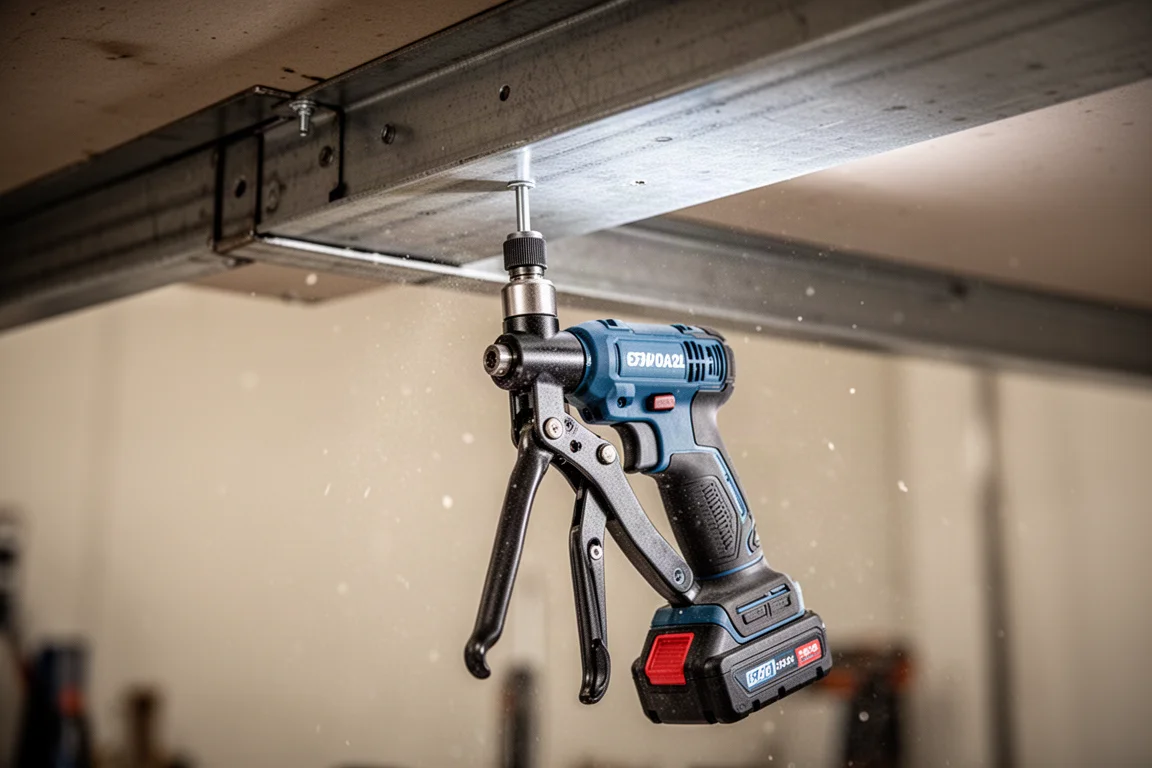
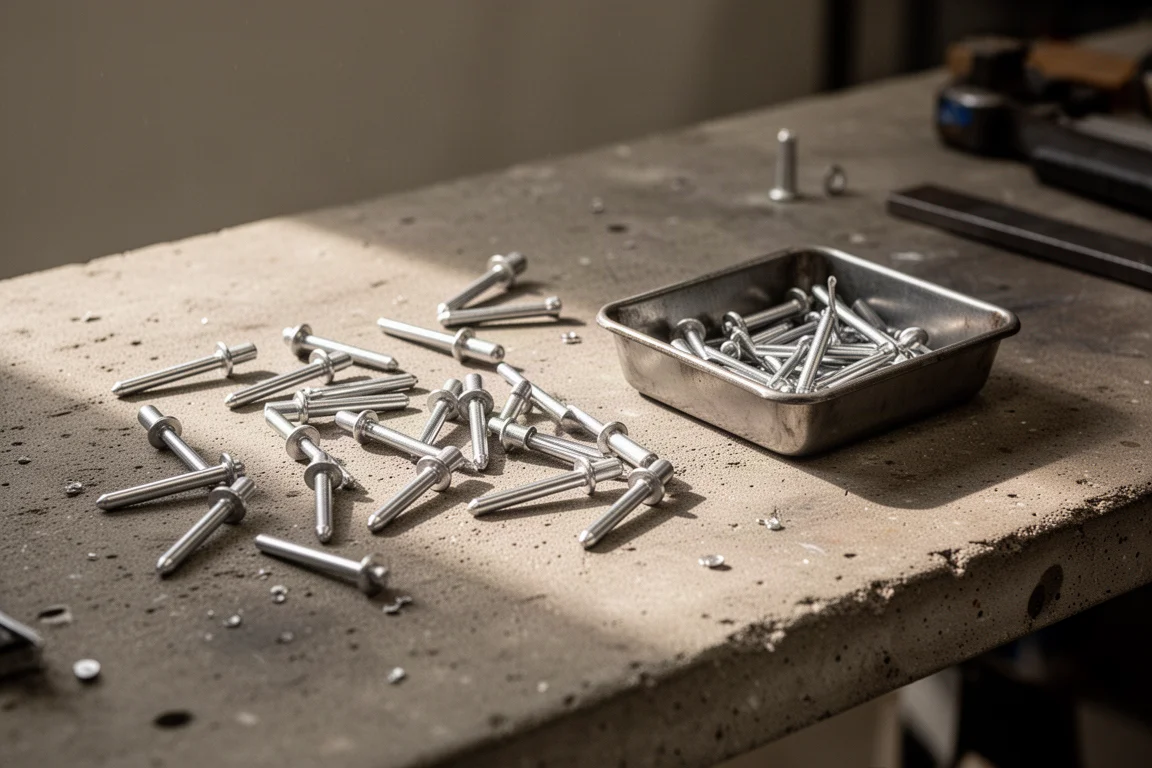
On a real job, it impressed. Fixing up a garage door where years of old rivets had given out, it pulled 4.8 mm (3/16 inch) stainless rivets without complaint. Pulling that size of stainless rivet with a hand riveter is a nightmare, but with this tool it is easy and much kinder on your body. Working around from one side while pulling the trigger with the other is a bit awkward at first, but that is true of any riveter in awkward positions.
Milwaukee M12 Rivet Tool: Proven and Comfortable to Trust
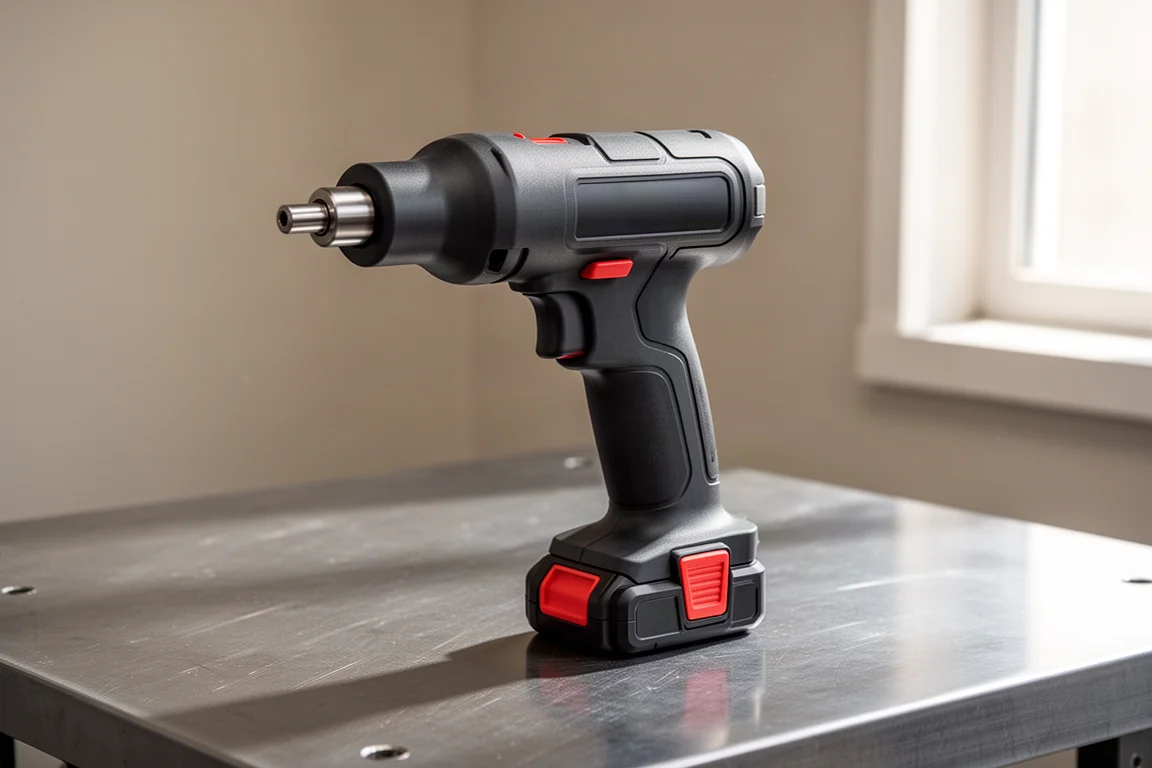
The Milwaukee M12 rivet tool has been around longer and has clearly proven itself over years of use. It handles 4.8 mm stainless rivets with noticeably less strain than doing it by hand, and 4 mm aluminium rivets are effortless. It is also quieter in operation than the AEG, which matters if you are firing off a lot of rivets in one session.
In extended use, the Milwaukee has served well without problems, and it simply feels a little more sturdy and solid than the AEG. It is a touch quicker to complete a pull as well, though the reason for that becomes clear when you look at the stroke numbers below.
Side by Side: Stroke and Pulling Force
Here is where the two tools genuinely differ. According to TTI, the manufacturer of both tools, the Milwaukee M12 has a 20 mm stroke and 9 kN of pulling force, while the AEG delivers a 28 mm stroke and 11 kN. That 8 mm of extra stroke is exactly what shows up in a side-by-side trigger test: the Milwaukee finishes its pull sooner, while the AEG keeps pulling the mandrel much further.
What does that mean in practice? If you regularly use longer rivets through thin material, the shorter-stroke Milwaukee may need a double pull to finish the job. If that annoys you, the AEG’s longer stroke is better suited to that kind of work. For shorter rivets, both tools perform comfortably.
Comfort is a shared weak point. Both handles are described as fairly horrible: the Milwaukee is quite fat, and the AEG has a bulky bulge in the handle that looks like it was designed for a cartridge-style battery it does not actually use. Both come with a belt clip and a lanyard attachment point at the back.
Nose Pieces and Mandrel Handling
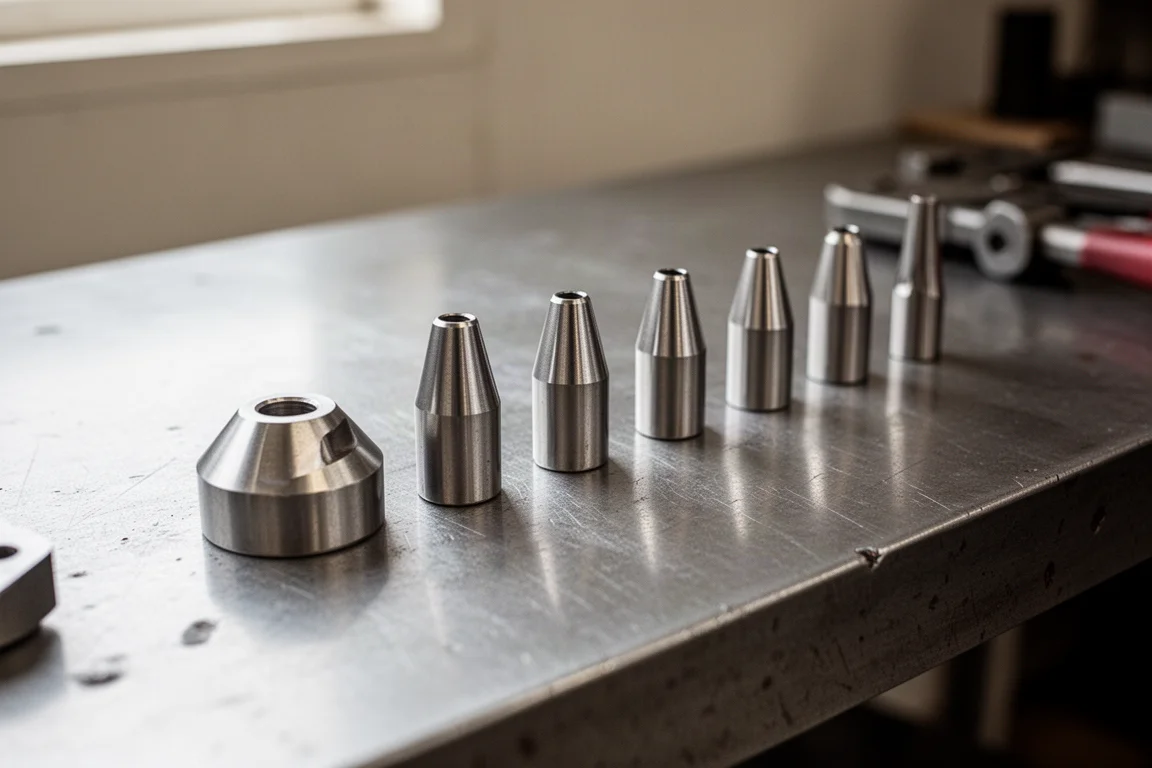
Both tools come with nose pieces in the same four sizes: 2.4 mm (3/32 inch), 3.2 mm (1/8 inch), 4 mm (5/32 inch), and 4.8 mm (3/16 inch). The AEG ships with eight nose pieces (two sets of the same four sizes, though only one set has a retention ball), while the Milwaukee comes with four plus onboard storage under the battery so they cannot fall out.
The retention ball detail is more useful than it sounds. Nose pieces with a ball inside hold the rivet in place so it will not drop out of the tool while you are positioning it, which is genuinely handy when you are working up a ladder above your head. Nose pieces without the ball let the mandrel tip out freely after each pull, which some people prefer for faster clearing.
The Milwaukee allows a longer nose piece to be fitted for reaching into tighter spaces or further into a job, and the whole nose assembly can be unscrewed by hand if it gets too tight. The AEG’s longer nose piece from its sister brand is unfortunately not interchangeable, even though the companies are related. The AEG does, however, include a small tool on the mandrel canister for loosening a tight nose piece, and its spent mandrel canister holds roughly a hundred mandrels.
Which One Should You Buy?
The simplest advice is also the most honest: buy the one that matches the battery platform you already own. Nobody is going to switch brands purely on the strength of a rivet tool. Both are similarly priced as bare tools in comparable markets, though availability differs by region, with the Milwaukee being sold in more places and AEG in this market available mainly through Bunnings. It is also worth knowing that AEG is the same tool as Ridgid, just with a different name printed on it.
If you had to pick only one, the Milwaukee edges ahead on long-term durability, a slightly more solid feel, quieter operation, and a faster pull cycle. The AEG fights back with a longer stroke, more pulling force, and a narrower nose that reaches into tighter spots. Neither is a bad choice; it comes down to which trade-off suits your work.
Final Verdict
Cordless rivet tools are among the best cordless tools around for saving your body from anguish, and both of these do the core job very well. The Milwaukee M12 is the safer long-term pick with proven reliability, while the AEG is the better choice if long rivets and tight access dominate your work. Match the tool to your existing battery collection and you will be happy with either.
Conclusion
The AEG brings a longer 28 mm stroke, 11 kN of pulling force, and an impressively slim nose section. The Milwaukee M12 counters with proven sturdiness, quieter running, a quicker pull, and smarter nose piece storage. Both spare your hands from the misery of hand-pulled stainless rivets, and choosing between them mostly comes down to which battery platform already lives in your toolkit.
Further reading
Related Reviews
Power Tools
Best 1-Inch Pistol Impact Wrenches: Three Heavy-Duty Options Compared
We compare three 1-inch pistol impact wrenches, from a budget-friendly Harbor Freight model to a premium Caterpillar unit, to help you choose the right one.
Power Tools
Best 3/4-Inch Impact Wrenches 2026: Five Contenders Compared
We compare five 3/4-inch impact wrenches across price and performance, from a budget Amazon option to Snap-on's most powerful model yet.
Power Tools
Best Budget Cordless Tools 2026: Walmart Finds That Punch Above Their Price
We tested five cordless tools from Walmart, including a high-torque impact wrench that trades blows with Milwaukee and a $35 duster that outperforms its price class.