Power Tools
AEG A18F10FN Framing Nailer Review: A Gasless Battery Nailer With Real-World Charm
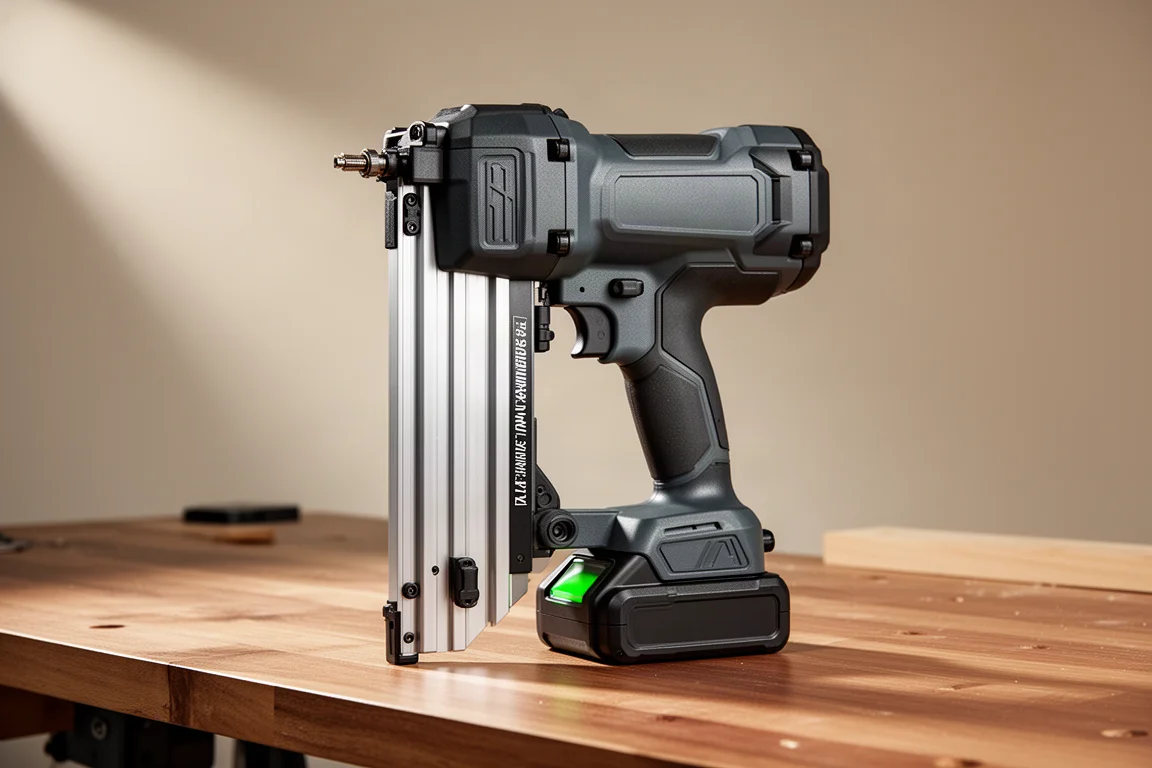
The AEG A18F10FN framing nailer is a brushless, gasless battery nailer with a refillable air cylinder, an always-on grip trigger, and a full-depth battery run. Here is how it performs after around a thousand nails.
Introduction
The AEG A18F10FN is a brushless, gasless framing nailer that runs on an 18V battery and an onboard air cylinder. In the United States market, the equivalent tool is sold under the Ridgid brand. After building walls and nailing off sheet material with it, this has been a genuinely pleasant tool to use, and it solves a few of the annoyances common to other gasless battery nailers. There are trade-offs, though, and the pricing situation deserves a hard look before you buy.
Who This Product Is For
This nailer suits framers and serious DIYers who want a cordless, gas-free framing tool with minimal fuss. The model number breaks down simply: 18 is the voltage, 10 is the nail gauge, FN means framing nailer, and the NZ suffix indicates a New Zealand-specific version that omits the bump-fire switch. If you work on sites where full sequential firing is required, that will not be a limitation, but buyers elsewhere should be aware the NZ version fires in full sequential mode only.
Framing Performance in Everyday Use
The most striking thing about using this tool is the total absence of startup ritual. There is no on-off button to hunt for. You pick it up, the grip sensor lights the green indicator at the base of the handle, and you fire. Nails have gone where intended with no misfires reported, and nailing off a wall by machine is dramatically faster and easier than driving nails by hand.
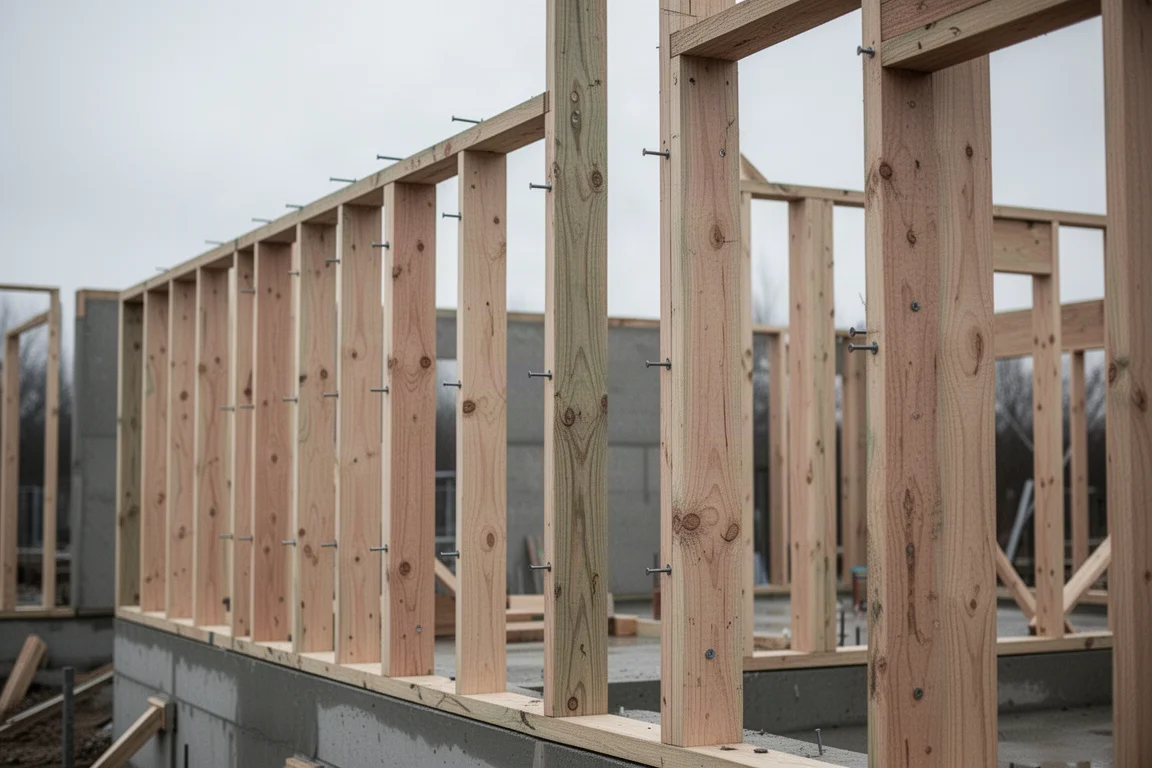
Battery endurance proved better than expected. On a 3.0Ah battery, roughly 240 nails were fired before the pack ran completely flat, including building one full wall, nailing off fibre cement sheet, and two smaller wall sections. The battery drains right down to empty rather than cutting out at two or three bars. AEG claims around a thousand nails per 6.0Ah battery, which makes the real-world figure seem modest in comparison, but full-depth battery use is a real advantage over rivals.
A Closer Look at the Tool
This is a big-looking unit, though not really any bigger than other gasless battery-only nailers. It feels surprisingly solid and well built, with a brushless motor and the “F Rapid Fire” branding on the body. The magazine is an all-aluminium affair with a noticeably nicer feel than plastic alternatives, and it holds 67 nails as standard, with an extended magazine available if you want to run two clips at once.
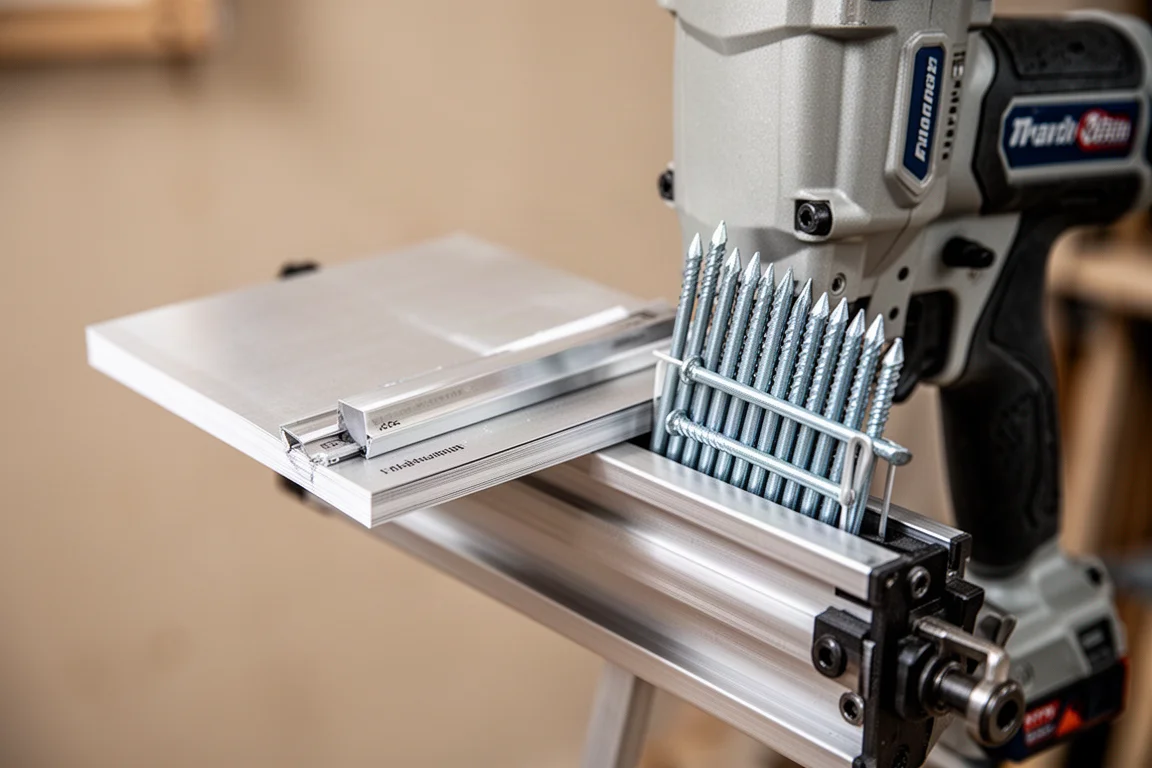
The belt hook is joined by a rafter hook that is disappointingly bendy and too narrow to hook over much; a wider 90mm-style hook would have been more useful. A dry-fire lockout stops the tool firing once the magazine is down to its last handful of nails, and an onboard Allen key lets you open the nose to clear jams. The tool also comes fitted with a no-mar tip, though it is a rigid plastic piece that is not the easiest to fit or remove, and the depth-adjustment dial on the front lacks an arrow to indicate direction.
Always Ready: No On-Off Button
The grip trigger in the handle is arguably the standout feature. Competing gasless nailers require you to hold a power button, time out quickly, or refuse to fire when the battery hits a certain charge level. This one is essentially always on when you are holding it, which is a huge convenience even if it may not be the safest design.
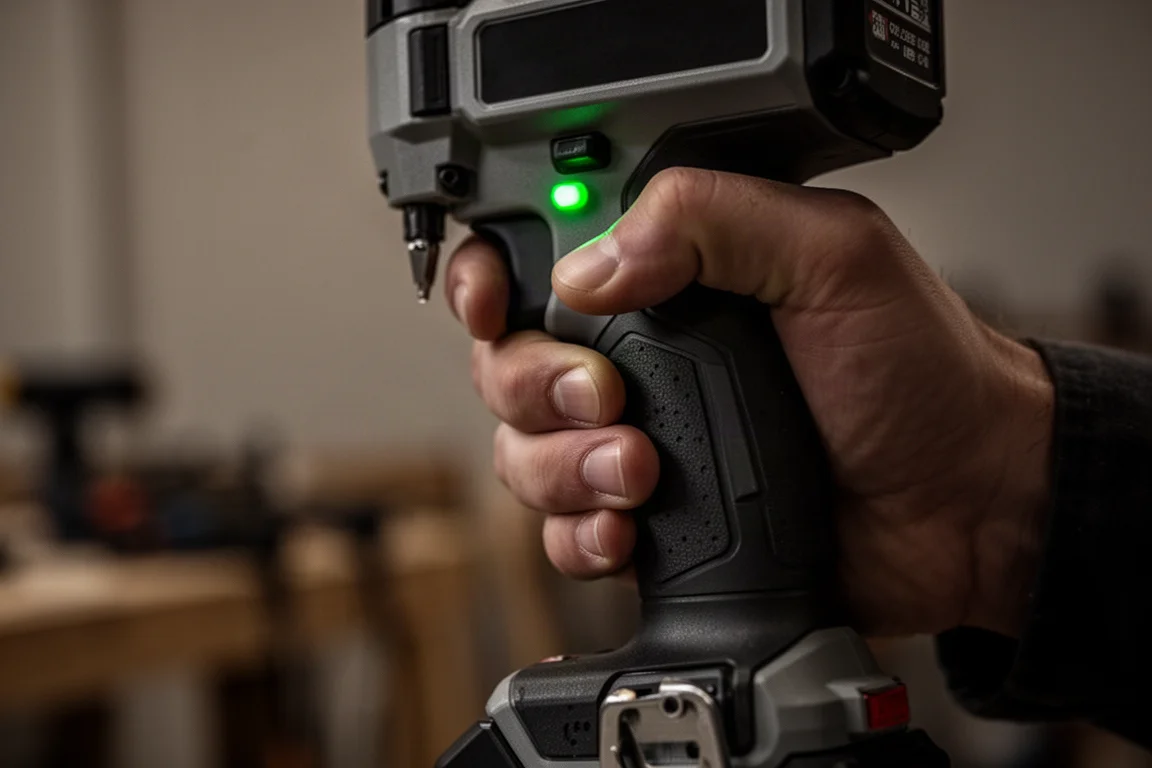
The status light is genuinely clever: it turns red when the battery is low or the air cylinder needs topping up, and it flashes to indicate a jam. Speaking of the cylinder, this is the only gasless nailer of its type where you can refill the air cylinder yourself. Remove the plastic cap, hook on a battery tyre inflator, and top up to 125 psi. Overfilling is not a worry because the tool self-deflates back down to 125 psi. AEG says a top-up is needed only every 20,000 to 30,000 nails, and a retained O-ring keeps the little bolt from getting lost. The only downside is that the fitting sits in a slightly awkward spot, so the job takes a moment.
Power, Depth, and Recoil
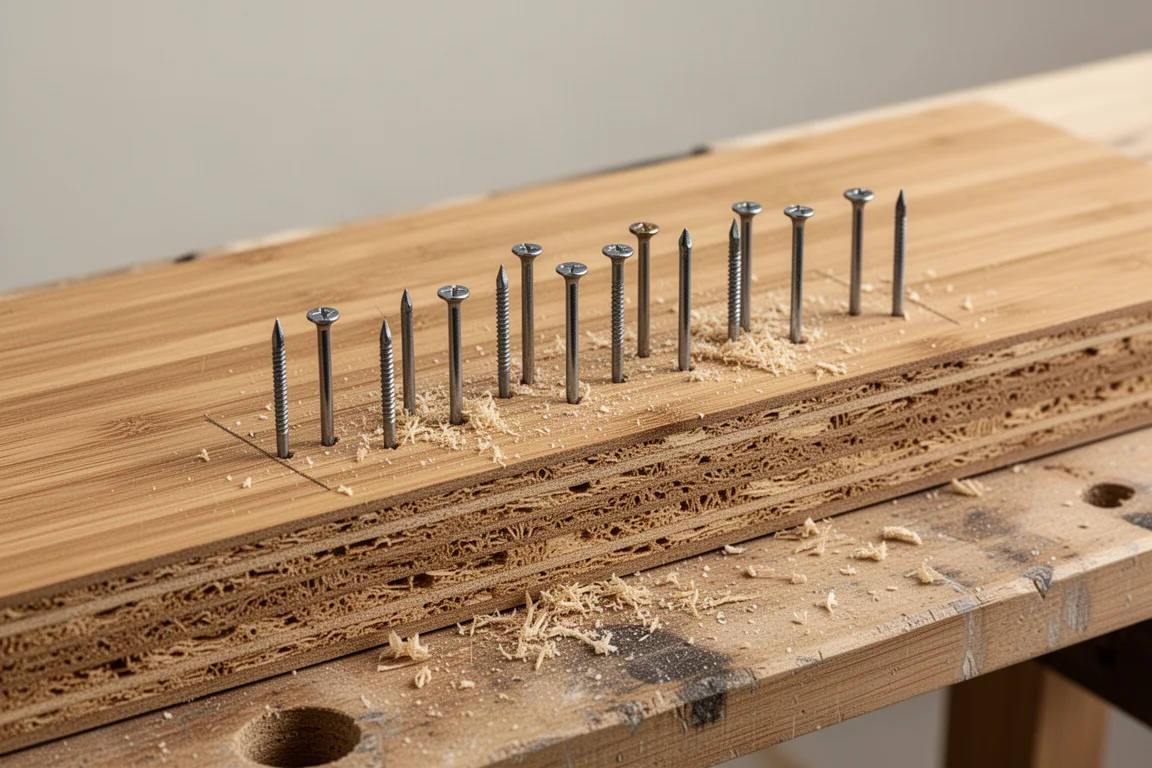
For a toughness test, nails were fired through layered bamboo composite board, an extremely dense material loaded with hard chunks that destroys blades. The results were mixed. Depth of drive and nail straightness were noticeably better on a competing gasless nailer, which sank nails nearly flush, while the AEG’s nails came out more erratic and slightly twisted, with recoil that travelled up the arm far more noticeably. For sinking power and user comfort, the rival tool wins this comparison decisively.
Things to Consider Before Buying
Price is the sticking point. AEG tools started out as budget offerings, but pricing has climbed to parity with Milwaukee, Makita, Hikoki, and DeWalt. As a bare tool or kit, this nailer costs about the same as the Milwaukee equivalent, and DeWalt’s option is significantly cheaper. The uncomfortable conclusion is that you are paying a premium price for a tool that is good but not clearly premium grade. If it were substantially cheaper, the recommendation would be easier; at current pricing, buyers who want a daily-driver tool built to last may lean toward the established top brands.
Conclusion
Around a thousand nails in, the AEG A18F10FN has been faultless in daily framing work: no misfires, clean sinking, an always-ready grip trigger, a user-refillable air cylinder, and batteries that run to empty. It is arguably one of the best tools AEG makes. The recoil and inconsistent nail depth in dense material, plus pricing that now matches top-tier brands without matching their polish, are the caveats to weigh before buying.
Product link
View more details for AEG A18F10FN Framing Nailer
This product is mentioned in the review. Check the specifications, options, and compatibility before buying.
View more details for AEG A18F10FN Framing NailerFurther reading
Related Reviews
Power Tools
Best 1-Inch Pistol Impact Wrenches: Three Heavy-Duty Options Compared
We compare three 1-inch pistol impact wrenches, from a budget-friendly Harbor Freight model to a premium Caterpillar unit, to help you choose the right one.
Power Tools
Best 3/4-Inch Impact Wrenches 2026: Five Contenders Compared
We compare five 3/4-inch impact wrenches across price and performance, from a budget Amazon option to Snap-on's most powerful model yet.
Power Tools
Best Budget Cordless Tools 2026: Walmart Finds That Punch Above Their Price
We tested five cordless tools from Walmart, including a high-torque impact wrench that trades blows with Milwaukee and a $35 duster that outperforms its price class.