Running Gear
Race Day Tested: Adidas Adizero Pro Evo 2, Google Pixel Watch 4 and Garmin Forerunner 970
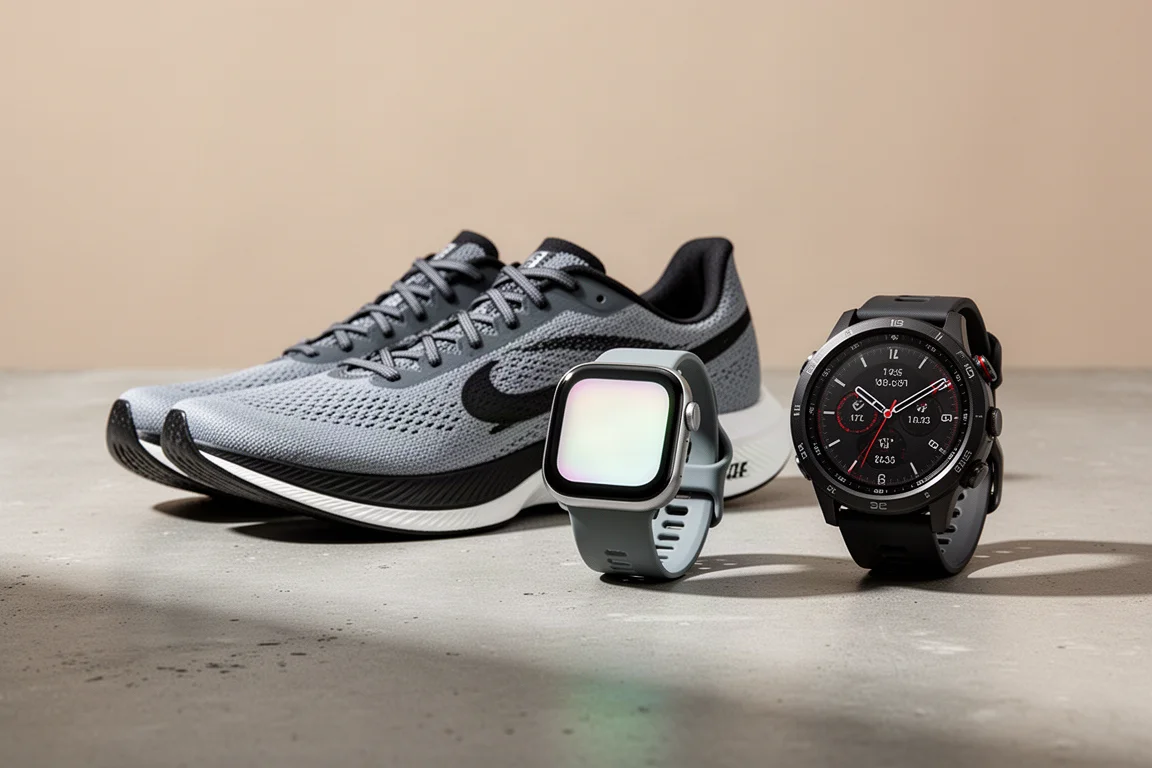
One half marathon, three products on test: a featherweight super shoe, a smartwatch in race mode and a dedicated running watch, compared over 13.1 miles.
Introduction
A half marathon is a great stress test for race-day gear. In this roundup, three products went through a real race: the Adidas Adizero Pro Evo 2 racing shoe, the Google Pixel Watch 4 running in race mode, and the Garmin Forerunner 970 as the comparison watch, with a chest strap along for heart rate benchmarking. The setting was a flat, looped park half marathon on a dry morning, roughly 80 minutes of hard running, which is exactly where shoes and watches either earn their place or do not.
The Race Test Setup
The test was run at a lapped park event with big open sky and open space, ideal conditions for clean GPS reception. Both watches were set to maximum accuracy GPS mode, screen brightness at full, and always-on display enabled, so neither was given an easy ride on battery.
The pacing plan was simple: run consistent 6:15 miles for as long as possible and hold a target under 1:22:53. That consistency matters for gear testing, because it makes differences in real-time pacing accuracy and foot feel much easier to judge.

One note on the venue itself: the loop format meant passing the same water station every couple of miles and weaving through other runners, including a concurrent 10k field, so it was not the cleanest course to run wide open. Still, the dry conditions offered a fairer test than a wet-weather comparison for a shoe known to struggle in the rain.
Adidas Adizero Pro Evo 2: Blistering Speed, Questionable Grip
The Adizero Pro Evo 2 is an ultra-light, very comfortable racing shoe with an upper that wraps so well it disappears on foot. Over a full half marathon it delivered impressively: the foam is firm rather than bouncy, with a locked-in, snappy and immediate response that punches you off the ground quickly, and it does so consistently for the full distance. Leg sparing is the other big win. After an all-out 80-minute effort, the legs felt surprisingly fresh, with no heavy soreness on the walk home.
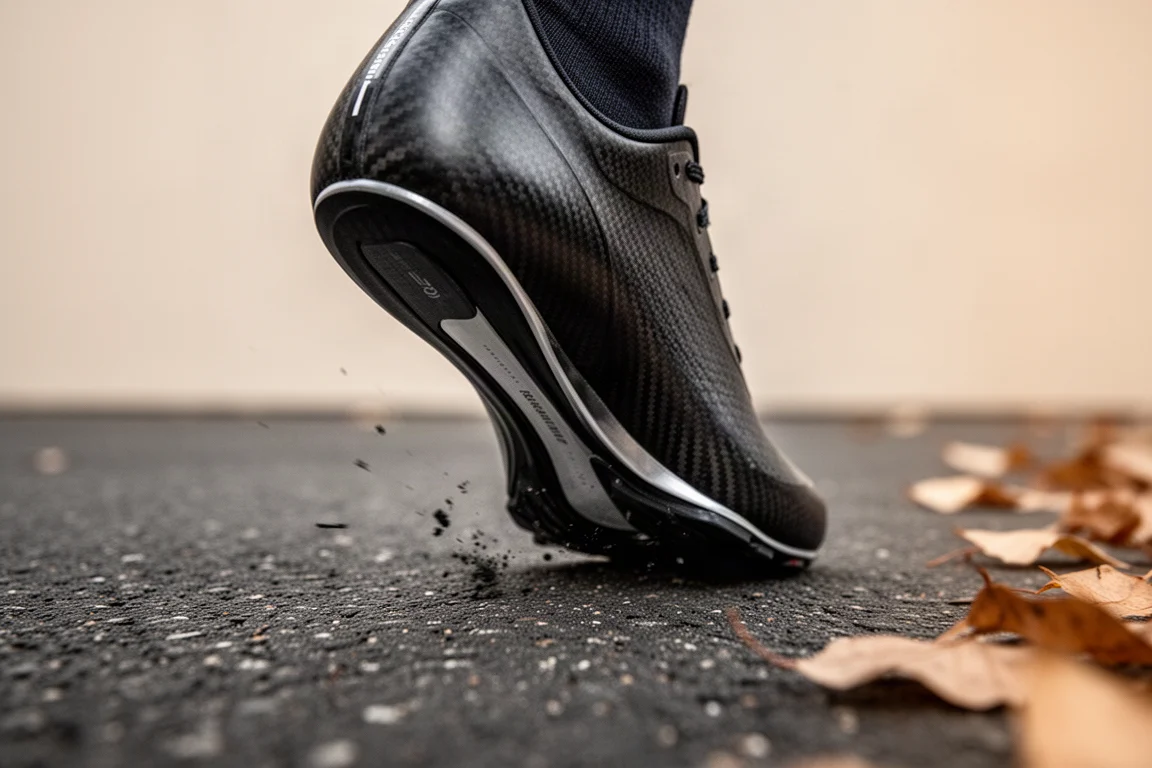
The grip is the sticking point. On dry paths it held up, but on tight corners with wet or compacted leaves the slick outsole forced a change of line, running corners wide to avoid slippery patches. That is not something you want to think about mid-race, and the foot came off the platform once on a tight turn.
Is it worth £450? That is harder to justify. It is a genuinely excellent shoe, but comparable performance is achievable from other carbon shoes at a much lower price, and this shoe is a poor choice for wet conditions. If it were priced closer to £270, it would be easier to recommend. For elites chasing every second, the lightness and snap are real; for everyone else, think carefully.
Google Pixel Watch 4: Smartwatch Battery Life in Race Mode
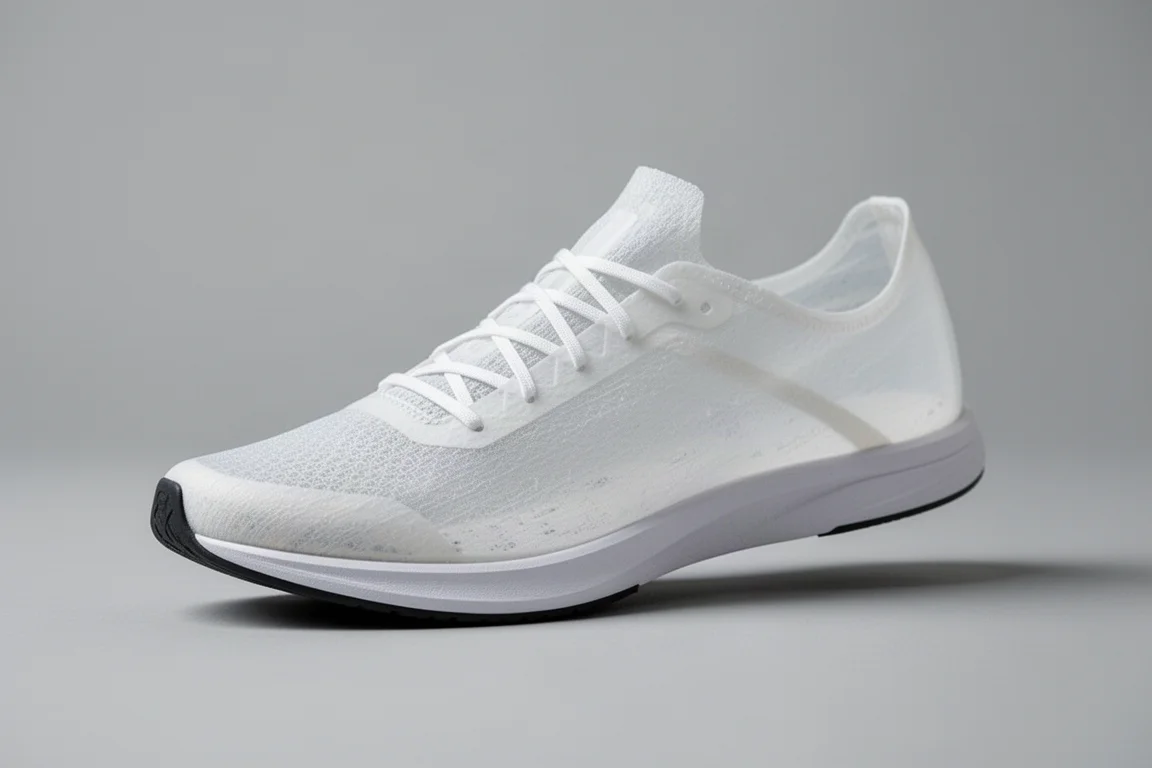
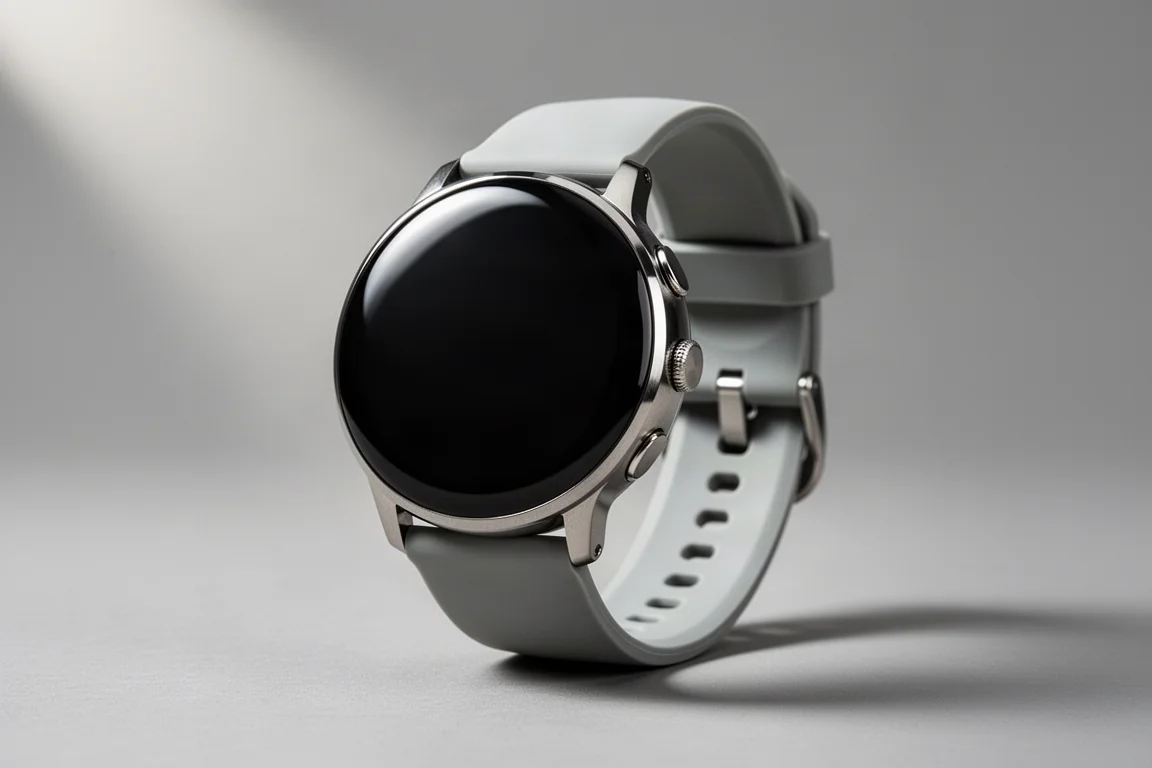
The Pixel Watch 4 was run in race mode with max accuracy GPS and a full-brightness always-on screen. Battery burn for the 1:20 half marathon came in at 17 percent, closely matching a comparable Apple Watch over a longer marathon distance in a previous test. That is solid, textbook smartwatch battery life for a race morning.
GPS accuracy was genuinely good. The watch logged 13.07 miles against the Forerunner’s 13.05 for a 13.1-mile course, hit mile markers accurately, and tracked real-time pacing well throughout the race. GPS tracks showed slightly more spread and a few blips compared with the Garmin, but nothing alarming.
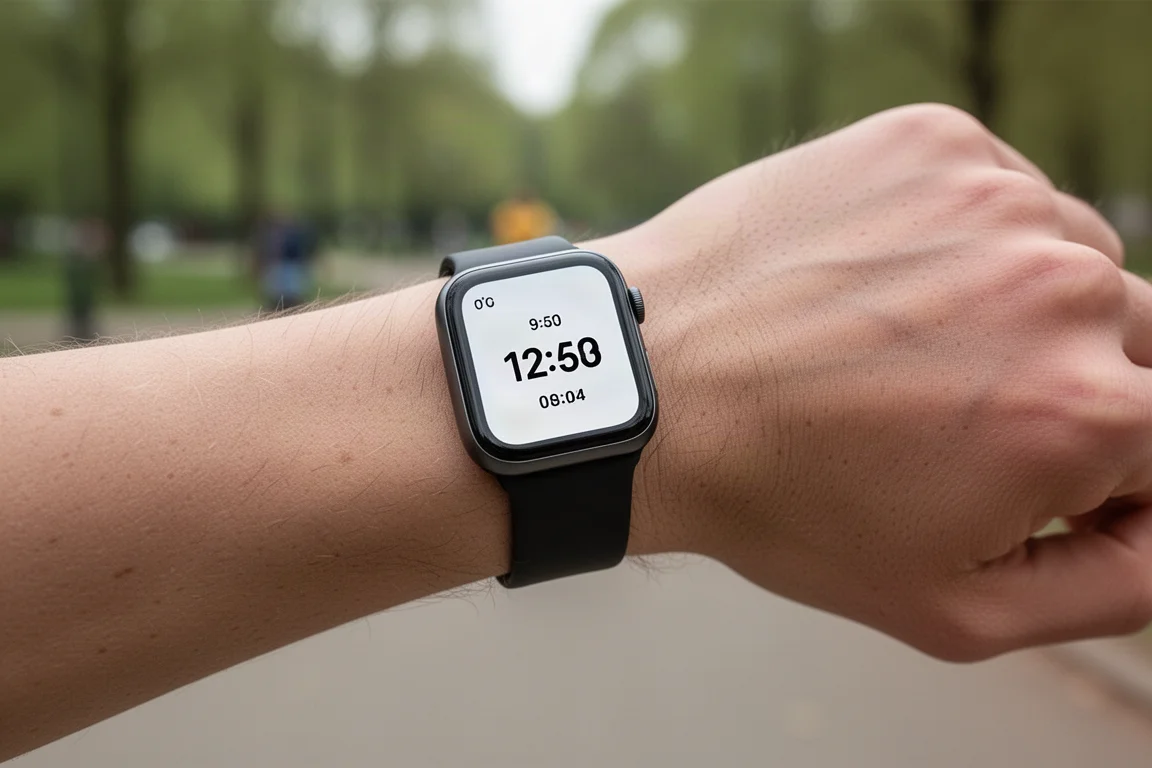
The display is the compromise. The small screen is bright and easy to read but cannot show many stats at once, so you are better off limiting it to one or two priority numbers. Optical heart rate performed well for an optical sensor, closely tracking a chest strap on averages and max values. Overall verdict: it will happily cover races up to marathon distance, but it is not the first choice as a dedicated running or racing watch.
Garmin Forerunner 970: The Benchmark Running Watch
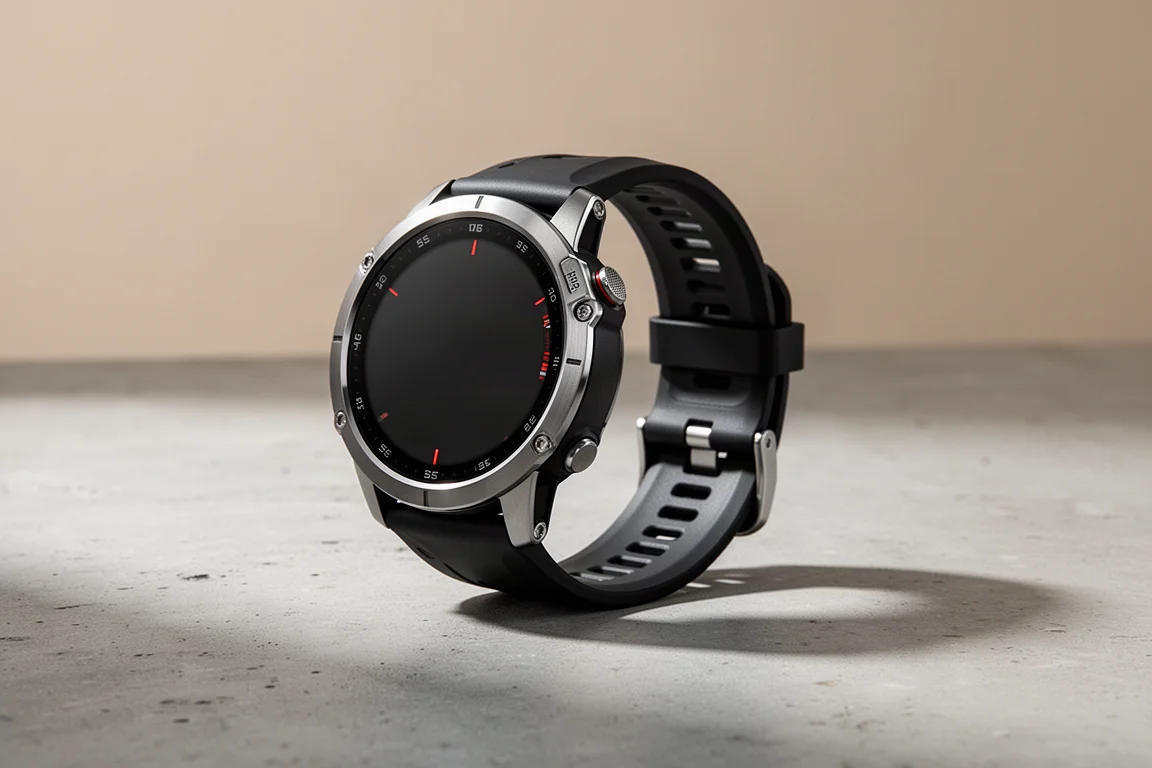
The Forerunner 970 wore the comparison bib, and over this race it showed why dedicated running watches still have a strong case. Battery drain was just 5 percent for the 1 hour 20 effort, against 17 percent on the Pixel Watch 4, with max accuracy GPS and always-on display on both.
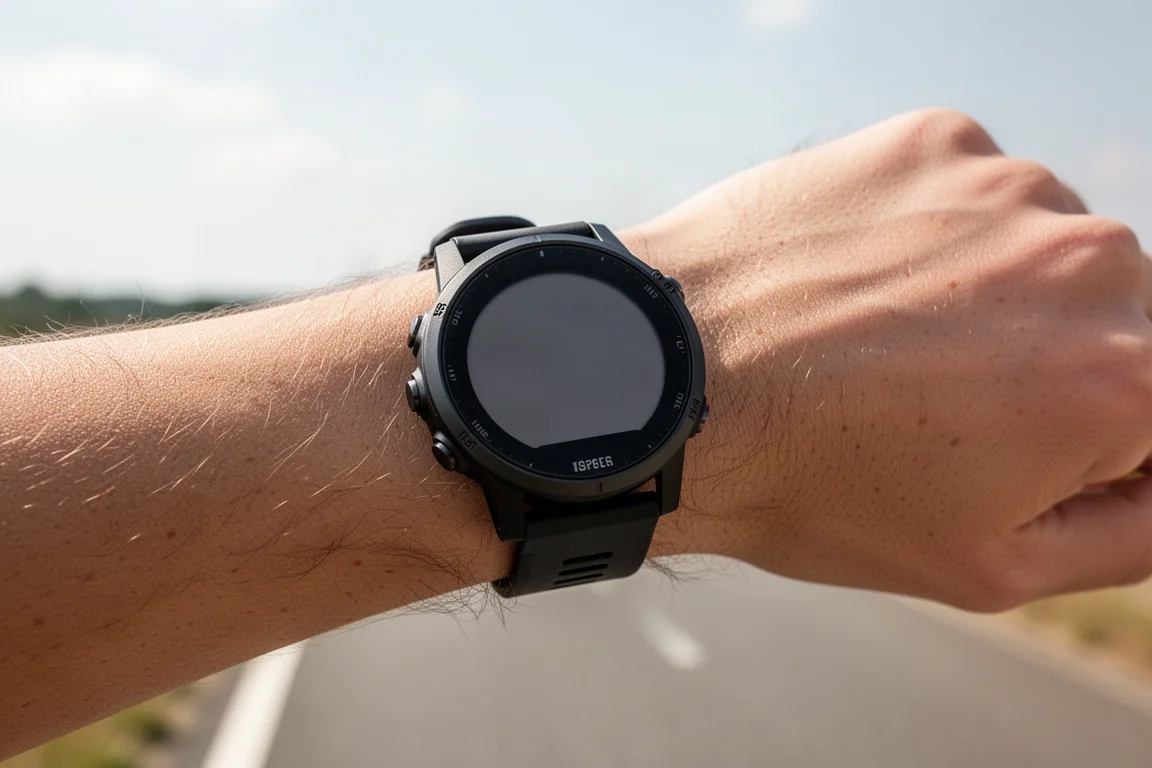
GPS distance came in at 13.05 miles, closely matching the course, with mile markers hit accurately and tight, consistent tracks compared with the more spread-out Pixel Watch plotting. Real-time pacing stayed reliable throughout, which made it the more dependable pacer on the day. One small annoyance: an auto track-detection feature kept triggering when passing a nearby running track, worth remembering to switch off before a race. On capability, this remains the far superior racing option between the two watches tested here.
Overall Buying Advice
If you want maximum performance on a dry race day and the price does not put you off, the Adizero Pro Evo 2 is a superb, leg-sparing super shoe, but most runners will get similar results from cheaper carbon racers, and anyone racing in unpredictable weather should look elsewhere. Between the watches, the Pixel Watch 4 is a capable and efficient smartwatch for runners who want one device for everything, while the Forerunner 970 is the better pick if racing performance, battery efficiency and GPS consistency come first.
Conclusion
Three products, one race, and a clear picture: the Pro Evo 2 is fast, light and comfortable but expensive with unreliable wet grip; the Pixel Watch 4 offers strong smartwatch battery life and good GPS accuracy with a small screen; and the Forerunner 970 remains the most complete racing watch of the three. Match your pick to your priorities and your budget, and all three can earn a place on race day.
Further reading
Related Reviews
Running Gear
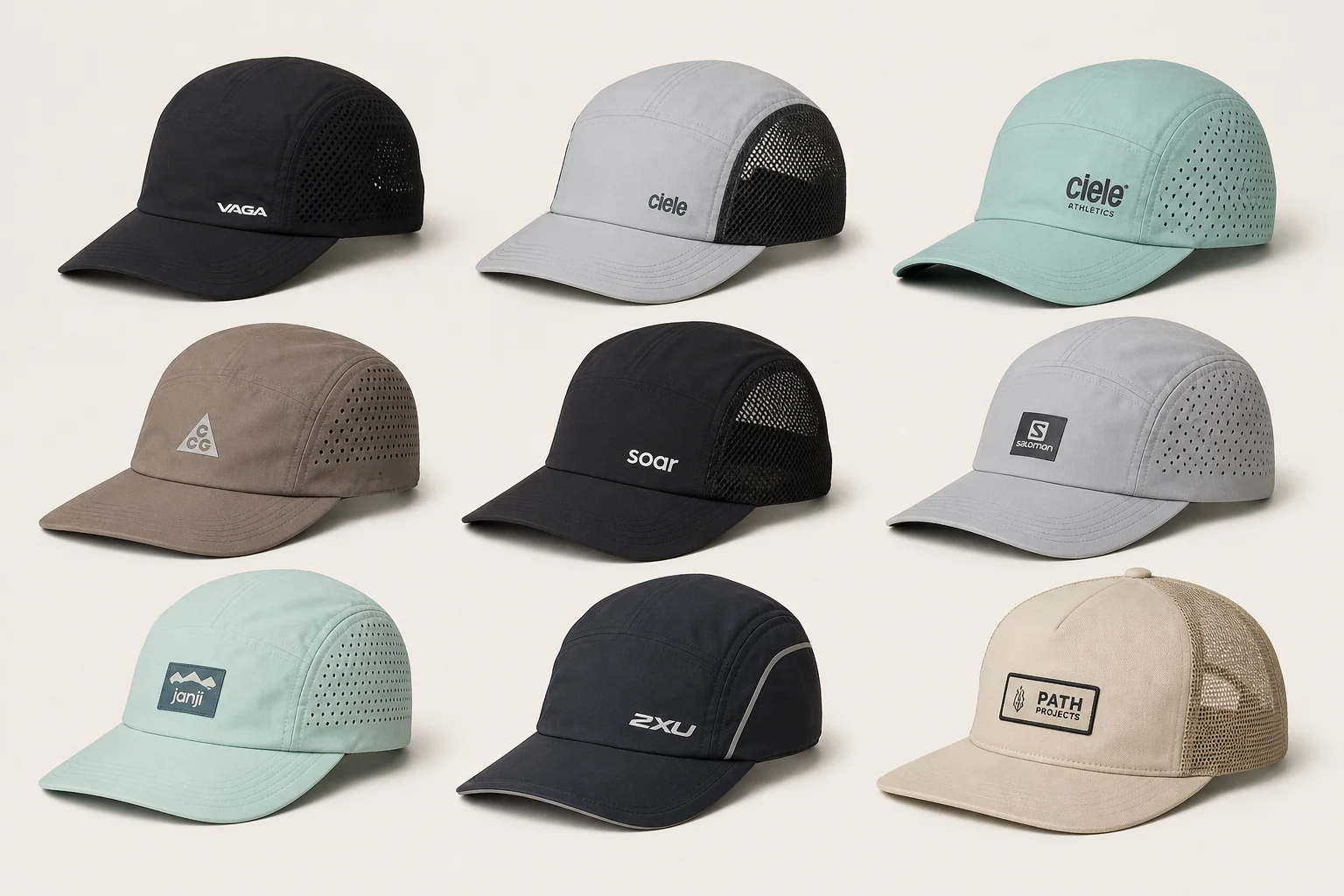
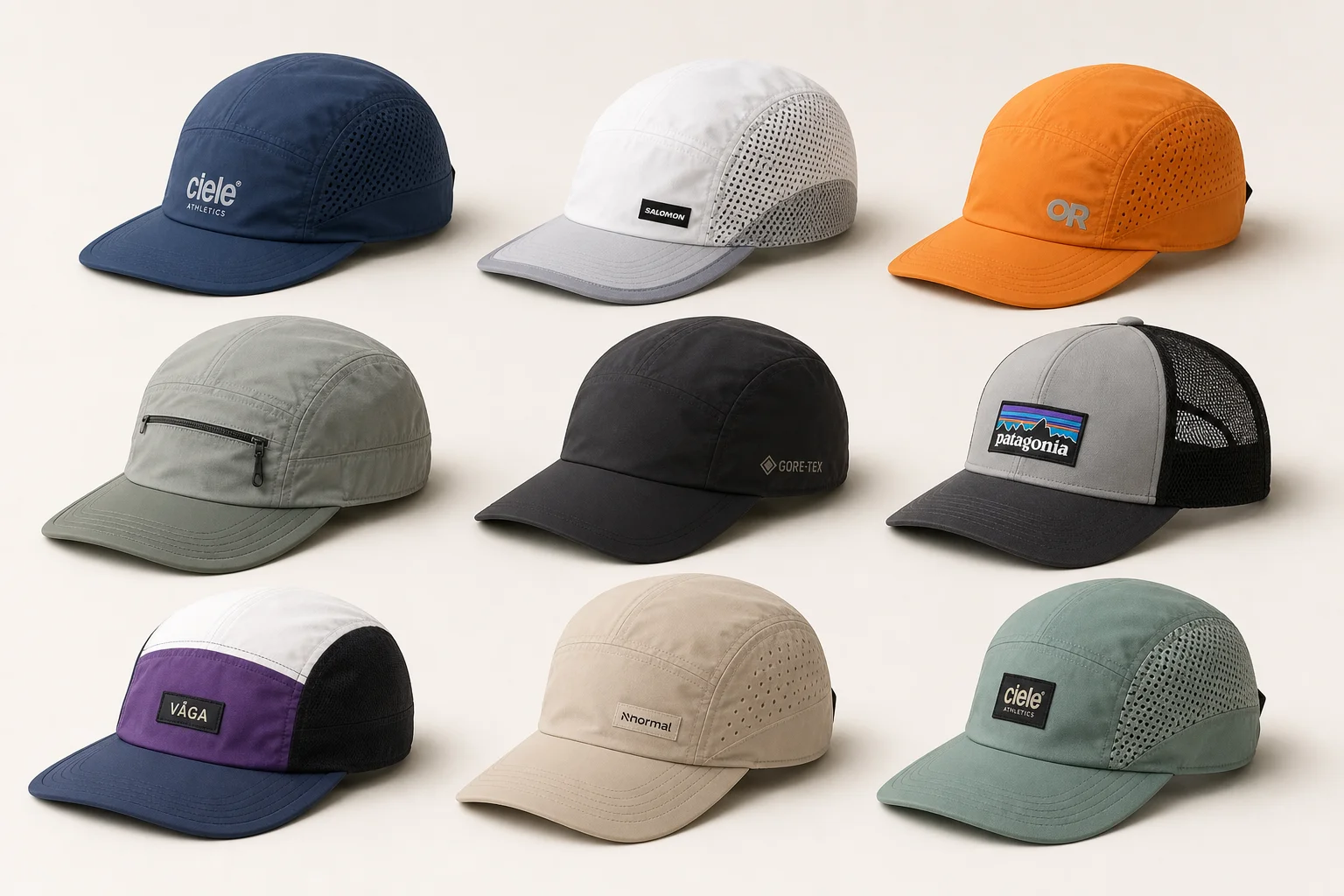
Best Running Caps 2026: Nine Tested Options for Summer and Winter
A comprehensive guide to nine running caps tested across different conditions, from lightweight summer options to waterproof winter choices.
Running Gear
Best Running Caps: A Guide to Summer and Winter Options
A comprehensive review of nine running caps for different conditions, styles, and preferences, from lightweight summer options to waterproof winter choices.
Running Gear
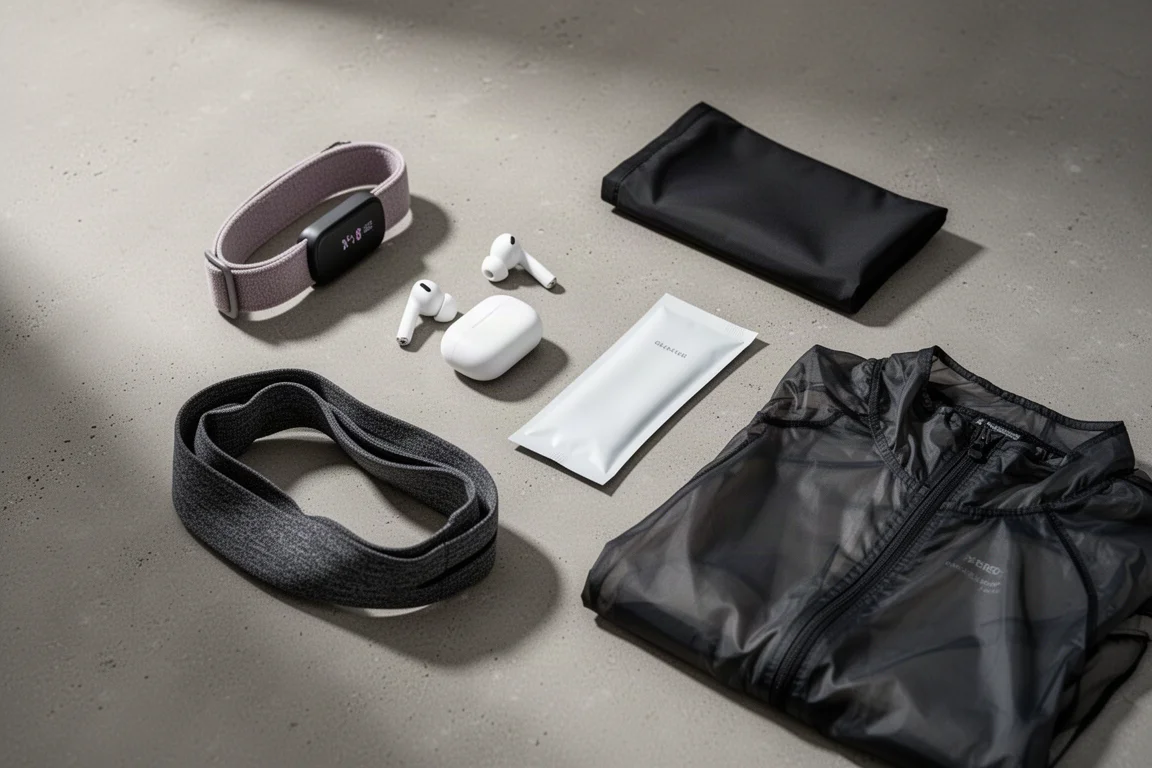
Best Running Gear 2026: Five Picks That Earn Their Place
Five running upgrades covering heart rate, audio, fuelling, carrying and weather protection, with the trade-offs worth knowing before you buy.