Flashlights
Acebeam T35 vs E20: Two New Flashlights Reviewed Through a Five-Point Inspection
A close look at two new Acebeam flashlights across hardware, beam profile, versatility, UI, and value, where one clearly outshines the other.
Introduction
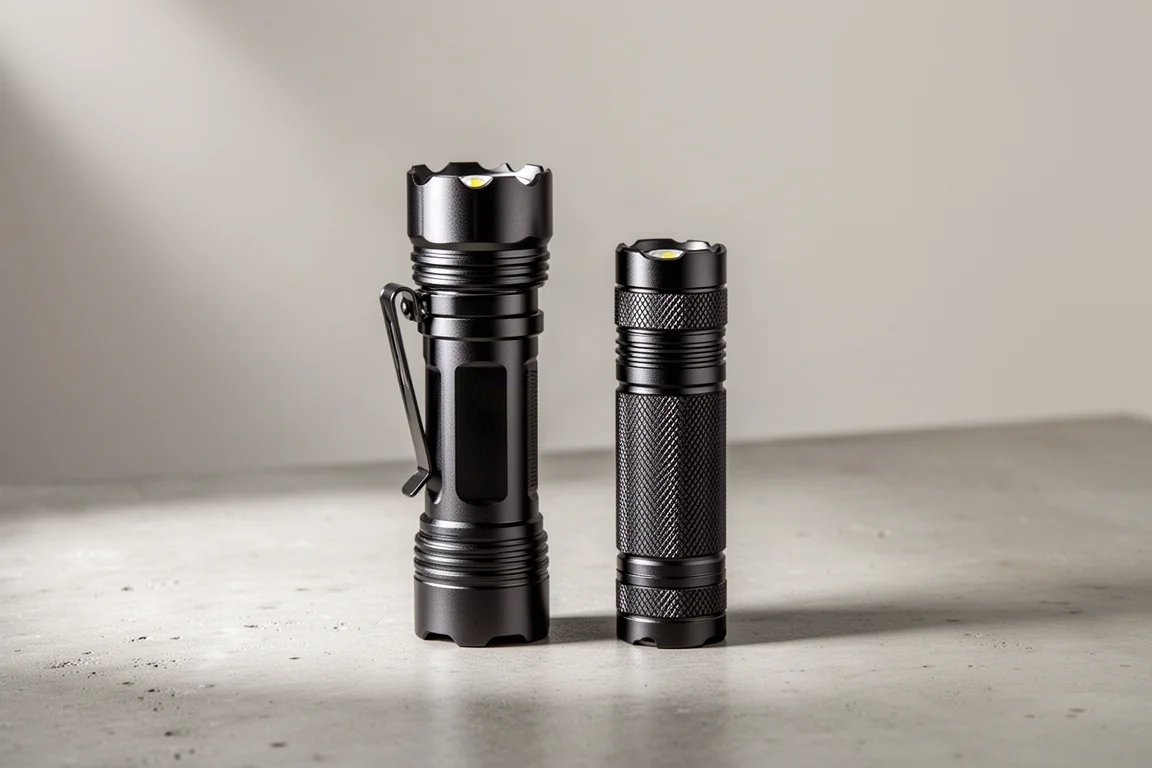
Acebeam has released two new flashlights that sit in similar territory but land in very different places. The T35 is a larger light aimed at a tactical, defensive style of use, while the E20 is a compact powerhouse that gets almost everything right. To compare them fairly, this review breaks each light down across five points: hardware, beam profile, versatility, UI, and value.
The Five-Point Inspection
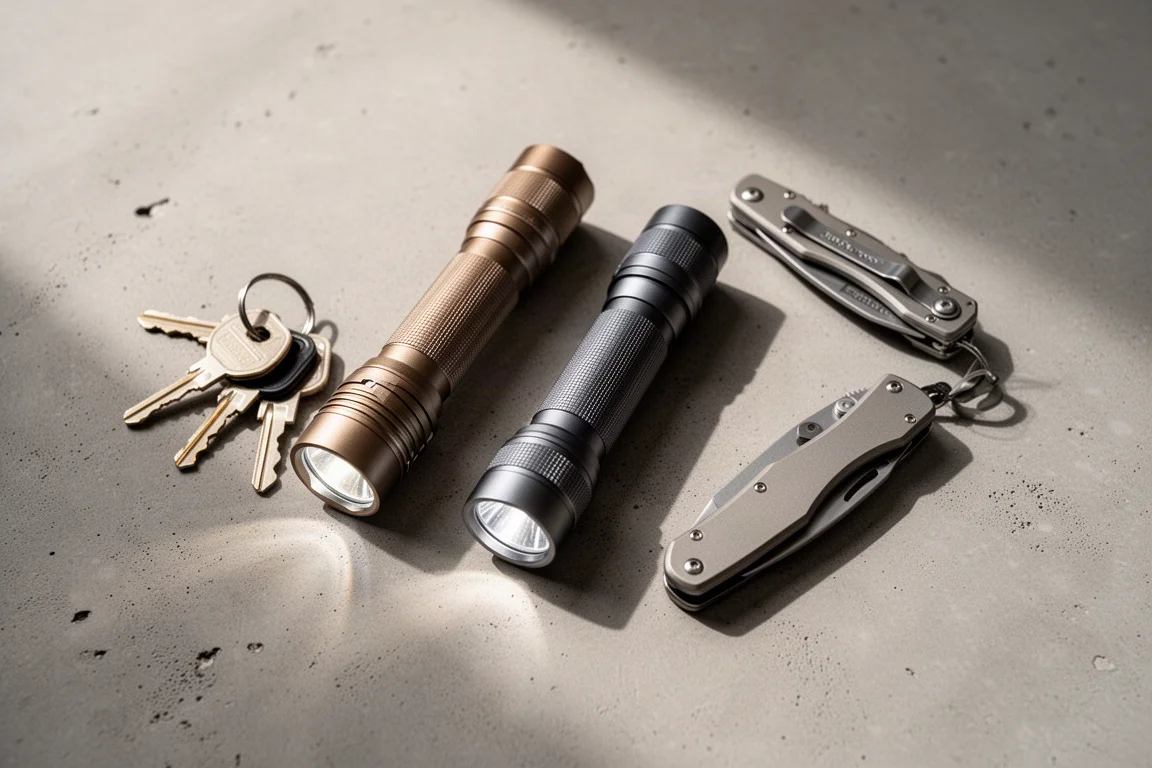
Hardware covers build quality, switches, clips, waterproofing, and charging. Beam profile looks at output, candela, and how the light actually performs in the contexts it was designed for. Versatility considers hands-free use, moonlight access, and extras like auxiliary emitters. UI examines how modes are accessed and whether the interface respects the user. Value asks the simple question: how much are you getting for your money?
Acebeam T35: Close, But Not Quite
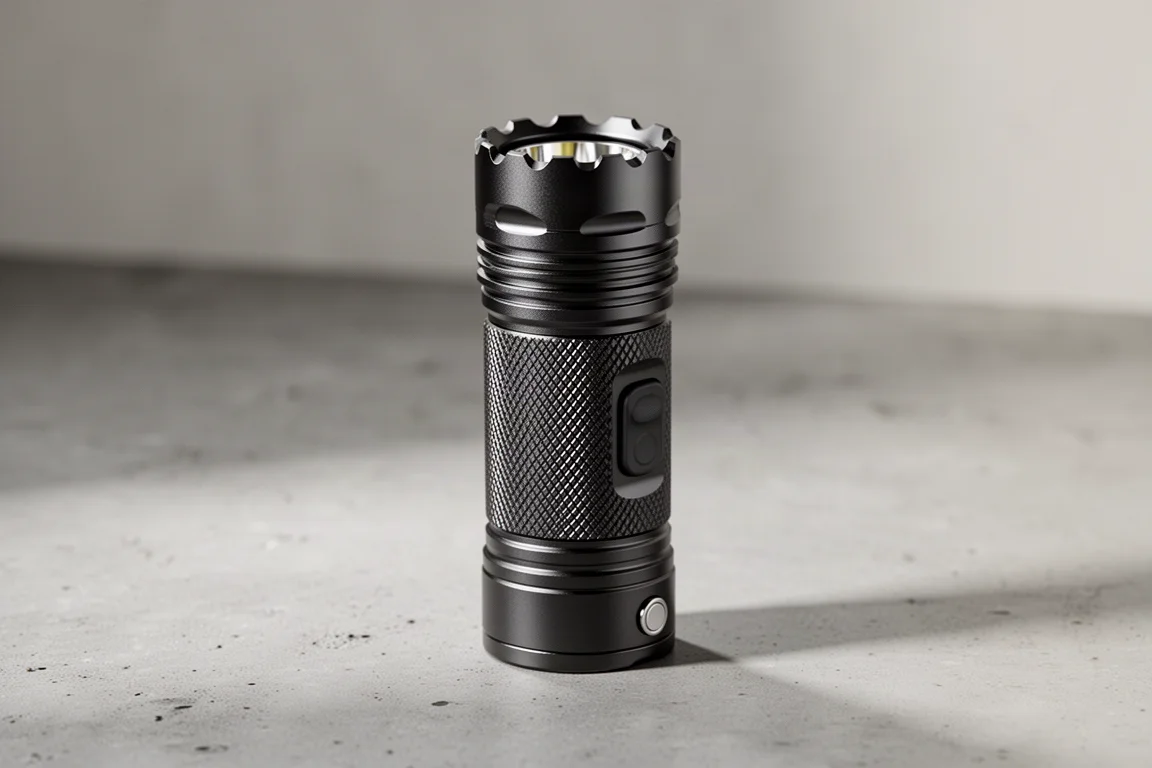
The T35 has decent hardware with a few notable points. The pocket clip is excellent but not reversible, a missed opportunity since a mirrored mounting position would cost almost nothing to mill and would allow cap-attached hands-free use. The crenulated bezel and mineral glass lens are good, and there are a couple of emitter options, one of which is clearly better than the other.
The switch is the weak point. It is both short-pressed and easy to press, a bad combination for a button that stands proud of the frame. Either a harder press, protective fins, or a tail-standing design would fix it. It cannot tail stand. On the plus side, it has a USB-C port and IP68 waterproofing, which is exactly what you want to see. Hardware lands at a three out of five.
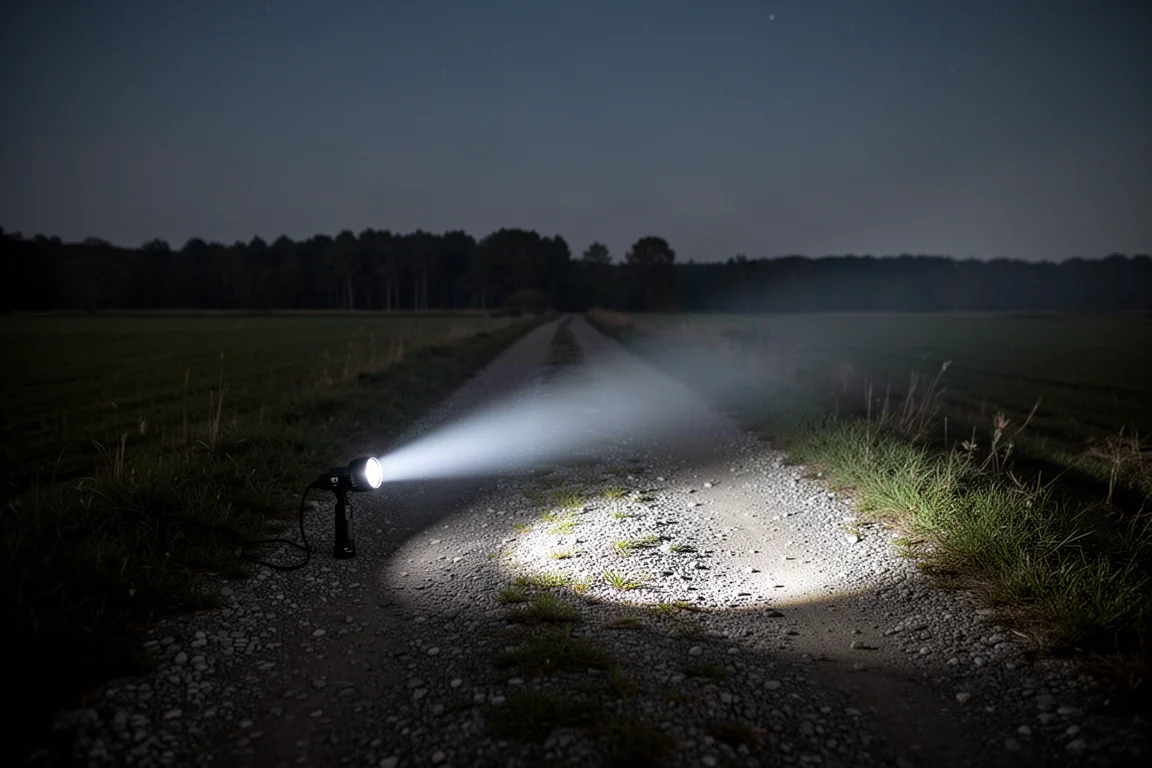
On beam profile, the T35 leans tactical. The neutral white 1,600-lumen version is not the one to buy; the cool white variant makes far more sense for maximum output. The 1,900-lumen variant reaches 36,000 candela, running at full turbo for about a minute before dropping to 800 lumens. At that high mode it lasts an hour and 35 minutes with 13,000 candela. It is more of a thrower, and not great up close, though the beam does match the light’s defensive intent.
Versatility is low. It cannot tail stand, the clip does not reverse, and moonlight is not accessible from the off position, scoring a two out of five. The UI is better than its reputation suggests but still flawed. There is a classic stepped interface with mode memory, plus a standby mode with a green indicator that unlocks moonlight by holding the switch, an awkwardly buried feature. The saving grace is Attack Mode: hold the side switch and press the tail, and the tail switch always comes on in turbo without memorizing anything else. That works well for its designed purpose, so the UI gets a three out of five.
At roughly $60 to $70, the value is average. Lights like the ThruNite TN12 Pro at $30 to $40 offer similar construction, a better tail switch, and a reversible clip. In this style category, the T35 is not the most competitive pick.
Acebeam E20: The Stronger All-Round Package
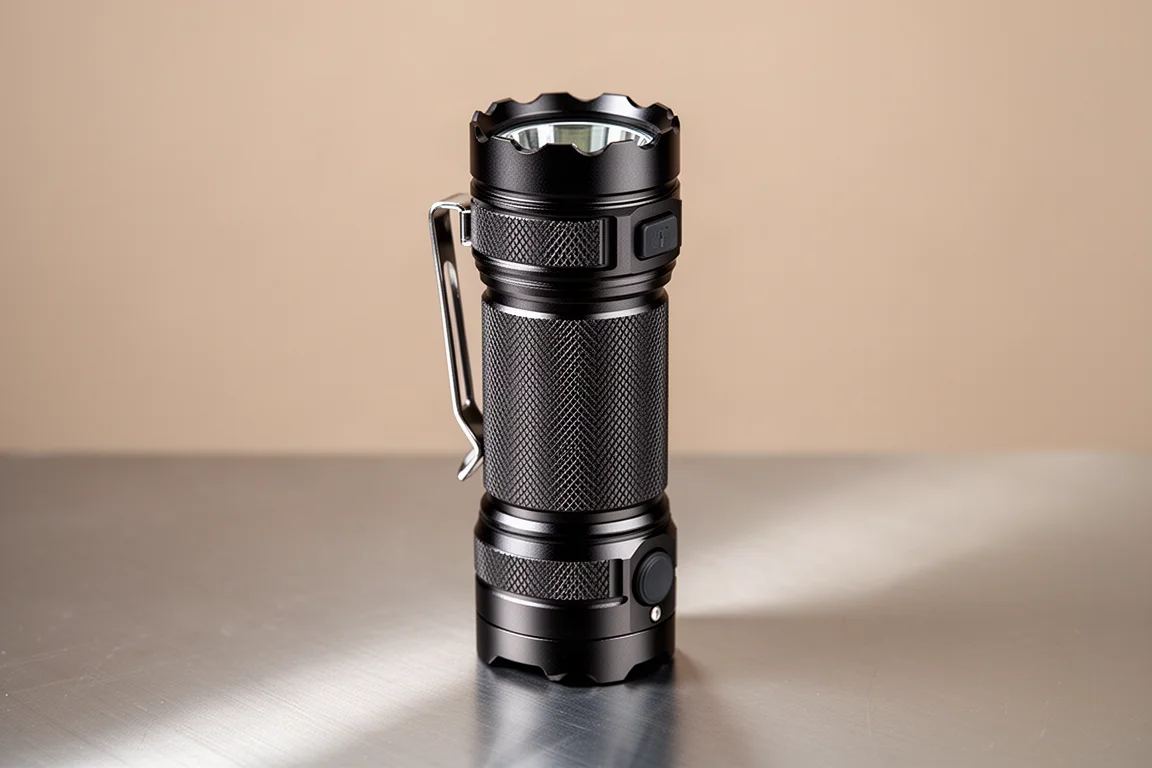
The E20 is a different story. The hardware is genuinely impressive, with a very grippy texture, a nice crenulated bezel, and a recessed switch that stands a little proud, though a firmer press would reduce the chance of accidental activation. The magnetic tail is very strong, enough to hold the light even horizontally, and the clip is strong, though not reversible. Fix the switch and add a reversible clip, and this would be a five. As it stands, hardware scores four out of five.
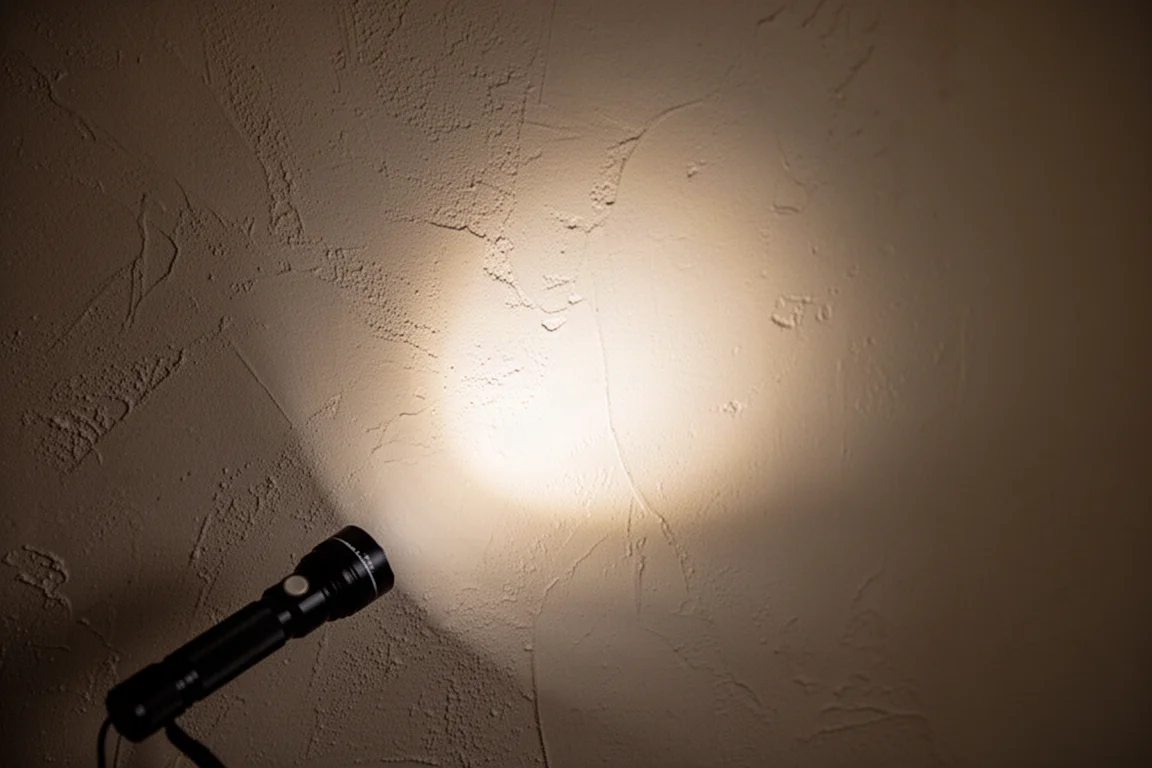
The beam profile depends heavily on the emitter. The Nichia 519A 5000K option is warm, crisp, and high CRI, and still manages 18,000 candela from a 1,900-lumen burst that runs for 35 seconds before dropping to 470 lumens. The SFT-25R option is astonishingly bright, delivering 34,000 candela from 2,500 lumens, nearly twice the output of comparable compact lights in both lumens and candela. That concentration is excellent for defensive use but too intense within about five feet, even on moonlight, in close-range tasks. Speaking of moonlight, one lumen here is genuinely usable, well judged rather than the overly bright low modes some lights ship with. There is no tail switch, but the hardware is massively advanced compared to much of the market.
Versatility scores four out of five. The red, green, and blue auxiliary emitters, the strong magnetic tail, and the well-balanced feature set all add up. Hands-free use beyond the magnet is the only gap; with a reversible clip it would be a five.
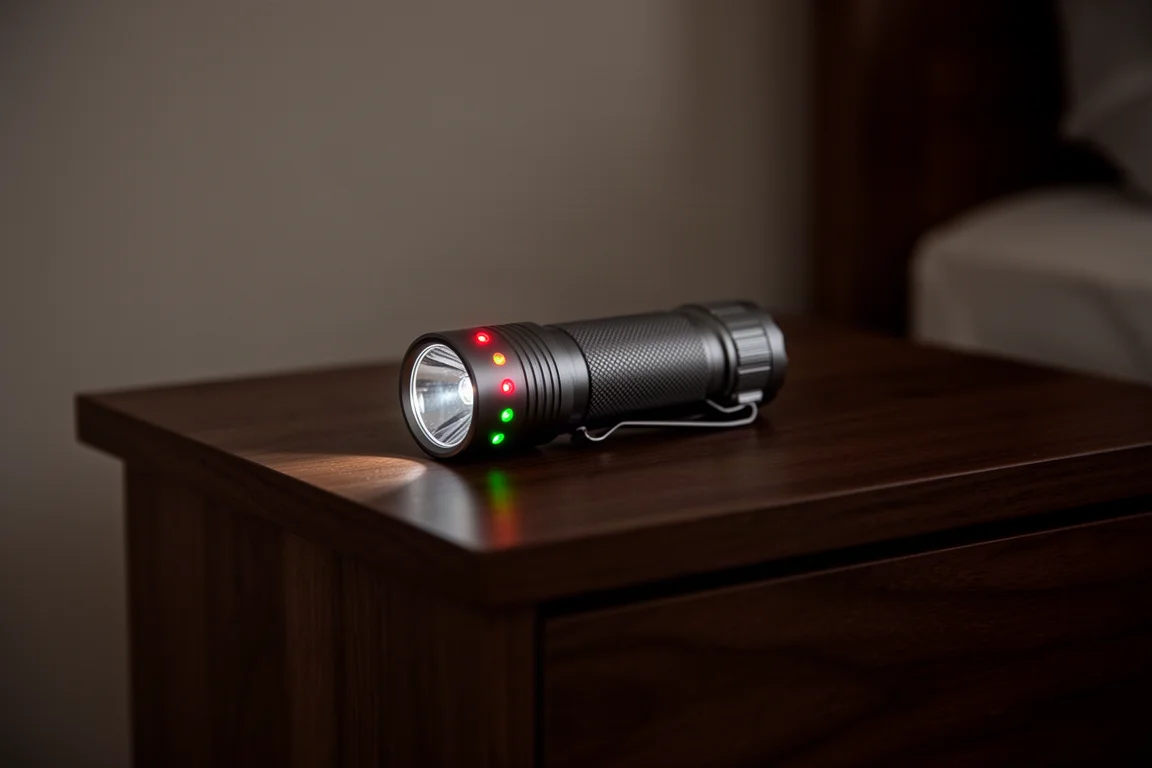
The UI is practically perfect. Three mode groups, a conventional stepped interface with hold for moonlight, double press for turbo, and triple press for strobe. Lockout works cleanly: hold through the auxiliary cycle to a blink, and the long unlock delay prevents accidental activation. Holding to red, releasing, then holding again cycles through the colored auxiliary modes, which can be left running on a side table for weeks of runtime, making the light easy to find at night. Five out of five.
Final Verdict: Which One Deserves Your Money
The E20 is priced around $70, a little premium, but given the competition and the emitters on offer, particularly the SFT-25R, it is at least par for the course, arguably closer to four stars than three. The only thing holding it back is the missing reversible clip and tail switch; a version with those additions would be an easy daily carry.
The T35 is the weaker of the two: competent hardware with real flaws in the switch, low versatility, and a UI that works only when paired with Attack Mode. It is close, but not competitive in its category. The E20, by contrast, gets almost everything right. If Acebeam ever adds a tail switch to this format, it would be an instant recommendation.
Conclusion
Between the two, the E20 is the clear winner: outstanding output, a refined UI, useful auxiliary emitters, and strong hardware, held back only by minor clip and switch nitpicks. The T35 has its moments, especially with Attack Mode, but misses on switch design, versatility, and value. Choose the E20 if you want the better all-round performer.
Further reading
Related Reviews
Flashlights
Best Flashlights 2026: Brightness, Battery, and Value Compared
We tested 18 flashlights across a wide price range to find the best performers in brightness, battery life, and durability.
Flashlights
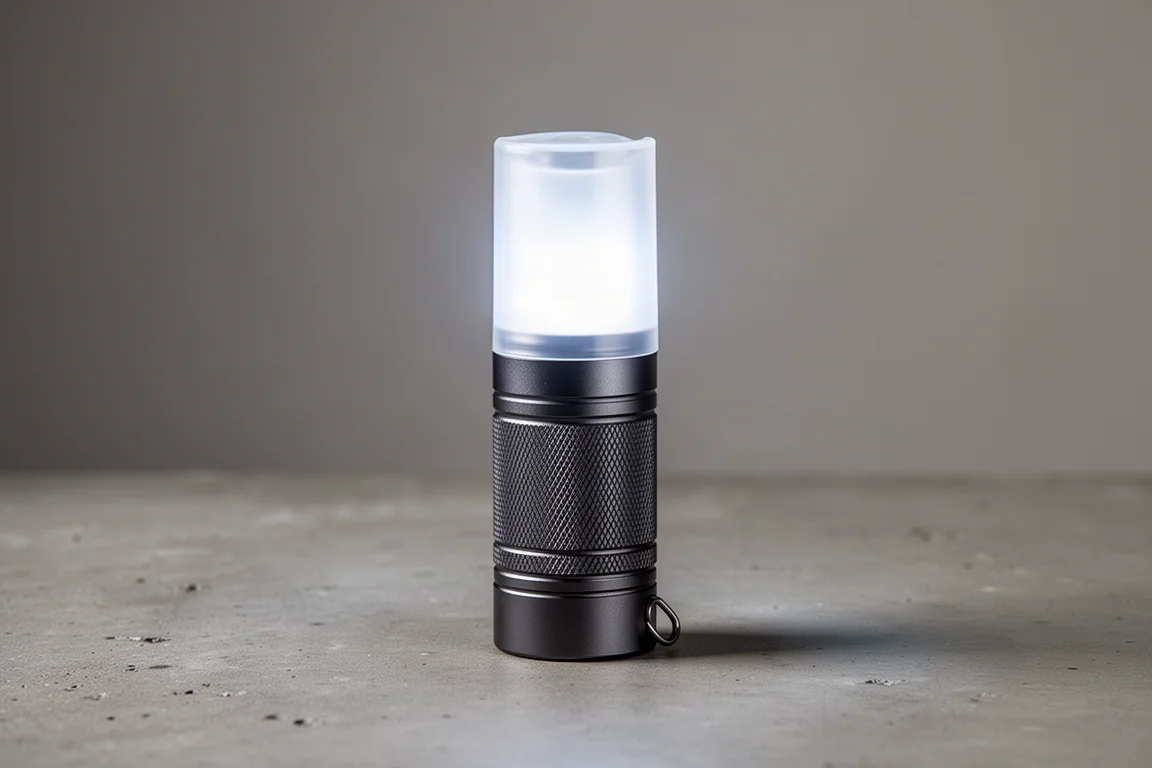
Nitecore LA10 Review: A Tiny 2-in-1 Lantern That Nails the Basics
The Nitecore LA10 pairs a pocket-sized lantern with a single AA battery, a magnetic tail cap and a five-year warranty. Here is where it shines and where it struggles.
Flashlights
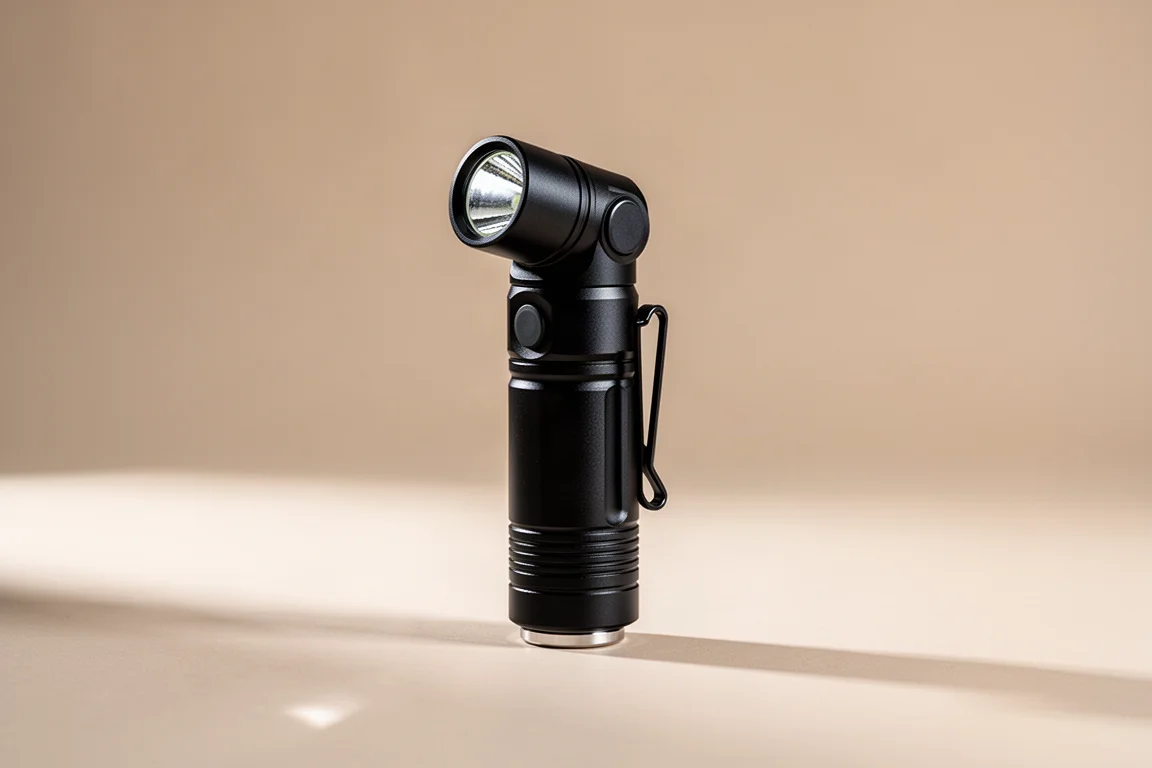
Wuben G5 Review: A Compact Everyday Carry Flashlight
The Wuben G5 is a small, rechargeable flashlight with a pivoting head, magnetic base, and color modes. Here is how it performs as an everyday carry light.