Flashlights
AceBeam E75 vs Olight Seeker 3 Pro: Which 21700 EDC Flashlight Wins?
Two closely matched quad-emitter flashlights go head to head on output, emitters, batteries, controls, and runtime efficiency.
Introduction
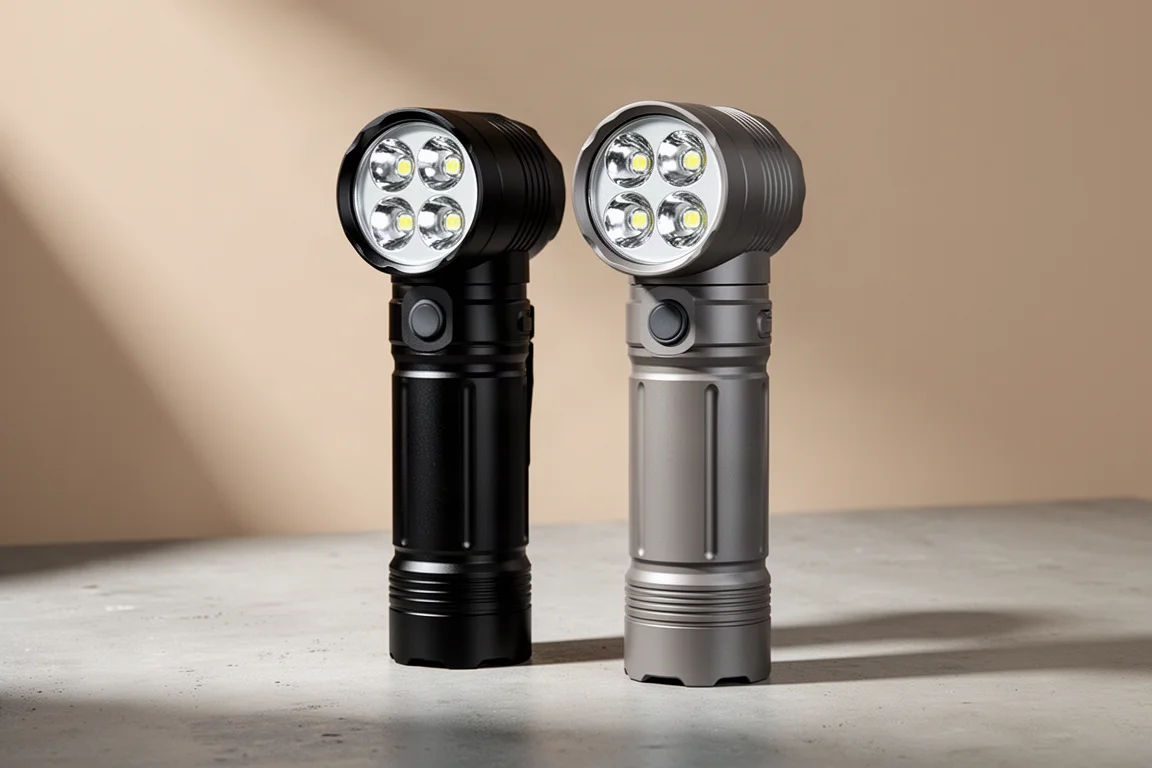
Few flashlights are as directly comparable as the AceBeam E75 and the Olight Seeker 3 Pro. Both are quad-emitter lights with very floody beams, both run a 21700 battery, and both sit in the same general price territory. That makes this a genuinely fun showdown: can the newer AceBeam light go into Olight’s home turf and beat it at its own game? After comparing them feature by feature, the short answer is that the E75 comes out ahead in most categories, with a few important Olight advantages worth knowing about before you buy.
Beam, Output, and Emitter Quality
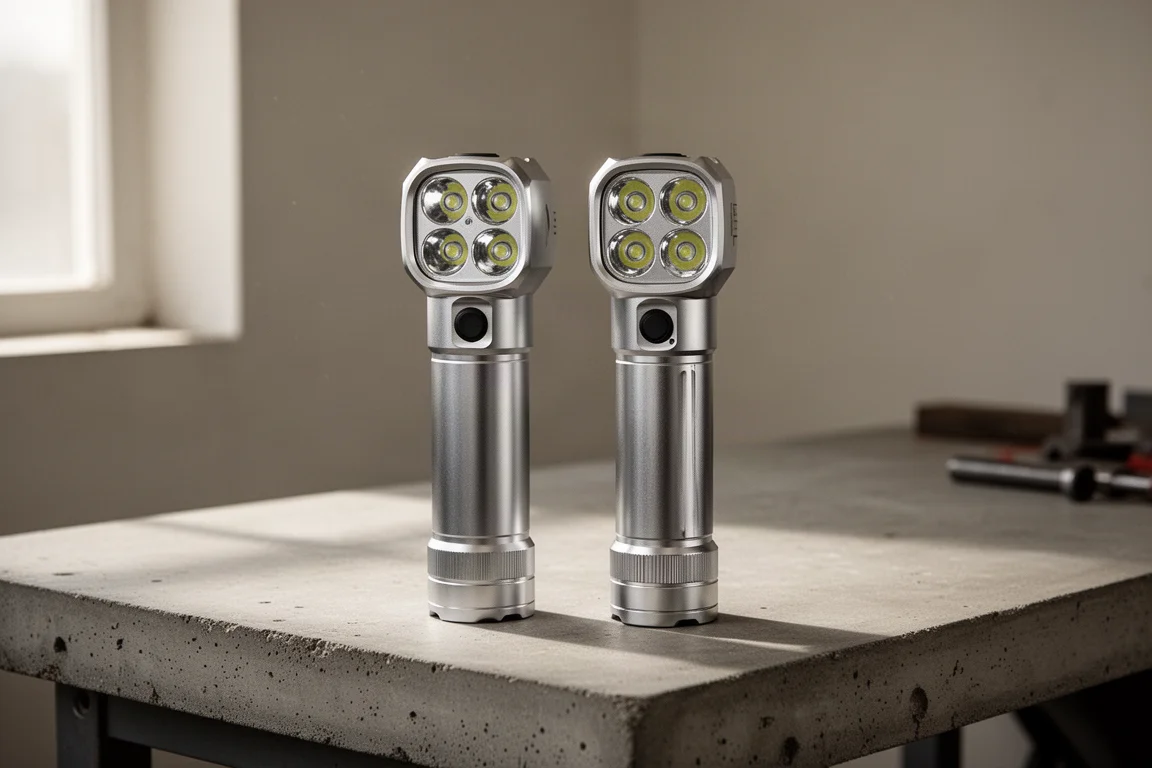
Both lights use quad emitters with a strongly floody beam, which is exactly what you want from a large house or area light. On peak output, the Seeker 3 Pro reaches up to around 4,500 lumens in its top configuration, and the E75 can also reach that figure in its standard version. The version of the E75 worth highlighting, however, runs 3,000 lumens with a high CRI emitter, and having that option is a huge benefit. True color rendering in a floody light makes a noticeable difference indoors.
That emitter flexibility is one of the clearest advantages for the AceBeam. Olight’s so-called neutral white sits in an awkward middle ground, and a true high CRI option or a return to the cool white Olight is well known for would make the Seeker far more competitive.
Price and Availability
On pricing, the two lights are close to a wash. The E75 currently sits around $100 with coupons or through various Amazon listings. The Seeker 3 Pro is typically around $135 to $140, but it is regularly on sale on Olight’s own store, often dropping to roughly the same $100 territory. If you watch for a sale, the value gap essentially closes, so this category rarely decides the purchase on its own.
Battery and Charging
Both lights use a 5,000 mAh 21700 battery, but there is a meaningful difference in how they handle it. The Seeker 3 Pro’s cell is proprietary and cannot be swapped for any other 21700. The E75 accepts any standard 21700, which makes it far more flexible long term. The one exception: if you are already heavily invested in Olight’s magnetic charging ecosystem, the proprietary route may actually work in your favor.
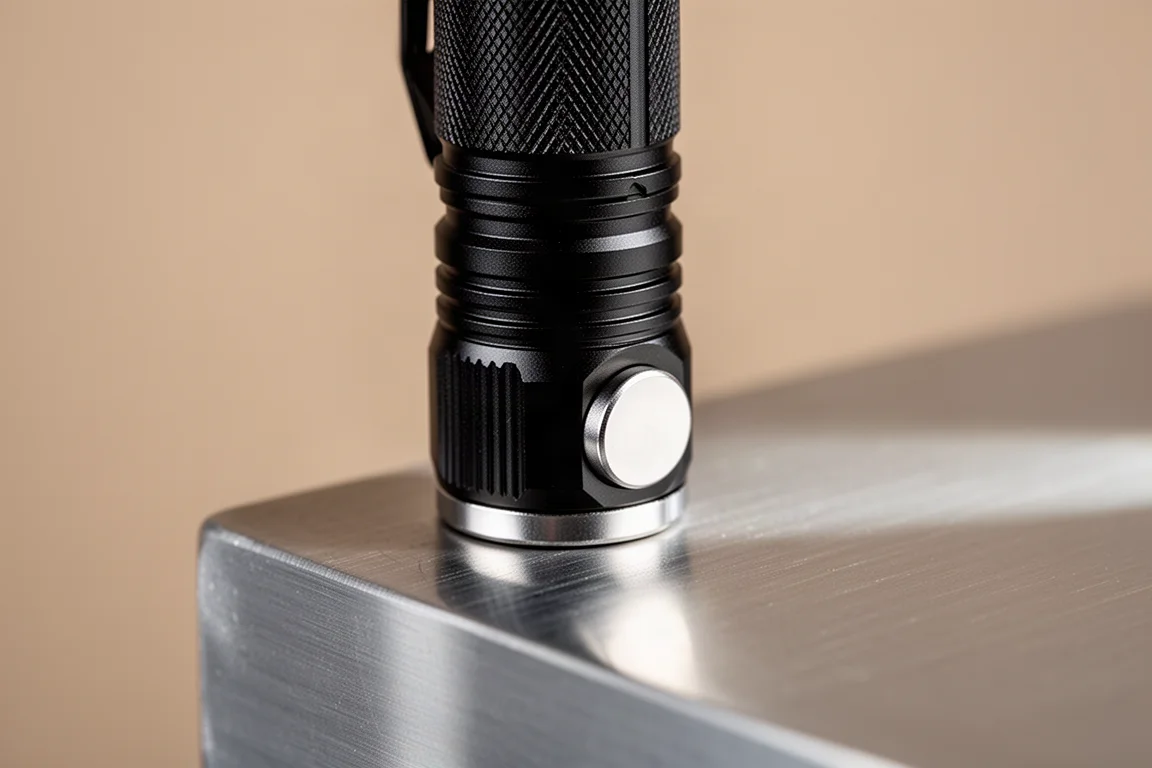
Speaking of the tail, the E75’s magnetic tail cap is genuinely impressive. It is strong enough to hold the light upright on metal surfaces without slipping, though that strength means you should keep it away from anything magnets can disturb. The Seeker’s magnet, by contrast, struggles to hold the light up in the same situation. Another point to AceBeam.
Controls and Everyday Usability
This is a matter of taste, but for many buyers the E75 wins it. The Seeker 3 Pro uses a rotating dial that must be turned before the switch will activate. It doubles as a battery and output indicator, and once active you get continuous output adjustment from 5 lumens upward. That sounds nice on paper, but the added mechanism feels like something that can eventually break.
The E75 keeps things simple with a single button, and even when the light is off, a double press goes straight to Turbo. That simplicity also matters for a household light. If someone other than you needs to use it, a quick explanation is enough; on the Seeker, they have to rotate, then click, and then adjust, which becomes an issue the moment anyone forgets the sequence.
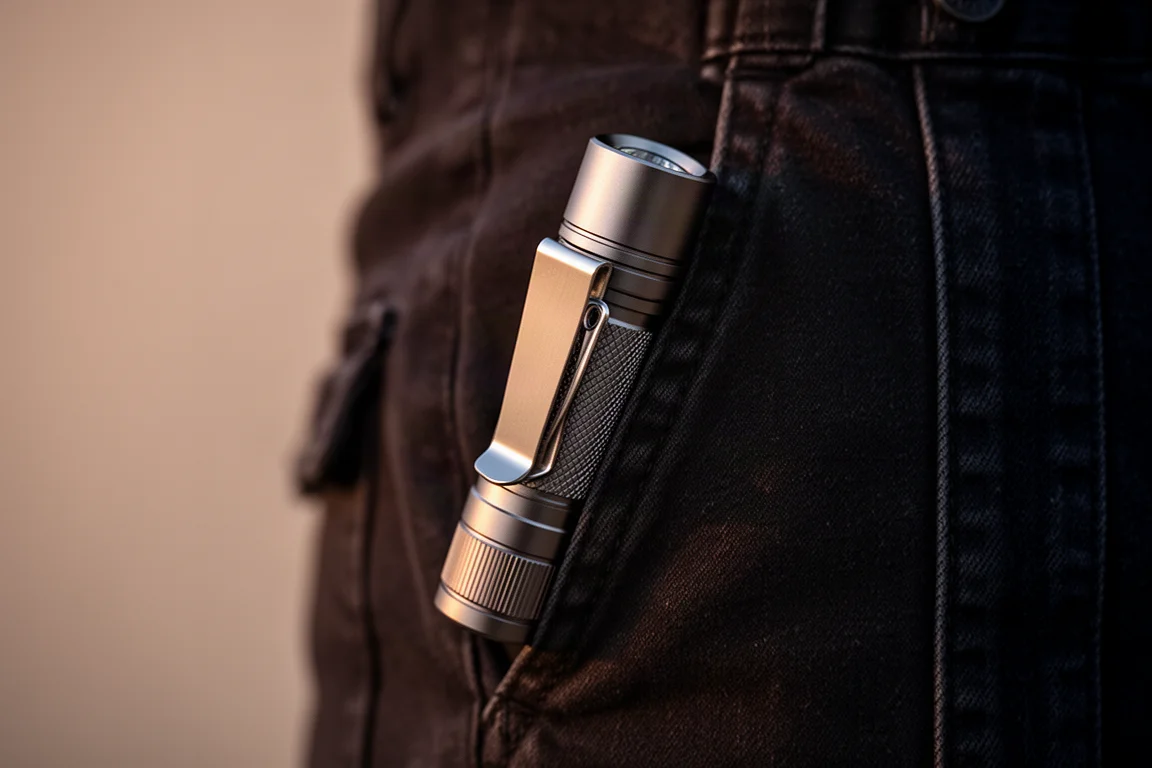
The Seeker ships without a pocket clip, while the E75 includes a genuinely well-executed one. It mounts at the front so the light slides into a pocket with very little metal exposed, meaning it is less likely to catch on things. Not a decisive advantage, but a nice one.
Runtime and Heat Management
This is where Olight takes the reins. At any given output level, the Seeker 3 Pro runs with better efficiency and manages heat noticeably better. On maximum output, the Seeker holds high output for two and a half minutes before stepping down to 1,000 lumens, while the E75 lasts about one minute before doing the same. For sustained high-output use, Olight clearly has the edge.
On the low end, though, the tables turn. The E75 offers a 1-lumen ultra-low mode, reachable with a long press, that runs for an astonishing 26 days without turning off. The next step, 30 lumens, runs for two days and 12 hours, which is more than enough for a dark room. Its next mode delivers 16 hours at 150 lumens and 4 hours 40 minutes at 450 lumens.
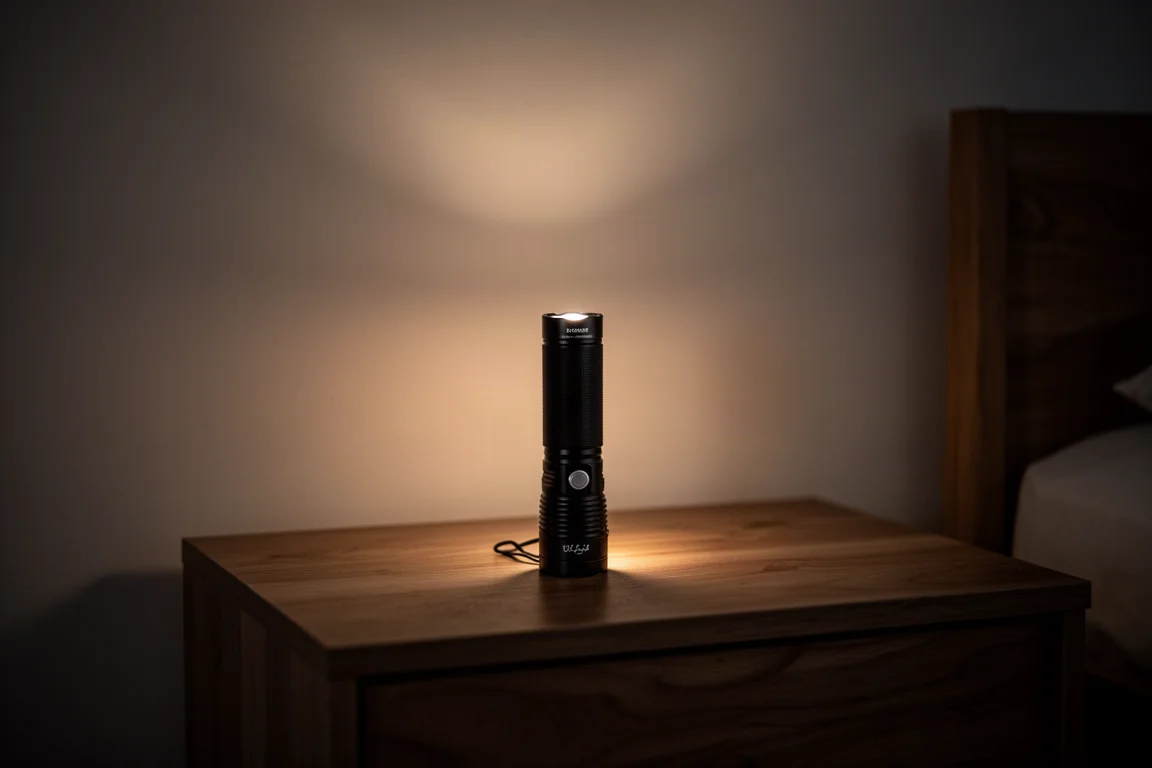
The Seeker’s low modes are 5 lumens, then 55, then around 300. So Olight owns the high-output efficiency, while AceBeam owns the low-mode ladder. Which matters more depends entirely on how you actually use the light.
Buying Advice
The AceBeam E75 has a fairly clear overall advantage in this pairing: a high CRI emitter option, a standard replaceable 21700 cell, a strong magnetic tail, a better pocket clip, simpler controls, and a standardized USB-C charging port that lets you top it up anywhere with any cable. That last detail alone makes it a better travel and everyday companion.
If you are drawn to the Seeker 3 Pro instead, wait for a sale, when it drops to roughly $100. And if superior sustained high-output efficiency and heat management are your priority, Olight’s strengths there are real and worth respecting.
Conclusion
The AceBeam E75 is the stronger all-around pick for most buyers, and it is clearly aimed squarely at one of the industry leaders. Olight retains the crown for high-output runtime efficiency and heat management, so the right choice comes down to whether you value low-mode versatility and charging flexibility or sustained turbo performance. For a house light that anyone in the family can operate and charge anywhere, the E75 is the easier recommendation.
Product link
View more details for AceBeam E75
This product is mentioned in the review. Check the specifications, options, and compatibility before buying.
View more details for AceBeam E75Further reading
Related Reviews
Flashlights
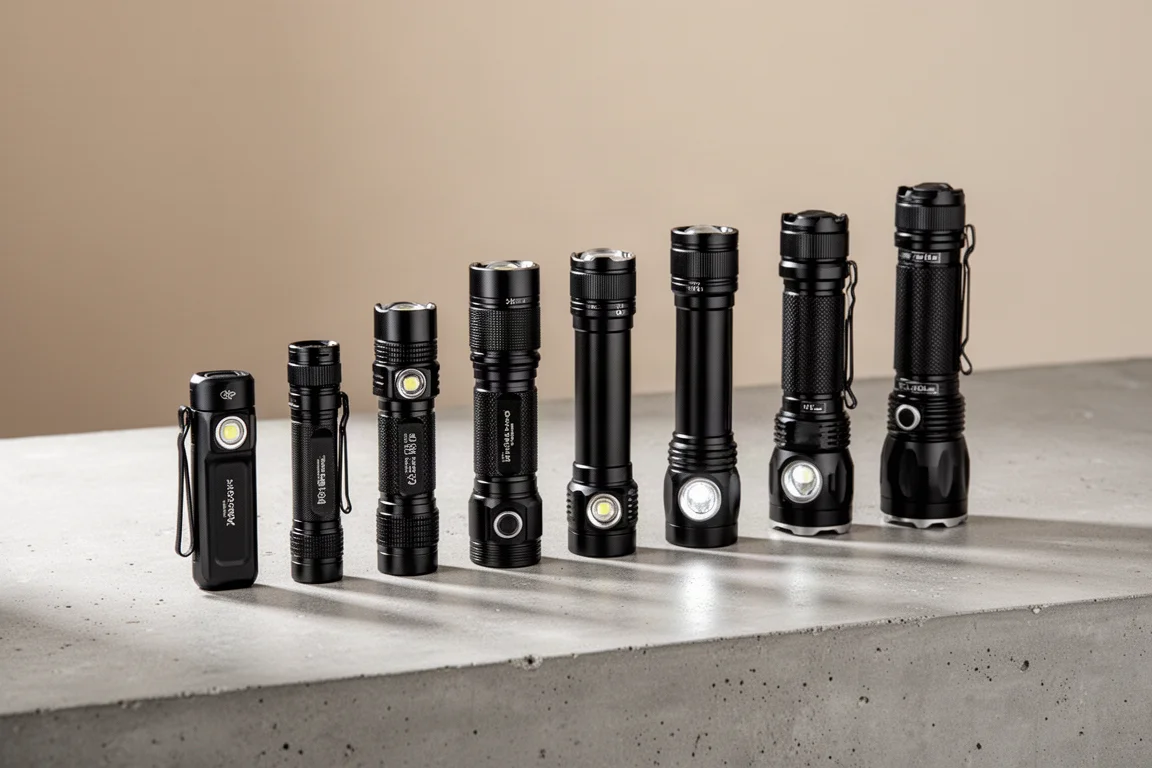
Best Flashlights 2026: Brightness, Battery, and Value Compared
We tested 18 flashlights across a wide price range to find the best performers in brightness, battery life, and durability.
Flashlights
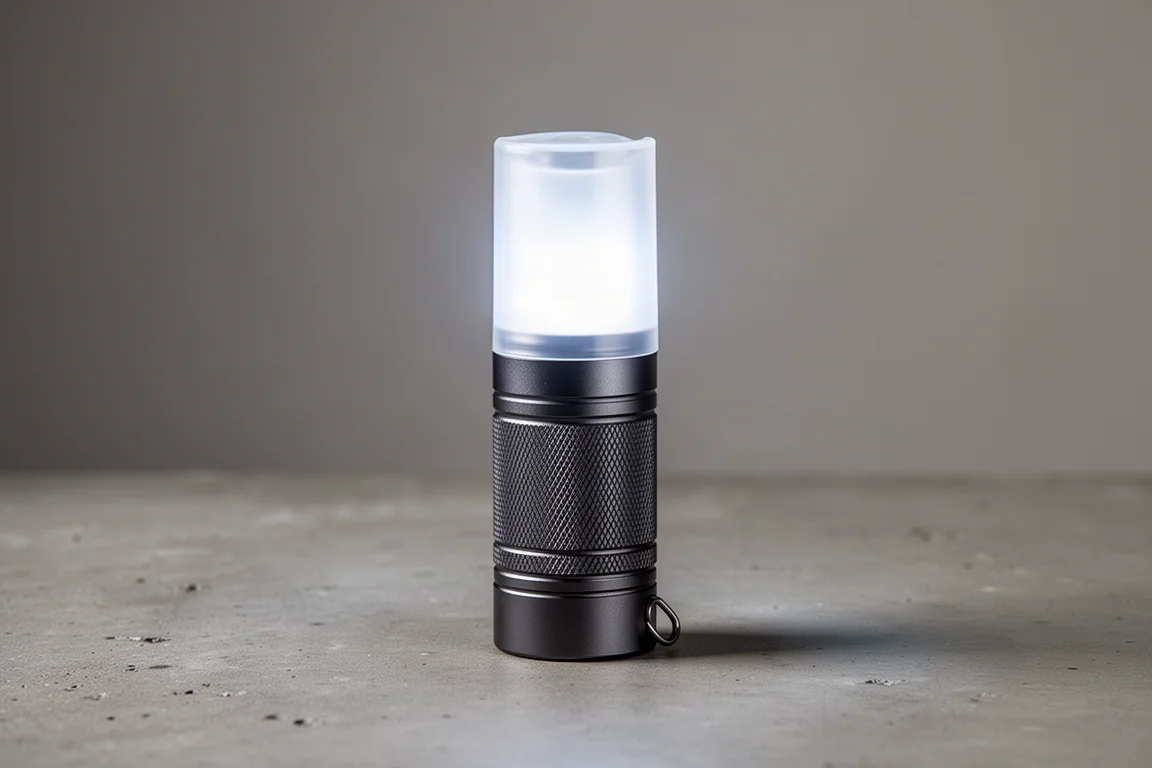
Nitecore LA10 Review: A Tiny 2-in-1 Lantern That Nails the Basics
The Nitecore LA10 pairs a pocket-sized lantern with a single AA battery, a magnetic tail cap and a five-year warranty. Here is where it shines and where it struggles.
Flashlights
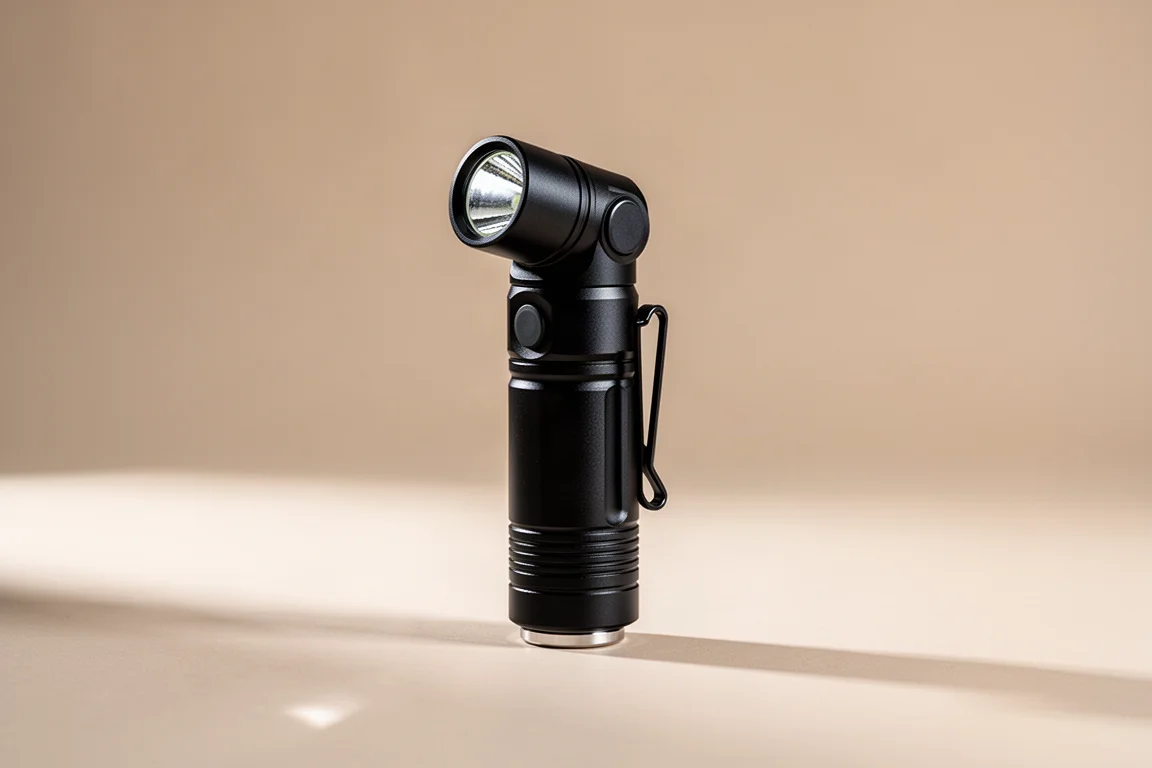
Wuben G5 Review: A Compact Everyday Carry Flashlight
The Wuben G5 is a small, rechargeable flashlight with a pivoting head, magnetic base, and color modes. Here is how it performs as an everyday carry light.