Hand Tools
6-Point vs 12-Point vs Spline Wrenches: Which Design Grip Best on Rounded Fasteners
Head-to-head testing of combination wrenches and sockets across four brands shows a clear winner for slipping and rounding on soft, imperfect fasteners.
Introduction
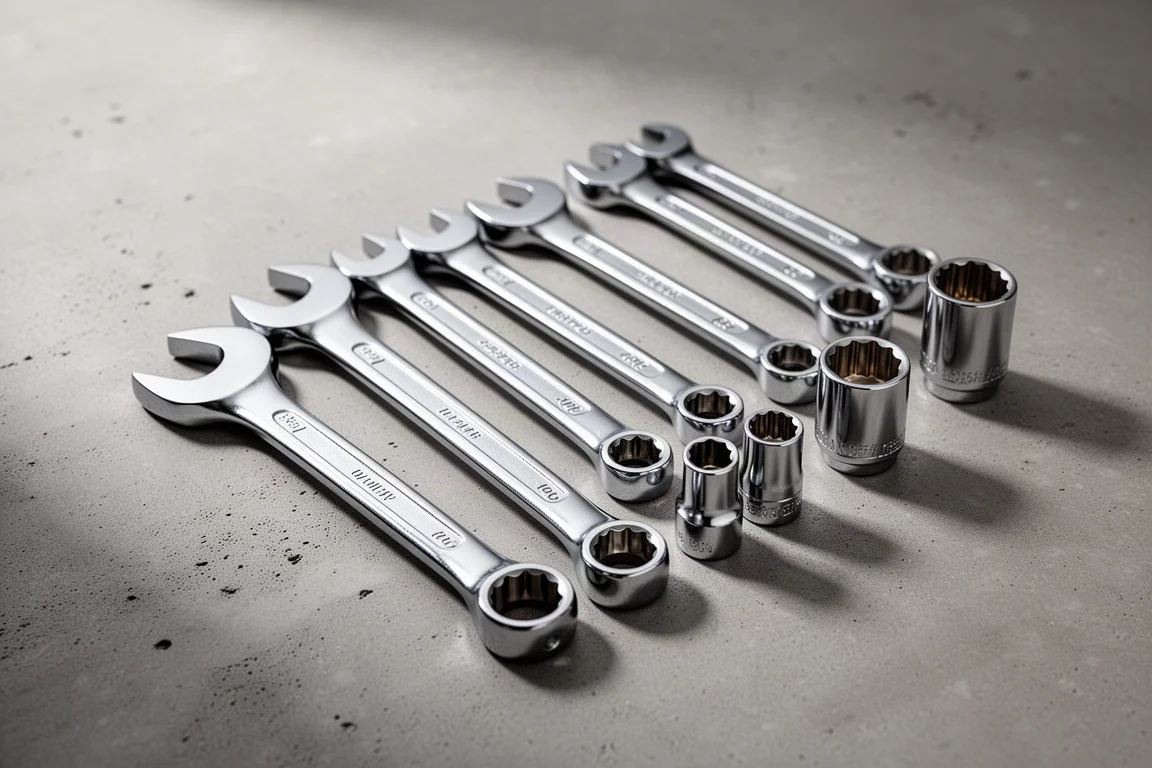
Every wrench and socket in your set grips a fastener the same way in theory, but not in practice. On brand-new, oversized hardware it rarely matters. On soft, undersized, rusty or previously abused bolt heads, the internal geometry of the tool makes an enormous difference.
To find out exactly how much, we tested four brands of wrenches and sockets in three designs: 6-point, 12-point and spline, all on deliberately rounded soft-steel fasteners. The results produced one of the clearest performance gaps we have measured in hand tools, and it should change how you think about your next wrench set purchase.
How the Test Worked
To make the comparison fair, we used wrenches and sockets of the same size from the same brand for each design comparison. Wrenches came from GearWrench (6-point and 12-point), Craftsman (12-point and spline drive), and Proto (6-point, 12-point and spline). Sockets came entirely from Powerbuilt, which sells 6-point, 12-point and spline designs in one brand, with the spline version available only as a set.
The test hardware was half-inch coarse coupling nuts made of very soft steel, threaded onto grade 8 bolts. Because the internal threads were much stronger than the outer hex, the threads were never the weak point: the only variable was how each tool design gripped the hex flats.
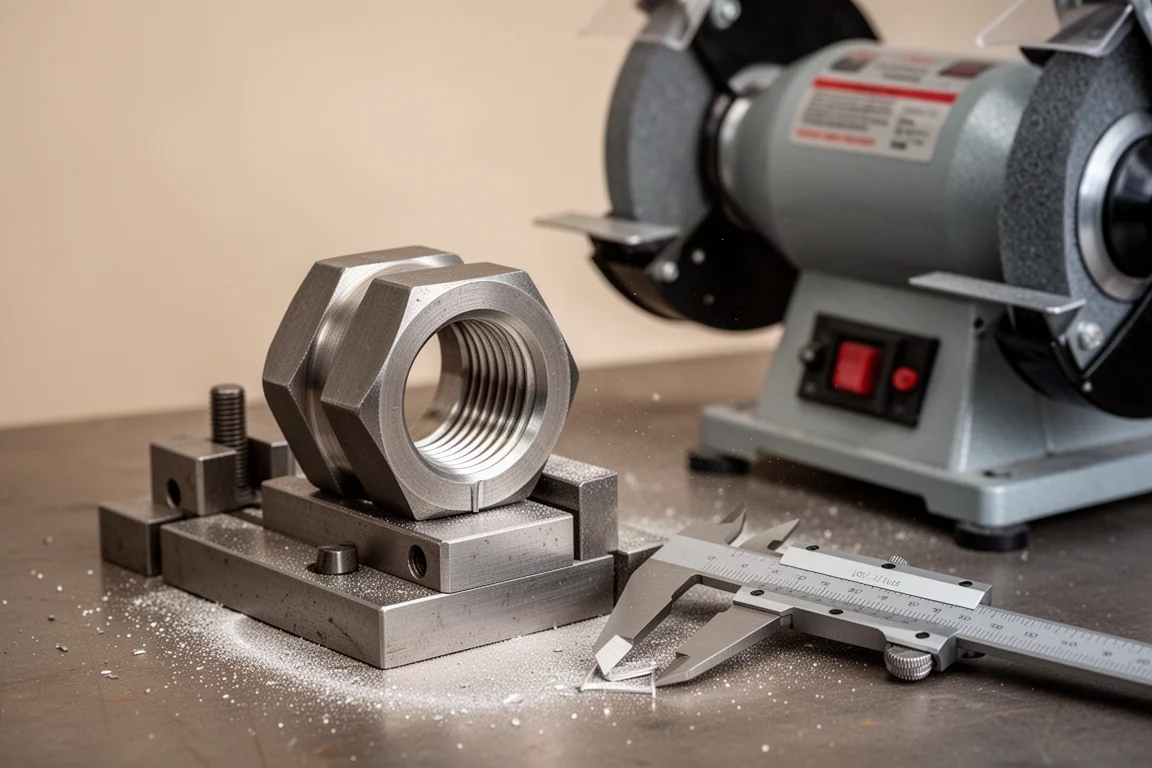
We then precision-rounded the hex flats by about 40 percent, enough to turn a routine loosening job into a real-world stress test. Torque was measured in bolt tension through a calibrated rig, converted for reference to the foot-pound scale. Every tool was first tested on unrounded nuts, and all survived to the nut’s maximum, so any difference in results came down to grip on damaged fasteners.
Craftsman: 12-Point vs Spline Drive
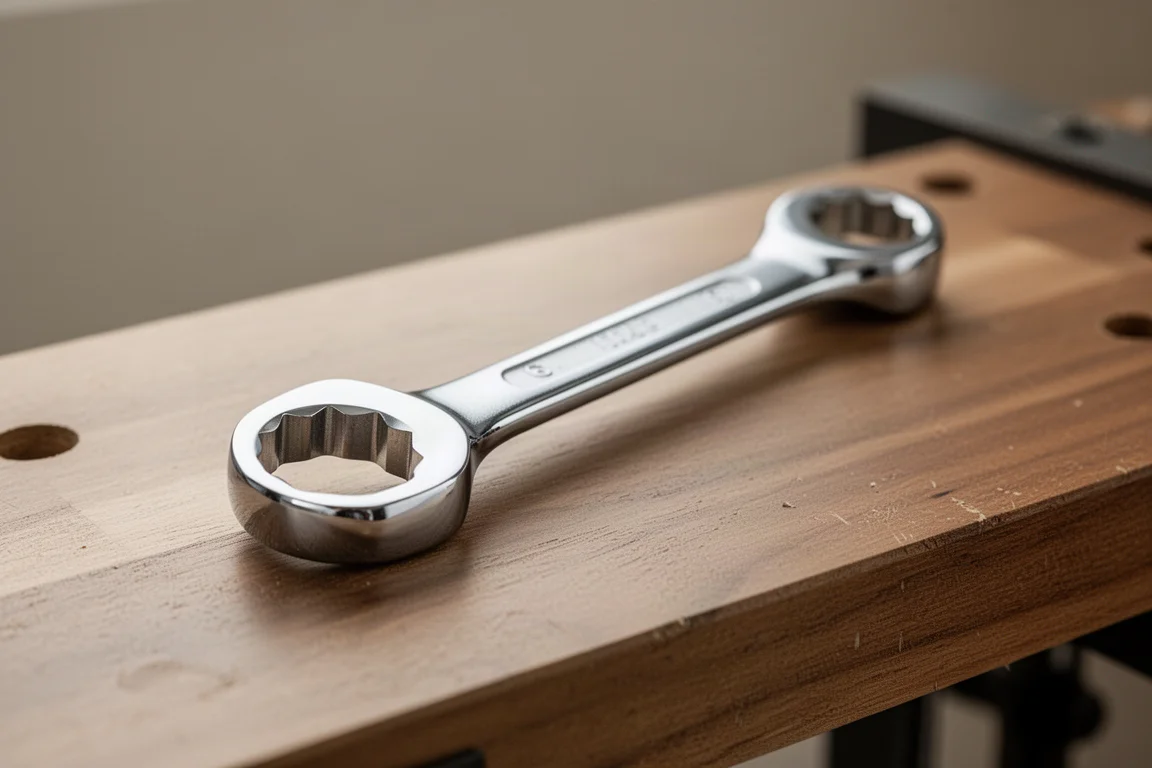
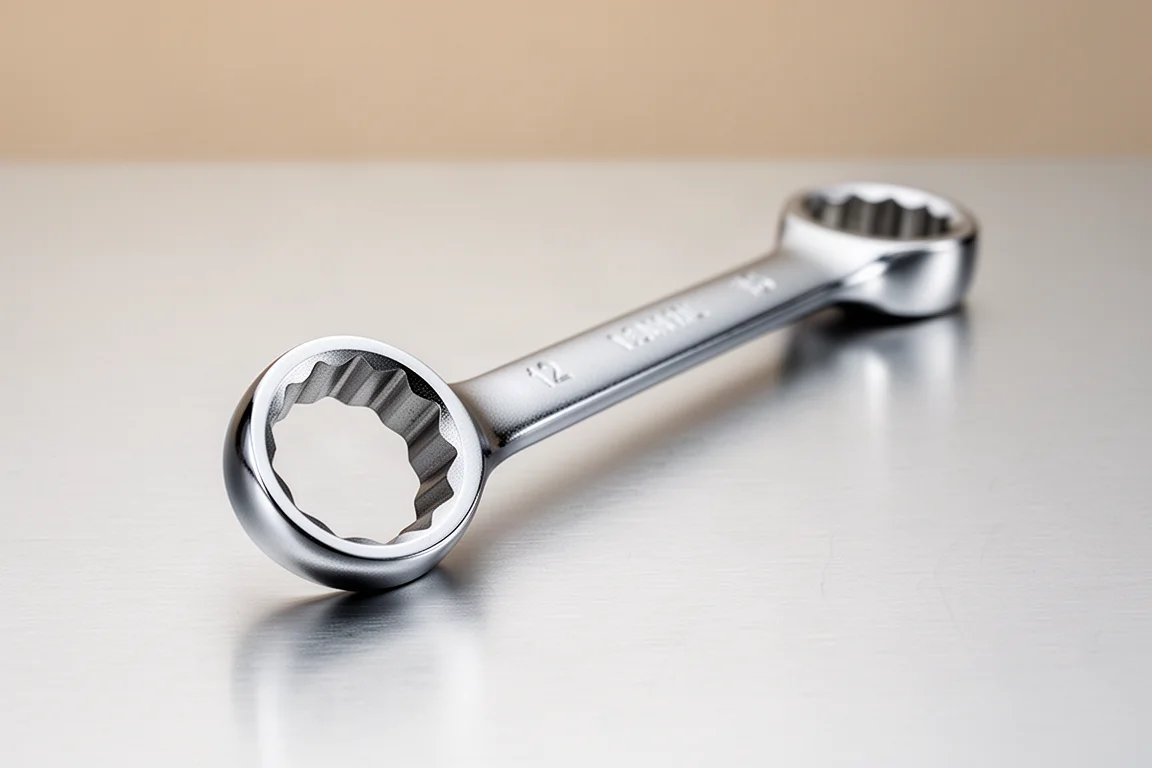
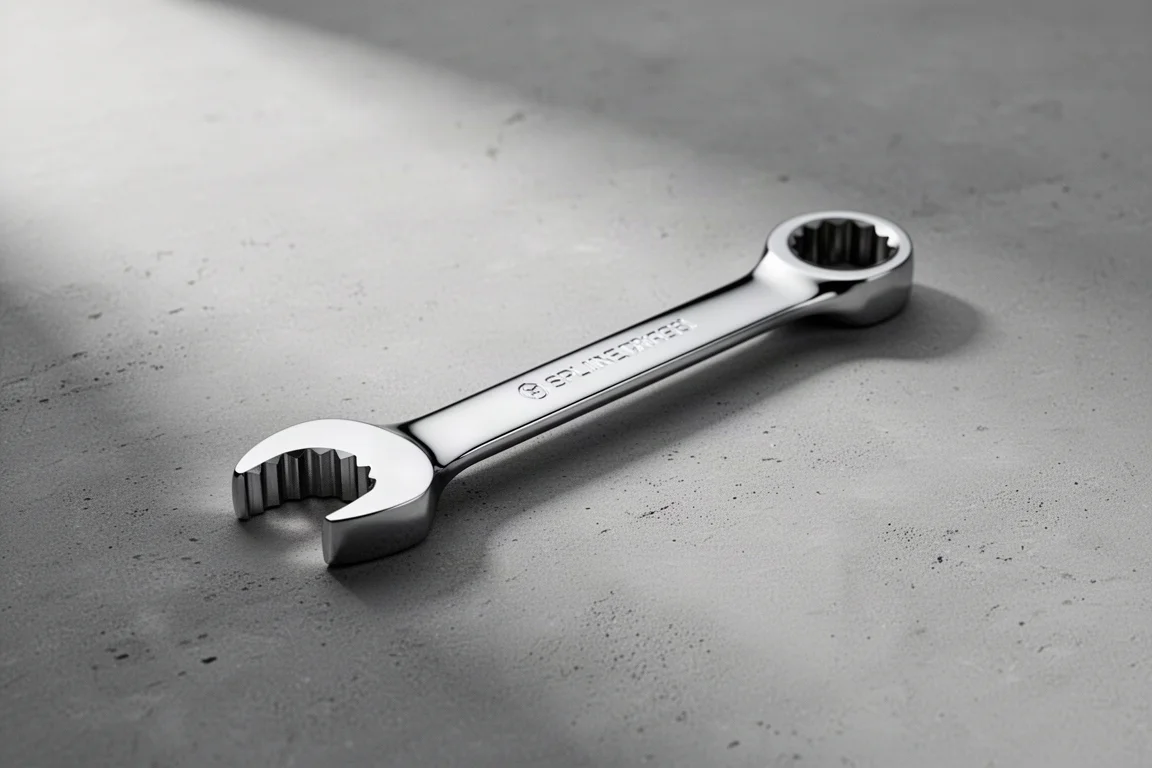
The Craftsman open end set a baseline, slipping at a modest number before the box end took over. The 12-point box end did what box ends are for, breaking loose a rounded fastener well past the open end’s limit and holding strong at a level that would tighten a large bolt under serious load.
The spline drive was the surprise. Spline tools visibly bite into soft hex heads: a slight initial slip, then the tool seats and holds much firmer. That behavior translated into real numbers, with the spline Craftsman climbing well past its own 12-point sibling and only stopping once it had effectively machined the nut into a circle. For anyone who has dismissed spline tools as a gimmick, this result argues otherwise.
GearWrench: 6-Point vs 12-Point
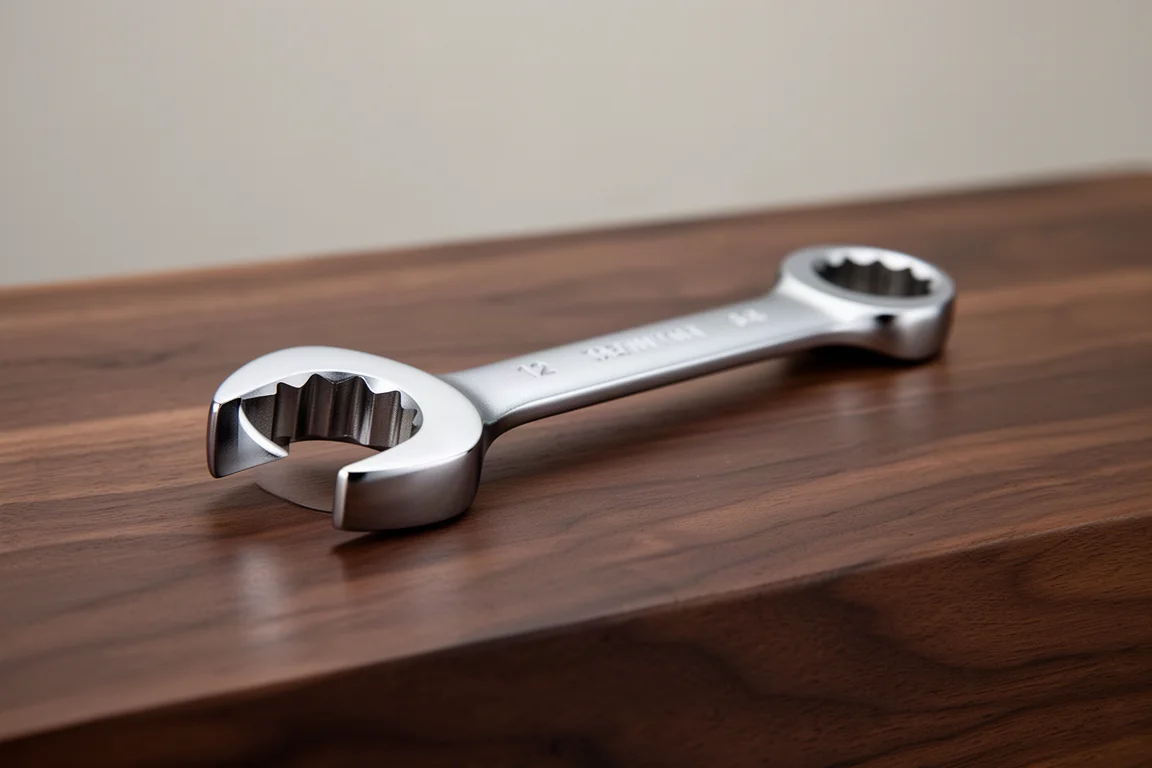
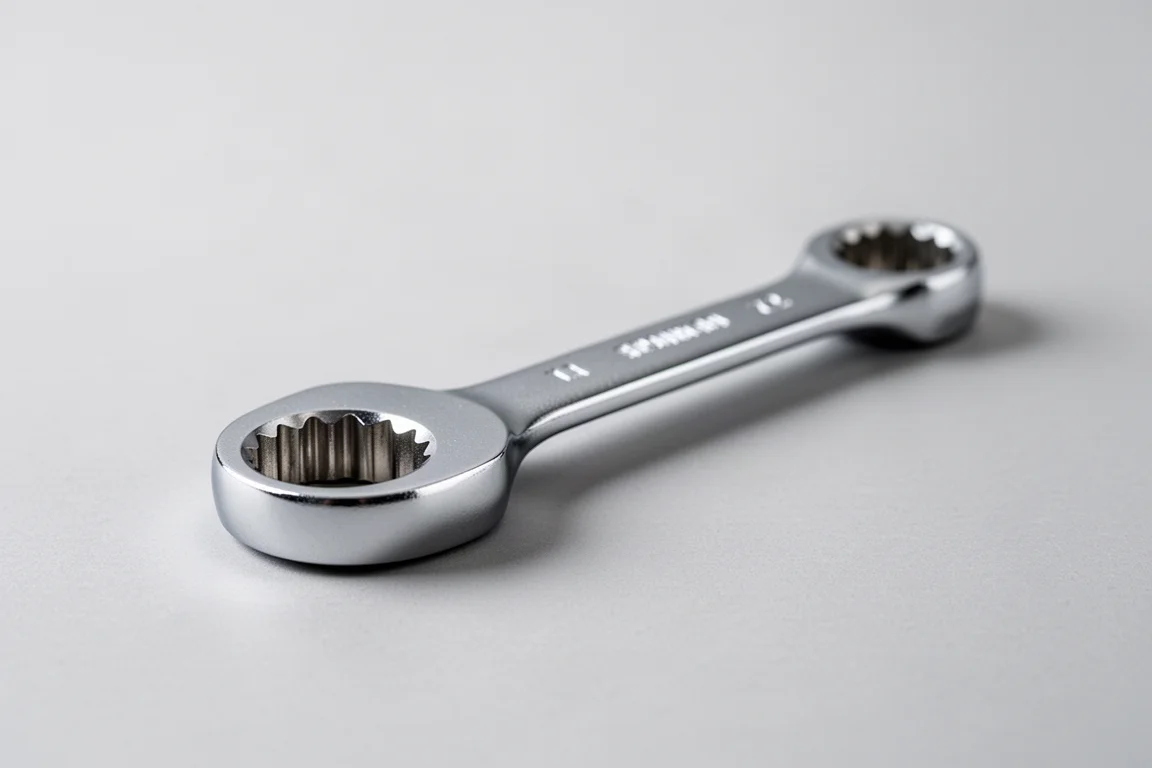
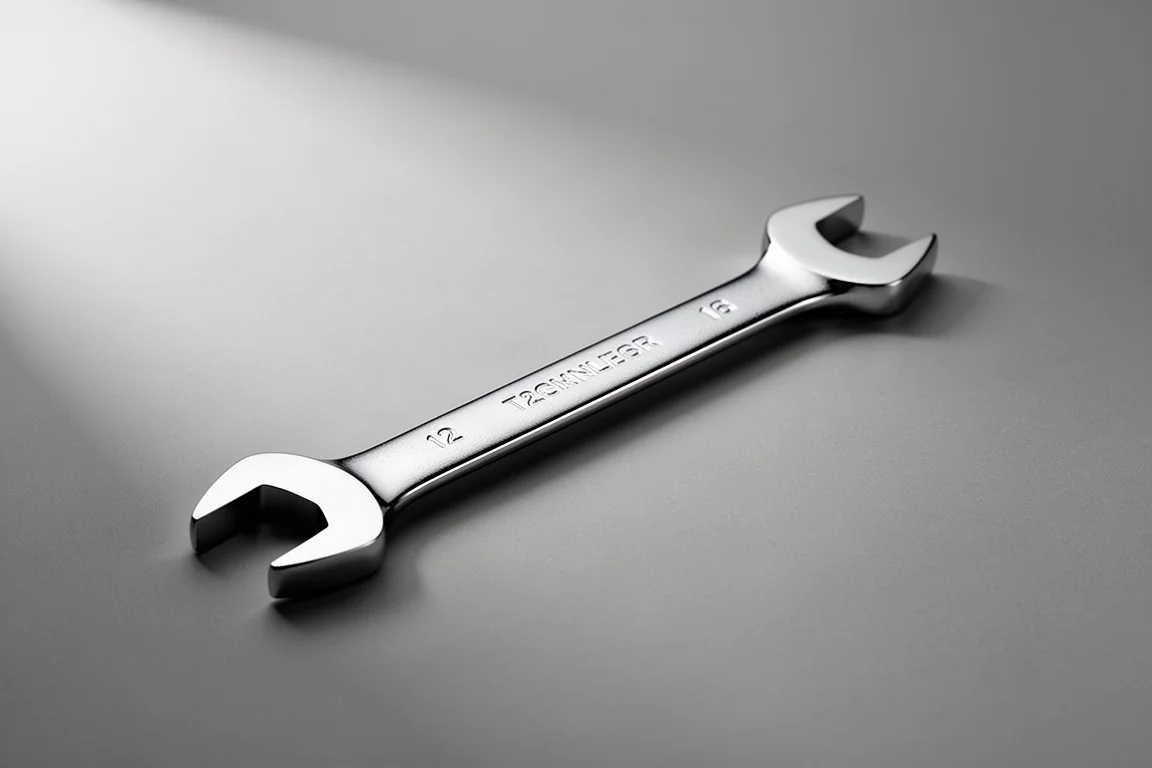
GearWrench’s open end felt confident and out-gripped the Craftsman open end on identical hardware. The 12-point box end was the shock of the entire test: it slipped below its own open end’s score, and a retest with a second identical wrench confirmed the result.
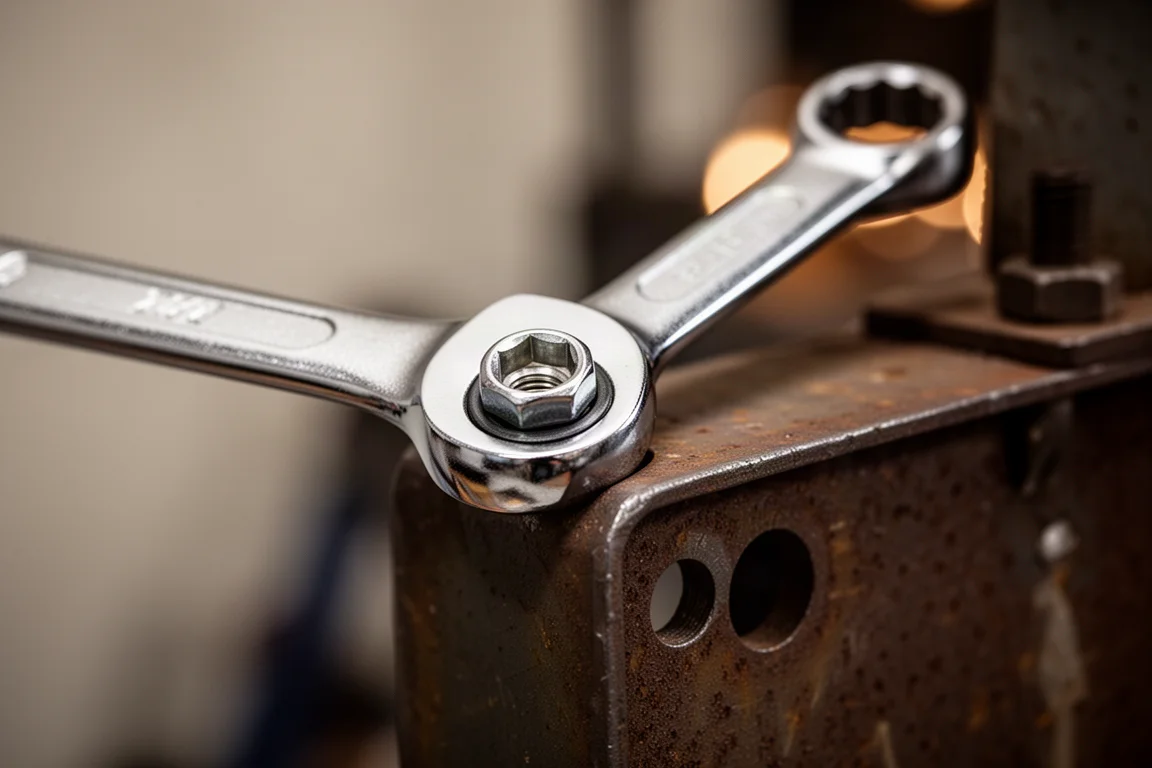
The 6-point was the opposite story. It gripped hard, easily passed both other designs, and kept piling on load until it cammed off the nut. The trade-off is real, though: a 6-point box end needs more degrees of swing to reposition, which matters on awkwardly clocked bolt heads. On a socket with a ratchet, that trade-off nearly disappears.
Powerbuilt Sockets: All Three Designs Under One Brand
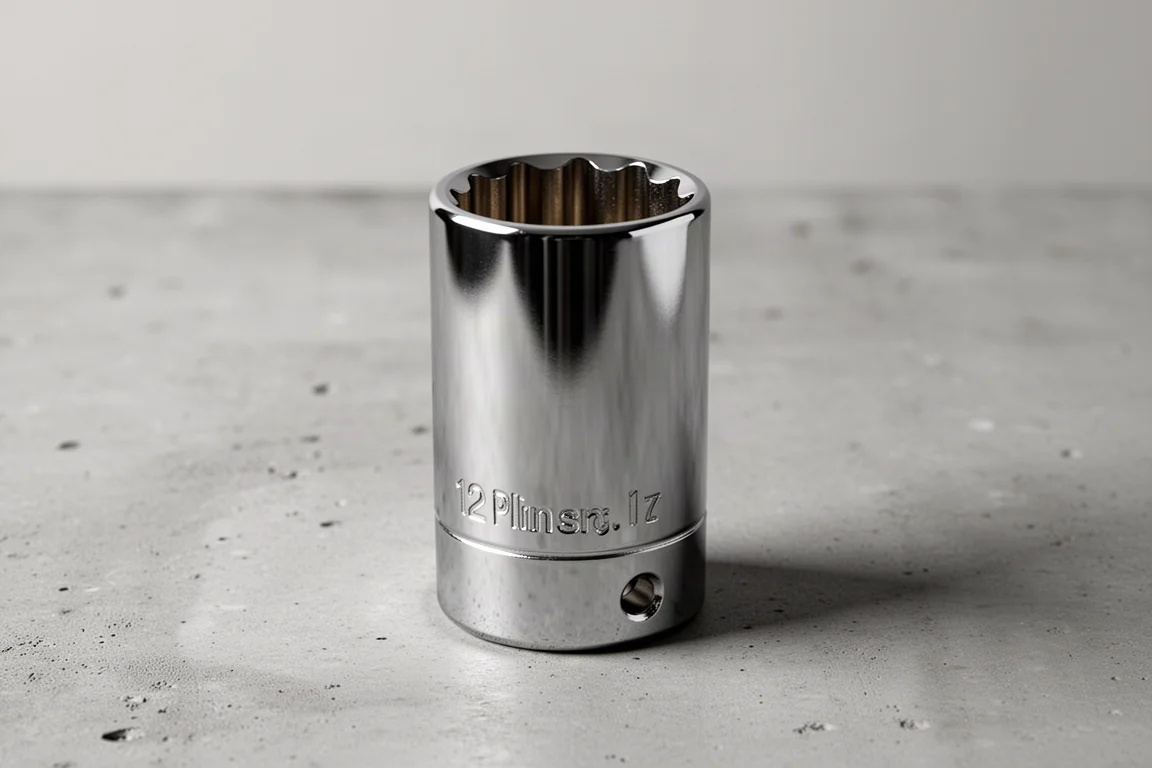
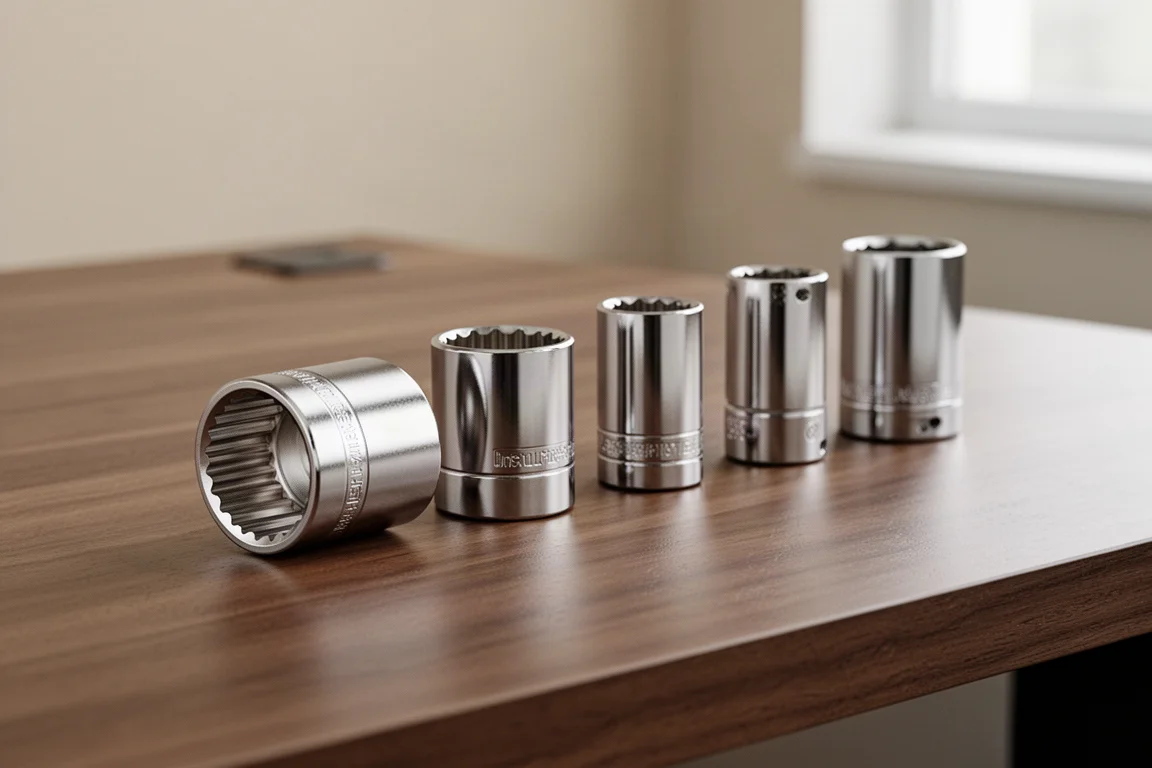
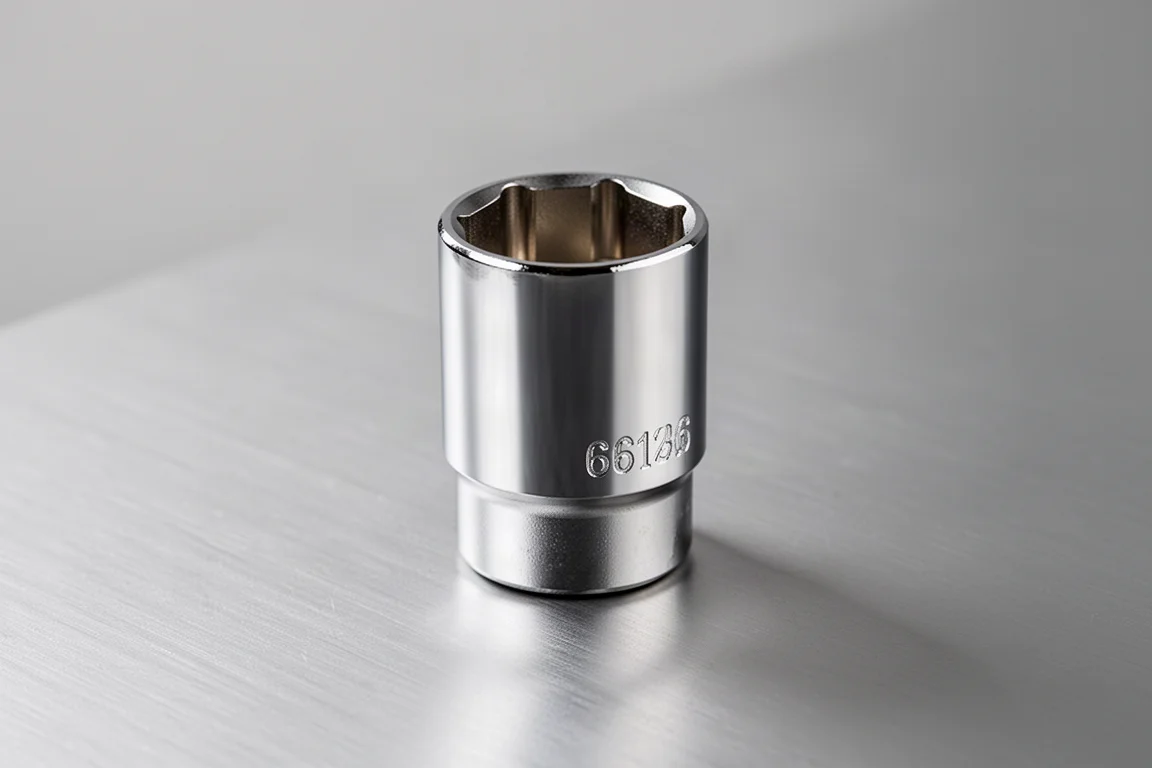
With sockets, Powerbuilt allowed a truly apples-to-apples comparison at matched wrench depth. The 12-point socket felt confident but gave out suddenly at a level that was not impressive next to the wrenches. The spline socket performed about the same as the 12-point, so no clear winner between those two here.
The 6-point socket was in a different league. It felt sticky and “gummier” on the nut, then simply kept climbing, embarrassing both sibling designs and producing the largest same-brand performance gap of the entire test. At its peak the coupling nut was visibly collapsing on itself before the tool let go. If you have ever wondered why 6-point chrome sockets exist, this is the answer, keeping in mind that 12-point sockets still matter for 12-point fasteners like connecting rods and some head bolts.
Proto: A Premium Third Opinion
To complete the picture, we added a well-known US-made brand offering all three designs in one line, though you pay extra for the bespoke 6-point and spline versions. The Proto open end was the best open end of the test, and the 12-point box end slipped somewhat earlier than expected.
The spline Proto clearly outshone its own 12-point, continuing the pattern from Craftsman, though with the familiar slight sticking to the soft nut as it machined the hex. The 6-point Proto felt like working on a brand-new bolt, climbing to a load near the top of the entire test before the nut compressed, with no slip in sight. Yet again, the 6-point took the category.
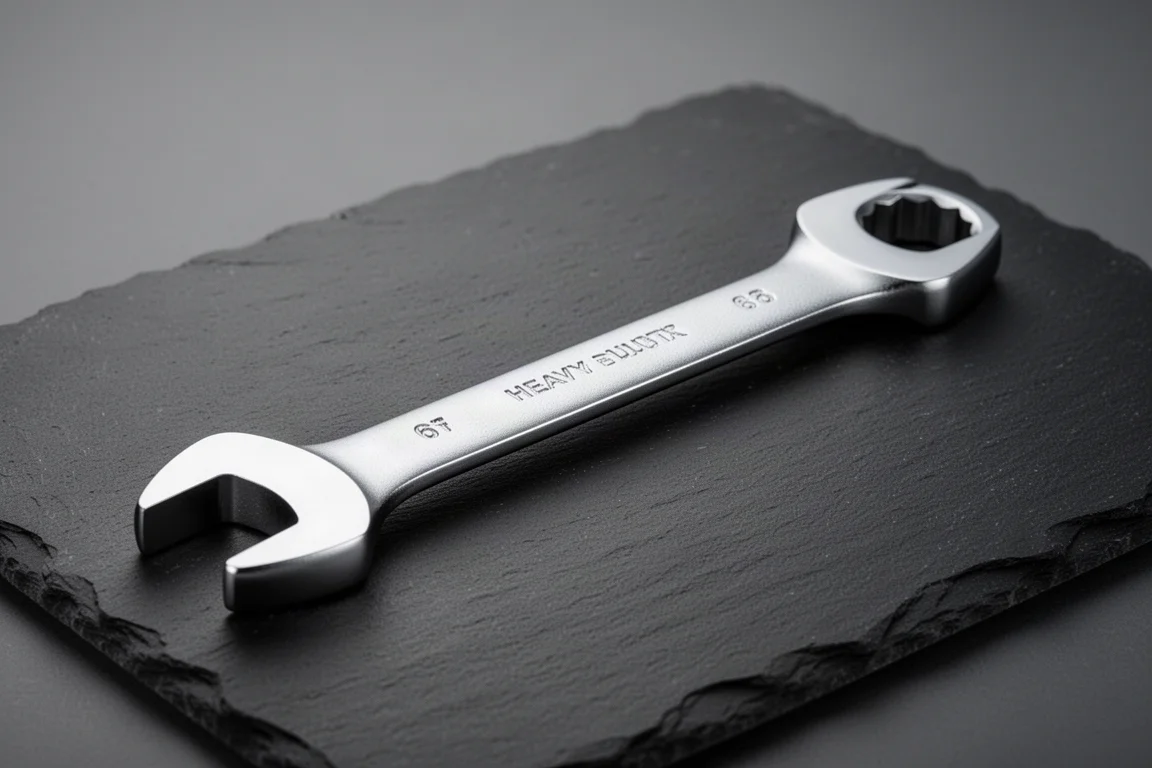
Averaged Results Across All Tests
Averaging each design across every tool tested, on 40-percent-rounded fasteners:
- Open end wrenches: about 60 ft-lb, better than expected but the weakest
- 12-point: about 70 ft-lb, closer than expected
- Spline: about 107 ft-lb, a substantial jump over 12-point
- 6-point: about 139 ft-lb, a win in every single test it appeared in
Expressed against the 6-point benchmark, spline trails by roughly 23 percent, 12-point by roughly 47 percent, and the open end offers less than half the grip of a 6-point when used in a pinch.
Buying Advice: Which Design Should You Buy
The takeaway depends on your hardware. On imperfect, possibly rusty bolt heads, the kind a lube tech has already leaned on before you, the data is hard to argue with: 6-point is the strongest, spline is a genuinely good second, and 12-point slips far sooner. On new hardware in non-rusty climates, and especially as bolt size increases, the differences matter much less, and large 12-point fasteners like axle nuts rarely round anyway.
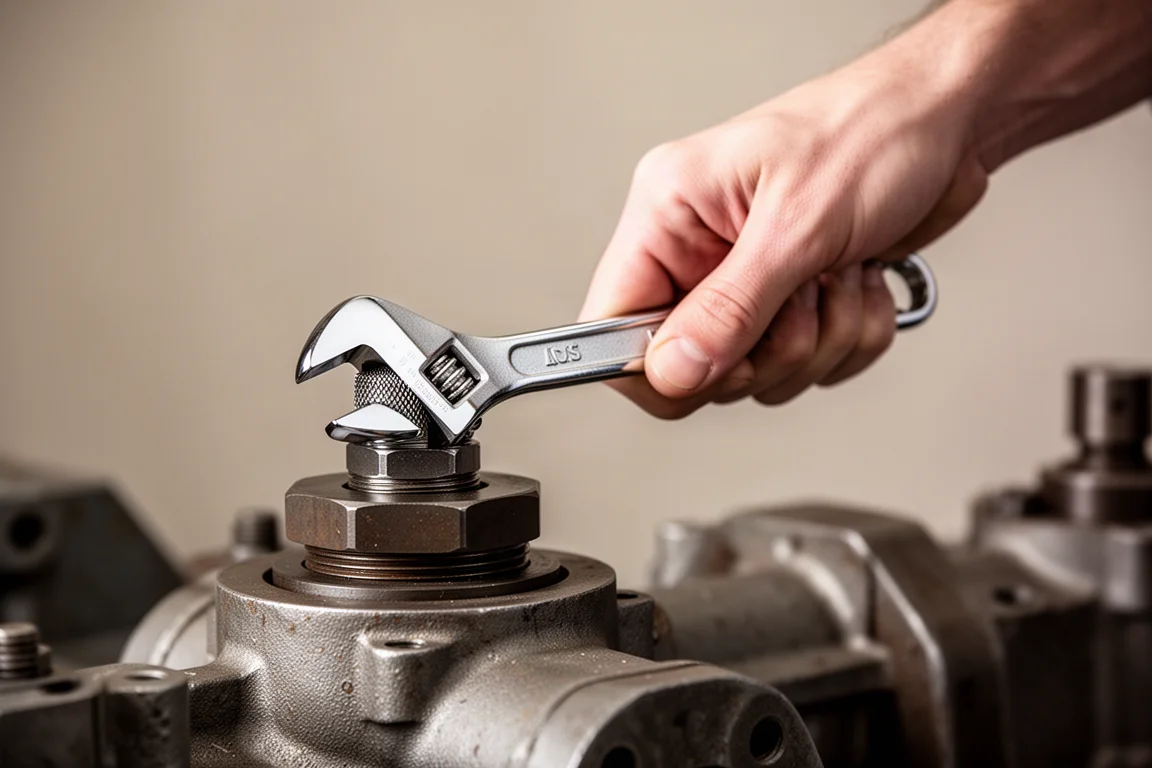
If you are about to spend a few hundred dollars on a ratcheting box end wrench set and plan to buy it once, choose the design that will work on most of what you encounter, rather than one that forces you to swap tools mid-job because a bolt head looks at you funny. Sockets are an easy call: 6-point with a ratchet loses little access and gains the most grip.
Conclusion
Across four brands, three designs and multiple rounds of testing, the hierarchy held: 6-point wrenches and sockets grip rounded fasteners best by a wide margin, spline designs consistently beat 12-point and earn their place, 12-point remains the compromise design it has always been, and open ends are access tools first, grip tools last. If rounded and rusted bolts are a regular part of your work, your next set should lean heavily toward 6-point, with spline as a smart second choice.
Further reading
Related Reviews
Hand Tools
Best Diagonal Cutters 2026: 16 Pliers Tested for Cutting Power and Durability
We put 16 diagonal cutters through nail, screw, drill bit, and hex key tests to find the best value picks for your toolbox.
Hand Tools
Best Hex L Key Sets 2026: Nine Sets Tested for Real-World Torque
Nine hex L key sets from budget to premium, tested for torque, fit, and durability. See which sets deliver real performance and which ones to skip.
Hand Tools
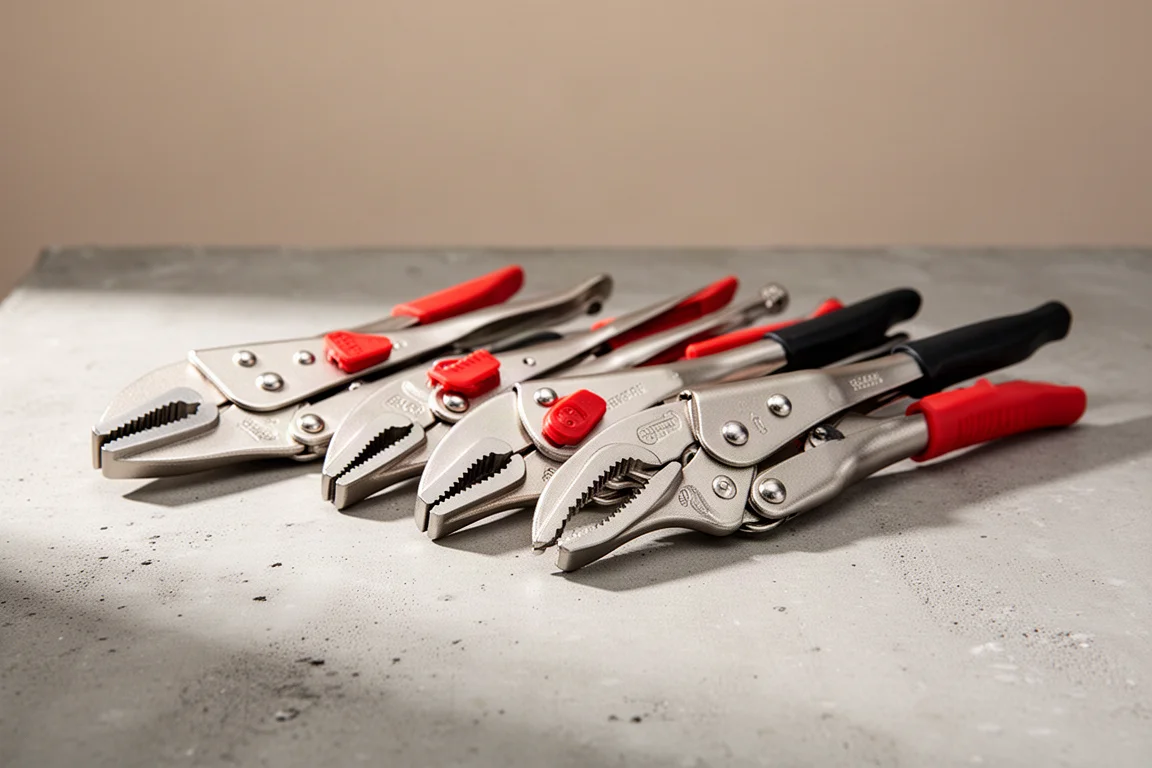
Best Locking Pliers 2026: Top Picks Tested for Grip and Durability
We tested 18 brands of 10-inch locking pliers for grip strength, jaw bite, build quality, and ease of release to find the best options for tough jobs.