Gravel Bikes
51 Assassin Review: A Carbon Gravel Adventure Bike Built Around Adjustable Geometry
The 51 Assassin pairs progressive, long and slack gravel geometry with flip chips at both the fork and the rear dropout. Here is how it rides, what it weighs, and who it suits.
Introduction
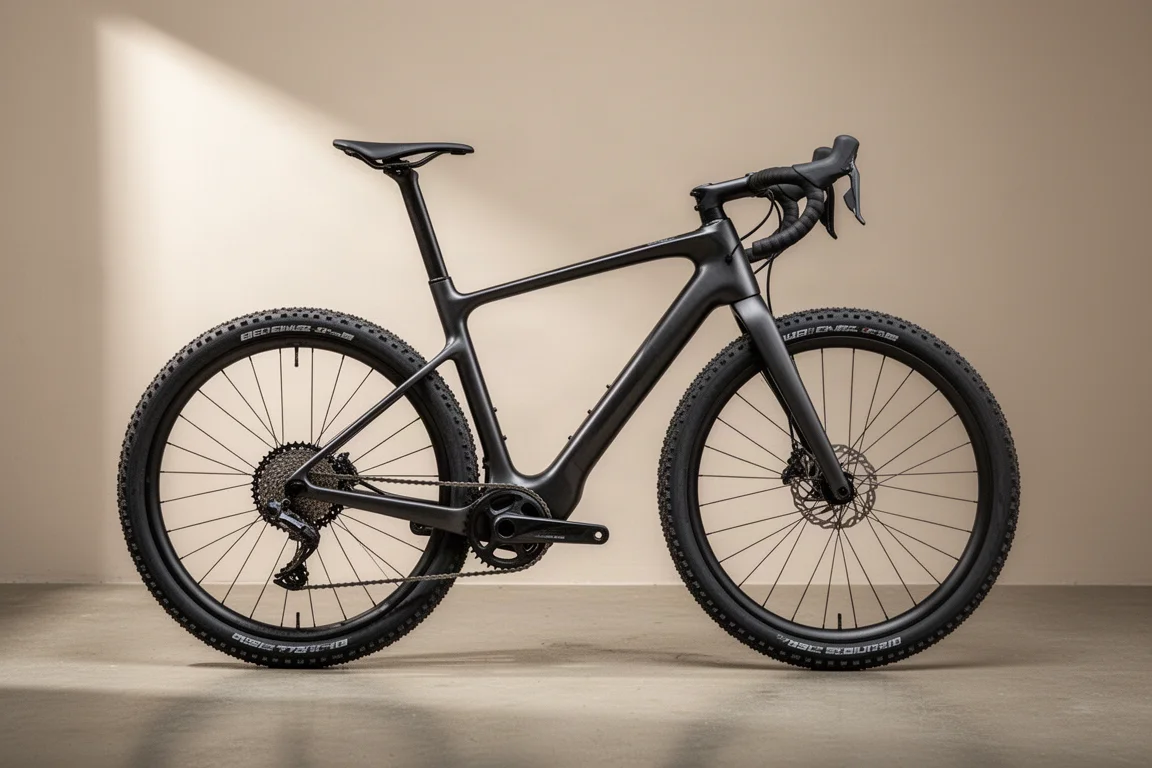
The 51 Assassin is the first gravel and adventure bike from 51, a Dublin-based brand that has spent several years building a name for itself with custom carbon road bikes, particularly around construction, geometry and paintwork. The Assassin shifts that focus off tarmac. It is made in Taiwan using a more conventional frame manufacturing method, and despite the more standard production route, it is not a generic looking machine in any way.
What makes it genuinely unusual is not the carbon frame or the component list. It is the geometry, and specifically the fact that the bike lets you change it at both ends. Flip chips sit in the rear dropout and in the fork dropout, which means the rider can tune the steering and the stance rather than simply accepting whatever the designer settled on.
This review covers what the Assassin is, how it behaves on tarmac and on loose rocky trails, what the specification delivers for the money, and the handful of details worth weighing up before you commit.
Who This Bike Is For
The Assassin is aimed squarely at riders who want a gravel bike that behaves like a much more capable off-road machine. Its geometry is long and slack compared to most road-focused gravel bikes, which puts it closer in character to mountain-bike-inspired designs than to a widened endurance road bike.
That makes it a strong option for two overlapping groups. The first is experienced off-road riders planning long-distance gravel epics or multi-day bike packing trips, where a planted, stable platform pays off over hours in the saddle. The second is road riders arriving at gravel with little or no off-road background. The stability here acts as a skills compensator: trails that would feel intimidating on a twitchier bike become manageable.
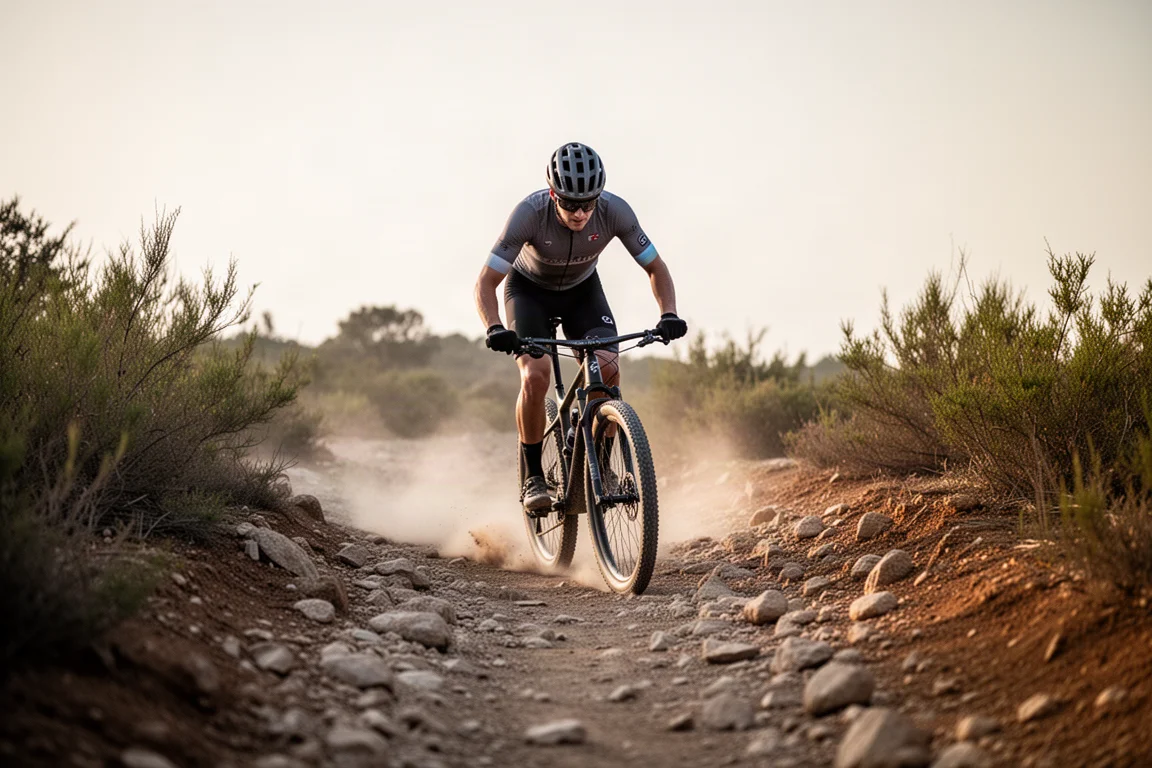
It is less obviously suited to riders who want a light, snappy gravel bike for fast mixed-surface loops and the occasional smooth gravel race. Nothing about the Assassin is nervous or eager to change direction quickly. Its instincts run towards calm, and riders who prize agility above all else may find the character unusual at first.
Main Strengths
Beyond the headline geometry story, the Assassin gets a lot of smaller decisions right. Most of them point in the same direction: durability, adjustability, and straightforward home maintenance.
Adjustable Geometry on Both Ends
The fork flip chip alters the trail figure, which is what governs how the bike steers and settles. On the Assassin, trail can be set anywhere from 76 to 87. For context, a Specialized Diverge sits at 57, and a comparable mountain-bike-inspired gravel bike sits at 77. The Assassin can therefore be set considerably longer than either.
The practical effect is a bike that can be tuned to the ride. Long trail settings calm everything down and make technical, rough terrain far easier to manage. Shorter settings bring back a little agility for a more playful feel. Having the adjustment at both the front and the rear is the part that stands out here, and the fork chip is the one that changes the ride most noticeably.
Composed Off-Road Handling
Tarmac is not where this bike shines. On the road, especially on climbs, it can feel lazy, and riders coming from a road bike may take a while to warm to it.
Off road, the picture changes completely. On loose rocky descents the geometry makes the bike feel planted and stable, easy to carry speed on, and far less inclined to deflect off rocks and roots than a road-based gravel bike. The front wheel tracks instead of fighting the rider, and the bike holds a line when the surface is doing its best to break it.
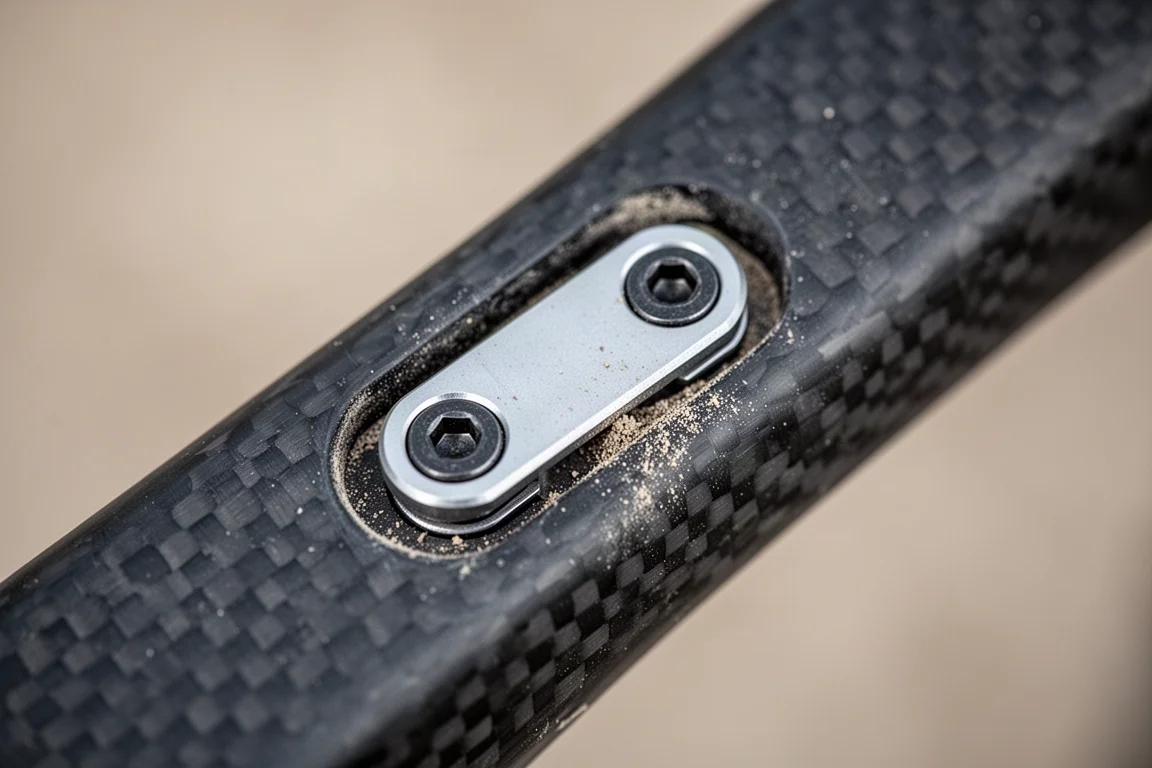
The middle setting is the sensible all-round compromise, and it works well as a default. Even the shortest trail setting feels calmer and more solid than several mainstream gravel bikes. That composure matters most late in a long ride, when fatigue sets in and concentration drops, and it is exactly the situation where a stable bike is worth more than a fast-feeling one.
Practical Frame Details
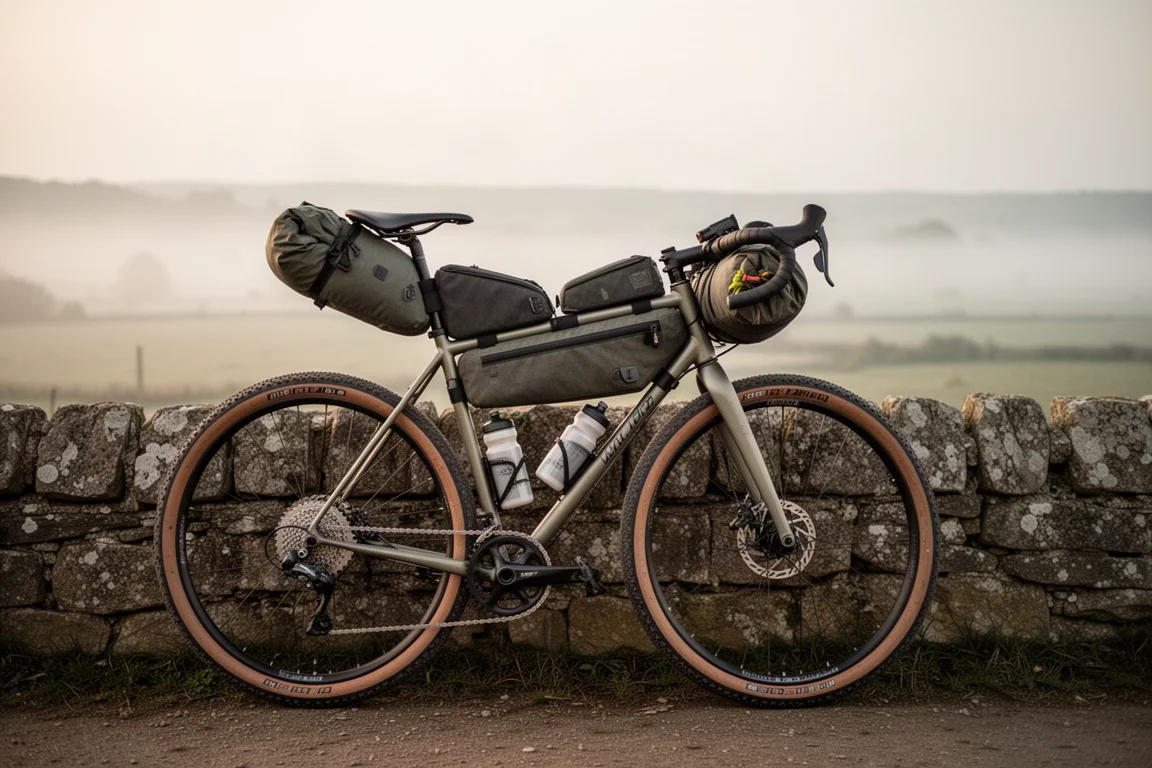
The frame comes with mounts for mudguards, bags and bottles, which is a meaningful advantage for bike packing. A moulded bash guard on the down tube protects the carbon from rocks thrown up by the front wheel, a genuinely useful touch.
Cable routing is internal but sensibly executed, with ports that accept either mechanical or electronic groupsets and small rubber plugs to stop cables rattling. The seatpost is a round 27.2mm unit with an external seat clamp rather than a fiddly internal wedge, and a dropper post can be fitted. The bottom bracket is a threaded T47, which makes home maintenance straightforward. If you run a Di2 groupset, the battery goes in the down tube.
Things to Consider Before Buying
There is not much to actively dislike here, but a few limitations are worth going in with your eyes open.
Frame sizing is the first one. The Assassin is offered in four sizes, which may leave riders who sit between two sizes, or at the extremes of the height range, without a natural fit.
Tire clearance is generous at 47mm on either 650b or 700c wheels, but it is not class-leading. Room for 50mm or wider would be welcome, both to future-proof the bike and to give more breathing space in muddy conditions.
Front-end comfort is the other point to plan around. The front of the bike is firm, and on dried, rutted hardpack there is a fair amount of feedback through the handlebars. The frame is not the limiting factor here. Wider tires, lower pressures, or a suspension stem are all straightforward fixes. At the rear, the skinny seatpost already does a good job of taking the edge off, and a carbon or suspension seatpost would improve things further.
Finally, there is no chainstay protector. Nothing has gone wrong without one, but it would be a sensible detail to match the bash guard on the down tube.
Spec, Weight, and Value
The test build runs a Shimano GRX 1x11 mechanical groupset mixing 800 and 600 level parts: an 800 rear derailleur paired with a 600 crankset, brake levers and calipers. Wheels are DT Swiss 1800, shod with WTB Riddler tires at 45mm. Up front sits a flared drop handlebar with an alloy stem and seatpost and a WTB saddle.
On the scales, a size large without pedals but with bottle cages came in at 9.2kg. That is acceptable rather than remarkable. The carbon frame is light, but the components are not the lightest available, so there is clear scope to build lighter if that matters to you.
Pricing is where the Assassin makes a strong case. The frameset alone is £3,000 and comes in a choice of colours across four sizes. The complete bike as tested retails for £3,800, which means all the components, wheels and finishing kit add only £800 over the bare frame. Judged on that gap, the complete build is the better value of the two.
Buying Advice
The Assassin is a bold, distinctive bike, and the adjustability is more than a marketing line. The fork flip chip changes the ride in a way you can feel, and the long trail settings deliver stability that most gravel bikes simply cannot match.
If your riding involves sketchy trails, steep loose descents, or multi-day loaded trips, that stability is the feature you will value most, particularly when you are tired and your attention is not what it was at the start of the day. If you enjoy tinkering, the bike rewards it, since you can dial the geometry towards your own preferences rather than adapting to a fixed setup.
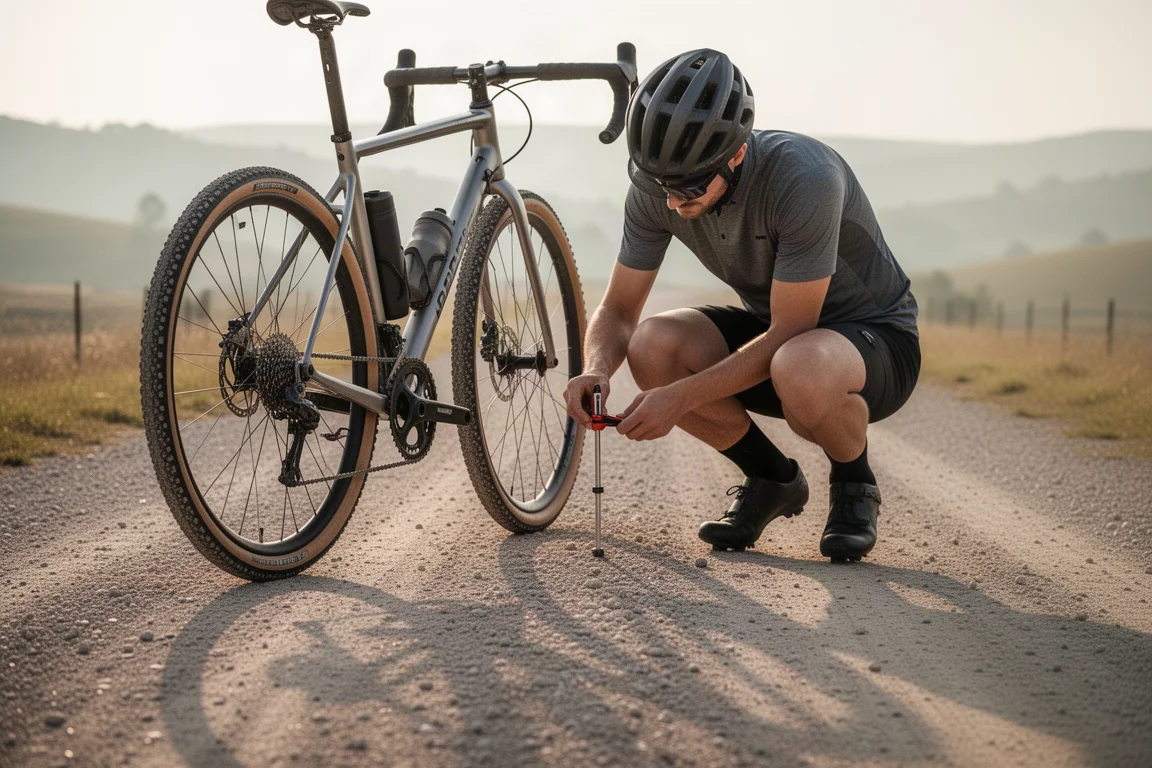
The counterpoint is complexity. Some riders will find two sets of flip chips to be more choice than they want, and the four-size range will not suit everyone. If you want a gravel bike that is agile, light-footed and simple, look elsewhere. If you want a bike that feels rock solid on demanding terrain and can be reshaped to suit the trip you are planning, the Assassin is a compelling and well-priced proposition.
Conclusion
The 51 Assassin takes a clear position in a crowded category. Progressive long and slack geometry, plus front and rear flip chips, give it a ride character that sits closer to a mountain bike than to a road-derived gravel bike. It is not the most exciting bike on smooth tarmac, and it will feel strange to road riders at first, but off road it is planted, stable and easy to ride fast over demanding ground.
Add generous mounting options, a bash guard, a threaded bottom bracket and a round seatpost, and you have a bike that is genuinely built for long adventure riding. The limitations, four frame sizes, 47mm tire clearance and a firm front end, are real but manageable. For riders planning big gravel days and loaded trips, it is a thoughtful and well-priced option.
Product link
View more details for 51 Assassin
This product is mentioned in the review. Check the specifications, options, and compatibility before buying.
View more details for 51 AssassinFurther reading
Related Reviews
Gravel Bikes
3T Exploro Ultra Review: A Fast Gravel Bike Built for Big Tyres
A close look at the 3T Exploro Ultra, an aero carbon gravel bike designed around wide tyres, with road-like handling, a 980 g frame and genuine rough-terrain capability.
Gravel Bikes
3T Extrema Italia Review: Aero Gravel Speed With Room for 57 mm Tires
The 3T Extrema Italia pairs an aero frame with huge tire clearance, Italian-made carbon and a more comfortable ride than the RaceMax. Here is what to know before buying.
Gravel Bikes
3T Race Max 2 Italia Review: An Aero Gravel Race Bike Made in Italy
A closer look at the second-generation 3T Race Max 2 Italia, covering its aero updates, ride character, tire clearance, internal storage and who it suits.