Power Tools
3/8 vs 1/2 Inch Impact Wrenches: Does Anvil Size Really Cost You Torque?
Dyno-tested impact wrenches suggest the old rule about 3/8 drive being weaker may not hold up, and Milwaukee's 3/8 tools in particular punch above their ratings.
Introduction
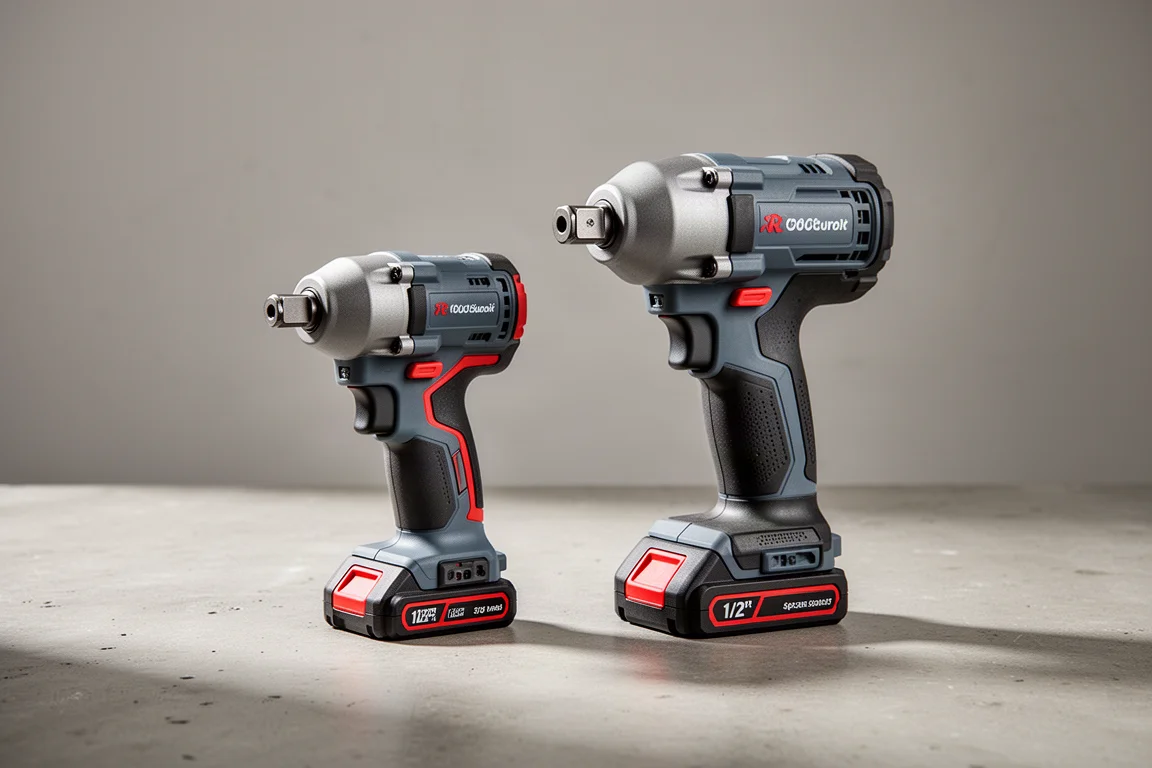
The rule most of us grew up with is simple: 3/8 inch drive impact wrenches are the small, weaker siblings of 1/2 inch tools. Pick the half-inch drive if you want serious torque, and treat 3/8 as a compromise for tight spaces. Newer testing suggests that assumption deserves a second look. When the same tool was measured with a 3/8 anvil swapped in place of its original 1/2 inch anvil, output barely moved. And when two otherwise identical Milwaukee mid-torque wrenches, one 3/8 and one 1/2, went head to head, the smaller-drive version not only matched but in several runs beat its bigger brother.
Even more interesting: when Milwaukee itself was asked about the gap between its advertised and measured 3/8 performance, the response was essentially that the company had not expected these results either. This article walks through what the testing showed, which tools were involved, and what it means for your next purchase.
How We Tested the Anvil Question
The first question was whether anvil size alone costs power. To answer it cleanly, a custom set of 3/8 inch drive impact sockets was machined and hardened to match the large hex size used on a torque dyno, so socket size would not skew the comparison. The Milwaukee M18 1822, a top-ranked compact mini impact wrench, was then converted: its original 1/2 inch anvil was swapped for a 3/8 anvil.
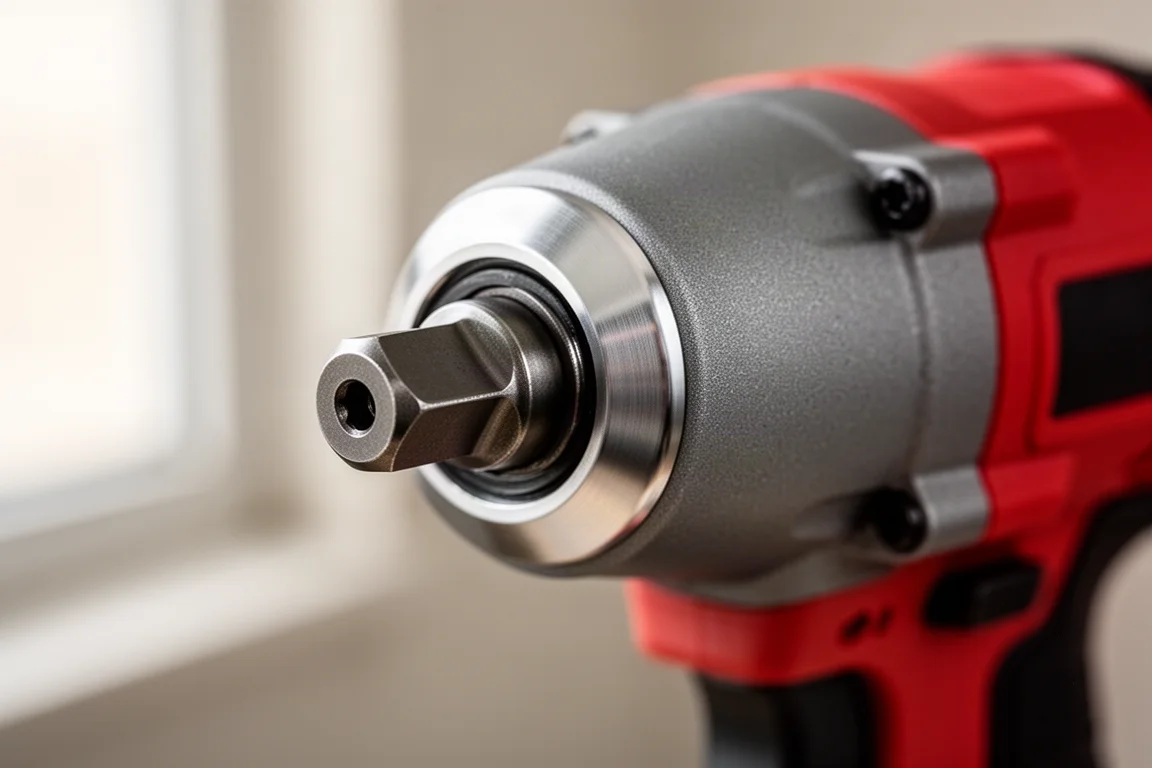
In its stock 1/2 inch configuration, that exact tool recorded 208, 354, and 383 ft-lbs across three runs. With the 3/8 anvil installed, working torque and reverse runs landed within a few foot-pounds of the original numbers, and a 15 second best-case test showed only a three foot-pound difference. The curves on the dyno looked nearly identical. On smaller bolts, socket mass can play a role, but as long as your 3/8 socket has similar mass to the 1/2 inch socket you would use, the drive size itself appears to cost you essentially nothing.
Do You Actually Lose Anything with 3/8 Drive?
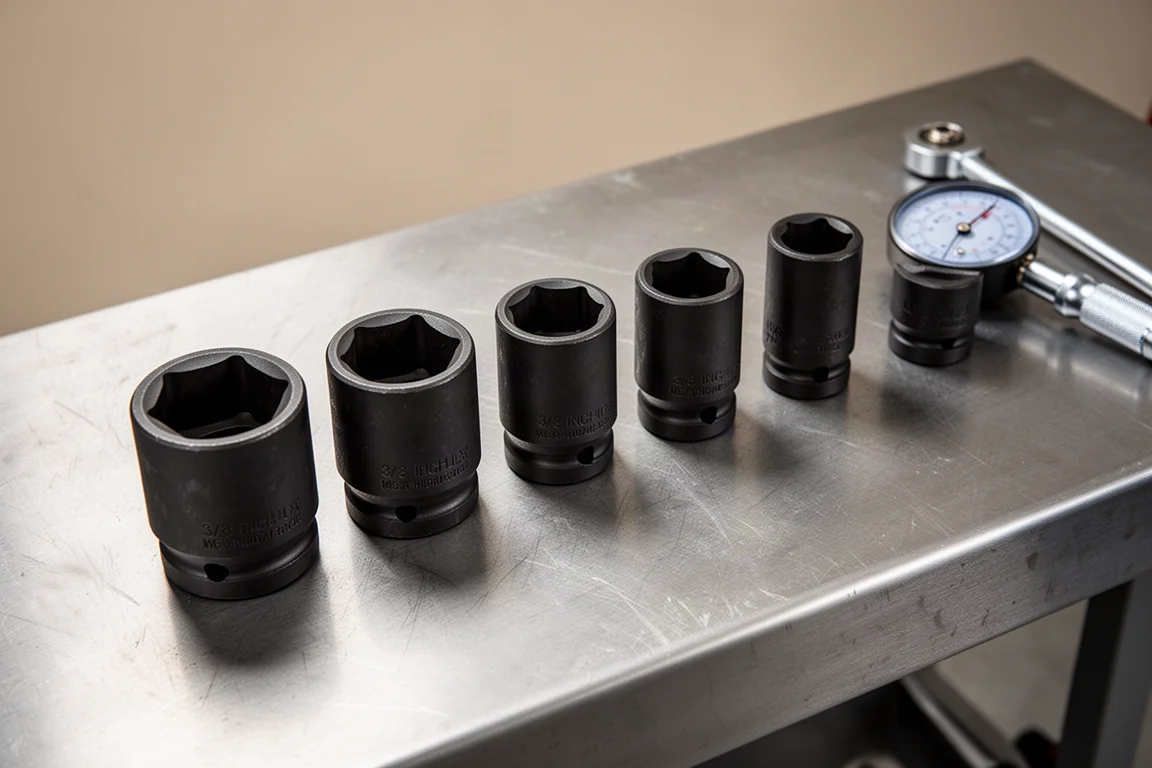
The practical takeaway from the anvil swap is that 3/8 drive tools are not inherently weaker. Brands do rate 3/8 models lower, and in some cases the difference inside a brand’s own lineup is significant. But that appears to be a rating and tuning decision, not physics. If all else is the same, a 3/8 impact delivers equal power, and it gives you extra clearance: 3/8 sockets are typically shorter, which buys a quarter to maybe half inch of extra reach in tight spots.
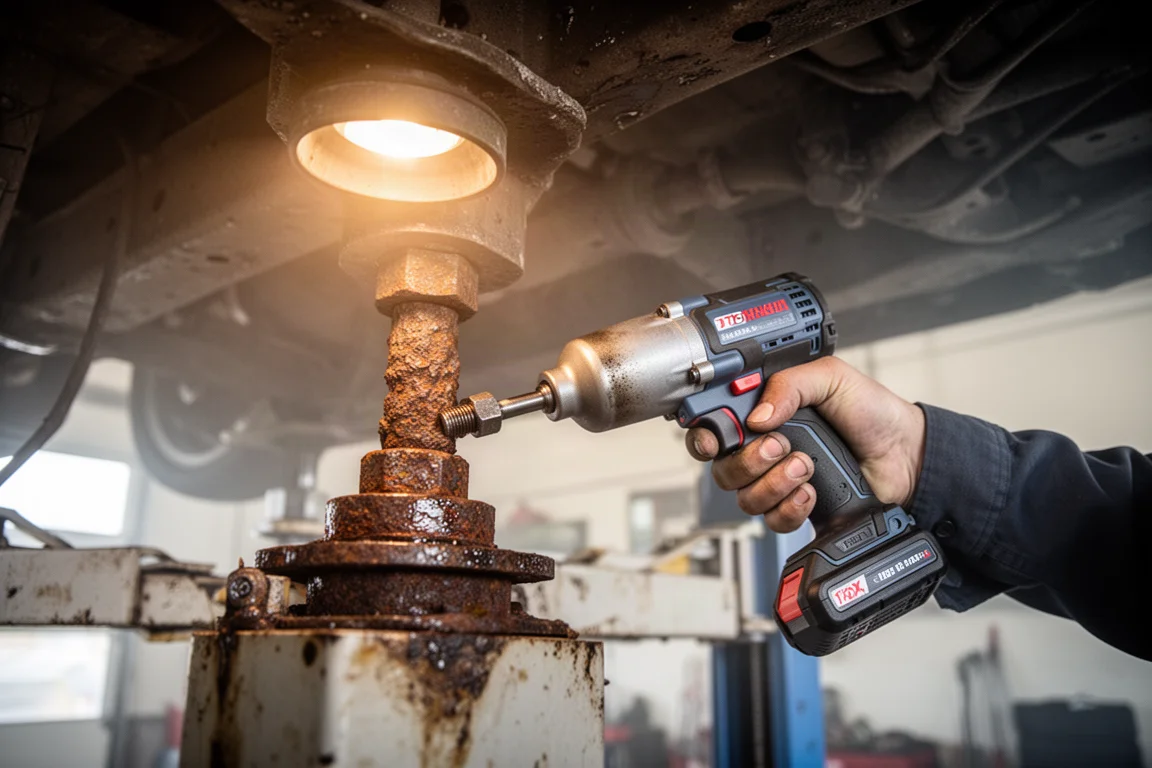
There is one caveat. On bolts that are truly stuck, seized by corrosion or already damaged, the slightly higher early dynamic torque of a 1/2 inch Milwaukee tool may offer a small advantage. But on tight bolts that are in otherwise good condition, the 3/8 version held its own and even loosened fasteners the half-inch could not in other testers’ experiences. For most users, the recommendation is straightforward: pick the 3/8 along with a good 3/8 socket set, because very little is left on the table power-wise.
The Milwaukee 3/8 Surprise
To dig deeper, the 3/8 version of Milwaukee’s Gen 2 M18 mid-torque, the 2960-20, was purchased and tested bone stock against a brand-new 1/2 inch sibling of the same tool. Milwaukee advertises roughly 50 ft-lbs less nut-busting torque for the 3/8 version. The measurements told a different story. In working torque, the 3/8 put up 360 ft-lbs, exceeding the half-inch run. In a 15 second reverse best-case test, the 3/8 reached 479 ft-lbs, surpassing the half-inch’s early dynamic torque and ultimately generating more peak torque.
Across a dozen-plus runs, the pattern held. In one best-case data series, both tools averaged exactly 378 ft-lbs, as close a match as measuring equipment can produce. Other independent testers of Milwaukee’s 3/8 impacts reported similar surprises, including a 3/8 drive removing fasteners well beyond its advertised rating, sometimes with an adapter on sockets far larger than its drive size. The result is that the 3/8 Gen 2 comes closer to Milwaukee’s unchanged 550 ft-lbs tightening claim than the half-inch, and the revised scoring lifts the Gen 2 above the Ryobi One+ into second place on its value-adjusted ranking at the same $219 price.
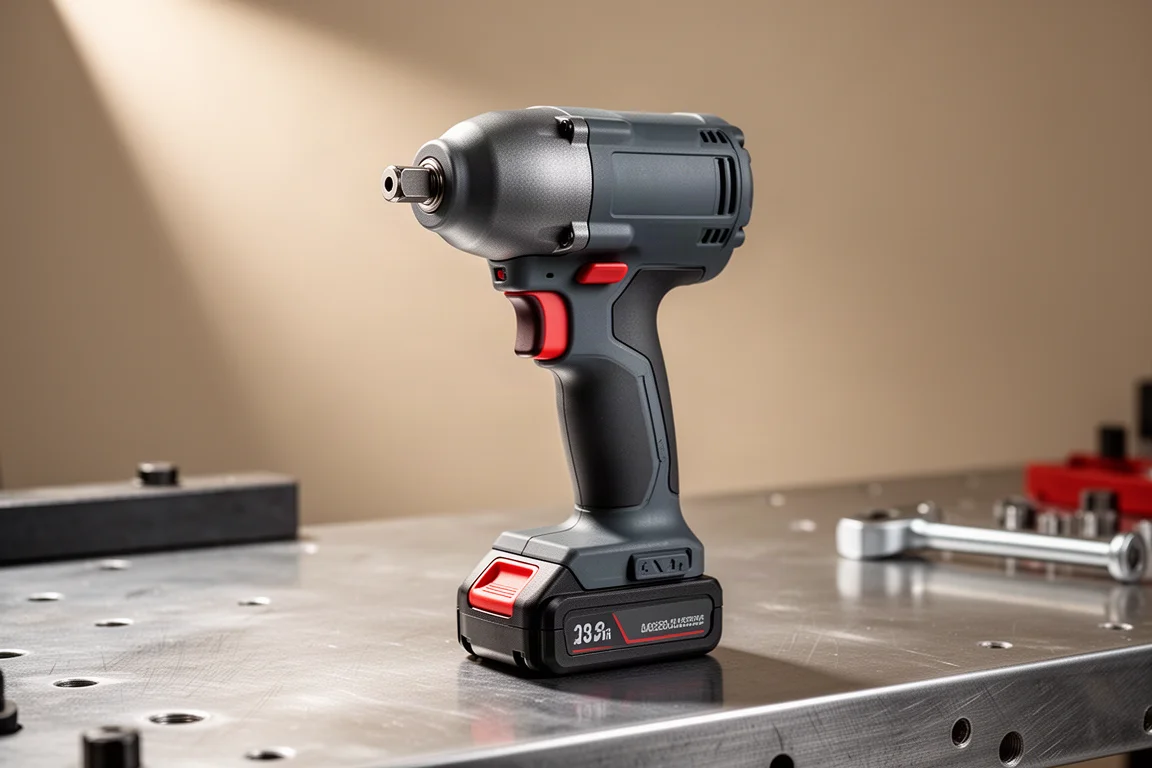
The 1/2 inch version of this tool remains an excellent all-around mid-torque wrench, and it still has the edge in low-end dynamic torque for heavily corroded fasteners. But if you assumed the 3/8 was a downgrade, the data says otherwise.
The Compact Benchmark: Milwaukee M18 1822
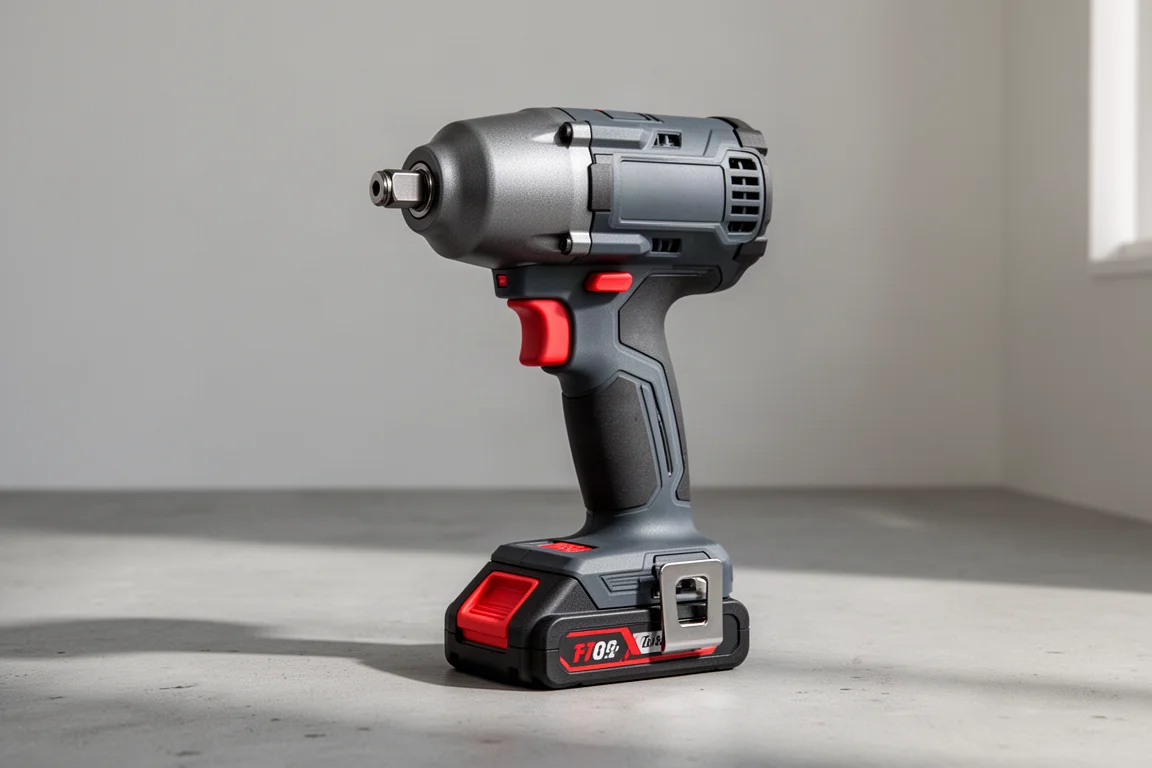
The M18 1822 mini impact wrench deserves its own mention because it served as the cleanest controlled test of drive-size physics. With its original 1/2 anvil it scored 208, 354, and 383 ft-lbs in three tests, and swapping to a 3/8 anvil changed almost nothing. Swapping an anvil on a cordless impact is a realistic DIY task: the hammer cage comes apart, the new anvil clocks into position, and the tool is ready to go. The 1822 remains a standout compact option, and the testing suggests its power is in the tool, not the anvil.
The Budget-Friendly Confirmation: Hercules 3/8 Impact Wrench
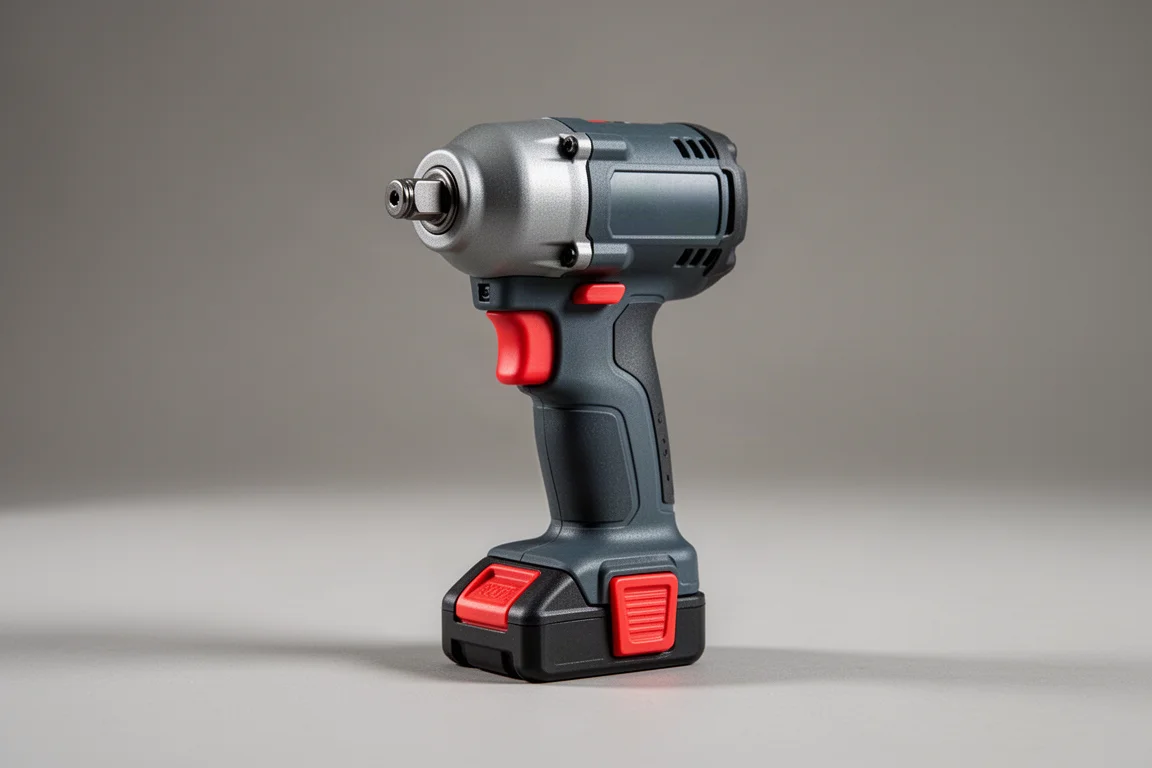
To rule out a Milwaukee-specific quirk, a 3/8 Hercules impact wrench was purchased. The 1/2 inch Hercules is advertised as a good bit more powerful than the 3/8, and the two tools weighed nearly identically. On the dyno, the 3/8 Hercules delivered nearly identical performance to its half-inch counterpart despite the drive and socket difference. Since the 3/8 Hercules costs about 10 percent less, the practical conclusion mirrors the Milwaukee result: if you are choosing between the two drives, the 3/8 is the smarter pick.
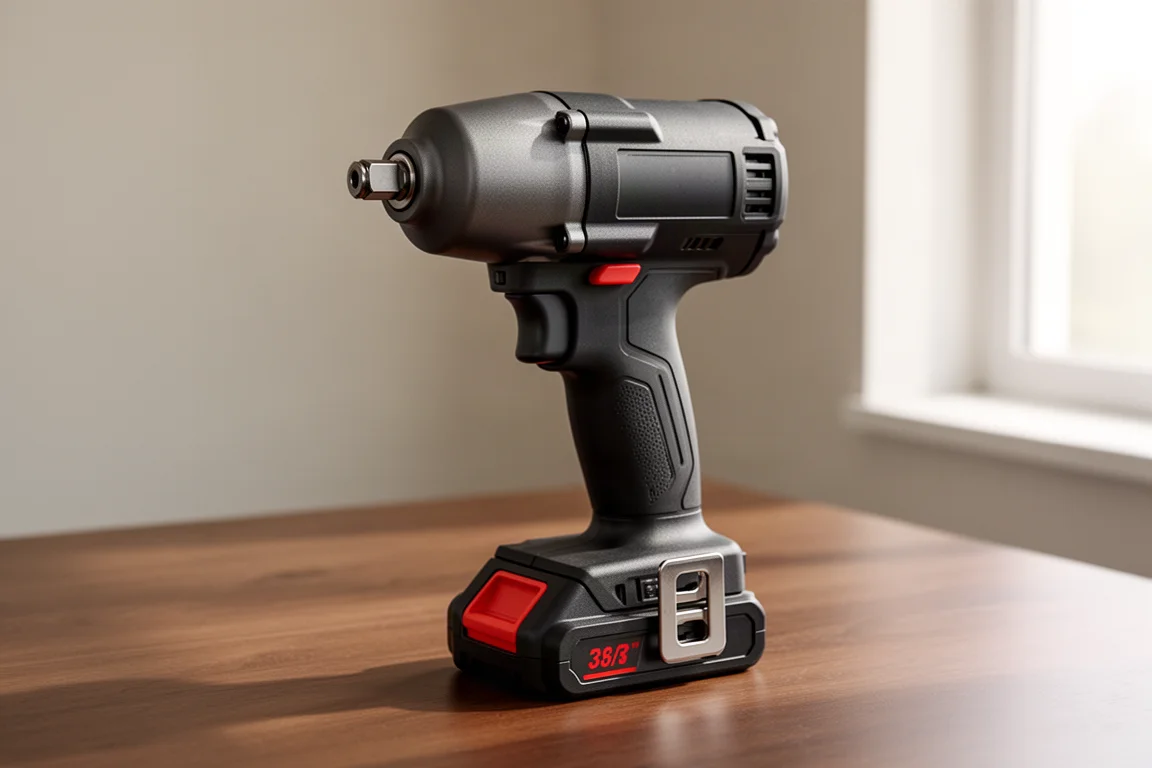
Buying Advice
Two clear lessons come out of this testing. First, brands rate 3/8 impact wrenches lower for no demonstrated reason when the rest of the tool is the same; the measured output matches or beats the half-inch equivalents. Second, Milwaukee’s 3/8 impacts in particular perform better than their old-school reputation and their advertised numbers suggest, whether because of the impact mechanism internals, anvil wing mass, or how the ball and cam setup is tuned. Advertised power ratings are not the whole story.
If you are shopping for a compact or mid-torque impact wrench, look at the 3/8 versions first. You gain clearance, typically pay the same or less, and give up effectively nothing in measured torque for the fasteners most people actually encounter.
Conclusion
The old perception that 3/8 drive means lower power does not survive contact with a dyno. Milwaukee’s 2960-20 matched or exceeded its 1/2 inch sibling, the M18 1822 produced nearly identical numbers on both anvils, and the 3/8 Hercules delivered half-inch-level performance at a lower price. For buyers willing to build a 3/8 socket set, the smaller drive is now arguably the better default.
Further reading
Related Reviews
Power Tools
Best 1-Inch Pistol Impact Wrenches: Three Heavy-Duty Options Compared
We compare three 1-inch pistol impact wrenches, from a budget-friendly Harbor Freight model to a premium Caterpillar unit, to help you choose the right one.
Power Tools
Best 3/4-Inch Impact Wrenches 2026: Five Contenders Compared
We compare five 3/4-inch impact wrenches across price and performance, from a budget Amazon option to Snap-on's most powerful model yet.
Power Tools
Best Budget Cordless Tools 2026: Walmart Finds That Punch Above Their Price
We tested five cordless tools from Walmart, including a high-torque impact wrench that trades blows with Milwaukee and a $35 duster that outperforms its price class.