Power Tools
36V Cordless Belt Sander Showdown: Makita vs HiKOKI/Metabo HPT, Plus New Tabless Batteries
Two serious cordless belt sanders face off, with new tabless batteries from Makita and Metabo HPT/HiKOKI thrown into the mix.
Introduction
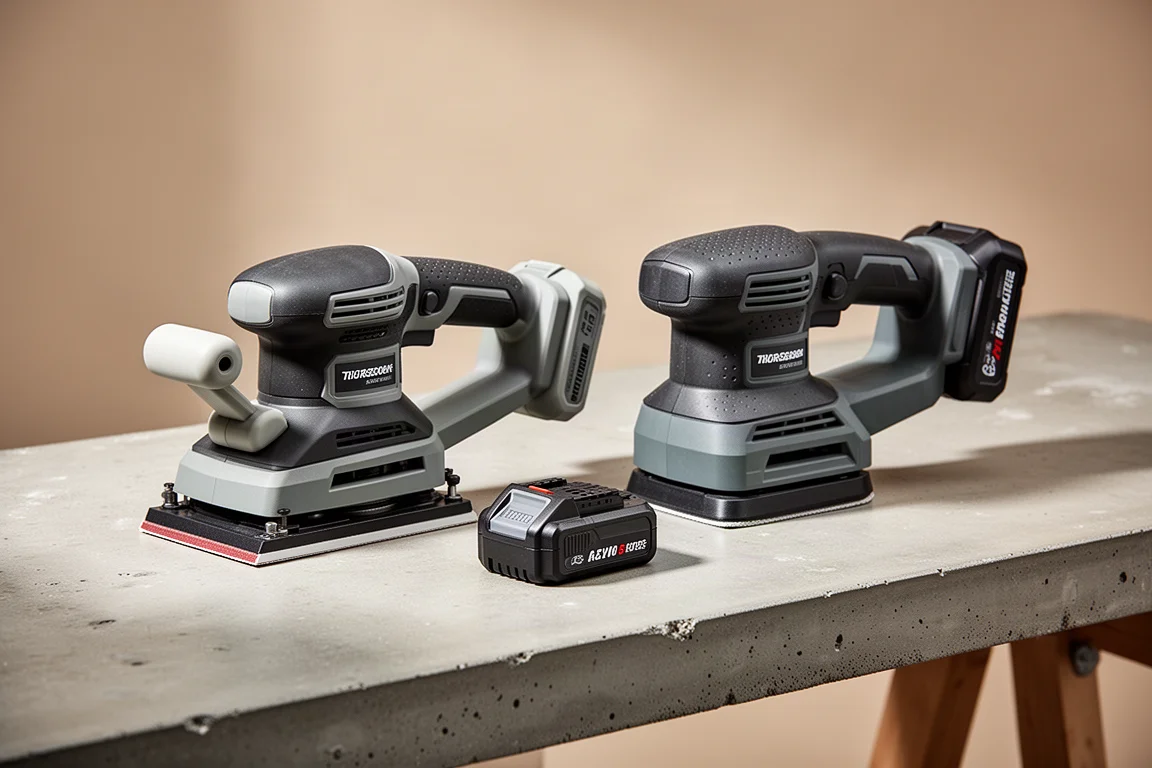
Cordless belt sanders have finally reached the point where they can genuinely replace a corded machine for most workshop tasks. Two of the most interesting options right now sit at the top of their respective platforms: the Makita BS001G 40V belt sander and the HiKOKI/Metabo HPT 36V brushless belt sander. Both take the same widely available 76 x 533 mm (3 x 21 inch) belt, and both pair naturally with their brands’ newest tabless battery technology.
This comparison covers weight, balance, speed, sanding performance, dust handling, runtime, and the battery packs each tool uses, so you can decide which system fits your bench.
Tabless Batteries: What the New Cell Tech Means
Tabless battery construction is the big new thing in cordless tools. Compared with older tabbed cells, tabless cells have less internal resistance, which means they can deliver power faster and run cooler under load. On high-drain tools like belt sanders, that efficiency can translate into more work done per charge and, in theory, less stress on each cell and longer overall battery life. It is still new technology, so long-term durability remains to be fully proven.
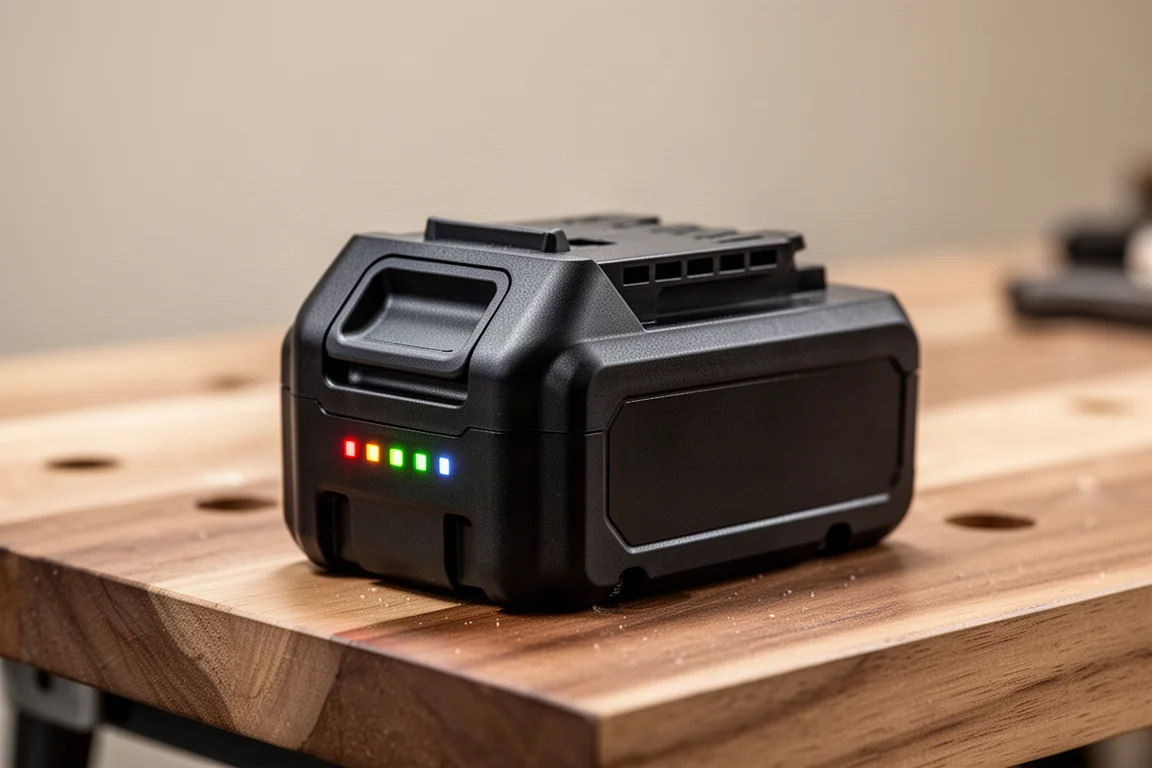
There are a couple of practical buying tips worth knowing. On Makita packs, the tabless versions have a silver housing rather than the older blue tabbed design. On the Metabo HPT/HiKOKI side, look for the T marker on the pack to confirm you are getting the tabless MultiVolt version. Both brands ship packs partially charged on purpose: lithium-ion cells store best and travel safest when they are not at full charge, so a fresh pack showing one or two bars is normal, not a fault.
HiKOKI/Metabo HPT 36V Brushless Belt Sander
Sold as HiKOKI in most of the world and as Metabo HPT in North America, this 36V brushless belt sander takes the same batteries across both names. It weighs about 3.5 kg bare (3,497 g), rising to roughly 4.5 kg with a tabless battery attached, and its belt speed runs from around 400 ft/min (about 2 m/s) up to 1,475 ft/min (about 7.5 m/s). The battery slips onto the back of the body, which puts a fair bit of weight toward the rear; the tool sits a little tippy to one side, so keeping it level takes a bit of practice.
It has a useful auto mode that starts slowly and ramps up torque as you press down, plus a trigger lock that works from either side, and both flush sides let you get hard up against walls and skirting boards. The belt release lever is tight and takes real finger effort to open, which is worth considering if you swap belts constantly. Runtime in testing came out at roughly five badly weathered 2.4 m boards on one fresh charge, and external battery temperatures after heavy use stayed reasonably moderate.
Makita BS001G 40V Belt Sander
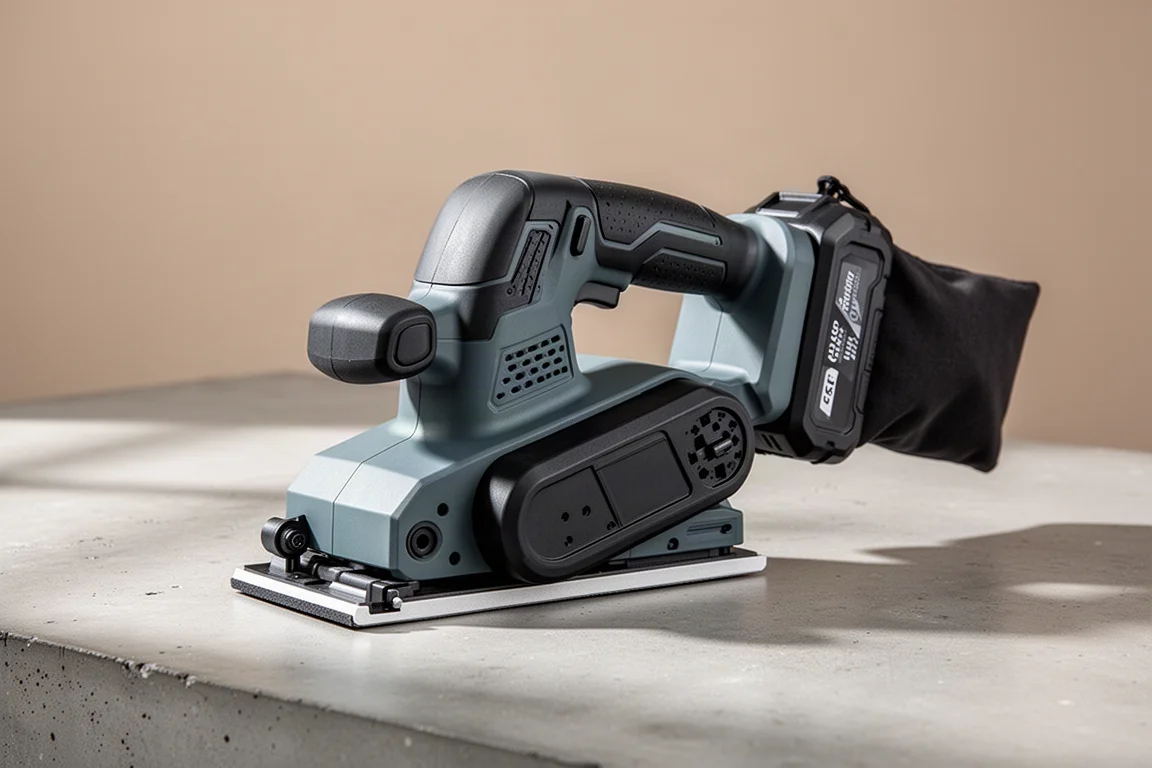
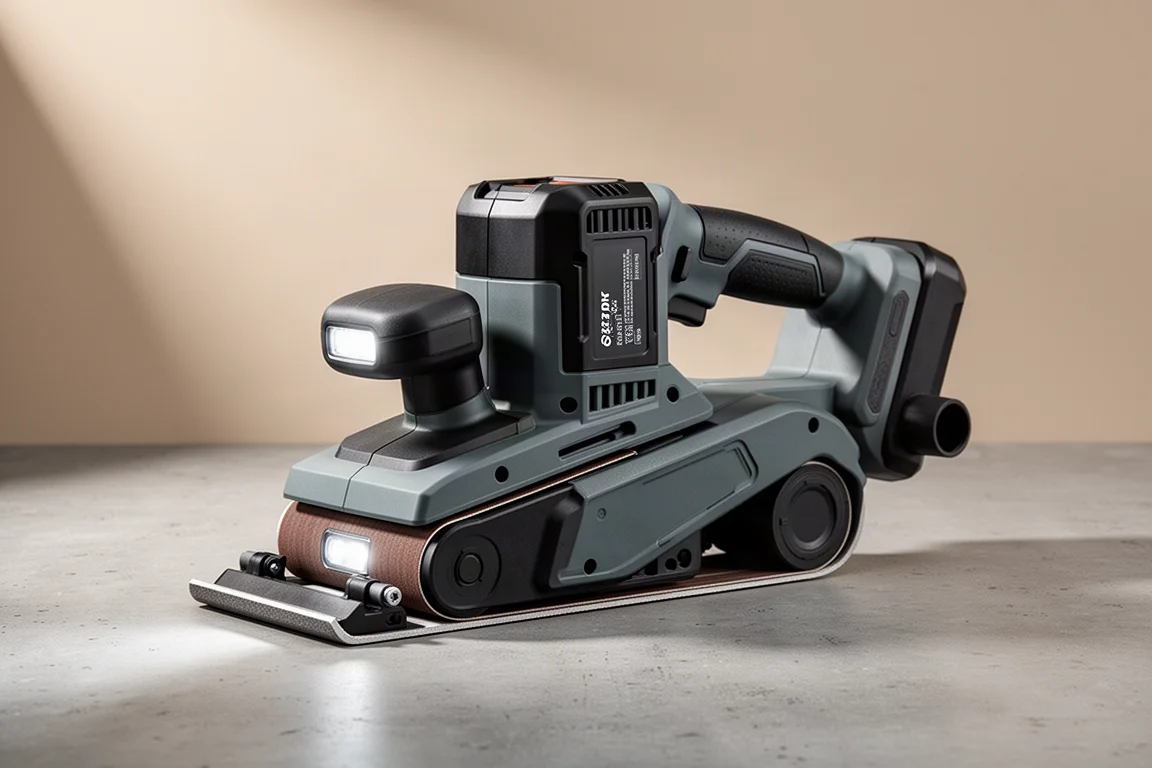
The Makita BS001G is the standout of this comparison. It weighs a bit more bare at 3.85 kg, but its balance is far more central: the battery mounts directly above the belt, pressing weight down where it does the most good. Belt speed tops out at 7.8 m/s (1,535 ft/min), slightly ahead of the HiKOKI, and the adjustable front handle locks in four positions. An integrated light, an AWS chip port that switches a compatible vacuum on and off automatically with the trigger, and a large spring-loaded belt release lever all make day-to-day use easier.
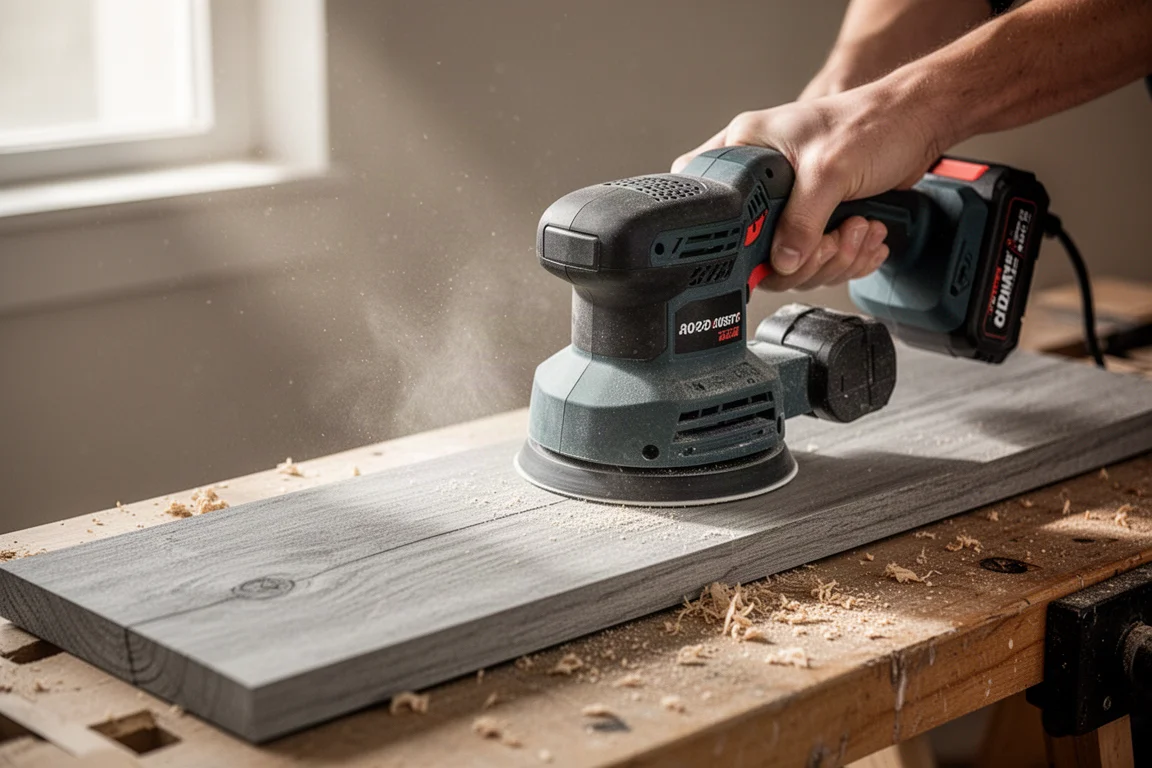
In sanding tests it removed material noticeably faster, felt smoother, tracked far better, and simply could not be stalled by body weight on a high-output tabless pack. Runtime was stronger too: around seven grubby 2.4 m boards on one charge, with the depleted pack reading a warm but not alarming 59 degrees C internally on a battery checker. If you pair it with a bigger capacity pack, you get even more runtime, though the fixed handle positions may become awkward with a heavy battery.
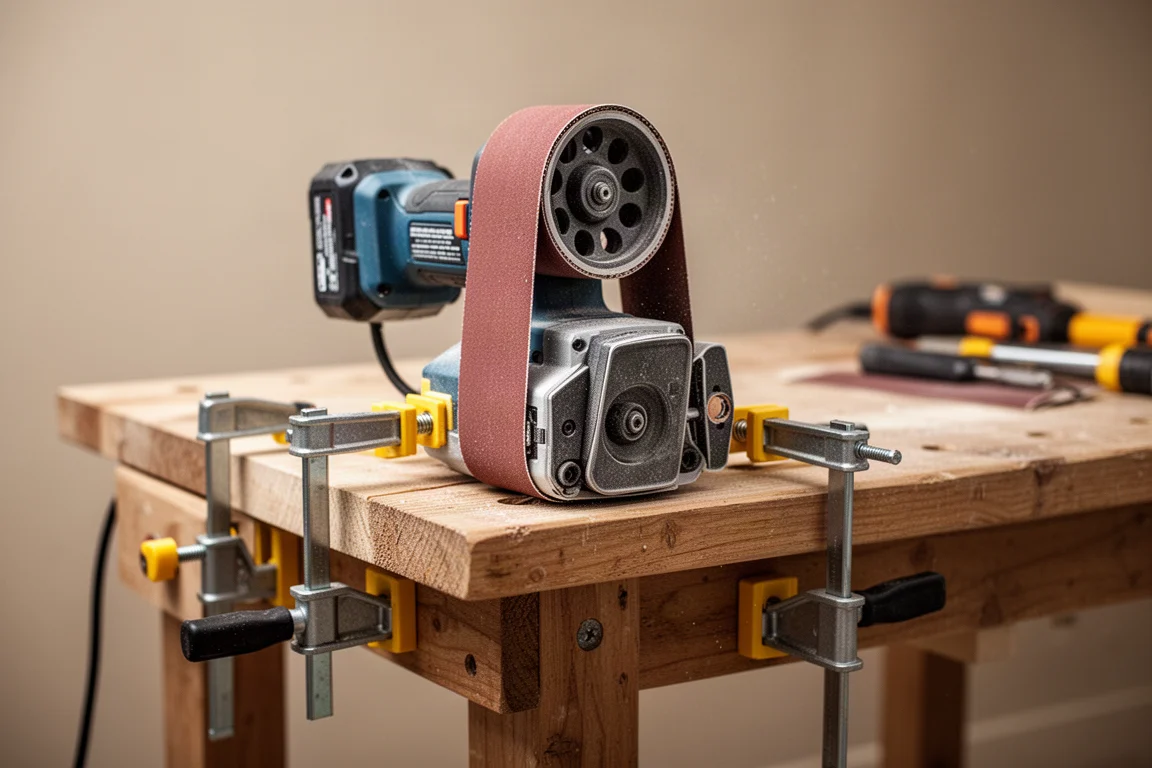
One clever extra: threaded holes on the side let you clamp the tool upside down to a bench with the handle moved forward, turning it into a small bench sander, and an optional shoe helps keep the base flat to avoid digging in.
Dust Extraction and Workshop Cleanliness
Both tools come with a dust bag and both perform well once connected to extraction. The difference shows up when you work without it. The Makita’s rear-positioned dust port throws debris well clear of the tool, so after use the machine looked barely touched. The HiKOKI/Metabo HPT fired dust in every direction and quickly caked its rear-mounted battery, so dust extraction is close to essential rather than optional with that one.
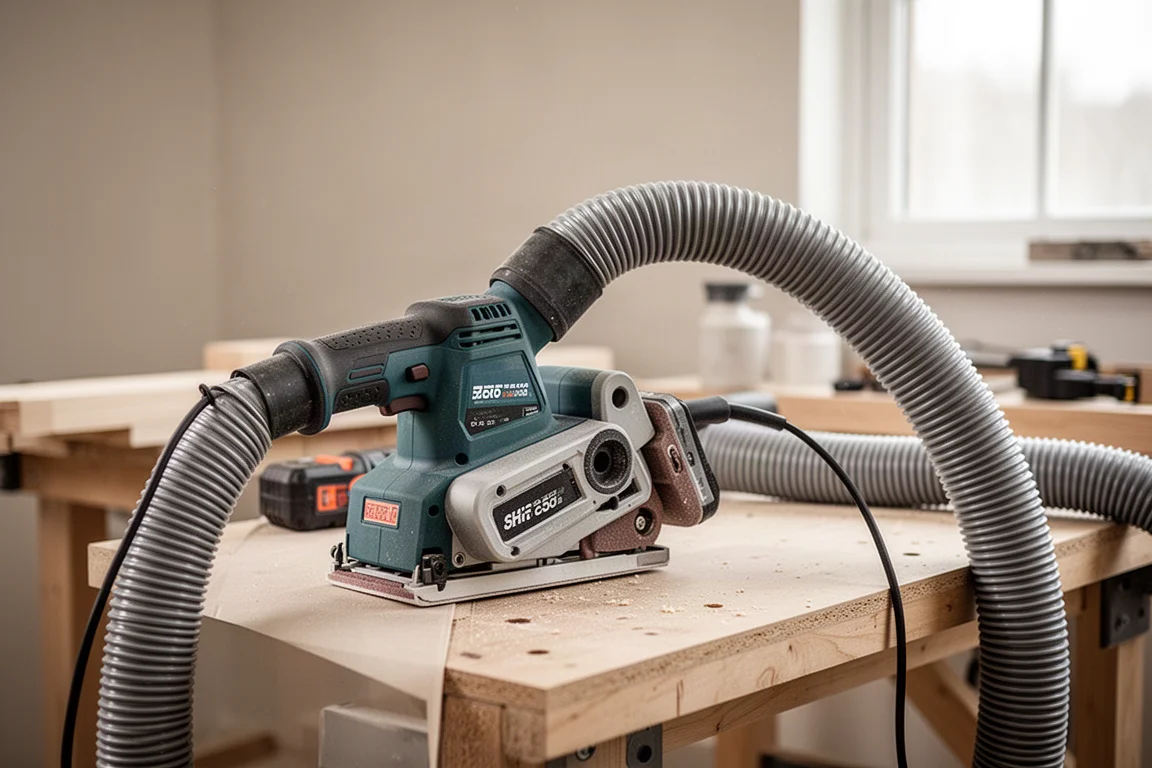
On the vacuum side, the Makita’s AWS chip makes trigger-linked vac control seamless with a compatible Makita vacuum. The Metabo HPT takes a different approach: a Bluetooth-triggered adapter that straps to the hose or tool and can switch on a Metabo vac or any corded shop vac plugged into it. It works across more brands and tools, but in use it proved more finicky than Makita’s built-in solution.
Battery Value: The New Tabless Packs
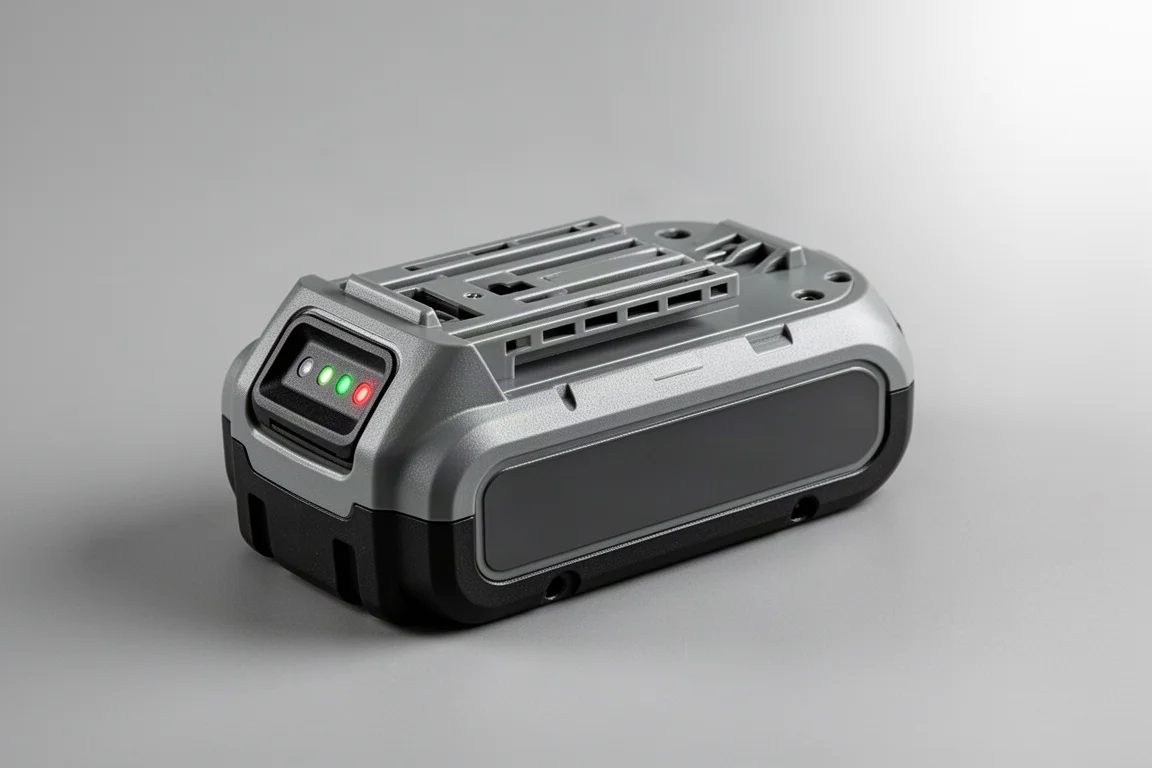
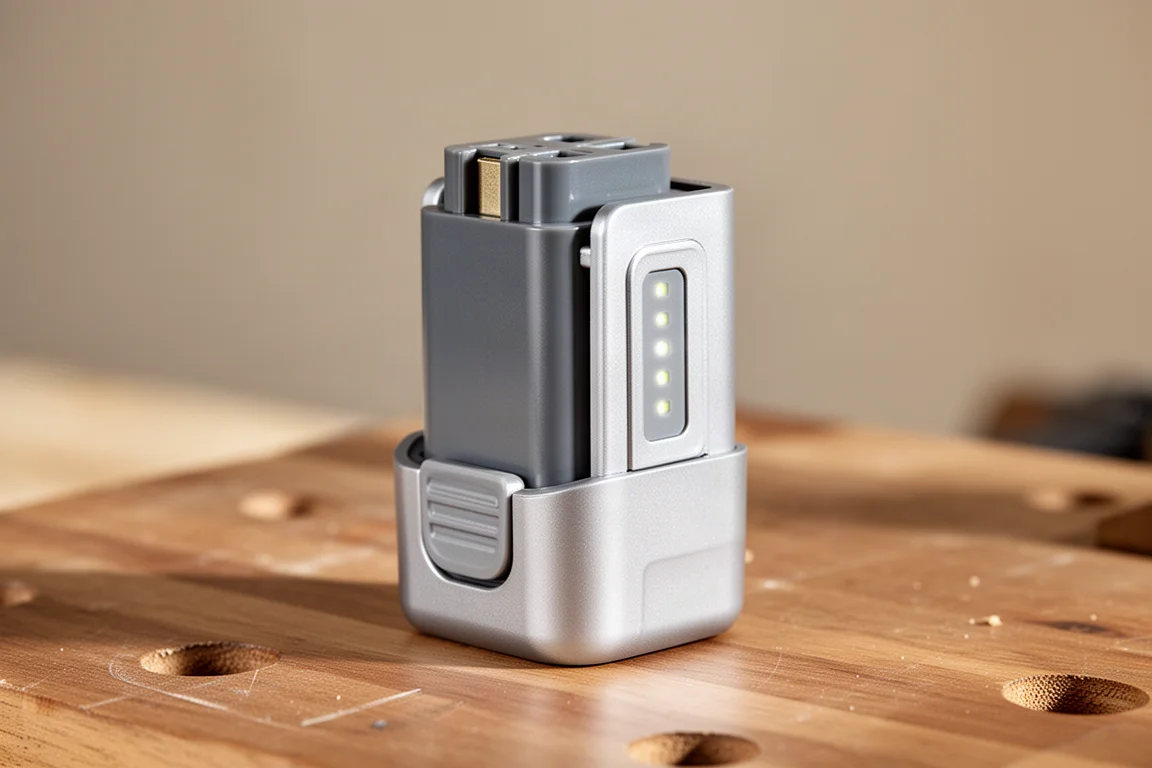
Both new tabless packs matter as much as the sanders themselves. The Makita BSL3640 tabless 40V max battery weighed in at 942 g and delivered strong, sustained output through the heaviest sanding without cutting out, running warmer than an older pack but staying healthy when checked afterwards. It accepts higher-capacity Makita packs too, which roughly doubles runtime on this sander if you accept the extra weight.
The Metabo HPT/HiKOKI tabless MultiVolt 36V battery came in at 977 g. These MultiVolt packs also run as 18V packs on compatible 18V tools, which adds flexibility across the platform. One caution: MultiVolt is a Metabo HPT/HiKOKI format only; classic Metabo (CAS) tools use entirely different batteries, a mix-up that catches a lot of buyers.
How They Compare on Paper
| Spec | Makita BS001G | HiKOKI/Metabo HPT 36V |
|---|---|---|
| Belt size | 76 x 533 mm | 76 x 533 mm |
| Top belt speed | 7.8 m/s (1,535 ft/min) | 7.5 m/s (1,475 ft/min) |
| Weight (bare) | 3.85 kg | 3.5 kg |
| Weight (with tabless battery) | ~4.8 kg | ~4.5 kg |
| Width | Just under 140 mm | ~150 mm |
| Battery position | Above the belt | Rear-mounted |
| Handle | Adjustable, 4 positions | Fixed |
| Vac trigger system | AWS chip | Bluetooth adapter |
The HiKOKI/Metabo HPT is narrower and lighter, which matters for tight work, and it comfortably outclasses smaller-brand cordless belt sanders on both power and finish. But the Makita wins on balance, tracking, material removal, runtime, and dust control.
Buying Advice: Which Setup Makes Sense for You
If you are starting fresh or already own Makita 40V tools, the BS001G plus a tabless battery is the easy recommendation. It is faster, smoother, better balanced, and has the clever bench-sander trick in reserve. If you own a HiKOKI or Metabo HPT MultiVolt collection, the 36V belt sander remains a very capable machine, and adding a tabless MultiVolt pack will benefit the whole platform, not just the sander.
One note for Metabo HPT users tempted by an AC adapter for endless runtime: modern tabless batteries can actually deliver more output than a household circuit allows, so the adapter may reduce power rather than increase it on demanding tools.
Conclusion
Both of these are serious, professional-grade cordless belt sanders, and both benefit enormously from the new tabless battery packs. The HiKOKI/Metabo HPT 36V is a solid, slightly narrower machine with a good auto mode, while the Makita BS001G edges ahead on nearly every practical measure: smoother sanding, better tracking, stronger dust control, longer runtime, and smarter design touches. Whichever platform you buy into, pairing either sander with a tabless battery is the upgrade that makes cordless sanding feel genuinely finished.
Further reading
Related Reviews
Power Tools
Best 1-Inch Pistol Impact Wrenches: Three Heavy-Duty Options Compared
We compare three 1-inch pistol impact wrenches, from a budget-friendly Harbor Freight model to a premium Caterpillar unit, to help you choose the right one.
Power Tools
Best 3/4-Inch Impact Wrenches 2026: Five Contenders Compared
We compare five 3/4-inch impact wrenches across price and performance, from a budget Amazon option to Snap-on's most powerful model yet.
Power Tools
Best Budget Cordless Tools 2026: Walmart Finds That Punch Above Their Price
We tested five cordless tools from Walmart, including a high-torque impact wrench that trades blows with Milwaukee and a $35 duster that outperforms its price class.