Power Tools
3 Power Tool Brands Worth Skipping This Holiday Season
Before you grab holiday tool deals, here are three brands where your money often works harder elsewhere, plus what to buy instead.
Introduction
Holiday tool deals are coming, and for plenty of buyers this will be their first real tool purchase. That first buy matters more than most people expect: the brand you pick tends to lock you into its batteries, its warranty system, and its upgrade path for years.
This guide covers three brands that are generally worth pausing on before you buy. The point is not that these companies make unusable tools. It is that, at similar prices, competing options regularly deliver better quality, stronger warranties, or both. If you are spending your own money this season, it pays to know where the value actually sits.
Why Some Brands Fall Short of the Price
Every tool brand on this list fails for a different reason. One is coasting on a famous name with quality that no longer matches the sticker. One launched with big promises and a lineup that has barely moved since. One undercuts the competition on price but asks you to accept a warranty so short it barely covers the first season of use.
The common thread is simple: none of them is the best value at its own price point, and in most cases there is an alternative in the same aisle that does the job better.
Craftsman: A Legendary Name Running on Reputation
Craftsman was legendary before it landed at Lowe’s, and in some ways it still carries that reputation. The reality on the shelf today is different. Much of the standard hand tool range found at Lowe’s is priced well above what the quality justifies, and comparable tools at Harbor Freight often cost roughly half while holding up at least as well in use.
The hand tool picture is not entirely bleak. The V series stands out, but those tools are largely rebranded pieces from higher-end manufacturers rather than something Craftsman builds itself. Outside that line, complaints about the warranty experience at Lowe’s keep piling up, with broken tools meeting a runaround instead of a straightforward replacement. Even the rolling tool cabinets have disappointed owners who describe them as the worst quality cabinets they have purchased.
On the power tool side, the story is familiar: much of it amounts to lower-end DeWalt hardware rebranded under the Craftsman name, since both fall under Stanley Black & Decker. Several Craftsman power tools have also underperformed in independent testing. For hand tools, Harbor Freight, Husky at Home Depot, or Kobalt at Lowe’s are stronger bets. For power tools, Metabo HPT, Hercules, Ridgid, and Ryobi all offer more compelling packages. In short, there is little reason left to choose Craftsman over the alternatives.
Flex: High Promises and a Stalled Lineup
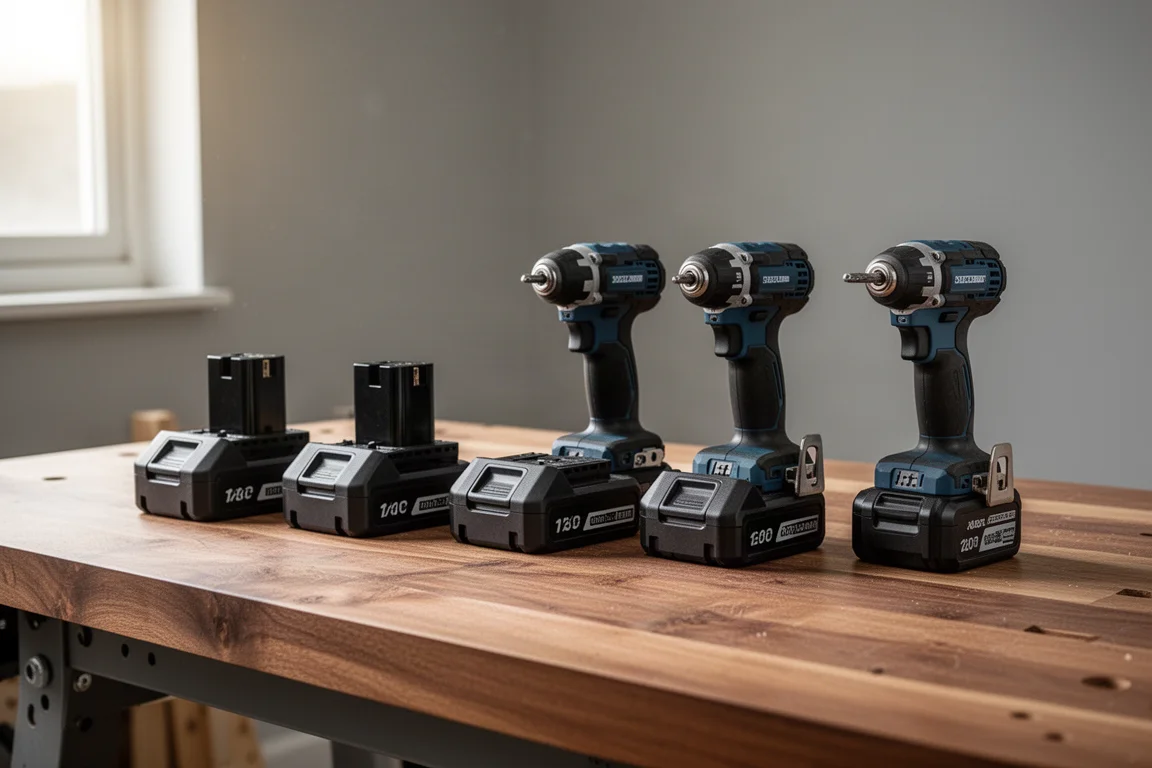
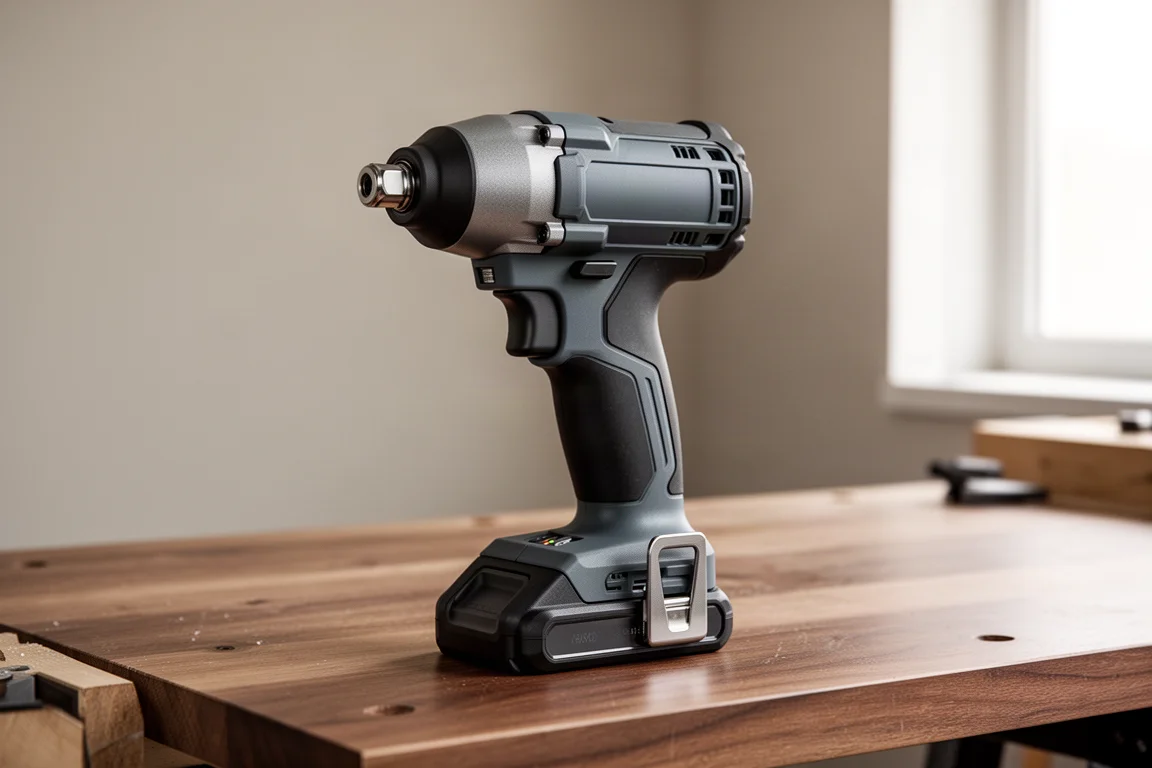
Flex arrived a few years ago as one of the newest names in power tools, aiming squarely at Milwaukee buyers and pricing itself accordingly. It leaned hard on an extended warranty promotion that keeps getting pushed forward year after year, which says something about how sales have held up.
Early adopters ran into real problems: battery failures within a year under only mild use were common enough to sour impressions of the platform. Since launch, the lineup has barely grown. A few impact wrenches and nailers have appeared, but the drills and impacts remain first-generation tools, and the brand has shown little of the release momentum its competitors enjoy.
More concerning is how the brand has handled its own marketing. When Flex released one of its comparison campaigns, a detailed independent teardown showed the company using incorrect competitor tools and other questionable methods to flatter its own results. Very few reviewers had early access to the tools, which usually signals a brand with something it would rather not have scrutinized.
If you want flagship-tier performance, Milwaukee is the more proven spend. Metabo HPT, sold right alongside Flex at Lowe’s, offers a better warranty, generally better quality, and a larger catalog. Flex does run occasional online deals, but with lingering doubts about the early batteries and a stagnant platform, your money has better places to go.
Bauer: Entry-Level Pricing With a 90-Day Warranty
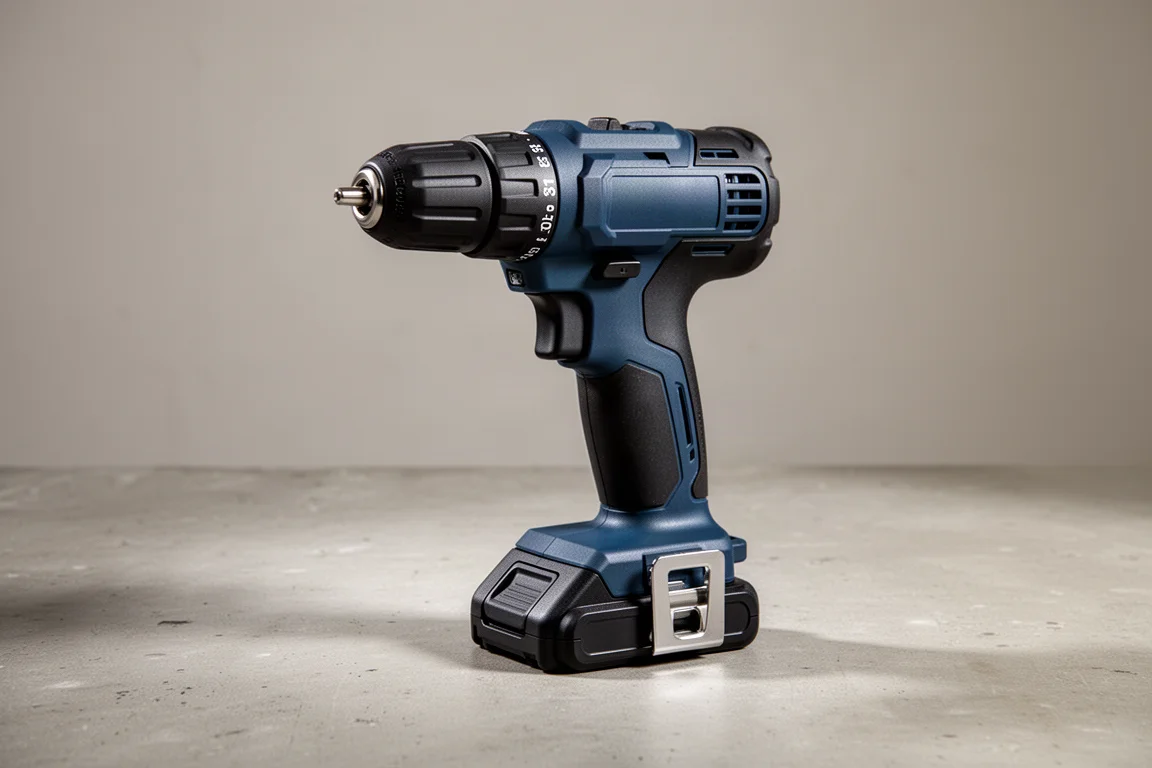
Bauer sits in the affordable entry-level category alongside Ryobi and Craftsman, and on paper that sounds reasonable. The problem shows up the moment you compare it to the shelf next door. Hercules at Harbor Freight costs only a little more, carries a five-year warranty, and delivers better quality tools with better battery packs, all in the same store.
The warranty gap is the dealbreaker. On comparable tools, the price difference between Bauer and Hercules can be around $40, yet Bauer still carries a 90-day warranty. That is a very short window for a tool you expect to keep for years. If you want a cheap entry-level platform, Ryobi costs about the same, offers a far better warranty with in-store service, and has a massive catalog covering nearly every tool category. If you prefer to stay at Harbor Freight, step up to Hercules. Either path beats Bauer on quality and support for roughly the same money.
Where the Value Actually Is
For hand tools, Harbor Freight remains the value leader, with Husky at Home Depot and Kobalt at Lowe’s as solid alternatives where a Harbor Freight is not nearby. For power tools, the strongest alternatives at each of these brands’ home stores are Metabo HPT, Hercules, Ridgid, Ryobi, and DeWalt. All of them are doing more to earn your money this holiday season, whether through warranties, bundle deals, or expanded lineups.
Conclusion
None of these three brands is unbuyable, but each one asks you to accept worse value than you can find down the same aisle. Craftsman trades on past glory, Flex has stalled after a shaky start, and Bauer’s 90-day warranty undermines its low price. Check the warranty terms, compare against the alternatives in the same store, and your holiday tool budget will stretch a lot further.
Further reading
Related Reviews
Power Tools
Best 1-Inch Pistol Impact Wrenches: Three Heavy-Duty Options Compared
We compare three 1-inch pistol impact wrenches, from a budget-friendly Harbor Freight model to a premium Caterpillar unit, to help you choose the right one.
Power Tools
Best 3/4-Inch Impact Wrenches 2026: Five Contenders Compared
We compare five 3/4-inch impact wrenches across price and performance, from a budget Amazon option to Snap-on's most powerful model yet.
Power Tools
Best Budget Cordless Tools 2026: Walmart Finds That Punch Above Their Price
We tested five cordless tools from Walmart, including a high-torque impact wrench that trades blows with Milwaukee and a $35 duster that outperforms its price class.