Kitchen Knives
Three 210mm Gyuto Knives Compared: Hatsukokoro, Atetsu, and Shiro Kamo
We put three 210mm Japanese gyuto knives through real kitchen tasks to see which one delivers the best balance of cutting performance, comfort, and upkeep.
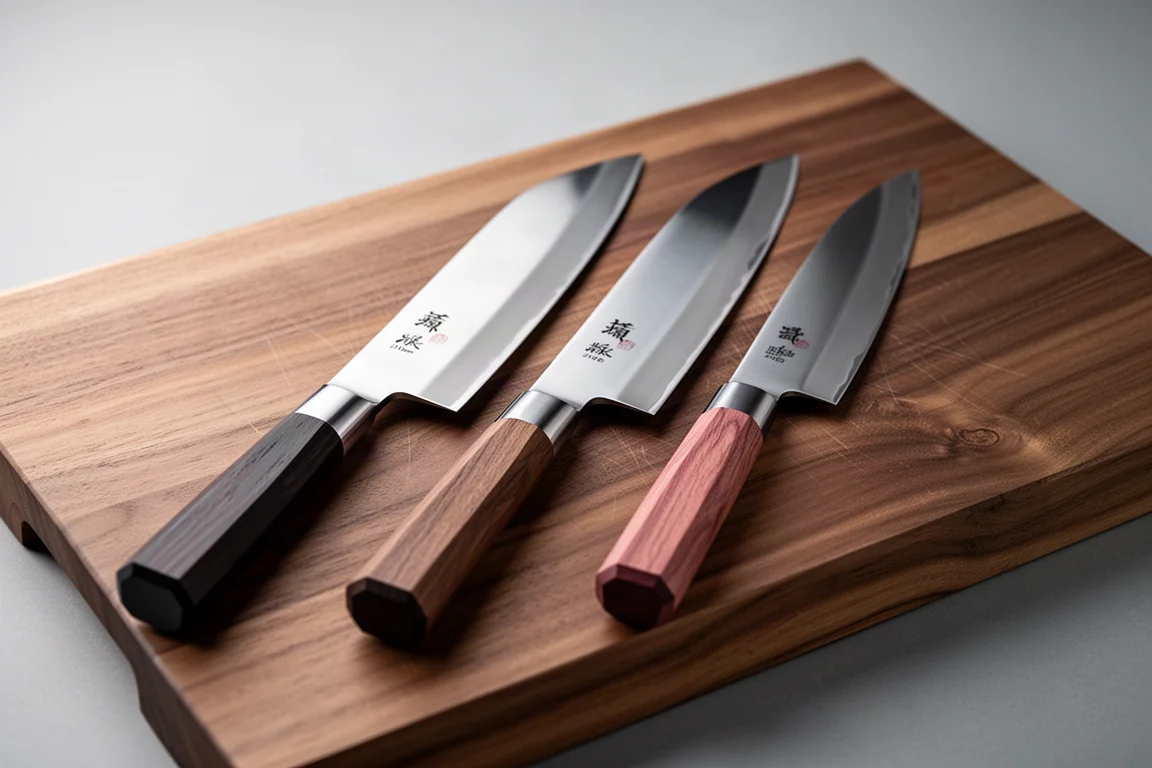
Introduction
Three 210mm gyuto knives went head to head in a practical cutting test: onion dicing, carrot slicing, julienne work, and bell pepper rock chops. All three are Japanese-handled, all three cut well, but they differ in edge geometry, balance, handle feel, and above all in how much maintenance they demand. Here is how they compare and which one suits which kind of cook.
The Contenders at a Glance
All three knives carry a 210mm blade, but they take different routes to performance. The Hatsukokoro Kumokage uses aogami (blue) No. 2 steel with iron cladding and a wenge handle with a buffalo horn ferrule on an octagonal wa handle. It is a fully reactive knife that needs to stay dry and clean, though a forced patina offers some rust resistance.
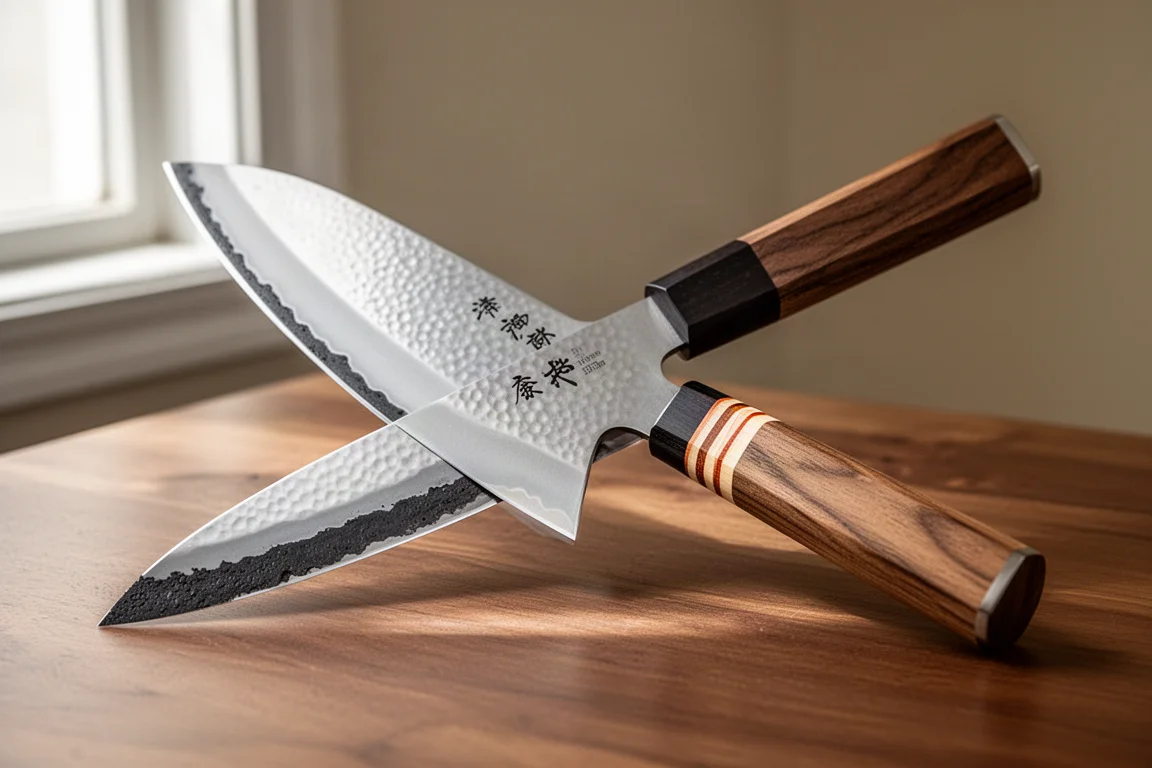
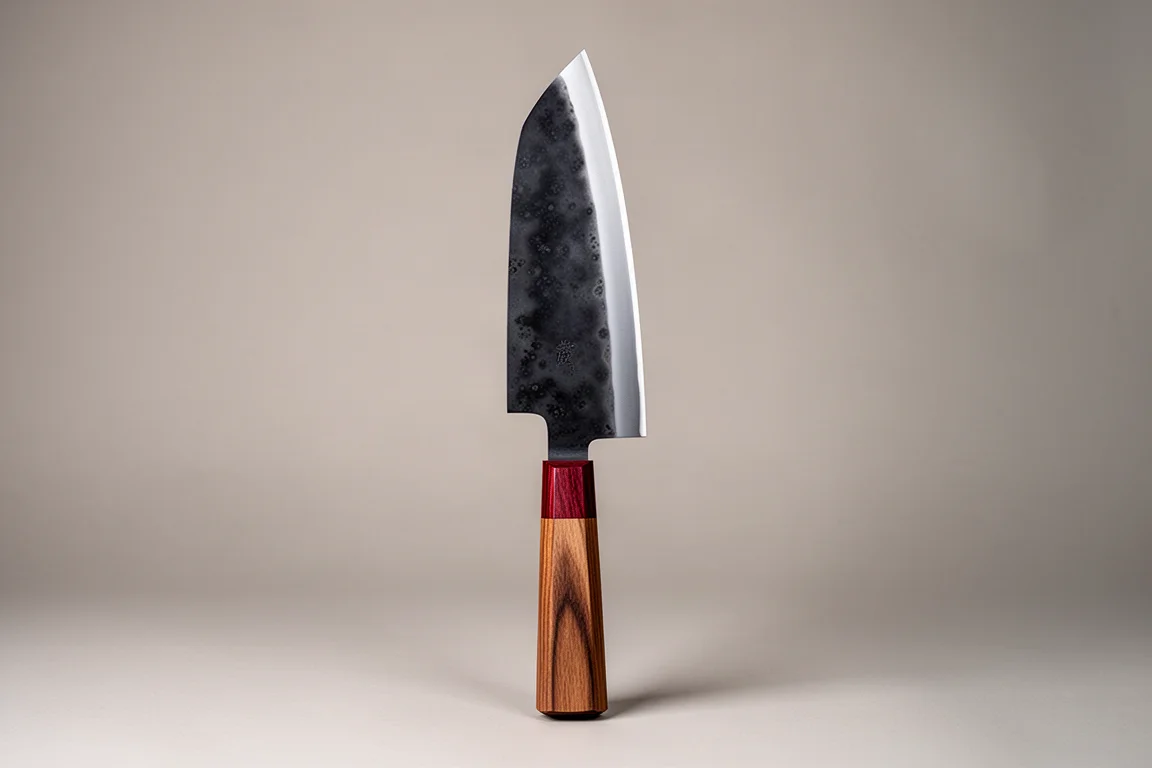
The Atetsu Nashiji pairs stainless cladding over an aogami No. 2 core, with a walnut handle, striped maple liner, and ebony ferrule. Its balance point sits further forward, giving it a distinctly blade-heavy feel. The Shiro Kamo Kurouchi runs an aogami super core with stainless cladding, a walnut handle with a rosewood ferrule, and an octagonal shape suited to both right- and left-handed users.
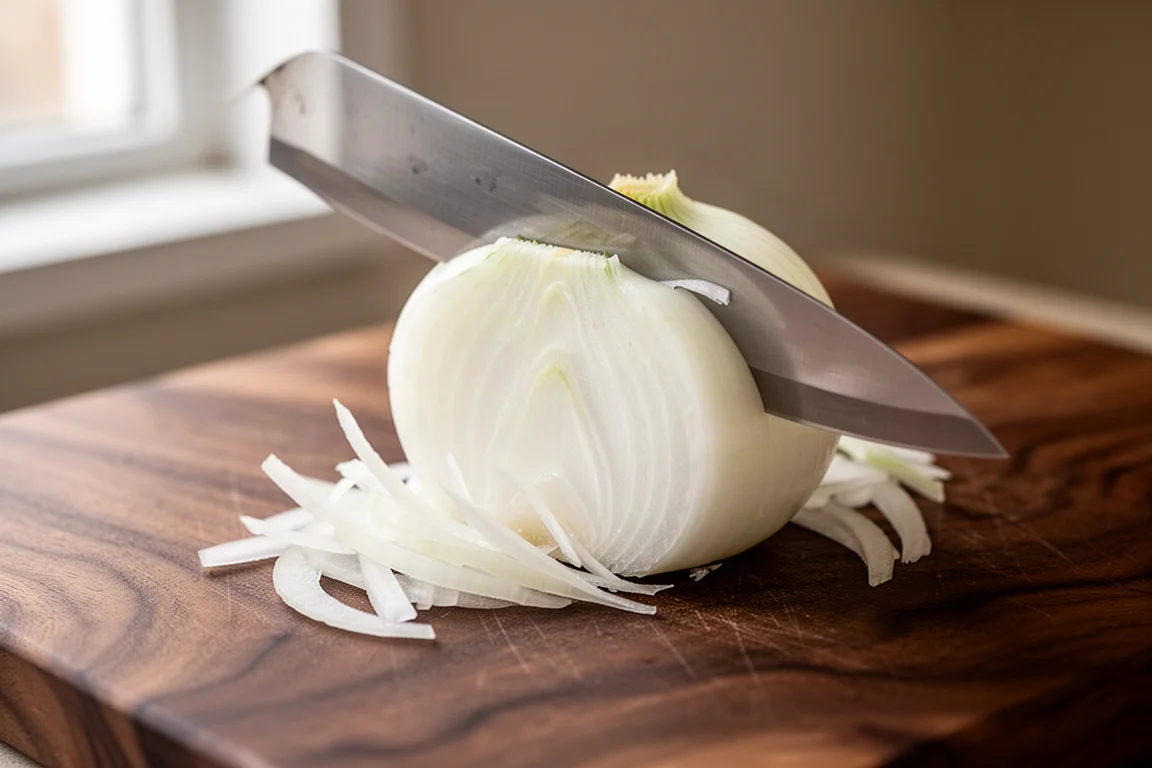
Hatsukokoro Kumokage 210mm Gyuto
This was the surprise of the test. The thinness behind the edge and the sharp edge geometry at the tip made dicing onions remarkably easy, and the flat profile made the push-pull cutting motion very efficient. The handle feels great in the hand, with no sharp edges on the spine or choil.
The trade-offs are worth knowing before buying. Its flatter profile means it is slightly less convincing in a rock chop than the other two, though still very good. More importantly, the iron cladding makes it the most reactive knife of the three, so it must be wiped down and dried immediately after use. With that habit, it stayed rust-free and free of visible wear throughout testing.
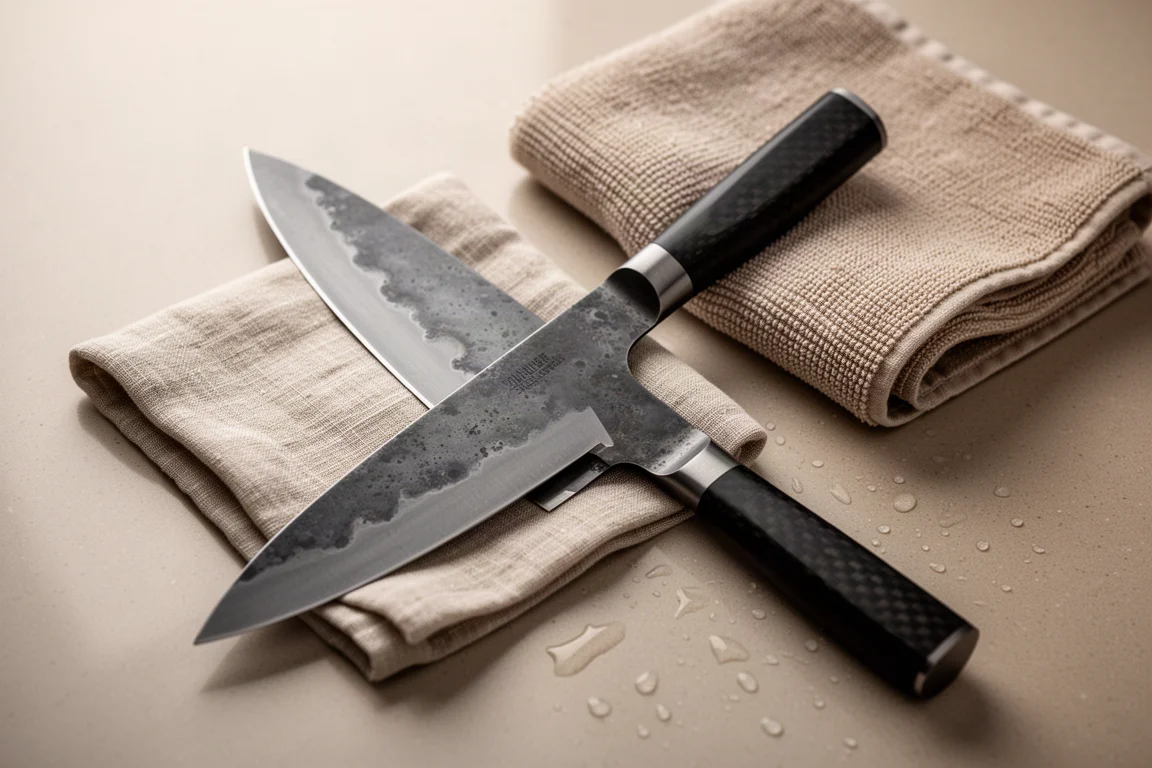
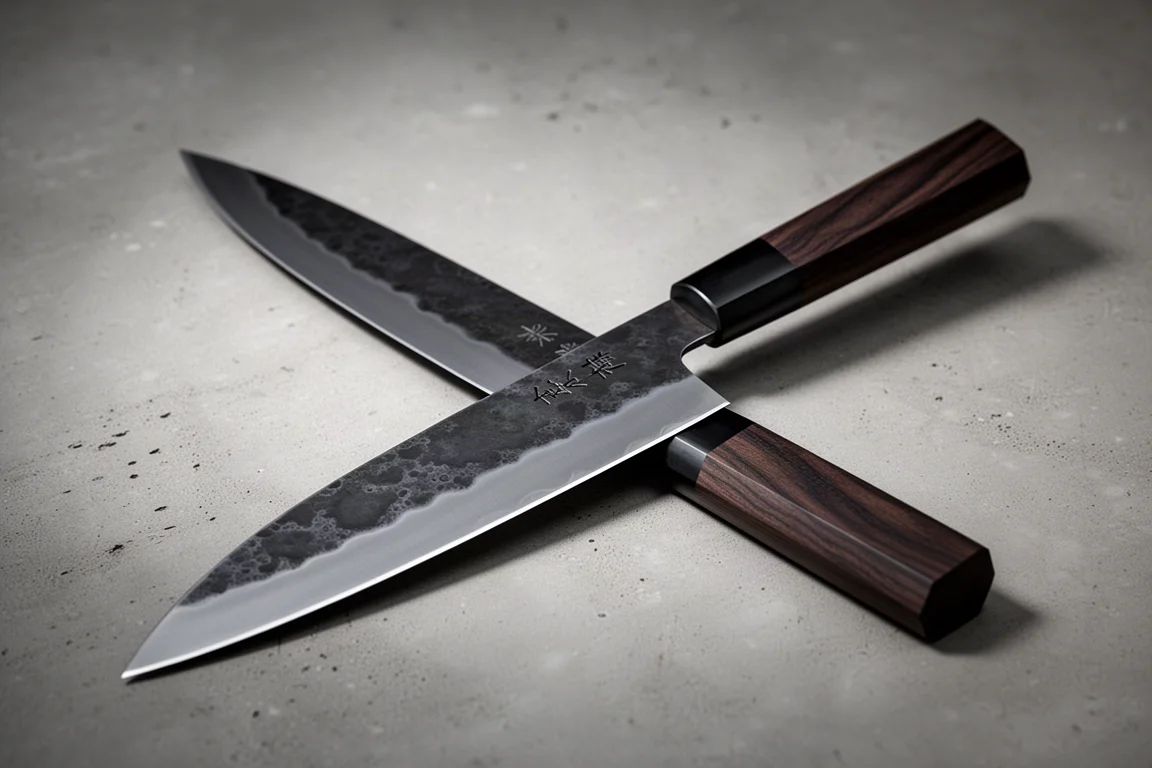
Atetsu Nashiji 210mm Gyuto
The blade-forward balance makes this the pick for cooks who like a blade-heavy knife. It performed well across the board and was clearly the best rock chopper of the three, likely thanks to its more curved blade profile. That makes it a sensible choice if you are newer to Japanese knives and want something less delicate.
There are two caveats. The blade height is a bit lower, which was noticeable when dicing onions compared with its rivals. And it is a little thicker behind the edge with shallower bevels, so the edge geometry was not as strong on the carrot test, even though it still felt genuinely sharp. The handle is slightly more slender than the Hatsukokoro, which some will prefer less, but it remains very comfortable.
Shiro Kamo Kurouchi 210mm Gyuto
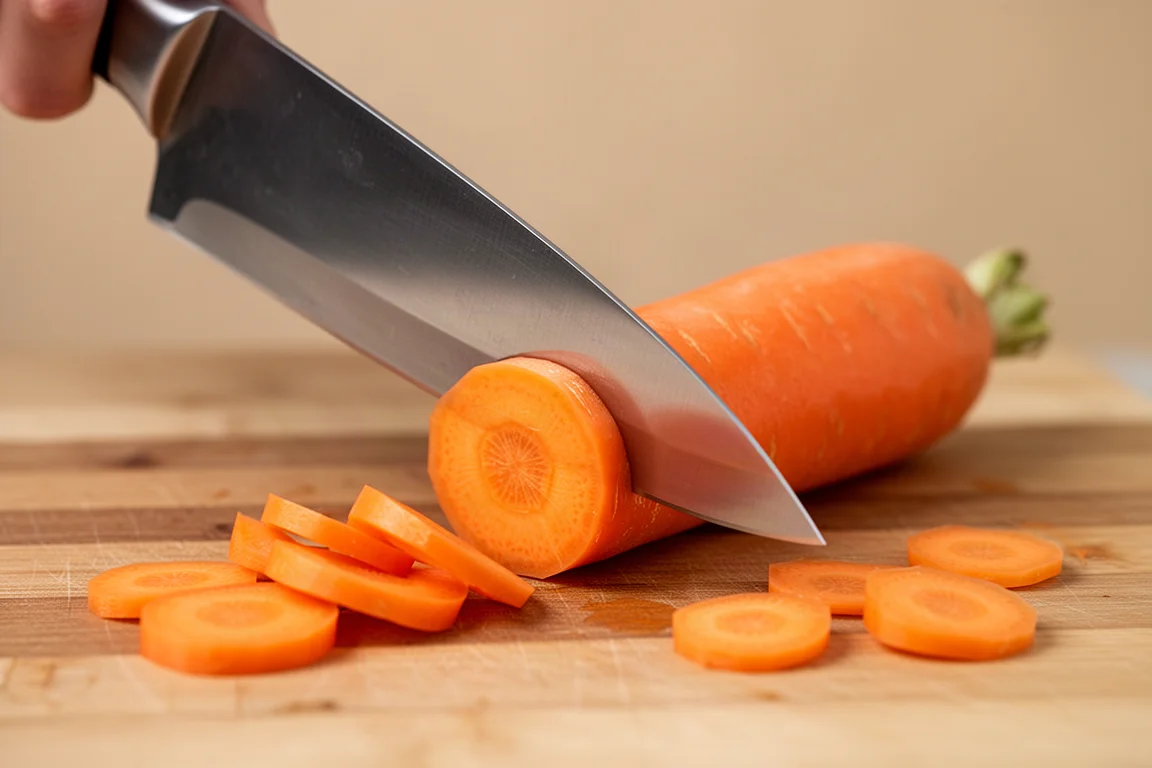
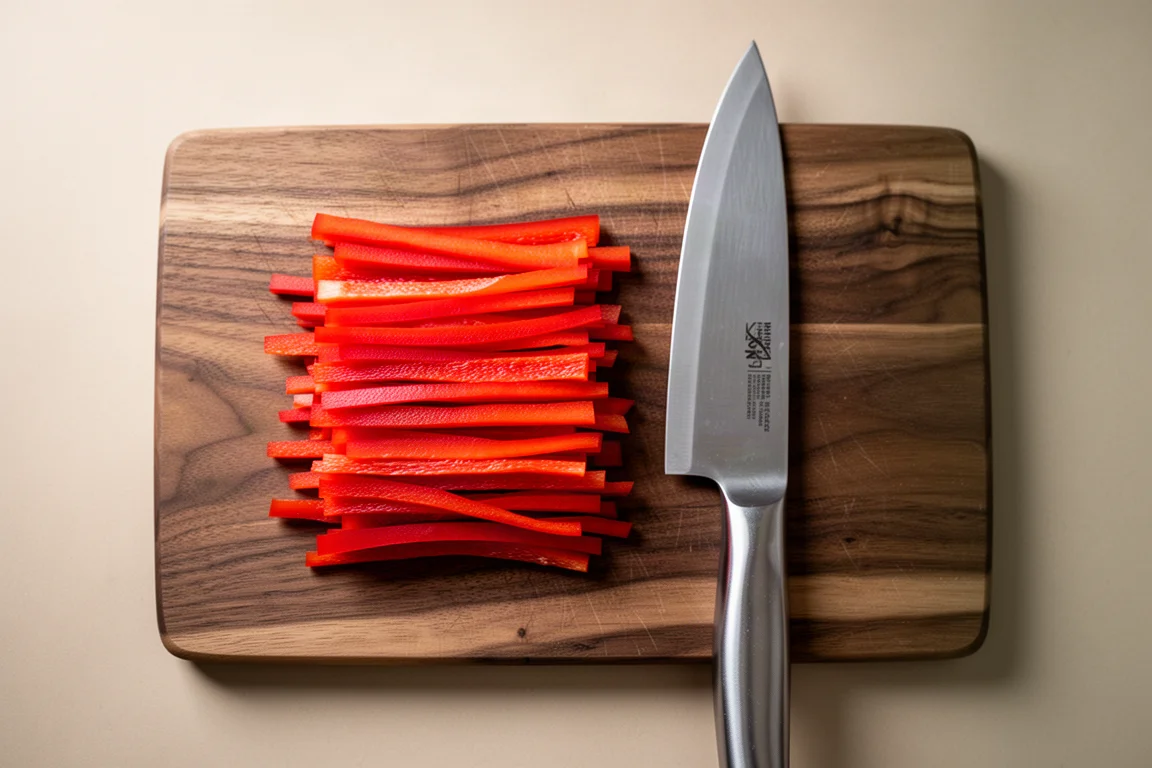
This one earned the top spot. It performed well in every test, and beyond the onion dice, where the Hatsukokoro still had the edge, it won or matched everything else. The carrot cut was whisper quiet, the onion dice stayed pleasurable, and the julienne was excellent.
Where it really shined was the bell pepper work, both rock chopping and push-pull cutting: it never hung up on the skin. Add the generous blade height, a balance point similar to the Atetsu with a pleasing bit of blade weight, a comfortable octagonal handle, and stainless cladding over an aogami super core, and you get the most complete package of the three. The stainless cladding also means a small maintenance mistake is no big deal.
Buying Advice
Maintenance is the deciding factor for many buyers. The Hatsukokoro is fully reactive and rewards a disciplined, wipe-it-dry routine with outstanding push-pull cutting and onion work. The Atetsu suits cooks who want a blade-forward feel and the most forgiving rock chop, especially as a first serious Japanese knife. The Shiro Kamo is the most well-rounded: strong across every task, tall blade, comfortable handle, and stainless cladding that tolerates the occasional lapse.
If you want one knife that does everything well with the least fuss, the Shiro Kamo is the strongest overall pick. If you love a flat profile and precise push-cutting, and you do not mind patina care, the Hatsukokoro is a delight.
Conclusion
All three of these 210mm gyutos are capable cutters with distinct personalities. The Hatsukokoro Kumokage excels at push-pull work and onion prep but demands careful upkeep. The Atetsu Nashiji is the best rock chopper and the most beginner-friendly. The Shiro Kamo Kurouchi combines excellent all-round performance, great balance, tall blade height, and easy-care stainless cladding, which is why it takes the win.
Further reading
Related Reviews

Kitchen Knives
Best Chef's Knives 2026: 27 Popular Options Tested and Ranked
A comprehensive review of 27 chef's knives ranging from $18 to $380, with honest assessments of handle comfort, blade balance, and real-world performance.

Kitchen Knives
Best Chef's Knives Under $75: Two Tested Recommendations
Two practical 8-inch chef's knives that balance sharpness, comfort, and durability without premium pricing.

Kitchen Knives
Best Chef's Knives 2026: 27 Options Tested and Ranked
A comprehensive review of 27 chef's knives ranging from $18 to $380, with honest assessments of handle design, balance, blade profile, and real-world performance.