Kitchen Gadgets
Four As Seen on TV Kitchen Gadgets Revisited: Are They Still Worth Buying?
We take a fresh look at four iconic 2000s kitchen gadgets, from the Jamie Oliver Flavour Shaker to the Presto Pizzazz, and ask which ones still earn a place on the counter.
Introduction
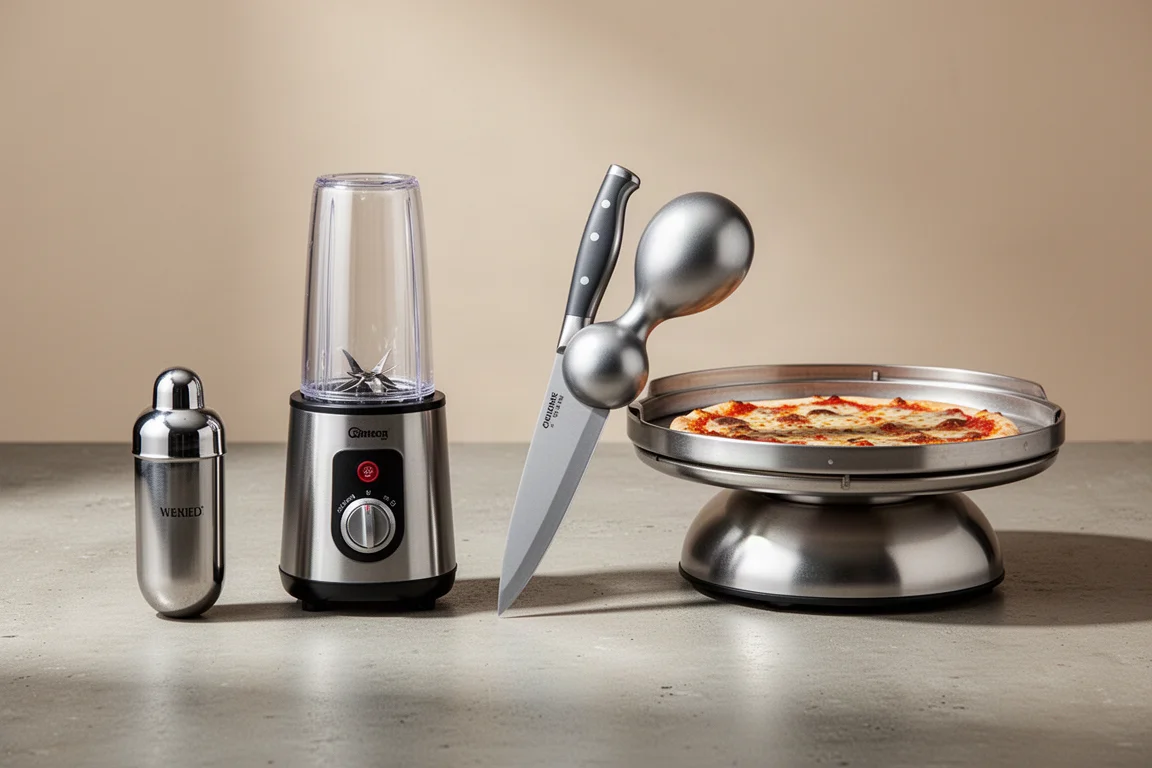
The 2000s were a golden era for As Seen on TV kitchen gadgets. Teleshopping ads promised ten-second omelets, lifetime-sharp knives, and restaurant-quality dressing at the shake of a wrist. We went back and put four of the decade’s most memorable gadgets through a real kitchen test to see which ones still hold up, and which belong strictly in the nostalgia cabinet.
The line-up: the Jamie Oliver Flavour Shaker, the Magic Bullet, the Miracle Blade III Perfection Series, and the Presto Pizzazz Plus Rotating Pizza Oven. Each was judged on build quality, real-world performance, and whether it makes sense to buy today.
Jamie Oliver Flavour Shaker
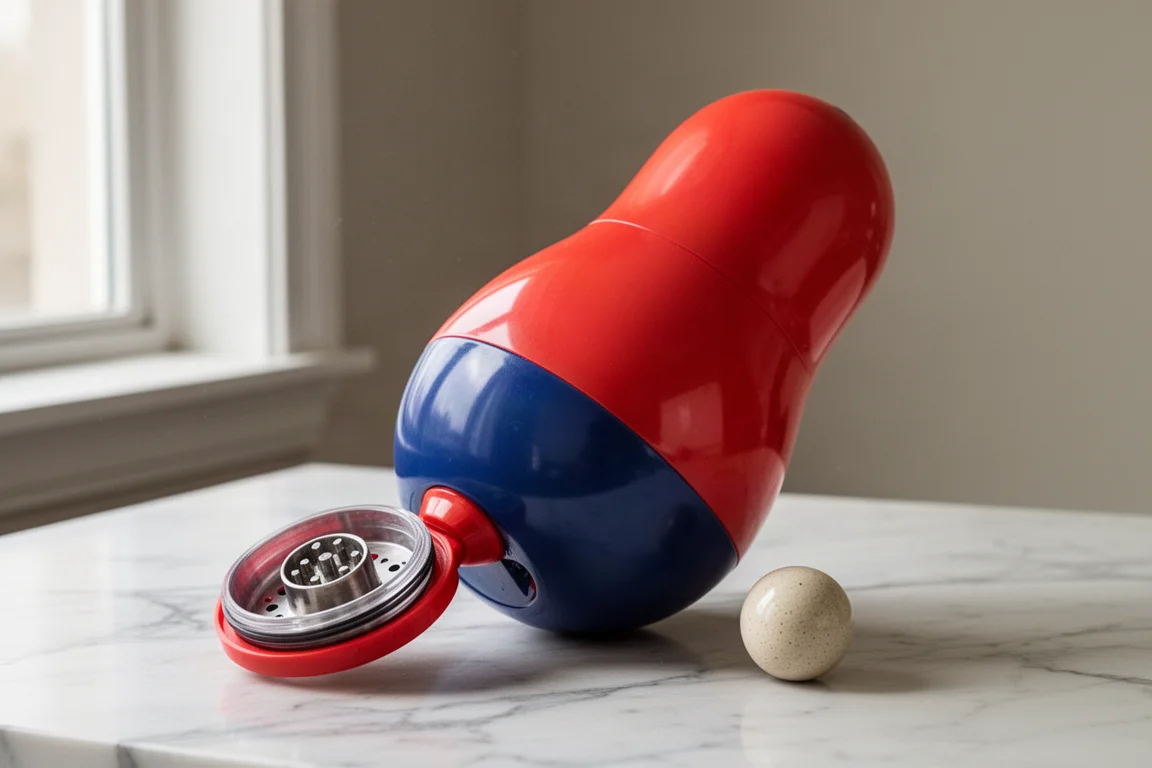
Released in 2005 at the height of Jamie Oliver’s TV fame, the Flavour Shaker is a handheld gadget pitched as a faster alternative to a mortar and pestle. You drop herbs, spices, garlic, or nuts inside a weighted ceramic ball, seal it up, and shake. It retailed for around £20 at launch, which caused a few raised eyebrows given its pocket-money appearance.
The surprise is that it works. Five seconds of gentle shaking crushed whole peppercorns impressively well, and garlic came out chunky, which is exactly what you want for a rustic dressing. Recreating a simple basil, olive oil, garlic, and balsamic dressing straight from the classic advert produced genuinely tasty results with very little effort.
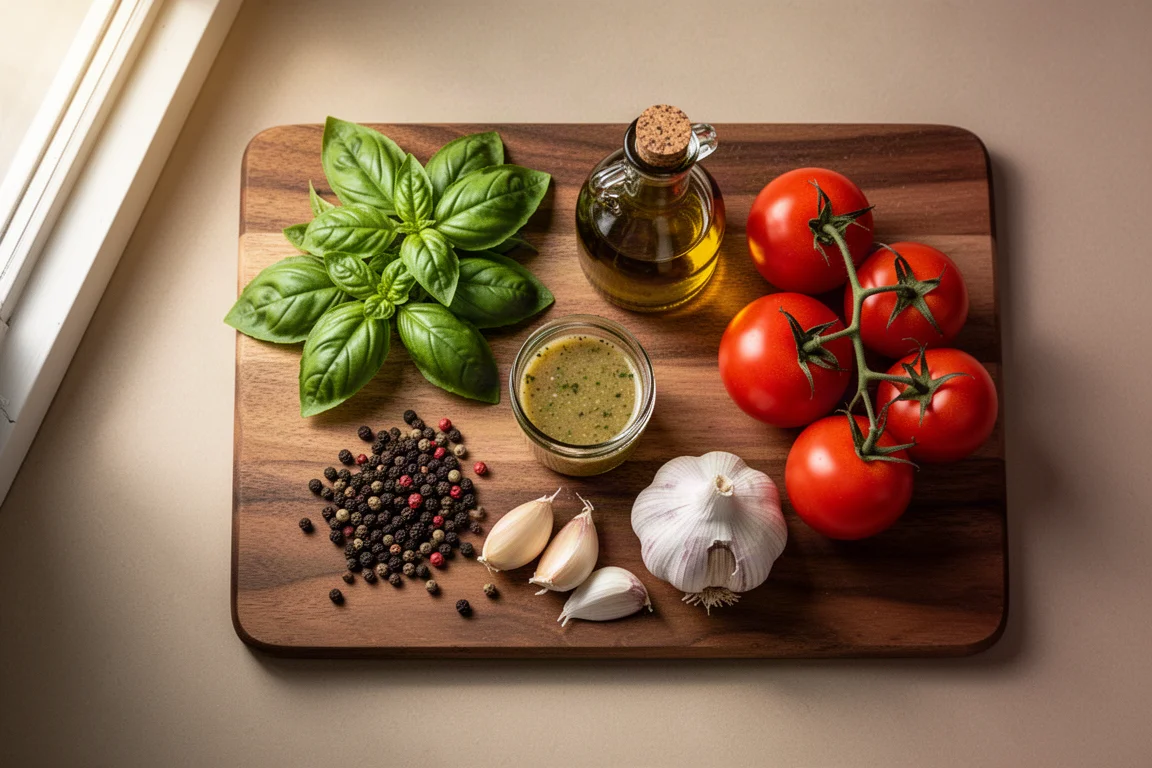
It is not a replacement for a proper mortar and pestle. It produces smaller batches, the texture runs chunky, and versatility is limited. But as a fun, well-built gadget that lowers the friction of making fresh dressings and spice blends, it earns its keep, and it makes a surprisingly good party trick when friends are over.
Magic Bullet
The Magic Bullet arrived in October 2003 from Homeland Housewares and became one of the original compact personal blenders, sold in more than 50 countries and generating roughly $250 million in revenue in its first 17 months. The ads made big promises: chop, mix, blend, whip, grind, any job in 10 seconds or less. It retailed at $49.99 in 2007.
In practice, the promise is where it stumbles. Pulsing is the key technique, and without proper pulse control it is very easy to over-process. A salsa attempt turned into salsa soup within seconds, and cheese grating was equally temperamental. The clicking mechanism engages so easily that ingredients get pulled straight into full blend mode.
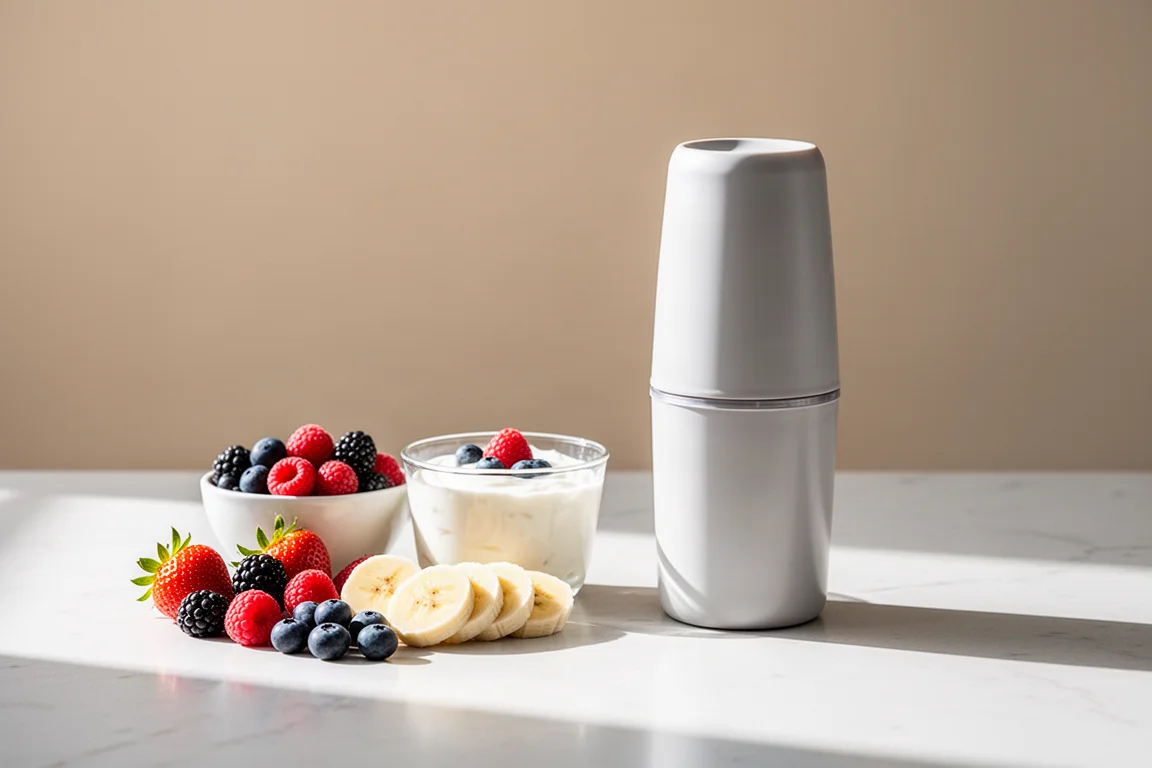
Where it genuinely shines is smoothies. The top-down blending design it popularized still works well for drinks, and it comes packed with cups and lids that make single-serve blending convenient. One caveat: hot liquids are off the menu, so soup needs reheating afterward rather than blending hot.

Miracle Blade III Perfection Series
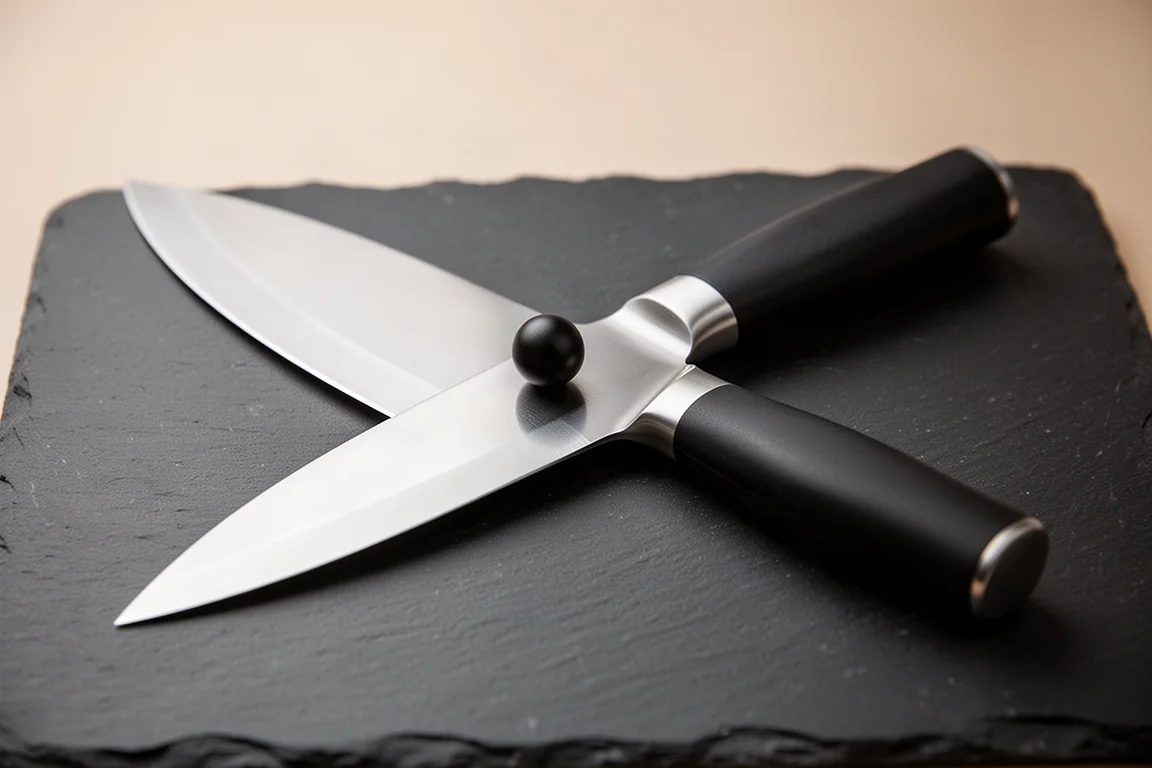
This one comes with the boldest marketing of the bunch. Pitched by one of America’s best-known infomercial hosts, Chef Tony, the Miracle Blade III launched in the late 1990s and hit peak popularity in the early 2000s. The 11-piece set includes a fillet knife, a rock and chop chopper, a chop and scoop chopper, scissors, a paring knife, steak utility knives, and all-purpose slicers, all for $39.95.
The infomercial demos, involving concrete, Christmas trees, and mallets, are pure theatre and tell you little about everyday use. The signature oddity is the small black control ball on the blades, intended as a thumb or finger rest for better control while chopping. It does provide a secure resting spot, though a plain handle would allow more flexibility.
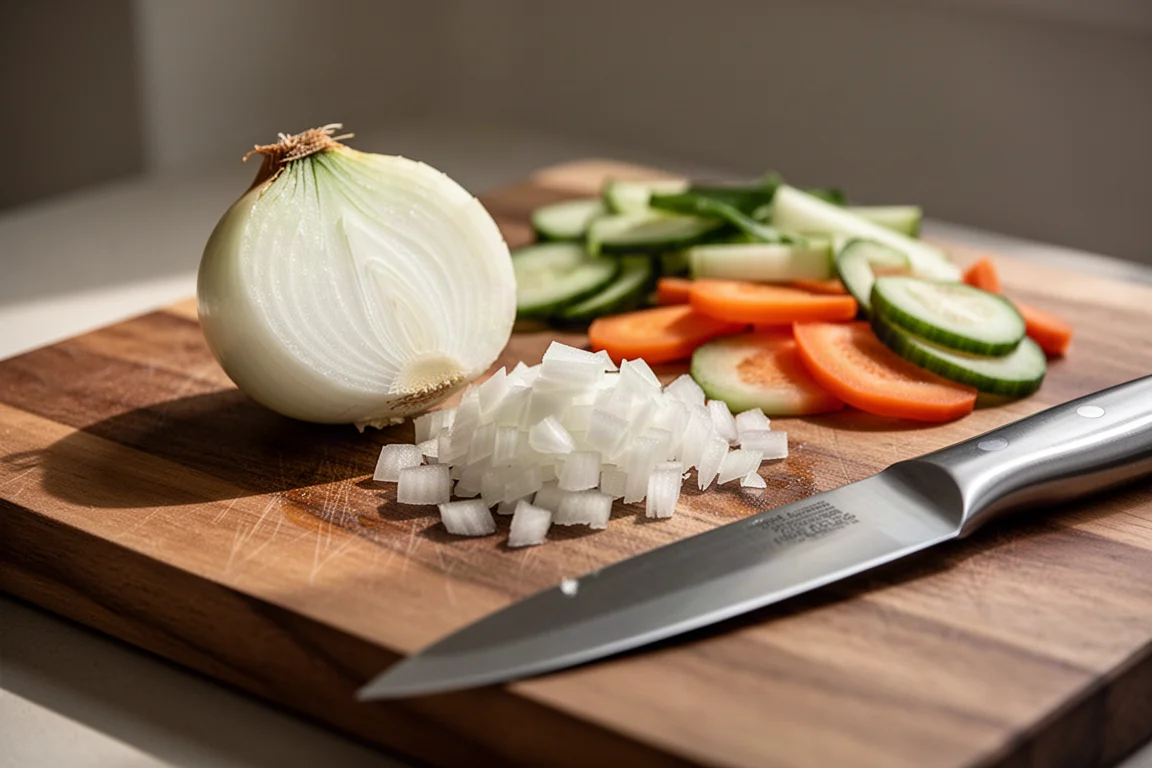
The reality: the knives feel light and somewhat cheap, and ours were not particularly sharp out of the box. Chopping an onion with the main chef’s knife felt awkward and alien, closer to using a scraper than a knife. The steel is rust-resistant stainless with a Rockwell hardness around 52, comparable to some established knife brands on paper, but the overall experience does not match. With heavy use, these would likely dull quickly.
Presto Pizzazz Plus Rotating Pizza Oven
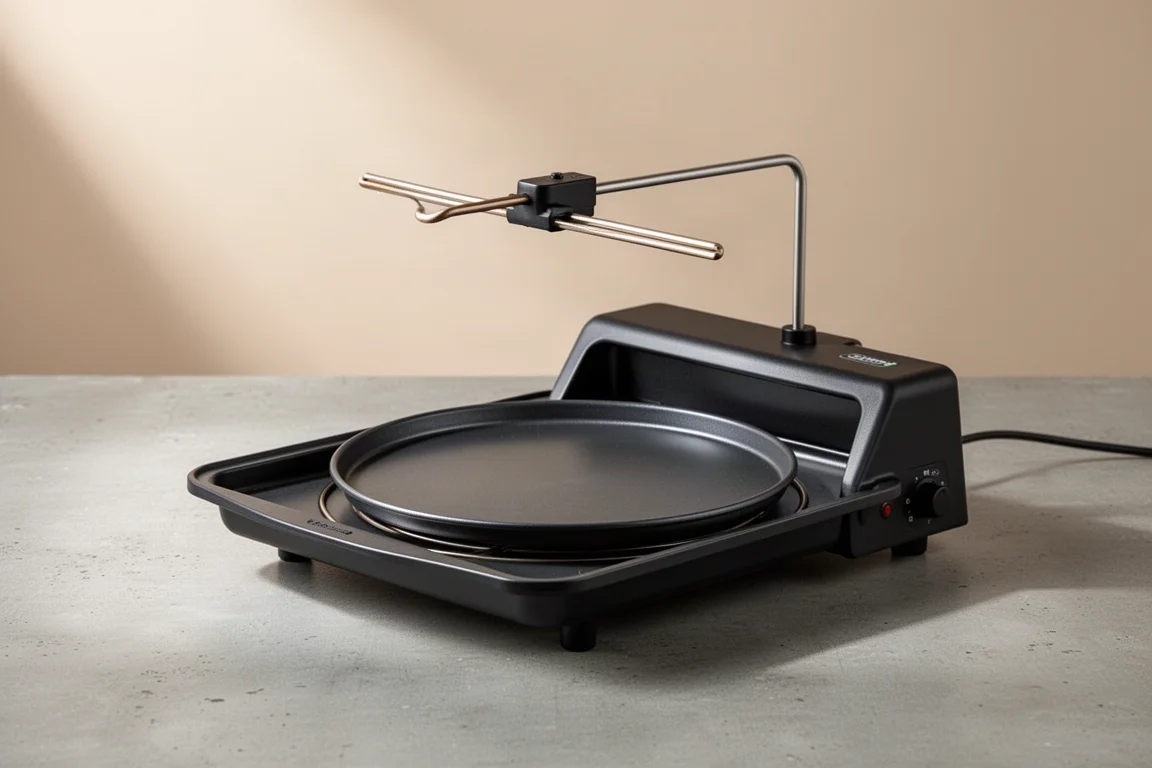
The Presto Pizzazz Plus is the sleeper hit of the group. First launched in 2000, the original lost momentum when it was marketed purely as a pizza oven. The relaunched Plus version expanded the pitch to pizza, wings, snacks, and frozen foods, and stayed on sale for more than 20 years afterward. It retailed between £24 and £42, which looks remarkable value in an era of premium air fryer pricing.
The design is simple: a heating element above and below a rotating tray, so the pizza cooks evenly a section at a time. A frozen regular-crust pizza takes 12 to 15 minutes on the dual setting. The result genuinely impressed: golden color on top, a perfectly cooked crust, and a bottom crispier than a standard grill manages without over-crisping. One tester who cooks frozen pizzas regularly called it the best-cooked version he had ever had.
The quirks are real. There is no off button, only upper, dual, and lower modes, so you have to unplug it to stop it. And while the instructions list everything from tater tots to puff parcels, its true calling is clearly frozen pizza. It does one thing extremely well, and that is enough.
Which Ones Are Still Worth Buying Today?
If you take away one lesson from 2000s As Seen on TV gadgets, it is that simplicity sells, but only some simple ideas age well. The Flavour Shaker and the Pizzazz Plus both do a narrow job with genuine competence. The Magic Bullet works well within its smoothie niche but punishes imprecise use. The Miracle Blade III promises far more than it delivers and is best left in the past.
For dressings and fresh spice blends with minimal fuss, the Flavour Shaker remains a charming, effective pick. For quick single-serve smoothies, the Magic Bullet formula is still the blueprint that countless modern blenders copy. For frozen pizza night, the Pizzazz Plus remains an oddly brilliant budget alternative to a full oven or air fryer.
Conclusion
Ranked by our testing, the Jamie Oliver Flavour Shaker takes top honors for build quality and surprising effectiveness, the Pizzazz Plus wins hearts for doing one job brilliantly, the Magic Bullet earns a solid niche endorsement for smoothies, and the Miracle Blade III lands firmly at the bottom. Nostalgia is fun, but a gadget that still performs is better: and two of these four genuinely do.
Further reading
Related Reviews

Kitchen Gadgets
Kitchen Gadgets Tested 2026: Five Tools Worth Considering
A practical look at five kitchen gadgets, from egg shapers to peanut butter stirrers, with honest assessments of what works and what doesn't.
Kitchen Gadgets
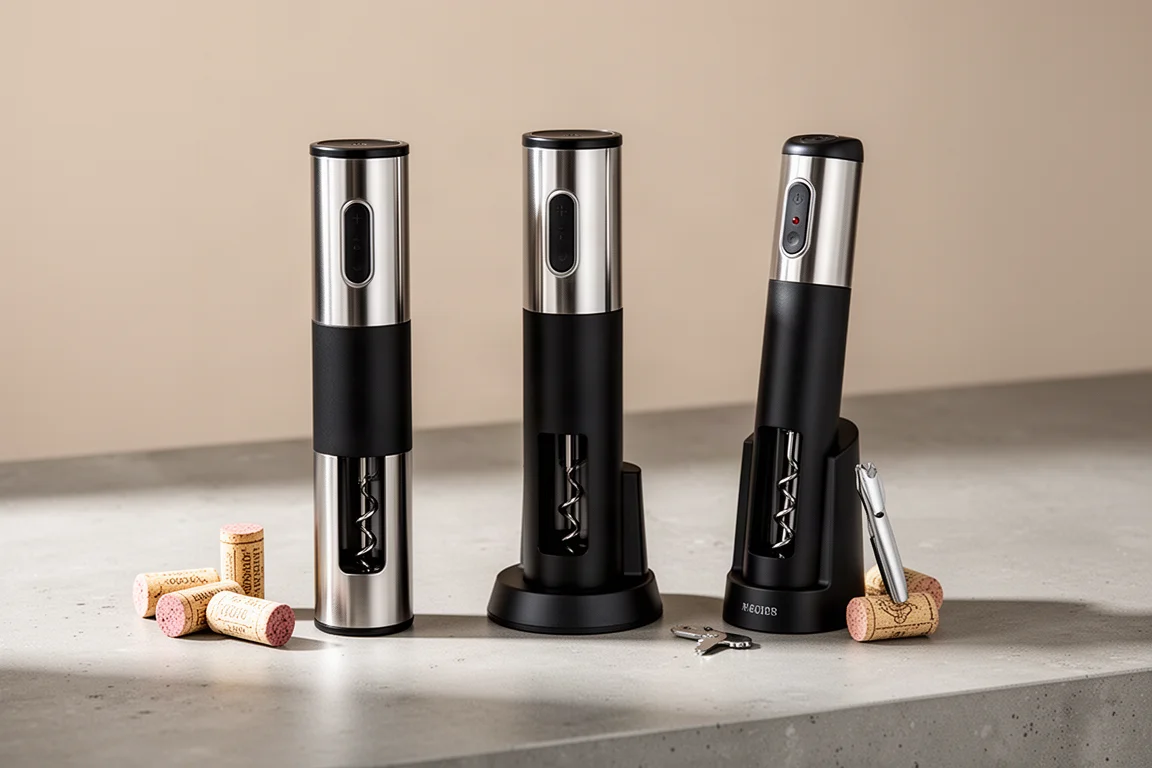
Best Electric Wine Openers: Our Top Picks From Eight Tested Models
We tested eight electric wine openers priced from $20 to $110 on hundreds of bottles. The Secura came out on top, with a Peugeot and a Rabbit model also worth knowing about.
Kitchen Gadgets
Best Kitchen Gadgets Under $15: Eight Small Tools That Earn Their Keep
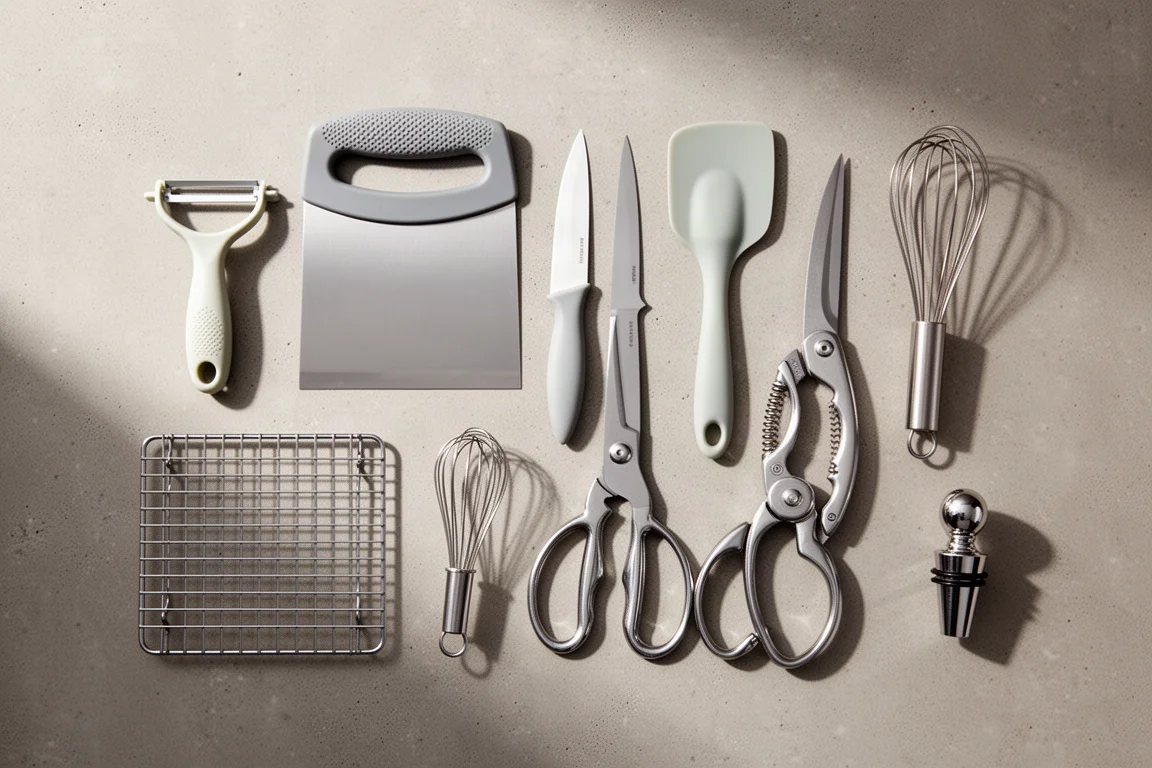
Eight kitchen tools that cost less than $15 but perform like far more expensive gear, from a razor-sharp peeler to a champagne saver that really works.