Power Tools
1-Inch Impact Wrench Showdown: Air Power vs. the Biggest Cordless Batteries
Three heavy-duty 1-inch impact wrenches and the compressor setup that feeds them, tested for torque, weight, and real-world cost.
Introduction
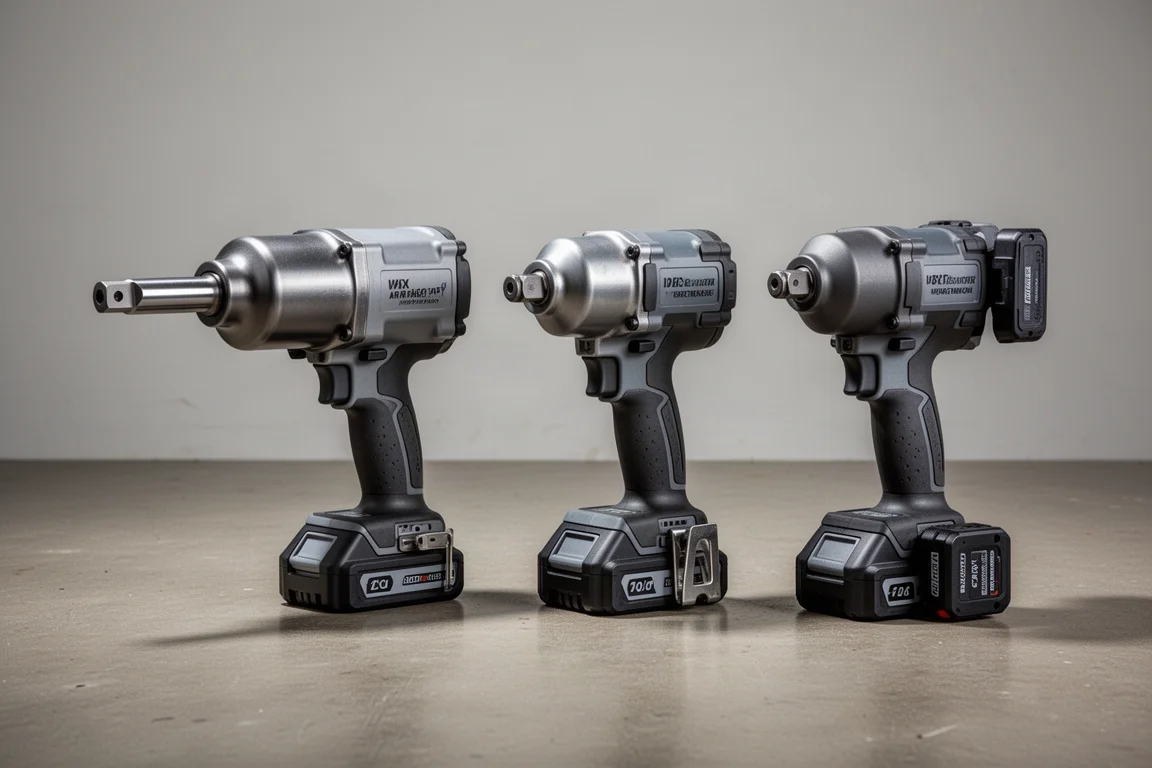
One-inch impact wrenches sit at the very top of the tool world, and for years air power has been the assumed king of this size class. We lined up Ingersoll Rand’s 2850 Max air impact against the two most powerful cordless 1-inch impacts available, and the results say a lot about where this category is heading.
How We Tested
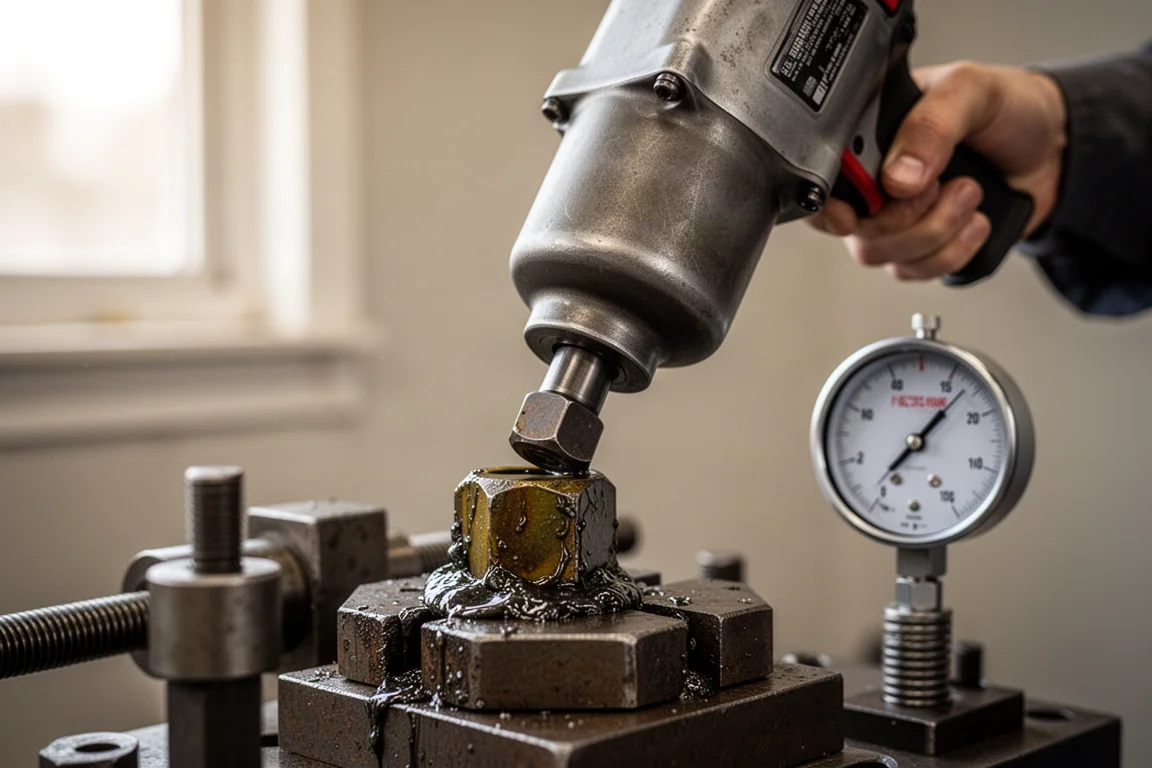
Each tool was run through a working torque test (five seconds in forward on a large greased stud rig) and a max torque test, followed by real-world nut-busting removal runs. Test numbers below reflect the best results recorded during these runs. Setup details matter here: line pressure was checked at the wall rather than at the tool, and the air gun was fed with a short, large-diameter hose to avoid pressure loss.
Ingersoll Rand 2850 Max: The Air Standard
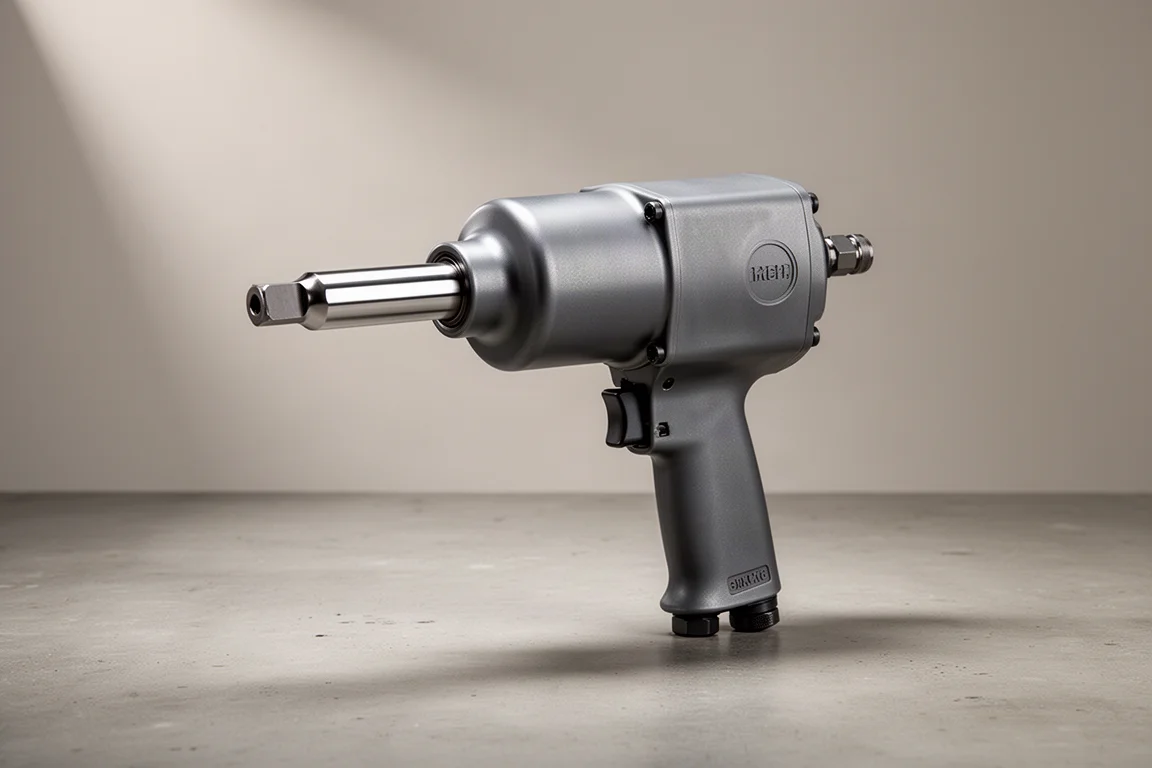
The 2850 Max is rated for 2,200 ft-lb loosening and costs around $650 for the bare tool. It is roughly 5 lbs lighter and noticeably shorter than the older 285 it effectively replaces, coming in at 22 lbs including a short whip hose. Despite the size, it is rated at 2,000 ft-lb in the measuring direction, and in testing it reached up to 94 percent of that claim, which is excellent.
In the working torque test it delivered about 1,224 ft-lb, a category-leading figure, and it hit roughly 1,468 ft-lb in the max torque test. With 150 psi static line pressure it produced up to 1,886 ft-lb in best-case nut-busting conditions. It is also very slow hitting at 770 impacts per minute, the slowest of any impact tested in this class, giving it more of a shake than a rattle. One practical note: it is not happy when underfed. Running at 90 psi at the wall rather than spec pressure at the tool cost it measurable torque, so make sure your supply keeps up under full throttle.
Inside the Ingersoll Rand 2850 Max
The 2850 Max gets smaller, lighter, and more powerful at the same time by using just four front bolts instead of the traditional eight, a large but shorter air rotor than typical 1-inch impacts, and plastic rotor blades that can outlast phenolic resin depending on the application. The real surprise is at the hammer assembly: instead of the old enclosed rocking-dog clutch, this is a twin-hammer design, the kind usually reserved for compact air impacts a quarter of the size.
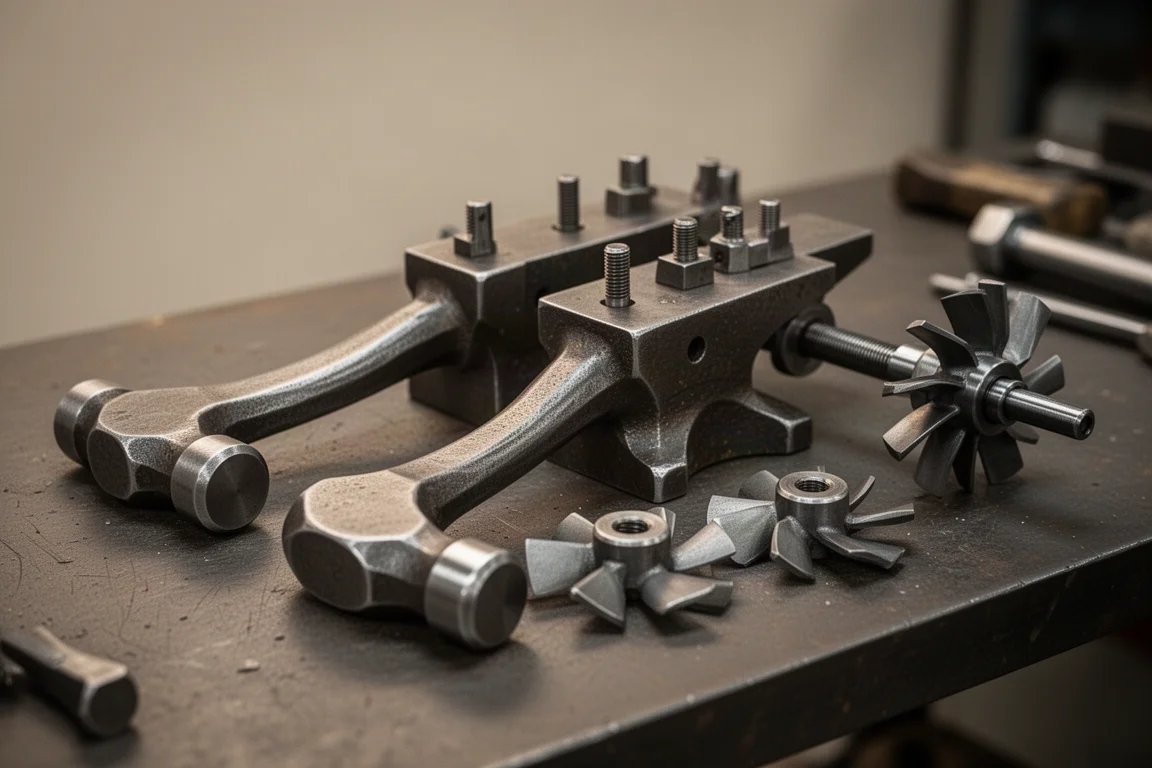
Because the twin-hammer design is visible while operating, the mechanism can be filmed in action. The hammers both strike at the same time on opposite sides of the anvil dogs, delivering big, infrequent hits once every 360 degrees, which imparts more momentum per blow than the faster, lighter hits of a cordless mechanism.
Milwaukee M18 2868: The Cordless Contender
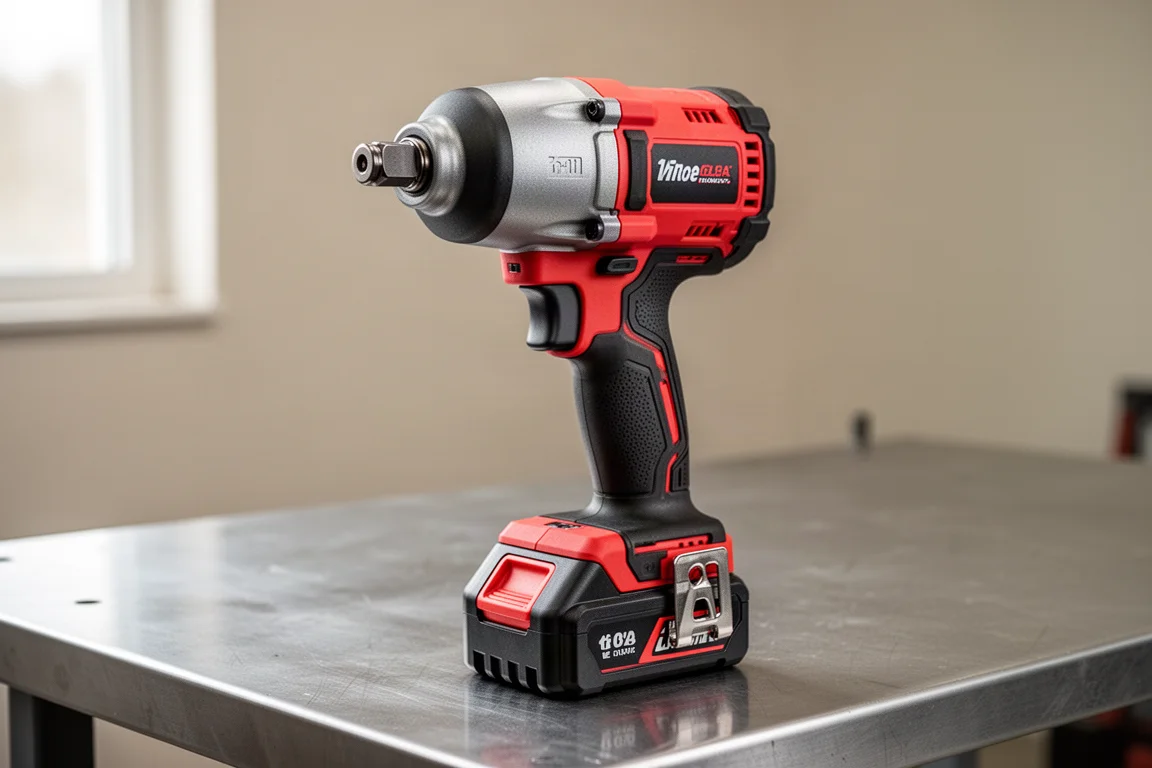
Milwaukee’s M18 1-inch 2868 is rated for 1,900 to 2,000 ft-lb loosening and sells for roughly $800 bare, around $1,300 as a kit ready to run. With an HD 12.0 battery it produced about 890 ft-lb in the working torque test, and about 2,000 ft-lb in the nut-busting direction. With the Forge battery, which it happens to prefer, it pushed slightly higher in best-case conditions.
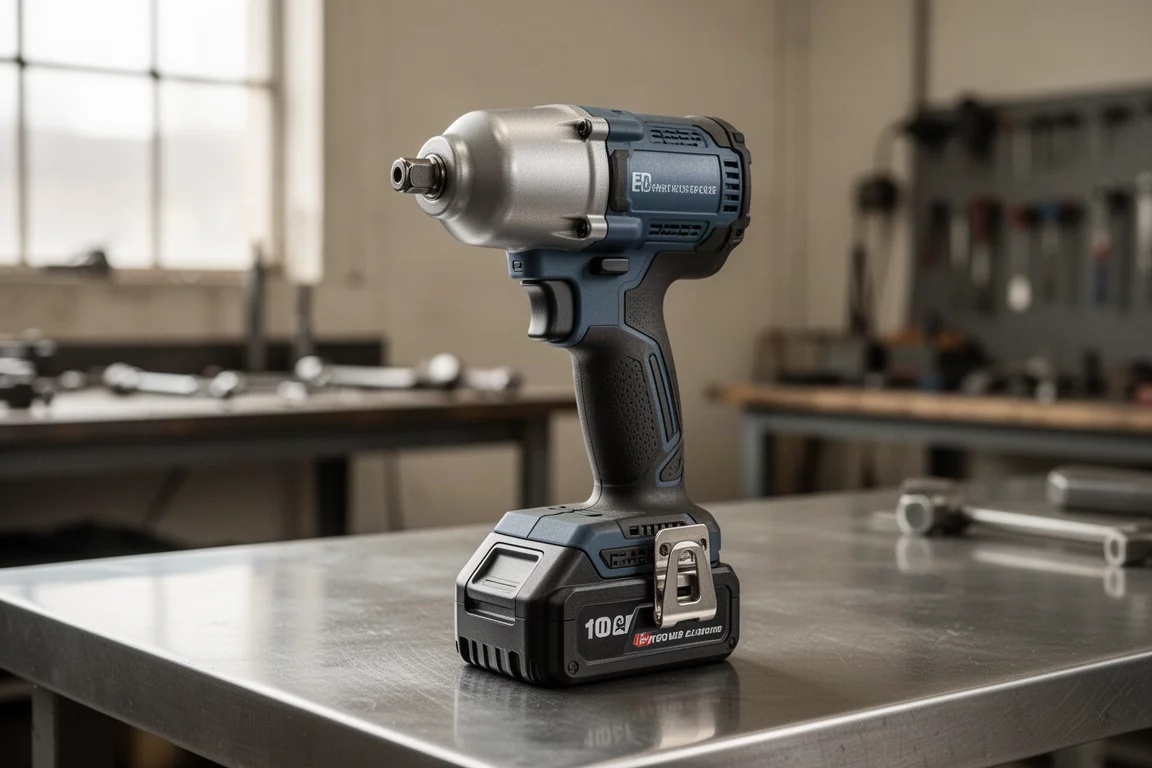
For most users, this is the practical path to one-inch-class power: no compressor, no piping, no regulator, just a battery and a charger. It cannot quite match the air gun’s peak numbers, but the gap is smaller than the spec sheets imply.
Ingersoll Rand W9691: The Cordless Flagship
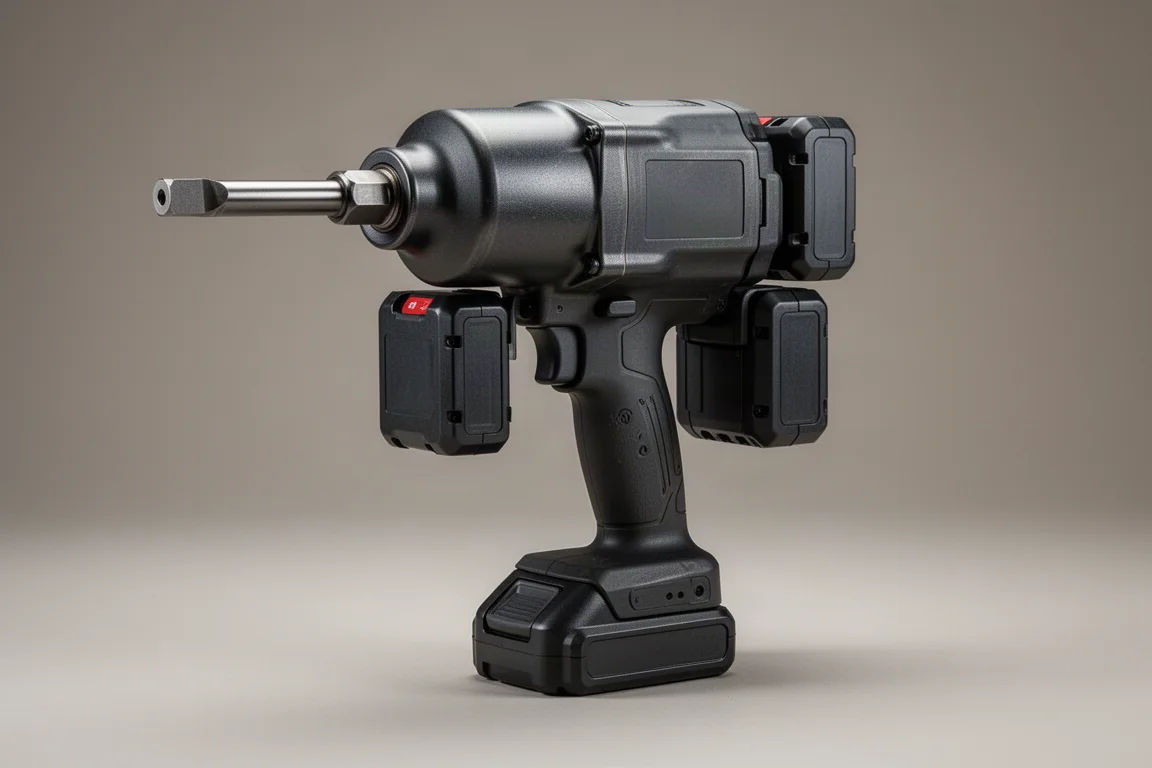
The W9691 is Ingersoll Rand’s 40-volt 1-inch cordless impact with side-mounted battery packs, rated for around 3,000 ft-lb loosening and priced around $1,100 bare. On our measures it is the highest-rated and highest-performing cordless impact in this class. In the working torque test it trailed the air gun slightly, but in the max torque test it closed fast, and in head-to-head removal runs it finished nearly as quickly as the air tool, close enough to call a tie despite delivering less momentum per hit.
EMG 120-Gallon Quiet Air Compressor
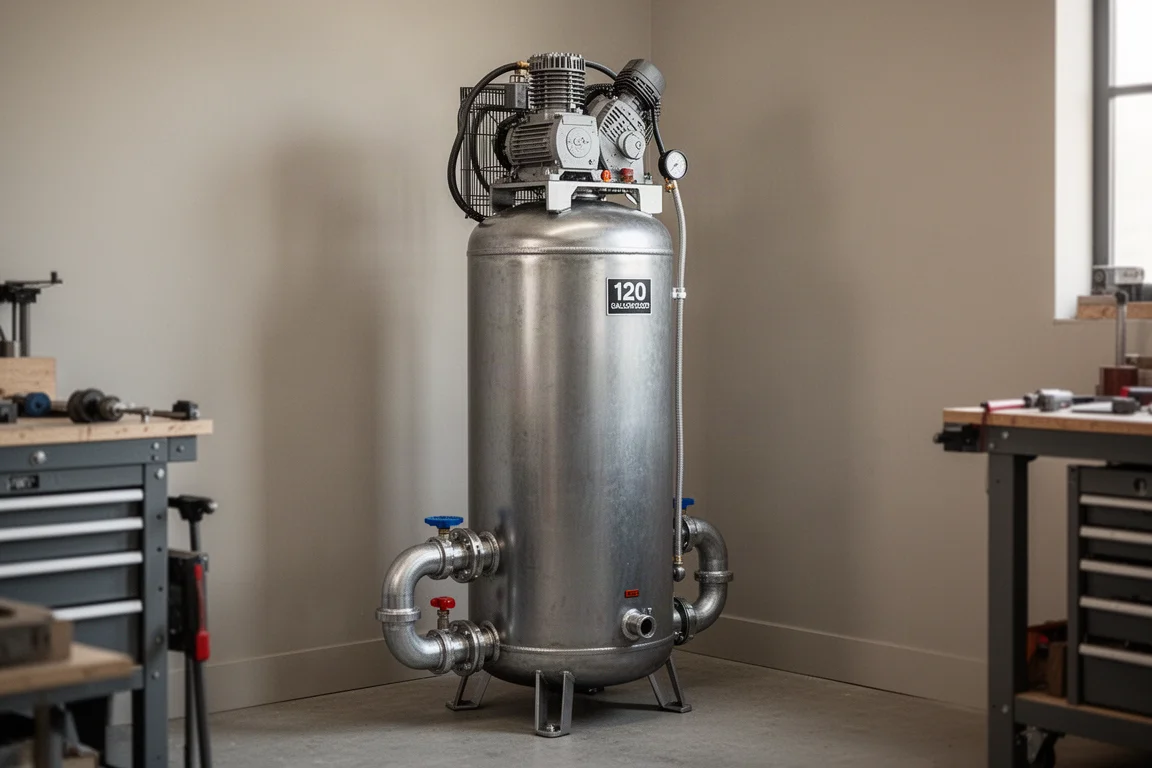
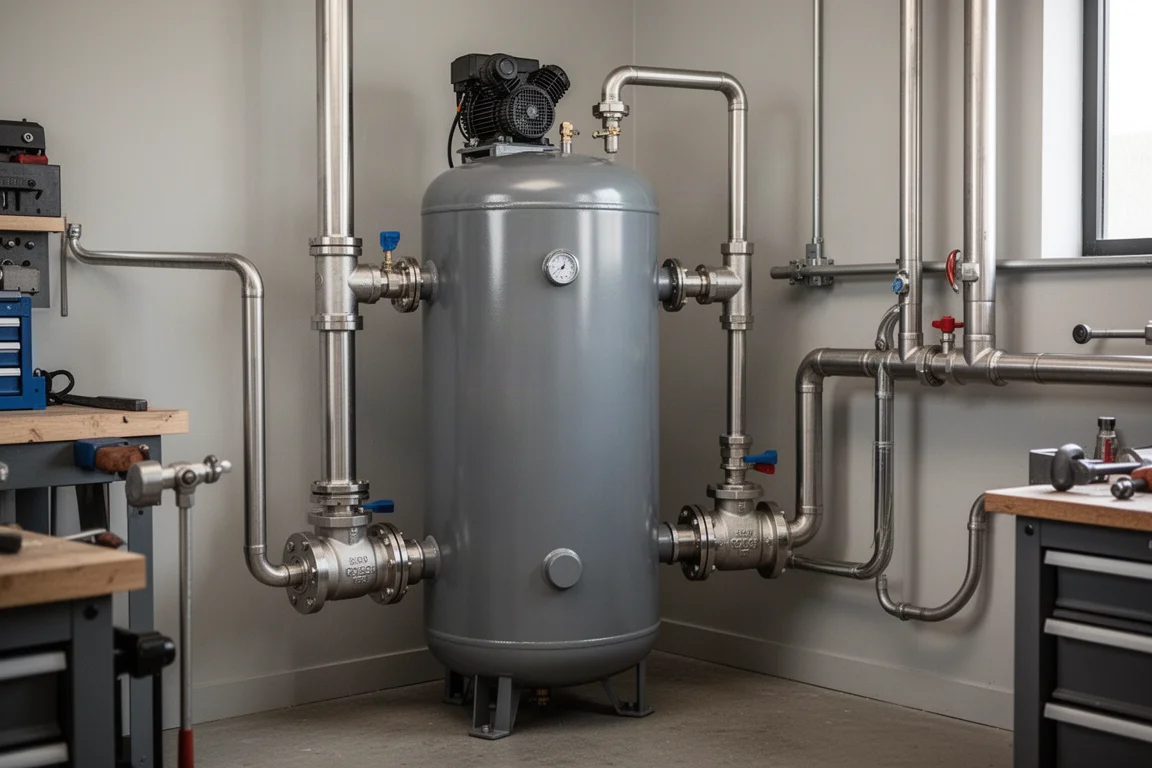
None of the air tool’s numbers are possible without serious air supply. The EMG 120-gallon quiet compressor, around $4,800 before installation, runs about twice the physical size of a typical shop compressor yet is quiet enough to hold a conversation over, and quieter than any tool it feeds. With 120 gallons at 180 psi on tap, it can sustain large air tools at full throttle.
Worth knowing: the compressor is only part of the bill. A panel upgrade, new lines, and installation added several thousand more, and the total setup, including the 2850 Max, pipe, fittings, and hoses, came to roughly $14,000 to $15,000 out the door. The plumbing matters as much as the tank: 5 feet of 1-inch schedule 40 line, a 180 CFM 250 psi regulator with 1-inch NPT ports that does not neck down internally, 1¼-inch stainless ball valves, and high-flow Chicago fittings, which are essentially a wide-bore junction with a gasket rather than a normal restrictive air fitting.
What It Really Takes to Feed an Air Impact
The air gun wins on raw performance, but the entry cost is the real story. The 2850 Max is $650, and if you already have a shop with plenty of compressor capacity, that is a bargain. Building a capable supply from scratch is a $14,000 to $15,000 project. The cordless W9691 kit lands around $1,300, and the Milwaukee around $1,300 kitted, deliverable anywhere without infrastructure.
Our take: air still holds the crown at this size for pure output, especially because turning up a wall regulator is free power when you need it. But cordless has closed the gap dramatically, and for most buyers without existing air infrastructure, cordless is the smarter and far cheaper route into this level of torque.
Conclusion
The Ingersoll Rand 2850 Max is the performance pick if you already have the air supply to feed it. The Milwaukee M18 2868 is the value-conscious cordless choice, and the W9691 is the cordless benchmark for raw power. Whatever you choose, match the tool to the infrastructure you actually have, and the numbers will follow.
Further reading
Related Reviews
Power Tools
Best 1-Inch Pistol Impact Wrenches: Three Heavy-Duty Options Compared
We compare three 1-inch pistol impact wrenches, from a budget-friendly Harbor Freight model to a premium Caterpillar unit, to help you choose the right one.
Power Tools
Best 3/4-Inch Impact Wrenches 2026: Five Contenders Compared
We compare five 3/4-inch impact wrenches across price and performance, from a budget Amazon option to Snap-on's most powerful model yet.
Power Tools
Best Budget Cordless Tools 2026: Walmart Finds That Punch Above Their Price
We tested five cordless tools from Walmart, including a high-torque impact wrench that trades blows with Milwaukee and a $35 duster that outperforms its price class.